Top Trusted Planetary Book Scanner Manufacturers & Suppliers
A procurement-grade guide to non-contact overhead book scanners, A3/A2 document cameras, sensor selection, acceptance testing and supplier due diligence for libraries, archives, schools, government counters and B2B distributors.
What Makes a Planetary Book Scanner Different?
A planetary book scanner is an overhead, non-contact capture system. Instead of pressing a book or document against glass, the scanner uses a camera and lens system mounted above the page. That distinction matters for fragile paper, tight bindings, newspapers, maps and archival records.
When procurement teams search for top trusted planetary book scanner manufacturers & suppliers, they are usually not looking for a generic flatbed scanner. They need a supplier who can explain optical resolution, page curvature correction, OCR output, software integration and after-sales support in a way that survives a tender review. A true planetary system should protect the original while producing a clean, repeatable digital master.
For B2B buyers, the supplier question is broader than the camera head. The best sourcing decision links document size, daily throughput, operator skill, output format and software environment. An A4 classroom visualizer, an A3 library book scanner and an A2 newspaper archive scanner solve different problems. A trusted supplier should guide that match instead of simply quoting the highest megapixel count.
This guide is written for that decision context. It combines product shortlisting, resolution math, sensor trade-offs, procurement trends and due-diligence checks. It also explains where Guangzhou Quibow Electronic Co., Ltd. fits as a Guangzhou-based imaging supplier with OEM/ODM support, CIS/CMOS/CCD product experience and verifiable trade records.
In practical terms, a planetary scanner should deliver four outcomes: protection of the original, consistent image geometry, searchable OCR-ready files and predictable service. If any one of those is missing, the lowest unit price often becomes the most expensive choice after installation.
8 Planetary & Overhead Imaging Products to Shortlist
The eight models below are drawn from Quibow’s current catalogue. Each card preserves the original product URL and shows the workflow reason a buyer may shortlist it. Product images are displayed in full without forced cropping.
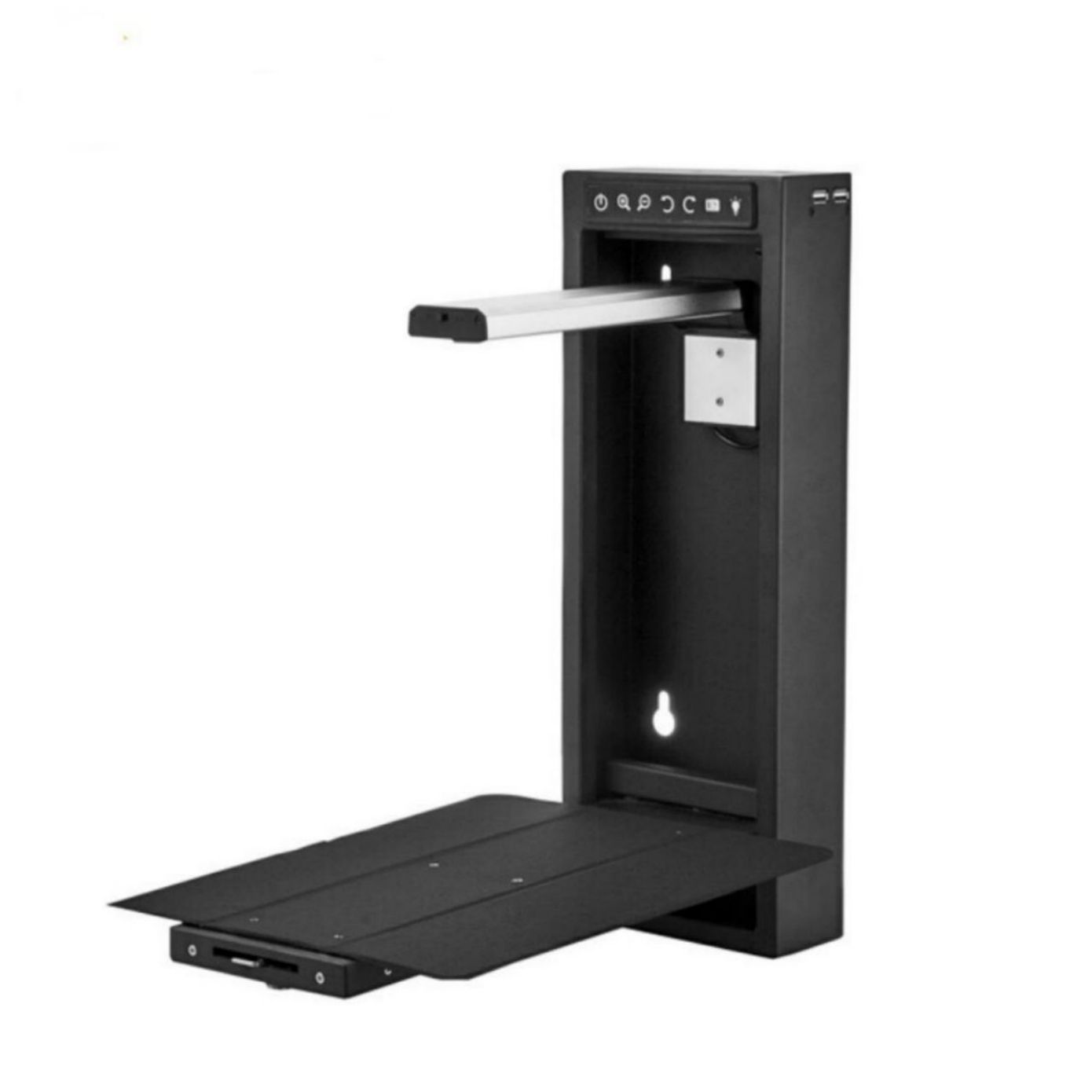
10MP USB CMOS Document Camera Wall Mount Scanner with 1-Second Scan Speed 1-Year Warranty in Stock Classroom Education A4 SDK
- 1-second capture speed
- SDK for classroom software
- Wall-mounted A4 vision
Best for: classroom podium, training room, A4 course materials.
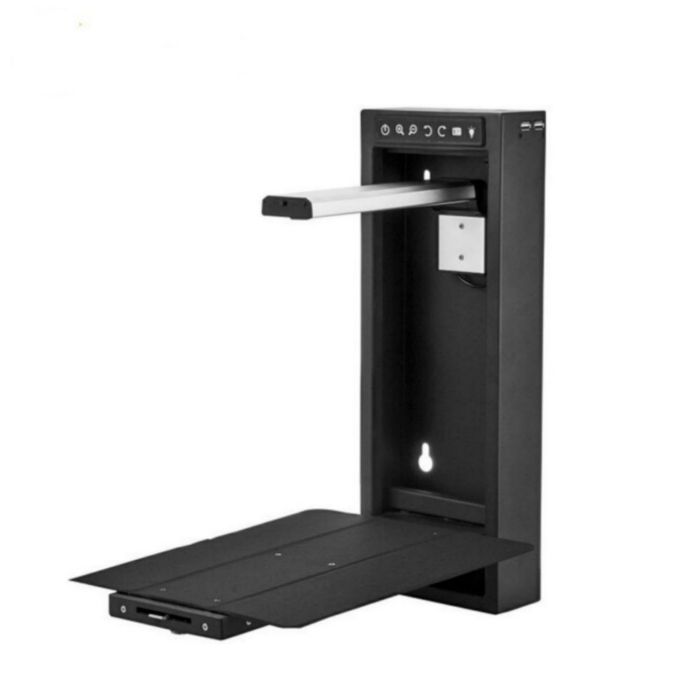
A4 Black USB 5V High-Speed 10MP High-Resolution Document Scanner Wall-Mountable OEM 24 Bit SDK 1-Year Warranty Education Stock
- 24-bit color capture
- Wall-mountable OEM design
- SDK and education stock
Best for: OEM visualizer programs, A4 document capture, classroom rollouts.
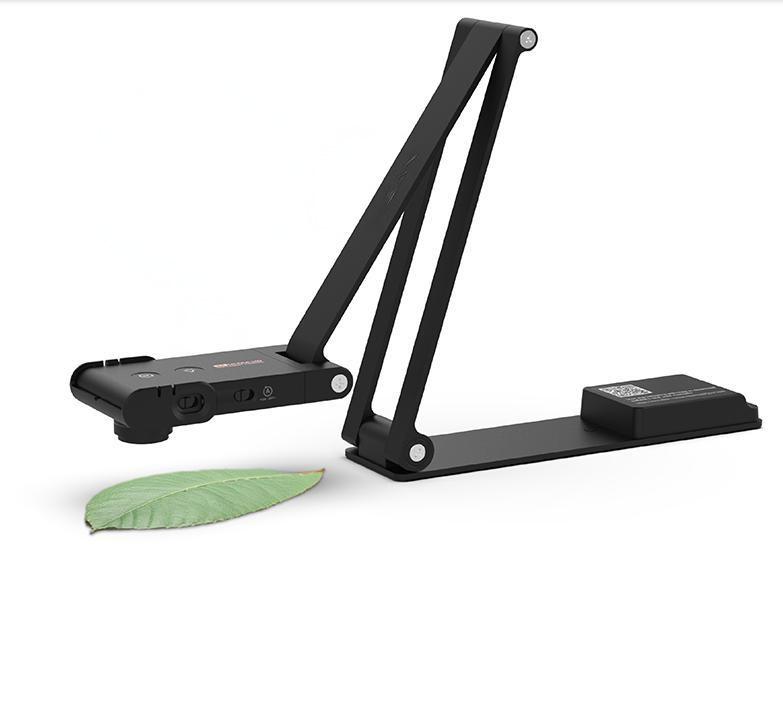
4K 2-in-1 USB 13MP Document Camera Visualizer AI Noise Cancellation 20X Macro Lens Foldable Design Microphone A3 Max 1-Year
- 4K 2-in-1 live/capture use
- AI noise cancellation
- 20X macro lens, foldable
Best for: hybrid teaching, A3 visual demonstrations, remote training.
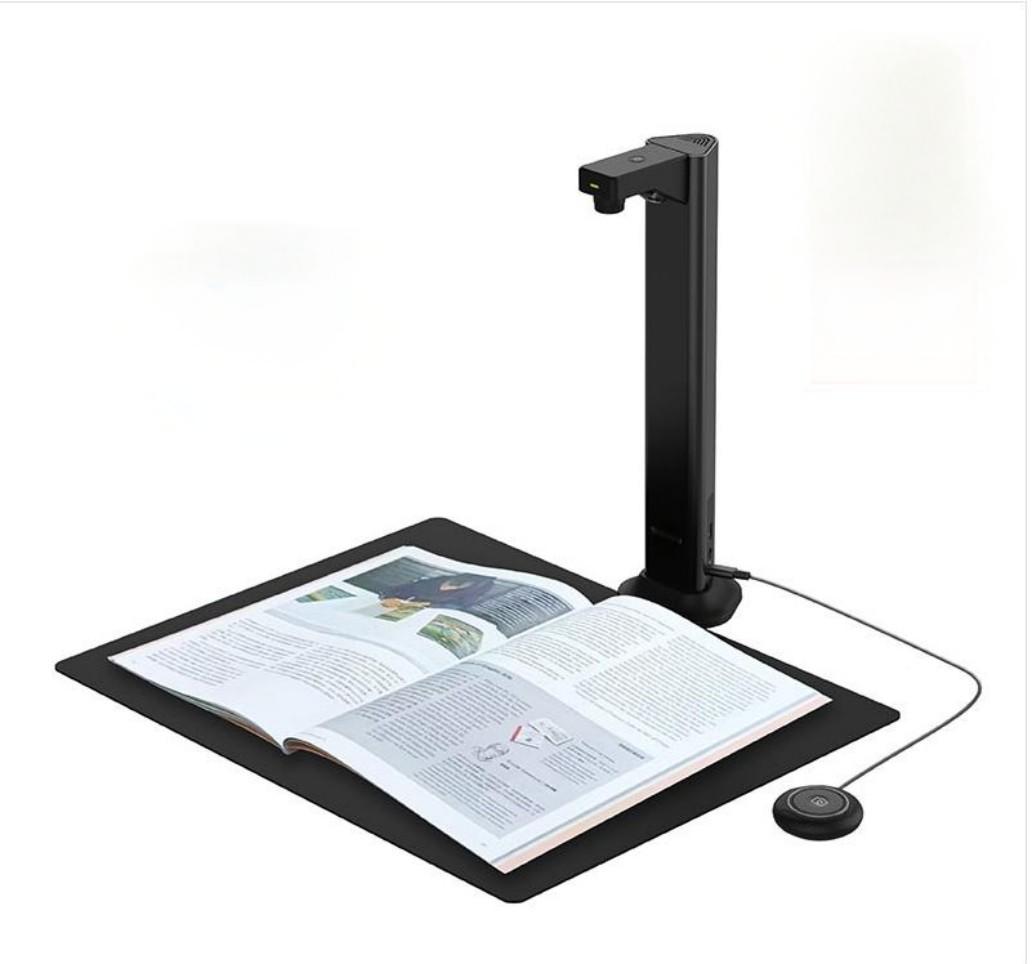
Real 24MP UVC A3 Document Scanner with USB Interface and Text to Speech Feature In-Stock Product
- UVC USB plug-and-play
- Text-to-speech feature
- A3 high-resolution capture
Best for: accessible reading, office digitization, A3 document reproduction.
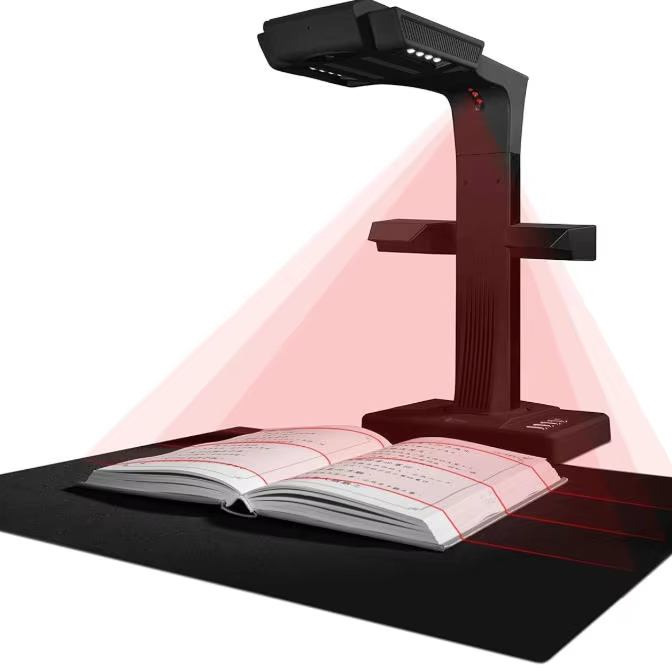
18MP A3 Book Scanner Overhead Document Camera Auto Curve Flattening OCR 180+ HDMI Visual Presenter for Office Library
- Auto curve flattening
- OCR output for searchable files
- 180+ visual presenter use
Best for: library book digitization, office archives, A3 OCR workflows.
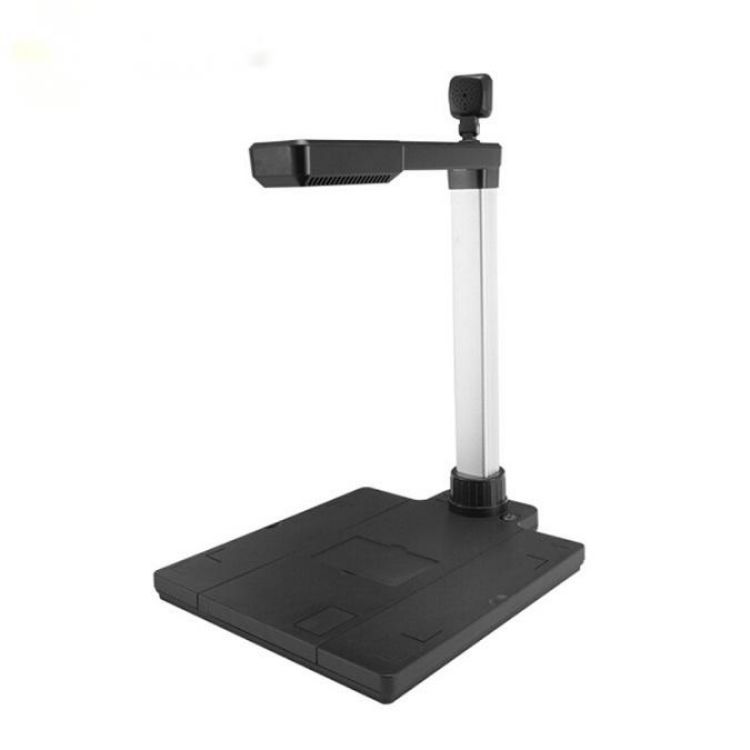
10MP Education Visualizer Scanner Document Management Book Camera USB in Stock
- Document management capture
- USB in-stock availability
- Book camera for education
Best for: schools, document management, entry-level book capture.
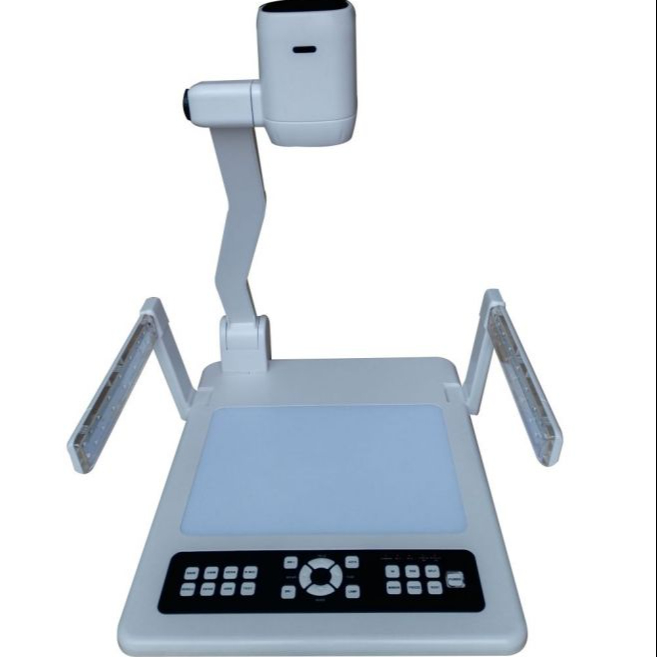
Factory Desktop Document Camera Visualizer 22X Optical Zoom with Interface HD MI RS232 Audio Mic Video
- 22X optical zoom
- HDMI, RS232, audio and mic
- Desktop visual presenter
Best for: lecture halls, control rooms, training demonstrations, integrator projects.
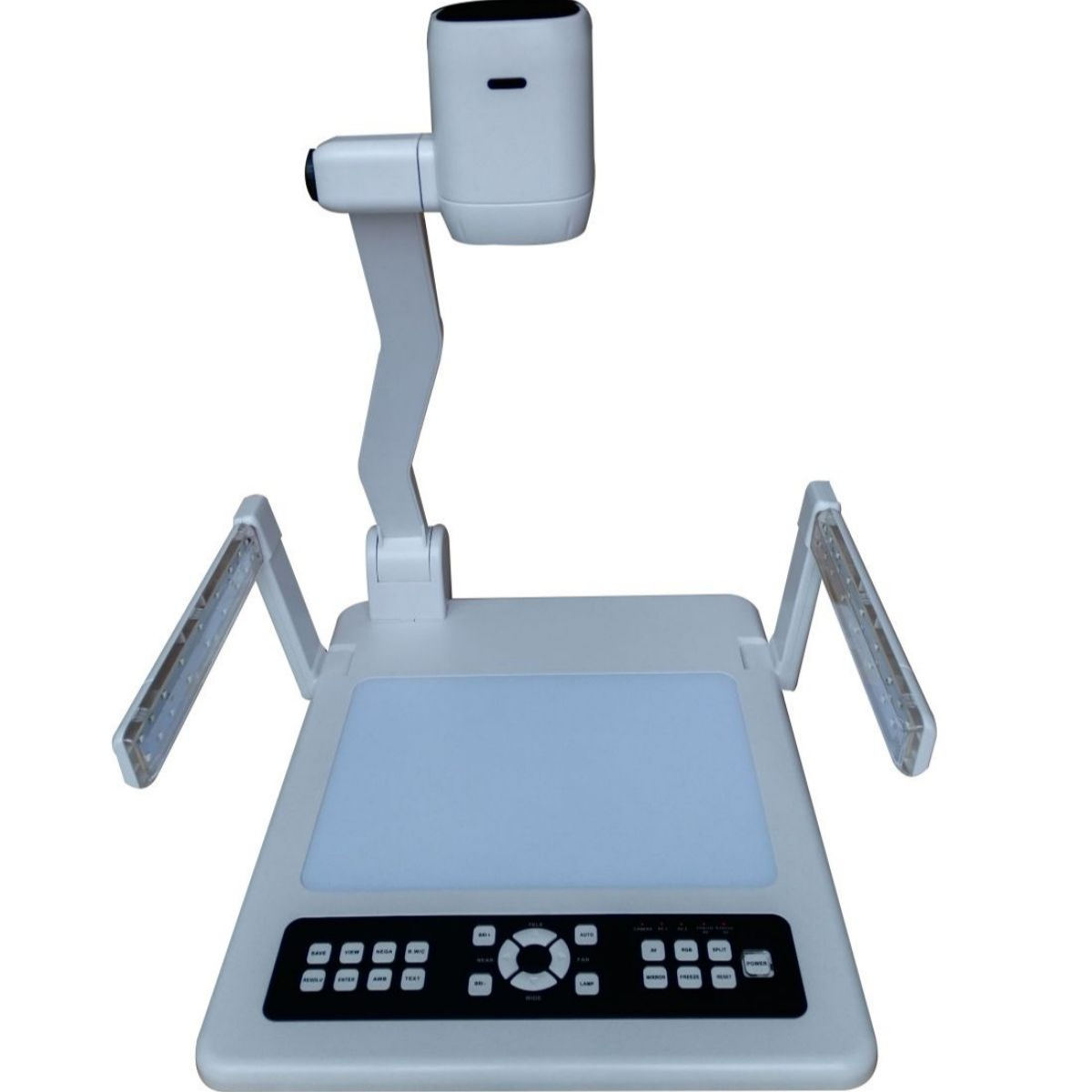
HD Optical Zoom Visual Presenter 1/3" CMOS Sensor 1-Year Warranty OEM Brand GUA Origin Professional Document Camera VGA RS232
- Professional HD visual presenter
- VGA and RS232 control
- OEM brand and Guangzhou origin
Best for: professional presentation, classroom AV, OEM brand programs.
Match Resolution to Page Size, Not Just Megapixels
Planetary scanners are often compared by megapixels, but a procurement specification should be based on the required resolution at the ordered page size. Use the table below to translate document dimensions into pixel targets and rejection risks.
| Original size | 300-dpi pixel target | Typical capture class | Procurement note |
|---|---|---|---|
| A4 210 × 297 mm | 2,480 × 3,508 px ≈ 8.7 MP | 10 MP or higher | A 10MP education visualizer can meet A4 OCR and on-screen reading needs when lighting and focus are controlled. |
| A3 297 × 420 mm | 3,508 × 4,961 px ≈ 17.4 MP | 18–24 MP | An 18MP or 24MP overhead book scanner is the practical range for A3 books, files and OCR masters. |
| A2 420 × 594 mm | 4,961 × 7,016 px ≈ 34.8 MP | 48 MP recommended | For 300-dpi A2 archival masters, specify a 48MP A2 planetary scanner rather than stretching a 21MP file. |
| Photos & fine art | 600–2,400 dpi optical | Flatbed with 48-bit color | Use a dedicated flatbed when surface texture, color fidelity and optical dpi are more important than book handling. |
CIS: compact batch capture
CIS is a slim linear sensor that reads a page at close range. It is efficient for sheet-fed office batches, invoices and contracts where controlled lighting and high daily volume matter.
- Choose when
- ADF throughput, compact housing and low power are priorities.
- Watch for
- Bound books and uneven originals are not the best fit.
CMOS: non-contact planetary capture
A CMOS area sensor captures the whole page in one shot from above. This is the core of planetary book scanning: no glass pressure, no forced flattening and better protection for fragile bindings.
- Choose when
- Books, newspapers, maps, classrooms and counter services need live or instant capture.
- Watch for
- Software curve flattening, OCR and lighting uniformity are critical to final output quality.
CCD: optical depth and color stability
CCD uses a moving optical carriage with strong depth of field and stable color response. It can be valuable for bookedge flatbeds, photos, artwork and originals that sit slightly above the glass.
- Choose when
- Fine color, texture and controlled optical resolution are central to the project.
- Watch for
- Throughput and book handling differ from overhead planetary models.
How to Evaluate Top Trusted Manufacturers & Suppliers
The phrase “top trusted” should be proven, not assumed. A credible planetary scanner supplier can provide specific evidence for legal identity, imaging performance, software support, warranty process and trade history.
Legal and onsite evidence
Confirm company name, address, business type and any onsite-checked supplier assessment. Quibow’s published profile identifies Guangzhou Quibow Electronic Co., Ltd. as an onsite-checked trading company established in 2020.
Image evidence, not slogans
Ask for sample scans of your own book, newspaper or document. Review gutter shadow, curve correction, text sharpness, color cast and OCR accuracy under the intended lighting.
Software and SDK clarity
Check whether capture software, OCR, text-to-speech, TWAIN/UVC, SDK access and operating-system support are included or optional. Compatibility should be confirmed per model before shipment.
Warranty and support path
A 1-year warranty is useful only if remote diagnostics, spare-part planning and escalation contacts are clear. Include response-time expectations and DOA handling in the purchase order.
Trade records and reorder signal
Review supplier assessment, credit overview, transaction level and buyer feedback. Quibow publishes a 27% buyer reorder rate, 100% message response rate and ≤1h average response time.
Commercial terms fit
Clarify MOQ, sample policy, payment currency, Incoterms and packaging. Quibow accepts T/T, L/C, PayPal and Western Union in USD, EUR, HKD or CNY, with FOB, EXW and DDU terms.
Planetary Book Scanner Procurement Trends Buyers Are Planning For
Public tenders and distributor briefs are becoming more outcome-focused. Buyers still compare hardware, but they increasingly require proof of OCR workflow, software integration and lifecycle support.
1. Output-first specifications
Procurement language is shifting from “how many megapixels” to “300 dpi at the ordered page size, searchable PDF, OCR language set and measurable capture time.” Suppliers must be able to map sensor class to output quality.
2. AI-assisted image quality
Auto curve flattening, finger removal, deskew, background cleanup and noise cancellation are becoming expected features. Buyers should ask whether AI processing is embedded, software-based or optional.
3. SDK, API and hybrid IT
Scanners are increasingly part of a wider workflow. Integrators ask for UVC, TWAIN, SDK access, Windows/macOS compatibility and remote management. Hardware without integration support is harder to scale.
4. Total cost of ownership
Purchase price is only one line item. Training time, OCR rework, spare parts, warranty response and software upgrades determine the real cost. A trusted supplier should document these assumptions clearly.
Where Planetary Scanner Technology Is Moving Next
Product development is converging around higher-resolution A2 capture, smarter image processing and more flexible classroom/office deployment. The practical winner is not always the largest sensor; it is the configuration that reduces operator effort.
48MP A2 and dual-sensor capture
Large-format newspapers, maps and archive masters push demand for 48MP A2 scanning and dual-sensor designs. These systems reduce the need for stitching and help meet 300-dpi A2 targets.
Onboard flattening and OCR
Auto curve flattening, deskew and OCR are moving closer to the capture step. Buyers benefit when operators can produce searchable PDFs without a separate, highly trained post-processing team.
Hybrid visualizer and scanner
Education and training buyers want one device for live presentation and document capture. 4K visualizers with HDMI, USB, microphone and macro lenses are replacing single-purpose classroom tools.
Modular OEM and connectivity
Distributors and integrators need branding flexibility, packaging options, housing color choices and SDK integration. USB-C, HDMI, RS232, network control and remote management are becoming part of the product brief.
Why Quibow Is Built for B2B Planetary Scanner Sourcing
Guangzhou Quibow Electronic Co., Ltd. is a technology-driven supplier focused on image data acquisition and conversion. The company develops and supplies photoelectric information equipment, including high-speed document cameras, book scanners, flatbed scanners and ID card recognition high-speed cameras.
Quibow works across CIS, CMOS and CCD imaging platforms and covers the cycle from product design and development to production coordination, export sales and after-sales support. That makes the company relevant to buyers who need a product match rather than a single generic scanner listing.
For OEM/ODM projects, Quibow supports logo printing, packaging, housing color, capture software branding and SDK integration on selected models. For distributors, system integrators and tender suppliers, this flexibility can shorten the path from requirement to a shippable configuration.
Published service signals include a ≤1h average response time, 100% message response rate, 27% buyer reorder rate and a 1-year warranty on listed models, backed by remote technical support. These signals are useful for procurement teams that need a supplier who can answer both technical and commercial questions.



A Practical Acceptance Test for Non-Contact Book Scanners
Before releasing a bulk order or approving a tender sample, run an acceptance test with documents that represent the real collection. A clean studio scan is not enough if the scanner fails on tight bindings, thin paper or dense text.
Gutter and curve test
Scan a tightly bound book at the gutter. Check whether curve flattening preserves text and whether the page edge stays straight without manual cutting.
OCR and legibility test
Run OCR on a dense paragraph, a table and a mixed-language page. Verify character accuracy, reading order and searchable PDF structure.
Color and lighting test
Capture a page with subtle highlights, stamps or color markings. Inspect shadow bands, glare, color cast and consistency across the full A3 or A2 area.
Software and service test
Install the software on the buyer’s operating system, confirm SDK access if required, and document warranty escalation and remote support steps.
Where Planetary Book Scanners Deliver Measurable ROI
Different buyers value different outcomes. A library prioritizes preservation, a school prioritizes live visibility, a bank prioritizes counter speed, and a distributor prioritizes repeatable configuration and support.
Libraries and archives
Digitize rare books, periodicals and records without pressing the binding. A2 models support newspapers and large archival sheets.
Education and training
Visual presenters with optical zoom show textbooks, experiments and 3D objects live on projectors, displays and hybrid classrooms.
Government and banking
Capture forms and identity documents at service counters, with SDK integration and fast operator feedback for high-volume queues.
Newspapers and publishers
A2 large-format scanners capture full broadsheets and maps in one shot for digital back-issue archives and editorial reference.
Enterprise offices
Convert contracts, invoices and binders into searchable files for paperless workflows, compliance archives and knowledge management.
Distributors and integrators
OEM/ODM branding and SDK access let resellers build vertical solutions on proven imaging hardware with documented support paths.
Planetary Book Scanner Procurement FAQ
These are the questions buyers most often ask when comparing manufacturers, suppliers and OEM/ODM options for planetary book scanners and document cameras.
What is the minimum order quantity for Quibow scanners and document cameras?
Most stock book scanners, A2 large-format scanners and flatbed scanners start from 1 piece or 1 set. Several document camera models start from 2 pieces. OEM/ODM quantities are confirmed per project.
Do you support OEM and ODM orders for planetary book scanners?
Yes. Quibow supports OEM/ODM projects including logo printing, packaging, housing color, capture software branding and SDK integration on selected models. Final scope depends on the model, firmware and project volume.
Are the scanners compatible with Windows and macOS?
Many models, including the A2 large-format scanners and the 1200 DPI A3 flatbed scanner, support Windows and macOS, and some are verified on Apple M1 Macs. Compatibility is confirmed for each model before shipment.
Which resolution do I need to scan A3 or A2 documents at 300 dpi?
An A3 page at 300 dpi needs about 3508 × 4961 pixels, or around 17.4 MP, so an 18MP or 24MP scanner is suitable. An A2 sheet at 300 dpi needs about 4961 × 7016 pixels, or around 34.8 MP, so a 48MP A2 scanner is recommended for archival masters.
What payment and delivery terms do you accept?
Quibow accepts T/T, L/C, PayPal and Western Union in USD, EUR, HKD or CNY, with FOB, EXW and DDU delivery terms. Confirm the exact combination for your order during quotation.
What warranty do your products carry?
Listed models such as the A3 flatbed scanners, A2 overhead scanners and the S2060W ADF scanner come with a 1-year warranty, backed by remote technical support. Consumables and accidental damage are normally handled separately.
Can you provide sample scans before we place a bulk order?
Yes. For a serious procurement project, share your page size, binding type, language, daily volume and target output. Sample scans and model recommendations can then be prepared around your actual documents rather than catalogue images.
How can I verify that a supplier is trustworthy?
Check legal identity, onsite assessment, credit overview, buyer feedback, trade capacity and transaction history. Then test the product with your own documents and confirm warranty, SDK support and spare-part processes in writing.
Send Your Document Size, Daily Volume and Target Resolution
Planning a library digitization program, classroom rollout, archive upgrade or distributor catalogue? Share your A3/A2 page size, binding type, OCR language, operating system and target output. Quibow can recommend a planetary book scanner, document camera or OEM/ODM configuration and prepare sample scans for evaluation.
info@quibowtech.com