8 Photo & Document Scanner Models for B2B Buyers
These eight catalogue products cover portable A3 book capture, education visualizers, 3D document cameras, optical-zoom presenters, auto-flattening overhead scanning and wall-mounted A4 OCR capture. Product links are preserved; confirm live stock, interface configuration and SDK scope before purchase.
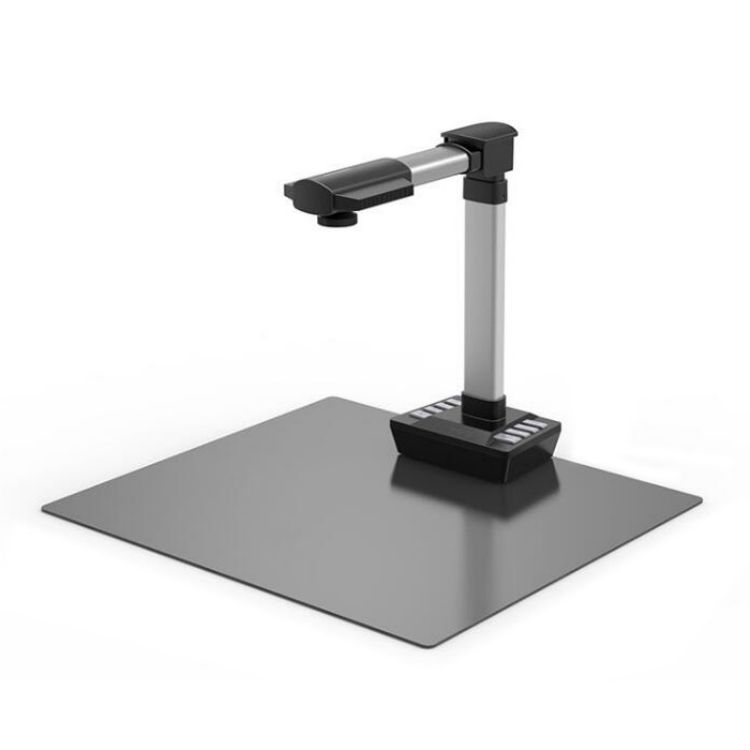
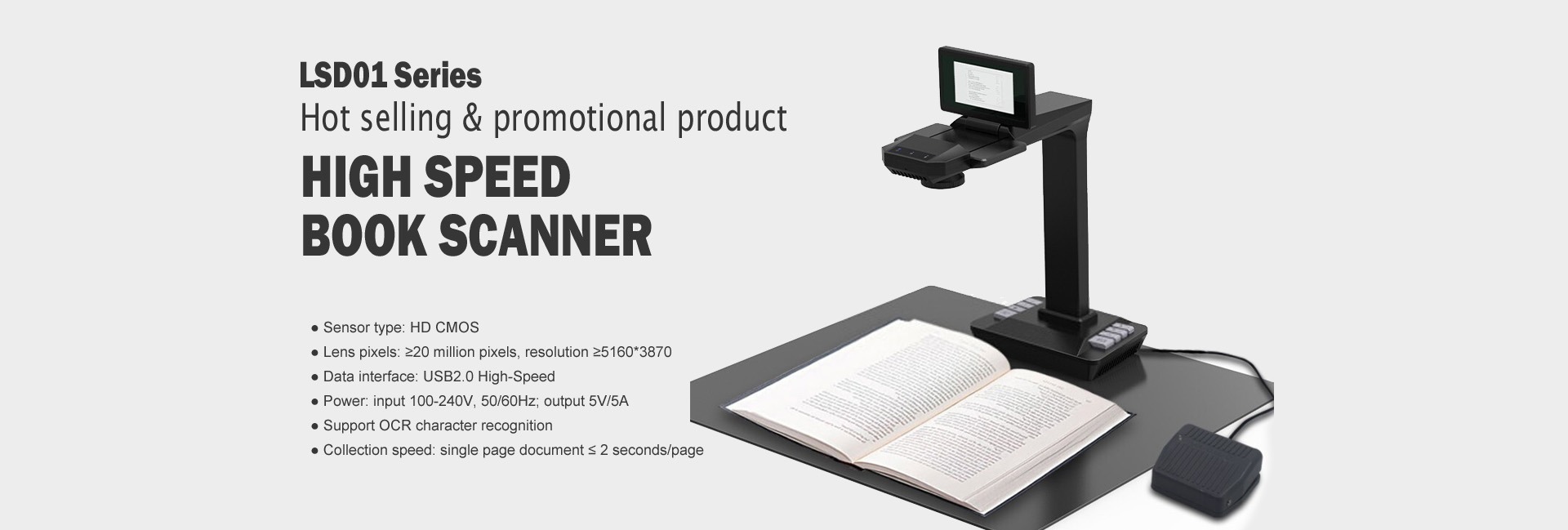
High Resolution Portable A3 Library Book Scanner with Foot Controller USB Interface Automatic Document Scanner Stock Product
- A3 library and book capture
- USB interface with foot controller
- Stock product configuration
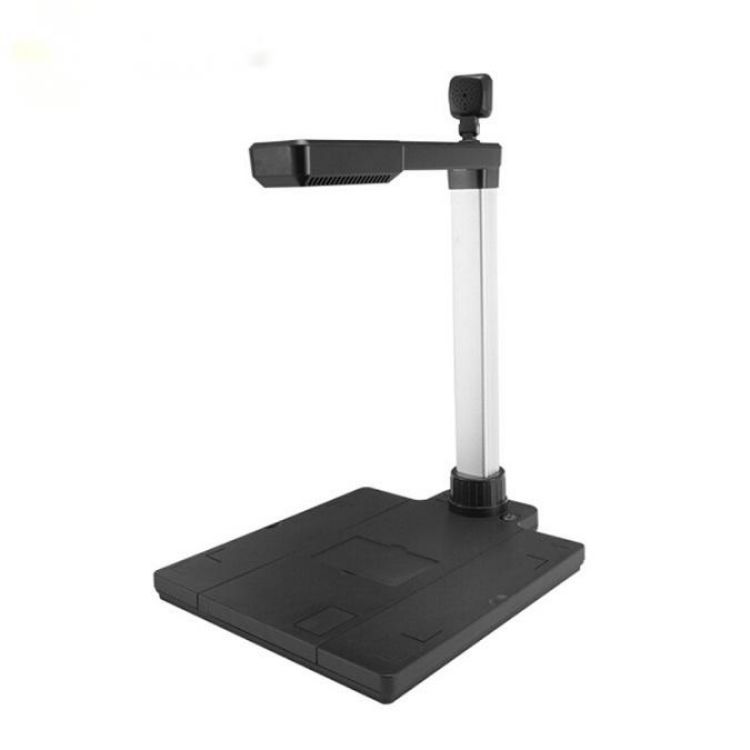
10MP Education Visualizer Scanner Document Management Book Camera USB in Stock
- 10MP education visualizer
- Document management and book camera
- USB connectivity, stock supply
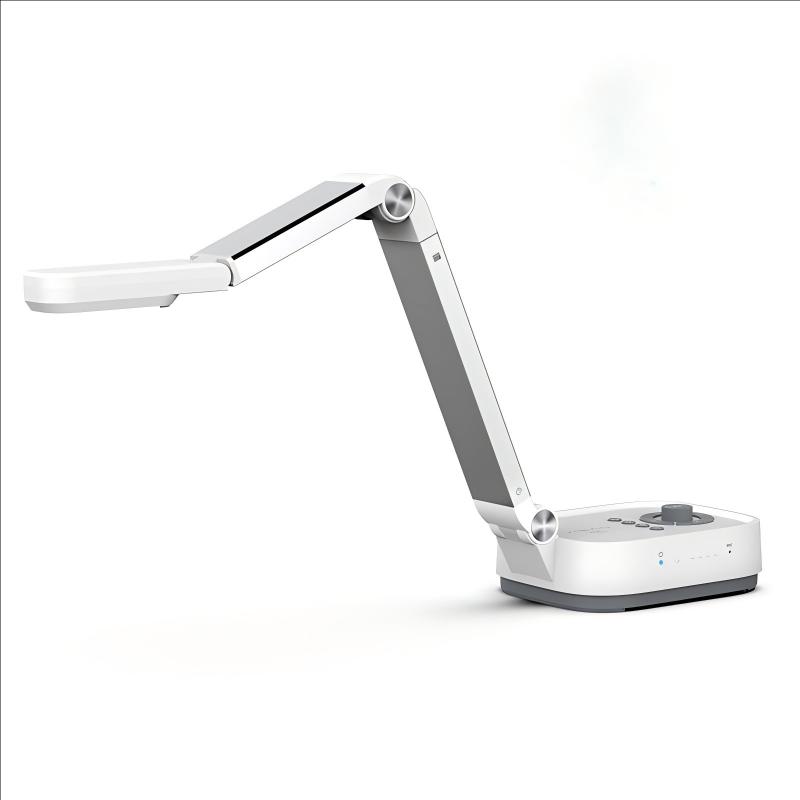
16MP 3D Desktop Visualizer Document Camera with Microphone 120X Zoom /VGA A3 Scan Size LED Light & Foldable for Education
- 16MP 3D desktop visualizer
- 120X zoom, LED light, microphone
- A3 scan size and foldable design
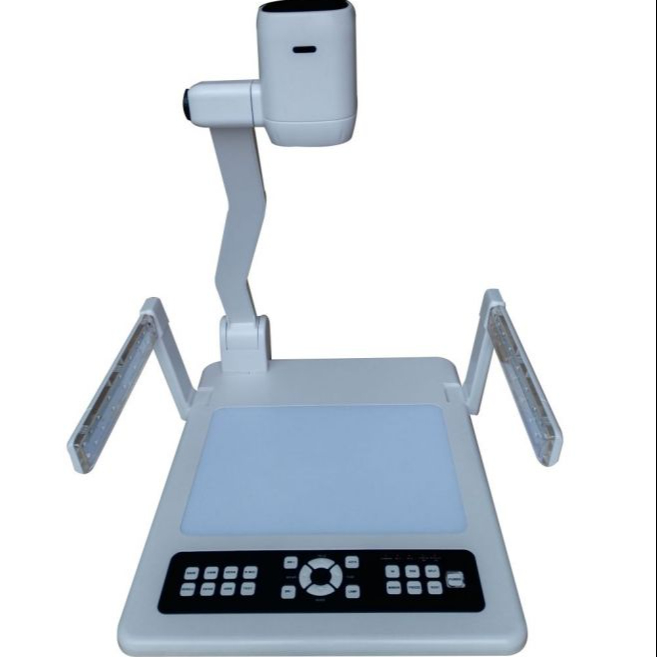
Factory Desktop Document Camera Visualizer 22X Optical Zoom with Interface HD MI RS232 Audio Mic Video
- 22X optical zoom document camera
- HDMI, RS232, audio, mic and video
- Desktop visualizer format
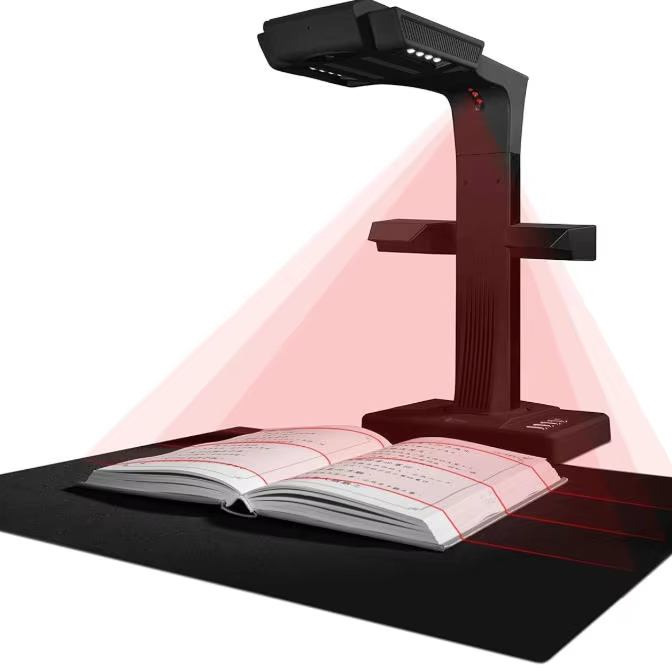
18MP A3 Book Scanner Overhead Document Camera Auto Curve Flattening OCR 180+ HDMI Visual Presenter for Office Library
- A3 overhead book and document capture
- Auto curve flattening and OCR workflow
- HDMI visual presenter for office/library
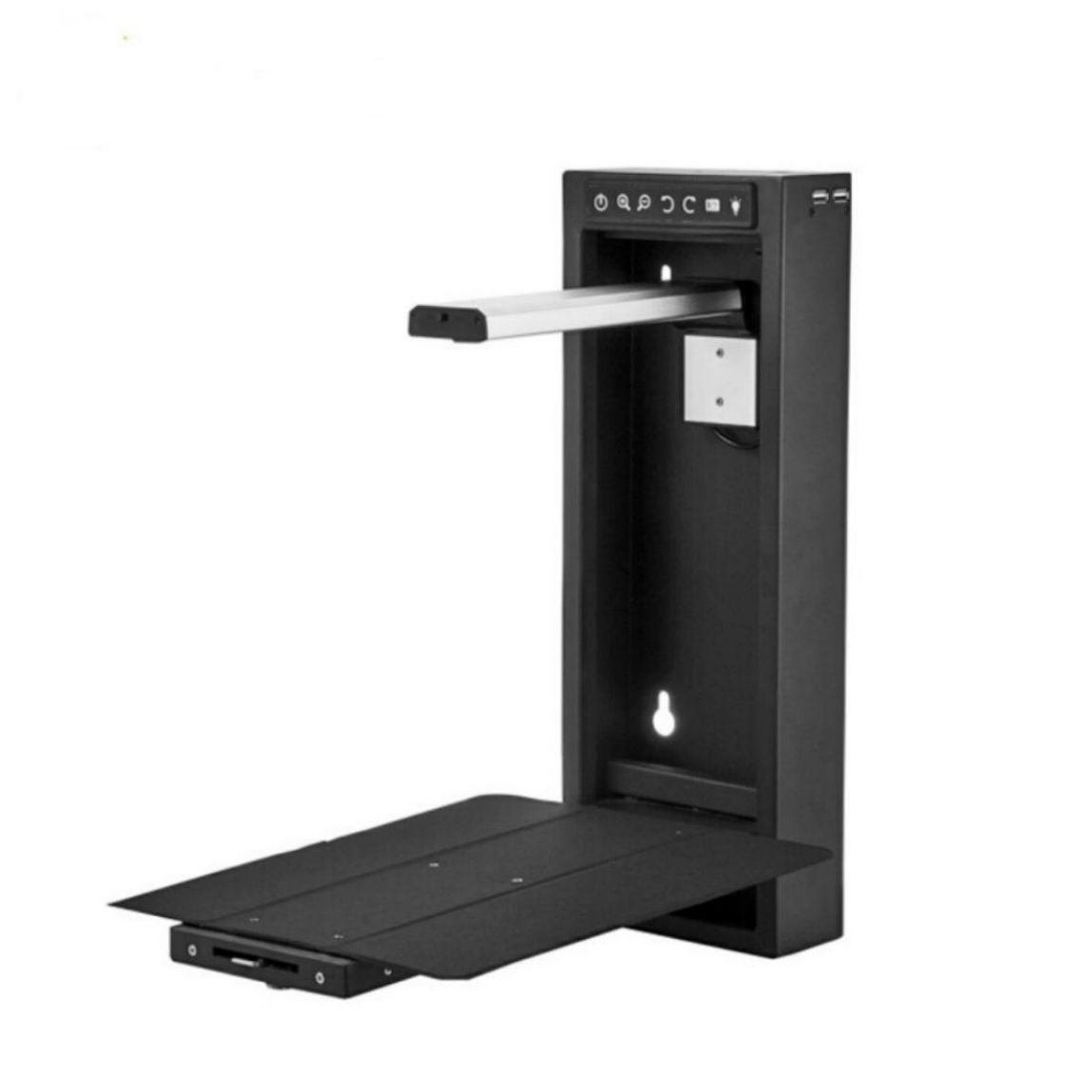
USB Interface Wall-Mounted A4 Visualizer OCR Document Scanner CMOS Sensor 10MP Resolution SDK Included Black 1-Year Stock
- 10MP CMOS wall-mounted A4 scanner
- OCR and USB interface
- SDK included; black finish; stock
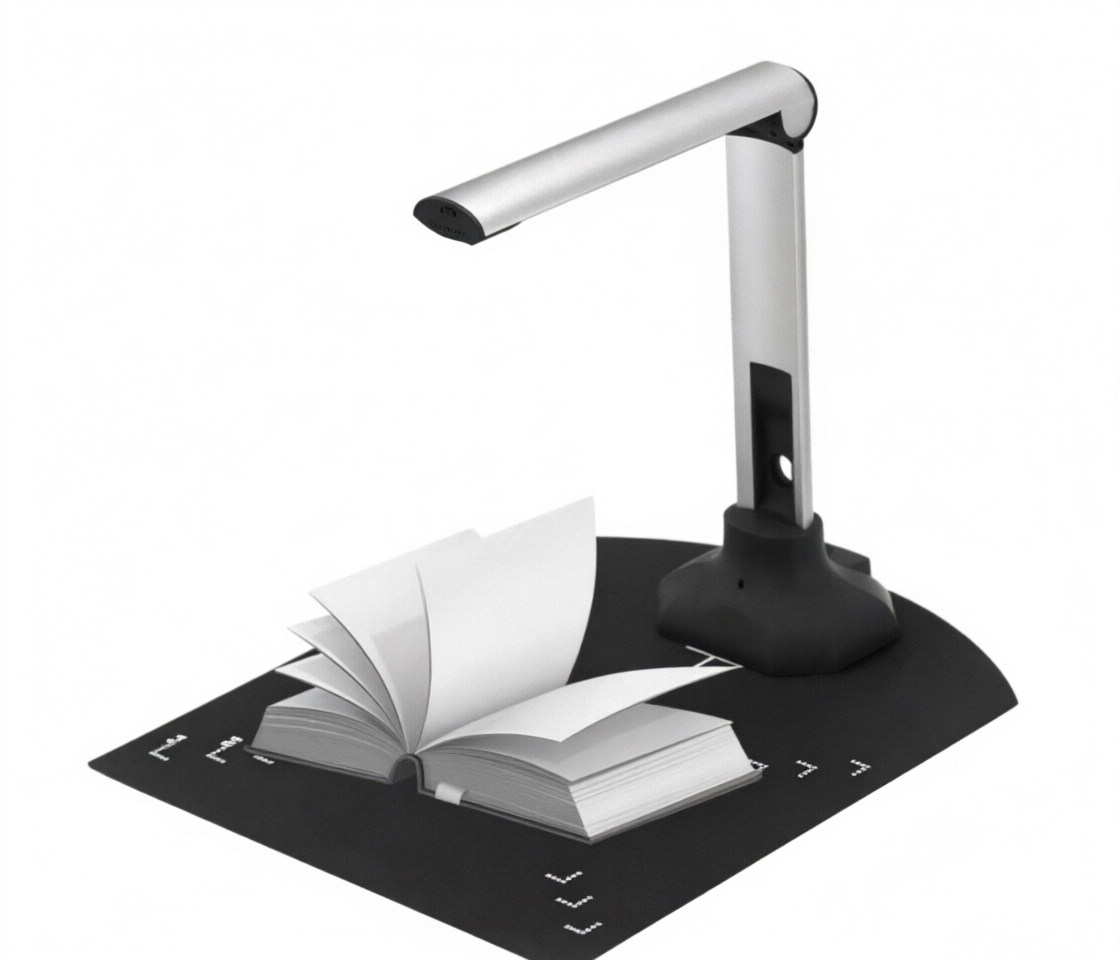
USB Document Camera Scanner 10MP CMOS Visualizer A4 Scanner for Office Education
- 10MP CMOS visualizer
- A4 document camera scanner
- Office and education use
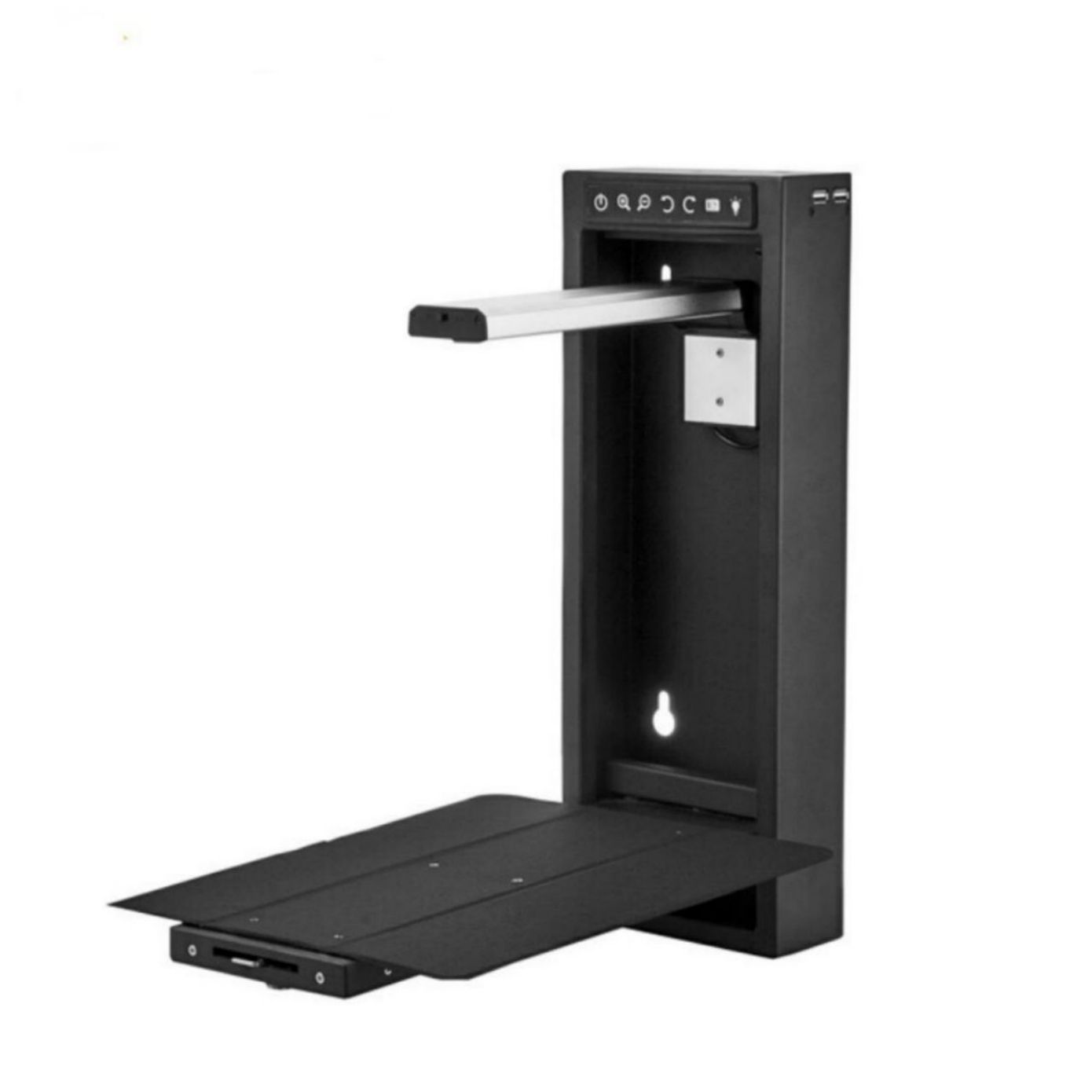
10MP USB CMOS Document Camera Wall Mount Scanner with 1-Second Scan Speed 1-Year Warranty in Stock Classroom Education A4 SDK
- 10MP USB CMOS wall-mounted scanner
- 1-second scan speed and A4 capture
- 1-year warranty, SDK, classroom use
What “Trusted Photo Scanner Manufacturer & Suppliers” Means for B2B Buyers
The query is rarely literal. It can mean a library digitizing bound photographic albums, a school buying a visualizer, a bank capturing ID documents, or an integrator sourcing a USB document camera with an SDK.
Google’s Search Quality Rater Guidelines reward pages that demonstrate experience, expertise, authority and trust rather than pages that repeat “best manufacturer” without evidence. A useful supplier page should answer the buyer’s real intent: which capture platform fits the original, what resolution is sufficient, how the workflow handles OCR and searchable PDFs, what integration options exist, and which commercial terms can be verified. That is why this page combines product recommendations with decision math, procurement risks and a sample-test protocol instead of presenting a generic list.
Photo scanning is a useful umbrella term, but it hides engineering trade-offs. A flatbed with 1200–2400 dpi optical resolution is often preferred for reflective photographic prints that require maximum detail. An overhead CMOS scanner is often better for albums, bound books, newspapers, maps and fragile materials because it never presses the original against glass. A document camera is the practical choice when speed, live demonstration and HDMI output matter more than archival dpi. In one catalogue, a buyer may need all three capture styles, so the right question is not “who sells the most scanners?” but “which configuration reduces rework at my document size and daily volume?”
Resolution math is simple: pixels required = document width in inches × target dpi, and height × target dpi. At 300 dpi, A3 requires about 17.4MP and A2 requires about 34.8MP. That is why an 18MP A3 overhead scanner can meet a 300 dpi specification while a 48MP A2 model is safer for archival masters. For 600 dpi A3, the requirement rises to about 69.6MP, which is beyond many one-shot area sensors in practical budgets; flatbed scanning or stitching may then be required. Buyers should ask for sample scans at the exact target dpi rather than relying on sensor marketing alone.
How to Evaluate a Photo Scanner Supplier Before You Shortlist
A trusted supplier should make technical and commercial verification easy. Use the six checks below to compare quotations on the same basis.
Sensor Fit, Not Megapixels Alone
CIS suits compact sheet-fed workflows; CMOS area sensors excel at overhead book and photo-album capture; CCD linear sensors can improve depth of field and color stability for flatbed or bookedge work. Specify the original type before comparing pixel counts.
Real DPI at the Document Size
Ask for actual capture dimensions at 200, 300 and 600 dpi. A model that is excellent on A4 may not meet the same dpi on A2. Measurement at the target format prevents a specification mismatch after delivery.
Workflow and OCR Quality
Auto curve flattening, deskew, finger removal, page splitting, OCR language packs and searchable PDF export can matter more than an extra megapixel. Request sample files, not just screenshots.
Interface and SDK Access
Confirm USB, HDMI, VGA or RS232 availability and whether an SDK is included for selected models. Integrators should test OS compatibility, driver install, capture latency and export commands in their own environment.
Warranty and Remote Support
Listed Quibow models commonly carry a 1-year warranty backed by remote technical support. Buyers should verify the exact warranty period, spare-parts path and response channel in the quotation.
Commercial Transparency
Minimum order quantity, payment currency, delivery term, stock status and customization scope should be written into the offer. For OEM/ODM, ask for a checklist covering logo, packaging, housing color, software branding and SDK integration.
| Document size | Pixels at 300 dpi | Recommended sensor class | Practical implication |
|---|---|---|---|
| A4 210 × 297 mm | 2480 × 3508 ≈ 8.7MP | 10MP or higher | 10MP USB and wall-mounted document cameras are suitable for text and office documents when lighting and focus are controlled. |
| A3 297 × 420 mm | 3508 × 4961 ≈ 17.4MP | 18–24MP | An 18MP A3 overhead scanner can meet a 300 dpi archive specification; a 24MP model provides extra margin for crop and deskew. |
| A2 420 × 594 mm | 4961 × 7016 ≈ 34.8MP | 48MP recommended | For newspapers, maps and large photographic prints at 300 dpi, 48MP provides the safer archival master. |
| Photo prints & artwork | 600–2400 dpi optical | Flatbed / linear sensor | For high-detail reflective originals, specify optical dpi, color depth and dust/scratch handling. Overhead area sensors are better for bound or fragile albums. |
Product Recommendations by Real Capture Job
Match the device to the physical original, the user’s daily workload and the output format. A “photo scanner” can be a flatbed, an overhead book scanner or a document camera depending on the job.
Bound Books, Albums and Fragile Records
Choose overhead capture with auto curve flattening and OCR. The portable A3 library scanner and 18MP A3 auto-flattening overhead model avoid pressing the spine and support hands-free capture via foot control or software workflow.
Classrooms, Training and Live Demonstration
A visualizer with optical zoom, LED light and HDMI output is more useful than a high-dpi scanner. The 16MP 3D visualizer and 22X optical zoom document camera support live teaching, object display and presentation recording.
Office Counters and Document Management
For fast A4 capture at service desks, use USB document cameras or wall-mounted models. OCR, SDK access and one-second scan speed reduce queue time and support form recognition, ID capture and digital archiving.
Library and Newspaper Digitization
Check dpi at full page size. A3 overhead models are practical for books and periodicals; for A2 newspapers and maps, specify a 48MP A2 scanner from the broader catalogue to protect fine print and halftone detail.
Photo Prints, Artwork and Album Pages
For loose photographic prints, ask for a 1200–2400 dpi optical flatbed with 48-bit color. For albums that cannot be unbound, use an overhead A3 scanner and request sample scans showing page curvature, gloss reflection and shadow control.
OEM/ODM and Software Integrators
Prioritize SDK scope, driver stability and mechanical customization. Quibow supports logo, packaging, housing color, capture software branding and SDK integration on selected models, with sample validation before production.
Photo Scanner Procurement Trends Buyers Should Plan For
Scanner purchases are shifting from single-unit price comparisons to total workflow value. The strongest RFQs now ask for evidence of image quality, integration effort and after-sales response.
1. Total Cost of Ownership Replaces Unit Price
Buyers compare labor time, rework rate, OCR accuracy, operator training and support response. A lower-priced device that needs three manual corrections per page can cost more than a better workflow with auto flattening and deskew.
2. Sample Scans Before Purchase Order
Professional buyers increasingly send a representative page and ask for a raw scan, an OCR output and a searchable PDF. This is the fastest way to verify real dpi, color fidelity, lighting uniformity and curve correction.
3. SDK and Open Integration Review
System integrators need to test USB capture, image export, trigger control and compatibility with Windows, macOS or their own application. SDK availability is becoming a shortlisting requirement rather than an afterthought.
4. Smaller MOQs and Mixed Stock Orders
Distributors and pilot projects prefer flexible starting quantities. Quibow’s stock models commonly start from 1 piece or 1 set, while several document camera models start from 2 pieces; OEM/ODM quantities are confirmed per project.
5. Remote Acceptance and Video Inspection
International buyers now request video demonstrations, packing checks and remote driver installation. A supplier that can document QC steps on camera reduces travel cost and shortens the approval cycle for first orders.
6. Data-Local Workflows and Privacy
Libraries, banks and government teams often prefer local USB capture and on-premise storage. Clarify whether software requires an internet connection, where OCR processing occurs and how captured files are retained.
Illustrative Buyer-Priority Scorecard
This chart is a planning aid based on common RFQ questions; it is not third-party market research. Use it to structure your own weighted scoring model.
Product Development Trends Reshaping Scanner Specifications
The next buying cycle will reward suppliers that can explain image science clearly—not just list sensor megapixels. These six trends are especially relevant to book, document and photo-adjacent scanning.
Higher Resolution at A2 and A3
48MP CMOS and dual-sensor capture are becoming practical for newspapers, maps and large albums. Higher resolution creates more headroom for crop, deskew and OCR, but it also increases storage and processing requirements.
Software-Assisted Flattening and Cleanup
Auto curve flattening, finger removal, page splitting and background cleanup reduce operator fatigue. For bound materials, software quality is now part of the hardware specification because it determines throughput and OCR quality.
OCR Accuracy as a Measurable Feature
Buyers will ask for character accuracy, language coverage and export formats rather than simply “OCR support.” Searchable PDF, plain text, table recognition and batch naming rules are becoming evaluation criteria.
Visualizers Moving toward 4K and Hybrid Use
Education and training buyers want HDMI/VGA output, high frame rates, optical zoom and microphone input in one device. A visualizer that can also capture documents and 3D objects reduces the need for separate classroom equipment.
Modular Interfaces and SDK Readiness
USB, HDMI, VGA and RS232 combinations allow the same device family to serve classrooms, desks and kiosks. Integrators should confirm which commands are exposed through the SDK and whether branding can be customized.
Longer Lifecycles and Repairability
Public-sector buyers increasingly consider spare-parts availability, warranty handling and remote diagnostics. A supplier that documents service procedures and supports stable software versions is easier to approve than one that changes drivers frequently.
Quibow Company Advantages: Evidence, Limits and What to Verify
Trust should be inspectable. The facts below come from the public company profile; buyers should verify current records and request samples for their own documents.
 Imaging acquisition and conversion equipment
Guangzhou Quibow Electronic Co., Ltd. is a Guangzhou-based supplier focused on image data acquisition and conversion. The company develops and supplies high-speed document cameras, book scanners, flatbed scanners and ID-card recognition cameras, working across CIS, CMOS and CCD imaging platforms. It supports OEM/ODM projects including logo printing, packaging, housing color, capture software branding and SDK integration on selected models.
The public profile lists Quibow as a trading company with onsite checked status, founded in 2020, located at Room 504, No. 5 Zitan Second Street, Guangzhou, Guangdong, China. Its main markets are Eastern Europe, North America and South America. Buyers who require factory-level due diligence should ask for production partner disclosure, a video factory walk-through and current QC records before placing a purchase order. This transparency is more useful than an unsupported “top manufacturer” claim.
Useful verification links include the company profile, supplier assessment, trade capacity and buyer feedback. Request the latest records directly because platform status can change.
Sensor Platform Breadth
CIS, CMOS and CCD experience helps match the sensor to the original—sheet-fed documents, fragile books, photo prints or live visualizer use.
OEM/ODM Practicality
Logo, packaging, housing color, software branding and SDK integration can be scoped on selected models, with quantities confirmed per project.
Fast B2B Communication
The profile reports an average response time of ≤1 hour and a 100% message response rate—useful when procurement teams work across time zones.
Commercial Flexibility
Stock models often start from 1 piece or 1 set. Payment methods include T/T, L/C, PayPal and Western Union; delivery terms include FOB, EXW and DDU.
A Practical Sample-Test Protocol Before You Place a Purchase Order
Do not approve a scanner from a specification sheet alone. Use a five-step protocol to compare models on the same documents and the same quality criteria.
Define DPI and Page Size
State the exact format, target dpi and output master format. A3 at 300 dpi and A2 at 300 dpi are different engineering requirements.
Send Representative Samples
Include a curved book page, a glossy photo, a dense table and a low-contrast document. Ask for raw captures, not resized web images.
Test OCR and Searchable PDF
Check language accuracy, table layout, batch naming and page splitting. Verify who provides the OCR engine and what license terms apply.
Validate OS and SDK
Install the driver in your own Windows or macOS environment. Test capture latency, export commands, trigger control and SDK availability.
Confirm QC and After-Sales
Agree on inspection points, packing, warranty period, spare-parts path and remote support channel before confirming the purchase order.
Frequently Asked Questions About Photo Scanner Sourcing
These answers reflect the public company profile and product information. Confirm current details for your specific model and destination.
Is Quibow a manufacturer or a supplier?
Quibow is a Guangzhou-based supplier of imaging equipment. The public platform profile lists a trading company with onsite checked status. The company supports OEM/ODM projects and works across CIS, CMOS and CCD imaging platforms. Buyers who require a manufacturing audit should request production partner disclosure, a video factory walk-through and current QC records before ordering.
What is the minimum order quantity?
Most stock book scanners, A2 large-format scanners and flatbed scanners start from 1 piece or 1 set. Several document camera models start from 2 pieces. OEM/ODM quantities are confirmed per project because customization scope affects tooling, packaging and inspection requirements.
Do you support OEM and ODM orders?
Yes. Supported scopes include logo printing, packaging, housing color, capture software branding and SDK integration on selected models. Provide your target market, software environment, branding requirements and estimated annual volume so the supplier can confirm feasibility and minimum quantities.
Are the scanners compatible with Windows and macOS?
Many models, including A2 large-format scanners and the 1200 DPI A3 flatbed scanner, support Windows and macOS, and some are verified on Apple M1 Macs. Compatibility must be confirmed for each model and software version before shipment. Always test the SDK and driver in your own environment.
Which resolution do I need for A3 or A2 at 300 dpi?
An A3 page at 300 dpi needs about 3508 × 4961 pixels, or roughly 17.4MP, so an 18MP or 24MP scanner is suitable. An A2 sheet at 300 dpi needs about 4961 × 7016 pixels, or roughly 34.8MP, so a 48MP A2 scanner is recommended for archival masters. Ask for a sample scan at full size to verify actual optical resolution.
What payment and delivery terms are accepted?
The company profile lists T/T, L/C, PayPal and Western Union in USD, EUR, HKD or CNY, with FOB, EXW and DDU delivery terms. Final terms should be written into the quotation or proforma invoice, including packing, insurance and destination responsibilities.
What warranty and technical support are available?
Listed models such as A3 flatbed scanners, A2 overhead scanners and the S2060W ADF scanner commonly come with a 1-year warranty, backed by remote technical support. Confirm the warranty period for the exact model, what is excluded and how replacement parts are handled in your market.
Can software integrators access an SDK?
SDK availability depends on the model. Selected document cameras and scanners support SDK integration for capture control, image export and custom workflows. Provide your operating system, programming environment, expected commands and volume so compatibility and license scope can be confirmed.
Request a Document-Based Scanner Recommendation
Share your document sizes, daily volume, target dpi, OCR languages, output format, operating system and estimated order quantity. A model recommendation is more reliable when it is based on real originals and measured sample scans.
Email: info@quibowtech.com · Address: Room 504, No. 5 Zitan Second Street, Guangzhou, Guangdong, China.