8 Library Book Scanner and Document Camera Models for B2B Procurement
These models are presented for distributor, integrator and institutional buyers who need verified image quality, clear MOQ expectations, OEM/ODM flexibility and responsive technical support. Each product link is kept as supplied by the manufacturer catalogue.
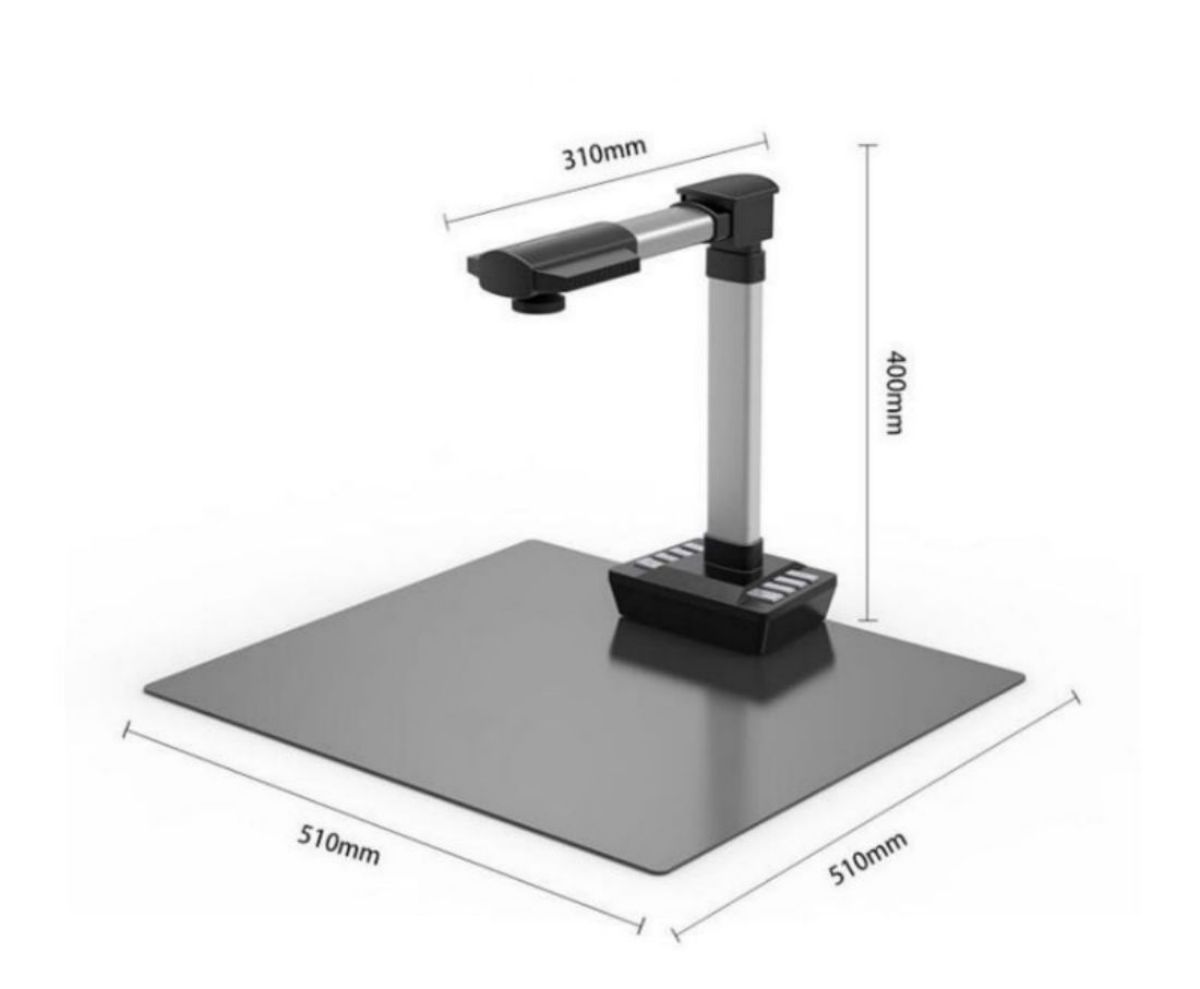
Portable 20MP High-Speed Wireless A3 Document Scanner Professional Book Scanner Foot Pedal USB Interface 24-Bit Color Stock
- Portable wireless A3 capture
- Foot-pedal and USB workflow
- 24-bit colour document output
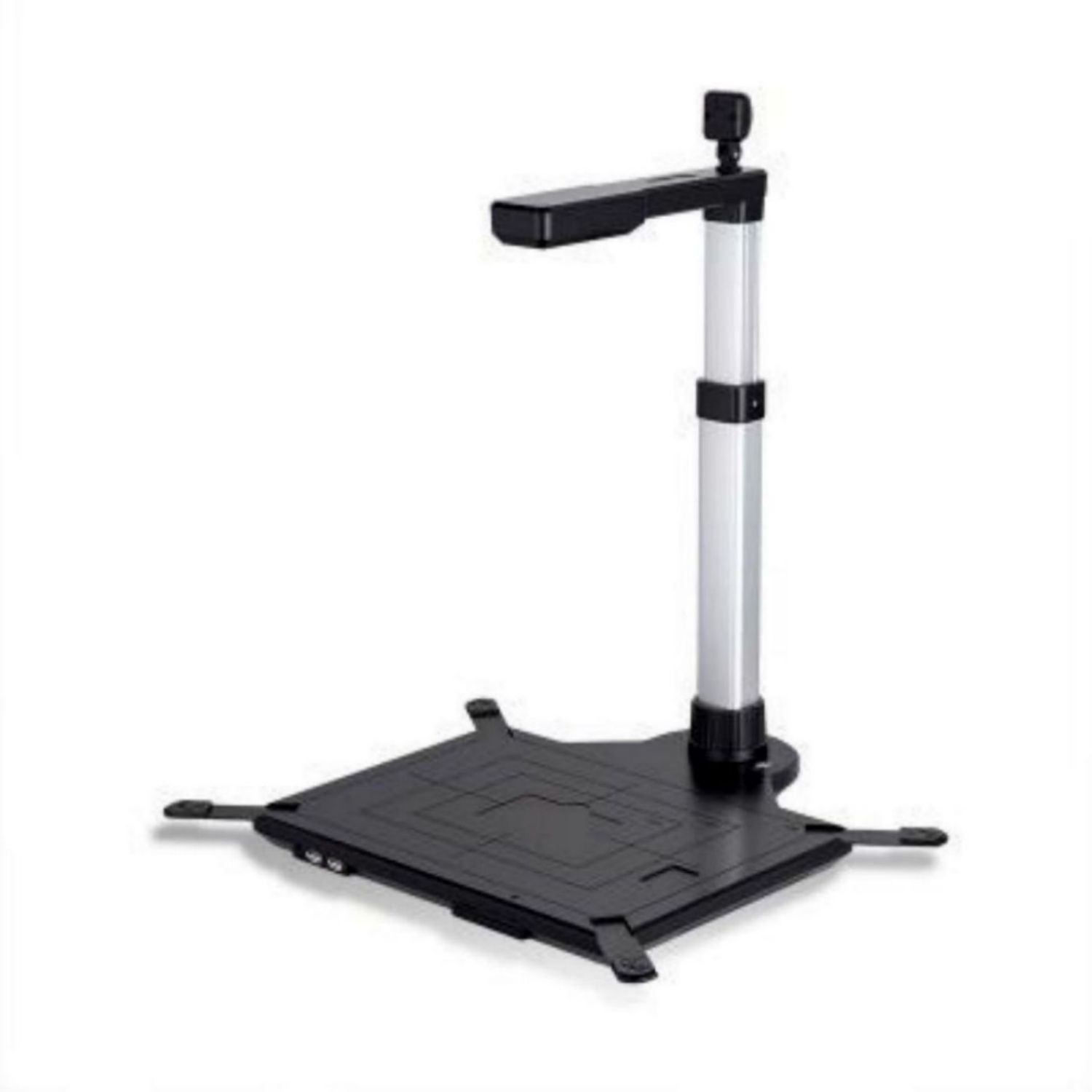
Professional USB Dual Camera Scanner for A3 Documents Supports OCR PDF Multi-Languages High-Speed 1-Second Scan 360-Degree
- Dual-camera A3 document capture
- OCR and searchable PDF support
- One-second scan cycle
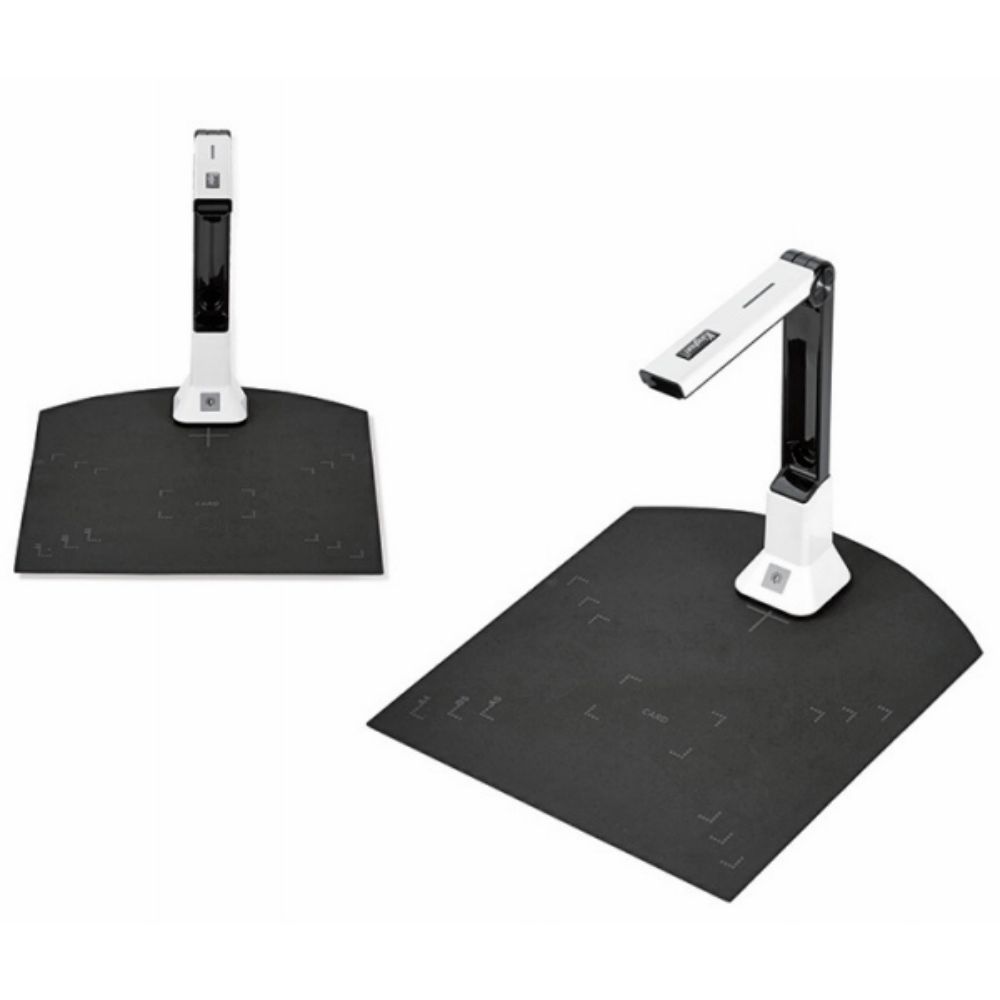
Wholesale 5MP USB Light CMOS A4 Document Scanner Portable Smart Handheld High Resolution 1-Second Scan CE Certified Stock Black
- Compact USB A4 scanner
- High-resolution 5MP CMOS sensor
- CE-certified stock model
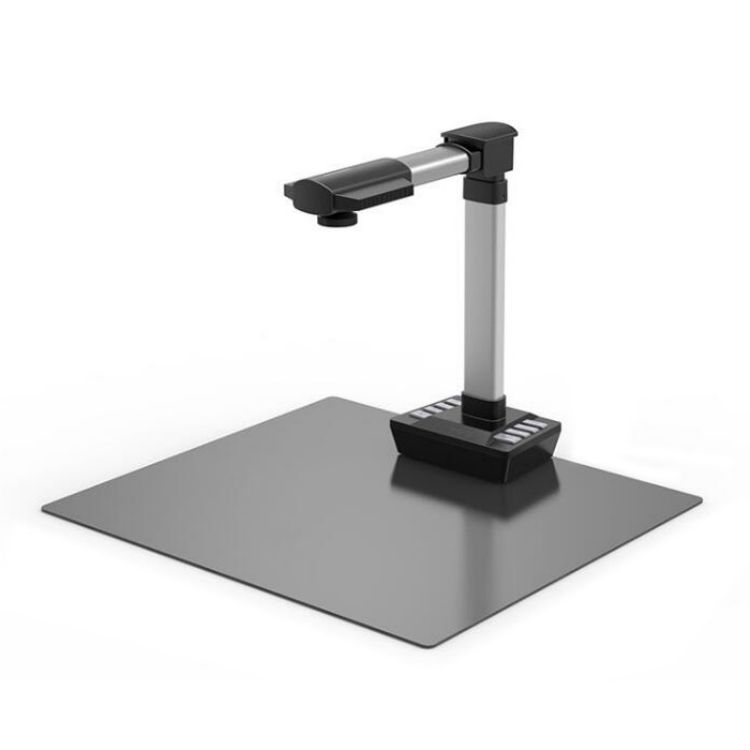
High Resolution Portable A3 Library Book Scanner with Foot Controller USB Interface Automatic Document Scanner Stock Product
- Designed for library book scanning
- Foot controller for fast page capture
- Portable A3 USB setup
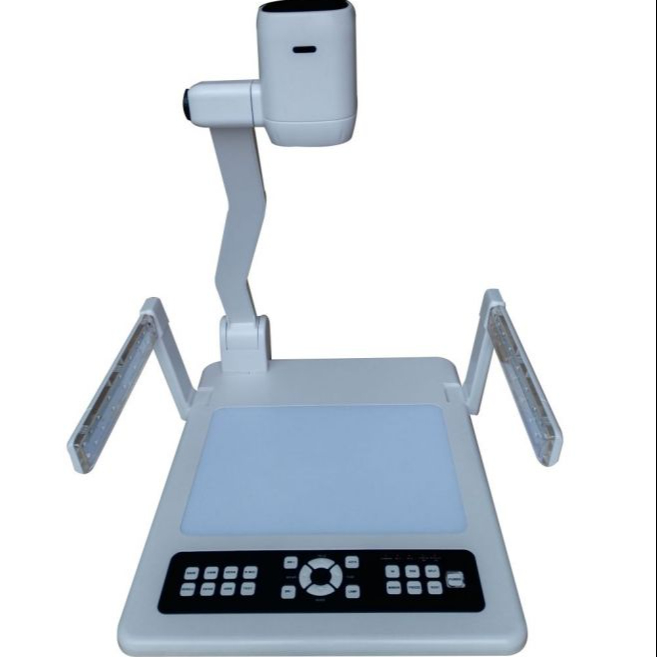
Factory Desktop Document Camera Visualizer 22X Optical Zoom with Interface HD MI RS232 Audio Mic Video
- 22x optical zoom presentation
- HDMI, RS232, audio and mic
- Classroom and training visualizer
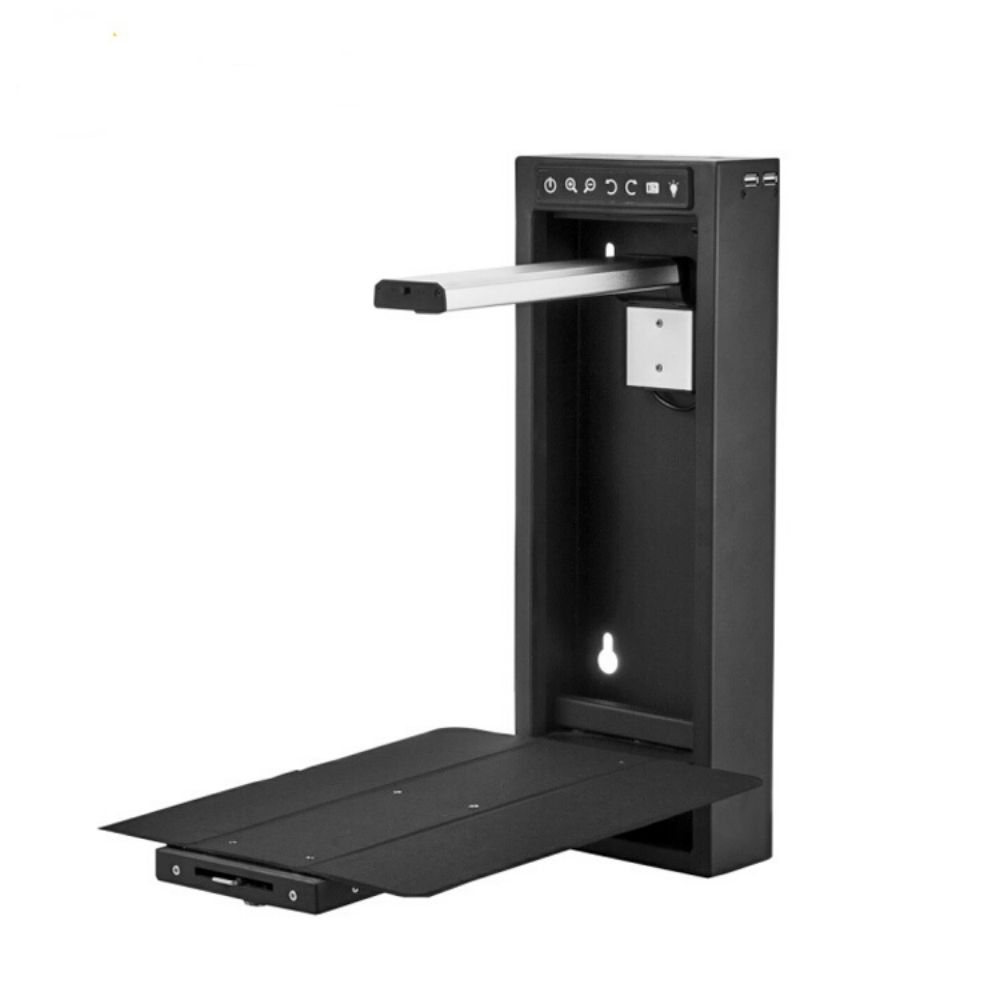
Online Training Portable 10MP A4 Document Scanner USB Interface Visualizer-in-Stock for Wall Version Black+Silver 1-Year
- Portable A4 online-training scanner
- USB visualizer with wall version
- Black and silver stock finish
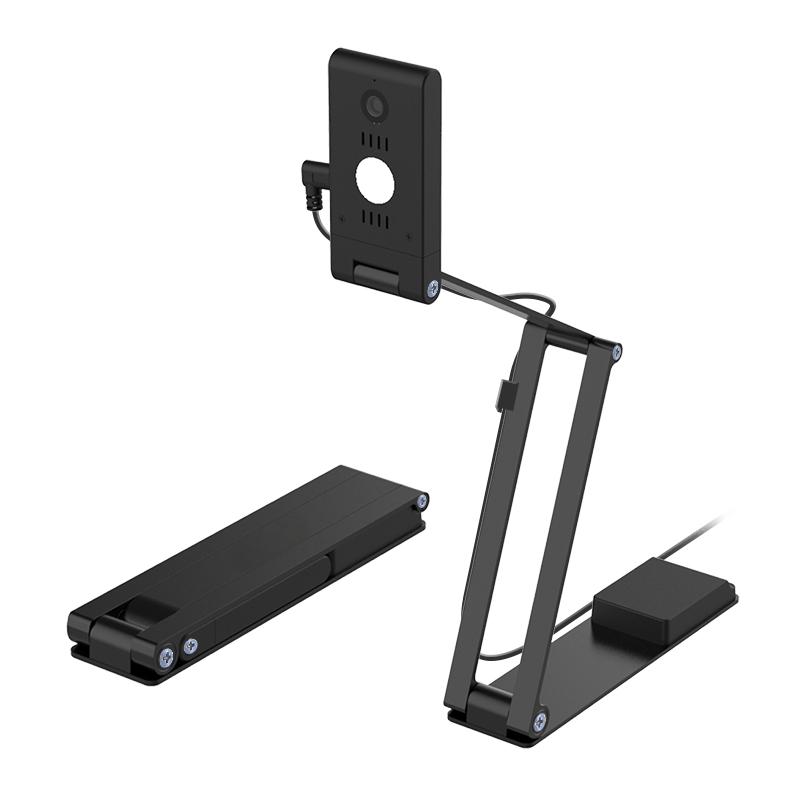
Value Priced 2-in-1 USB Digital Document Camera Visualizer A3 with 5MP 1/4" CMOS Sensor 10x Zoom 1-Year Warranty
- 2-in-1 USB document camera
- 5MP CMOS sensor and 10x zoom
- A3 visualizer for value projects
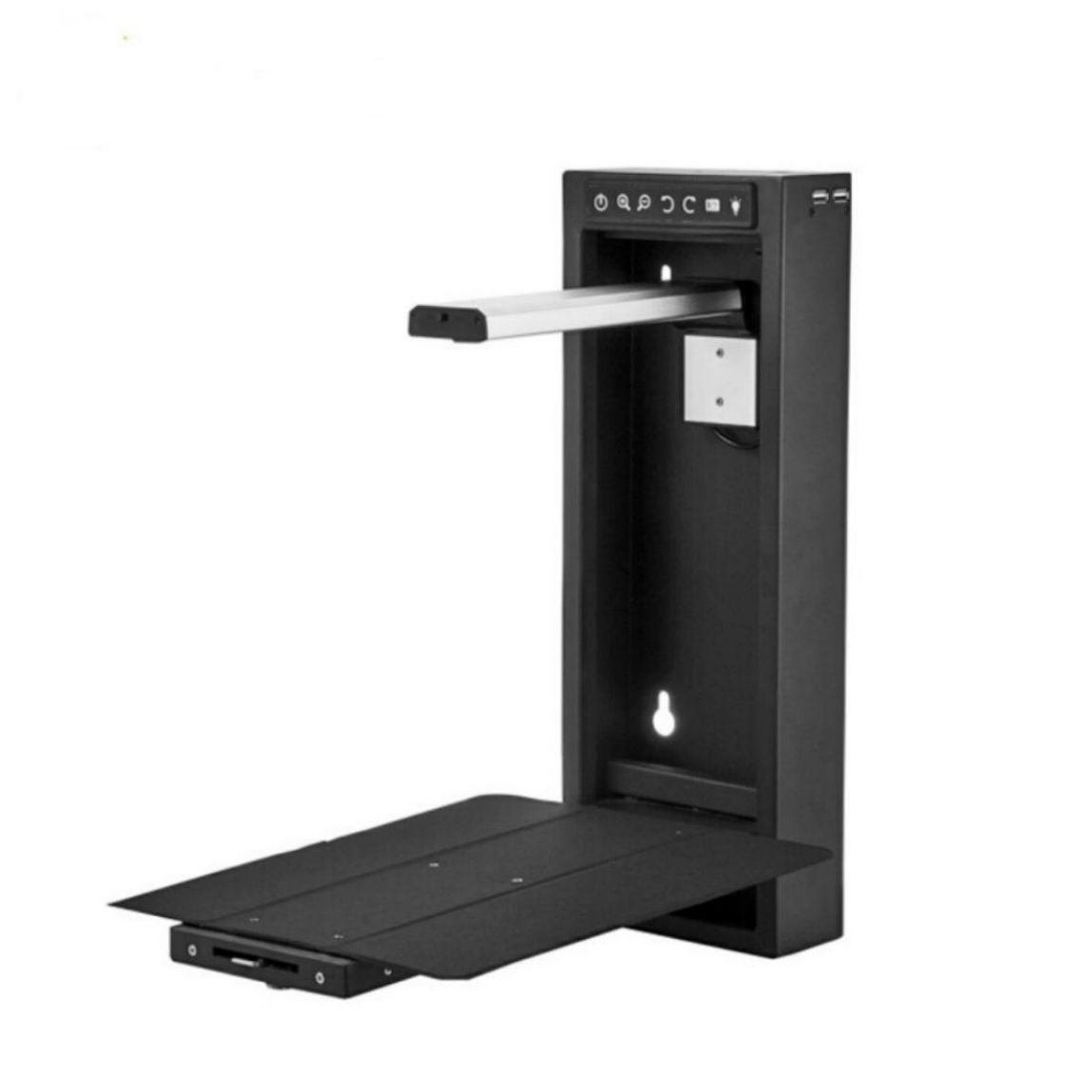
USB Interface Wall-Mounted A4 Visualizer OCR Document Scanner CMOS Sensor 10MP Resolution SDK Included Black 1-Year Stock
- Wall-mounted A4 capture design
- 10MP CMOS sensor and OCR
- SDK included for integration
Why Library Scanner Procurement Requires More Than a Low Unit Price
Library book scanner procurement sits at the intersection of imaging engineering, preservation policy, software integration and public-sector tender compliance. A buyer who compares only megapixels or unit price can easily choose a device that captures acceptable marketing images but fails on true document resolution, OCR accuracy, colour consistency, page-curvature correction, driver stability or long-term spare-parts support.
This guide is written from the perspective of a supplier that works across CIS, CMOS and CCD imaging platforms. It is intended for library digitization managers, archive officers, university procurement teams, AV integrators and wholesale distributors who need a defensible recommendation rather than a generic product list.
Resolution Math: The First Filter in Library Book Scanner Selection
Megapixels are only meaningful in relation to document size. An A2 scanner with 21MP may be excellent for on-screen reading, but a 48MP A2 model is the safer master-copy specification when a tender requires approximately 300 dpi across the full sheet.
| Original Format | Pixels at 300 dpi | Practical Sensor Guidance | Recommended Workflow |
|---|---|---|---|
| A4 210 × 297 mm |
2480 × 3508 ≈ 8.7 MP |
10MP or higher is comfortable | Portable document scanners, desk visualizers, handheld A4 capture |
| A3 297 × 420 mm |
3508 × 4961 ≈ 17.4 MP |
18MP to 24MP for reliable A3 masters | Overhead book scanners, foot-pedal capture, library reading-room stations |
| A2 420 × 594 mm |
4961 × 7016 ≈ 34.8 MP |
48MP recommended for archival A2; 21MP suits visible-access copies | Newspaper archives, maps, broadsheets, large-format manuscripts |
| Photos and artwork | 600 to 2400 dpi optical | Flatbed with 48-bit colour and stable optics | Special collections, photographic archives, reproduction requests |
A useful tender safeguard: state the required dpi at the full document width, not merely the sensor’s total megapixel count. A 21MP scanner covering a full A2 page provides roughly 225–240 dpi, which is often adequate for reading access but may not satisfy a 300 dpi archival master specification.
CIS, CMOS or CCD: Matching the Sensor to the Collection
Sensor architecture affects handling, depth of field, lighting tolerance, scan speed and integration cost. The right choice depends on the physical condition of the originals and the operator’s daily workload.
CIS for High-Volume Loose Documents
Contact image sensors are compact, power-efficient and well suited to sheet-fed paths. They are a strong fit for invoices, contracts, letters and mixed office batches where pages are loose and speed matters more than three-dimensional handling.
CMOS for Bound Books and Live Capture
Area CMOS sensors capture the whole page in one shot from above. Combined with auto-flatten, deskew and finger-removal software, they reduce stress on book spines and support fast visual-presenter workflows for teaching, counters and reading rooms.
CCD for Colour-Critical and Bookedge Work
CCD linear sensors use a moving optical carriage with strong depth-of-field and stable colour characteristics. They are valuable for photographic collections, artwork and zero-margin bookedge scanning where a raised gutter or textured original can challenge a contact sensor.
What to Specify for Common Library and Archive Workflows
Use these scenario-based recommendations to shape a request for quotation, tender specification or distributor stock plan.
Overhead A3 Book Scanner
Choose an 18MP to 24MP overhead model with curve correction, page detection and foot-pedal capture. Non-contact scanning is especially important for tight bindings, rare books and reading-room service points.
A2 48MP Archive Scanner
Broadsheets and bound newspapers need full A2 coverage and enough resolution for OCR across small type. A 48MP A2 model is usually the safer master-file choice than a 21MP A2 device.
Visual Presenter with Optical Zoom
For teaching and training, prioritise HDMI or VGA output, 1080P or 4K live video, optical zoom, remote control and stable low-light performance. A document camera is a presentation tool, not only a scanner.
Dual-Lens ID and Document Capture
Banks and government counters benefit from dual-lens systems that handle forms and ID cards in one workflow, with SDK integration for host applications and fast one-second capture cycles.
Future Library Scanner Procurement Trends Buyers Should Plan For
Digitization budgets are shifting from one-off scanner purchases toward repeatable capture programmes with software integration, measurable image quality and long-term serviceability.
OCR Becomes a Baseline Requirement
Searchable PDF and editable text output are moving from premium features to standard expectations. Multilingual OCR quality, layout retention and batch processing will be tender differentiators.
A2 and Dual-Sensor Demand Grows
Newspapers, maps and oversized archives are driving demand for A2 capture and dual-camera systems. Buyers will ask for full-page dpi evidence rather than headline megapixel figures.
Software Integration Becomes Mandatory
SDK access, TWAIN-style workflows, LMS and DMS integration, barcode recognition and automated file naming will influence purchasing decisions as much as hardware specifications.
Serviceability and Spares Matter More
Public institutions increasingly evaluate repair access, warranty terms, remote support and model continuity. A slightly higher initial price can be cheaper over a five-year digitization cycle.
How Library Book Scanner Technology Is Evolving
The next wave of scanner development focuses less on raw sensor numbers and more on usable image quality, operator ergonomics and integration with institutional software.
Automatic Flattening and Cleanup
Curve flattening, deskew, finger removal, background cleanup and page-boundary detection are becoming faster and more reliable. For libraries, these features directly improve OCR quality and reduce post-processing labour.
Higher-Resolution CMOS and Better Lighting
48MP CMOS capture is becoming practical for A2 archive work. At the same time, modular LED illumination and colour-calibration routines help maintain consistency across long scanning sessions.
USB-C, Wi-Fi and API-Ready Hardware
Modern procurement teams expect easy connection to laptops, wall-mounted capture stations and host applications. SDK availability and stable driver support reduce deployment risk for integrators.
Touchless and Hands-Free Capture
Foot pedals, auto page detection, gesture capture and wall-mounted visualizers help operators scan more pages with less fatigue. This is especially relevant for high-volume reading-room projects.
Non-Contact Book Handling
Overhead scanning avoids pressing fragile bindings flat. As more institutions digitize special collections, non-contact capture with software correction will remain a core requirement.
Batch Automation and Metadata
Barcode reading, automatic file naming, OCR language selection and folder-based automation reduce manual steps. Suppliers who understand these workflows can help buyers avoid hidden software costs.
Guangzhou Quibow Electronic Co., Ltd. at a Glance
Quibow develops and supplies image-acquisition and conversion equipment, including overhead book scanners, A2/A3 large-format document scanners, flatbed scanners, document cameras and ID-card recognition cameras. The company works across CIS, CMOS and CCD imaging platforms and supports OEM/ODM projects from product selection through export sales and after-sales support.
For wholesale buyers, the practical advantage is not only product range. It is the ability to match a document workflow to an imaging platform, provide SDK and branding options on selected models, quote realistic MOQ levels and maintain responsive communication during evaluation and repeat orders.
- Established
- 2020
- Business Type
- Trading company, onsite checked
- Location
- Guangzhou, Guangdong, China
- Imaging Platforms
- CIS, CMOS and CCD
- Main Markets
- Eastern Europe, North America, South America
- Annual Revenue
- US$1M – US$2.5M
- Team
- 5–10 dedicated specialists
- Support
- OEM/ODM, SDK, remote technical support
How to Verify a Library Book Scanner Wholesaler Before Ordering
A verified supplier should make evaluation measurable. Use the checklist below to compare quotations on equal terms.
Request Real Sample Scans
Send a sample page or ask for scans of dense text, faded print, glossy paper, a curved spine and a handwritten note. Marketing images rarely reveal OCR and colour performance.
Confirm Full-Format DPI
State your largest page size and required dpi. Ask for the calculated resolution at full width and height, not only the sensor’s total megapixels.
Check Software and SDK Fit
Confirm Windows and macOS compatibility, OCR languages, export formats and SDK availability. If the scanner will feed a DMS or LMS, test the integration path early.
Compare Landed Cost
Review MOQ, payment terms, packaging, shipping terms, warranty and spare-part support. A low unit price without technical support can become expensive after deployment.
Third-Party Records That Support Supplier Due Diligence
Trust is stronger when it can be checked. The records below are linked to public supplier profiles and help procurement teams validate business identity, trade activity and buyer feedback.
Supplier Assessment
Onsite check confirming business premises and legal status.
View assessmentCredit Overview
Platform credit profile and trading reliability indicators.
View creditRatings & Reviews
Feedback left by verified buyers after completed orders.
Read reviewsTrade Capacity
Export markets, trade terms and logistics capability.
View capacityFrom Inquiry to Repeat Wholesale Order
A clear process reduces sampling delays and helps institutional buyers plan procurement timelines.
Requirement Review
Document size, daily volume, capture format, target dpi, OCR languages and operating system are confirmed.
Model Matching
Sensor platform, lighting, software and MOQ are matched to the workflow. Sample scans can be discussed for qualified projects.
OEM/ODM Planning
Logo, packaging, housing colour, software branding and SDK integration are reviewed on selected models.
Quality Inspection
Focus, lighting uniformity, driver installation, capture speed and export functions are checked before shipment.
Shipping & Support
Export packing and remote technical support follow, with a 1-year warranty on listed models.
Commercial terms commonly referenced for Quibow products include MOQ from 1 piece or 1 set on many stock scanners, 2 pieces on several document camera models, T/T, L/C, PayPal and Western Union payment, USD/EUR/HKD/CNY currencies, and FOB, EXW or DDU delivery terms. OEM/ODM quantities are confirmed per project.
Questions Buyers Ask Most About Library Book Scanners
These answers are designed for procurement teams comparing technical fit, supplier reliability and total cost of ownership.
What is the minimum order quantity for Quibow scanners and document cameras?
Most stock book scanners, A2 large-format scanners and flatbed scanners start from 1 piece or 1 set. Several document camera models start from 2 pieces. OEM/ODM quantities are confirmed per project, and wholesale pricing usually improves when a distributor plans repeat stock orders rather than a single mixed trial order.
Do you support OEM and ODM orders for library book scanner wholesalers?
Yes. Available customization includes logo printing, packaging, housing colour, capture-software branding and SDK integration on selected models. For tender-driven projects, buyers should confirm the exact model, software version, language pack and packaging artwork before the sample stage.
Are the scanners compatible with Windows and macOS?
Many models, including the A2 large-format scanners and the 1200 DPI A3 flatbed scanner, support Windows and macOS, and some are verified on Apple M1 Macs. Compatibility should be confirmed for each model, operating-system version and host application before shipment, especially where the scanner will be integrated into a library management or archival system.
Which resolution do I need to scan A3 or A2 documents at 300 dpi?
An A3 page at 300 dpi needs about 3508 × 4961 pixels, or approximately 17.4 MP, so an 18MP or 24MP scanner is suitable. An A2 sheet at 300 dpi needs about 4961 × 7016 pixels, or approximately 34.8 MP, so a 48MP A2 scanner is recommended for archival masters. A 21MP A2 scanner can still be useful for access copies, OCR and on-screen reading, but buyers should calculate the effective dpi at full sheet size.
How do I compare a 21MP A2 scanner with a 48MP A2 scanner fairly?
Compare effective dpi at the full document size, not just total megapixels. Ask for sample scans at the final output size, inspect small text near the page edge, check OCR accuracy, and confirm whether auto-flatten and illumination correction are included. For newspaper archives and large-format manuscripts, the 48MP model is usually the more future-proof master-capture option.
What payment and delivery terms do you accept?
Quibow accepts T/T, L/C, PayPal and Western Union in USD, EUR, HKD or CNY, with FOB, EXW and DDU delivery terms. For institutional procurement, confirm whether the required terms are supported for your destination and whether export packaging meets your internal receiving requirements.
What warranty and technical support are available?
Listed models such as A3 flatbed scanners, A2 overhead scanners and the S2060W ADF scanner come with a 1-year warranty, backed by remote technical support. Buyers should keep a record of the exact model, serial number and software version so support teams can diagnose driver or capture issues efficiently.
How many sample pages should a library test before a bulk order?
A practical sample set includes at least five page types: dense modern text, faded historical print, a curved bound page, a glossy or photographic page, and a handwritten annotation. Test OCR, colour accuracy, page-curve correction, export formats and operator comfort. This small pre-order step is one of the strongest ways to avoid a costly specification mismatch.
Can a document camera replace a book scanner in a library?
Sometimes, but not always. A document camera with high-resolution capture and OCR can be suitable for reading-room access copies, teaching and quick reference images. A dedicated overhead book scanner typically offers better ergonomics, page-control features, software automation and repeatable master-file quality for digitization programmes.
Need a Trusted Library Book Scanner Supplier for Your Next Tender?
Share your largest document size, daily scanning volume, target dpi, OCR languages, destination country and expected annual quantity. The Quibow team can help match an A3 or A2 overhead scanner, flatbed scanner, document camera or visual presenter to your library, archive, education or wholesale project.