Top Trusted Image Scanner Supplier & Wholesalers
B2B sourcing guidance for A3/A2 overhead book scanners, document cameras, visual presenters and flatbed scanners—built for libraries, archives, schools, banks, system integrators and wholesale channels.
Get Catalog8 Image Scanner Products Buyers Can Evaluate Immediately
A trusted image scanner supplier must make product selection verifiable. These eight models cover A3 overhead book capture, A2 archival scanning, foldable visualizers, 22X optical zoom document cameras, flatbed bookedge scanning and dual-camera A3/A4 scanning. Each product link below is preserved for direct technical review, sample requests and quotation comparison.
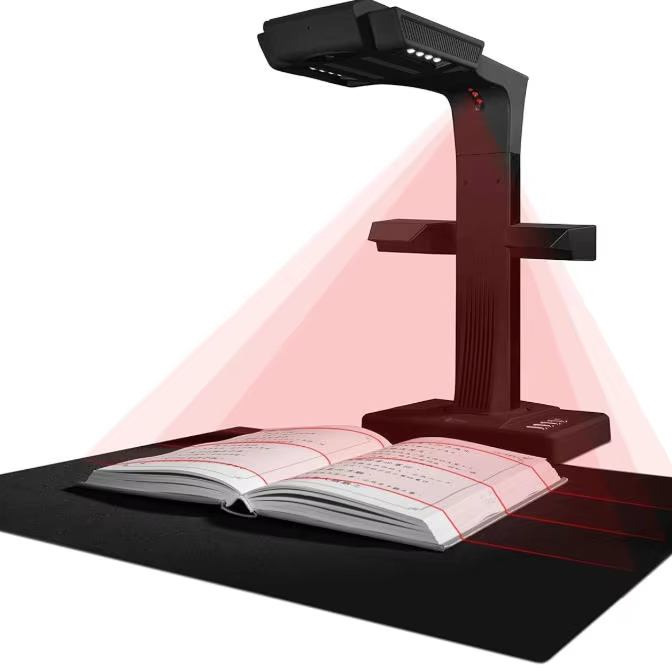
18MP A3 Book Scanner Overhead Document Camera Auto Curve Flattening OCR 180+ HDMI Visual Presenter for Office Library
A strong fit for bound books, office libraries and fragile documents that require non-contact capture, auto curve flattening and OCR-ready output.
View product →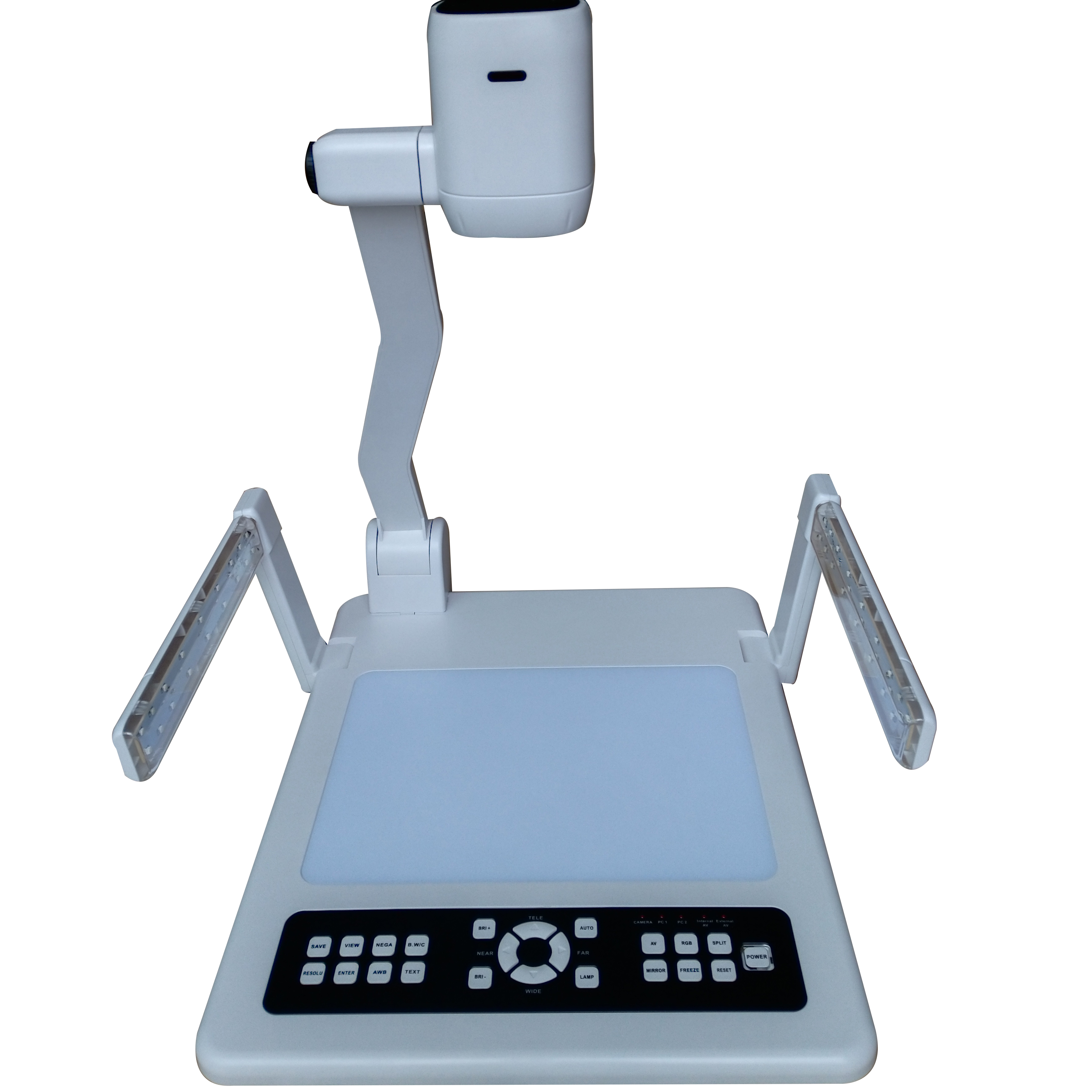
Modern Foldable Flexible Ultra HD Desktop Document Camera for School Video Output HD MI VGA Visualizer
Designed for classroom deployment and training rooms where portability, flexible positioning and HDMI/VGA output reduce setup time.
View product →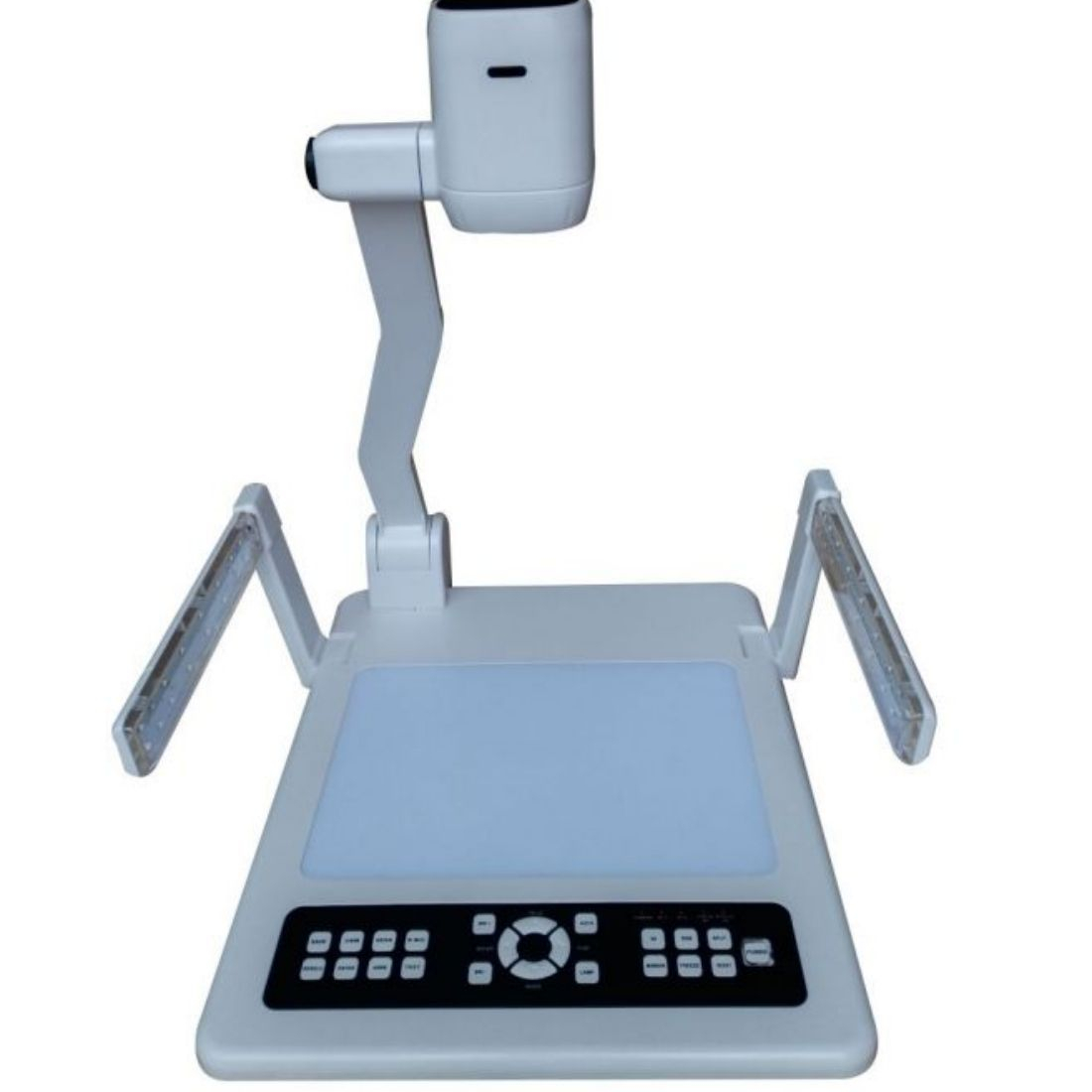
Factory 22X Optical Zoom Desktop VGA HD MI Audio Interface High Resolution Document Camera Visualizer
For tender specifications that require optical zoom, clear detail presentation and stable desktop performance in education or meeting environments.
View product →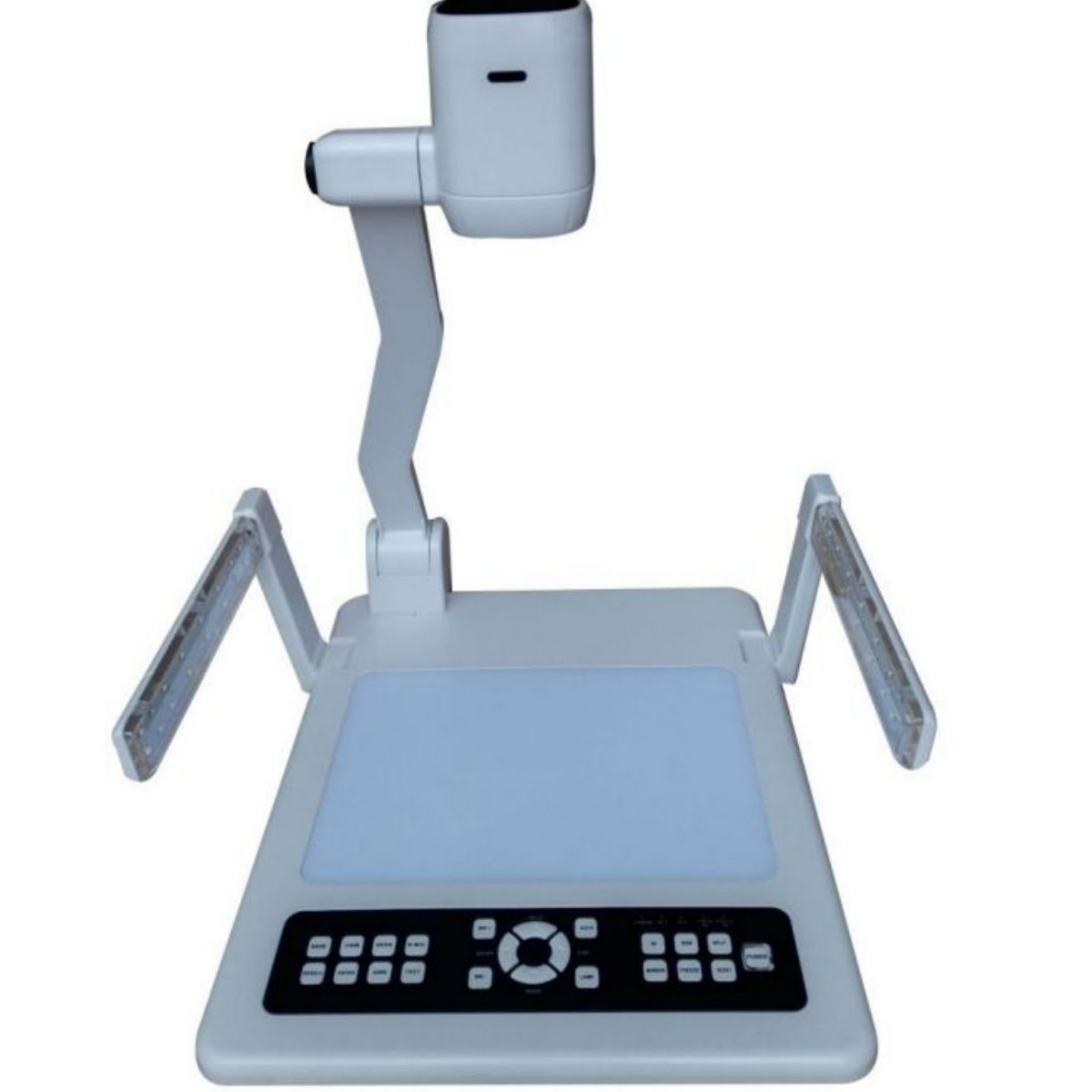
Multi-functional Document Camera Professional in Visual Presenter Also Visualizer in Educational Equipment
A versatile classroom visualizer for demonstrations, lab work, textbook display and hybrid teaching where one device must serve multiple subjects.
View product →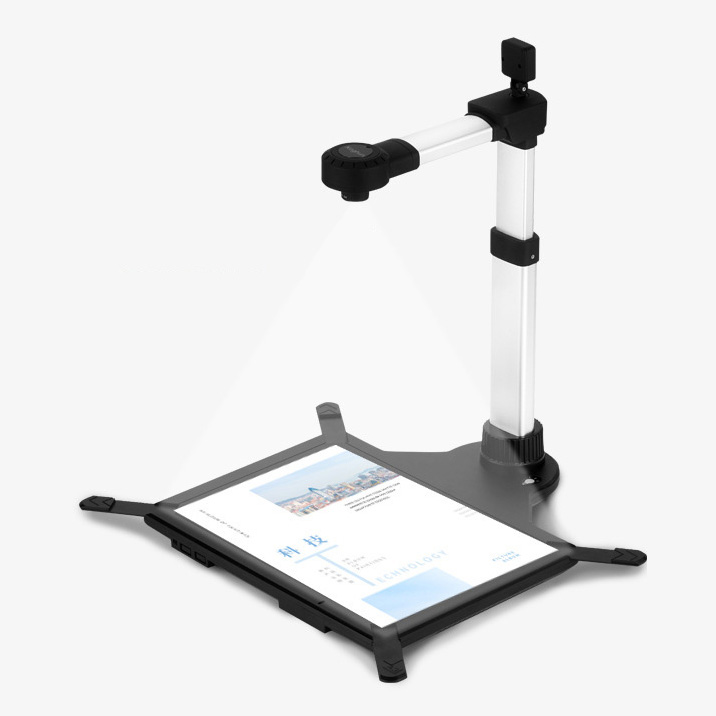
HD Dual Camera 16MP + 2MP Pixels Multifunction Stretchable Smart USB 60 Pages/Min A3/A4 Document Scanner 360 Rotation 180
Well suited to service counters, ID capture and high-volume A3/A4 scanning workflows that need dual-lens flexibility and fast page throughput.
View product →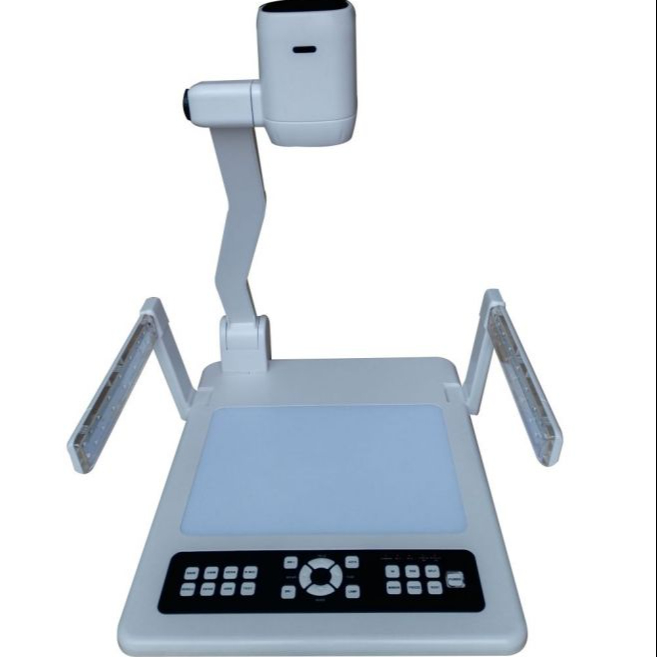
Factory Desktop Document Camera Visualizer 22X Optical Zoom with Interface HD MI RS232 Audio Mic Video
An integration-friendly visualizer with RS232 control, audio and microphone interfaces—useful for AV integrators configuring lecture halls and meeting rooms.
View product →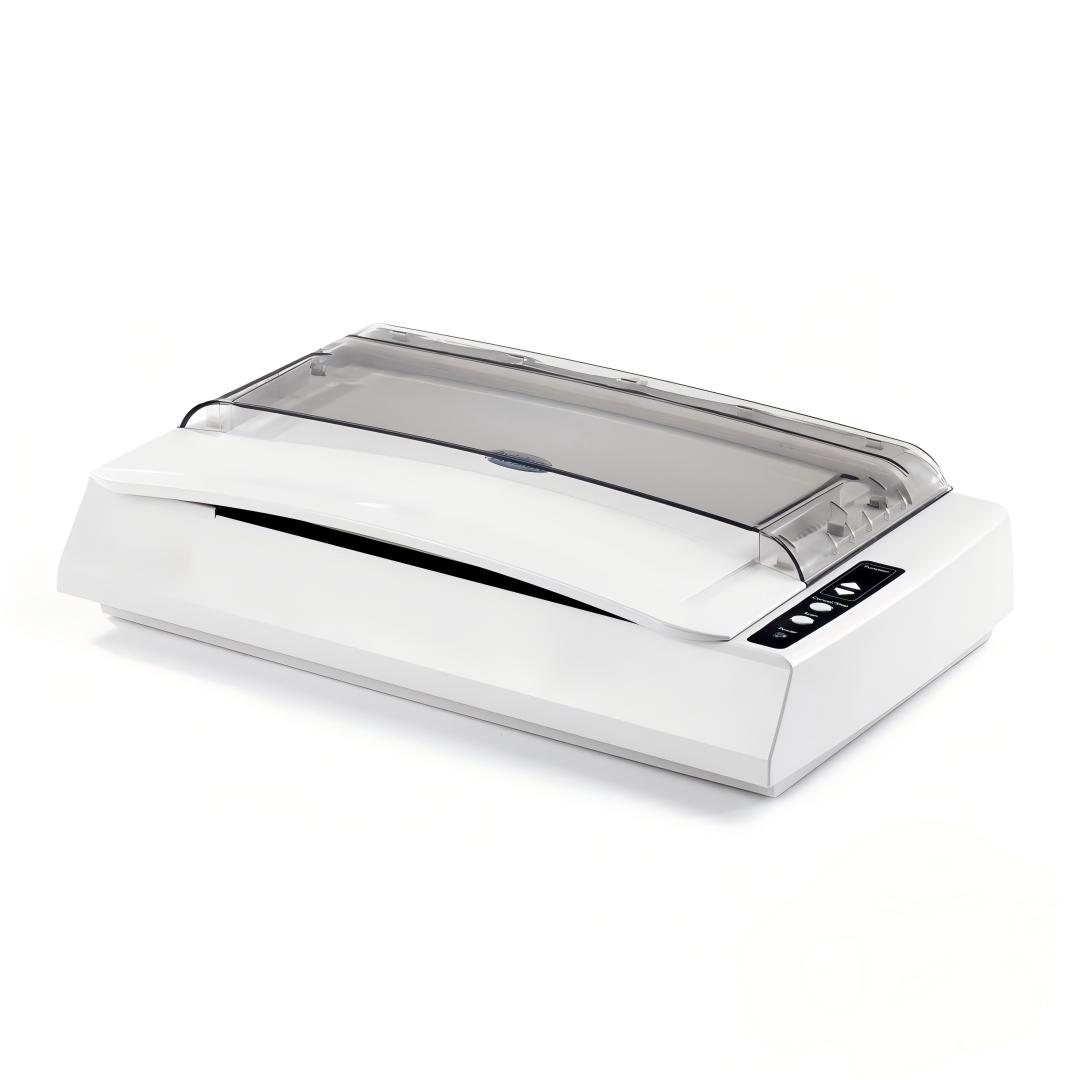
CCD Zero Margin Bookedge Flatbed Scanner A4 600dpi USB Bound Book Scanning No Spine Shadow Library Archive Digitization
For archives and libraries that prioritize spine-safe scanning and shadow-free bookedge capture, the CCD flatbed platform provides a familiar, controlled workflow.
View product →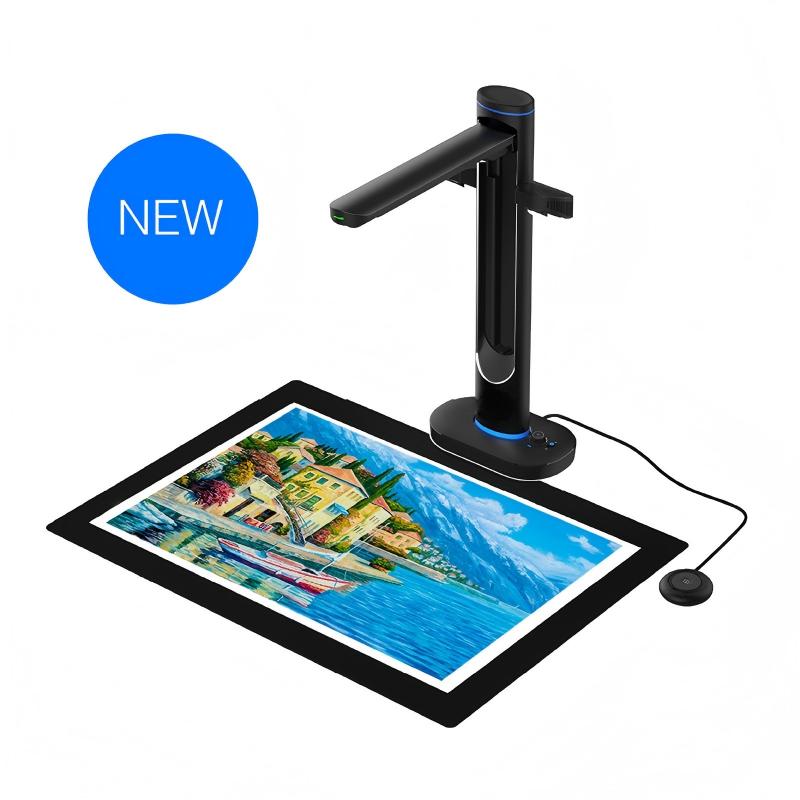
A2 Large Format Book Scanner Dual 48MP CMOS Sensors High-Speed Desktop Overhead Scanner for Windows & MacOS
Recommended for newspapers, maps, large-format archives and institutions that need A2 capture and higher pixel density for archival master files.
View product →A Wholesale Supplier Built for Repeatable Procurement
Guangzhou Quibow Electronic Co., Ltd. develops and supplies photoelectric information equipment for image data acquisition and conversion. For distributors, tender teams and institutional buyers, trust should be supported by measurable commercial signals rather than claims alone.
What “Top Trusted Image Scanner Supplier & Wholesalers” Means in Practice
Buyers searching for a trusted image scanner supplier usually need more than a price list. They need a supplier that can match the correct imaging platform to the document, confirm compatibility with Windows or macOS, supply sample scans before a tender submission, support OEM/ODM customization and remain contactable after shipment. Quibow’s product scope covers CIS, CMOS and CCD imaging platforms, allowing a single sourcing conversation to compare flatbed scanning, overhead book capture and live visual presentation.
Established in 2020, Quibow operates from Guangzhou, Guangdong, China, and serves main markets in Eastern Europe, North America and South America. The company reports annual revenue of US$1M–US$2.5M and maintains a focused team of 5–10 specialists. That size can be an advantage for buyers who want direct engineering feedback, faster customization decisions and a clear point of contact for pre-sales technical questions.
Company Facts Buyers Can Verify
Verification records include supplier assessment, credit overview, ratings and reviews, trade capacity, transaction level, trade history and transaction history.
Product Recommendations by Buyer Scenario
Different search intents should lead to different product recommendations. The matrix below maps common procurement scenarios to the models most likely to satisfy technical evaluation—without forcing one scanner to serve every document type.
| Buyer Scenario | Best-Fit Product | Why It Fits | Confirm Before Order |
|---|---|---|---|
| Library digitization of bound A3 books | 18MP A3 Overhead Book Scanner | Non-contact capture, auto curve flattening, OCR workflow and HDMI visual presenter function. | Required dpi, OCR languages, book thickness and software export formats. |
| A2 newspapers, maps and large archives | A2 Dual 48MP Book Scanner | Higher pixel density for A2 masters, overhead capture and Windows/macOS software support. | 300 dpi tender requirement, capture area, daily page volume and storage workflow. |
| Spine-safe bookedge scanning | CCD Zero Margin Bookedge Flatbed | CCD flatbed architecture, A4 format and zero-margin bookedge design for archive records. | 600 dpi output needs, glass flatness, lamp life and operator training. |
| Classroom or training-room visualizer | Foldable Ultra HD Document Camera | Flexible arm, HDMI/VGA output and fast setup for teachers moving between rooms. | Projector resolution, cable length, remote control and installed software policy. |
| Government counter, ID and forms | Dual Camera 16MP + 2MP Scanner | Dual-camera configuration, A3/A4 support, 60 pages/min class workflow and 360-degree flexibility. | SDK availability, ID recognition integration, privacy policy and capture speed. |
| AV integrator requiring RS232 control | 22X Optical Zoom Visualizer with RS232 | Optical zoom, HDMI, audio, mic and control interfaces for installed AV systems. | Control protocol, cable plan, rack space, warranty handling and spare parts. |
How Many Megapixels Do You Really Need for A3 and A2?
A common sourcing mistake is comparing megapixels without connecting them to the document size and required dpi. The calculation is simple: pixel dimensions = physical size in inches × target dpi. A scanner that looks high-resolution in one catalogue can still be insufficient for a tender that specifies 300 dpi at A2.
| Document Size | Pixels Needed at 300 dpi | Approximate Megapixels | Practical Recommendation |
|---|---|---|---|
| A4 210 × 297 mm |
2480 × 3508 | ≈ 8.7 MP | 10MP or higher is normally comfortable; dual-camera models help when ID or portrait capture is also required. |
| A3 297 × 420 mm |
3508 × 4961 | ≈ 17.4 MP | 18MP or 24MP class is the sensible starting point for 300 dpi A3 capture, depending on working distance and crop. |
| A2 420 × 594 mm |
4961 × 7016 | ≈ 34.8 MP | 48MP A2 models are recommended for archival masters; 21MP A2 models are better suited to preview, OCR or lower-dpi workflows. |
| Photos and artwork | Varies by reproduction target | 600–2400 dpi optical | Use a flatbed scanner with controlled lighting and 48-bit color when reflective originals need high optical resolution. |
Engineer’s note: if an A2 sheet must be delivered at 300 dpi with margin for cropping and deskewing, specify a 48MP sensor or verify effective resolution through a sample scan. Do not accept “A2-ready” as a substitute for pixel math.
What Wholesalers and Institutional Buyers Will Prioritize Next
Procurement is moving from isolated hardware purchase to workflow reliability, vendor accountability and long-term serviceability. These trends are especially relevant for distributors building a repeatable scanner category.
AI-Ready OCR and Structured Output
Buyers increasingly ask whether a scanner can output searchable PDF, editable text and structured metadata—not merely a JPEG image. OCR language coverage and software licensing terms are becoming evaluation criteria.
Total Cost of Ownership
Lowest unit price is no longer enough. Procurement teams compare failure rates, spare parts, remote support, warranty handling and operator training time across a three- to five-year service life.
Preservation-First Capture
Libraries and archives prefer non-contact overhead capture for fragile books and newspapers. Book curve correction, finger removal and zero-margin bookedge scanning are replacing aggressive flattening methods.
Hardware Plus SDK Bundles
System integrators want a device plus SDK, not a closed appliance. RS232, USB, HDMI, VGA and software integration options help distributors attach the scanner to ID verification, kiosk and archive management systems.
Data Sovereignty and Offline Capture
Government, banking and archive clients may require local capture, offline operation or controlled network access. Suppliers should disclose whether software depends on cloud services and how image data is stored.
Faster Customization Cycles
Wholesalers need private-label packaging, logo printing, housing color, software branding and regional-language documentation. A supplier that can quote customization quickly protects distributor launch schedules.
How Image Scanners Are Evolving for the Next Buying Cycle
Scanner development is converging around image quality, automated correction and integration flexibility. For wholesalers, the opportunity is to offer products that remain relevant after the first installation.
Higher-Resolution CMOS and Dual-Sensor Capture
A2 book scanners are moving toward dual 48MP CMOS configurations to support archival specifications without stitching. For A3 offices, 18MP–24MP models remain the practical balance between file size, speed and cost.
On-Device AI for Flattening, Deskew and Cleanup
Automatic curve correction, page boundary detection, finger removal and shadow cleanup reduce operator training. The value is especially high in libraries, archives and high-turnover service counters.
Document Scanner and Visualizer Convergence
Schools and training centers increasingly want one device for live presentation and still capture. HDMI output, optical zoom, remote control and instant capture are becoming combined purchase criteria.
SDK, API and Interface Diversity
USB, HDMI, VGA, RS232, microphone and audio interfaces matter to integrators. A product with documented SDK support is easier to embed in kiosks, counters, classrooms and archive systems.
Regional Documentation and Local Service
Export buyers need English manuals, driver clarity, regional power options and a predictable RMA path. Serviceability becomes a product feature when scanners are deployed in large fleets.
Long-Life Design and Sustainable Packaging
Institutional tenders increasingly favor replaceable components, energy-efficient illumination and packaging that survives export logistics while reducing waste.
Why Wholesalers and Institutional Buyers Shortlist Quibow
The strongest supplier positioning is not “we sell scanners.” It is “we help you reduce selection risk.” Quibow’s company capabilities align with that procurement need.
CIS, CMOS and CCD Platform Depth
One supplier can compare contact image sensors, CMOS area sensors and CCD linear sensors, reducing the risk of forcing the wrong technology into a tender or distribution plan.
OEM/ODM Support
Logo printing, packaging, housing color, capture software branding and SDK integration are available on selected models, with project quantities confirmed per requirement.
Fast Response and Clear Communication
Quibow reports 100% message response rate and ≤1h average response time. Fast technical clarification matters when distributors are responding to a tender deadline or a customer’s sample request.
Verifiable Trade Records
Buyers can review supplier assessment, credit overview, ratings, trade capacity, transaction level, trade history and transaction history before advancing to a trial order.
Commercial Flexibility
Most stock scanners start from 1 piece or 1 set, while several document cameras start from 2 pieces. Payment terms include T/T, L/C, PayPal and Western Union in USD, EUR, HKD or CNY, with FOB, EXW and DDU delivery terms.
Warranty and Remote Support
Listed A3 flatbed scanners, A2 overhead scanners and the S2060W ADF scanner carry a 1-year warranty, backed by remote technical support for setup, driver and workflow questions.
From Requirement to Delivery in Five Practical Steps
A transparent workflow helps procurement teams understand exactly what happens after the first inquiry.
Requirement Review
Confirm document size, daily volume, target dpi, operating system and required export formats.
Model Matching
Match sensor platform, resolution, interface and software needs; provide sample scans where required.
Customization
Review logo, packaging, housing color, software branding, OCR languages and SDK integration.
Quality Inspection
Check focus, lighting uniformity, driver installation, capture speed and basic workflow stability.
Shipping & Support
Apply export packing, confirm delivery terms and provide remote setup guidance and warranty support.
How to Verify an Image Scanner Supplier Before a Trial Order
Trustworthy sourcing is a process, not a slogan. Before paying for samples, request a short technical protocol: a sample scan of your actual document type, confirmation of operating-system compatibility, a list of included software, warranty terms, spare-part availability and the export packing method. For tender-driven projects, ask for the exact pixel dimensions produced at the intended working distance—not only the nominal sensor resolution. Then compare the quotation on landed cost, operator time and support responsiveness. A supplier that answers these points clearly is more likely to protect your project after the order is placed.
- Request sample scans using your own book, newspaper, ID card or classroom worksheet.
- Confirm Windows and macOS compatibility, driver source, OCR language coverage and SDK availability.
- Clarify the minimum order quantity, customization tooling cost and production lead time.
- Verify warranty scope, remote support process and spare-part availability for your expected fleet size.
- Review independent supplier records before moving from quotation to trial order.
For buyers who need a fast starting point, request the latest catalog and specify the document sizes, daily volume and target dpi. That information allows the Quibow team to narrow the shortlist before a sample is shipped.
Image Scanner Supplier & Wholesale Procurement Questions
Clear answers reduce friction between initial research and a qualified inquiry.
What is the minimum order quantity for Quibow scanners and document cameras?
Most stock book scanners, A2 large-format scanners and flatbed scanners start from 1 piece or 1 set. Several document camera models start from 2 pieces. OEM/ODM quantities are confirmed per project and may depend on customization, packaging and software branding requirements.
Do you support OEM and ODM orders?
Yes. Quibow supports OEM/ODM projects including logo printing, packaging, housing color, capture software branding and SDK integration on selected models. For tender or distributor projects, provide your target specifications early so the team can confirm feasibility and sample requirements.
Are the scanners compatible with Windows and macOS?
Many models, including the A2 large-format scanners and the 1200 DPI A3 flatbed scanner, support Windows and macOS, and some are verified on Apple M1 Macs. Compatibility should be confirmed for each model and software version before shipment, especially if your organization enforces driver signing or restricted installation policies.
Which resolution do I need to scan A3 or A2 documents at 300 dpi?
An A3 page at 300 dpi needs about 3508 × 4961 pixels, or roughly 17.4 MP, so an 18MP or 24MP scanner is suitable. An A2 sheet at 300 dpi needs about 4961 × 7016 pixels, roughly 34.8 MP, so a 48MP A2 scanner is recommended for archival masters. If the document will be cropped or the working distance limits effective capture area, verify with a sample scan.
What payment and delivery terms do you accept?
Quibow accepts T/T, L/C, PayPal and Western Union in USD, EUR, HKD or CNY, with FOB, EXW and DDU delivery terms. The appropriate term depends on destination, shipment size, customs arrangements and whether a distributor account is being established.
What warranty do your products carry?
Listed models such as the A3 flatbed scanners, A2 overhead scanners and the S2060W ADF scanner come with a 1-year warranty, backed by remote technical support. Confirm the warranty period for the exact model and configuration in your quotation.
Which model should a library choose for fragile books and newspapers?
For fragile bound A3 books, the 18MP A3 overhead book scanner with auto curve flattening is a practical starting point. For A2 newspapers, maps and large archival sheets, the A2 dual 48MP overhead book scanner is more appropriate. If spine shadow is the primary concern and the format is A4, the CCD zero-margin bookedge flatbed scanner may be a better fit.
How can I request a catalog, sample scan or wholesale quotation?
Use the “Get Catalog” button to open the inquiry channel, then share your document size, daily scan volume, target resolution, operating system, interface requirements and estimated order quantity. For faster technical matching, mention whether the project is for a library, school, bank, government counter, AV installation or wholesale distribution channel.
Planning a Wholesale Order or Institutional Digitization Rollout?
Share your document sizes, daily volume and target resolution. The Quibow team can recommend the right scanner, confirm OEM/ODM feasibility and prepare sample scans for your evaluation. For buyers comparing A3 book scanners, A2 overhead scanners, flatbed bookedge models and classroom visualizers, a short technical brief is usually enough to start the shortlist.
Prepared for procurement teams, distributors and institutional buyers evaluating Guangzhou Quibow Electronic Co., Ltd. Product URLs and model names are preserved for direct comparison. Specifications, MOQ, warranty and compatibility should be confirmed in the final quotation before purchase.