Top Trusted Drawing Scanner Suppliers & Wholesaler
Source A2/A3 overhead scanners, 4K document cameras and wall-mounted visualizers from Guangzhou Quibow Electronic Co., Ltd. — engineered for technical drawings, archives, classrooms and high-volume service counters.
Inquire NowEight Proven Models for Drawing Capture, Document Digitization and Presentation
Each product link below is preserved from the current catalogue. For drawings, compare sheet size, sensor, resolution and whether you need non-contact capture, wall mounting, live presentation or dual-camera versatility. If a procurement team needs a mixed quotation, use the inquiry button.
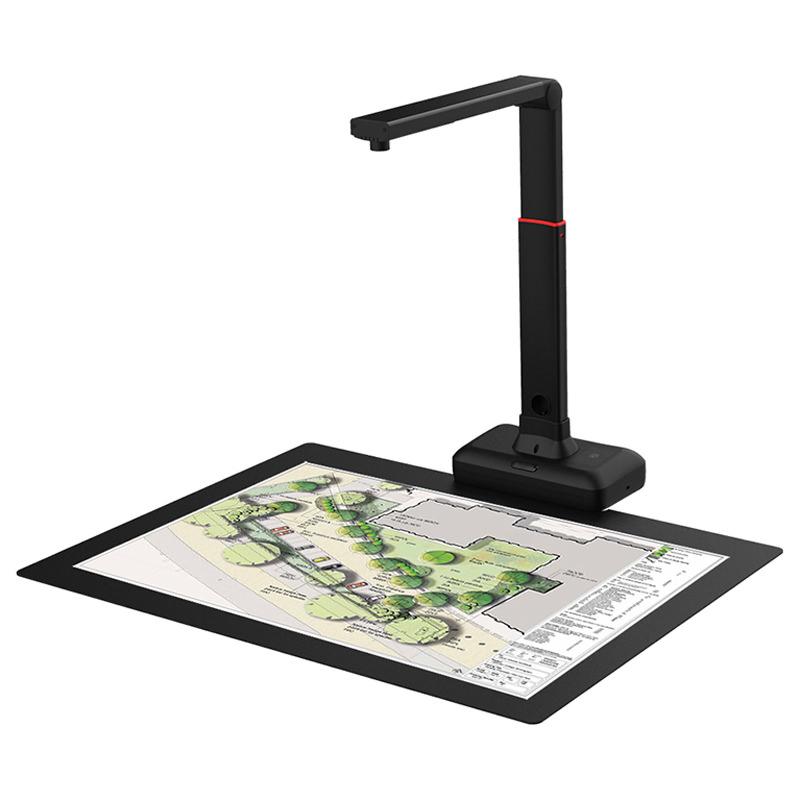
A2 Large Format Overhead Document Scanner 21MP
A non-contact A2 drawing and document scanner for engineering plans, maps, ledgers and bound references. The aluminum frame, USB workflow and text-to-speech support suit archive rooms and plan libraries that capture throughout the day.
- 21MP overhead capture
- Aluminum body and USB connection
- Text-to-speech support; 1-year warranty
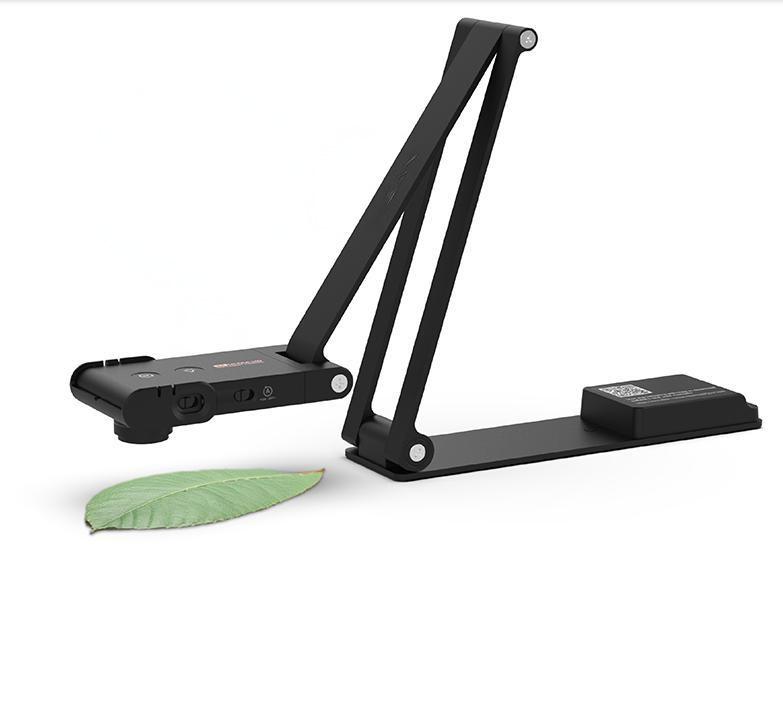
4K 2-in-1 USB 13MP Document Camera Visualizer
A foldable visualizer with AI noise cancellation, a 20x macro lens and built-in microphone. Use it for live drawing reviews, classroom demonstrations, remote training and tabletop capture of A3 reference materials.
- 4K 2-in-1 document camera
- 20x macro lens and microphone
- A3 maximum capture area; 1-year warranty
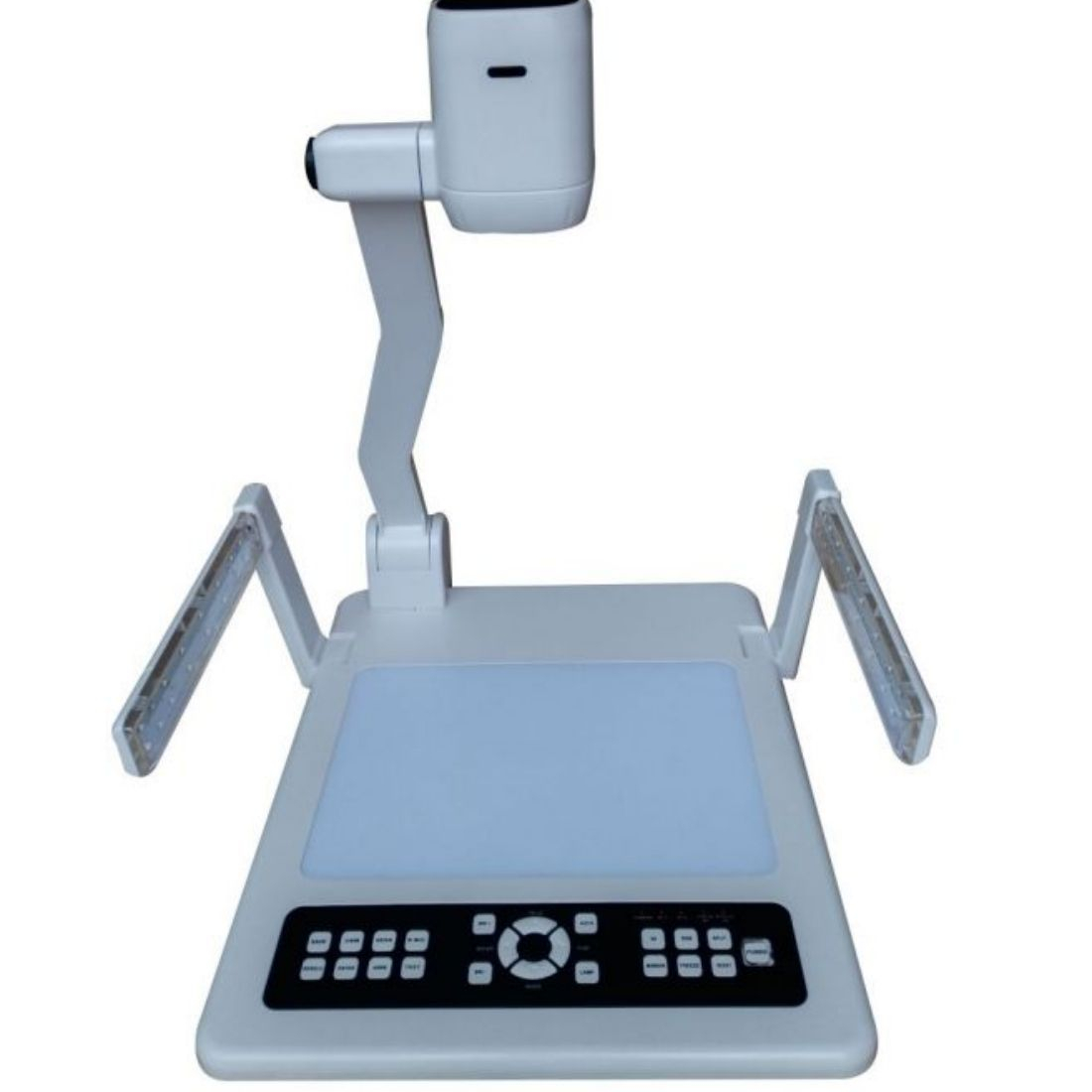
Factory 22X Optical Zoom Desktop Document Camera Visualizer
A desktop visual presenter for detailed drawing inspection, engineering review and training rooms. The 22x optical zoom keeps fine linework readable while VGA, HDMI and audio interfaces connect to projectors, displays and capture systems.
- 22x optical zoom
- VGA and HDMI interfaces
- High-resolution desktop visualizer
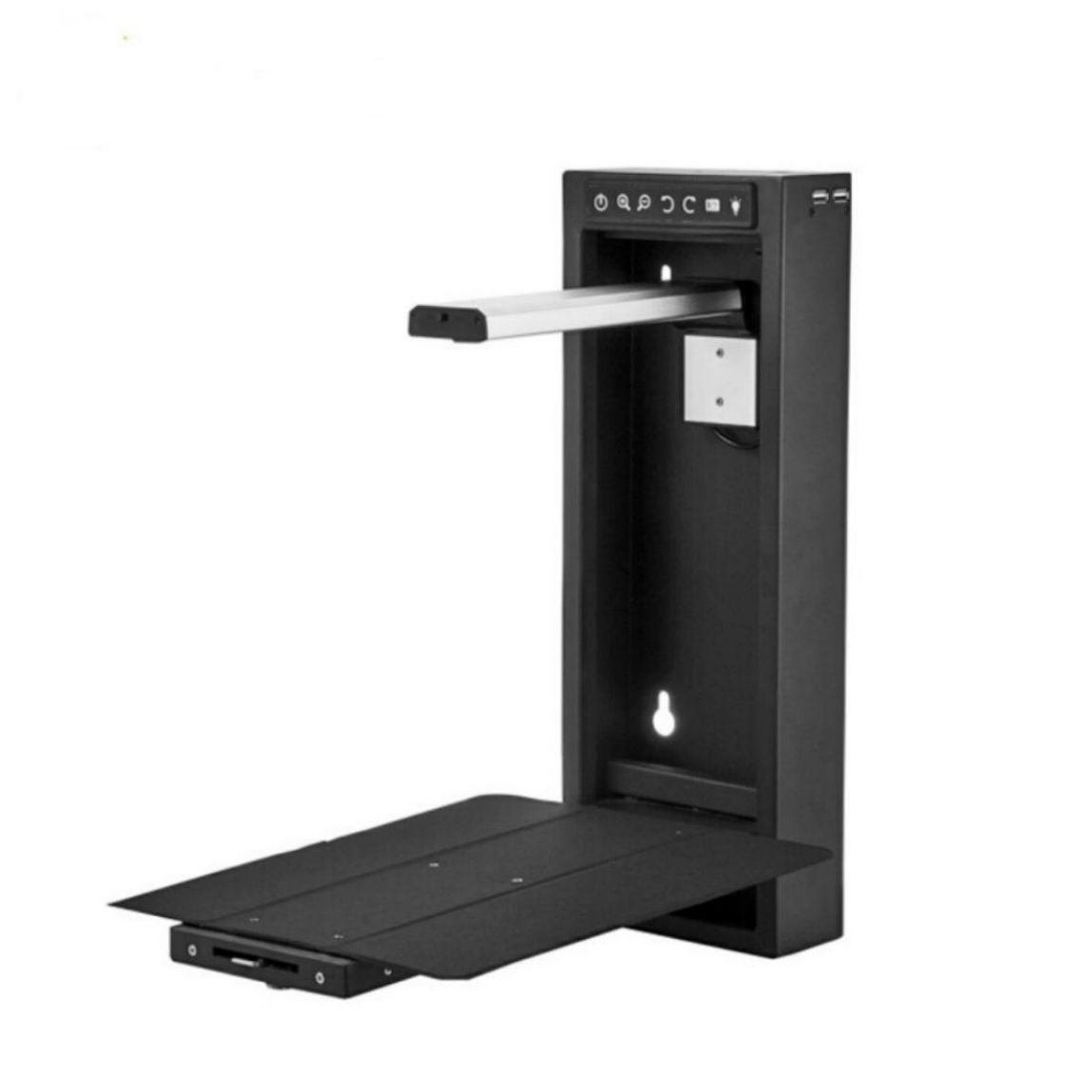
USB Wall-Mounted A4 Visualizer OCR Document Scanner 10MP
A compact wall-mounted A4 drawing and document scanner for service desks, classrooms and smart workstations. The 10MP CMOS sensor, USB interface and SDK support make it suitable for repeatable capture and software integration.
- 10MP CMOS sensor
- OCR-ready USB workflow
- SDK included; black finish
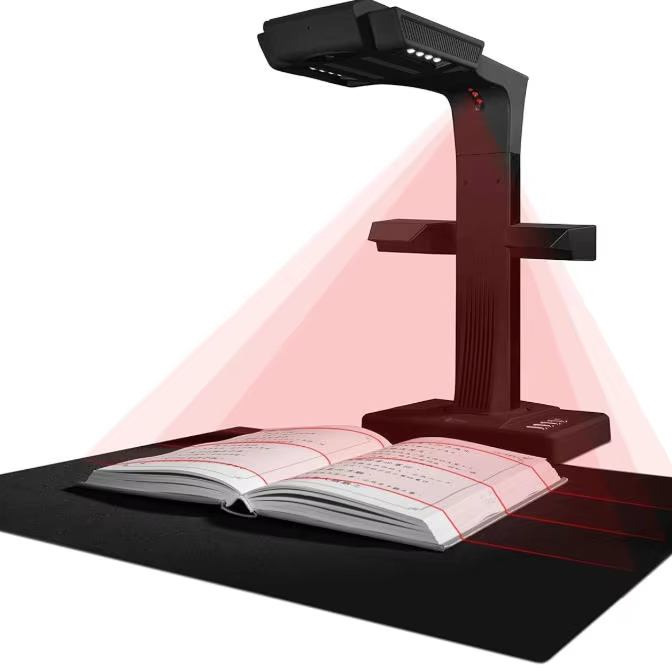
18MP A3 Overhead Book and Drawing Scanner
An overhead camera with auto curve flattening and OCR for bound books, drawings and files. HDMI output and visual-presenter functions support both archive production and live review in libraries, offices and training rooms.
- 18MP A3 overhead capture
- Auto curve flattening and OCR
- HDMI visual presenter output
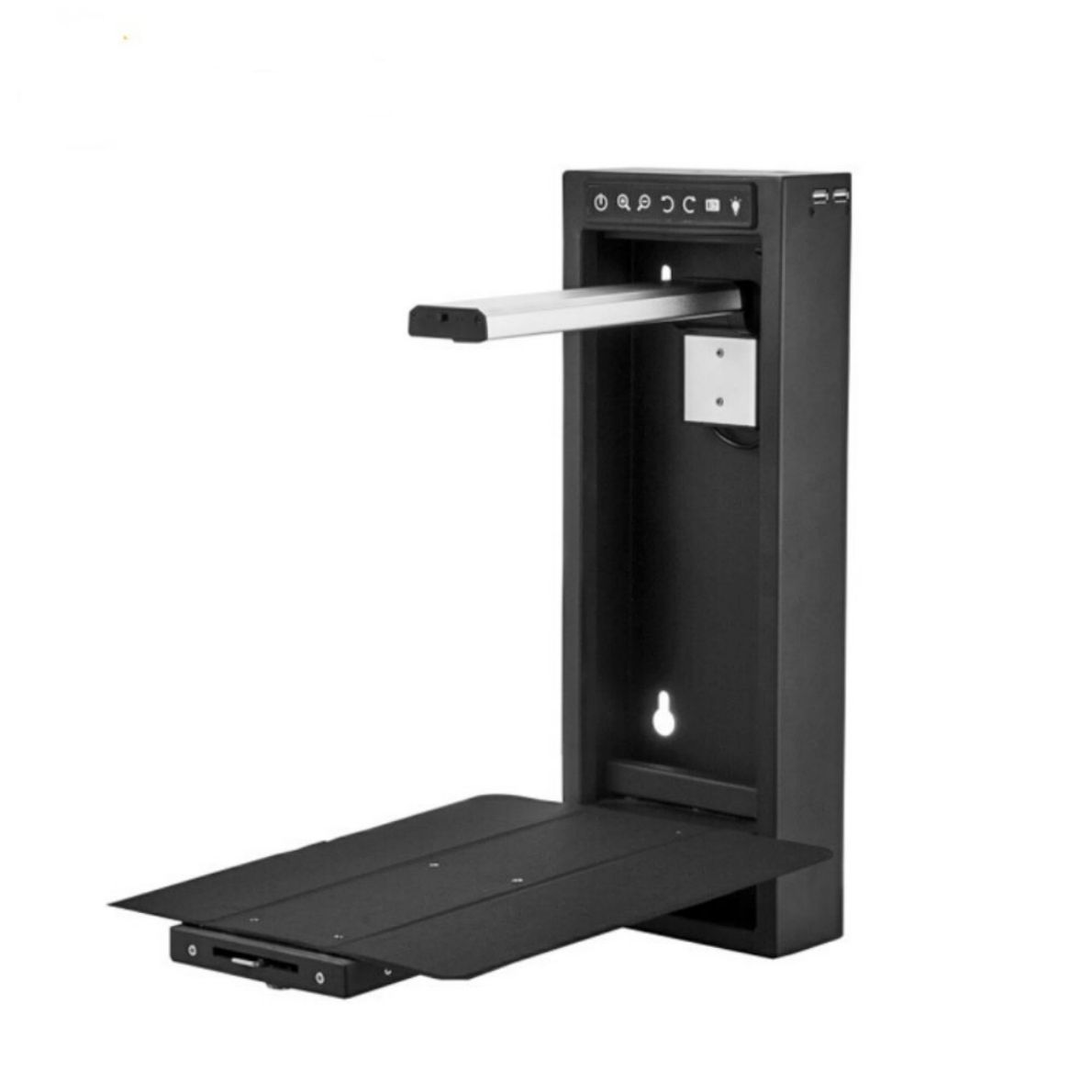
A4 Wall-Mounted Document Camera Scanner 10MP
A space-saving wall version for one-second document capture. It is suited to enrollment counters, smart classrooms, branch offices and sites where an operator needs a fixed, repeatable view of A4 drawings or forms.
- 10MP CMOS sensor
- 1-second scan cycle
- Wall version; stock availability
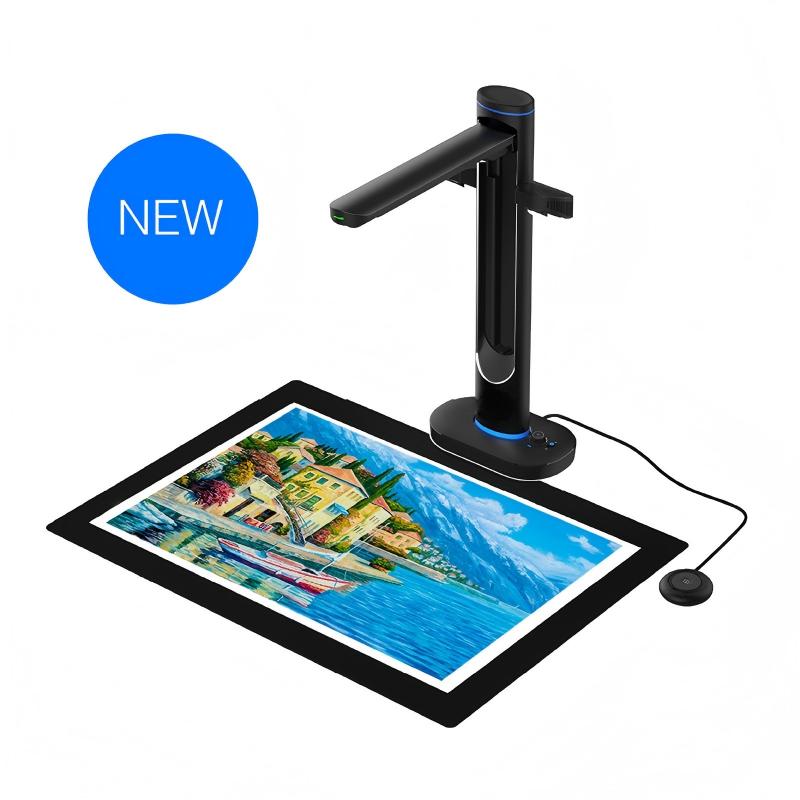
A2 Large Format Dual 48MP High-Speed Book Scanner
A dual 48MP overhead scanner for high-value A2 archives, newspapers, large technical drawings and bound volumes. Dual CMOS sensors provide high-resolution capture for Windows and macOS environments where a single camera may not meet 300 dpi tender requirements.
- Dual 48MP CMOS sensors
- A2 large-format desktop capture
- Windows and macOS compatibility
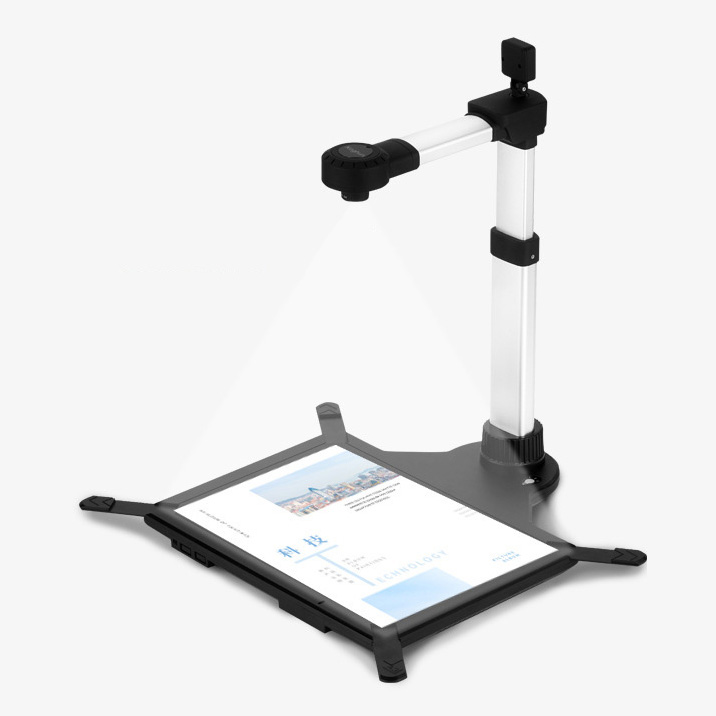
HD Dual Camera 16MP + 2MP A3/A4 Document Scanner
A multifunction dual-camera scanner that combines a 16MP main camera with a 2MP secondary camera for flexible A3/A4 workflows. Stretchable mounting, 360-degree rotation and 60 pages per minute support high-throughput counters and mixed-document projects.
- 16MP + 2MP dual-camera design
- A3/A4, 60 pages per minute
- Stretchable mounting and 360-degree rotation
Comparing two or three models for a tender, distributor stock order or pilot project?
Inquire NowWhat “Drawing Scanner” Means in a Modern B2B Procurement Brief
A drawing scanner is not a single product category. In real procurement, the term covers large-format overhead document scanners, A2/A3 book scanners, high-resolution flatbeds, wall-mounted visualizers and 4K document cameras used to capture plans, technical drawings, schematics, maps, forms and reference books. Buyers searching for top trusted drawing scanner suppliers usually need three outcomes at once: faithful line reproduction, a repeatable workflow and a supplier who can support export orders, software integration and after-sales service.
Guangzhou Quibow Electronic Co., Ltd. approaches this brief from the image-acquisition side. Our catalogue is built around CIS, CMOS and CCD platforms, and our models support use cases from archive digitization to classroom presentation. That matters because the cheapest device per unit is rarely the lowest-cost choice over a three-year project. A scanner that requires fewer retakes, supports OCR and fits the customer’s document management system can reduce labour cost far more than a small hardware discount.
Our engineering rule is simple: divide the required output by the capture area. At 300 dpi, an A3 drawing (297 × 420 mm) needs about 3508 × 4961 pixels, or roughly 17.4MP. An A2 drawing (420 × 594 mm) needs about 4961 × 7016 pixels, or 34.8MP. Therefore an 18MP or 24MP device is suitable for A3 masters, while A2 archival work should begin with a 48MP model if 300 dpi is written into the tender. If the requirement is 200–250 dpi for reading and OCR, a 21MP or 24MP model can cover some A2 tasks, but the decision should be validated with sample scans of the actual drawing type.
This is the information gain that separates a serious supplier conversation from a simple price request. Resolution alone is not enough: the sensor platform, lens quality, lighting uniformity, software correction and output format all affect the final file. A supplier who can map those variables to your document mix will reduce rework and help procurement teams avoid an under-specified purchase.
Procurement takeaway
- Use non-contact overhead systems for bound drawings, books and fragile originals.
- Choose a flatbed or bookedge scanner when optical depth, photos or controlled lighting dominate.
- Select a wall-mounted model for counters and classrooms where footprint is limited.
- Ask for SDK, driver and OCR details before approving a pilot.
- Check supplier response records and sample scans before comparing final prices.
Procurement and Product Trends Reshaping Drawing Scanner Supply
Buyers are no longer purchasing a camera alone. They are buying a capture workflow that must survive audits, integration testing, classroom use, archive standards and multi-year service expectations.
Resolution requirements are becoming tender-ready
Archive and engineering departments increasingly specify 300 dpi masters for A2 originals, which translates to roughly 34.8MP. Suppliers that can explain sensor coverage, optical zoom and true capture resolution — not just interpolated megapixels — will win more projects. Buyers should request sample scans at the exact drawing size and output dpi before approving a model.
AI-assisted OCR and image cleanup
Noise cancellation, curve flattening, deskew and OCR are becoming standard. The practical procurement question is not whether AI is mentioned, but whether it reduces operator intervention. Ask for before-and-after samples, language support, export formats and how OCR integrates with searchable PDF or document management workflows.
SDK-first purchasing and system integration
Drawing scanners are increasingly embedded in larger systems: government service counters, library repositories, quality inspection lines and smart classrooms. SDK availability, Windows and macOS compatibility and stable USB or HDMI behavior can matter more than a small price difference. Integrators should test capture calls and error recovery during the pilot.
Non-contact capture for preservation and speed
Overhead capture keeps glass and pressure away from fragile plans, bound drawings and archival volumes. It also shortens handling time and reduces the risk of edge damage. For mixed collections, a supplier who offers both overhead and flatbed formats is easier to manage than a vendor who can serve only one capture method.
Dual-camera and 4K visual collaboration
Dual-camera designs and 4K visualizers combine document capture with live presentation. They are useful for remote engineering reviews, classroom demonstrations and counter staff who need both a document view and a secondary view. Procurement teams should confirm frame rate, zoom type and output ports, because optical and digital zoom are not equivalent.
Verified supplier records and lower total cost
B2B buyers are checking response rate, reorder rate, onsite supplier assessment and transaction history before discussing price. These indicators do not replace a sample test, but they reduce sourcing risk. A reliable drawing scanner wholesaler should also document warranty terms, packing standards and remote support capacity.
Where the Hardware Itself Is Heading
The next buying cycle will reward suppliers who can combine higher native resolution with simpler installation, cleaner software and longer service life.
Sensor fusion and higher native resolution
Dual 48MP overhead scanners and dual-camera A3/A4 models show where the market is moving: more native pixels, more views and fewer retakes. Buyers should compare true sensor resolution against the physical document area and avoid products that rely mainly on digital enlargement.
Modular mounting and deployment
Desktop, overhead and wall-mounted formats let a project team standardize on one supplier while adapting each capture point to the room. Libraries may need overhead systems, branch counters may need wall versions and training rooms may need visual presenters with HDMI output.
Long-life design and serviceability
Procurement teams are paying more attention to warranty support, spare-part planning and driver stability. A scanner that is easy to service and supported by remote diagnostics can remain productive longer than a low-cost unit with unclear after-sales coverage.
Pixel Requirements for 300 DPI Drawing Masters
These are minimum pixel calculations for a full-page master at 300 dpi. A scanner must deliver the pixels natively across the document area; advertised maximum resolution may include interpolation.
Match the Buying Brief to the Right Scanner Family
Different departments describe the same requirement in different language. Use this shortlist to align technical specifications with the working environment.
Libraries and archives
Prioritize non-contact overhead capture, auto flattening and OCR. The 18MP A3 overhead scanner and A2 dual 48MP book scanner are strong starting points for bound volumes, newspapers and large records.
Engineering and plan rooms
Focus on A2 capture, 300 dpi master requirements and clear line reproduction. The A2 21MP overhead model supports daily plan capture, while the dual 48MP A2 scanner serves archival specifications.
Education and training
Use 4K visualizers and optical-zoom document cameras for live demonstration, remote teaching and textbook capture. Confirm HDMI/VGA connectivity, microphone support and the maximum A3 viewing area.
Government, banking and integrators
Wall-mounted A4 scanners and dual-camera A3/A4 units suit service counters, ID capture and mixed-document workflows. SDK access, stable drivers and OEM/ODM support are important selection criteria.
Why Buyers Shortlist Quibow as a Drawing Scanner Wholesaler
Quibow combines imaging product development, export coordination and remote support. The goal is not simply to ship a camera, but to help distributors and project teams configure a repeatable capture workflow.
Imaging expertise across CIS, CMOS and CCD
Our team works with contact image sensors, CMOS area sensors and CCD linear sensors. This lets us recommend the right platform for high-volume sheet-fed work, non-contact book scanning, flatbed photo capture or live visual presentation.
OEM/ODM and software customization
We support logo printing, packaging, housing color, capture software branding and SDK integration on selected models. Distributors can build a local product line while system integrators can embed capture functions into their own applications.
Responsive B2B communication
Platform records show an average response time of approximately one hour and a 100% message response rate. For project buyers, this matters during specification review, sample requests and urgent replacement planning.
Onsite-checked, verifiable supplier
Guangzhou Quibow Electronic Co., Ltd. is an onsite-checked supplier with public records for supplier assessment, credit overview, ratings and trade capacity. Buyers can review these records before moving to samples or purchase orders.
Quality inspection and 1-year warranty
Quality checks cover focus, lighting uniformity, driver installation and capture speed. Listed models such as A3 flatbed scanners, A2 overhead scanners and the S2060W ADF scanner carry a 1-year warranty with remote technical support.
Export-ready payment and delivery terms
We accept T/T, L/C, PayPal and Western Union in USD, EUR, HKD or CNY, with FOB, EXW and DDU delivery terms. Export packing and remote setup guidance are coordinated around the destination and order scope.
From Requirement to Shipment: Five Checkpoints
A transparent process helps procurement teams understand what happens after the first inquiry and where custom scope should be confirmed.
Requirement Review
Document size, daily volume, operating system and output formats are confirmed, usually within one hour.
Model Matching
We recommend sensor platform and resolution, with sample scans available on request.
Customization
Logo, packaging, software branding, OCR languages and SDK integration are scoped.
Quality Inspection
Focus, lighting uniformity, driver installation and capture speed are checked.
Shipping and Support
Export packing and remote setup support are coordinated with warranty terms.
Payment Methods
T/T, L/C, PayPal and Western Union
Payment Currency
USD, EUR, HKD and CNY
Delivery Terms
FOB, EXW and DDU
Drawing Scanner Procurement Questions Buyers Ask Most
These answers reflect the current catalogue and standard B2B terms. Confirm model-specific details in writing before issuing a purchase order.
What is the minimum order quantity for Quibow scanners and document cameras?
Most stock book scanners, A2 large-format scanners and flatbed scanners start from 1 piece or 1 set. Several document camera models start from 2 pieces. OEM/ODM quantities depend on logo printing, packaging, housing color, software branding and SDK scope, so custom projects are confirmed individually. For distributor trial orders, we can quote a mixed selection to test multiple use cases before scaling.
Do you support OEM and ODM orders?
Yes. We support OEM/ODM projects including logo printing, packaging, housing color, capture software branding and SDK integration on selected models. A typical process starts with your target market, document size, operating system and software workflow, then moves to sample confirmation and production scope. Please share artwork requirements, target languages and any integration documentation needed for your tender or distributor launch.
Are the scanners compatible with Windows and macOS?
Many models, including A2 large-format scanners and the 1200 DPI A3 flatbed scanner, support Windows and macOS, and some are verified on Apple M1 Macs. Compatibility is confirmed for each model before shipment. For system integrators, ask for driver version details, SDK language support and a test plan that covers capture, file export and recovery from common errors.
Which resolution do I need to scan A3 or A2 drawings at 300 dpi?
An A3 page at 300 dpi needs about 3508 × 4961 pixels, or roughly 17.4MP, so an 18MP or 24MP scanner is suitable. An A2 sheet at 300 dpi needs about 4961 × 7016 pixels, or around 34.8MP, so a 48MP A2 scanner is recommended for archival masters. If your specification allows 200–250 dpi for OCR or on-screen reading, a lower-resolution model may be adequate, but sample scans should be approved first.
Are overhead scanners suitable for bound drawings, books and fragile records?
Yes. Non-contact overhead capture protects bindings and avoids glass pressure on fragile pages. Software features such as auto curve flattening, deskew and OCR improve readability, while operators can use a foot pedal or capture software to maintain a steady workflow. For rigid originals and high-value photographs, a flatbed or bookedge scanner may still be the better choice, so mixed collections often justify two device types.
What payment and delivery terms do you accept?
We accept T/T, L/C, PayPal and Western Union in USD, EUR, HKD or CNY, with FOB, EXW and DDU delivery terms. The final quotation should state model, quantity, accessory scope, packing requirements, destination and warranty terms. For first orders, buyers may request sample scans, packaging photos and pre-shipment inspection details before balance payment.
What warranty and after-sales support do your products carry?
Listed models such as A3 flatbed scanners, A2 overhead scanners and the S2060W ADF scanner come with a 1-year warranty, backed by remote technical support. Inspection focuses on focus quality, lighting uniformity, driver installation and capture speed. When planning a rollout, keep spare units or critical accessories in mind for schools, archive rooms and service counters where downtime has a direct operational cost.
How do I request sample scans or a wholesale quotation?
Send your document size, daily volume, target dpi, output format, operating system and any SDK or OCR requirement. It also helps to share the working environment: archive room, classroom, service counter or integration project. Our team can then recommend one to three models, confirm stock and MOQ, and outline OEM/ODM options. Use the Inquire Now button below to start the shortlist.
Request a Drawing Scanner Shortlist and Wholesale Quote
Share your document size, daily volume, target resolution, operating system and integration requirements. Our team will recommend suitable models, confirm stock and MOQ, and outline OEM/ODM options for distributors, system integrators and project buyers.