8 Recommended Book Scanning Equipment Models for Wholesale Buyers
The eight models below are selected from Quibow’s current catalogue for the most common procurement briefs: A3 book scanning, A2 archive capture, portable field digitization, dual-camera OCR, classroom visualizers, and wireless document capture. Each product URL is retained from the original catalogue; buyers needing a different configuration can use the inquiry button for sample scans, MOQ confirmation and OEM/ODM discussion.
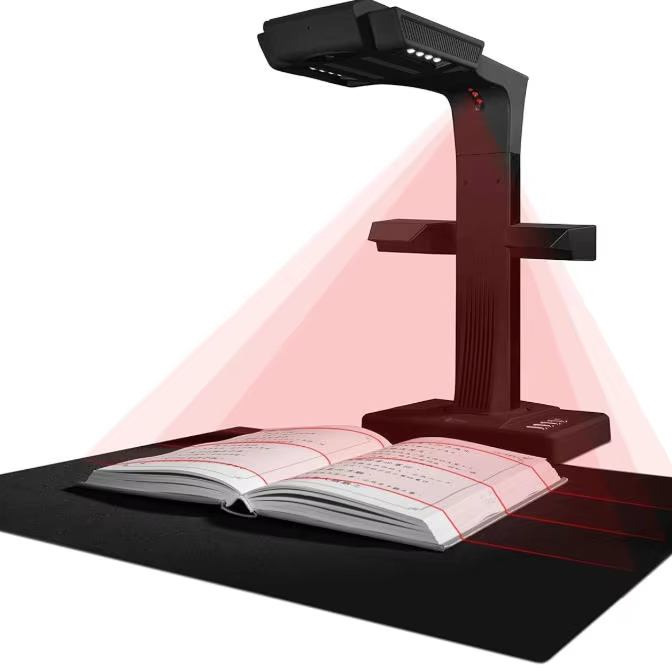
18MP A3 Book Scanner Overhead Document Camera Auto Curve Flattening OCR 180+ HDMI Visual Presenter for Office Library
Recommended for office and library books where non-contact capture, curve correction, OCR and live HDMI presentation are required in one device.
- Overhead A3 capture without pressing the spine
- Auto curve flattening and OCR workflow
- HDMI visual presenter function
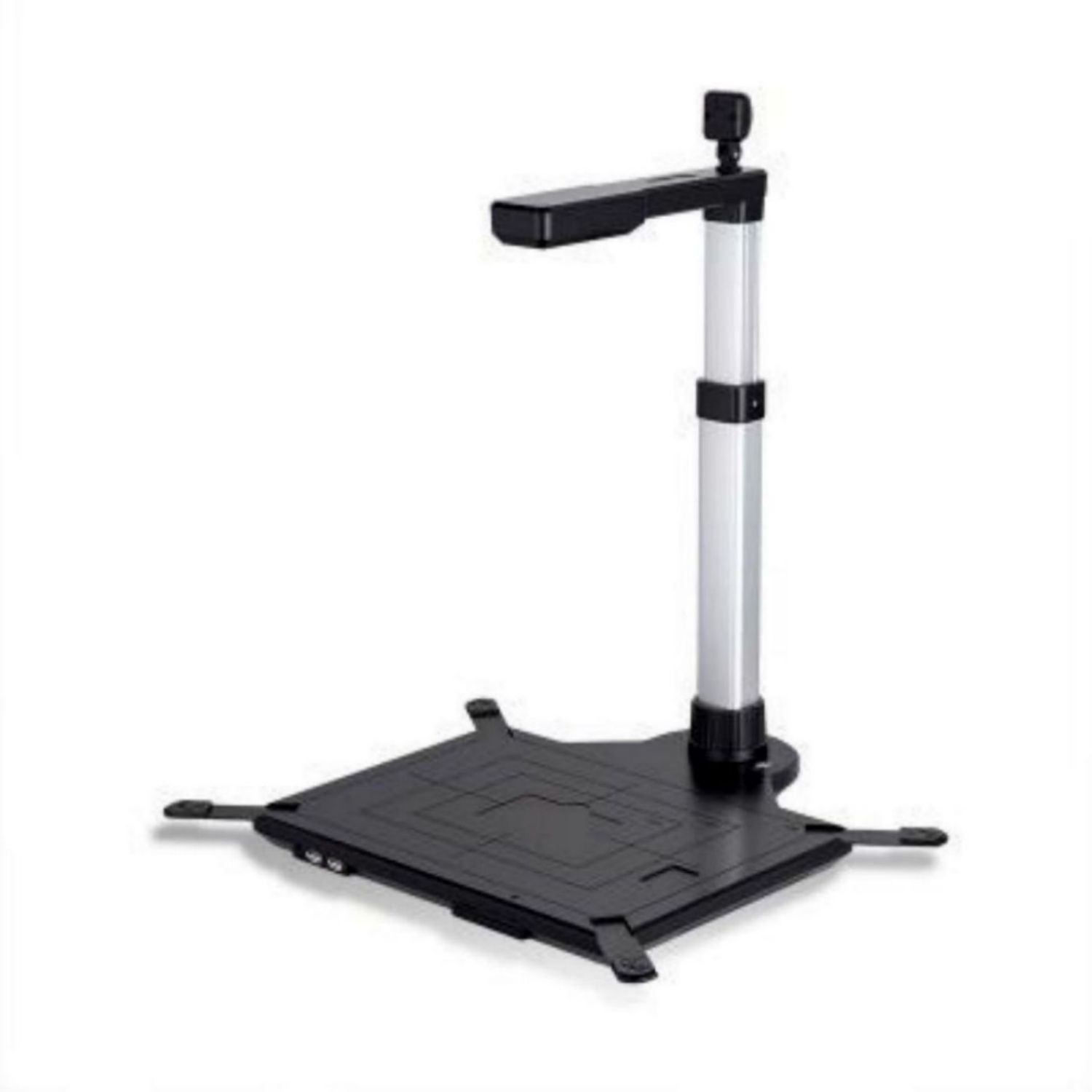
Professional USB Dual Camera Scanner for A3 Documents Supports OCR PDF Multi-Languages High-Speed 1-Second Scan 360-Degree
A strong fit for mixed A3 documents, OCR PDF output and fast counter or office capture, with dual-camera perspectives for fewer rescans.
- Dual-camera A3 document capture
- High-speed one-second scan
- Multi-language OCR PDF support
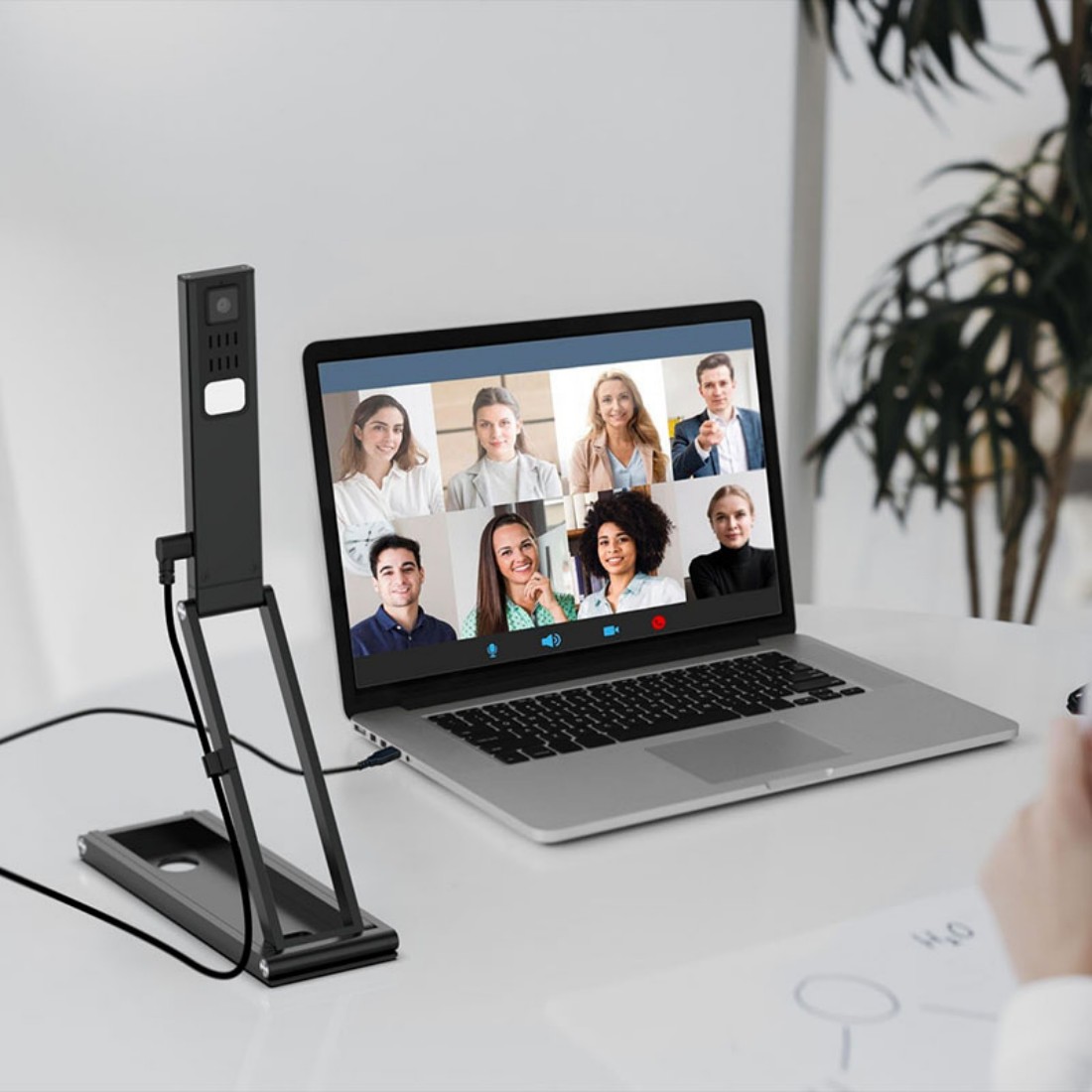
A3 4K Visual Presenter Document Camera with USB Interface for School Training Teaching Meetings Featuring Webcam Function
Designed for classrooms, training rooms and meetings where a clear live image, USB connectivity and webcam function must work together.
- 4K A3 visual presenter
- USB interface and webcam function
- Teaching, training and meeting use
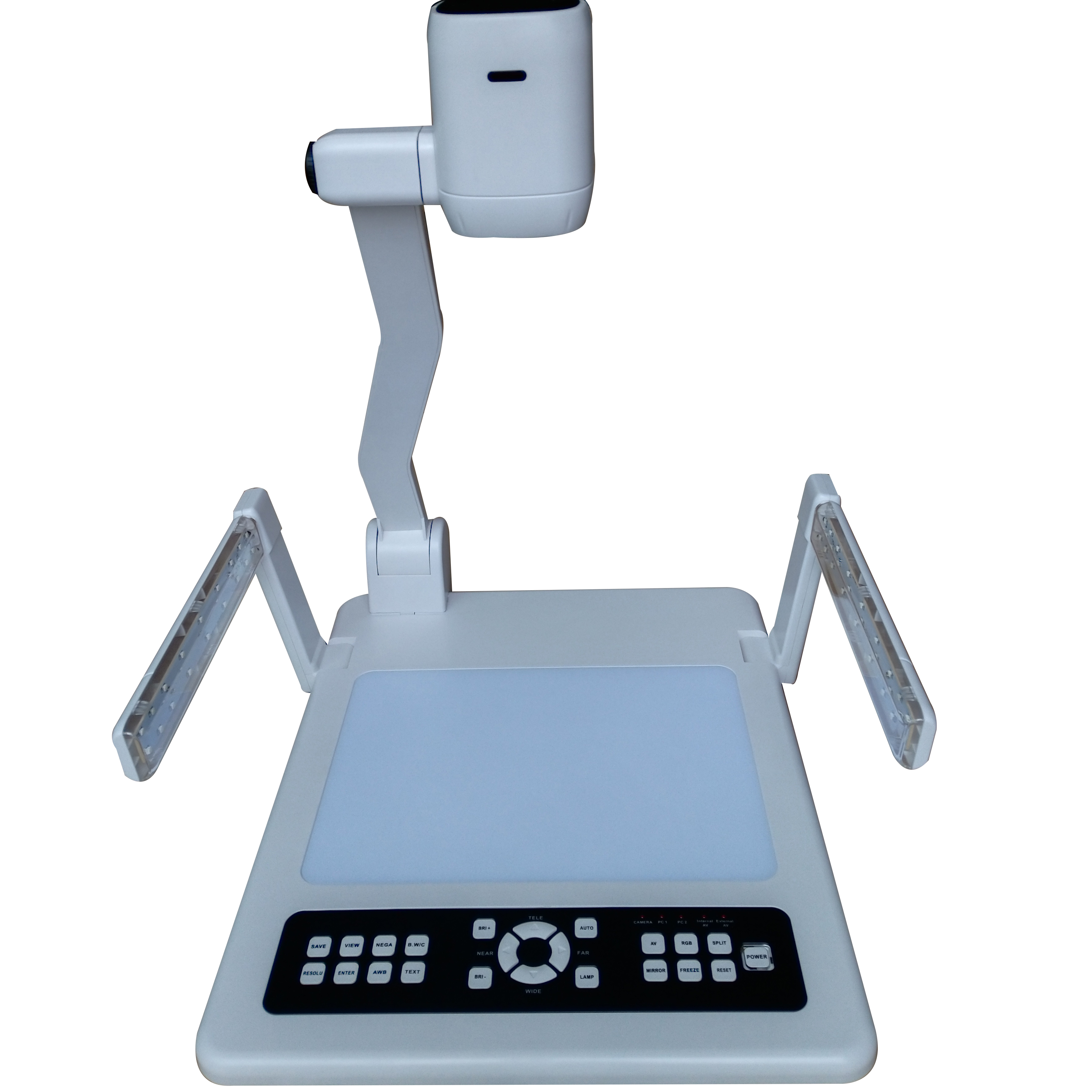
Modern Foldable Flexible Ultra HD Desktop Document Camera for School Video Output HD MI VGA Visualizer
A compact, foldable visualizer for shared classrooms and presentation spaces where HDMI or VGA output and easy storage matter.
- Foldable desktop form factor
- HDMI and VGA visualizer output
- School video presentation use
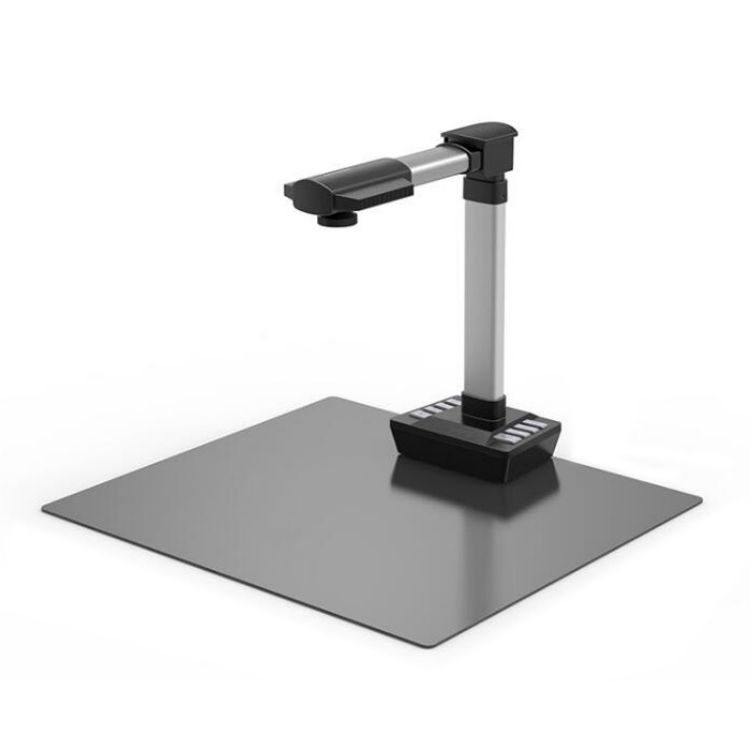
20MP OCR Aluminum Digital Visualizer Camera Classroom Office Training A3 Document Scanner USB Interface SDK Stock Black 1-Year
An aluminum-body 20MP visualizer for classroom, office and training use, with OCR and SDK access for integrators and distributors.
- 20MP A3 document capture
- USB interface with SDK support
- One-year warranty on listed stock
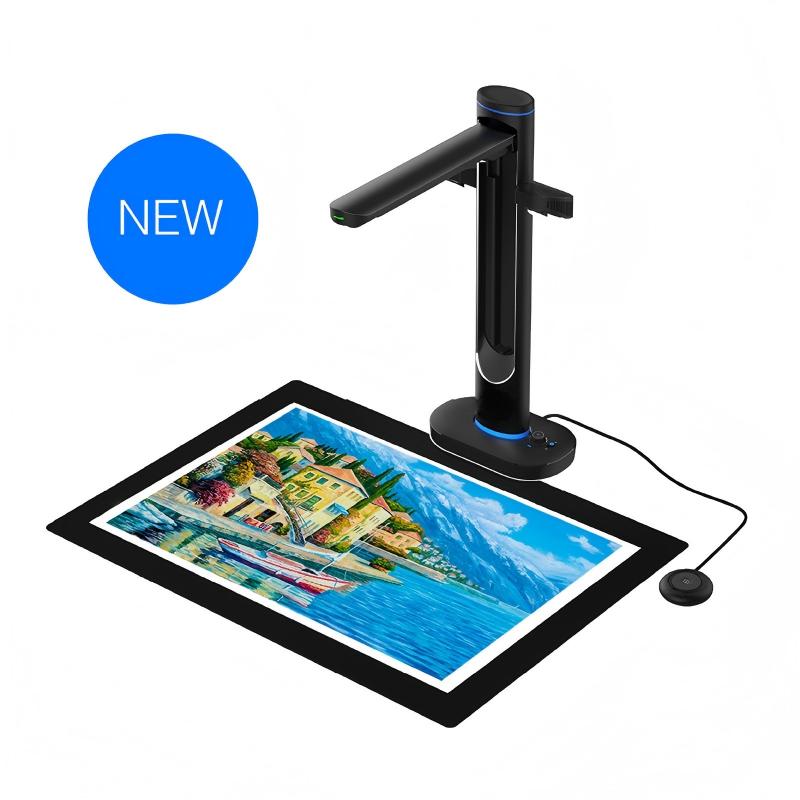
A2 Large Format Book Scanner Dual 48MP CMOS Sensors High-Speed Desktop Overhead Scanner for Windows & MacOS
The archival-grade choice for A2 newspapers, maps and large books where 300 dpi capture and software compatibility are tender requirements.
- Dual 48MP CMOS overhead capture
- A2 large-format desktop scanning
- Windows and MacOS workflow support
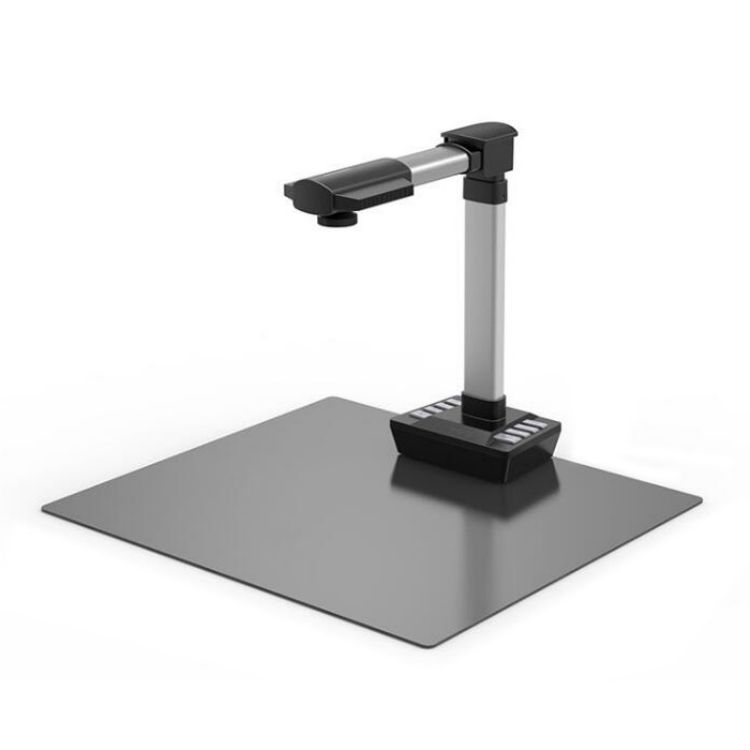
High Resolution Portable A3 Library Book Scanner with Foot Controller USB Interface Automatic Document Scanner Stock Product
A practical field and branch-library model with foot control, USB connection and automatic document scanning for faster page-by-page capture.
- Portable A3 library book scanner
- Hands-free foot controller
- USB interface and stock availability
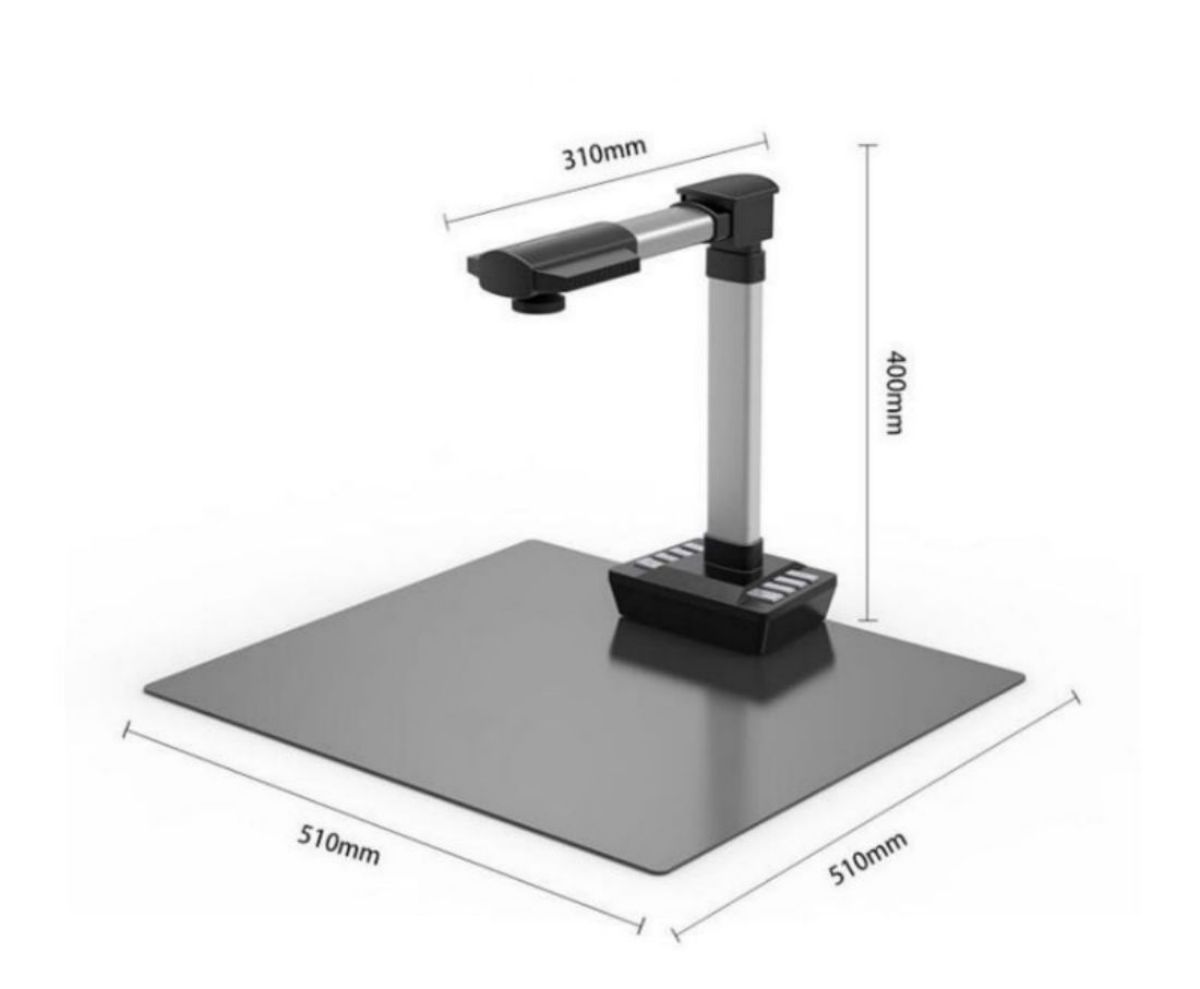
Portable 20MP High-Speed Wireless A3 Document Scanner Professional Book Scanner Foot Pedal USB Interface 24-Bit Color Stock
A flexible choice for distributors serving mobile digitization projects, with wireless A3 scanning, foot pedal control and 24-bit color output.
- 20MP wireless A3 document capture
- Foot pedal and USB interface
- Professional book scanning stock model
Why Trusted Book Scanning Equipment Wholesalers Are Evaluated on Outcomes
Procurement teams searching for “book scanning equipment exporters and wholesalers” are not simply comparing unit prices. They are trying to reduce risk: a scanner that cannot meet a 300 ppi archival requirement, a document camera that will not integrate with a classroom display, or an OEM supplier that cannot support spare parts and software updates creates downstream costs far larger than the hardware difference. This white paper is written for that decision context. It combines product recommendations from Quibow’s current catalogue with sensor-level selection guidance, 300 dpi pixel math, procurement trends for 2026, common FAQ answers and a verifiable company profile.
Google’s Search Quality Rater Guidelines reward content that demonstrates experience, expertise, authoritativeness and trust. In B2B imaging, that means showing how a device performs on real documents: A3 textbooks with tight gutters, A2 newspapers with fragile paper, classroom objects under mixed lighting, and ID cards at service counters. It also means being transparent about minimum order quantity, warranty, software compatibility, payment terms and delivery terms. Every section below is written to answer those buyer-intent questions before they become procurement delays. The commercial advantage belongs to exporters that publish information gain — sample scans, specification math, integration notes and verifiable records — rather than repeating catalogue headlines.
What Defines a Trusted Book Scanning Equipment Exporter or Wholesaler?
Trusted exporters are specification translators. They ask about page size, binding type, daily volume, OCR languages, output format, operating system, network policy and destination market before recommending a model. A cheap scanner with the wrong sensor can cost more than a premium model that fits the workflow. The E-E-A-T framework is a useful procurement lens because it separates sales claims from measurable capability.
Experience
Real deployments in libraries, archives, schools, government offices and distribution channels — not only catalogue listings. Buyers should ask for sample scans of their own documents.
Expertise
CIS, CMOS and CCD imaging knowledge, resolution math, lighting control, OCR output and file-format handling. The right platform depends on the page, binding and workflow.
Authority
Verifiable supplier records: onsite-checked status, trade capacity, transaction history, ratings and company location. Authority is stronger when buyers can check it independently.
Trust
Clear MOQ, one-year warranty, remote support, payment terms, delivery terms and software compatibility. Trust is verifiable, not claimed.
The 300 dpi test: calculate resolution before requesting a quote
Megapixels only matter in relation to page size. Divide the sensor’s pixel count across the document’s width and height to get true scanning resolution. An A4 page at 300 dpi needs around 8.7 MP; A3 needs around 17.4 MP; A2 needs around 34.8 MP. That is why a 21MP A2 scanner may deliver only about 225–240 dpi, while a 48MP A2 model is safer for archival masters. 300 dpi is a procurement specification, not a marketing label.
2026 Procurement Trends Reshaping Book Scanning Equipment Wholesale
B2B search intent is shifting from product names to outcomes. Buyers now search for “A2 newspaper scanner 300 dpi,” “portable A3 library scanner with foot pedal,” “OEM book scanner SDK” and “Windows 11 document camera.” Exporters that answer these solution queries with evidence will win more qualified inquiries.
Outcome-based tenders
More buyer briefs specify “searchable PDF at 300 ppi for A2 newspapers” or “OCR in 180+ languages” rather than a raw sensor number. Exporters should provide sample scans, OCR language lists, file-format controls and batch naming rules.
Dual-camera and dual-sensor throughput
Mixed projects — books, loose sheets, IDs and newspapers — push demand for dual-camera A3 scanners and dual 48MP A2 scanners. Multiple perspectives reduce rescans and support faster page turns.
AI-assisted image cleanup
Auto flattening, deskew, finger removal, background cleanup, page splitting and OCR now influence buying decisions. The best scanners reduce manual editing time, not just capture time.
SDK/API and DMS integration
Wholesalers and integrators want SDK access for workflows, not a standalone device. Windows, macOS, Linux and driver compatibility should be verified before shipment, especially for public-sector tenders.
Smaller MOQ and ready stock
Distributors avoid container-load risk. MOQ from one piece on many stock models and quick sample scans support market tests, branch rollouts and public tenders without excess inventory.
Total cost of ownership
A one-year warranty, remote diagnostics, spare parts, USB power and simple calibration matter more than a small unit-price difference when scanners are deployed across multiple branches.
Product Development Trends: From Capture Hardware to Workflow Platforms
The next generation of book scanners and document cameras will be judged less as standalone hardware and more as capture nodes inside digitization, teaching and records-management workflows. Four development directions are especially relevant for exporters and wholesalers.
Resolution ladder moves up
A3 overhead scanners are moving from 18MP to 24MP, while A2 archival models are moving from 21MP to dual 48MP. 4K visualizers are replacing 1080P models in premium classrooms and training rooms.
Sensor specialization remains
CIS stays strong for ADF batches, CMOS dominates overhead book capture and CCD remains valuable for bookedge flatbeds, photos and artwork. The right answer is a portfolio, not one sensor for every page.
Portable and wireless capture
Field digitization, branch libraries and mobile service counters need lightweight A3 scanners, foot pedals, wireless connectivity and USB-powered operation without sacrificing OCR quality.
Software-defined device value
Visual presenter, document camera, scanner, webcam and OCR terminal are converging. SDK access, driver stability and integration support will increasingly determine which hardware wins the project.
Match the Scanner to the Page Before Comparing Wholesale Prices
The following matrix converts common document sizes into minimum pixel requirements at 300 dpi and maps them to product classes. It is designed to help procurement teams write clearer specifications and avoid overpaying for resolution that is not needed — or under-specifying an archival project.
| Use case | Format | Pixels at 300 dpi | Recommended class | Procurement note |
|---|---|---|---|---|
| A4 office files | A4 | 2480 × 3508 ≈ 8.7 MP | 10MP+ dual-lens scanner or ADF/flatbed | Check OCR language, daily duty cycle and driver support. |
| A3 books and records | A3 | 3508 × 4961 ≈ 17.4 MP | 18–24MP overhead book scanner | Require auto flatten, deskew and searchable PDF output. |
| A2 newspapers and maps | A2 | 4961 × 7016 ≈ 34.8 MP | 48MP dual CMOS overhead scanner | 21MP A2 models may be around 225–240 dpi; specify 48MP for 300 dpi masters. |
| Rare books and archives | Bound book | 300 dpi or higher | Overhead or zero-margin bookedge | No-contact capture and curve correction protect fragile bindings. |
| Classroom and training | A3 live view | 1080P or 4K video | Document camera / visual presenter | Check HDMI, VGA, USB, optical zoom and webcam function. |
| Counters and ID capture | A3 or ID card | Fast capture preferred | Dual-camera or OCR visualizer | Ask for SDK, one-second scan and 24-bit color output. |
Quibow: A Verified Supply Partner for Global Book Scanning Programs
Guangzhou Quibow Electronic Co., Ltd. is a technology-driven trading company focused on image data acquisition and conversion. Founded in 2020 and based at Room 504, No. 5 Zitan Second Street, Guangzhou, Guangdong, China, the company supplies book scanners, A2/A3 document scanners, flatbed scanners, document cameras and ID card recognition cameras across CIS, CMOS and CCD imaging platforms. Its 5–10 specialists cover product development, production coordination, export sales and after-sales support, serving Eastern Europe, North America and South America. Annual revenue is in the US$1M–US$2.5M range. The company is onsite checked and maintains third-party records for supplier assessment, credit, ratings, trade capacity and transaction history.
Application-led product matching
Support starts with document size, binding, volume and output format. Recommendations are based on CIS, CMOS or CCD strengths rather than a single default model.
OEM/ODM and SDK flexibility
Logo printing, packaging, housing color, capture software branding and SDK integration are available on selected models for distributors and system integrators.
Low MOQ and ready stock
Most stock book scanners, A2 large-format scanners and flatbed scanners start from one piece or one set. Several document camera models start from two pieces.
Verifiable supplier records
Supplier assessment, credit overview, ratings, trade capacity, transaction level and trade history can be checked through the supplier’s published records.
Global terms and markets
Payment by T/T, L/C, PayPal and Western Union in USD, EUR, HKD or CNY, with FOB, EXW and DDU delivery terms for international buyers.
Warranty and remote support
Listed models such as A3 flatbed scanners, A2 overhead scanners and the S2060W ADF scanner carry a one-year warranty, backed by remote technical support.



Common Questions from Book Scanning Equipment Wholesalers and Buyers
What is the minimum order quantity for Quibow book scanners and document cameras?
Most stock book scanners, A2 large-format scanners and flatbed scanners start from one piece or one set. Several document camera models start from two pieces. OEM/ODM quantities are confirmed per project based on branding, packaging, software and testing requirements.
Do you support OEM/ODM orders and SDK integration?
Yes. OEM/ODM support includes logo printing, packaging, housing color, capture software branding and SDK integration on selected models. Integrators should confirm the operating system, output format and driver requirements before ordering.
Are the scanners compatible with Windows and macOS?
Many models, including A2 large-format scanners and the 1200 DPI A3 flatbed scanner, support Windows and macOS, and some are verified on Apple M1 Macs. Compatibility is confirmed for each model before shipment, especially for tender projects.
Which resolution do I need to scan A3 or A2 documents at 300 dpi?
An A3 page at 300 dpi needs about 3508 × 4961 pixels, or roughly 17.4 MP, so an 18MP or 24MP scanner is suitable. An A2 sheet at 300 dpi needs about 4961 × 7016 pixels, or roughly 34.8 MP, so a 48MP A2 scanner is recommended for archival masters.
What payment, currency and delivery terms are available?
T/T, L/C, PayPal and Western Union are accepted in USD, EUR, HKD or CNY. Delivery terms include FOB, EXW and DDU. Buyers should confirm the destination port, inspection requirements and shipping documents at the quotation stage.
What warranty and after-sales support do you provide?
Listed models such as A3 flatbed scanners, A2 overhead scanners and the S2060W ADF scanner come with a one-year warranty, backed by remote technical support. Sample scans, driver guidance and setup assistance help reduce deployment risk.
Request a Sample Scan and Wholesale Quote
Send your document size, binding type, daily volume, target dpi, OCR languages, operating system and destination market. Our team will recommend the right book scanner or document camera, confirm MOQ and share sample scans. For OEM/ODM projects, include logo, packaging and software branding requirements so the quotation can cover the full scope.
Send an Inquiry