Top Trusted A3 Document Scanner Supplier & Exporters
A buyer-focused guide to overhead book scanners, document cameras, visual presenters and CIS/CMOS/CCD capture platforms for archives, education, government and enterprise digitization.
Eight Production-Ready A3 Scanner & Document Camera Models
This shortlist is built for procurement teams that need evidence before a sample request. Each model solves a different capture problem: wall-mounted A4 rapid scanning, 22X optical classroom presentation, portable A3 book capture with foot control, 4K AI noise-cancelled visualization, 10MP wall-mount scanning and 16MP 3D object presentation. Compare the capture area, sensor, output, SDK availability and mounting method against the intended workflow.
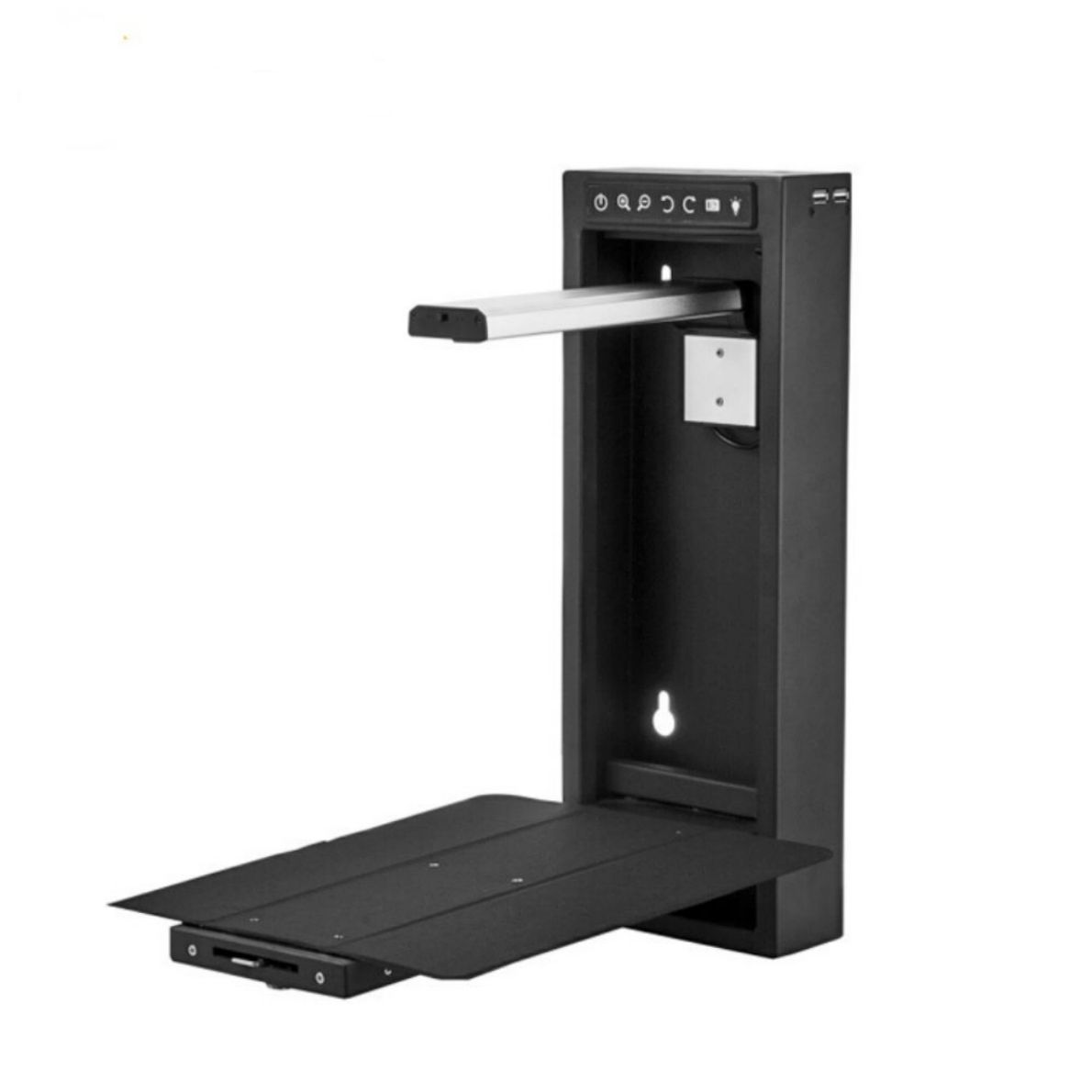
Factory New High Definition Wall Mount Document Scanner USB Interface Visualizer CE Certified 1-Year Warranty High-Speed A4 SDK
- CE-certified wall-mount capture
- High-speed A4 scanning and visualizer mode
- SDK access and 1-year warranty
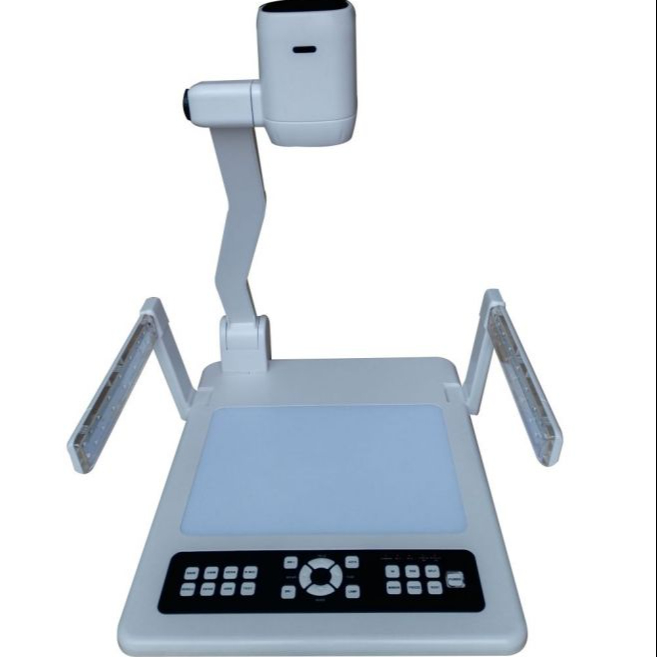
Factory Desktop Document Camera Visualizer 22X Optical Zoom with Interface HD MI RS232 Audio Mic Video
- HDMI, RS232, audio and microphone
- Desktop visual presenter for teaching
- Optical zoom for fine detail
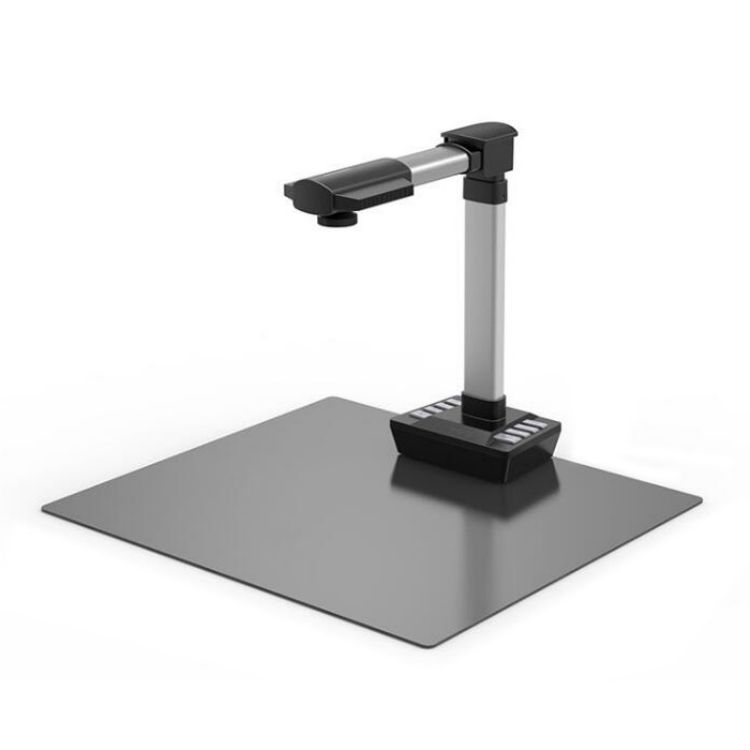
High Resolution Portable A3 Library Book Scanner with Foot Controller USB Interface Automatic Document Scanner Stock Product
- Foot controller for hands-free page capture
- High-resolution A3 library book scanning
- USB interface and stock availability
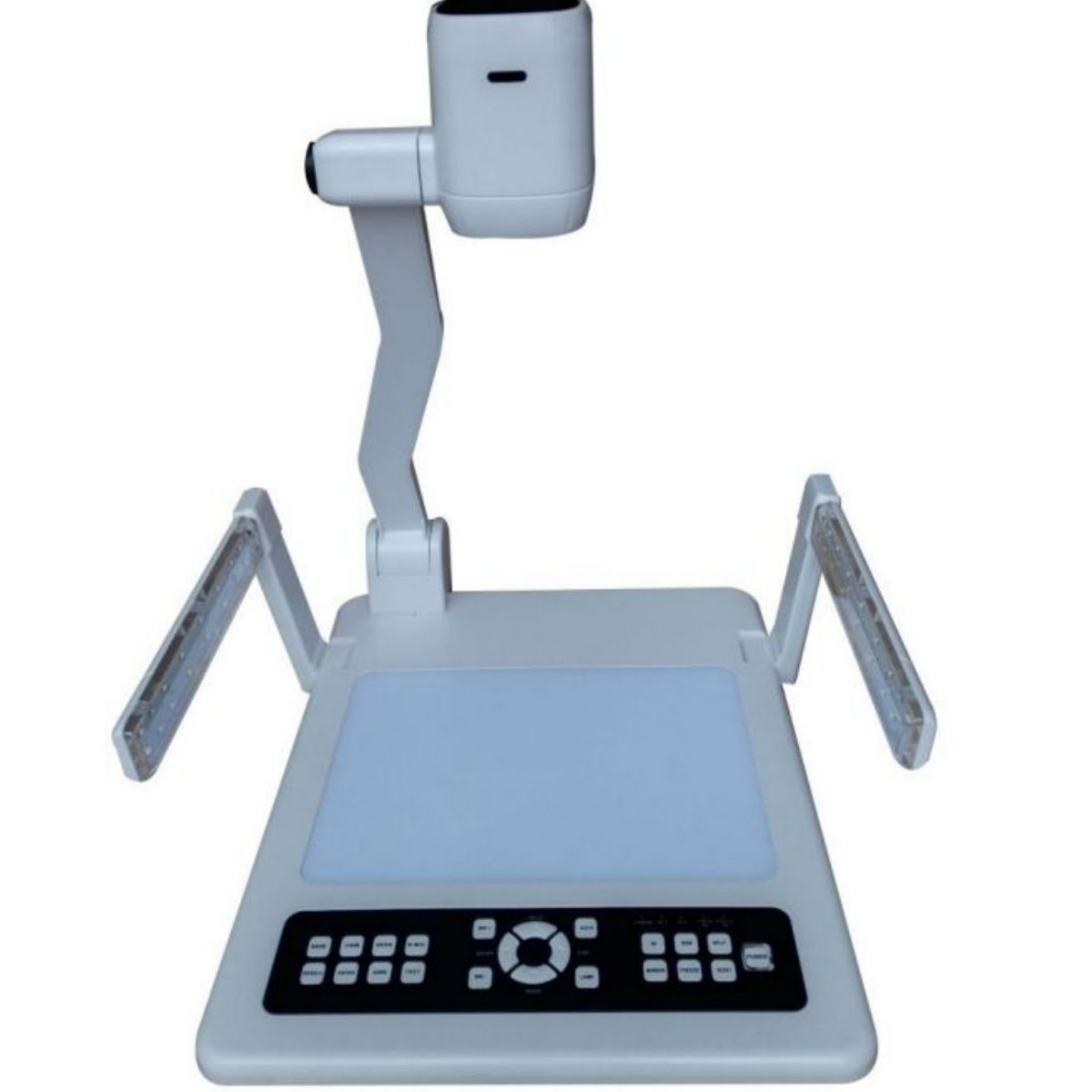
Multi-functional Document Camera Professional in Visual Presenter Also Visualizer in Educational Equipment
- Multi-functional visual presenter
- Document camera for classroom use
- A3 teaching and demonstration workflow
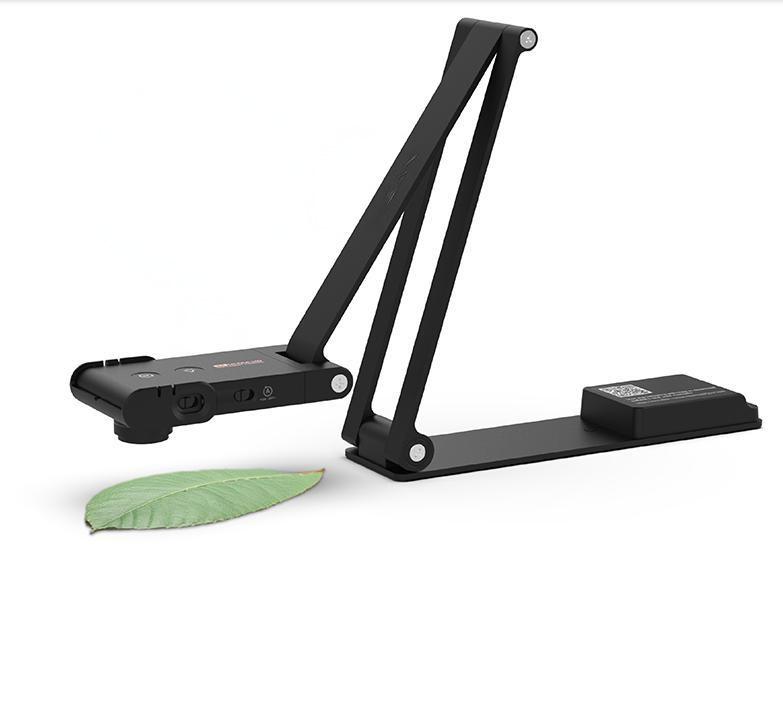
4K 2-in-1 USB 13MP Document Camera Visualizer AI Noise Cancellation 20X Macro Lens Foldable Design Microphone A3 Max 1-Year
- 4K capture, 13MP sensor, 20X macro lens
- AI noise cancellation and microphone
- Foldable design, A3 maximum scan area
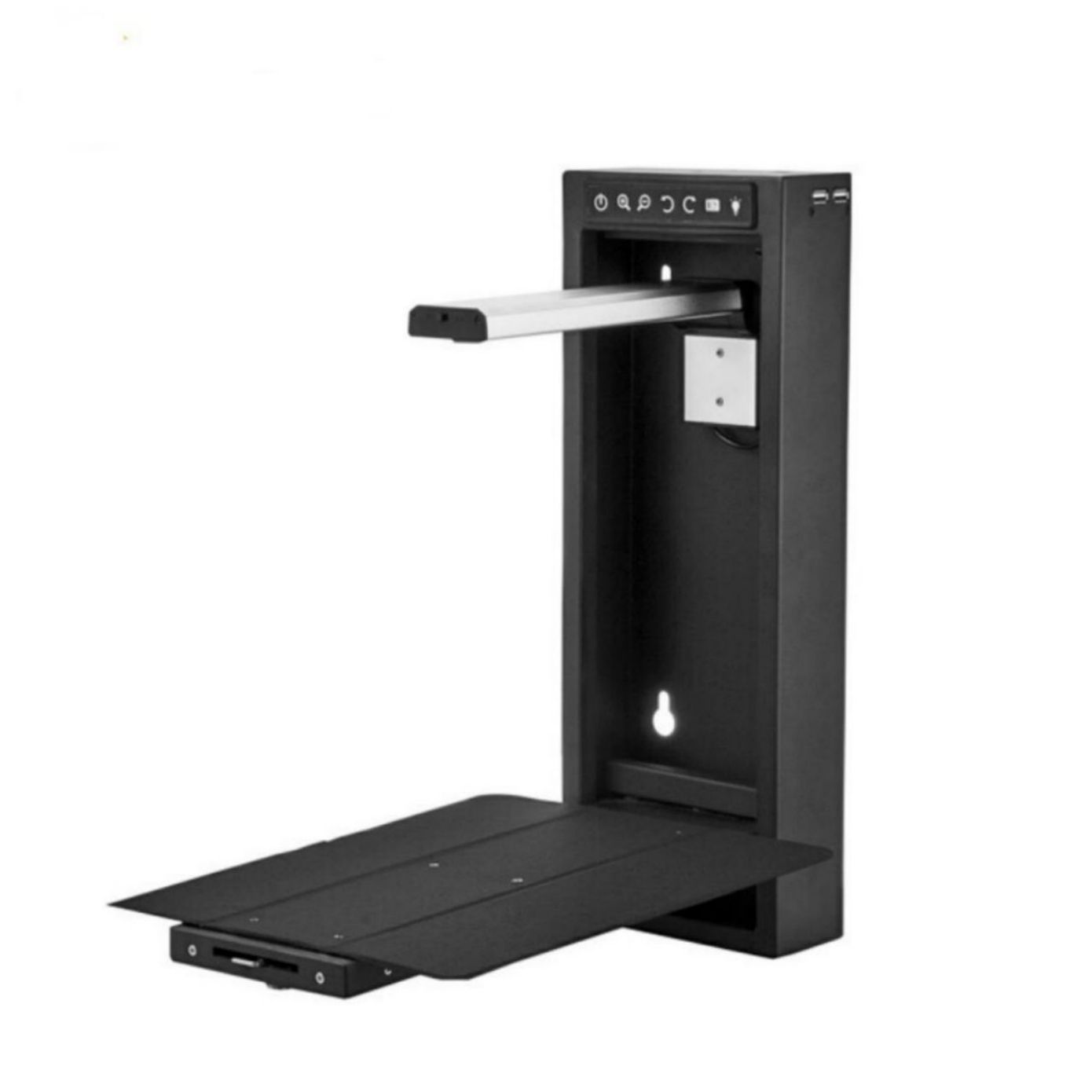
10MP USB CMOS Document Camera Wall Mount Scanner with 1-Second Scan Speed 1-Year Warranty in Stock Classroom Education A4 SDK
- Wall-mounted CMOS scanning
- 1-second scan speed for counters
- Classroom-ready A4 capture with SDK
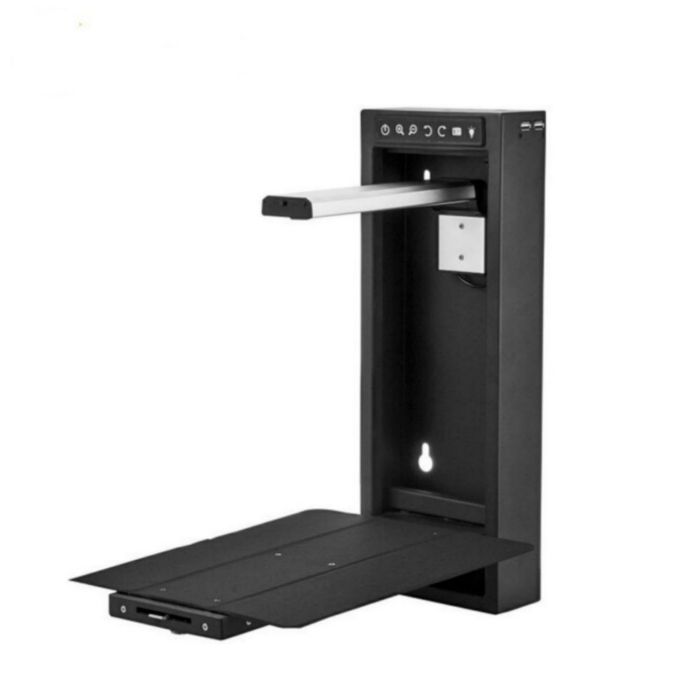
A4 Black USB 5V High-Speed 10MP High-Resolution Document Scanner Wall-Mountable OEM 24 Bit SDK 1-Year Warranty Education Stock
- A4, USB 5V, 24-bit output
- Wall-mountable OEM design
- SDK support for education integration
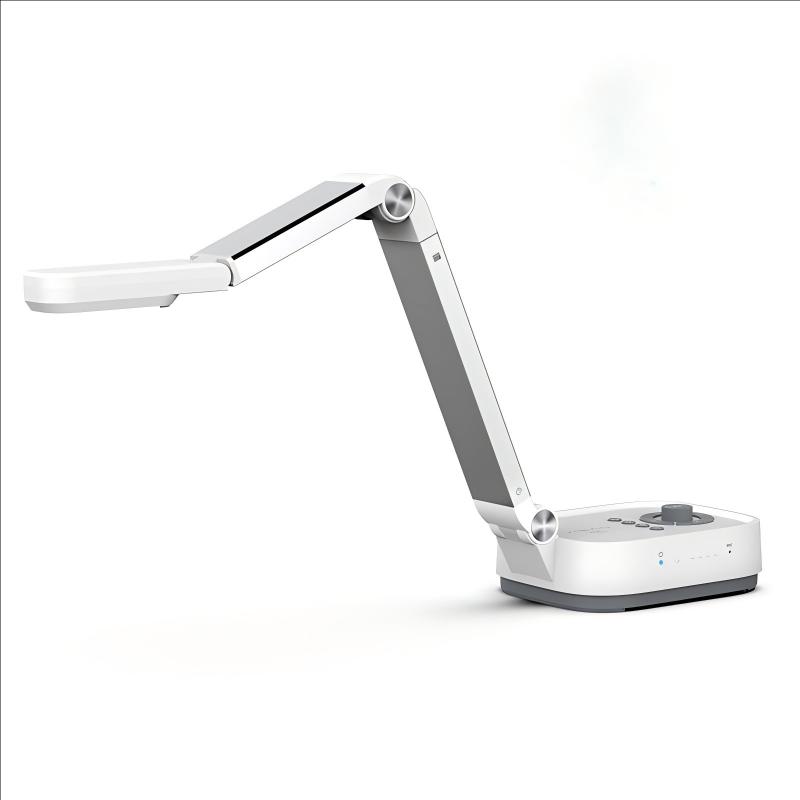
16MP 3D Desktop Visualizer Document Camera with Microphone 120X Zoom /VGA A3 Scan Size LED Light & Foldable for Education
- 16MP 3D desktop visualizer
- 120X zoom, VGA, A3 scan size
- LED light, foldable education design
A Supplier Scorecard Built on Verifiable Operating Data
The following indicators come from the supplier profile and transaction records referenced on Quibow’s public pages. They are useful because they show commercial reliability before a technical discussion begins: response speed, reorder behaviour, warranty policy and the ability to support small and mixed orders.
The 2025–2030 Procurement Outlook: Why A3 Capture Is Moving to the Center of Digital Transformation
Buyers are shifting from isolated scanner purchases to capture workflows that must produce searchable, compliant and reusable data. That change makes A3 the new default for many tenders and reframes the supplier question from “who sells a scanner?” to “who can document resolution, software integration and supply continuity?” Semantic search behaviour has changed how procurement teams shortlist exporters. A buyer searching for an A3 document scanner supplier may actually need a book scanner for fragile archives, a wall-mounted visualizer for a classroom, a dual-lens ID capture device, or an SDK-ready camera for a system integration project. The surface keyword is similar, but the intent is not. The winning supplier page should therefore answer capture size, sensor type, mounting, OCR, SDK, MOQ, warranty and lead-time questions on the same page. That is the information gain a serious exporter must provide.
In tenders, A3 is increasingly specified because one device can cover books, registers, engineering drawings, newspapers, ID batches and classroom materials. But A3 is not a resolution guarantee. The math matters: an A3 page at 300 dpi needs about 3508 × 4961 pixels, or 17.4 MP. An A2 page at 300 dpi needs about 4961 × 7016 pixels, or 34.8 MP. A 21MP camera covering A2 delivers roughly 225–240 dpi; a 48MP A2 model is the safer choice when the master file must reach 300 dpi. Procurement teams that state the page size and the required dpi get more accurate quotes than teams that only compare megapixels.
The total cost of ownership is also moving into the buying decision. A lower-cost A4 wall scanner may be adequate for counter service, but it cannot replace an A3 overhead scanner for a 500-page bound book. A 4K visualizer may be excellent for live teaching, but it is not automatically the best archive scanner. The right approach is to split requirements into master capture, access copy, OCR, live presentation and SDK integration, then choose the lowest-cost platform that meets the highest mandatory requirement.
Outcome-based specifications
RFQs now ask for searchable PDF accuracy, OCR language coverage, export formats and audit trails—not just sensor resolution. A3 scanners are evaluated by how quickly a book page becomes a usable file.
SDK-first integration
System integrators prefer models with documented SDKs, stable drivers and remote diagnostics. The scanner becomes a capture node inside case-management, library or classroom software.
Dual-source supply continuity
Distributors are reducing single-model risk by qualifying multiple A3/A4 models and spare-parts plans. Mixed containers with scanners, visualizers and accessories improve cash flow.
Privacy and local processing
Government, banking and education buyers increasingly ask where images are processed. On-device capture, local OCR options and clear data paths are becoming scoring criteria.
Product Development Trends: What the Next A3 Scanner Will Include
The next generation of A3 document scanners will compete less on raw sensor size and more on how much usable information they extract per page. Expect AI-assisted flattening and finger removal to become standard on overhead models; dual-sensor capture to improve A2 throughput; 4K and AI noise cancellation to migrate from premium visualizers to mid-range classroom models; and foldable or wall-mount designs to reduce installation friction. The sensor platform still determines the physics of the design.
CIS Contact Image Sensor
A slim linear sensor that reads the page at close range. Compact, low power and fast on sheet-fed paths.
- Best for
- High-volume office batches, invoices and contracts
- Typical model
- S2060W ADF scanner, 60 ppm duplex
CMOS Area Sensor
Captures the whole page in one shot from above, so books never need to be pressed flat. Software flattens curves and removes fingers.
- Best for
- Bound books, newspapers, live teaching and counter services
- Typical models
- 13MP 4K visualizer, 16MP 3D visualizer, A3 book scanner
CCD Linear Sensor
A moving optical carriage with greater depth of field and stable colour, tolerant of slightly raised originals such as book gutters.
- Best for
- Photos, artwork and bookedge scanning without spine shadow
- Typical model
- Zero-margin bookedge flatbed, 600 dpi
A3 Scanner Selection Matrix: Match Resolution to Page Size
Use this table to convert page size into a realistic sensor requirement. The goal is to avoid overbuying a 48MP camera for A4 office work, while avoiding a 21MP A2 scanner when a tender explicitly requires 300 dpi archival masters.
| Document size | Pixels at 300 dpi | Recommended sensor | Quibow match |
|---|---|---|---|
| A4 210 × 297 mm | 2480 × 3508 ≈ 8.7 MP | 10 MP or higher | 10MP USB CMOS wall-mount scanner; A4 black 10MP OEM scanner |
| A3 297 × 420 mm | 3508 × 4961 ≈ 17.4 MP | 18–24 MP | Portable A3 library book scanner; 16MP 3D visualizer for presentation-led capture |
| A2 420 × 594 mm | 4961 × 7016 ≈ 34.8 MP | 48 MP for ≈340 dpi | Dual 48MP book scanner; 48MP newspaper archive scanner |
| Photos & art | 600–2400 dpi optical | Flatbed, 48-bit colour | 1200 / 2400 DPI A3 flatbed scanners |
Recommended Product Paths by Application
The best A3 scanner is the one that fits the physical workflow. The four paths below map the listed products to common buyer intents, from fragile-book digitization to OEM integration.
Library & Archive Digitization
Choose the High Resolution Portable A3 Library Book Scanner with Foot Controller for hands-free page capture, or the Factory New Wall Mount Document Scanner for fast A4 reference material. Request sample scans of a book gutter and a fold-out page before approving an order.
View A3 book scannerClassroom & Hybrid Learning
The Factory Desktop Document Camera Visualizer 22X Optical Zoom and the 16MP 3D Desktop Visualizer with 120X zoom cover live demonstration, textbook display and 3D object presentation. The 4K 13MP foldable model with AI noise cancellation suits schools that need clear audio plus UHD video.
View visual presenterCorporate Office & Service Counter
The 10MP USB CMOS Wall Mount Scanner and the A4 Black USB 5V 10MP High-Resolution Scanner are practical for 1-second capture, ID and forms, and wall-mounted counters. For meeting rooms that also need live projection, combine a visual presenter with a wall-mount unit.
View wall-mount scannerOEM/ODM & System Integration
The 4K 13MP visualizer, 10MP USB wall-mount scanner and CE-certified wall-mount visualizer can be discussed for logo, packaging, housing colour, software branding and SDK integration. Confirm OS support and SDK scope before tooling or packaging investment.
View 4K visualizerCompany Advantages: What Backs the Quibow Export Model
Guangzhou Quibow Electronic Co., Ltd. is a technology-driven supplier focused on image data acquisition and conversion. The company develops and supplies high-speed document cameras, book scanners, flatbed scanners and ID card recognition cameras across CIS, CMOS and CCD imaging platforms. Its stated business scope covers product design and development, production coordination, export sales and after-sales support, with OEM/ODM projects accepted. That combination matters because A3 scanner buyers usually need both a product and a customization path.
Public supplier records list the business as a trading company with an onsite check, founded in 2020 and based in Guangzhou, Guangdong, China. The recorded address is Room 504, No. 5 Zitan Second Street. Main markets include Eastern Europe, North America and South America. Annual revenue is listed at US$1M–US$2.5M, with a team of 5–10 dedicated specialists. These are not vanity metrics; they help a buyer judge whether the supplier can support documentation, samples, follow-up and export administration at the expected scale.
Commercial responsiveness is a practical advantage. The supplier profile referenced on the site reports ≤1h average response time, 100% message response rate and a 27% buyer reorder rate. Reorder behaviour is especially useful because it suggests that a meaningful share of buyers return after the first order. For a procurement team comparing two similar A3 scanner exporters, response time and reorder rate are leading indicators of after-sales friction.
Export terms are straightforward: MOQ from 1 piece or 1 set on many stock models, with some document cameras starting at 2 pieces. Payment methods include T/T, L/C, PayPal and Western Union; currencies include USD, EUR, HKD and CNY; delivery terms include FOB, EXW and DDU. Listed models such as A3 flatbed scanners, A2 overhead scanners and the S2060W ADF scanner carry a 1-year warranty with remote technical support. OEM/ODM quantities are confirmed per project.
Verified Operating Base
Guangzhou, founded 2020; onsite-checked supplier record; export documentation and sample coordination support.
Imaging Platform Depth
CIS, CMOS and CCD platforms across book scanners, document cameras, flatbed scanners and ID recognition cameras.
Commercial Signal
≤1h average response time, 100% message response rate and 27% buyer reorder rate in the published profile.
OEM/ODM Path
Logo, packaging, housing colour, software branding and SDK integration on selected models, confirmed by project.
Payment Methods
T/T, L/C, PayPal and Western Union
Payment Currency
USD, EUR, HKD and CNY
Delivery Terms
FOB, EXW and DDU
Procurement FAQ: A3 Document Scanner Supplier & Exporter
These are the questions that most often decide whether an A3 scanner project moves from inquiry to sample to repeat order.
What is the minimum order quantity for Quibow scanners and document cameras?
Most stock book scanners, A2 large-format scanners and flatbed scanners start from 1 piece or 1 set. Several document camera models start from 2 pieces. OEM/ODM quantities are confirmed per project, because logo, packaging, housing colour and SDK work change the minimum production run. For first orders, ask for a mixed-model quotation so you can test the market without overcommitting to a single SKU.
Do you support OEM and ODM orders?
Yes. Support includes logo printing, packaging, housing colour, capture software branding and SDK integration on selected models. Before paying tooling or packaging costs, request a written scope that separates cosmetic customisation from software integration, and confirm who owns the firmware or software changes.
Are the scanners compatible with Windows and macOS?
Many models, including A2 large-format scanners and the 1200 DPI A3 flatbed scanner, support Windows and macOS, and some are verified on Apple M1 Macs. Compatibility is confirmed for each model before shipment. For integration projects, test the SDK and driver on the exact OS build used by the end customer, not just a marketing sheet.
Which resolution do I need to scan A3 or A2 documents at 300 dpi?
An A3 page at 300 dpi needs about 3508 × 4961 pixels, or around 17.4 MP, so an 18MP or 24MP scanner is suitable. An A2 sheet at 300 dpi needs about 4961 × 7016 pixels, or around 34.8 MP, so a 48MP A2 scanner is recommended for archival masters. For OCR-only access copies, 200–250 dpi is often enough.
What payment and delivery terms do you accept?
T/T, L/C, PayPal and Western Union in USD, EUR, HKD or CNY, with FOB, EXW and DDU delivery terms. For sample orders, clarify whether freight is prepaid or collect and whether duties are included. For repeat orders, lock the Incoterm and packaging specification into the PO.
What warranty do your products carry?
Listed models such as A3 flatbed scanners, A2 overhead scanners and the S2060W ADF scanner carry a 1-year warranty, backed by remote technical support. Ask for the warranty start date, DOA process, spare-parts list and response-time commitment. A clear RMA path is more valuable than a longer warranty with slow diagnosis.
How should I verify an A3 scanner supplier before placing a bulk order?
Check the onsite assessment, credit overview, ratings, trade capacity, transaction level and trade history. Then request sample scans from your own documents at the final dpi, a driver or SDK test on the target OS, and a packing list for export. Compare response time and reorder rate as leading indicators; they reveal how the supplier behaves after the first payment.
Send a Spec Sheet and Get a Model Match Within One Business Day
Share your page sizes, daily volume, binding condition, target dpi, OCR language, operating system and delivery market. Include whether you need OEM/ODM, SDK integration or a mixed container. Our team will return a shortlist, sample-scan plan and commercial terms—without forcing you into a single high-megapixel model.