8 Document Scanning Machines to Benchmark Before You Request a Quote
These eight catalogue models cover the document-camera, A3, A2, overhead, OCR, and visualizer formats that buyers compare most often. The product links and images below are preserved from the original set; use the annotations to build a sample-test brief rather than treating megapixels as a stand-alone specification.
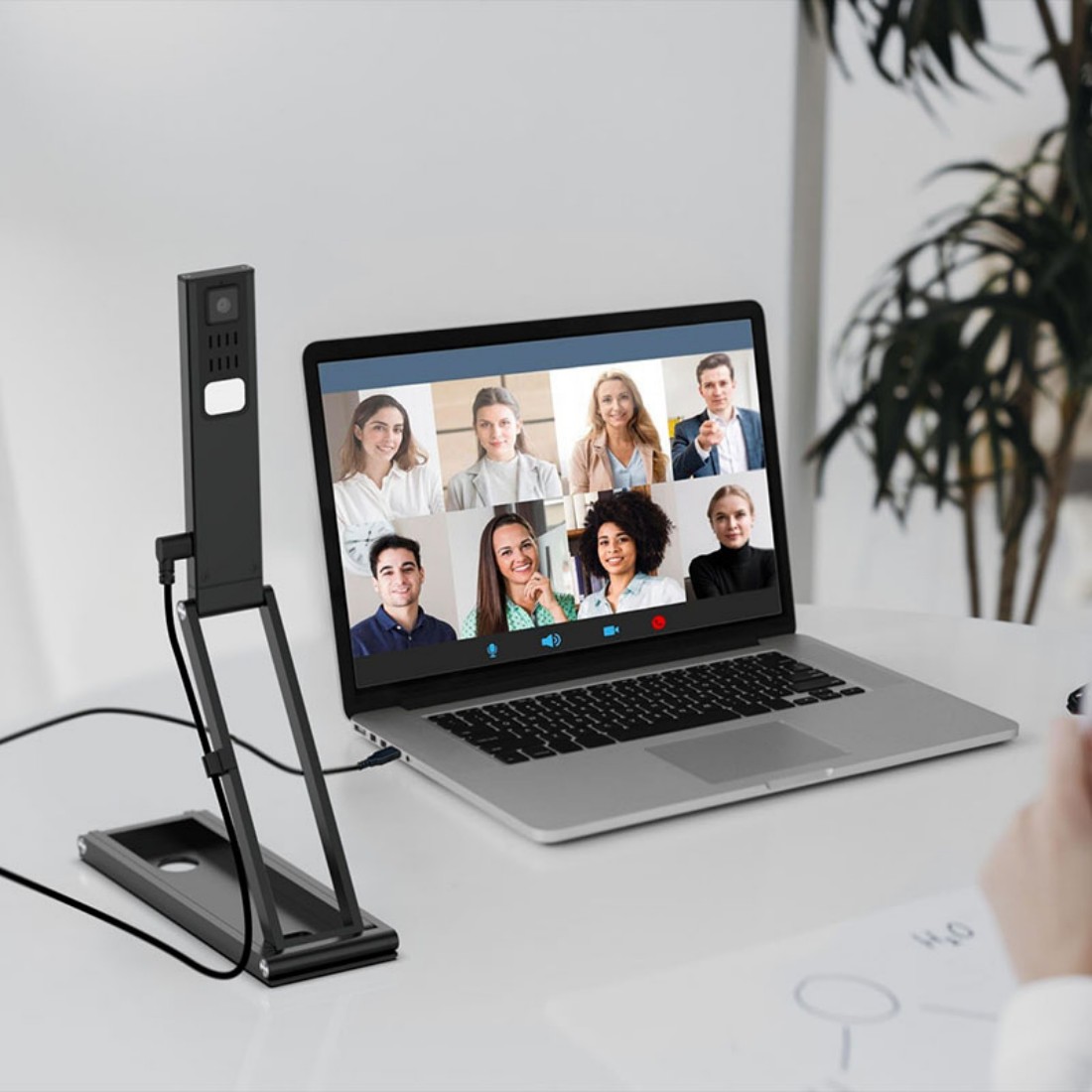
A3 4K Visual Presenter Document Camera with USB Interface for School Training Teaching Meetings Featuring Webcam Function
- 4K visual presenter with USB webcam function
- A3 capture for classrooms and meeting rooms
- Recommended for hybrid teaching and live demos
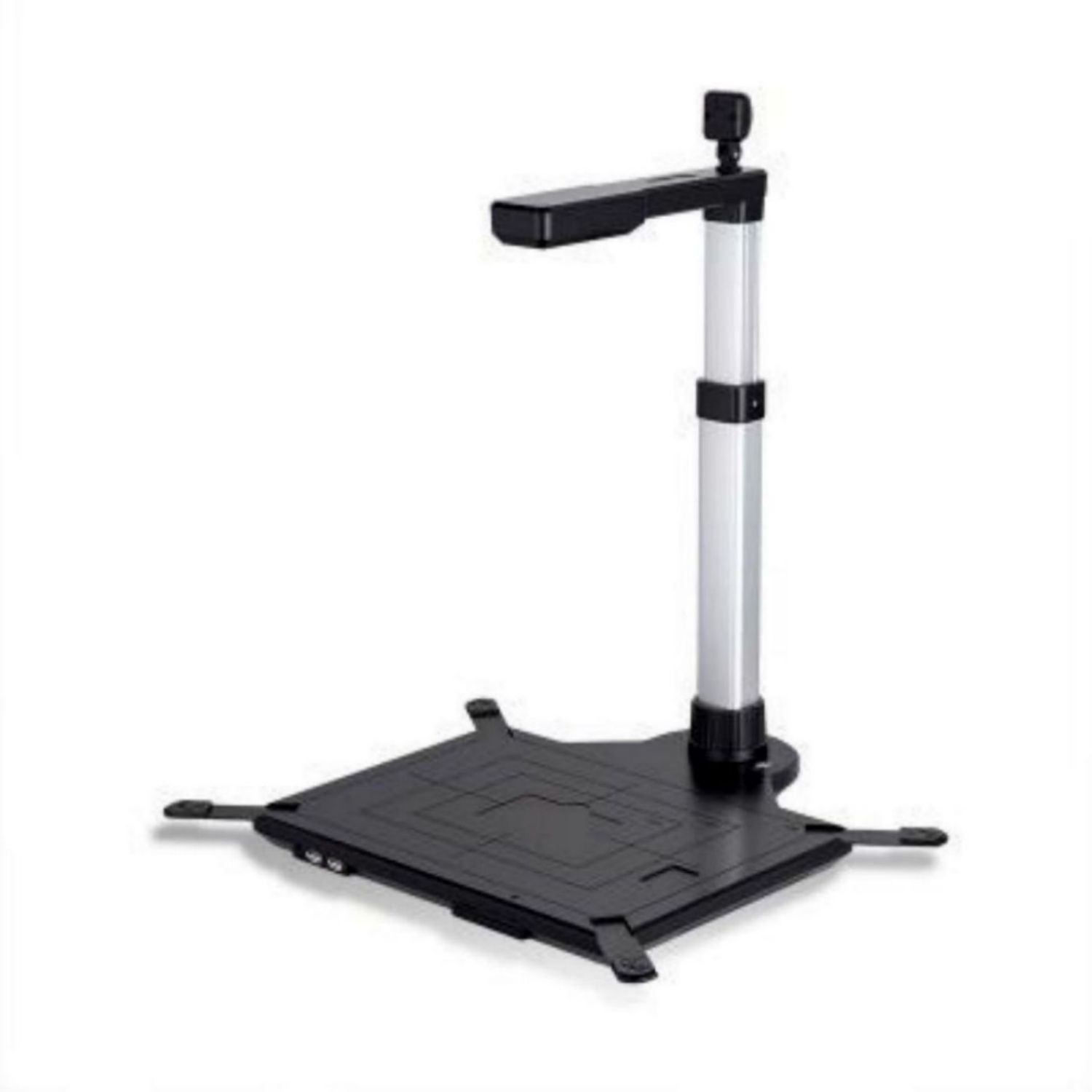
Professional USB Dual Camera Scanner for A3 Documents Supports OCR PDF Multi-Languages High-Speed 1-Second Scan 360-Degree
- Dual-camera A3 document capture
- 1-second scan and 360-degree capture
- OCR PDF with multi-language support
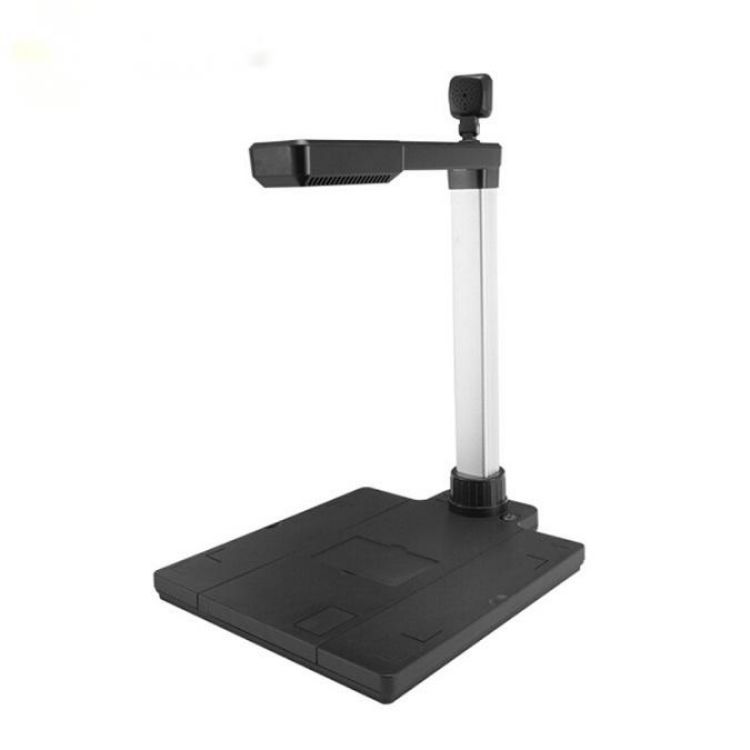
10MP Education Visualizer Scanner Document Management Book Camera USB in Stock
- 10MP education visualizer
- Book and document management use
- USB in-stock model for fast deployment

USB Document Camera Scanner 10MP CMOS Visualizer A4 Scanner for Office Education
- 10MP CMOS visualizer
- A4 scanning format
- Plug-and-play USB workflow for offices and schools
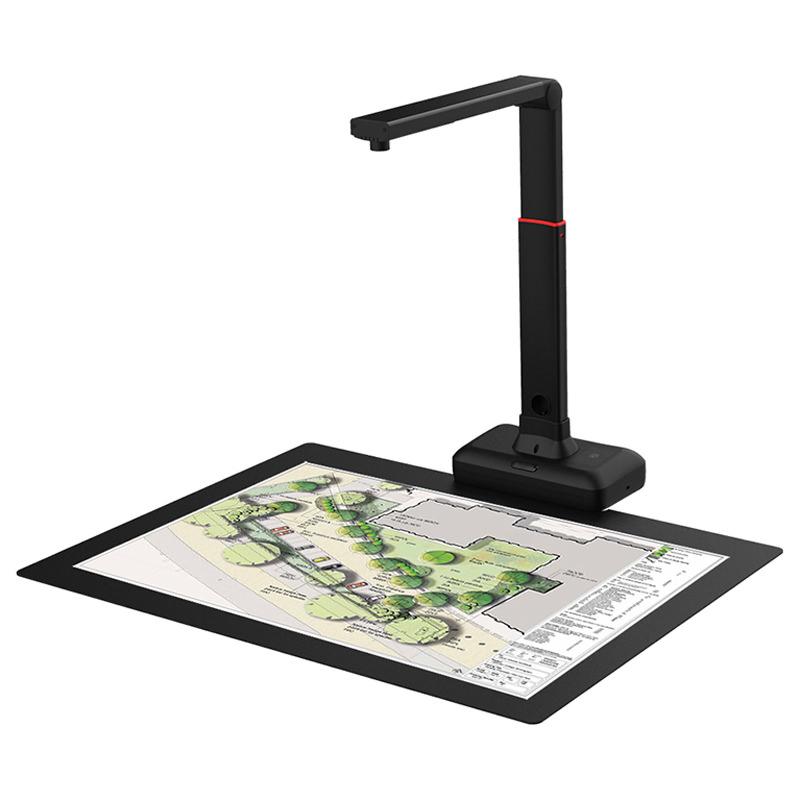
A2 Large Format Overhead Document Scanner 21MP USB Aluminum Text-to-Speech 1-Year Warranty in Stock
- A2 overhead capture with 21MP
- Aluminum body and text-to-speech
- 1-year warranty, in-stock product
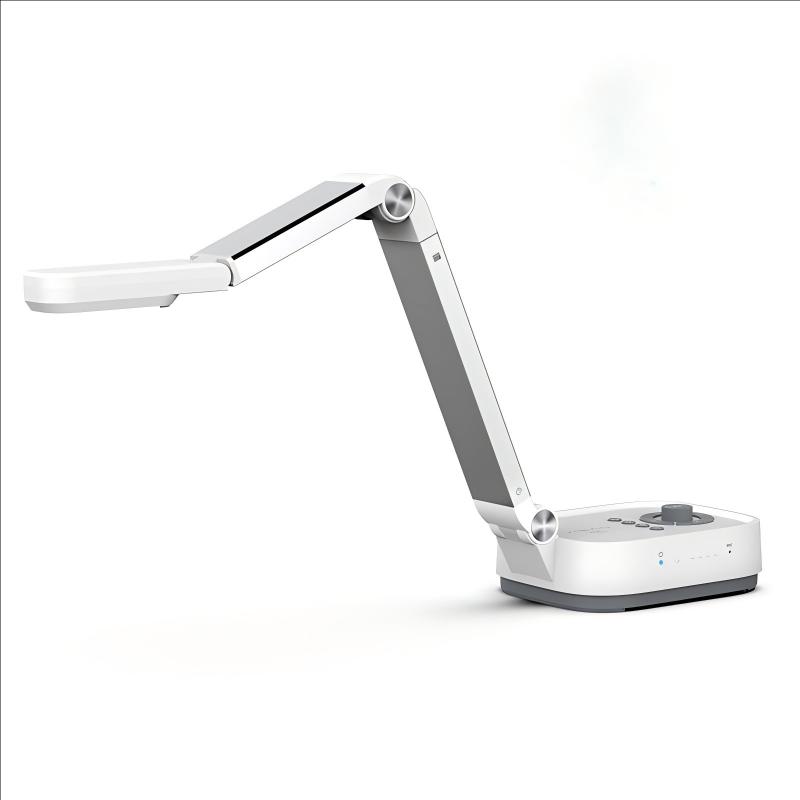
16MP 3D Desktop Visualizer Document Camera with Microphone 120X Zoom /VGA A3 Scan Size LED Light & Foldable for Education
- 3D desktop visualizer with microphone
- 120X zoom and A3 scan size
- LED light and foldable design
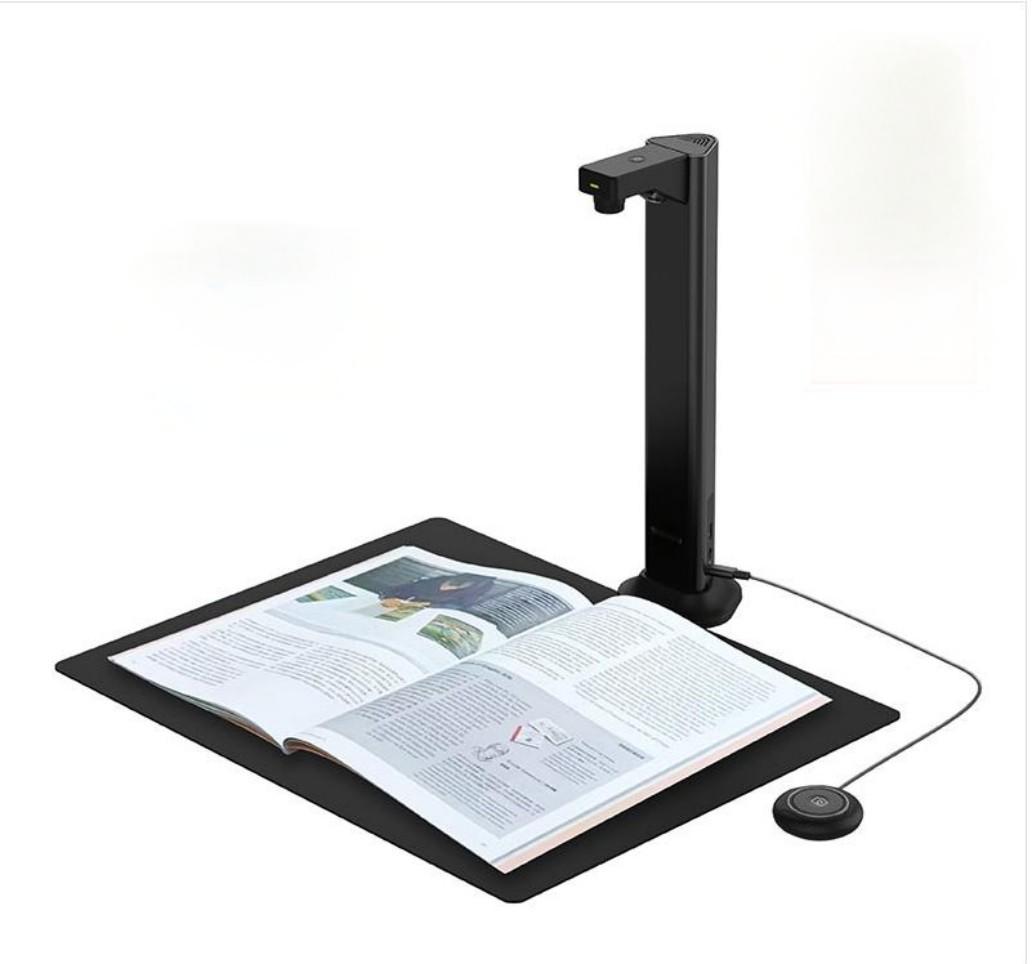
Real 24MP UVC A3 Document Scanner with USB Interface and Text to Speech Feature In-Stock Product
- Real 24MP UVC capture
- A3 format with text-to-speech
- USB interface, in-stock product
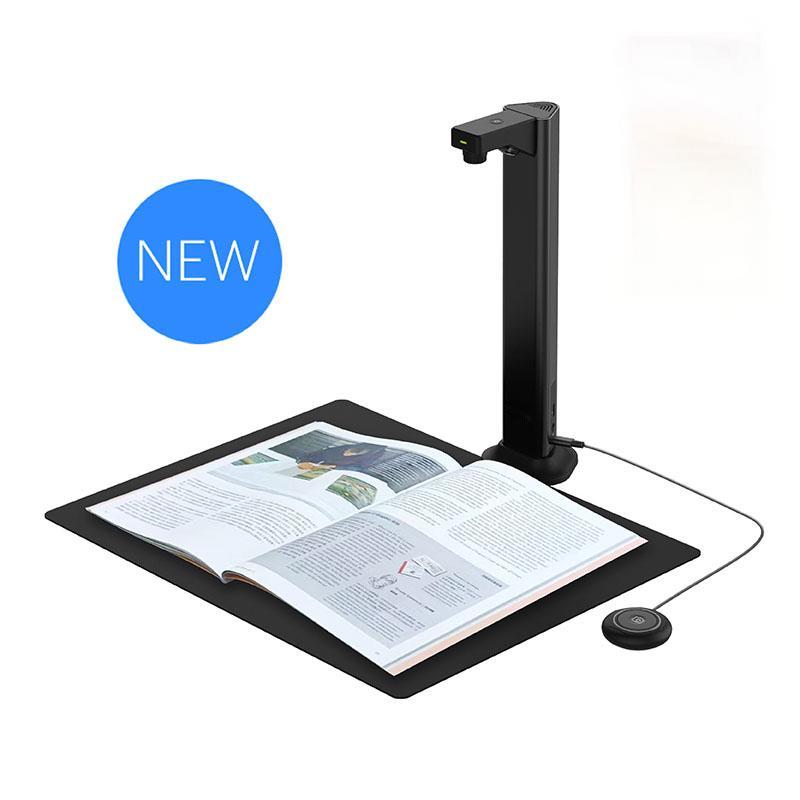
A3 18MP USB Aluminum Document Scanner with UVC Camera 1s Scan Speed OCR & Text to Speech Features-in Stock
- A3 18MP USB aluminum scanner
- UVC camera with 1-second scan speed
- OCR and text-to-speech features
China’s scanner market is an ecosystem, not a single factory
The phrase “China document scanning machine factory” can describe very different businesses: a component maker, an OEM assembler, a trading exporter with an onsite-checked profile, or a full-service partner that coordinates hardware, firmware, OCR, SDK, certification, and after-sales support.
China’s document scanning machine cluster combines sensor suppliers, lens and light-source specialists, PCB and housing manufacturers, assembly lines, calibration labs, software teams, and export traders. A strong factory may excel at one or two links but rarely owns every layer. That is why buying from China is a supply-chain design decision, not a simple price comparison. The best exporter for one buyer may be the wrong one for another, depending on document format, daily volume, software integration, tender documentation, and the cost of downtime.
Quibow sits in the full-service export-partner category. Its public profile describes Guangzhou Quibow Electronic Co., Ltd. as a technology-driven company focused on image data acquisition and conversion, supplying high-speed document cameras, book scanners, flatbed scanners, and ID card recognition cameras across CIS, CMOS, and CCD imaging platforms. The company was established in 2020 and reports an onsite-checked trading-company profile, annual revenue of US$1M–US$2.5M, a 5–10 person specialist team, and main markets in Eastern Europe, North America, and South America. Those facts do not replace due diligence, but they give procurement teams a clear starting point: ask who controls calibration, software, warranty, and export documentation before comparing unit price.
A useful evaluation method is to separate four risk layers: image quality, software fit, commercial terms, and post-sale recovery. A supplier that performs well on image quality but cannot explain SDK compatibility, RMA routing, or packaging standards is not a low-risk choice, even if the quotation is lower. The eight models above show why: a 4K visual presenter, an A3 dual-camera OCR scanner, and an A2 overhead scanner solve different problems, and they should be tested against different acceptance criteria.
Factory, exporter, or integration partner: four roles that change your risk profile
Each role can be legitimate. The mistake is assuming they carry the same technical and after-sales responsibility. Ask which role the supplier actually performs—and get it in writing.
Component or OEM factory
Strength: deep cost control in sensors, lenses, lighting, PCB, or housing. Risk: software, export documents, and after-sales may sit outside its scope.
Scanner assembly factory
Strength: final assembly, optical alignment, burn-in, and production discipline. Risk: multi-model consolidation and export coordination may slow projects.
Trading exporter
Strength: catalogue breadth, export documents, and logistics. Risk: technical depth varies; verify sample scans, SDK ownership, and warranty authority.
Full-service export partner
Strength: OEM/ODM, SDK, software branding, QA, and warranty coordination in fewer handoffs. Risk: confirm named model responsibilities in writing.
Resolution math that prevents costly misses
Megapixels are meaningful only when attached to page size. A 24MP camera is generous for A4, adequate for A3 at around 300 dpi, and insufficient for A2 at archival quality. Use the working numbers below to sanity-check supplier claims before a tender or sample order.
A4 document
210 × 297 mm · 300 dpi
≈ 8.7 MP10MP or higher is usually comfortable for office capture and OCR.
A3 document
297 × 420 mm · 300 dpi
≈ 17.4 MP18MP–24MP models are the practical choice for A3 archival masters.
A2 document
420 × 594 mm · 300 dpi
≈ 34.8 MPA 48MP A2 scanner gives more headroom for crop, deskew, and OCR.
A2 at 340 dpi
48MP A2 class
≈ 340 dpiSpecify this class when a tender demands true 300 dpi at A2 or higher.
Procurement trends shaping 2025–2027 scanner purchases
Purchase behavior is moving away from one-off price checks and toward evidence-based supplier selection. These six trends are already visible in distributor briefs, school tenders, archive projects, and bank counter deployments.
Tender-ready documentation
Buyers now request sample scans, dpi at format, OCR language lists, SDK notes, warranty terms, and packaging tests. A supplier that cannot document these items creates bid risk.
Total cost of ownership
Purchase price is only one line. Calibration drift, lamp or sensor replacement, return freight, software fixes, and staff training decide the real cost over three to five years.
Small-batch customization
Distributors want logo, packaging, housing color, and software branding without container-sized commitments. MOQ from one piece or one set lowers trial cost.
Security and data privacy
On-device OCR, local processing, UVC output, and clear data-retention policies matter in schools, banks, and government offices.
Hybrid capture
One device must serve live presentation, document capture, OCR, and text-to-speech. Dual-camera and visualizer formats reduce the number of SKUs a reseller must stock.
Supplier transparency
Onsite checks, trade records, reorder rates, and response-time data are becoming part of the evaluation—not just a nice-to-have.
Product development trends: what the next scanner generation will be judged on
Hardware specifications still matter, but the competitive frontier is moving toward workflow intelligence, integration, and lifecycle cost. These six development directions are shaping the next buying cycle.
Higher resolution at larger formats
48MP A2 scanners and 4K/8MP visualizers are moving from premium niches to mainstream catalogue options as sensor costs normalize.
AI-assisted image cleanup
Auto-flatten, deskew, finger removal, background cleanup, and page-boundary detection reduce operator fatigue and improve throughput on bound materials.
OCR and text-to-speech
Searchable PDF is now table stakes. Text-to-speech and multi-language OCR open accessibility, archive, and public-service use cases.
Dual-camera and multi-modal capture
A document lens plus an ID or portrait lens supports counters, KYC, forms, and classroom demonstrations without a second device.
UVC and SDK-first integration
Plug-and-play UVC reduces driver friction; SDK access lets integrators embed capture into their own workflow, archive system, or counter application.
Modular, repairable hardware
Aluminum bodies, replaceable light modules, and serviceable hinges support longer field life, lower e-waste, and more predictable spare-part planning.
Where these document scanning machines earn their keep
The same product family can serve very different workflows. Map the application first, then choose the sensor platform, resolution, lens, light, software, and warranty path.
Libraries and archives
Overhead and bookedge scanners digitize rare books, periodicals, maps, and records without pressing the binding flat. Sample scans should prove curve correction and gutter quality.
Education and training
Visual presenters with optical zoom show textbooks, experiments, and 3D objects live on projectors and displays. A3 models suit classrooms, labs, and hybrid teaching.
Government and banking counters
Dual-camera and high-speed capture devices document IDs, forms, and signatures at service counters. OCR and SDK integration can reduce manual data entry.
Enterprise offices
ADF and flatbed scanners convert contracts, invoices, and personnel files into searchable documents. Book scanners add a non-contact path for bound reports.
Newspapers and publishers
A2 large-format scanners capture broadsheets and maps in one shot. OCR creates searchable back-issue archives without cutting or unbinding originals.
Distributors and integrators
OEM/ODM branding, packaging customization, and SDK access let resellers build their own digitization solutions on proven hardware instead of starting from zero.
A sample-scan acceptance protocol that protects your project
Before a purchase order, ask for a small set of your own documents to be scanned on the exact model you plan to buy. Test the following six points and record pass or fail. This is the most reliable information gain you can create in a China sourcing project.
1. Text legibility at target dpi
Check 6pt text, thin serifs, stamps, and handwritten notes. Run OCR on the output and measure character accuracy—not just visual sharpness.
2. Color and lighting uniformity
Scan a white sheet and a color target. Look for corner falloff, yellow cast, glare, and banding. Uneven lighting becomes expensive after hundreds of pages.
3. Book curve and gutter
Use a bound book. Confirm auto-flatten and deskew do not warp text near the spine. For fragile books, non-contact capture is safer than a flatbed press.
4. Speed and workflow
Time 20 pages including capture, save, and OCR. Test foot pedal, auto-capture, or one-second scan claims with your own operator and laptop.
5. Software and OS fit
Install on your Windows or macOS version, verify Apple M1 compatibility if relevant, and test UVC or SDK output. A great camera with the wrong driver is a delay.
6. Packaging and RMA path
Confirm drop-test packaging, accessories, warranty terms, spare-part availability, and remote support response. Ask who pays return freight if calibration drifts.
Why Guangzhou Quibow Electronic is a practical export partner for scanner programs
E-E-A-T starts with verifiable facts. The profile below reflects the supplier information and product scope described on the original website, including its trading-company status, imaging platforms, OEM/ODM support, and export terms.

Quibow is a technology-driven company focused on image data acquisition and conversion. Its portfolio covers high-speed document cameras, book scanners, flatbed scanners, and ID card recognition cameras, built on CIS, CMOS, and CCD imaging platforms. For buyers, that multi-platform experience matters because the right sensor depends on the job: CIS for compact ADF paths, CMOS for instant overhead capture of bound books and classrooms, and CCD for stable color and bookedge scanning.
The company is based in Guangzhou, Guangdong, China, and was established in 2020. Its public supplier profile is marked as an onsite-checked trading company, with annual revenue of US$1M–US$2.5M, a 5–10 person team, and main markets in Eastern Europe, North America, and South America. Quibow supports OEM/ODM projects including logo printing, packaging, housing color, capture-software branding, and SDK integration on selected models.
For procurement teams, the practical value is not a generic “factory direct” claim. It is the ability to coordinate model matching, sample scans, software questions, export documents, and after-sales support through one contact—while still allowing buyers to verify the underlying supplier records.
Fast response and repeat-business signal
Reported average response time is ≤1 hour, with a 100% message response rate and a 27% buyer reorder rate. For B2B buyers, reorder behavior is often more informative than a one-time review.
OEM/ODM without overcommitment
Most stock book scanners, A2 large-format scanners, and flatbed scanners start from 1 piece or 1 set; several document cameras start from 2 pieces. Customization quantities are confirmed per project.
Multi-platform imaging experience
CIS, CMOS, and CCD coverage spans A3/A2 overhead scanners, bookedge flatbeds, visual presenters, OCR models, text-to-speech devices, and dual-camera document scanners.
Export terms that fit distributors
Payment methods include T/T, L/C, PayPal, and Western Union; currencies include USD, EUR, HKD, and CNY; delivery terms include FOB, EXW, and DDU.
Warranty and remote support
Listed models such as A3 flatbed scanners, A2 overhead scanners, and the S2060W ADF scanner carry a 1-year warranty, backed by remote technical support.
Verifiable supplier records
Buyers can review supplier assessment, credit overview, ratings and reviews, trade capacity, transaction level, trade history, transaction history, and video introduction before payment.
From requirement to shipment in four practical steps
A transparent workflow helps procurement teams compare suppliers on execution, not just catalogue photos. The sequence below also works as a request-for-quotation checklist.
Requirement review
Confirm document size, daily volume, target dpi, operating system, OCR languages, SDK needs, and destination market. A clear brief usually gets a faster model match.
Model matching
Select the sensor platform, lens, light, output interface, and software path. Request sample scans on your own documents before committing to a production quantity.
Customization and QA
For OEM/ODM, confirm logo, packaging, housing color, software branding, and SDK scope. Inspect focus, lighting uniformity, driver installation, and capture speed.
Export and support
Finalize packing, documents, shipping terms, remote setup, and the warranty path. Ask for the RMA process and spare-part list in writing before shipment.
Payment methods
T/T, L/C, PayPal, Western Union
Payment currencies
USD, EUR, HKD, CNY
Delivery terms
FOB, EXW, DDU
Frequently asked questions from document scanner buyers
These answers reflect the supplier information and product scope described on the original website. Confirm current specifications, stock, and terms on the proforma invoice.
What is the minimum order quantity?
Most stock book scanners, A2 large-format scanners, and flatbed scanners start from 1 piece or 1 set. Several document camera models start from 2 pieces. OEM/ODM quantities are confirmed per project.
Do you support OEM, ODM, and SDK integration?
Yes. Logo printing, packaging, housing color, capture-software branding, and SDK integration are available on selected models. Provide your operating system, framework, and output format so compatibility can be confirmed before deposit.
Are the scanners compatible with Windows and macOS?
Many models, including A2 large-format scanners and the 1200 DPI A3 flatbed scanner, support Windows and macOS; some are verified on Apple M1 Macs. Confirm the exact model, driver version, and software build before ordering.
Which resolution do I need for A3 or A2 at 300 dpi?
An A3 page at 300 dpi needs about 3508 × 4961 pixels, or around 17.4MP, so 18MP or 24MP is suitable. An A2 sheet at 300 dpi needs about 4961 × 7016 pixels, or around 34.8MP; choose a 48MP A2 scanner for archival masters.
What payment and delivery terms are available?
T/T, L/C, PayPal, and Western Union in USD, EUR, HKD, or CNY; FOB, EXW, and DDU delivery terms. Final terms are confirmed on the proforma invoice.
What warranty and support do I get?
Listed models such as A3 flatbed scanners, A2 overhead scanners, and the S2060W ADF scanner carry a 1-year warranty backed by remote technical support. Ask for the RMA process, spare-part list, and response-time commitment in writing.
Request a sample scan, SDK note, and export quotation
Send the document sizes, daily volume, target dpi, operating system, OCR languages, and destination market. For OEM/ODM projects, include logo, packaging, housing color, software branding, and SDK requirements. The more specific the brief, the faster the model matching and sample-scan turnaround.
Inquire Now