Eight Archival Scanner and Document Camera Models for Wholesale Buyers
These eight models are the practical shortlist for distributors, system integrators, libraries, schools and office buyers comparing China archival scanner wholesalers. Each product link is preserved exactly; images are displayed in full without forced cropping or compression.

USB Document Camera Scanner 10MP CMOS Visualizer A4 Scanner for Office Education
- USB plug-and-play document visualizer
- A4 live capture for teaching and office use
- Practical entry model for education tenders
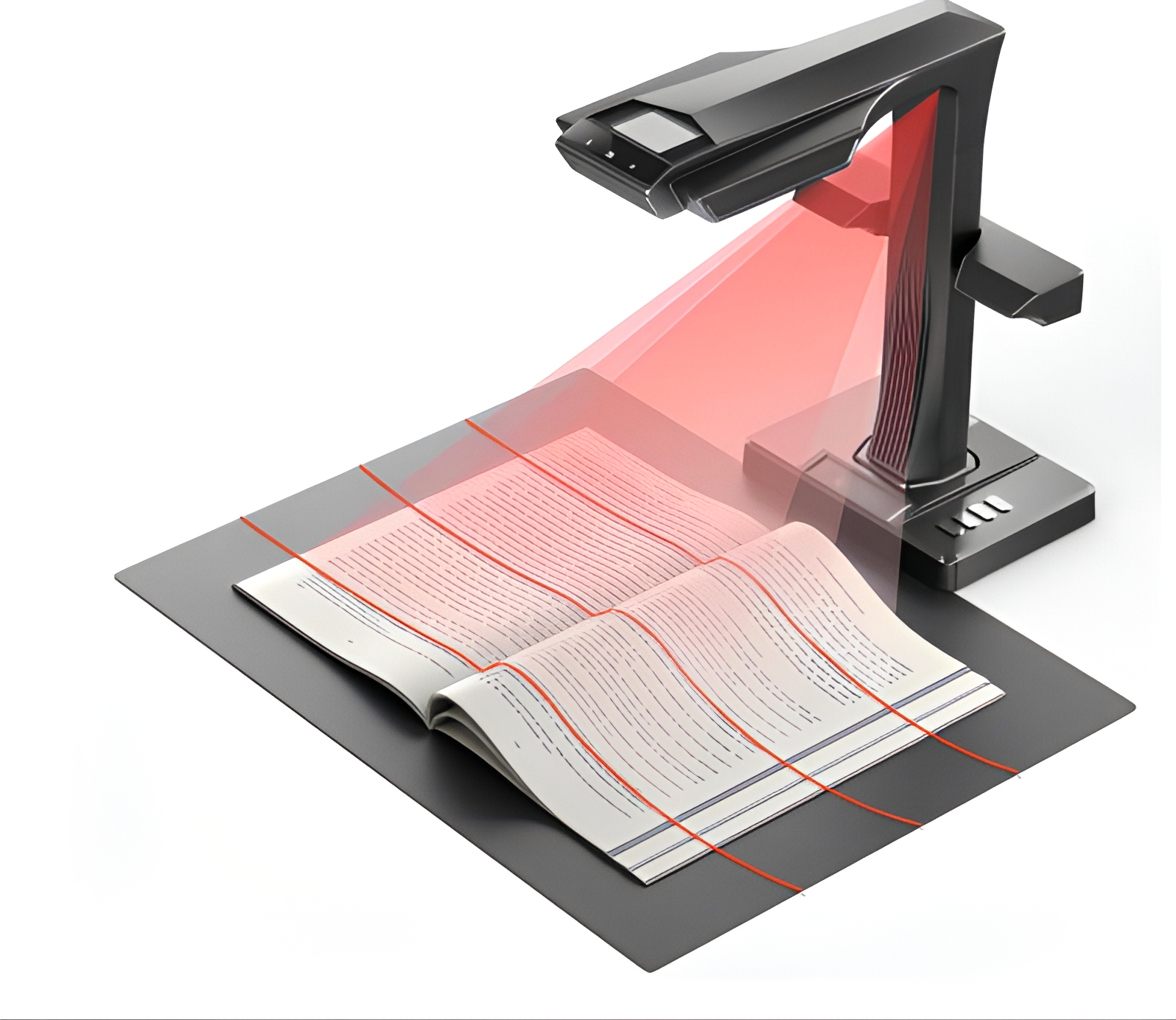
Book Scanner 38MP A3 Document Camera Auto Curve Flattening High Speed Overhead Scanner for Library Office
- 38MP capture for fine archival detail
- Auto curve flattening for bound books
- High-speed overhead scanning for library projects
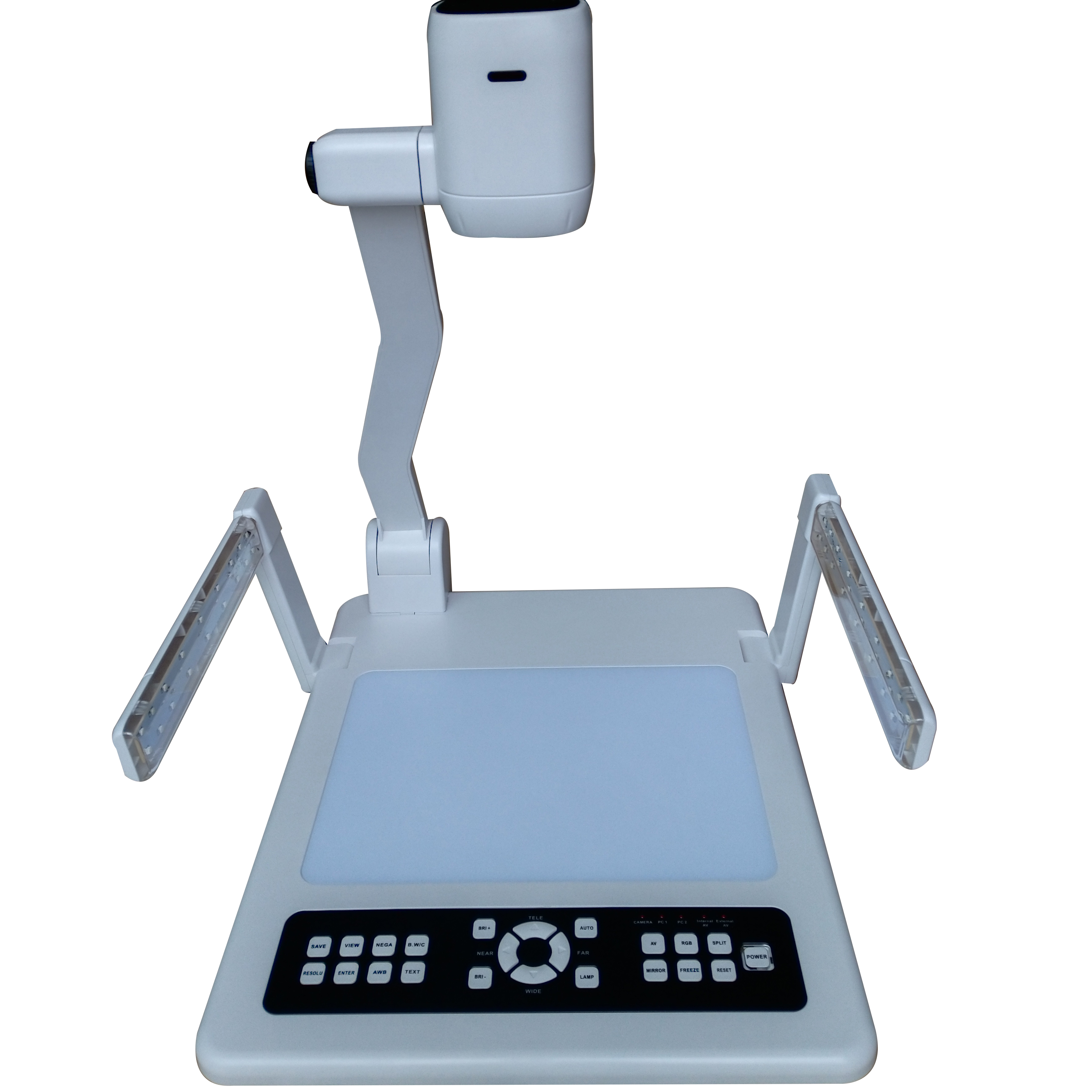
Modern Foldable Flexible Ultra HD Desktop Document Camera for School Video Output HD MI VGA Visualizer
- Foldable desktop visualizer format
- HD MI / VGA video output for classrooms
- Space-saving build for fixed installations
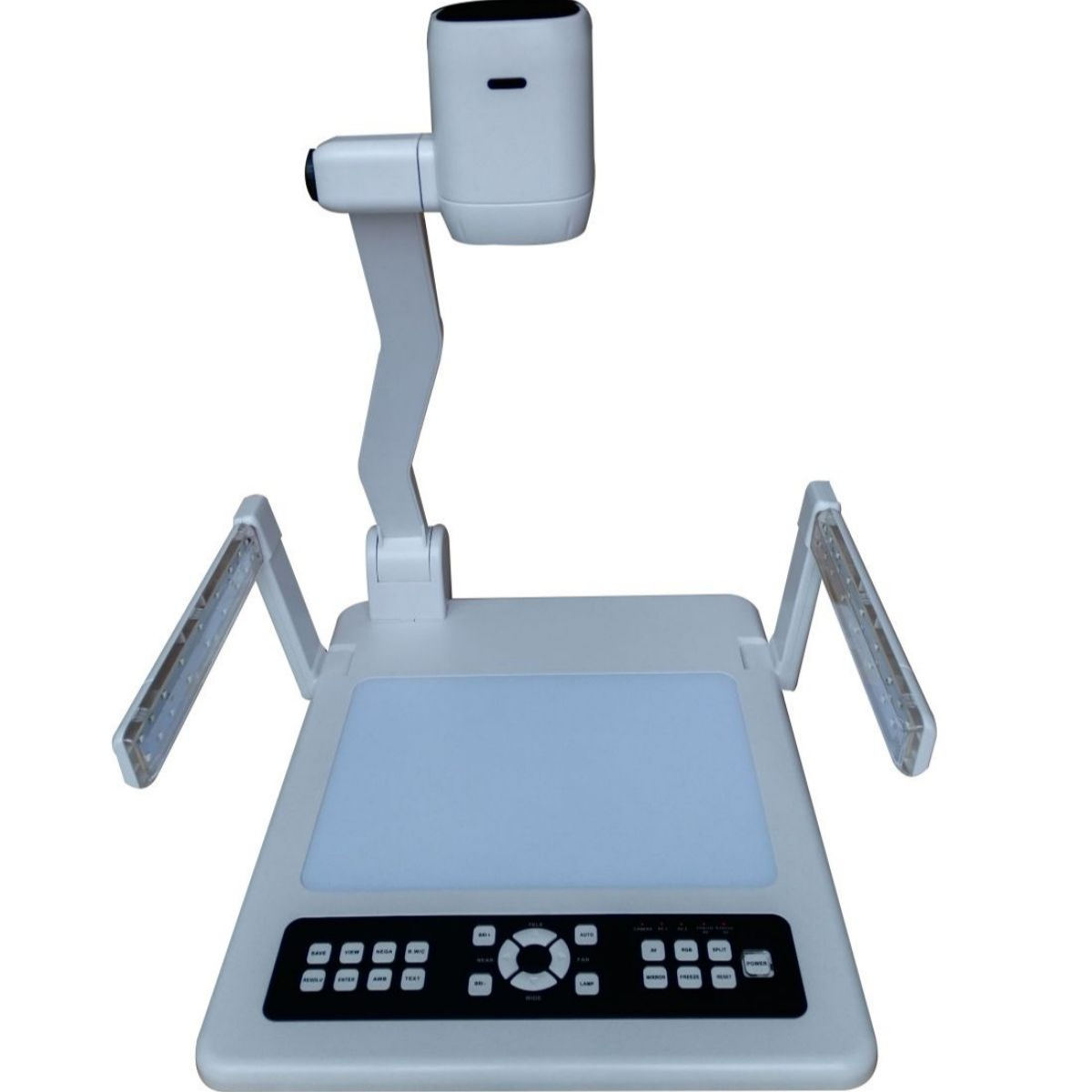
HD Optical Zoom Visual Presenter 1/3" CMOS Sensor 1-Year Warranty OEM Brand GUA Origin Professional Document Camera VGA RS232
- 1/3" CMOS sensor for stable presentation
- VGA and RS232 control interfaces
- OEM brand support with 1-year warranty
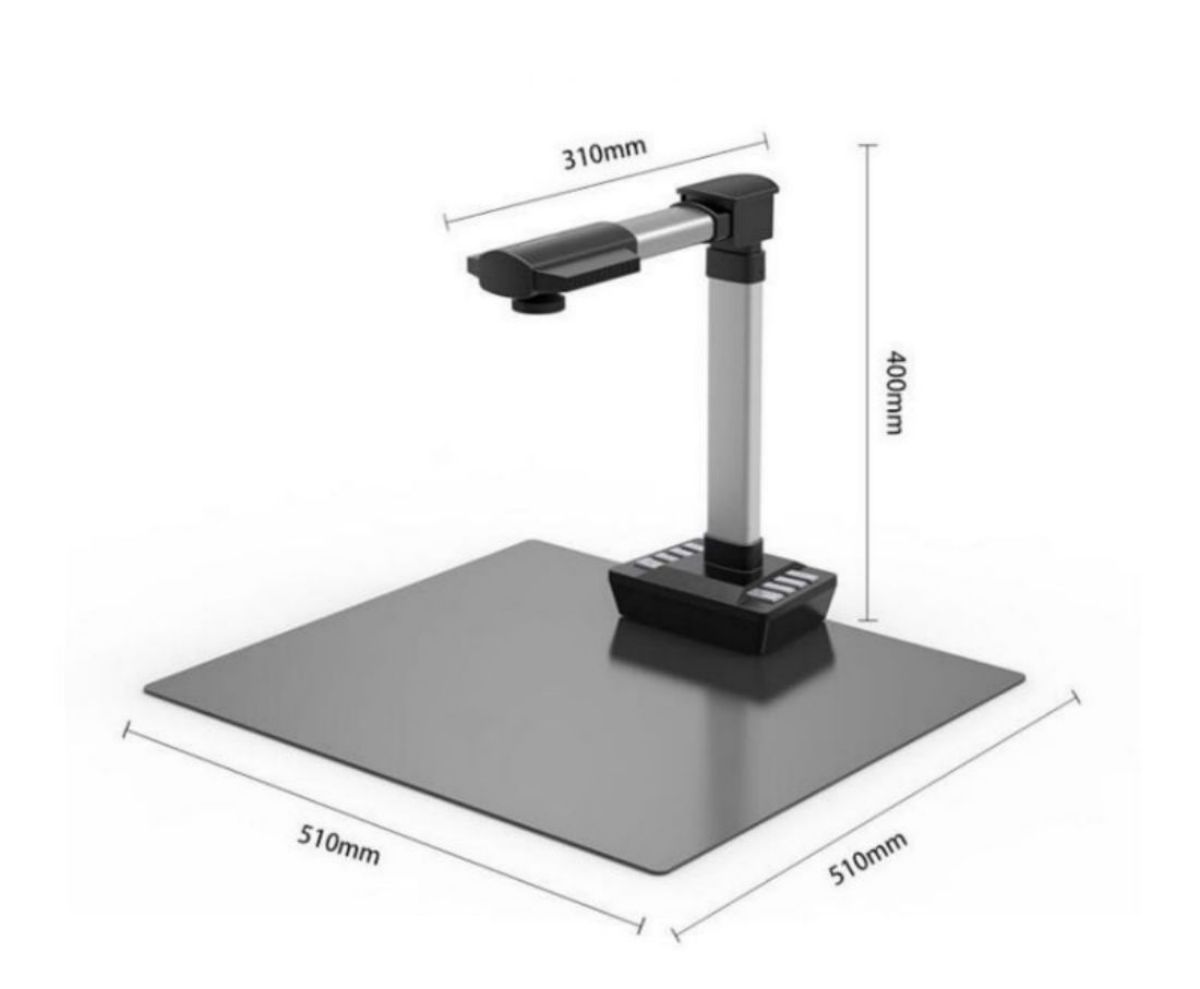
Portable 20MP High-Speed Wireless A3 Document Scanner Professional Book Scanner Foot Pedal USB Interface 24-Bit Color Stock
- Portable A3 book scanning with foot pedal
- Wireless and USB interface options
- 24-bit color for office and field capture
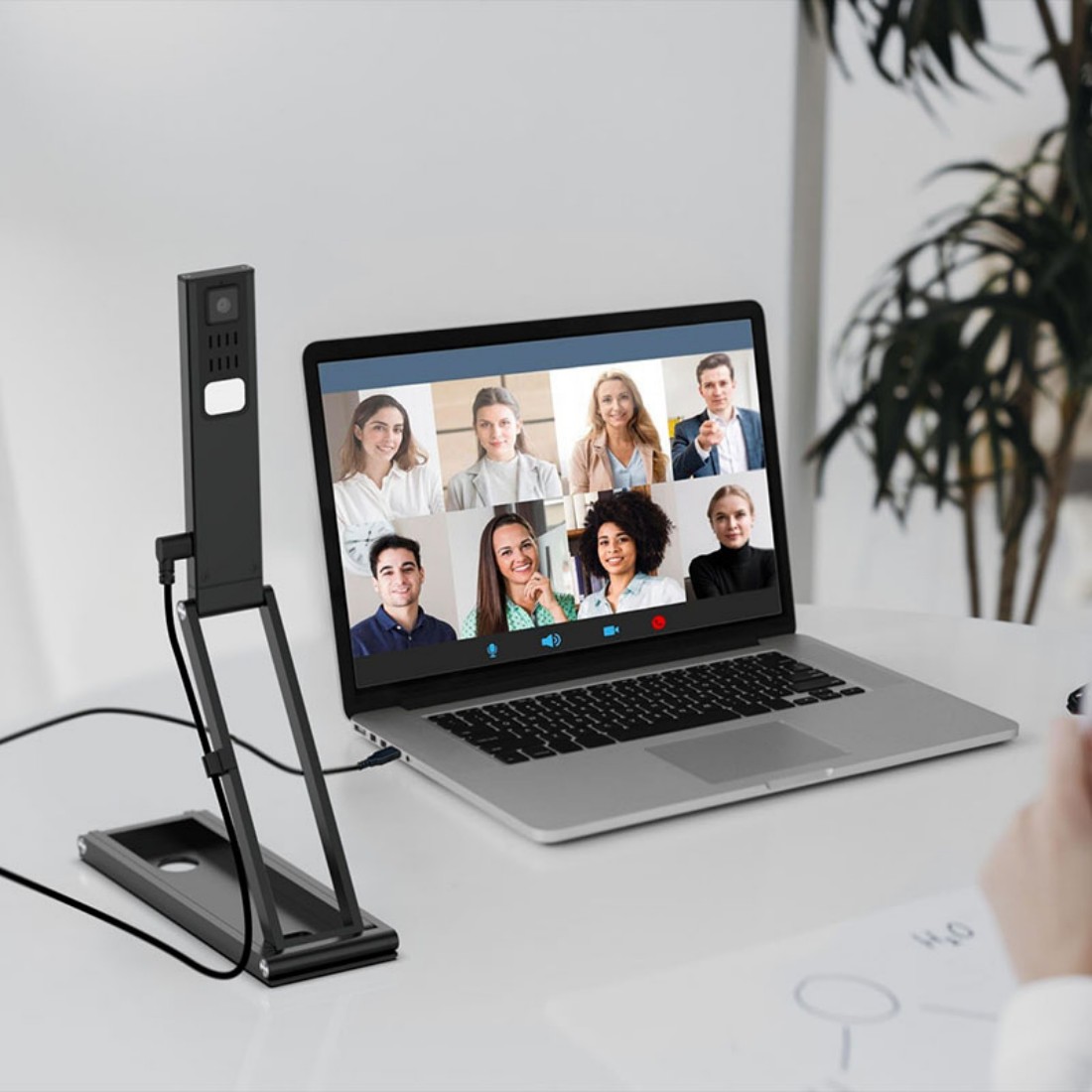
A3 4K Visual Presenter Document Camera with USB Interface for School Training Teaching Meetings Featuring Webcam Function
- 4K visual presenter for training and meetings
- USB interface with webcam-style operation
- A3 capture area for textbooks and documents
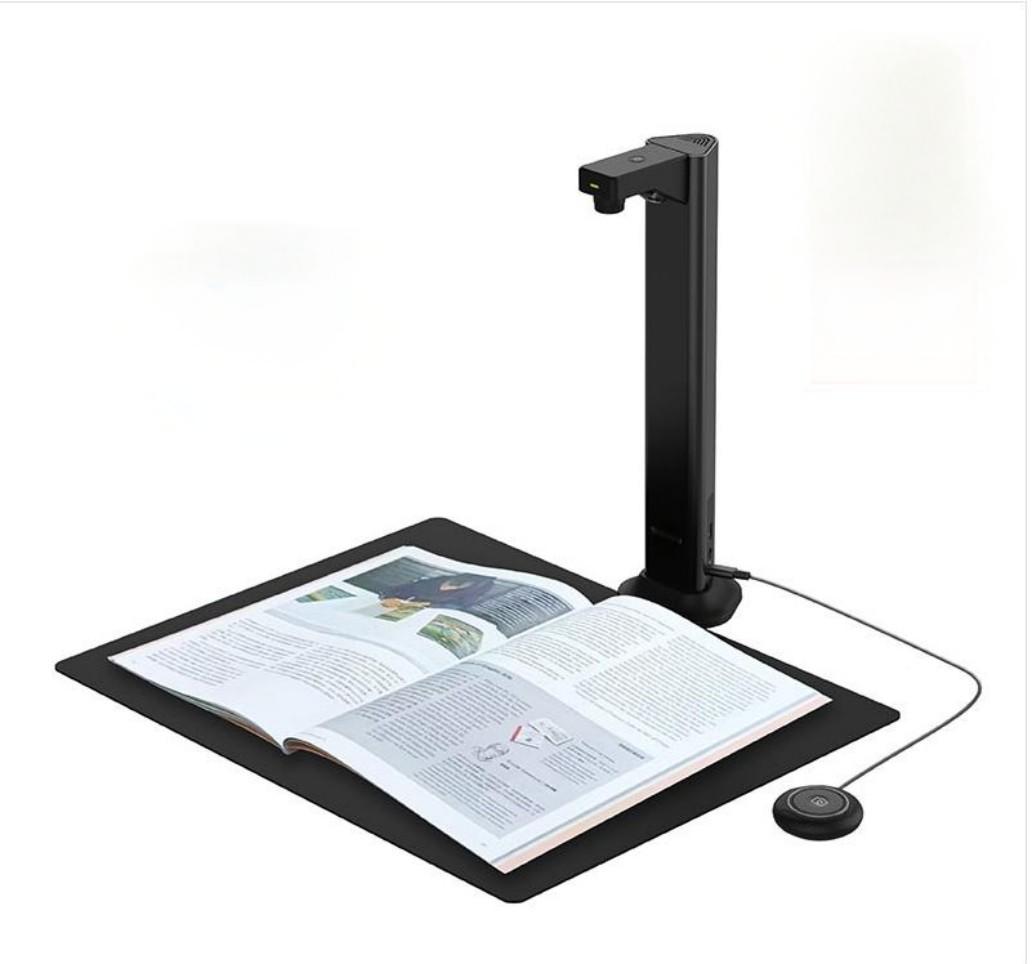
Real 24MP UVC A3 Document Scanner with USB Interface and Text to Speech Feature In-Stock Product
- UVC output for integration-friendly capture
- Text-to-speech feature for accessibility
- In-stock A3 document scanner model
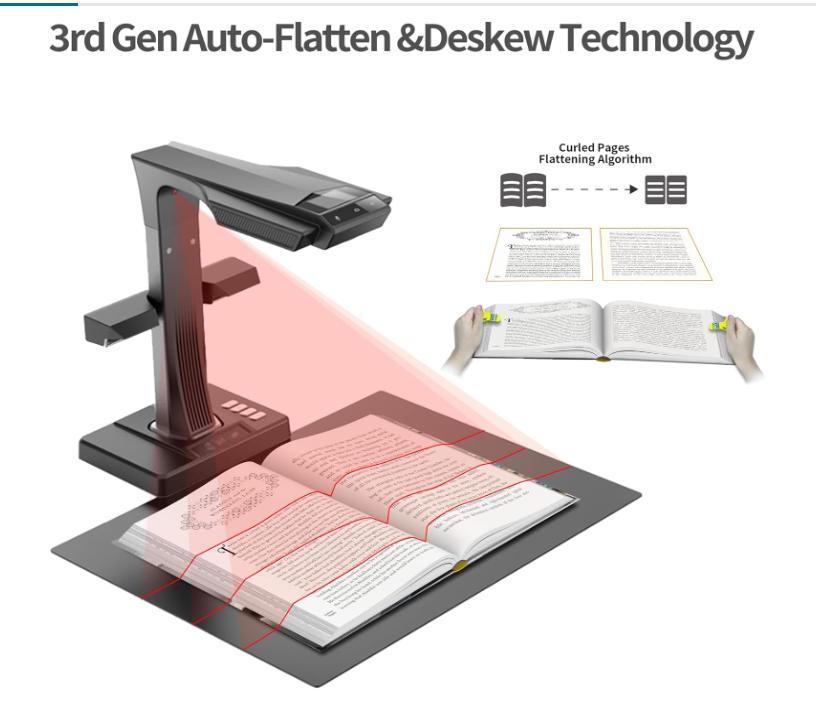
A3 24MP Book Scanner Auto Flatten Deskew CMOS Document Digitizer 4000x6000 USB Visualizer OCR Searchable PDF
- 4000 × 6000 pixel CMOS capture
- Auto flatten, deskew and OCR workflow
- Searchable PDF output for digital archives
Procurement insight: do not compare these models by megapixels alone. Compare the document size you must capture, the handling risk to the original, the required output format, the software integration path and the spare-parts support period. That is how experienced archival scanner buyers separate a useful wholesale partner from a simple catalogue seller.
Why China Archival Scanner Manufacturers and Wholesalers Still Matter
The strongest Chinese suppliers combine imaging engineering, sensor integration, housing design, software adaptation and export experience. The weakest simply relabel products. The distinction is visible in sample scans, documentation and after-sales discipline.
China has become a deep supply base for archival scanning hardware because the Pearl River Delta and surrounding manufacturing regions support the entire product chain: CMOS and CIS sensor integration, CCD optical assemblies, precision hinges, LED illumination, PCB assembly, firmware development, industrial design, packaging and export logistics. For importers, this means more configuration options, faster sample cycles and more competitive landed costs than a single-region catalogue can usually provide. For serious projects, however, the sourcing question is not “Can a Chinese factory build a scanner?” The real question is which supplier can prove repeatable image quality and predictable long-term support.
Search results often mix the words manufacturer, factory, wholesaler, trading company and solution provider. In practice, a true manufacturer controls at least product design, assembly, testing and software configuration. A wholesaler may carry stock, consolidate multiple product categories and support smaller mixed orders. An OEM/ODM partner may do both: provide a standard product and adapt branding, packaging or software interfaces for a regional distributor. Archival scanner projects usually need all three capabilities at different stages: a stable hardware platform, flexible order quantities and documentation strong enough for public tenders, library procurement and education rollouts.
The most reliable buying approach is to start from the digitization objective, not from a product photo. A library scanning brittle books needs non-contact overhead capture, curve correction and gentle page handling. A newspaper archive needs A2 coverage and high pixel count for broadsheets. A school wants live visual presentation with HDMI, VGA or USB output. A bank or government counter needs fast ID and form capture with an integration-friendly SDK. Once those requirements are clear, the supplier conversation becomes technical rather than promotional.
Archival Scanner Specifications That Matter More Than a Megapixel Badge
For preservation-grade digitization, an archival scanner is a preservation instrument, not merely an input device. Resolution, lighting, working distance and page handling determine whether the master file is accepted by archives, libraries and tender committees.
Megapixels only become meaningful when they are connected to physical document size. To calculate the true capture resolution, divide the sensor’s pixels across the width and height of the document area. An A3 page at 300 dpi requires about 3508 × 4961 pixels, or roughly 17.4 megapixels. An A2 sheet at 300 dpi requires about 4961 × 7016 pixels, or approximately 34.8 megapixels. This is why a 48MP A2 scanner is a different tool from a 24MP A3 scanner, even if both are marketed as “high resolution”.
Archival buyers should also ask about output workflow. A raw image is not an archive. Look for OCR to searchable PDF, page curvature flattening, automatic deskew, finger removal, page splitting, colour profiles and file naming conventions. If the scanner will be embedded in a larger public-access system, request information on SDK support, TWAIN compatibility, UVC output and whether OCR languages can be extended for regional collections. These details create real information gain during procurement because they predict integration cost, not just hardware price.
Approximate pixel demand at 300 dpi
| Original | Pixels at 300 dpi | Recommended sensor | Buyer note |
|---|---|---|---|
| A4 210 × 297 mm | 2480 × 3508 ≈ 8.7 MP | 10MP or higher | Office, ID, classroom visualizer, general documents |
| A3 297 × 420 mm | 3508 × 4961 ≈ 17.4 MP | 18–24MP for standard work; 38MP for richer masters | Books, registers, newspapers, plans, maps |
| A2 420 × 594 mm | 4961 × 7016 ≈ 34.8 MP | 48MP for 300+ dpi masters | Large newspapers, posters, engineering documents |
| Bound book with gutter curve | Add 10–15% overlap | Higher pixel count or dual-camera capture | Curve flattening and working distance are critical |
CIS, CMOS or CCD: Match the Sensor to the Original
There is no universal “best” sensor. The right choice depends on whether the scanner handles loose sheets, bound books, artwork, maps, ID cards or live classroom objects.
CIS for high-volume loose sheets
Contact image sensors are compact, power-efficient and fast on sheet-fed paths. They suit invoices, contracts, administrative files and ADF workflows where the original can pass through a transport mechanism. For bound books, choose otherwise.
CMOS for non-contact overhead capture
CMOS area sensors capture the whole page from above, so books do not have to be pressed flat. With software deskew, curve flattening and finger removal, CMOS scanners become the core of library, archive and classroom digitization.
CCD for flatbed colour depth
A moving CCD carriage delivers controlled lighting, greater depth of field and stable colour for photos, artwork and book-edge scanning. A zero-margin flatbed design can reduce spine shadow on bound originals without stressing the binding.
Choosing by Search Intent: What Each Buyer Should Shortlist First
Archival scanner search intent is rarely one-size-fits-all. A distributor looking for a repeatable wholesale model has different priorities from a library digitizing fragile manuscripts or a school equipping classrooms.
Bound books and fragile archives
Prioritise non-contact overhead capture, curve flattening, deskew, finger removal and OCR to searchable PDF. The 38MP A3 auto-curve model and the 24MP auto-flatten deskew model are logical starting points.
Newspapers, maps and A2 originals
Full-format coverage is the deciding factor. For 300 dpi A2 master files, specify a 48MP A2 overhead scanner rather than trying to stitch two A3 captures. Ask the supplier for sample scans of dense text and fine map lines.
Classroom, training and live display
Look for HDMI, VGA and USB outputs, live 30/60fps video, optical zoom and a stable desktop footprint. The 4K A3 visual presenter and foldable HD visualizer are designed for teaching and meeting rooms.
Future Procurement Trends Buyers Should Build Into the Tender
Between 2025 and 2030, archival scanner procurement will shift from “buy a device” to “secure a digitization capability”. The following six requirements should appear in evaluation matrices now.
1. Tender-ready documentation
Expect requests for sample scans, sensor specifications, OCR language lists, driver compatibility and warranty terms. Suppliers that can answer with evidence will win more public-sector projects than those relying only on catalogue claims.
2. Sample-scan validation
Buyers increasingly require real scans of their own documents before purchase. This reduces risk around colour cast, gloss reflection, gutter shadows, OCR accuracy and resolution at the edges of the capture area.
3. Searchable PDF as standard
OCR to searchable PDF is becoming a baseline requirement for archives, courts, libraries and newspapers. Multilingual OCR, layout retention and batch export will be evaluated as workflow features, not optional extras.
4. SDK and data sovereignty
System integrators want UVC, TWAIN or SDK access so scanner output can flow into a local records management system. Data-processing assurances and offline OCR options will matter in government and healthcare tenders.
5. Service lifecycle and repairability
Procurement teams are adding spare-parts availability, remote diagnostics, firmware updates and modular replacement parts to the total cost of ownership. A low purchase price is less valuable if the scanner cannot be serviced in year three.
6. Mixed-fleet purchasing
One organization may need overhead book scanners for preservation, ADF scanners for administration and visualizers for training. Wholesalers that can consolidate models, spare parts and documentation reduce supplier-management overhead.
Product Development Trends Shaping Archival Scanners
The next generation of archival scanning hardware will be judged by automation, integration and access, not only by sensor count. These trends are already visible in current Quibow engineering discussions.
AI curve flattening and finger removal
Software is becoming the differentiator in overhead book scanning. Automated page-boundary detection, curvature correction, finger removal and deskew reduce post-processing labour for libraries and archives.
Dual-sensor and high-resolution A2
Dual high-resolution CMOS capture and 48MP A2 platforms are responding to newspaper, map and poster archives that require 300 dpi master files across large originals. Expect higher pixel counts to move from premium to mainstream.
Edge processing and on-device OCR
Faster embedded processors allow capture, flattening, OCR and PDF packaging closer to the device. That reduces dependence on a single PC and improves deployment in reading rooms, remote archives and mobile digitization units.
UVC, wireless and plug-and-play
UVC output, Wi-Fi transfer and USB plug-and-play are simplifying integration. Distributors can offer scanner kits that work with standard video, conferencing or document-management software without a long driver installation cycle.
Accessibility and text-to-speech
Text-to-speech and voice-friendly output broaden scanner use in education, public services and accessibility programs. Hardware that captures clearly and outputs structured text becomes more valuable than a camera-only device.
Modular hardware and SDK ecosystems
Modular lighting, cameras and control boards make it easier to adapt a base scanner to OEM projects. SDK availability, logo branding, housing colour and packaging customisation will keep driving wholesale differentiation.
How to Qualify a China Archival Scanner Manufacturer or Wholesaler
A disciplined evaluation protects budget, tender compliance and long-term serviceability. The following six checks turn a supplier search into a defensible procurement decision.
1. Verify the legal entity and onsite status
Check the company name, address, business scope and onsite assessment records. A verifiable Guangzhou supplier with a public assessment record is easier to audit than an anonymous trading account.
2. Review trade history and reorder signals
Repeat orders are a useful indicator of product reliability. Buyers should compare transaction history, feedback and reorder rate with the supplier’s ability to document quality checks and shipment readiness.
3. Request sample scans at your target dpi
Send a representative page, not a generic test sheet. Evaluate text edges, colour patches, glossy paper, book gutter shadows, OCR accuracy and the final PDF. This is the single strongest proof of fit.
4. Validate software compatibility
Confirm Windows and macOS support, Apple M1 verification where relevant, UVC or TWAIN output, OCR languages and SDK access. Integration assumptions should be tested before the purchase order, not after delivery.
5. Confirm warranty and remote support
A one-year warranty is common on listed models, but service execution matters. Ask how remote diagnostics are handled, how spare parts are shipped and what response time is offered for distributors and project customers.
6. Assess OEM/ODM and documentation capability
If you plan to sell under your own brand, ask about logo printing, packaging, housing colour, capture-software branding and SDK integration. The best partner can turn those requests into a repeatable production checklist.




Why Guangzhou Quibow Electronic Co., Ltd. Is a Practical China Wholesale Partner
Guangzhou Quibow Electronic Co., Ltd. is a technology-driven company focused on image data acquisition and conversion. The company develops and supplies photoelectric information equipment including high-speed document cameras, book scanners, A3/A2 document scanners, flatbed scanners and ID card recognition cameras. Its work spans CIS, CMOS and CCD imaging platforms, which allows buyers to match sensor architecture to the document type instead of forcing one platform into every workflow.
For distributors and procurement teams, the value is in the combination of product breadth, OEM/ODM flexibility and responsive communication. Quibow supports logo printing, packaging, housing colour, capture-software branding and SDK integration on selected models, while keeping MOQs practical for mixed wholesale orders. Many stock book scanners, A2 large-format scanners and flatbed scanners start from one piece or one set; several document camera models start from two pieces. OEM/ODM quantities are confirmed per project.
- Business type
- Trading company, onsite checked
- Location
- Guangzhou, Guangdong, China
- Established
- 2020
- Main markets
- Eastern Europe, North & South America
- Annual revenue
- US$1M – US$2.5M
- Team
- 5–10 dedicated specialists
From Requirement to Delivery in Five Clear Steps
Professional buyers want a transparent process. This workflow keeps engineering, branding, quality control and shipping aligned from the first inquiry to after-sales support.
Requirement review
Document size, daily volume, operating system, output formats and target resolution are confirmed, usually within one hour.
Model matching
We recommend the sensor platform and resolution for your originals, and can provide sample scans before quotation.
Customization
Logo, packaging, housing colour, software branding, OCR languages and SDK integration are scoped per project.
Quality inspection
Each unit is checked for focus, lighting uniformity, driver installation, OCR performance and capture speed.
Shipping & support
Export packing, documentation and remote setup support are coordinated, with a one-year warranty on listed models.
Payment methods
T/T, L/C, PayPal, Western Union
Payment currency
USD, EUR, HKD, CNY
Delivery terms
FOB, EXW, DDU
Independent Records That Support Due Diligence
Trust should be verifiable. These third-party records are maintained by Alibaba.com rather than by Quibow, and they can be reviewed before requesting a quotation or sample scan.
Supplier Assessment
Onsite check confirming business premises and legal status.
View reportCredit Overview
Platform credit profile and trading reliability indicators.
View creditRatings & Reviews
Feedback left by verified buyers after completed orders.
Read reviewsTrade Capacity
Export markets, trade terms and logistics capability.
View capacityQuestions Buyers Ask Most About China Archival Scanner Suppliers
These answers address the commercial, technical and risk questions that most often appear in wholesale inquiries, tender clarifications and distributor onboarding.
What is the minimum order quantity for Quibow archival scanners and document cameras?
Most stock book scanners, A2 large-format scanners, A3 document scanners and flatbed scanners start from one piece or one set. Several document camera models start from two pieces. OEM/ODM quantities are confirmed per project because branding, packaging and software changes affect production planning. Mixed orders can often be discussed when a distributor needs to test several models across different customer segments.
Do you support OEM and ODM orders?
Yes. Quibow supports OEM/ODM projects that can include logo printing, packaging design, housing colour, capture-software branding and SDK integration on selected models. For distributors, the most common request is a branded hardware kit with export-ready packaging and localized software documentation. For system integrators, the priority is usually UVC, TWAIN or SDK access so the scanner can feed an existing document-management or archival workflow.
Are the scanners compatible with Windows and macOS?
Many models, including A2 large-format scanners and the 1200 DPI A3 flatbed scanner, support Windows and macOS, and some are verified on Apple M1 Macs. Compatibility should still be confirmed for each model before shipment because software versions and OCR packages may differ. For tender documentation, request the exact operating-system support statement for the selected model rather than relying on a general catalogue claim.
Which resolution do I need to scan A3 or A2 documents at 300 dpi?
An A3 page at 300 dpi needs about 3508 × 4961 pixels, or roughly 17.4 megapixels, so an 18MP or 24MP scanner is suitable for many archival and office projects. An A2 sheet at 300 dpi needs about 4961 × 7016 pixels, or approximately 34.8 megapixels, so a 48MP A2 scanner is recommended for archival masters. For bound books with gutter curvature, add overlap and choose a model with proven curve flattening and deskew rather than simply increasing megapixels.
How do I compare China archival scanner manufacturers with wholesalers?
Start with evidence: onsite assessment records, product documentation, sample scans, software compatibility, spare-parts support and trade history. A manufacturer may control hardware and software more deeply, while a wholesaler may offer faster mixed-order consolidation and stock availability. The best partner for an archival project can explain sensor choice, output workflow and service logistics in technical terms. Ask each supplier to identify what they control internally and what is sourced or integrated from partners.
What payment and delivery terms do you accept?
Quibow accepts T/T, L/C, PayPal and Western Union in USD, EUR, HKD or CNY, with FOB, EXW and DDU delivery terms. The selected terms depend on order size, destination and whether the project includes customization. For first orders, buyers often request a sample unit or sample scan before confirming a wholesale purchase order. Shipping documentation and packing requirements should be agreed before production.
What warranty and after-sales support are provided?
Listed models such as the A3 flatbed scanners, A2 overhead scanners and the S2060W ADF scanner come with a one-year warranty, backed by remote technical support. For distributors, it is important to clarify how remote diagnostics are handled, how replacement parts are shipped and what response time applies during peak project delivery. Quibow’s published supplier performance indicators include an average response time of one hour or less and a 100% message response rate.
How can I validate image quality before placing a wholesale order?
Send a representative sample of your actual documents, including difficult pages such as glossy paper, dense text, maps, faded records or a bound book with a visible gutter. Ask for scans at your target dpi and output format, preferably as both a master image and a searchable PDF. Evaluate edge sharpness, colour consistency, lighting uniformity, OCR accuracy and post-processing time. This sample-scan test is more useful than comparing headline megapixel figures alone.
Can the scanners output searchable PDF and integrate with our software?
Many archival models support OCR to searchable PDF, page splitting, deskew and automatic flattening. Integration options vary by model and can include USB, UVC, VGA, HDMI, RS232, TWAIN or SDK access. Before choosing a model, confirm the exact output your records-management system accepts and whether OCR must be processed locally. For large digitization programs, test the full workflow from capture to ingest, not only the scanner’s standalone capture screen.
Planning an Archival, Library or Classroom Scanner Rollout?
Share your document sizes, daily volume, OCR languages, target resolution and integration requirements. Our imaging team will recommend the right archival scanner, overhead book scanner, flatbed scanner or document camera and provide sample scans for evaluation.