Top 10 Paper Scanner Manufacturer & Factories
A capability-led buying guide for book scanners, A3/A2 document scanners, flatbed scanners and document cameras — built around search intent, information gain, OEM/ODM readiness and verifiable factory evidence.
8 Paper Scanner and Document Camera Products for Fast RFQs
These eight products from Quibow's current range represent the purchase intents B2B buyers search for most often: portable A3 book capture, A4 document cameras, 20MP OCR visualizers, wireless book scanners, A2 dual-sensor overhead scanners, CCD bookedge flatbeds and USB paper scanners for office or education.
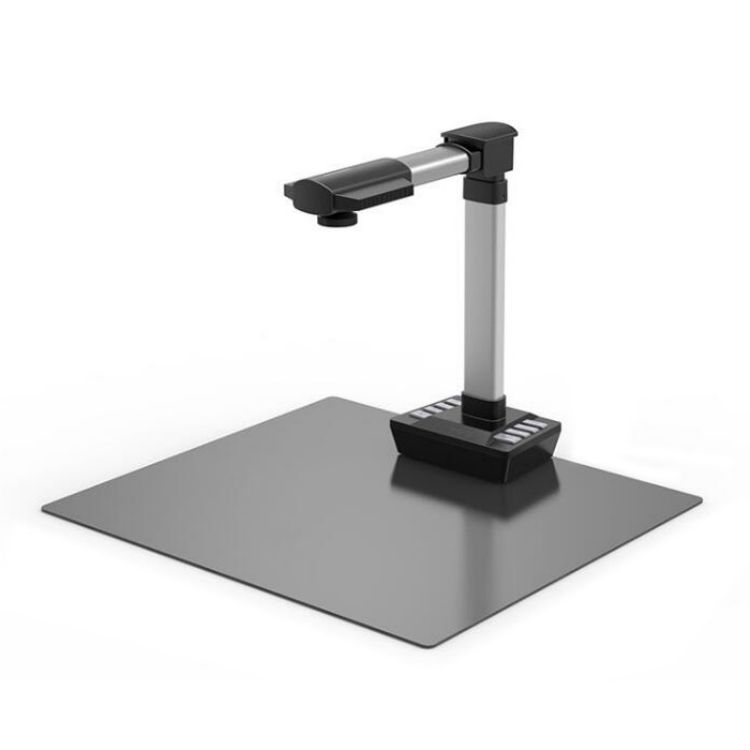
High Resolution Portable A3 Library Book Scanner with Foot Controller USB Interface Automatic Document Scanner Stock Product
Recommended for library book digitization, hands-free page capture and portable archive projects.
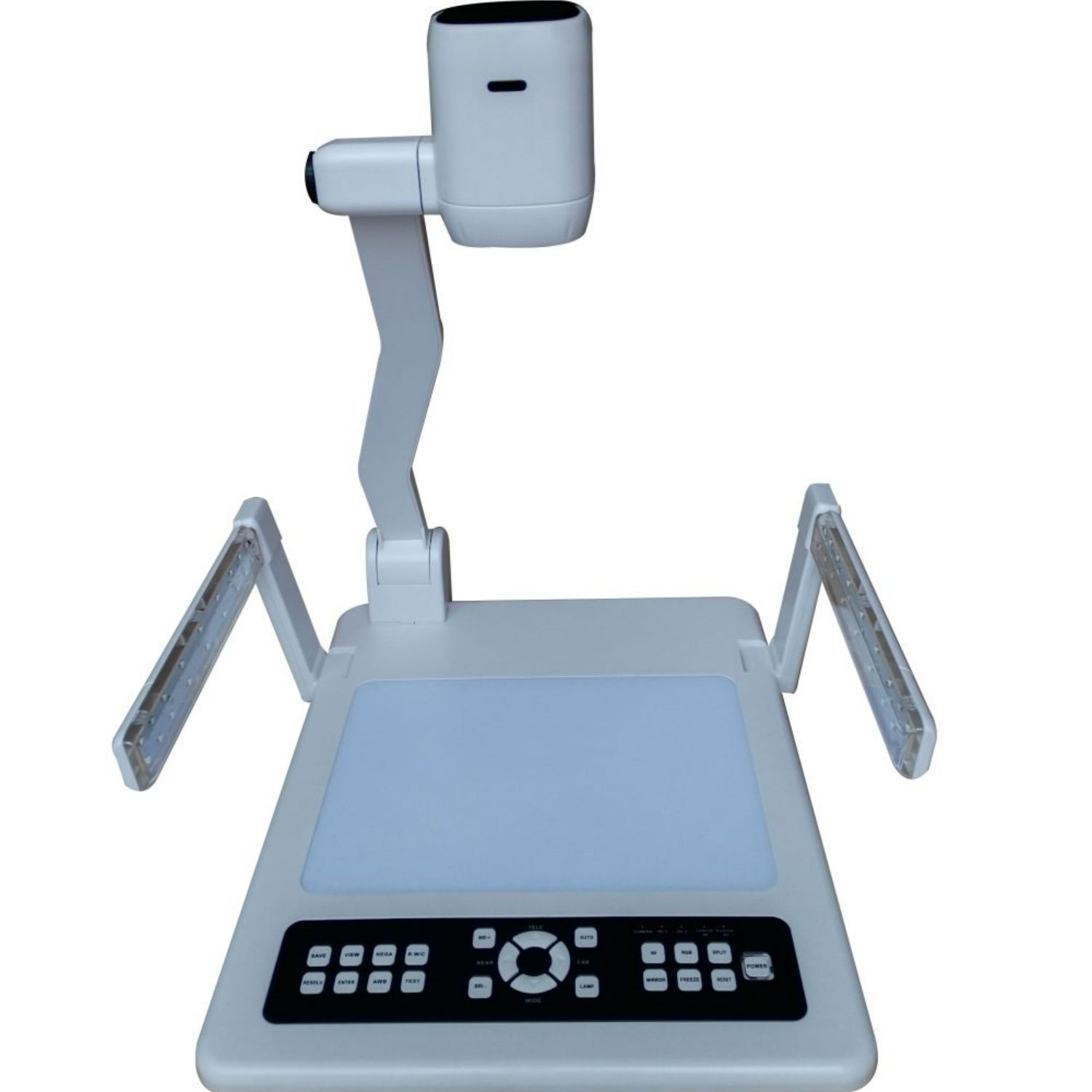
22x Optical Zoom 10x Digital Zoom VGA/USB Interface 2MP CMOS Sensor Resolution A4 Document Camera Foldable Digital Presenter for
Recommended for classroom demonstration, training rooms and live visual presentation.
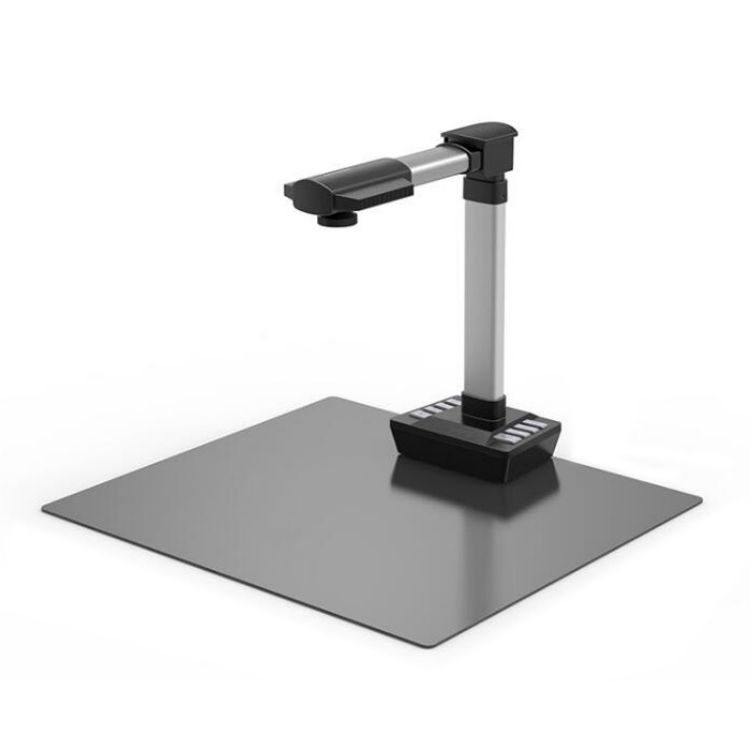
20MP OCR Aluminum Digital Visualizer Camera Classroom Office Training A3 Document Scanner USB Interface SDK Stock Black 1-Year
Recommended for OCR-ready A3 capture, classroom documentation and SDK-based integrations.
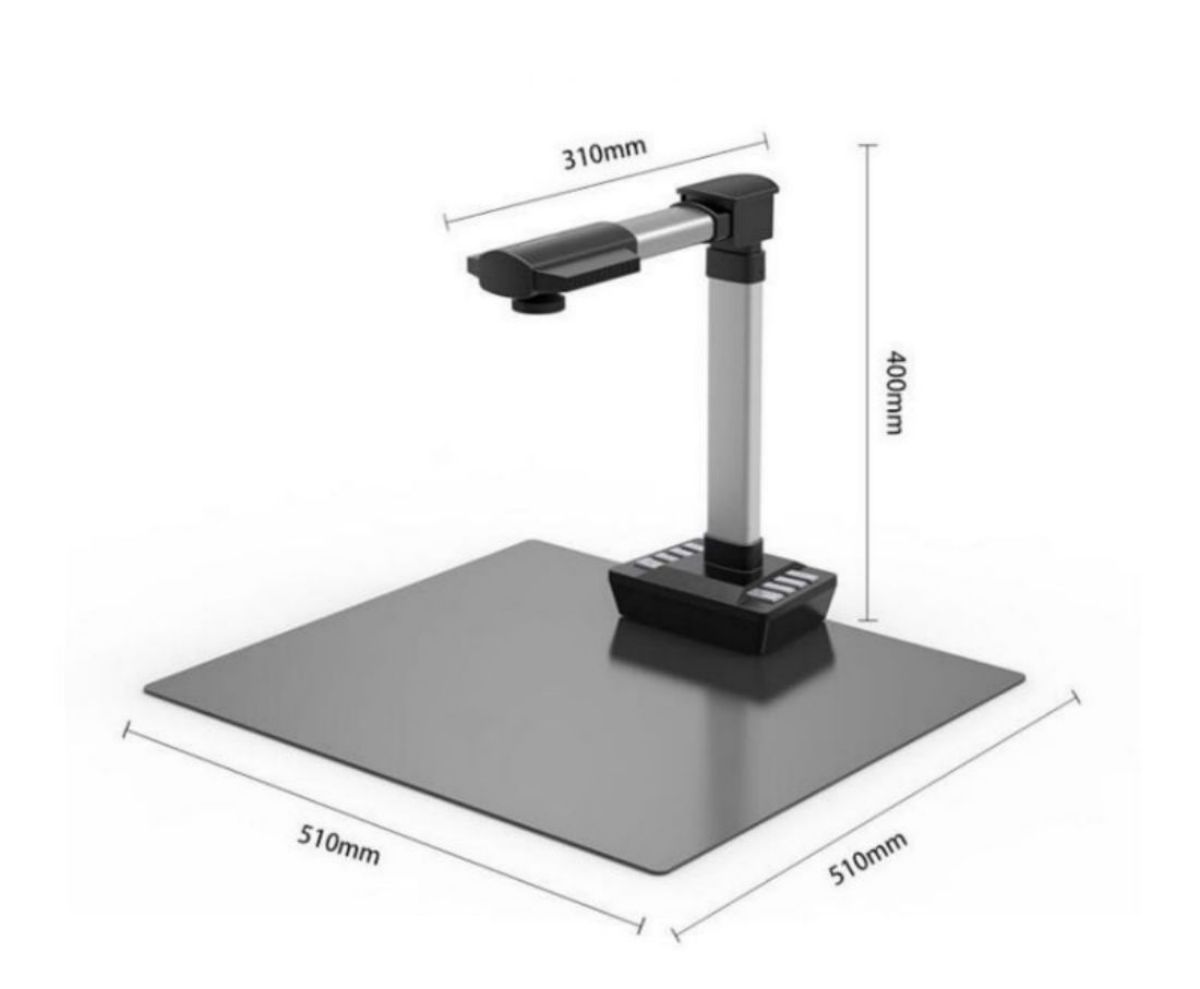
Portable 20MP High-Speed Wireless A3 Document Scanner Professional Book Scanner Foot Pedal USB Interface 24-Bit Color Stock
Recommended for mobile book scanning, field archive work and flexible office deployment.
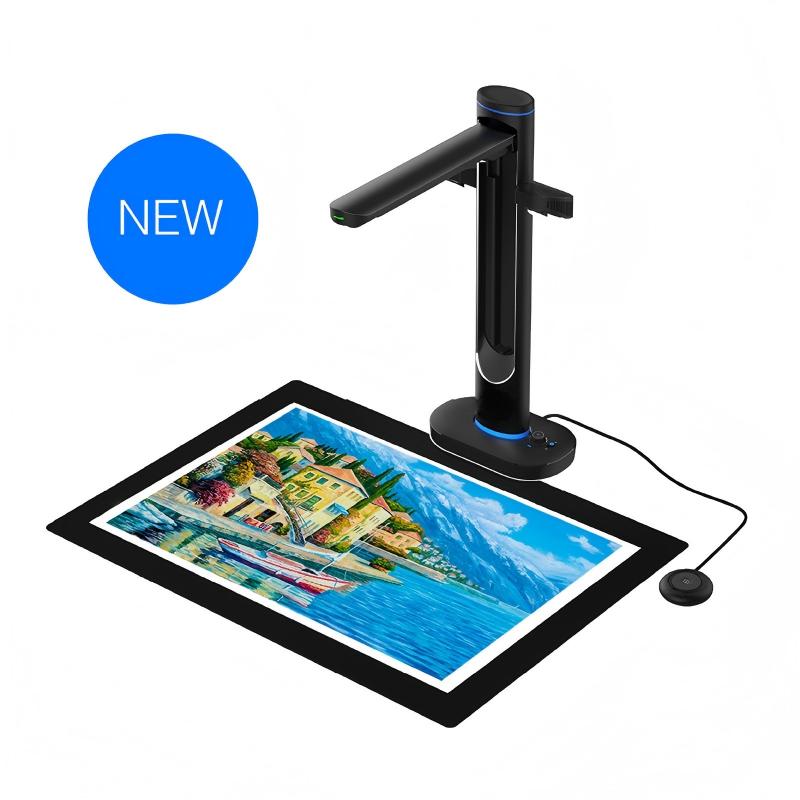
A2 Large Format Book Scanner Dual 48MP CMOS Sensors High-Speed Desktop Overhead Scanner for Windows & MacOS
Recommended for 300 dpi-class A2 archival masters, newspapers, maps and large-format records.
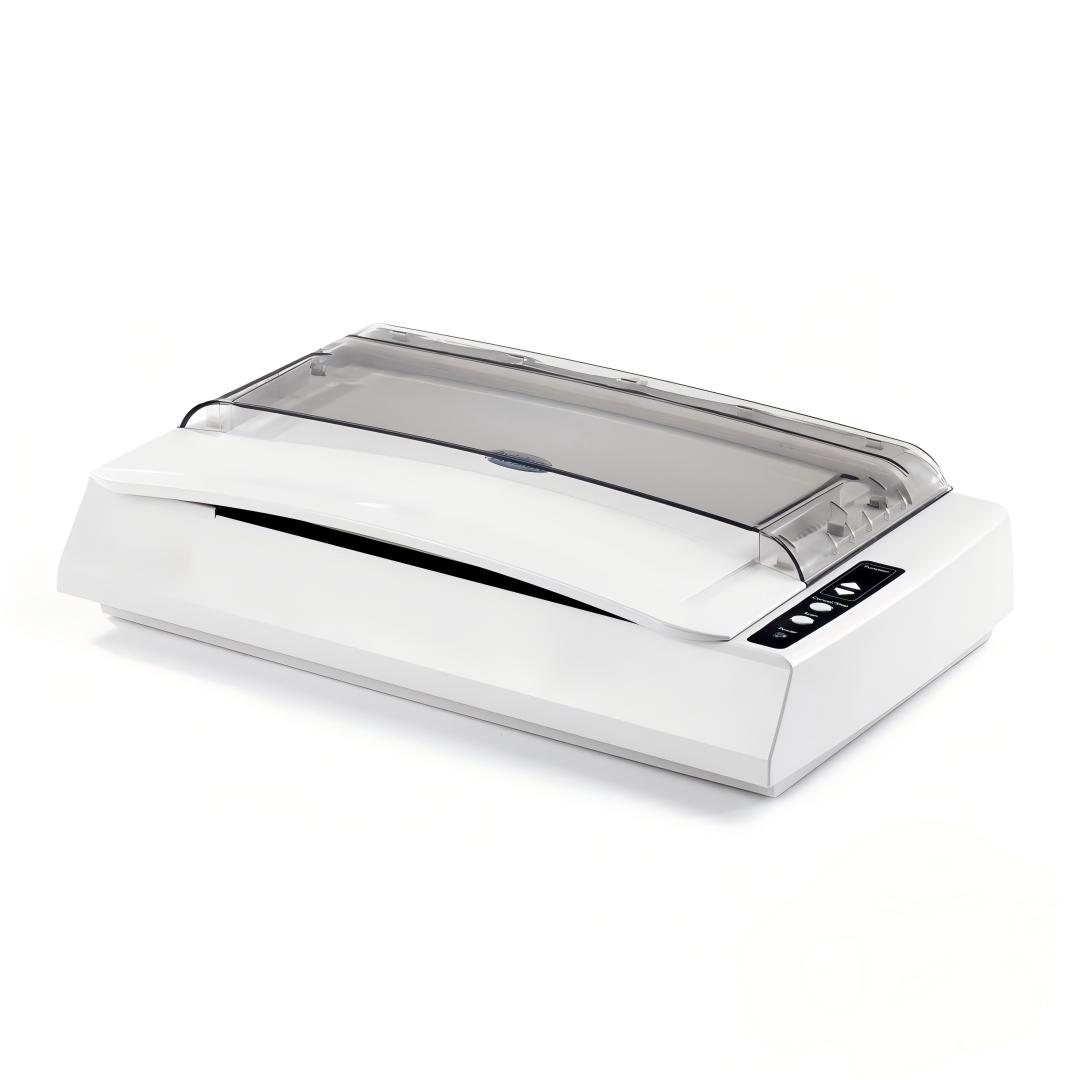
CCD Zero Margin Bookedge Flatbed Scanner A4 600dpi USB Bound Book Scanning No Spine Shadow Library Archive Digitization
Recommended for bound books where spine shadow removal and controlled flatbed lighting matter.
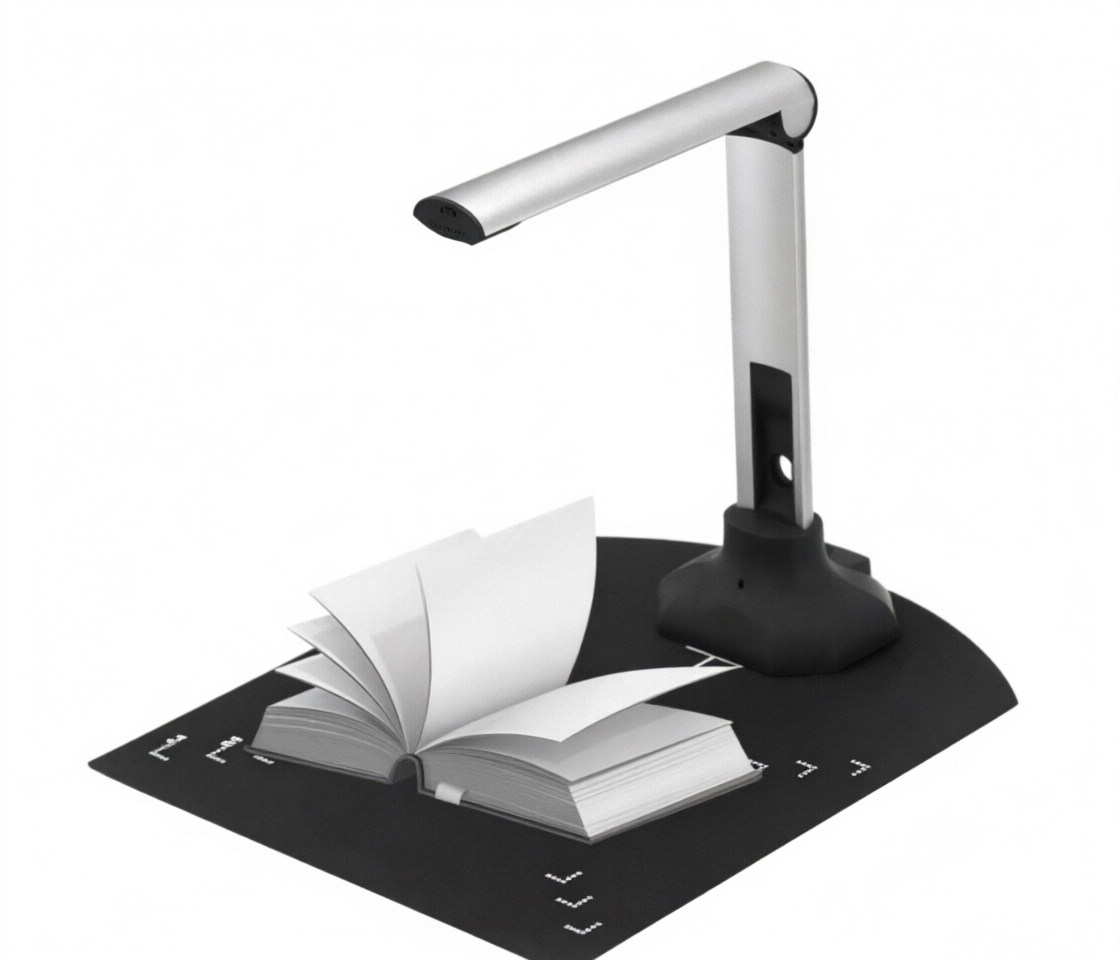
USB Document Camera Scanner 10MP CMOS Visualizer A4 Scanner for Office Education
Recommended for plug-and-play document capture, online teaching and counter-service scanning.
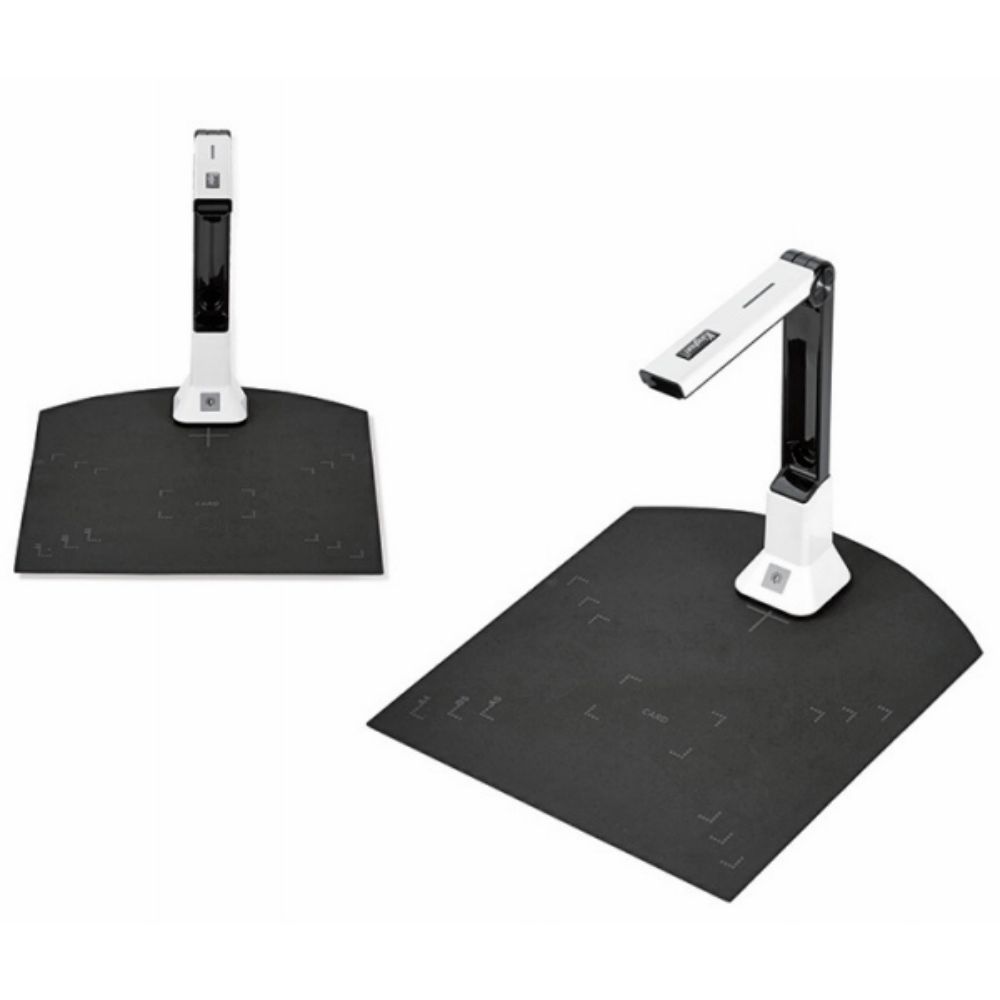
Wholesale 5MP USB Light CMOS A4 Document Scanner Portable Smart Handheld High Resolution 1-Second Scan CE Certified Stock Black
Recommended for cost-sensitive distribution, mobile offices and quick A4 paper digitization.
Paper Scanner Procurement Has Shifted from Hardware Price to Image Data Value
Paper scanning is no longer a back-office accessory. It is an image data acquisition layer for libraries, archives, banks, government service counters, education groups, publishers and private-label distributors. The strongest search intent is not simply “cheap scanner”. It is “which paper scanner manufacturer or factory can deliver OCR-ready image quality, SDK access, stable export supply and repeatable after-sales support?”
This article is written for B2B buyers who need a defensible shortlist. The ten manufacturer profiles below are a capability matrix, not a paid ranking. Each profile describes what a serious buyer should verify before sending an RFQ. Where relevant, Quibow's documented capabilities are used as a working example: CIS, CMOS and CCD imaging platforms; A3/A2 overhead book scanning; flatbed and bookedge scanning; document cameras and visual presenters; OEM/ODM customization; SDK support; low stock MOQ; export payment terms and remote technical support.
That structure creates information gain for procurement teams. Instead of repeating generic “top 10 supplier” claims, it connects product architecture to real purchase criteria: document size, required dpi, daily volume, binding condition, OCR language, operating system, integration depth, warranty response and reorder potential. Buyers can compare factories on the same evidence set and reduce the risk of buying a scanner that looks suitable in a catalogue but fails in a library, classroom or service counter.
Four Buying Trends Reshaping Paper Scanner Factory Selection
Search intent is moving from component specifications toward outcome-based questions. These four trends should shape your supplier scorecard.
Total Cost of Digitization
Buyers now compare capture time, OCR accuracy, operator training and warranty response together. A lower unit price can be expensive if page throughput or searchable output fails the workflow.
OCR and AI-Ready Capture
Demand is rising for scanners that output clean images for OCR, searchable PDF, document classification and archival metadata. SDK availability is becoming a shortlisting criterion.
Non-Contact Preservation
Libraries, museums and archives prefer overhead capture for fragile bindings. Auto-flatten, deskew, finger removal and page-curve correction reduce physical stress on originals.
Supply Resilience
Low MOQ, ready stock, confirmed operating-system support and transparent payment terms matter more than ever for distributors and system integrators serving multiple markets.
What Paper Scanner Factories Are Building Next
Product direction reveals whether a manufacturer is only assembling hardware or engineering complete image-acquisition systems.
Higher-Resolution CMOS Area Sensors
A3 scanners are moving from 10–18MP to 20–24MP, while A2 archival models use 48MP-class capture. The goal is 300 dpi-class output without stitching or repeated shots.
Dual-Lens and Dual-Sensor Architectures
Dual 48MP sensors improve large-format capture, while dual-lens document cameras combine wide document views with ID-card or portrait detail for counters and service desks.
Auto-Flatten and Deskew
Software correction is becoming a core scanner feature. Curve flattening, automatic page detection and finger removal reduce operator effort when scanning bound books.
Edge OCR and Searchable PDF
Buyers increasingly expect OCR in the capture workflow, not as an optional desktop step. Factory support for OCR language sets and export formats is a useful differentiator.
Hybrid Connectivity
USB remains the baseline, but Wi-Fi, HDMI, VGA and remote-control workflows matter in education, meeting rooms and service counters. Confirm compatibility model by model.
Modular OEM/ODM Platforms
Private-label buyers need logo, packaging, housing colour, software branding and SDK integration. A flexible factory shortens time-to-market for distributors and integrators.
Top 10 Paper Scanner Manufacturer & Factories: What to Verify
Use these ten factory profiles to structure supplier discovery. They cover the product and service capabilities that matter to B2B paper scanner buyers.
Overhead A3 Book Scanner Factories
Verify: non-contact capture, auto-flatten, foot pedal, OCR and page-turn workflow. Quibow fit: A3 portable and wireless book scanners.
A2 Large-Format Archive Scanner Manufacturers
Verify: true 300 dpi-class A2 output, dual-sensor design, newspaper and map handling. Quibow fit: dual 48MP A2 overhead scanner.
Flatbed and Bookedge Scanner Factories
Verify: optical resolution, CCD vs CIS, spine-shadow control and M1 Mac compatibility. Quibow fit: CCD zero-margin bookedge flatbed.
ADF High-Volume Paper Scanner Manufacturers
Verify: ppm/ipm, duplex handling, daily duty cycle and driver stability. Quibow fit: high-speed ADF and office scanning options.
Portable USB Scanner Factories
Verify: capture speed, lighting quality, driver-free use and packaging protection. Quibow fit: 5MP and 10MP USB document scanners.
Document Camera and Visualizer OEMs
Verify: optical zoom, live video output, remote control, LED lighting and classroom durability. Quibow fit: 22x optical and 20MP OCR visualizers.
CIS, CMOS and CCD Platform Integrators
Verify: sensor knowledge across bound-book and batch workflows. Quibow fit: product development on all three imaging platforms.
OCR and SDK Solution Providers
Verify: searchable PDF output, language packs, API access and integration documentation. Quibow fit: SDK support on selected models.
Library and Archive Digitization Specialists
Verify: preservation-first capture, colour accuracy and high-resolution master files. Quibow fit: A2/A3 overhead and bookedge scanning.
Private-Label OEM/ODM Scanner Factories
Verify: logo, packaging, software branding, stock MOQ and export documentation. Quibow fit: OEM/ODM support with low stock MOQ.
How Many Megapixels Do You Need at 300 dpi?
Megapixels become meaningful only when they are matched to page size. An A3 page at 300 dpi requires about 17.4MP, while an A2 page at 300 dpi requires about 34.8MP. That is why a 21MP A2 scanner is useful for on-screen reading and OCR, but a 48MP A2 scanner is the safer choice for archival master files.
For procurement, specify the target page size and required dpi first, then ask the factory for sample scans at that resolution. A sample image set should include tight book gutters, colour covers, faint text, photographs and a mixed-language page. This is a simple way to validate the real information gain from a scanner supplier.
Bar length compares relative pixel demand at 300 dpi. Flatbed art scanning is measured by optical dpi, not megapixels alone.
| Document Size | Pixels at 300 dpi | Recommended Sensor | Typical Paper Scanner Match |
|---|---|---|---|
| A4 210 × 297 mm | 2480 × 3508 pixels ≈ 8.7 MP | 10 MP or higher | 10MP USB document camera visualizer; 10MP+2MP dual-lens scanner |
| A3 297 × 420 mm | 3508 × 4961 pixels ≈ 17.4 MP | 18–24 MP | 18MP OCR book scanner; 20MP wireless A3 scanner; 20MP OCR visualizer |
| A2 420 × 594 mm | 4961 × 7016 pixels ≈ 34.8 MP | 48 MP for archival masters | Dual 48MP A2 overhead book scanner; 48MP A2 newspaper archive scanner |
| Photos & artwork | 600–2400 dpi optical | Flatbed with 48-bit colour | 1200 dpi and 2400 dpi A3 flatbed scanners |



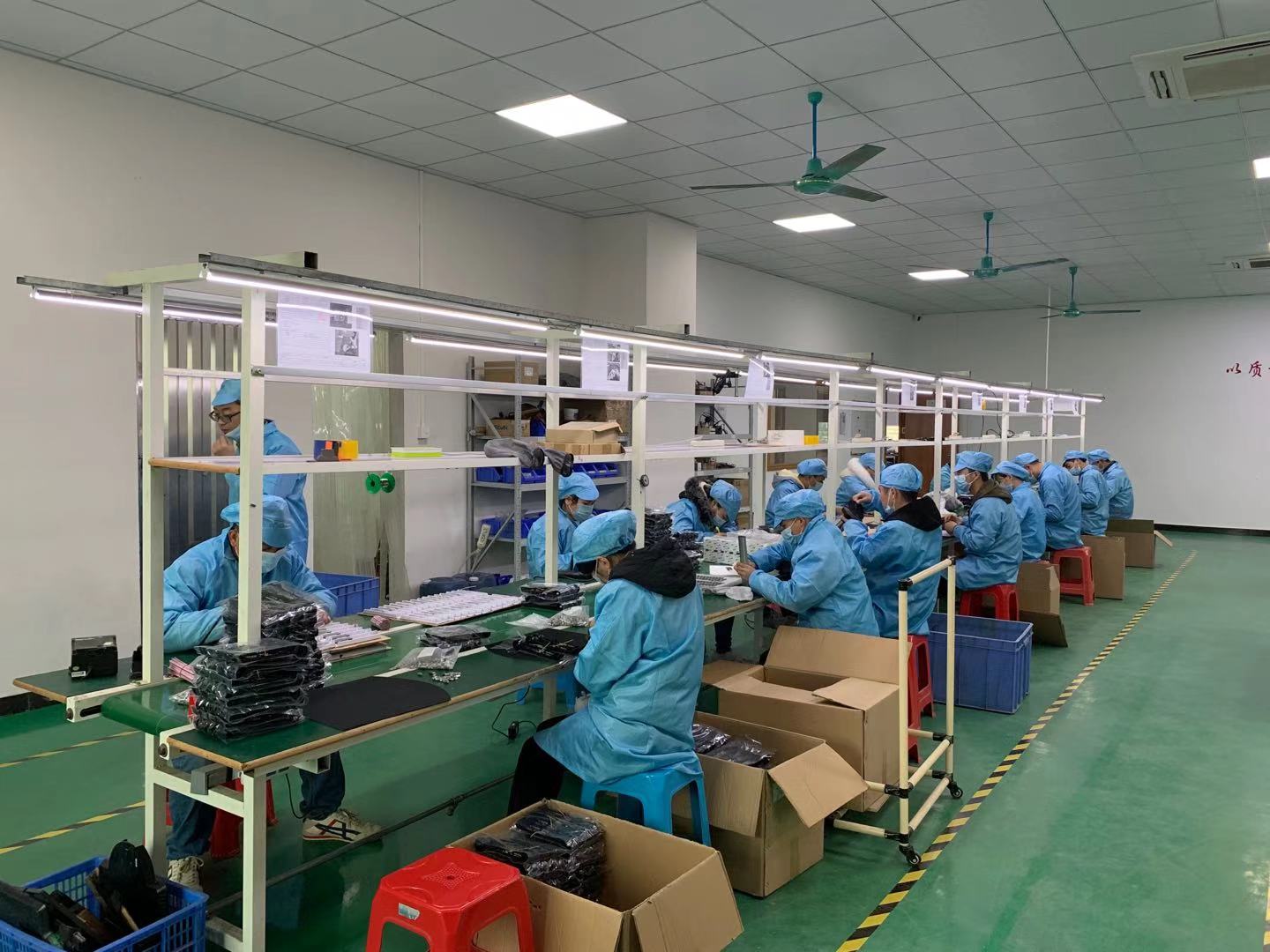
Why Quibow Belongs on a Serious Paper Scanner Shortlist
Guangzhou Quibow Electronic Co., Ltd. is a technology-driven supplier focused on image data acquisition and conversion. Its product scope includes high-speed document cameras, book scanners, A3/A2 large-format document scanners, flatbed scanners and ID card recognition cameras. The company works across CIS, CMOS and CCD imaging platforms and supports OEM/ODM projects for distributors, system integrators and end users.
For E-E-A-T evaluation, the useful evidence is practical: available product formats, customization depth, stock MOQ, response performance, export terms and after-sales support. Quibow states an average response time of one hour or less, a 100% message response rate, a 27% buyer reorder rate and onsite-checked supplier status on its trade profile. These claims should still be verified through current platform records before purchase.
- Company
- Guangzhou Quibow Electronic Co., Ltd.
- Location
- Guangzhou, Guangdong, China
- Established
- 2020
- Main Markets
- Eastern Europe, North & South America
- Payment
- T/T, L/C, PayPal, Western Union
- Delivery
- FOB, EXW, DDU
Imaging Platform Depth
CIS, CMOS and CCD experience allows the supplier to match the sensor to the document type instead of forcing one platform into every RFQ.
OEM/ODM Customization
Logo printing, packaging, housing colour, capture software branding and SDK integration can be discussed on selected models.
Low Stock MOQ
Most stock book scanners, A2 large-format scanners and flatbed scanners start from one piece or one set. Several document camera models start from two pieces.
Verifiable Trade Records
Supplier assessment, credit overview, ratings, trade capacity, transaction level and trade history can be checked on the platform before ordering.
Responsive After-Sales
Listed models carry a one-year warranty with remote technical support. Response-time indicators are useful for distributors that need fast escalation.
Export-Ready Terms
Payment in USD, EUR, HKD or CNY with T/T, L/C, PayPal and Western Union supports buyers across different regions and procurement systems.
A Four-Step Factory Validation Path Before You Order
Use the same sequence for any paper scanner manufacturer. It keeps technical fit, commercial risk and after-sales support in one decision frame.
Requirement Review
Confirm document size, binding type, daily volume, required dpi, OCR language, operating system and output format. This usually surfaces the correct sensor platform quickly.
Sample Scan Validation
Request sample images of a tight book gutter, a colour map, a faint invoice and a mixed-language page. Judge readability, colour and OCR performance, not just megapixels.
Customization and QC
Review logo, packaging, software branding, SDK documentation and inspection criteria. Confirm focus, lighting uniformity, driver installation and capture speed.
Shipping and Support
Finalise Incoterms, lead time, warranty terms and remote support route. Keep a record of model-specific compatibility claims before shipment.
Paper Scanner Manufacturer & Factory Procurement FAQ
Direct answers to the questions buyers ask before requesting a quotation.
What is the minimum order quantity for Quibow paper scanners and document cameras?
Most stock book scanners, A2 large-format scanners and flatbed scanners start from one piece or one set. Several document camera models start from two pieces. OEM/ODM quantities are confirmed per project and depend on customization scope.
Do you support OEM and ODM orders for paper scanner distributors?
Yes. OEM/ODM discussions can cover logo printing, packaging, housing colour, capture software branding and SDK integration on selected models. Buyers should confirm the exact model, target market certification needs and packaging artwork before the project begins.
Are the scanners compatible with Windows and macOS?
Many models, including A2 large-format scanners and the 1200 DPI A3 flatbed scanner, support Windows and macOS, and some are verified on Apple M1 Macs. Compatibility must be confirmed for each model before shipment because driver support and capture software differ across the catalogue.
Which resolution do I need to scan A3 or A2 documents at 300 dpi?
An A3 page at 300 dpi needs about 3508 × 4961 pixels, or roughly 17.4MP, so an 18MP or 24MP scanner is suitable. An A2 sheet at 300 dpi needs about 4961 × 7016 pixels, or roughly 34.8MP, so a 48MP A2 scanner is recommended for archival master files. A 21MP A2 model is better suited to on-screen reading or lower-dpi OCR workflows.
What payment and delivery terms are available?
Quibow accepts T/T, L/C, PayPal and Western Union in USD, EUR, HKD or CNY, with FOB, EXW and DDU delivery terms. Buyers should confirm final terms on the quotation and align them with their customs and logistics process.
What warranty do the products carry?
Listed models such as A3 flatbed scanners, A2 overhead scanners and the S2060W ADF scanner commonly carry a one-year warranty, backed by remote technical support. Warranty coverage should be stated on the order confirmation.
How can I compare paper scanner factories before ordering?
Compare five evidence sets: sample scans at your target dpi, model-specific OS compatibility, OCR and SDK capability, stock MOQ and lead time, and after-sales response terms. Add platform trade records and third-party supplier assessment where available. This produces a stronger decision than comparing price alone.
Which scanner is better for library books: overhead, flatbed or bookedge?
Overhead scanners are generally better for fragile bound books because they avoid pressing pages flat. Bookedge flatbed scanners are useful when controlled lighting and high optical resolution are needed without spine shadow. A2 overhead scanners are preferred for newspapers and large-format archives, while A3 models fit most books and office records.
Planning a Library, Archive, Classroom or Reseller Rollout?
Share your document size, daily volume, binding condition and target resolution. The supplier can recommend the right overhead book scanner, A2 large-format scanner, flatbed scanner or document camera — and send sample scans before you commit.
Useful RFQ details: page size, 200/300/600 dpi target, OCR language, Windows or macOS, USB/Wi-Fi/HDMI requirement, estimated order quantity and warranty expectation.