8 High-Speed Scanner Models That Support a Serious Top 10 Supplier Shortlist
The phrase “Top 10 High Speed Document Scanner Factories & Suppliers” should not be copied from a directory. It should be tested against a portfolio. The eight products below are reference points for an RFQ because they cover A2 archival capture, A3 book scanning, zero-margin flatbed digitization, high-volume dual-camera scanning and classroom-ready document cameras.
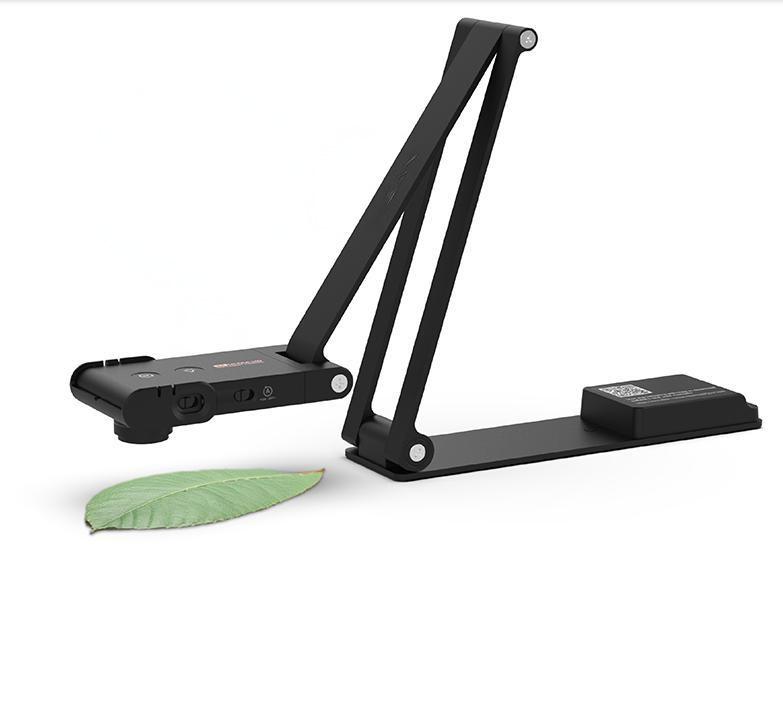
4K 2-in-1 USB 13MP Document Camera Visualizer AI Noise Cancellation 20X Macro Lens Foldable Design Microphone A3 Max 1-Year
- 20X macro lens and foldable design
- Built-in microphone for live training
- A3 maximum capture area
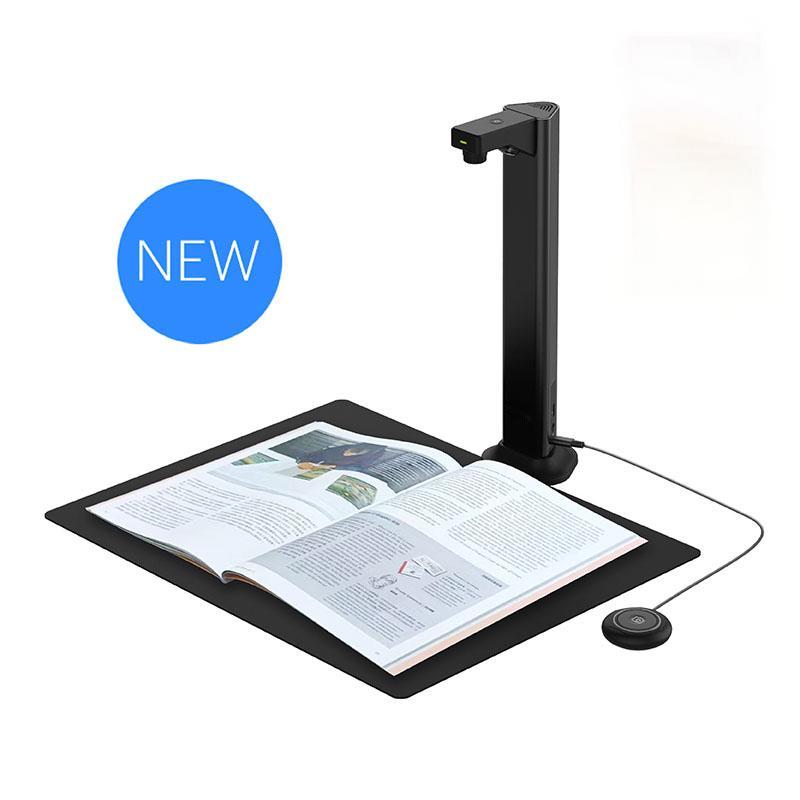
A3 18MP USB Aluminum Document Scanner with UVC Camera 1s Scan Speed OCR & Text to Speech Features-in Stock
- UVC camera with OCR output
- Text-to-speech accessibility feature
- In-stock model for faster sourcing
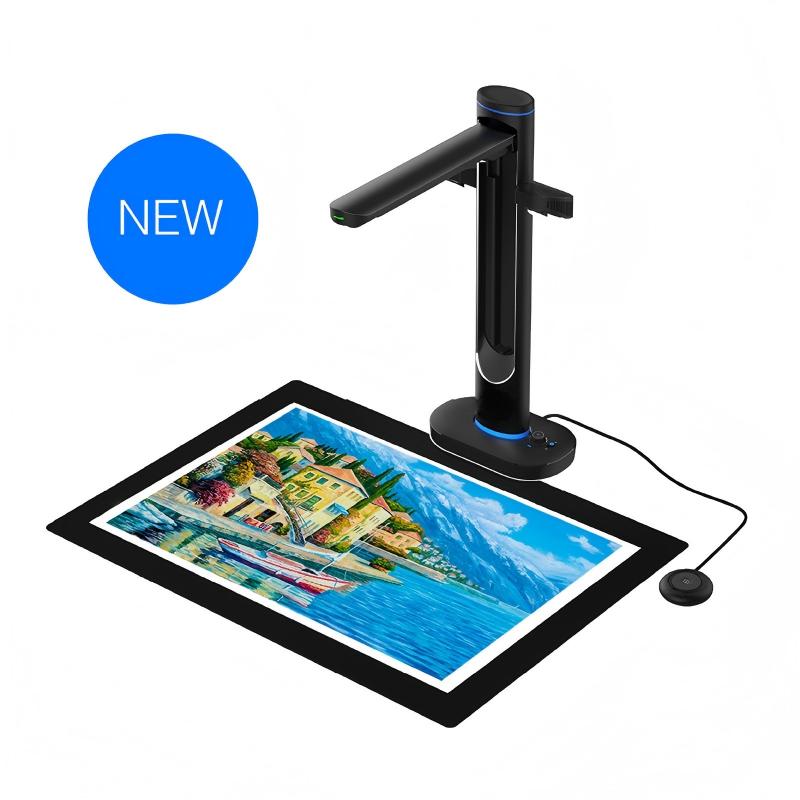
A2 Large Format Book Scanner Dual 48MP CMOS Sensors High-Speed Desktop Overhead Scanner for Windows & MacOS
- Dual 48MP CMOS imaging platform
- A2 desktop overhead capture
- Windows and macOS workflow support
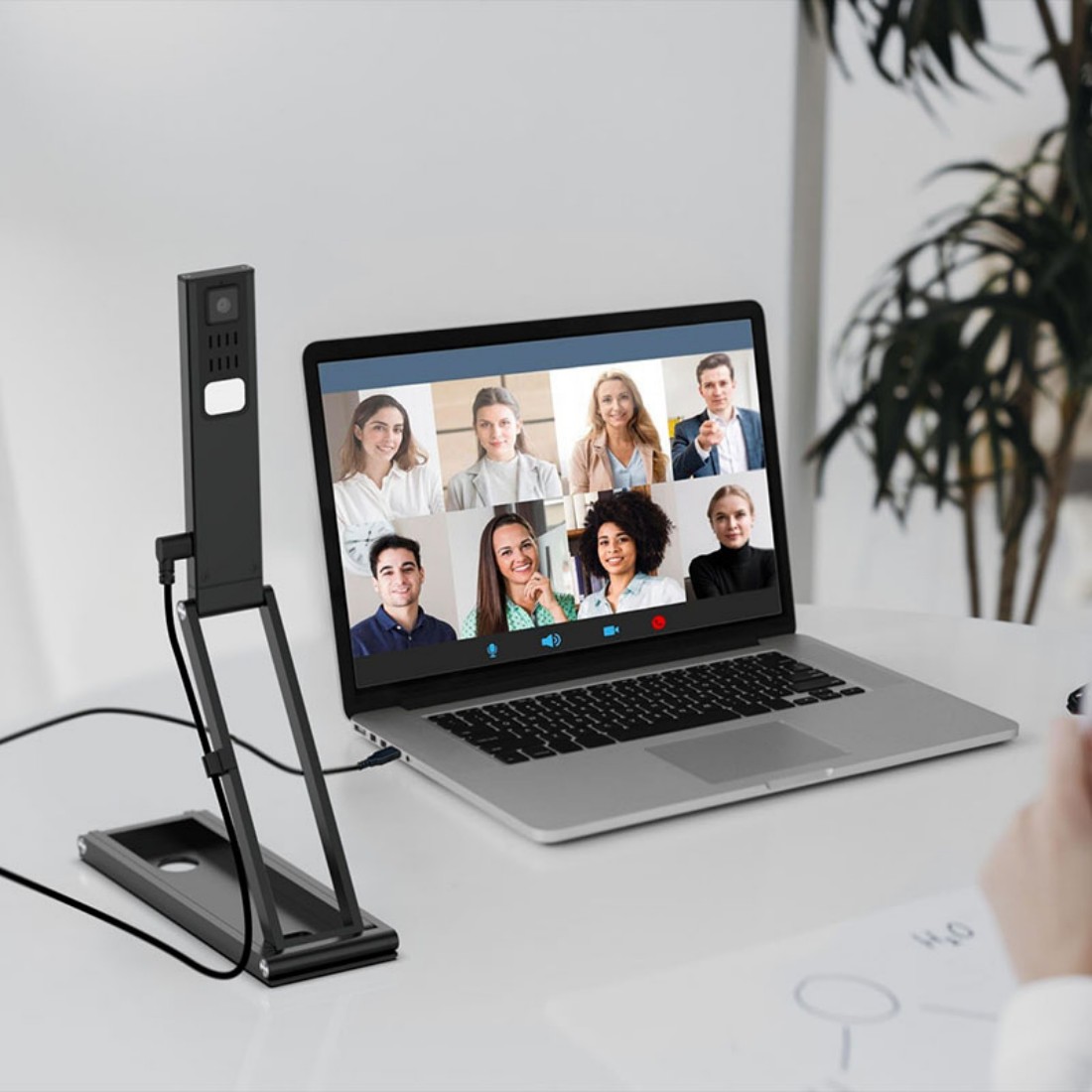
A3 4K Visual Presenter Document Camera with USB Interface for School Training Teaching Meetings Featuring Webcam Function
- 4K visual presenter for classrooms
- USB interface with webcam function
- Training, teaching and meeting use
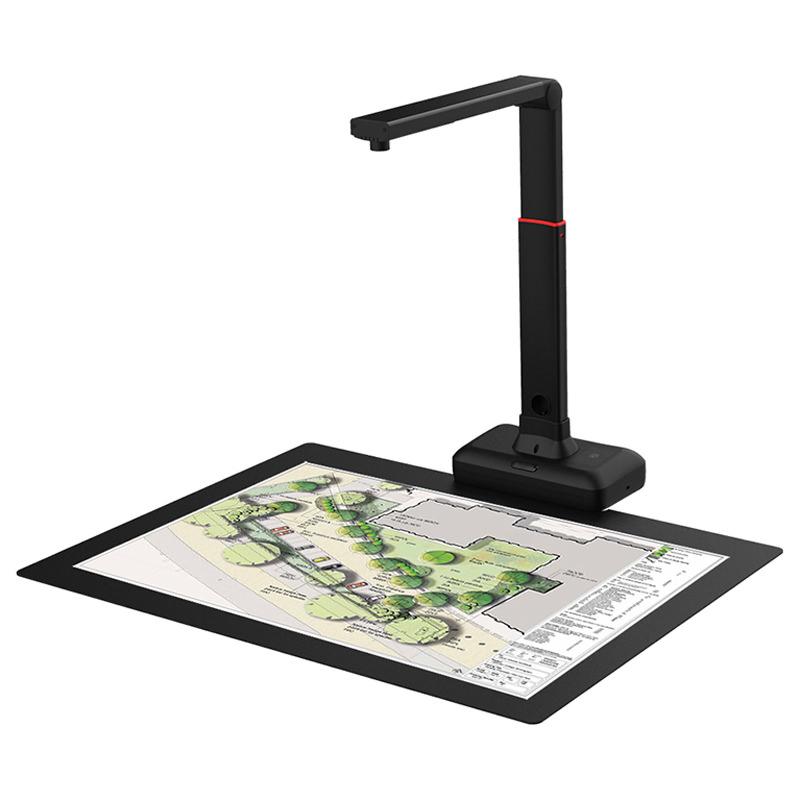
A2 Large Format Overhead Document Scanner 21MP USB Aluminum Text-to-Speech 1-Year Warranty in Stock
- 21MP overhead capture for A2 documents
- Aluminum body and USB connectivity
- Text-to-speech and 1-year warranty
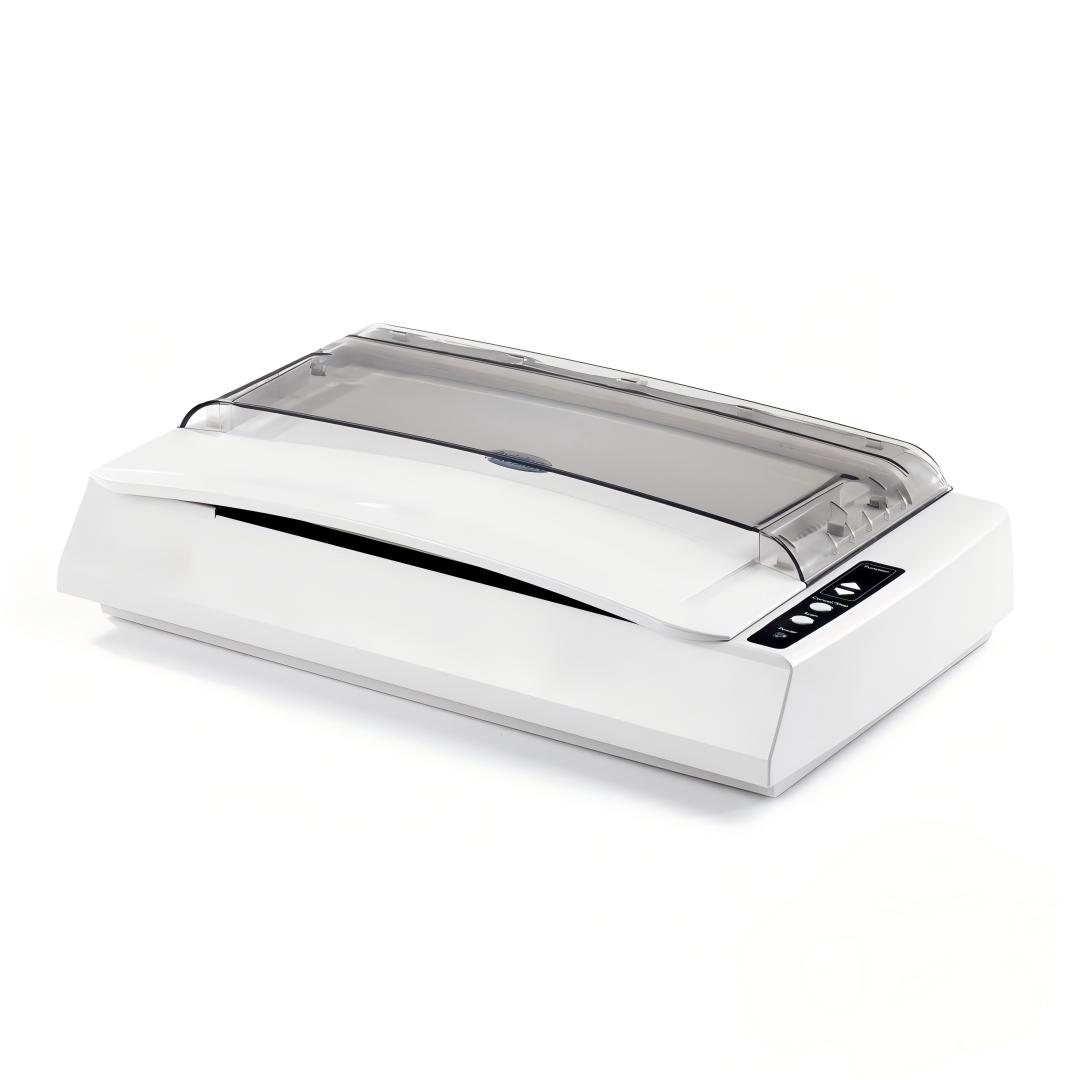
CCD Zero Margin Bookedge Flatbed Scanner A4 600dpi USB Bound Book Scanning No Spine Shadow Library Archive Digitization
- Zero-margin bookedge design
- Reduces spine shadow on bound books
- Library and archive digitization
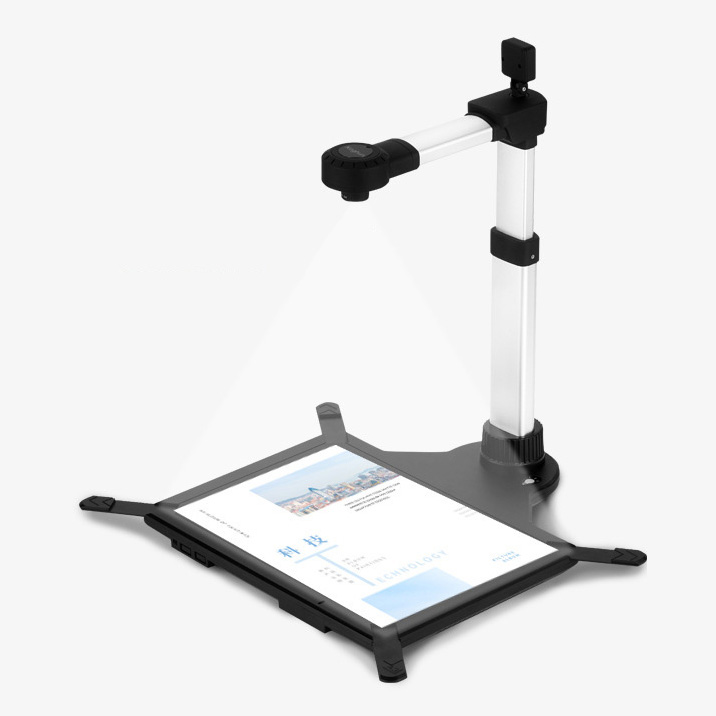
HD Dual Camera 16MP + 2MP Pixels Multifunction Stretchable Smart USB 60 Pages/Min A3/A4 Document Scanner 360 Rotation 180
- 16MP + 2MP dual-camera configuration
- Up to 60 pages per minute
- 360° rotation for flexible capture
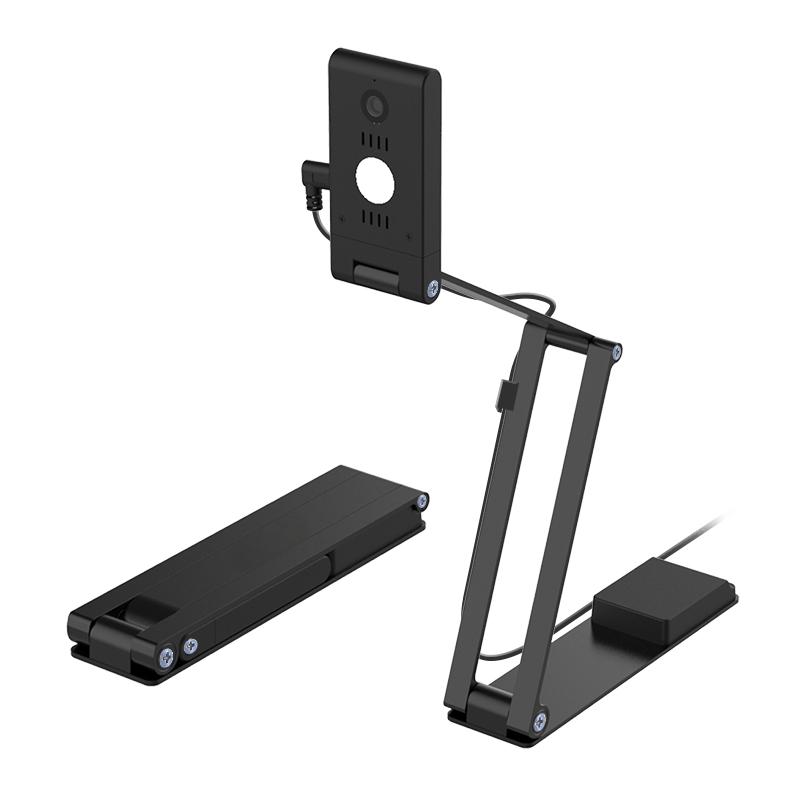
Value Priced 2-in-1 USB Digital Document Camera Visualizer A3 with 5MP 1/4" CMOS Sensor 10x Zoom 1-Year Warranty
- 5MP 1/4" CMOS sensor
- 10x zoom for A3 visual presentations
- Value-oriented 1-year warranty model
What Separates a Top 10 High-Speed Document Scanner Factory from a Catalog Seller?
The strongest suppliers make procurement predictable. They publish real specifications, explain sensor tradeoffs, support sample validation and document how customization will be controlled before mass production.
True Optical Resolution
Ask for pixels per page, not only megapixels. A 21MP sensor across A2 may be acceptable for OCR but not for a 300 dpi archival master. A 48MP platform is the safer A2 specification when tender documents demand high-resolution output.
Workflow Speed, Not Just Capture Speed
A one-second scan is only the first step. Test page detection, curve flattening, deskew, OCR queue time, file naming and export. High-speed document scanner suppliers should measure the complete scanning cycle, not a single camera trigger.
Software, OCR and SDK Depth
For system integrators, the software layer can matter more than hardware. Confirm Windows and macOS support, M1 compatibility where relevant, OCR languages, searchable PDF output, text-to-speech and SDK access for custom applications.
OEM/ODM Control
A genuine OEM/ODM partner can manage logo printing, packaging, housing color, software branding and selected SDK integration. Ask for a written customization matrix that shows which changes affect MOQ, testing and delivery.
Quality, Warranty and Responsiveness
Verify warranty terms, remote technical support, inspection records and response-time metrics. A supplier that answers in under one hour and maintains a high message response rate reduces project risk before and after the purchase order.
Total Cost and Supply Resilience
Compare scanner price, freight, duties, spare-unit strategy, software integration and warranty administration. For repeat buyers, a 27% reorder rate is a more useful signal than a single low quotation because it reflects real-world satisfaction.
The Resolution Calculation That Should Happen Before Any Price Negotiation
High-speed document scanner procurement often begins with a megapixel number, but the correct starting point is document size and target dpi. Resolution determines OCR accuracy, archive quality, file size and the true sensor class required.
For a 300 dpi master file, an A3 page needs about 3508 × 4961 pixels, or roughly 17.4MP. An A2 sheet at the same standard needs about 4961 × 7016 pixels, or roughly 34.8MP. This is why a 48MP A2 platform is often specified for archival masters, while 18MP to 24MP is usually sufficient for A3 documents.
There is also a workflow distinction between “fast” and “high speed.” A scanner that captures in one second can still be slow if the operator must manually correct page edges, remove fingers, deskew text and wait for OCR to finish. Test the complete path with the exact book, newspaper, form or ID card that your team will scan.
| Document Size | Pixels at 300 dpi | Practical Sensor Class | Procurement Guidance |
|---|---|---|---|
| A4 210 × 297 mm | 2480 × 3508 ≈ 8.7MP | 10MP or higher | Good for office forms, ID capture and classroom visuals; choose higher resolution for photos. |
| A3 297 × 420 mm | 3508 × 4961 ≈ 17.4MP | 18MP–24MP | Sufficient for books, contracts and teaching materials; 24MP provides more headroom. |
| A2 420 × 594 mm | 4961 × 7016 ≈ 34.8MP | 48MP for ≈300 dpi+ | Required for newspapers, maps and archival masters when 300 dpi is mandatory. |
| Photos and art | 600–2400 dpi optical | CCD or high-resolution flatbed | Use a flatbed platform when controlled lighting and fine detail matter more than overhead speed. |
Which High-Speed Scanner Fits Your Actual Procurement Brief?
A top supplier shortlist should connect each model to a job. The eight-product portfolio above maps cleanly to four common purchase scenarios, which helps buyers avoid over-specification and reduces the risk of a costly mismatch.
Library, Archive and Newspaper Digitization
Specify the dual 48MP A2 book scanner, the 21MP A2 overhead scanner or the CCD zero-margin flatbed. Use A2 for broadsheets and maps; use CCD bookedge scanning when spine shadow and fragile bindings are the primary concern.
School, Training and Hybrid Meetings
Choose the 4K visual presenter or the 13MP 2-in-1 document camera for live demonstration, annotation, webcam use and recording. For value-focused classroom rollouts, the 5MP A3 visualizer provides a lower-cost entry point.
Enterprise Office and Service Counters
The 18MP A3 OCR scanner and the 16MP + 2MP dual-camera scanner support fast document capture, text-to-speech, form digitization and front-desk ID workflows. OCR and SDK capability should be confirmed against your software stack.
OEM/ODM and Software Integration
For distributors and integrators, prioritize models with documented SDK access, branding flexibility and stable supply. The 4K visualizer, A3 OCR scanner and A2 scanner families offer a practical base for customized education, archive or counter-service solutions.
How High-Speed Document Scanner Procurement Will Change Through 2030
Buyers are shifting from single-product purchases toward verifiable outcomes: faster digital access, lower handling risk, searchable archives and software integration that survives beyond the first deployment.
Outcome-Based Tenders
Procurement teams will specify scan quality, OCR accuracy, daily throughput and support response times instead of only camera specifications. Suppliers that can document a complete workflow will win more archive and government projects.
AI-Assisted Capture
Automatic page detection, curve flattening, finger removal, noise cancellation and deskew will become standard expectations. The buyer’s question will move from “How many megapixels?” to “How few operator corrections are needed?”
Security and On-Premise Workflows
Libraries, banks and public agencies will ask where images are processed and how OCR data is handled. Local capture software, SDK control and clear data-routing documentation will become procurement requirements rather than optional features.
Fleet Standardization and TCO
Distributors and multi-site enterprises will standardize on fewer platforms to simplify training, spare parts and software rollout. Total cost of ownership, warranty administration and repeat-order satisfaction will outweigh a one-time unit price.
Where Document Scanner Hardware and Software Are Heading Next
The next generation of high-speed document scanners will combine larger sensors, smarter capture software and more flexible integration. These trends are already visible in overhead book scanners, A2 archival systems and 4K visual presenters.
Dual 48MP CMOS for A2
Dual-sensor A2 scanning is becoming the preferred architecture for newspapers, maps and archival masters. It provides more pixel coverage and helps suppliers meet 300 dpi-class requirements without forcing fragile originals through a sheet-fed path.
Smarter Overhead Workflows
CMOS area sensors are being paired with automatic flattening, page splitting and edge detection. The goal is simple: scan bound books and stacks of loose pages with fewer manual corrections and more consistent output.
OCR, Searchable PDF and Accessibility
Text-to-speech, multilingual OCR and searchable PDF export are moving from premium options to expected features. This is especially relevant for libraries, schools and public-sector accessibility programs.
Modular I/O and SDK Integration
USB, HDMI, VGA, 4K output, webcam modes and SDK access make one hardware platform usable across classrooms, counters and archival stations. Modular I/O reduces customization cost for OEM/ODM buyers.


Guangzhou Quibow Electronic Co., Ltd.: Verifiable Supplier Depth for Document Imaging Projects
Quibow is a technology-driven supplier focused on image data acquisition and conversion. The company develops and supplies photoelectric information equipment, including high-speed document cameras, overhead book scanners, A3/A2 large-format document scanners, flatbed scanners and ID card recognition cameras.
The product portfolio is built across CIS, CMOS and CCD imaging platforms, using image-sensor data from our product database and content classification. Quibow supports OEM/ODM projects covering logo printing, packaging, housing color, capture software branding and SDK integration on selected models.
- Business type: trading company, onsite checked
- Location: Guangzhou, Guangdong, China
- Year established: 2020
- Main markets: Eastern Europe, North America, South America
- Annual revenue: US$1M – US$2.5M
- Team: 5–10 dedicated specialists
- MOQ: 1 piece for many scanners; 2 pieces for several document cameras
- Warranty: 1-year warranty on listed models with remote technical support
A Five-Step Checklist for Vetting High-Speed Document Scanner Suppliers
A supplier shortlist is only useful if it becomes a repeatable evaluation process. Use the same brief, sample set and acceptance criteria for every candidate so that price comparisons remain meaningful.
Define the Brief
List document sizes, daily volume, binding type, target dpi, OCR languages, operating system, output format and security constraints.
Test Real Samples
Ask for scans of curled pages, low-contrast text, book gutters, newspapers and ID cards. Compare readability, color, speed and operator effort.
Validate Software
Confirm driver installation, OCR output, searchable PDF, text-to-speech, SDK access and compatibility with the target Windows or macOS environment.
Scope Customization
Document logo, packaging, housing color, software branding and SDK changes. Confirm which items change MOQ, testing requirements or delivery schedule.
Agree Acceptance Terms
Write warranty, packing standard, remote support, spare-unit plan and response expectations into the purchase order before production begins.
Payment Methods
T/T, L/C, PayPal and Western Union are supported for international B2B orders.
Payment Currencies
USD, EUR, HKD and CNY help distributors and project buyers transact with less friction.
Delivery Terms
FOB, EXW and DDU terms can be discussed against destination, order volume and project schedule.
High-Speed Document Scanner Supplier FAQ
These are the questions B2B buyers ask most often when comparing high-speed document scanner factories, OEM/ODM suppliers and document camera manufacturers.
What is the minimum order quantity for these scanners?
Most stock book scanners, A2 large-format scanners and flatbed scanners start from 1 piece or 1 set. Several document camera models start from 2 pieces. OEM/ODM quantities are confirmed per project because customization scope can affect MOQ.
Do you support OEM and ODM orders?
Yes. Quibow supports OEM/ODM projects including logo printing, packaging, housing color, capture software branding and SDK integration on selected models. Buyers should provide target market, branding assets and software requirements at the RFQ stage.
Are the scanners compatible with Windows and macOS?
Many models, including A2 large-format scanners and the 1200 DPI A3 flatbed scanner, support Windows and macOS, and some are verified on Apple M1 Macs. Compatibility should be confirmed for each model and software version before shipment.
Which resolution do I need for A3 or A2 scanning at 300 dpi?
An A3 page at 300 dpi needs about 3508 × 4961 pixels, or roughly 17.4MP, so 18MP or 24MP models are practical. An A2 sheet at 300 dpi needs about 4961 × 7016 pixels, or roughly 34.8MP, so a 48MP A2 scanner is recommended for archival masters.
How should buyers compare claimed scanning speed?
Test the full workflow: page placement, page detection, curve flattening, deskew, OCR, naming and export. A scanner with a fast camera trigger may still be slower in daily operation if the operator must correct images manually.
What payment and delivery terms are available?
Quibow accepts T/T, L/C, PayPal and Western Union in USD, EUR, HKD or CNY, with FOB, EXW and DDU delivery terms. Final terms should be confirmed against order value, destination and production scope.
What warranty is available?
Listed models such as the A3 flatbed scanners, A2 overhead scanners and the S2060W ADF scanner come with a 1-year warranty, backed by remote technical support. Buyers should confirm warranty administration and return procedures in the purchase order.
Can we request sample scans before placing an order?
Yes. During model matching, buyers can request sample scans of target documents so that OCR quality, resolution and correction performance can be reviewed before a commercial order is placed. Sample scans are especially important for tender packages.
Build Your High-Speed Scanner Shortlist With Quibow
Share your document sizes, daily volume, operating system, target resolution and OEM/ODM requirements. Our team can match the right overhead scanner, A3/A2 document scanner, flatbed scanner or 4K document camera to your project and provide the catalog for further comparison.
Get CatalogUseful details for a faster quotation: page size, daily scan count, binding type, OCR language, output format, destination country and expected order quantity.