8 Document Digitization Products from a Guangzhou Factory Reference
The list below addresses the four most common capture jobs: bound-book overhead scanning, large-format A2 and newspaper archive work, high-speed A3/A4 document capture, and classroom or office visual presentation. Every product URL is preserved so procurement teams can verify specifications, stock status, warranty and sample-scan requirements before contacting the factory.
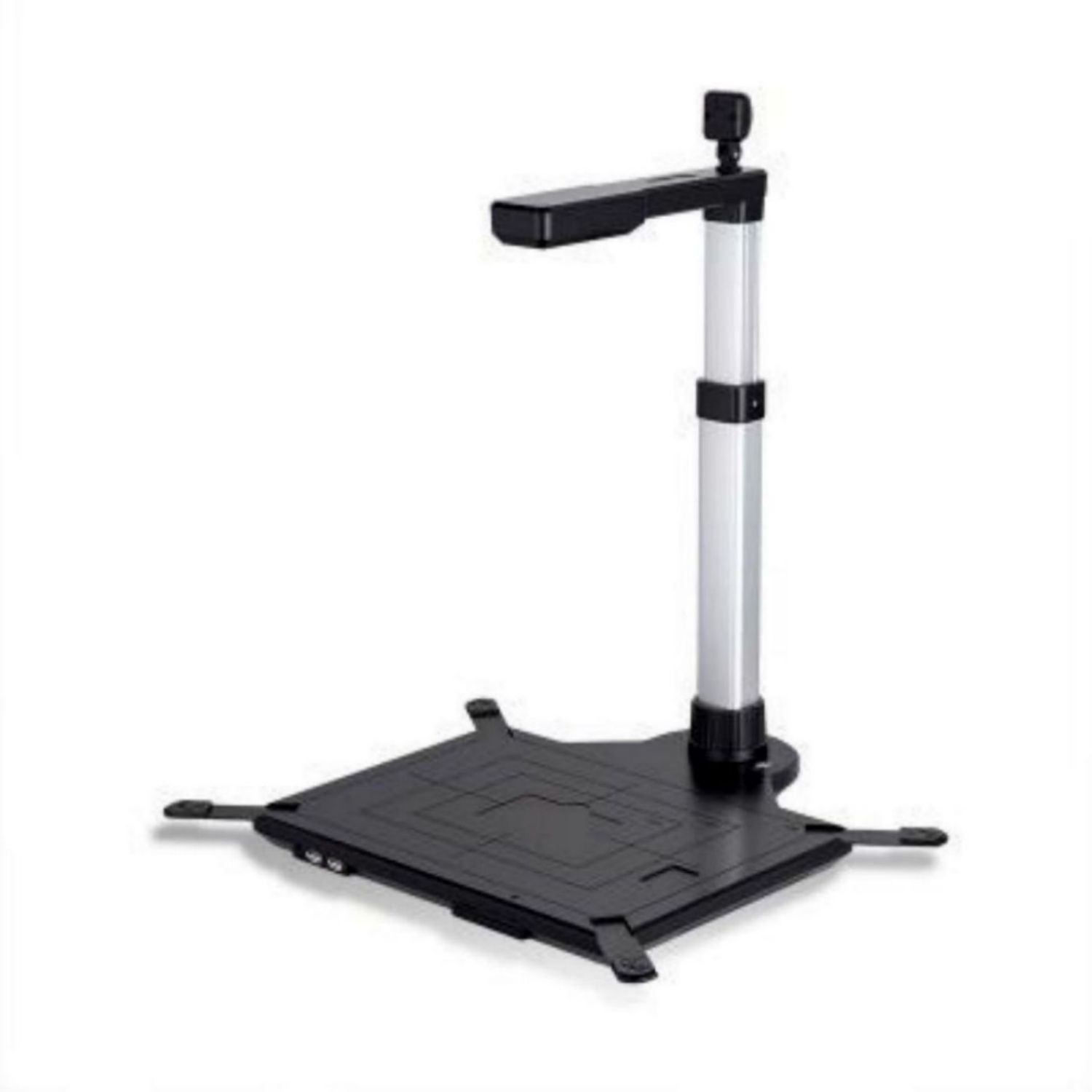
Professional USB Dual Camera Scanner for A3 Documents Supports OCR PDF Multi-Languages High-Speed 1-Second Scan 360-Degree
- One-second capture with 360-degree format flexibility
- OCR to multi-language PDF for searchable archives
- USB deployment for counters, libraries and training rooms
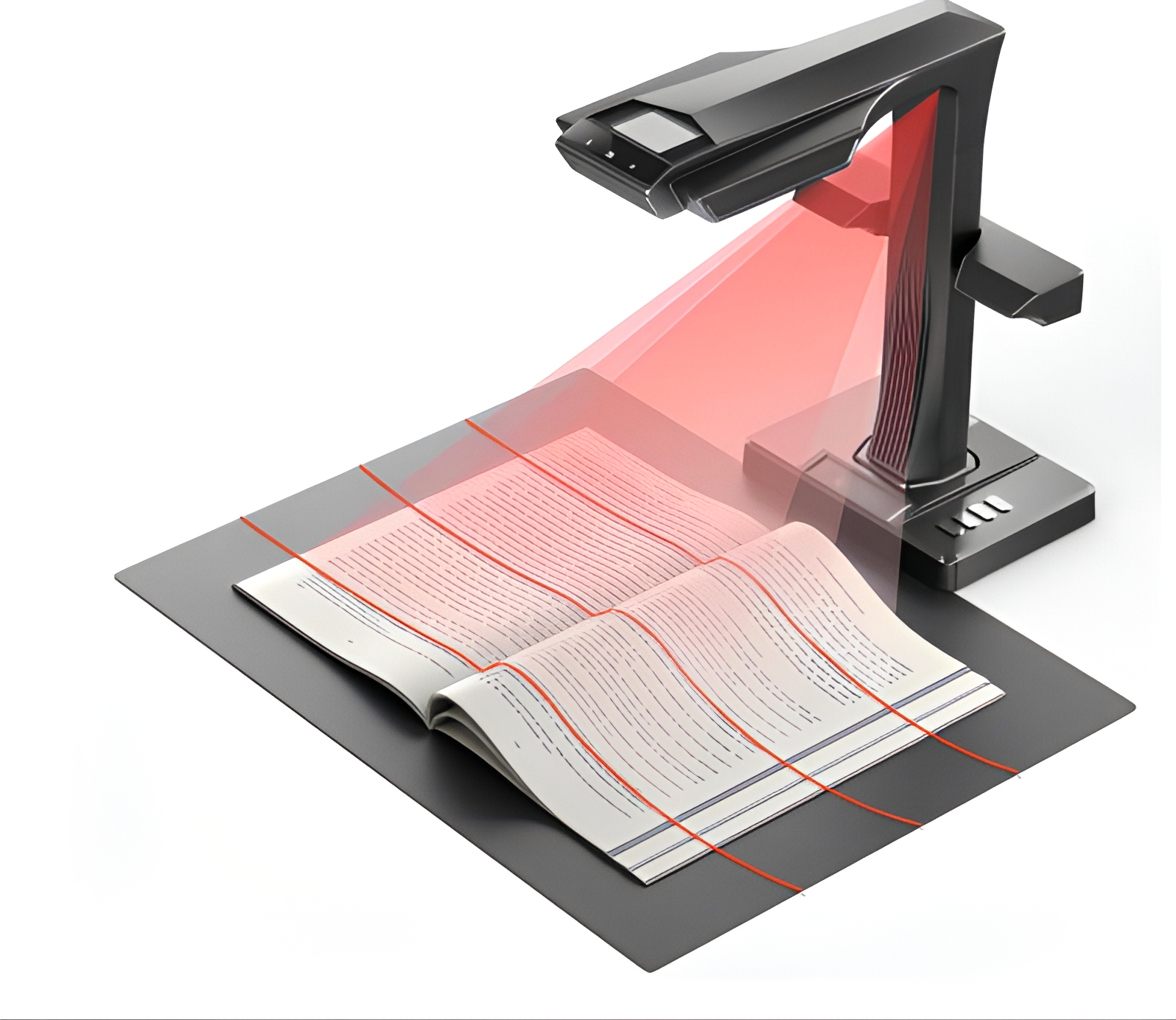
Book Scanner 38MP A3 Document Camera Auto Curve Flattening High Speed Overhead Scanner for Library Office
- 38MP overhead capture for A3 bound books and records
- Auto curve flattening reduces spine distortion
- Library, office and archive digitization workflows
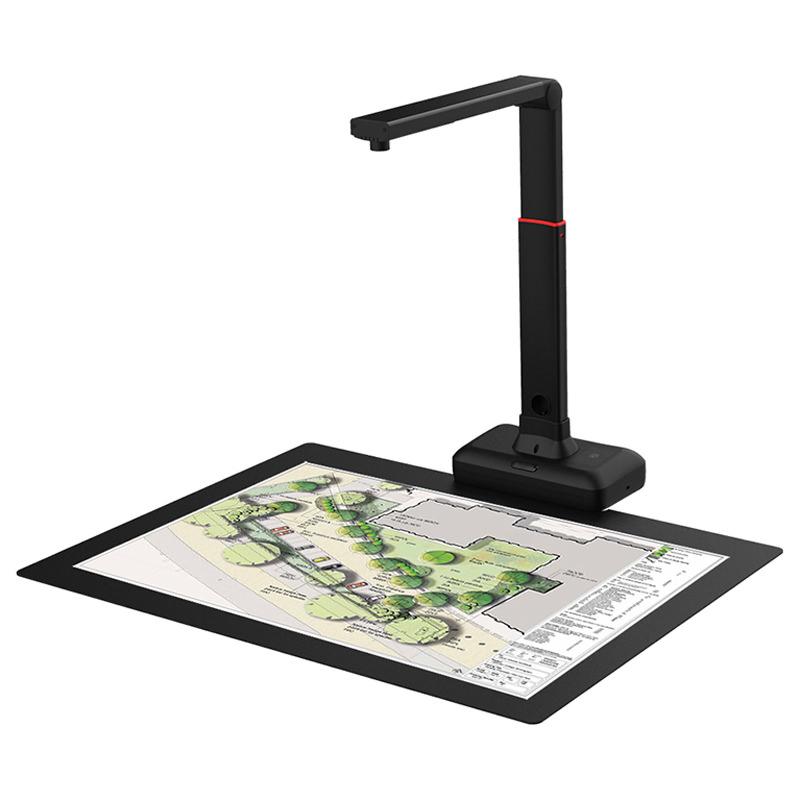
A2 Large Format Overhead Document Scanner 21MP USB Aluminum Text-to-Speech 1-Year Warranty in Stock
- A2 large-format overhead capture for maps and newspapers
- Aluminum body, USB interface and text-to-speech support
- 1-year warranty on a stock production model
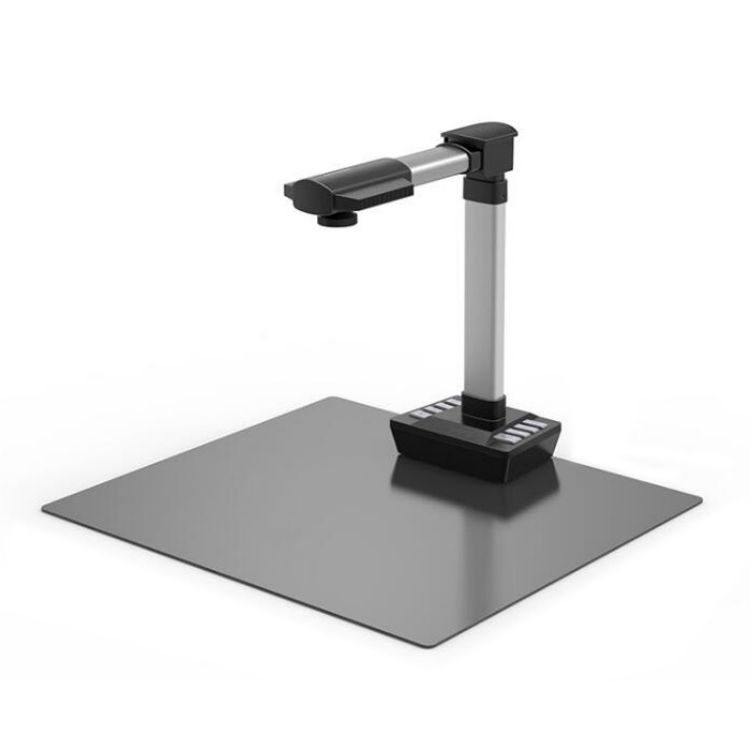
20MP OCR Aluminum Digital Visualizer Camera Classroom Office Training A3 Document Scanner USB Interface SDK Stock Black 1-Year
- 20MP A3 visualizer with OCR and SDK integration options
- Suitable for classroom demonstration and office training
- Aluminum housing, USB interface and 1-year warranty
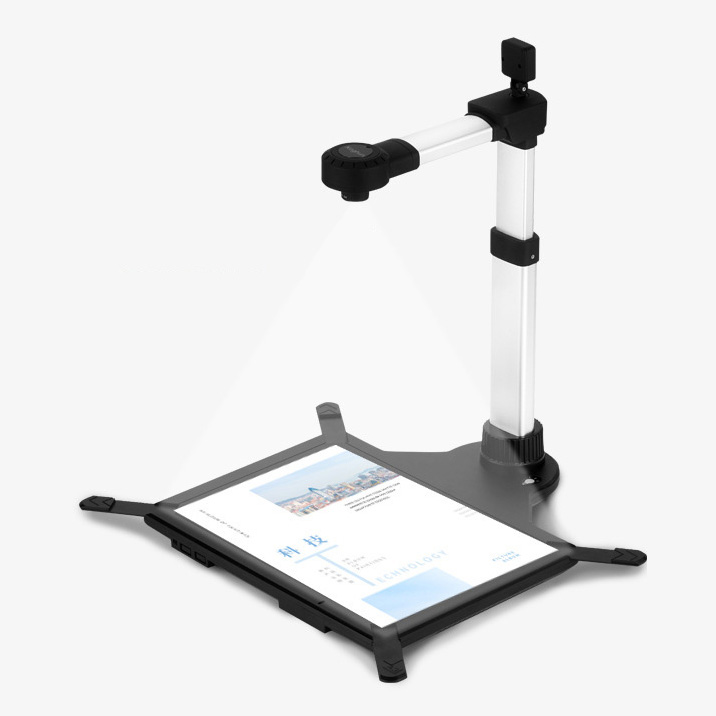
HD Dual Camera 16MP + 2MP Pixels Multifunction Stretchable Smart USB 60 Pages/Min A3/A4 Document Scanner 360 Rotation 180
- Dual-camera A3/A4 capture with 60 pages per minute
- 360-degree rotation and 180-degree flexible positioning
- Smart USB operation for high-volume service counters
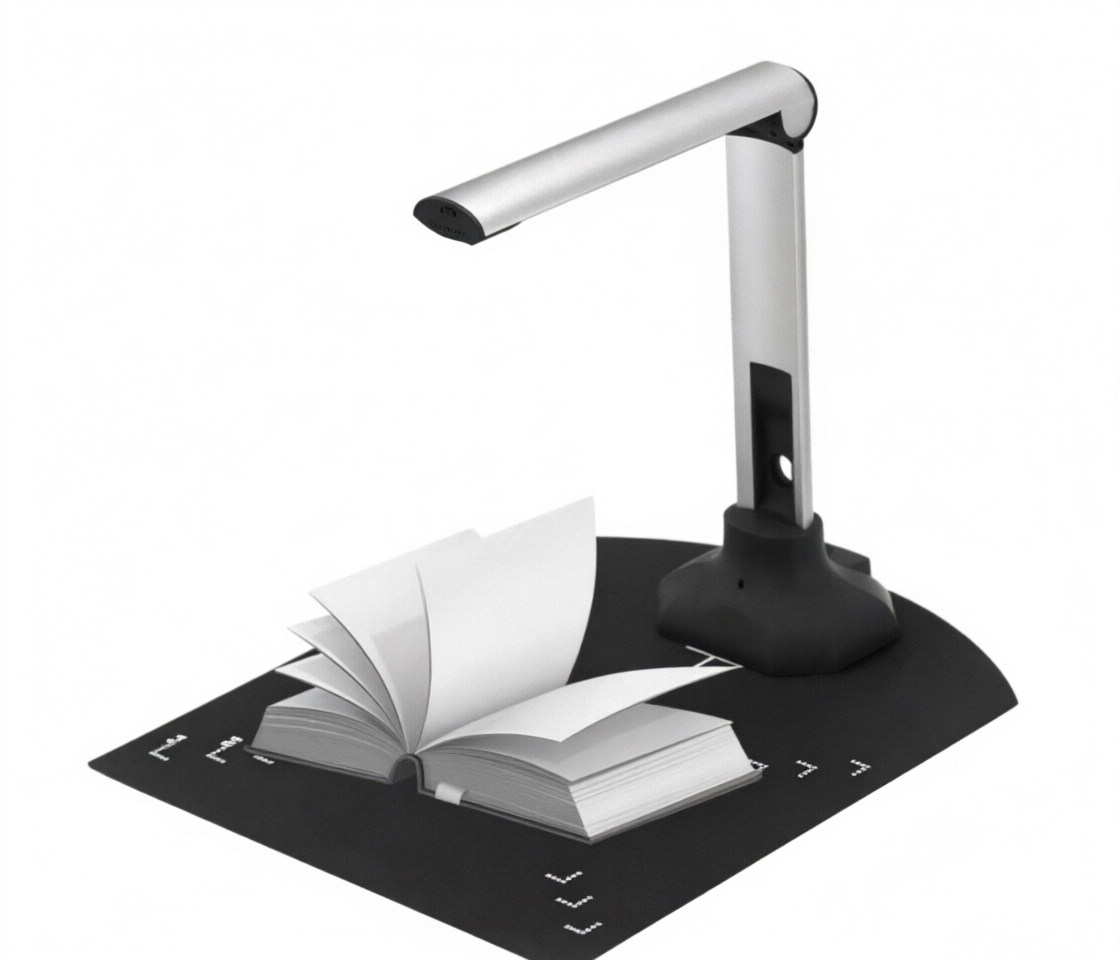
USB Document Camera Scanner 10MP CMOS Visualizer A4 Scanner for Office Education
- 10MP CMOS sensor for A4 documents and objects
- Compact USB visualizer for office and education use
- Live presentation and still-image capture in one device
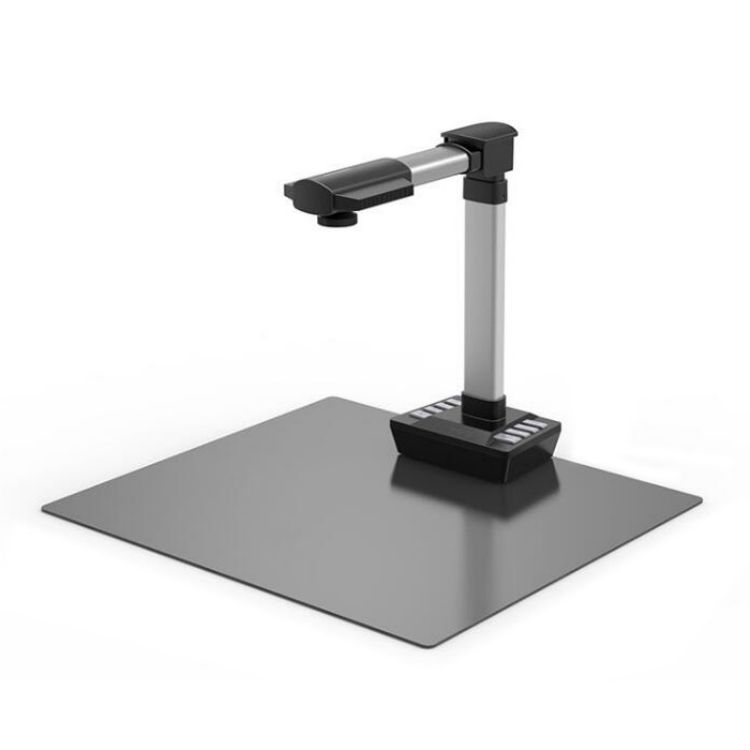
High Resolution Portable A3 Library Book Scanner with Foot Controller USB Interface Automatic Document Scanner Stock Product
- Portable A3 book scanning for library and field projects
- Foot controller enables hands-free page capture
- USB interface and ready-stock supply for pilot programs
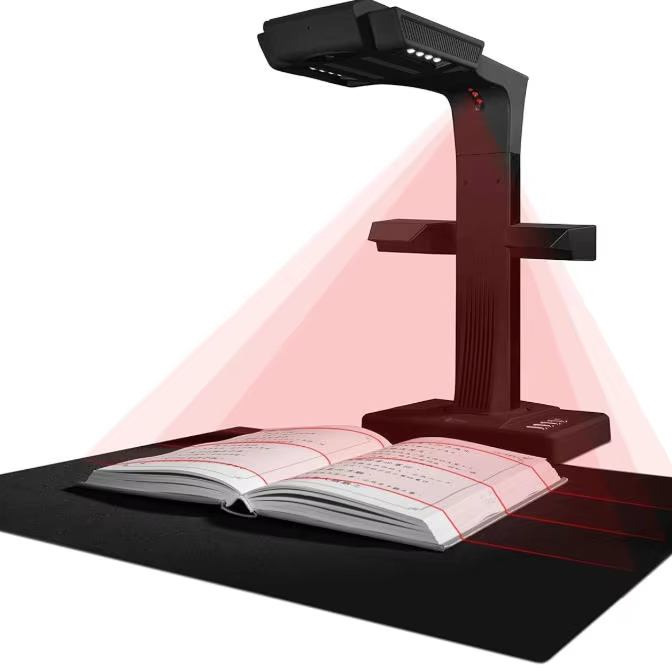
18MP A3 Book Scanner Overhead Document Camera Auto Curve Flattening OCR 180+ HDMI Visual Presenter for Office Library
- 18MP overhead A3 capture with auto curve flattening
- OCR and 180+ visual presenter features for training
- HDMI output for live display, office and library use
Source: public supplier profile and catalogue data for Guangzhou Quibow Electronic Co., Ltd. Buyers should re-check platform-reported metrics, stock status and terms before contract award.
A Top-10 List Is Only Useful When It Survives a Tender Review
The search query “Top 10 Document Digitization Equipment Manufacturers & Factory” usually comes from a buyer who has already decided that manual scanning is too slow, too expensive or too risky for fragile books and public records. The real decision is not which company name appears first in a directory. It is which factory can prove format coverage, image quality, software integration, OEM flexibility and after-sales response under the buyer’s own document mix.
This whitepaper therefore converts list intent into a ten-point manufacturer scorecard. It uses the Quibow product catalogue as a working reference because every machine above is tied to a live product URL, published specifications and a traceable supplier profile. Buyers can compare other factories with the same scorecard rather than relying on marketing claims.
Information gain in this guide comes from resolution math, book-handling criteria, verification questions and total-cost-of-ownership checks. A factory that can answer these points in writing is usually easier to audit than a supplier that only sends a price list.
- Confirm the sensor platform before comparing megapixels.
- Match page size to pixels at 300 dpi, not to advertised “HD” labels.
- Test auto-flattening, OCR and file export with your own books.
- Request OEM/ODM terms, SDK documentation and warranty policy.
- Verify onsite checks, trade records and buyer feedback independently.
What to ask every candidate factory
1. Capture evidence: ask for a raw scan of your exact document size, not a compressed marketing image.
2. Resolution proof: request the pixel count and calculated dpi across the full platen or overhead capture area.
3. Software reality: confirm whether OCR, PDF export, Windows, macOS and SDK access are included or optional.
4. Commercial clarity: obtain MOQ, sample cost, packaging, warranty, payment and delivery terms in writing.
5. Verification path: check supplier assessment, credit history, trade capacity and buyer reviews before a deposit.
How to Build a Defensible Top-10 Manufacturer Shortlist
A static directory of ten company names ages quickly and often rewards visibility rather than capability. The more reliable approach is to score every candidate factory against the same ten evidence points and then shortlist the suppliers that survive sample testing.
| # | Manufacturer criterion | Evidence to request | Quibow reference point |
|---|---|---|---|
| 01 | Imaging platform coverage | Which products use CIS, CMOS or CCD, and why that sensor fits the document type. | Product solutions are designed across CIS, CMOS and CCD platforms. |
| 02 | Format range | Evidence of A4, A3 and A2 capture, including book, loose-sheet and oversize originals. | The featured range includes A3 book scanners, A2 overhead scanners and A4 visualizers. |
| 03 | Resolution versus page size | Calculated dpi at full page width, not just sensor megapixels. | 18MP–48MP models address A3 and A2 archival requirements. |
| 04 | Non-contact book handling | Sample scans showing auto curve flattening, deskew, finger removal and page-edge correction. | Auto curve flattening and overhead capture appear across the book-scanner range. |
| 05 | OCR and accessibility | Multi-language OCR, searchable PDF, export formats and text-to-speech features. | OCR PDF and text-to-speech options are listed on relevant scanner models. |
| 06 | SDK and software integration | Driver support, SDK availability, operating-system compatibility and software branding options. | OEM/ODM support includes software branding and SDK integration on selected models. |
| 07 | OEM/ODM flexibility | Minimum quantities for logo, packaging, housing colour and bundled software changes. | Logo printing, packaging, housing colour and capture-software branding are supported. |
| 08 | Third-party verification | Supplier assessment, credit overview, trade capacity and buyer review records. | Public supplier profile is described as onsite checked in Guangzhou. |
| 09 | Commercial terms | MOQ, sample policy, warranty, payment currency, delivery terms and lead time. | Stock scanners commonly start from 1 piece or 1 set; several cameras start from 2 pieces. |
| 10 | After-sales response | Written escalation path, remote support scope and spare-parts process. | Listed models carry a 1-year warranty with remote technical support. |
What Document Digitization Buyers Will Demand Next
Procurement is shifting from “buying a scanner” to “buying a repeatable capture process.” The next tender cycle will reward factories that can document image quality, software workflow and long-term support, not only hardware specifications.
Total capture cost replaces sticker price
Buyers are calculating cost per usable page, including operator time, rework, OCR accuracy, maintenance and software licensing. A slightly higher-priced scanner that captures a clean page in one pass can be cheaper than a low-cost device that requires manual correction.
300 dpi archival masters become normal
Library and archive programs increasingly request 300 dpi masters plus searchable PDF derivatives. This raises the minimum sensor requirement for A3 and especially A2 originals, where a 21MP camera may be insufficient for full-page 300 dpi capture.
A2 and oversize formats grow
Newspapers, maps, engineering drawings and large registers are moving into digital preservation budgets. A factory that only offers A4 or A3 devices will increasingly lose tenders that require one-shot A2 capture.
Non-destructive scanning protects collections
Overhead and bookedge scanners reduce pressure on bindings, spines and fragile paper. Procurement teams are asking for curve flattening, page detection and operator-safe lighting as standard features, not premium extras.
SDK and workflow integration become decisive
System integrators need devices that feed capture data into document management systems, OCR engines and counter software. SDK access, driver stability and operating-system compatibility are becoming technical qualification gates.
Verifiable suppliers win trust
Buyers are checking supplier assessment, trade history, credit records and buyer feedback before sending deposits. Factories that publish traceable records and respond quickly to sample-scan requests reduce perceived risk during procurement.
Where Document Scanner and Visualizer Hardware Is Heading
The strongest product roadmaps combine optics, embedded processing and software. Megapixel increases matter, but the buyer experience is determined by how well the device handles real pages, real operators and real export workflows.
Dual-camera and sensor fusion
Dual-camera designs combine a primary document view with a secondary view for ID cards, portraits or operator guidance. This trend supports counters, banking and multi-purpose service desks.
AI-assisted page correction
Auto curve flattening, deskew, finger removal, background cleanup and page-edge detection reduce manual editing. The value is measurable because operators spend less time fixing scans after capture.
Faster interfaces and standalone capture
USB 3.x, HDMI, Wi-Fi and on-device storage are expanding deployment options. Classrooms and meeting rooms increasingly expect plug-and-play display output, while archives still require stable PC-based capture.
Accessibility and searchable output
OCR, text-to-speech and searchable PDF turn scanned pages into usable information. Public-sector buyers increasingly value accessibility features alongside raw image quality and file-format flexibility.
How Many Megapixels Do You Really Need?
Megapixels only matter in relation to page size. Divide the sensor’s pixel count across the document width and height to estimate the true scanning resolution. For procurement, specify the required dpi at the full document size and ask each factory to prove it with a sample scan.
Procurement formula
Required pixels = document width in inches × dpi × document height in inches × dpi. For an A3 sheet at 300 dpi, the target is approximately 3508 × 4961 pixels, or 17.4MP. An A2 sheet at 300 dpi requires approximately 4961 × 7016 pixels, or 34.8MP.
This is why a 21MP A2 scanner is useful for reading and OCR, but a 48MP A2 model is the safer choice for archival masters that require 300 dpi or more across the whole page.
| Document size | Pixels at 300 dpi | Recommended sensor | Typical factory match |
|---|---|---|---|
| A4 210 × 297 mm |
2480 × 3508 ≈ 8.7 MP |
10 MP or higher | 10MP USB document camera or A4 visualizer |
| A3 297 × 420 mm |
3508 × 4961 ≈ 17.4 MP |
18–24 MP | 18MP overhead book scanner or 20MP OCR visualizer |
| A2 420 × 594 mm |
4961 × 7016 ≈ 34.8 MP |
48 MP for archival master | A2 21MP overhead scanner for access copies; 48MP class for archival masters |
| Photos and artwork | 600–2400 dpi optical | Flatbed with high bit depth | Flatbed scanner categories should be quoted separately from overhead book scanners |
Guangzhou Quibow Electronic Co., Ltd. as a Reference Supplier
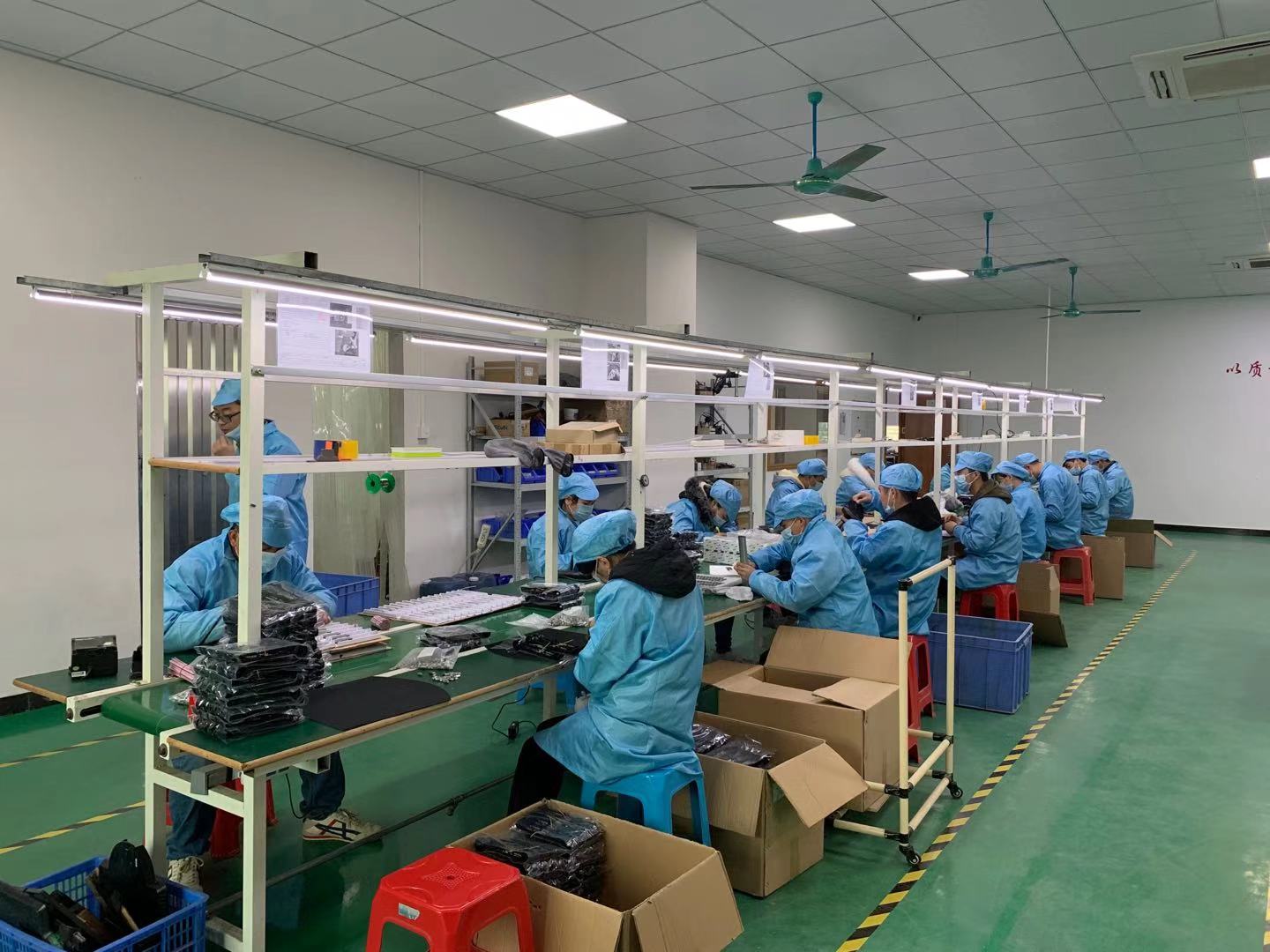
Quibow is a technology-driven company focused on image data acquisition and conversion. Its published profile provides a practical benchmark for the ten-point scorecard because the product range, verification records and OEM/ODM capabilities can be checked by buyers before a sample order.



Imaging Platforms, OEM/ODM Support and Export Experience
Guangzhou Quibow Electronic Co., Ltd. develops and supplies photoelectric information equipment, including high-speed document cameras, book scanners, A3/A2 document scanners, flatbed scanners, visual presenters and ID card recognition cameras. The company works across CIS, CMOS and CCD imaging platforms and covers the full cycle from product design and development to production coordination, export sales and after-sales support.
For B2B buyers, the advantage is the combination of low-MOQ stock products, OEM/ODM customisation and remote technical support. The public supplier profile is described as an onsite-checked trading company in Guangzhou, with main markets in Eastern Europe, North America and South America. Listed models commonly carry a 1-year warranty, while payment and delivery terms include T/T, L/C, PayPal, Western Union and FOB, EXW or DDU options.
Commercial advantages: stock scanners commonly start from 1 piece or 1 set; several document cameras start from 2 pieces; OEM/ODM quantities are confirmed per project. Logo printing, packaging, housing colour, capture-software branding and SDK integration are available on selected models.
From Requirement Review to Export Delivery
A transparent sourcing workflow helps procurement teams compare factories on execution, not just catalogue images.
Requirement review
Confirm document sizes, daily volume, operating system, output format and whether bound-book handling is required.
Model matching
Recommend sensor platform and resolution, then provide sample scans or product demonstrations before purchase.
Customization
Review logo, packaging, housing colour, software branding, OCR language support and SDK integration needs.
Quality and delivery
Inspect focus, lighting uniformity, driver installation, capture speed and export packing; then confirm warranty and remote support terms.
Where Document Digitization Equipment Earns Its Return
Different buyers value different outcomes. A library prioritises preservation; a school prioritises live visibility; a bank prioritises counter speed and SDK integration.
Libraries and archives
Overhead and bookedge scanners digitize rare books, periodicals and records without pressing bindings flat.
Education and training
Visual presenters with optical zoom show textbooks, experiments and 3D objects live on projectors and displays.
Government and banking
Dual-camera devices capture ID cards, forms and counter documents with OCR and SDK integration.
Enterprise offices
USB scanners and visualizers convert contracts, invoices and reference materials into searchable digital files.
Newspapers and publishers
A2 scanners capture full broadsheets and maps in one shot for digital back-issue archives.
Distributors and integrators
OEM/ODM branding and SDK access let resellers build their own digitization offers on proven hardware.
Questions Buyers Ask Before Ordering Document Digitization Equipment
These answers reflect published product and supplier information. Final specifications, stock, warranty and compatibility should be confirmed model by model before order placement.
What is the minimum order quantity for Quibow scanners and document cameras?
Most stock book scanners, A2 large-format scanners and flatbed scanners start from 1 piece or 1 set. Several document camera models start from 2 pieces. OEM/ODM quantities are confirmed per project.
Do you support OEM and ODM orders?
Yes. OEM/ODM projects can include logo printing, packaging, housing colour, capture-software branding and SDK integration on selected models. Buyers should provide document sizes, target markets and software requirements before a quotation is finalised.
Are the scanners compatible with Windows and macOS?
Many models, including the A2 large-format scanners and the 1200 DPI A3 flatbed scanner, support Windows and macOS, and some are verified on Apple M1 Macs. Compatibility is confirmed for each model before shipment.
Which resolution do I need to scan A3 or A2 documents at 300 dpi?
An A3 page at 300 dpi needs about 3508 × 4961 pixels, or around 17.4MP, so an 18MP or 24MP scanner is suitable. An A2 sheet at 300 dpi needs about 4961 × 7016 pixels, or around 34.8MP, so a 48MP A2 scanner is recommended for archival masters.
What payment and delivery terms are available?
Public supplier information lists T/T, L/C, PayPal and Western Union in USD, EUR, HKD or CNY, with FOB, EXW and DDU delivery terms. Actual terms should be confirmed in the quotation and contract.
What warranty do the products carry?
Listed models such as the A3 flatbed scanners, A2 overhead scanners and the S2060W ADF scanner come with a 1-year warranty, backed by remote technical support. Buyers should ask for the warranty statement in writing and clarify what is covered.
How can I verify a factory before placing a deposit?
Check the supplier assessment, credit overview, trade capacity, transaction history and buyer reviews. Then request a sample scan using your own document, ask for the driver and SDK documentation, and confirm the warranty and after-sales escalation path. Independent platform records are generally more useful than unaudited screenshots.
Can I request a sample scan before buying a book scanner or overhead scanner?
Yes, a sample scan is one of the most reliable procurement checks. Provide a representative page size, binding type, lighting condition and target resolution. The resulting image should be evaluated for edge sharpness, colour accuracy, curve correction, OCR quality and export format.
Request a Sample Scan and Factory Quotation
Share your document sizes, daily volume, target dpi and software requirements. The appropriate scanner can then be matched to your archive, classroom, counter or OEM project — with clear evidence on imaging platform, MOQ, warranty and delivery terms.