8 Recommended Book Camera Models From a Qualified Manufacturer & Supplier
The search intent behind “Top 10 Book Camera Manufacturer & Suppliers” is usually commercial: buyers want a shortlist they can verify, sample and scale. The eight models below cover education visualizers, wall-mounted A4 scanners, portable A3 book scanners, high-zoom document cameras and A2 overhead capture.
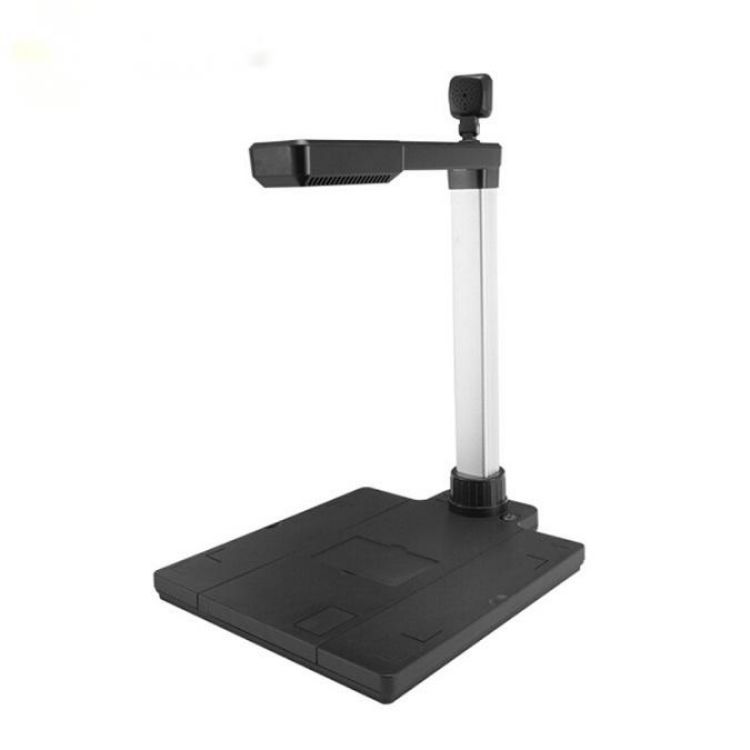
10MP Education Visualizer Scanner Document Management Book Camera USB in Stock
A practical entry point for classroom display, library front desks and office book management workflows.
- 10MP USB visualizer
- Live projection and capture
- Ready stock for education projects
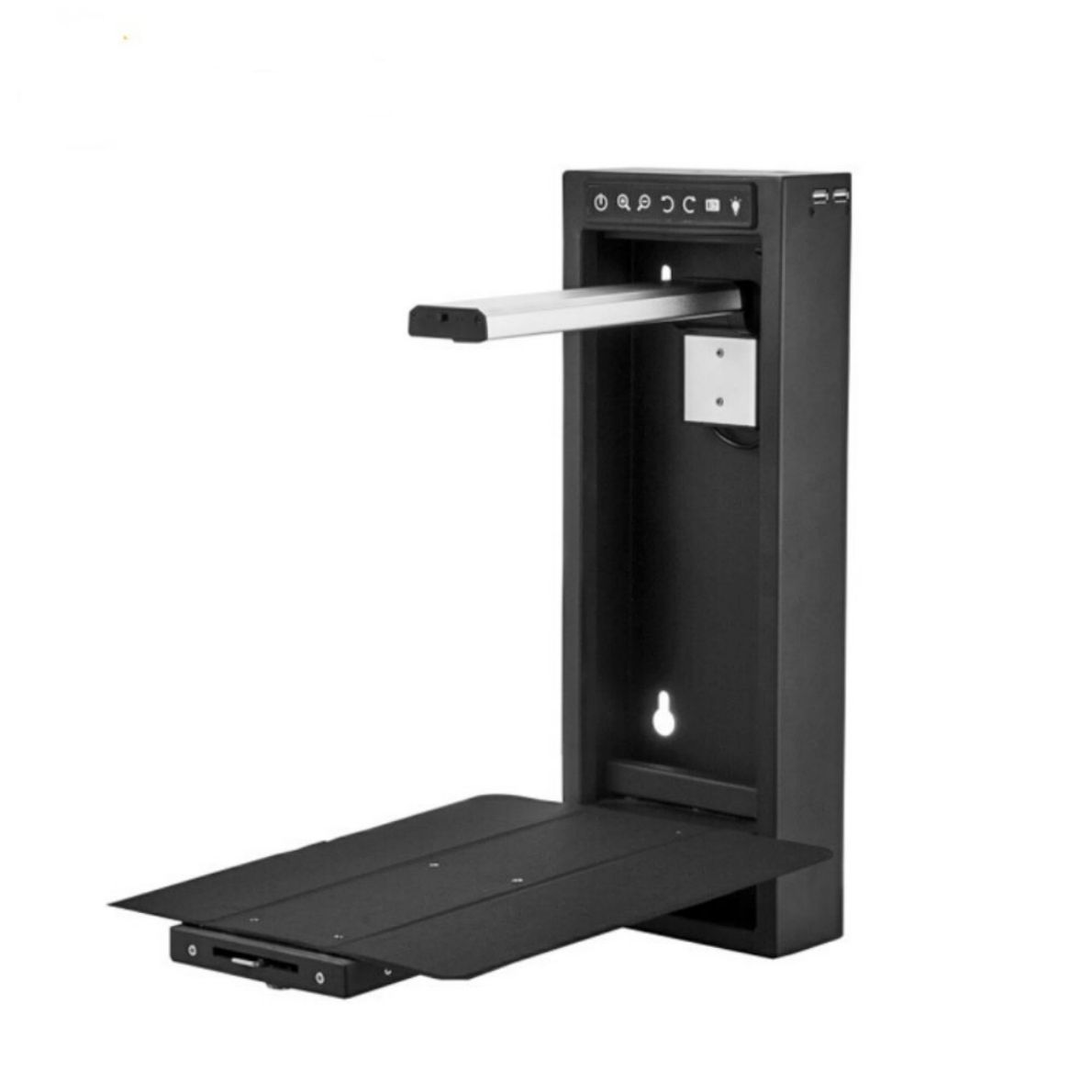
Document Camera A4 Visualizer Wall Version USB CMOS Sensor 10MP 1-Second Scan Document Scanner Stock for Classroom Smart
A space-saving wall version for shared document stations, smart classrooms and one-second page capture.
- 10MP CMOS sensor
- Wall-mounted A4 format
- 1-second scan workflow
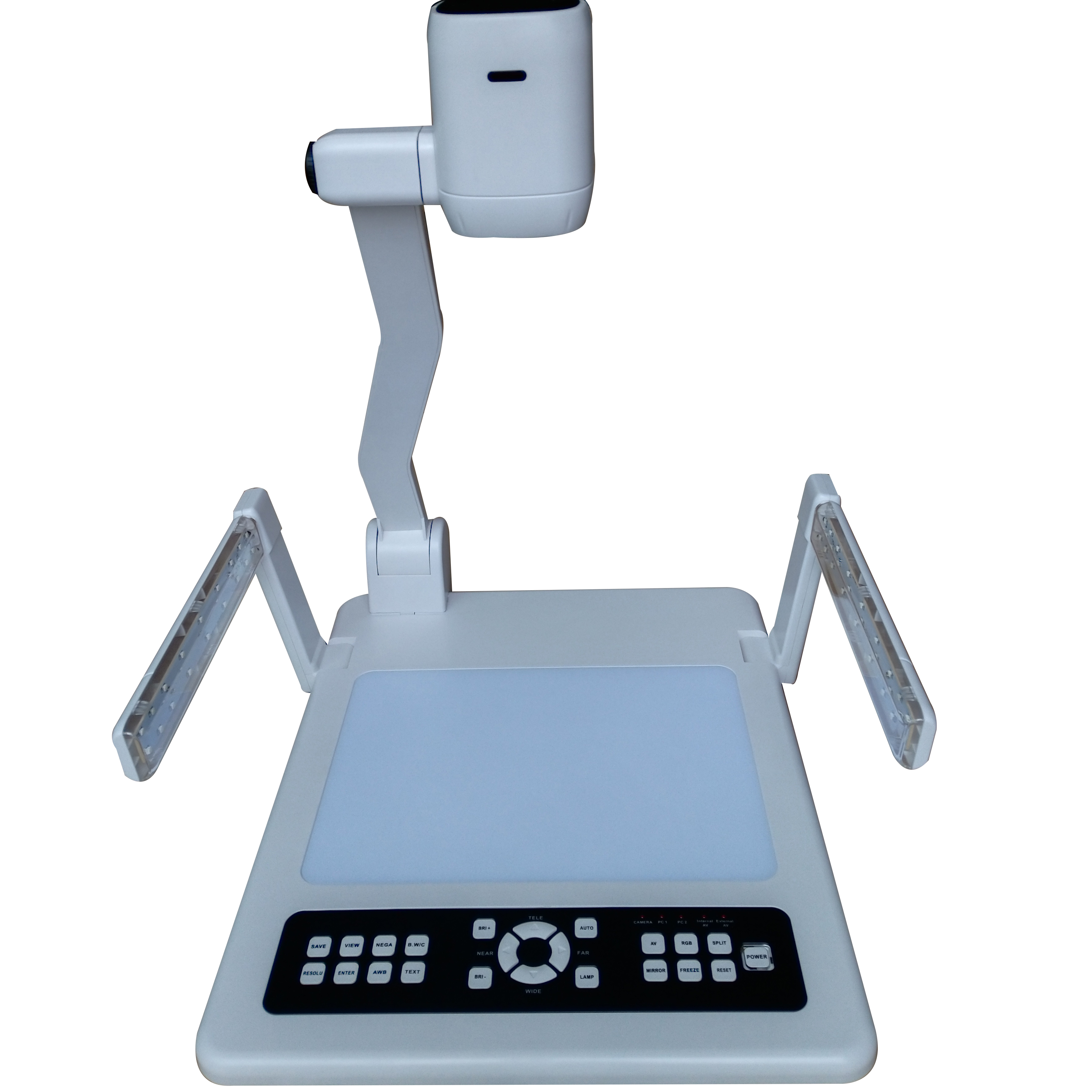
Modern Foldable Flexible Ultra HD Desktop Document Camera for School Video Output HD MI VGA Visualizer
A flexible desktop camera for schools that need live video output, remote teaching and quick document switching.
- Foldable arm and compact footprint
- HDMI / VGA video output
- Desktop teaching and training
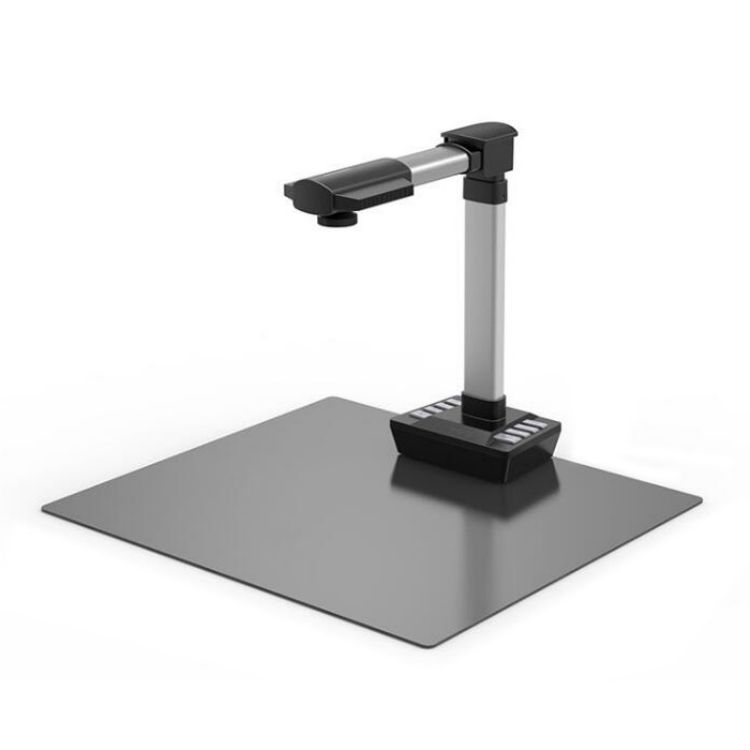
High Resolution Portable A3 Library Book Scanner with Foot Controller USB Interface Automatic Document Scanner Stock Product
A portable A3 book scanner with hands-free foot control for libraries, archives and bound pages.
- A3 capture area
- Foot controller for hands-free scanning
- USB interface and stock availability
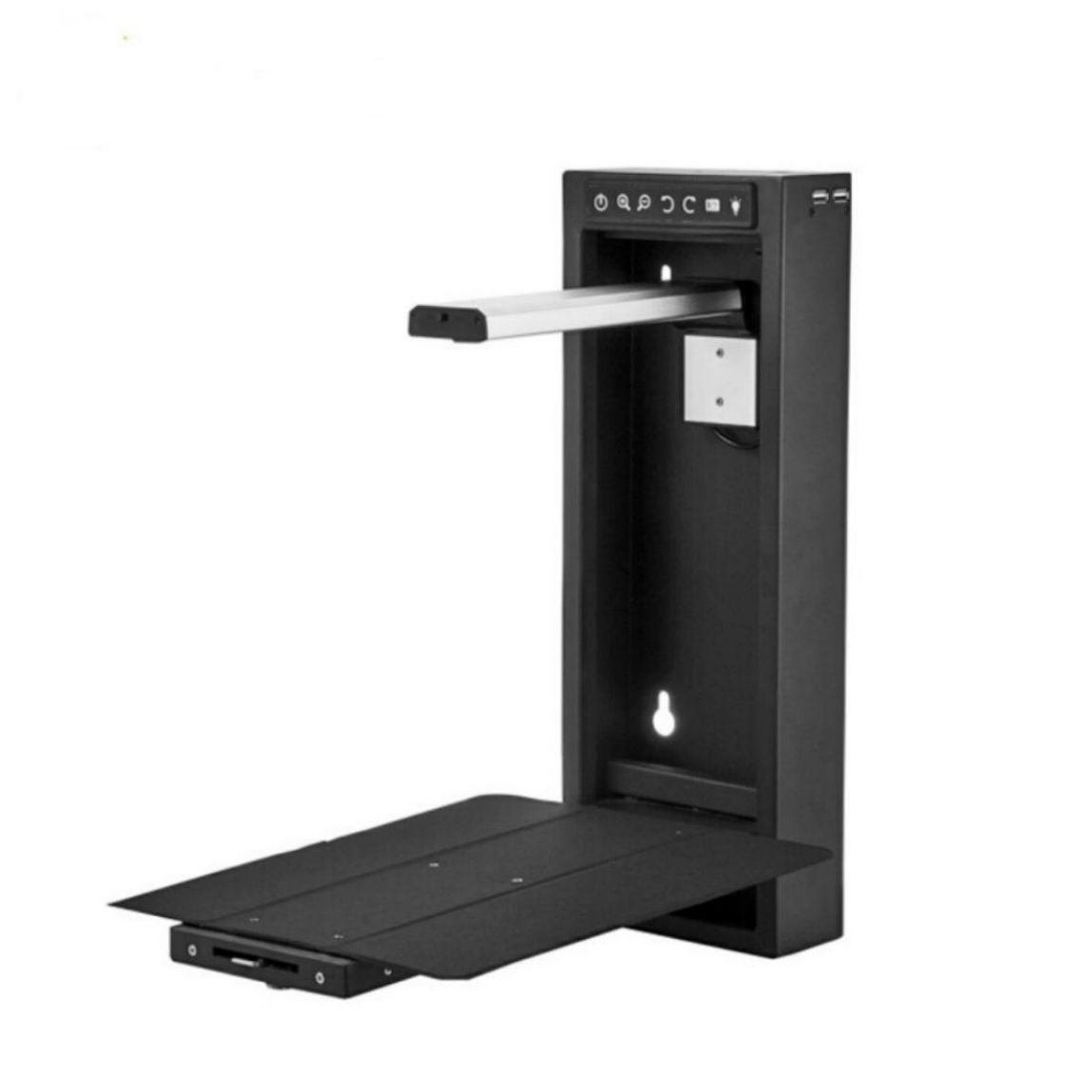
USB Interface Wall-Mounted A4 Visualizer OCR Document Scanner CMOS Sensor 10MP Resolution SDK Included Black 1-Year Stock
A wall-mounted OCR scanner with SDK for kiosks, service counters and education software integration.
- 10MP CMOS and OCR capability
- SDK included for integration
- 1-year warranty, black finish
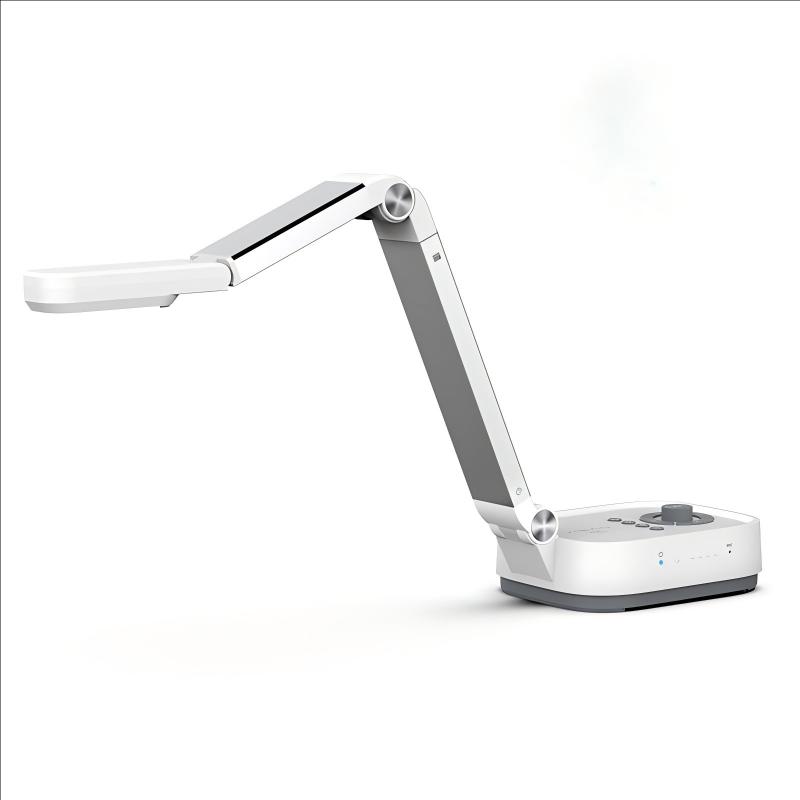
16MP 3D Desktop Visualizer Document Camera with Microphone 120X Zoom /VGA A3 Scan Size LED Light & Foldable for Education
A high-zoom education visualizer for demonstrations, science teaching and A3 material capture.
- 16MP with 120X zoom
- Microphone, LED light and foldable design
- VGA output and A3 scan size
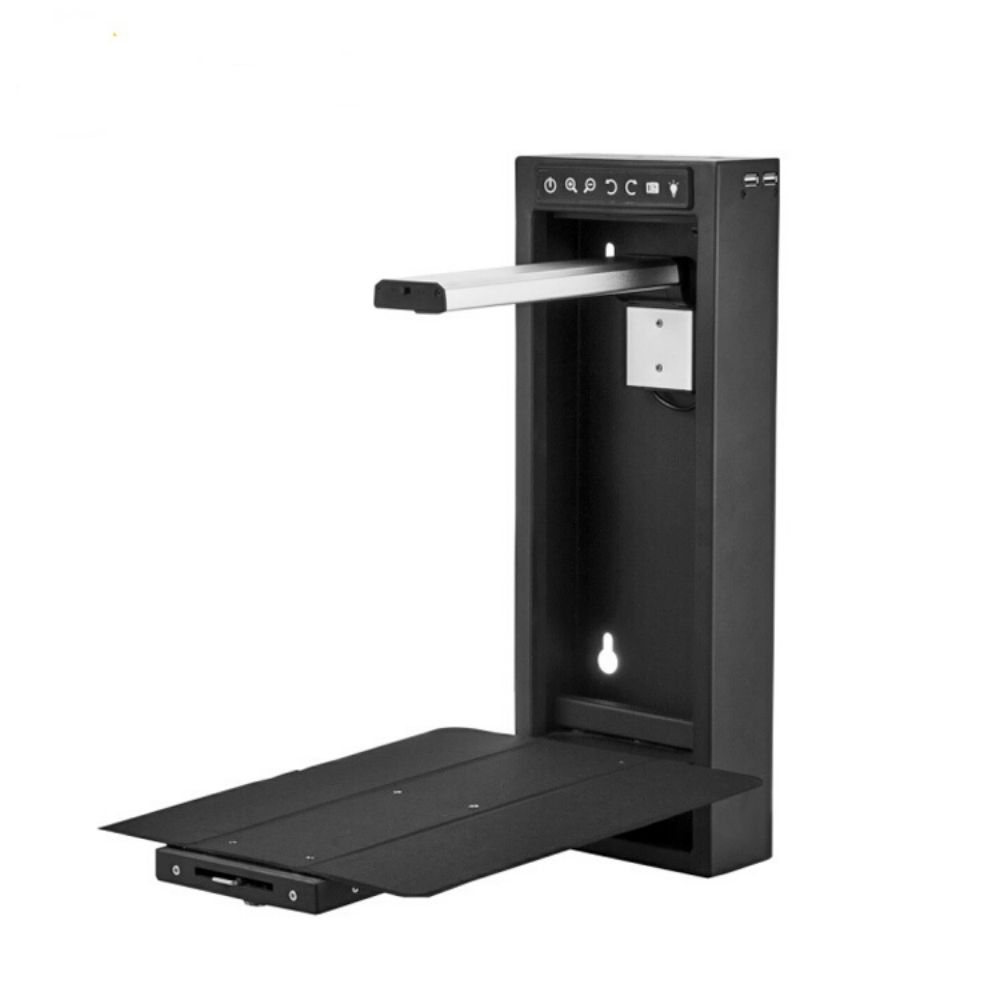
Online Training Portable 10MP A4 Document Scanner USB Interface Visualizer-in-Stock for Wall Version Black+Silver 1-Year
A portable 10MP A4 visualizer for online training, field education and lightweight document capture.
- 10MP A4 visualizer
- USB interface and wall version option
- Black + silver, 1-year warranty
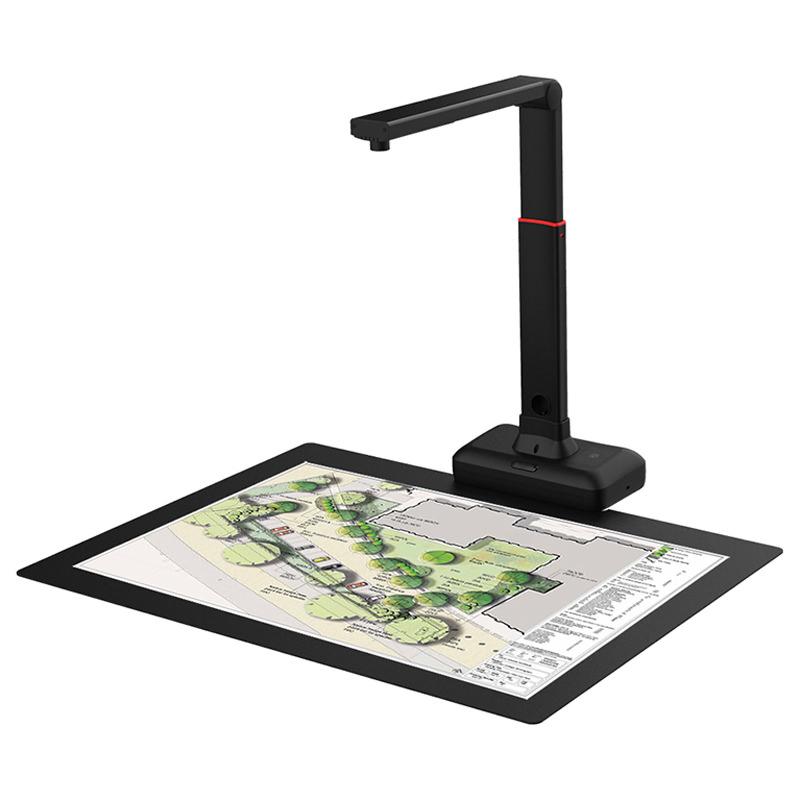
A2 Large Format Overhead Document Scanner 21MP USB Aluminum Text-to-Speech 1-Year Warranty in Stock
A large-format overhead scanner for newspapers, maps and archive projects that need A2 coverage.
- A2 overhead capture area
- 21MP USB, aluminum body
- Text-to-speech and 1-year warranty
What Makes a Book Camera Different From a Conventional Document Scanner?
A book camera—often sold as an overhead document camera, visualizer or non-contact book scanner—uses an area sensor to capture pages from above. This changes everything about preservation, workflow and procurement.
Conventional flatbed scanners are excellent for loose sheets, photos and artwork, but bound books create three hard problems: spine shadow, glass pressure and slow page-by-page handling. A book camera avoids those constraints because the page is imaged in free space. The operator turns a page, triggers capture with a mouse, remote, button or foot pedal, and the software handles flattening, deskew, crop and OCR. For libraries, archives, schools and government service counters, that difference is not cosmetic. It directly affects handling risk and daily throughput.
For procurement teams, the important distinction is that book camera manufacturers and suppliers are not interchangeable. One supplier may offer only education visualizers; another may focus on A3 book scanners; a third may support A2 newspaper capture or SDK integration for local software vendors. A serious shortlist should compare optical path, sensor platform, true resolution at the required page size, software maturity, warranty process and OEM/ODM flexibility—not just the highest megapixel number on a specification sheet.
Quibow’s product range sits in the image acquisition and conversion category, using CIS, CMOS and CCD imaging platforms across document cameras, overhead book scanners, flatbed scanners and ID-card recognition cameras. That breadth matters when a buyer needs to standardize on one supplier for multiple SKUs, or when a distributor wants to combine education visualizers, A4 wall-mounted scanners and A2 overhead scanners in one container.
Search intent snapshot
- Commercial research: identify credible book camera manufacturers, compare product lines and request quotations.
- Technical validation: calculate A3/A2 resolution, understand CMOS vs CIS vs CCD and confirm OCR or SDK support.
- Trust verification: check response time, onsite assessment, trade records, warranty, MOQ and OEM/ODM capability.
- Application fit: match the camera to library digitization, classroom presentation, archive capture or service-counter OCR.
2026–2030 Procurement Trends Reshaping Book Camera Buying
Buyers are moving from single-product price comparison toward total delivery capability. These six trends are useful for tenders, distributor planning and OEM/ODM roadmaps.
Total cost of ownership overtakes sticker price
Procurement teams increasingly compare installation time, training, OCR accuracy, spare-part availability and warranty response. A cheap visualizer that fails on A3 OCR or lacks driver stability becomes expensive after deployment.
Specifications shift from megapixels to true dpi at page size
An A2 sheet at 300 dpi needs about 34.8 million pixels. Tenders now ask for dpi at A3 or A2—not “21MP” or “48MP” in isolation. Suppliers must state the page size covered by that resolution.
OCR, searchable PDF and metadata become mandatory
Digitization budgets are judged by retrieval, not scanning. Searchable OCR, controlled file naming, PDF output and metadata workflows now influence whether a book camera is accepted into a library or archive program.
SDK and API access accelerate
System integrators need control over capture, crop, OCR and export. SDK availability can be more important than a small hardware price difference, especially for government kiosks and school software platforms.
A2/A3 non-contact capture expands
Libraries, newspaper archives and engineering departments are adopting overhead capture for fragile or oversized media. Dual-lens and dual-sensor systems are used to combine document capture with ID or detail views.
Low MOQ, mixed containers and fast response
Distributors want to test models before scaling. A supplier that can ship one piece of a stock model, several document cameras and a mixed container—while answering technical questions quickly—has a clear procurement advantage.
Book Camera Development Trends Buyers Should Watch
Hardware is becoming more capable, but the winning feature is workflow intelligence: how quickly a camera turns a page image into a clean, searchable and transferable file.
Higher-resolution CMOS and dual-sensor designs
CMOS area sensors continue to improve in resolution and low-light behavior. Dual-sensor layouts help cover A2 media or combine a document view with a detail view.
Edge AI for flattening, finger removal and OCR
AI-assisted curve flattening, page-boundary detection and finger removal reduce manual cleanup. For high-volume archives, these features directly determine daily throughput.
Foldable, portable and wall-mounted form factors
Space is a real constraint. Buyers are asking for foldable desktop cameras for training, wall-mounted A4 visualizers for shared areas and portable A3 scanners for field digitization.
Accessibility, interoperability and text-to-speech
HDMI, VGA and USB output remain essential in classrooms and meeting rooms. Text-to-speech, OCR language coverage and SDK access are becoming differentiators in public-sector tenders.
Top 10 Supplier Shortlist Criteria for Book Camera Procurement
“Top 10” should mean ten verifiable dimensions, not ten logos on a list. Use these checkpoints to compare book camera manufacturers and suppliers on evidence.
Confirm CMOS, CIS or CCD platform and whether the lens suits A4, A3 or A2 capture.
Ask for pixel dimensions for the exact page size and required output resolution.
Test live video, single-shot capture and multi-page workflow with representative documents.
Check flattening, deskew, crop, OCR, file naming and PDF export in one workflow.
Validate languages, character accuracy and searchable PDF output before a tender decision.
For integrators, confirm SDK availability, documentation, supported OS and remote support.
Ask about logo, packaging, housing color, software branding and project-specific quantities.
Check focus, lighting uniformity, driver installation and warranty process before shipment.
Review onsite assessment, response rate, reorder rate, transaction history and buyer feedback.
Compare packaging, freight terms, payment methods, MOQ and after-sales support—not only unit price.
The Megapixel Myth: Calculate True DPI Before You Shortlist Suppliers
Resolution should be purchased in relation to page size. The formula is simple: pixels required = width in inches × dpi by height in inches × dpi. For metric pages, convert millimetres to inches first.
A4 at 300 dpi needs about 8.7MP. A 10MP model provides a small margin for crop and deskew.
A3 at 300 dpi needs about 17.4MP. A 24MP sensor gives useful headroom for library masters.
A2 at 300 dpi needs about 34.8MP. A 48MP A2 scanner is appropriate for archival masters.
A 21MP A2 model can be a strong value option when 225–240 dpi is acceptable for OCR or reading.
| Document size | Pixels at 300 dpi | Minimum sensor guidance | Procurement note |
|---|---|---|---|
| A4 210 × 297 mm | 2480 × 3508 ≈ 8.7MP | 10MP or higher | Good fit for education visualizers, wall-mounted A4 scanners and service-counter OCR. |
| A3 297 × 420 mm | 3508 × 4961 ≈ 17.4MP | 18–24MP | 18MP is workable; 24MP gives stronger detail for book pages, drawings and archival copies. |
| A2 420 × 594 mm | 4961 × 7016 ≈ 34.8MP | 48MP for 300 dpi class | For newspapers and maps, confirm the capture area and true optical coverage before purchase. |
| Photos & artwork | 1200–2400 dpi optical | Flatbed with 48-bit color | Use a flatbed rather than a book camera when surface texture, color fidelity and optical dpi are critical. |
Why Guangzhou Quibow Electronic Is Relevant to a Top-Tier Shortlist
Supplier capability should be judged on verifiable records and product breadth, not on a generic “factory direct” claim. Quibow provides practical evidence for buyers comparing book camera manufacturers and suppliers.
Guangzhou Quibow Electronic Co., Ltd. is a technology-driven company focused on image data acquisition and conversion. Its product scope includes high-speed document cameras, book scanners, flatbed scanners, A2 overhead scanners and ID-card recognition cameras, built on CIS, CMOS and CCD imaging platforms. The company covers product design and development, production coordination, export sales and after-sales support, and welcomes OEM/ODM projects.
Founded in 2020 and based in Guangzhou, Guangdong, Quibow serves buyers in Eastern Europe, North America and South America. Its supplier profile is marked as an onsite-checked business, with reported performance including ≤1 hour average response time, 100% message response rate, 27% buyer reorder rate, annual revenue of US$1M–US$2.5M and a 5–10 person specialist team. Stock models frequently start from 1 piece or 1 set, while OEM/ODM quantities are confirmed by project.
For procurement, the practical advantage is range plus customization: ready-stock education visualizers and A4 wall scanners can support fast pilot projects, while A3 portable book scanners, 16MP 3D visualizers and A2 overhead scanners can serve larger digitization programs. Payment methods include T/T, L/C, PayPal and Western Union in USD, EUR, HKD or CNY, with FOB, EXW and DDU delivery terms.
Product and service fit: OEM/ODM logo, packaging, housing color, software branding and SDK integration; 1-year warranty on listed models; remote technical support; fast response for sample scans and tender questions.
Onsite assessment record for business premises and legal status.
Credit OverviewPlatform credit profile and trading reliability indicators.
Ratings & ReviewsFeedback left by verified buyers after completed orders.
Trade CapacityExport markets, trade terms and logistics capability.
Book Camera Procurement FAQ
These are the questions most often raised by distributors, school buyers, library archivists and system integrators comparing book camera manufacturers and suppliers.
What is the minimum order quantity for Quibow scanners and document cameras?
Most stock book scanners, A2 large-format scanners and flatbed scanners start from 1 piece or 1 set. Several document camera models start from 2 pieces. OEM/ODM quantities are confirmed per project, depending on branding, packaging and software requirements.
Do you support OEM and ODM orders?
Yes. Quibow supports OEM/ODM projects including logo printing, packaging, housing color, capture software branding and SDK integration on selected models. Buyers should provide target quantity, software environment and branding assets before quotation.
Are the scanners compatible with Windows and macOS?
Many models, including A2 large-format scanners and the 1200 DPI A3 flatbed scanner, support Windows and macOS, and some are verified on Apple M1 Macs. Compatibility should be confirmed for each model, especially when custom software or SDK integration is required.
Which resolution do I need to scan A3 or A2 documents at 300 dpi?
An A3 page at 300 dpi needs about 3508 × 4961 pixels, or around 17.4MP, so an 18MP or 24MP scanner is suitable. An A2 sheet at 300 dpi needs about 4961 × 7016 pixels, or around 34.8MP, so a 48MP A2 scanner is recommended for archival masters. A 21MP A2 model delivers approximately 225–240 dpi and may be sufficient for OCR or reading workflows.
What payment and delivery terms do you accept?
Quibow accepts T/T, L/C, PayPal and Western Union in USD, EUR, HKD or CNY, with FOB, EXW and DDU delivery terms. Terms are confirmed against the final model, quantity, packaging and destination.
What warranty do your products carry?
Listed models such as A3 flatbed scanners, A2 overhead scanners and the S2060W ADF scanner come with a 1-year warranty, backed by remote technical support. Buyers should confirm warranty coverage, spare-part process and support escalation before shipment.
Can a book camera scan bound books without damaging them?
Yes, when the workflow is non-contact. An overhead book camera captures pages from above, so the book does not need to be pressed flat under a lid. Software flattening, deskew and finger removal help produce readable output while reducing stress on the spine and paper.
How should I validate sample scans before placing an order?
Request raw sample images at the target page size and dpi, covering color, grayscale, curved pages, small text and OCR. Test the driver on your target operating system, confirm export formats and check whether the supplier can provide SDK documentation, warranty terms and a written specification. This is more reliable than comparing megapixels alone.
Plan Your Book Camera Procurement With a Verified Supplier
Share your page size, daily volume, target dpi, OCR languages, software environment and OEM/ODM requirements. Quibow can recommend a stock model or a customized solution, and provide product details for your shortlist.