8 Scanner & Document Camera Models for Blueprint, Book and Office Capture
These models cover A3 to A2 capture, overhead scanning, CCD bookedge digitization, portable library workflows and 4K visual presentation. Product titles and URLs are preserved from the supplier catalogue.
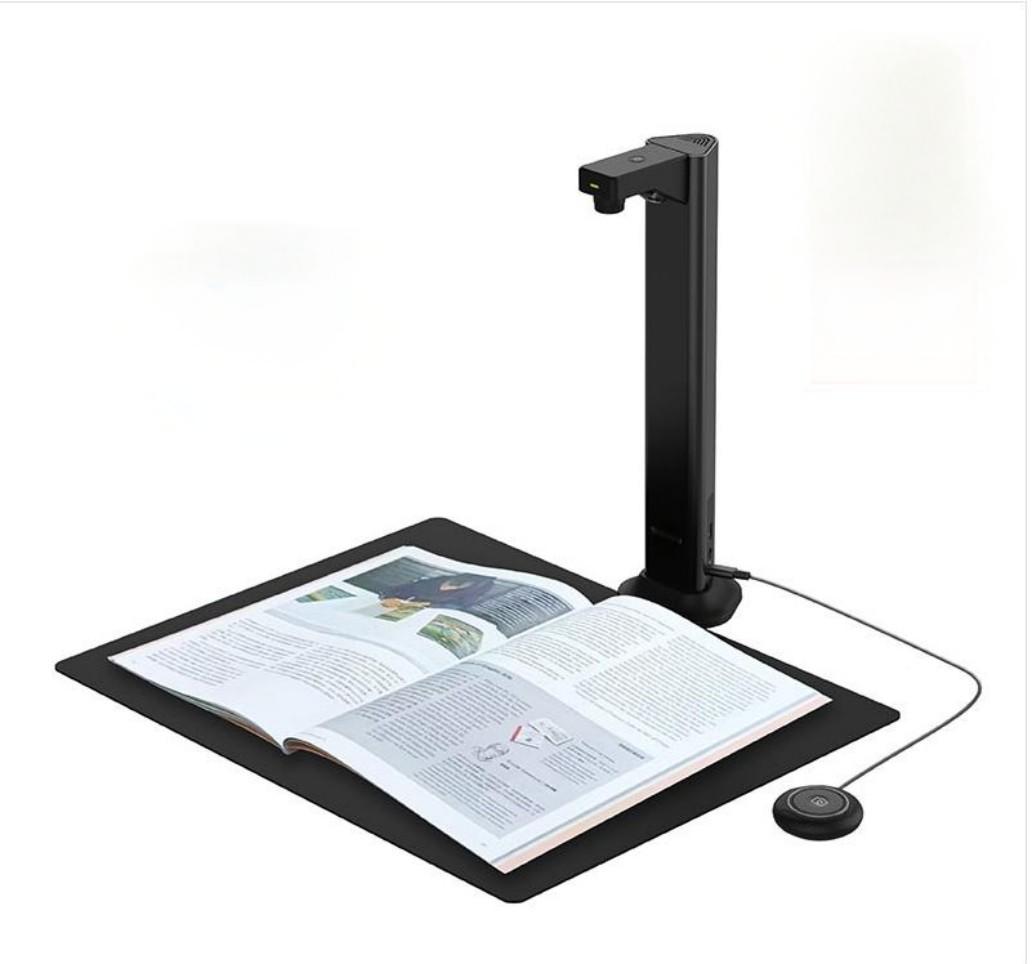
Real 24MP UVC A3 Document Scanner with USB Interface and Text to Speech Feature In-Stock Product
- 24MP
- A3
- USB
- Text to Speech
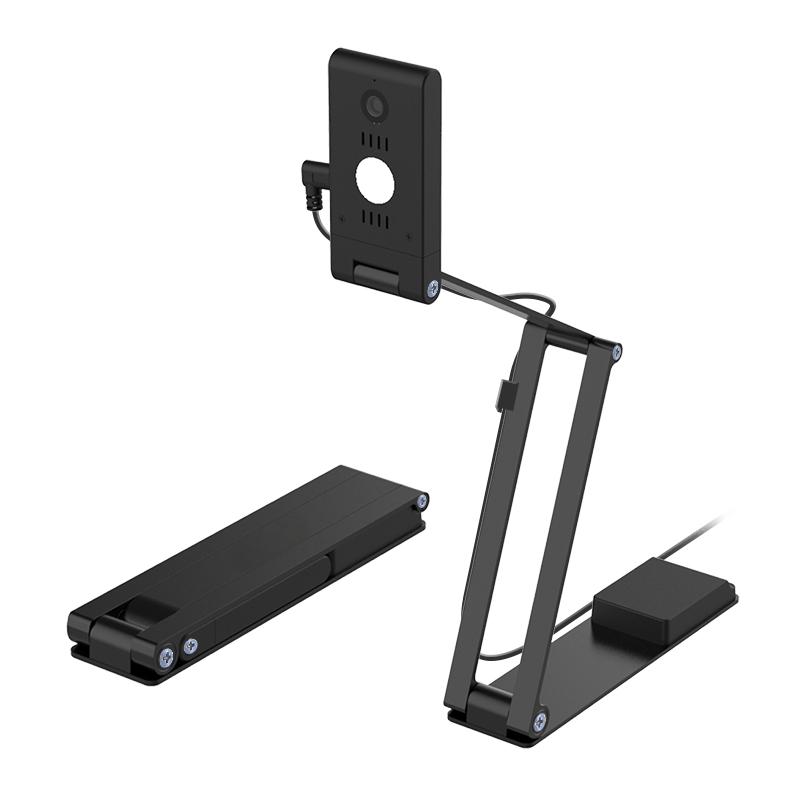
Value Priced 2-in-1 USB Digital Document Camera Visualizer A3 with 5MP 1/4" CMOS Sensor 10x Zoom 1-Year Warranty
- 5MP
- A3
- 10x Zoom
- 1-Year Warranty
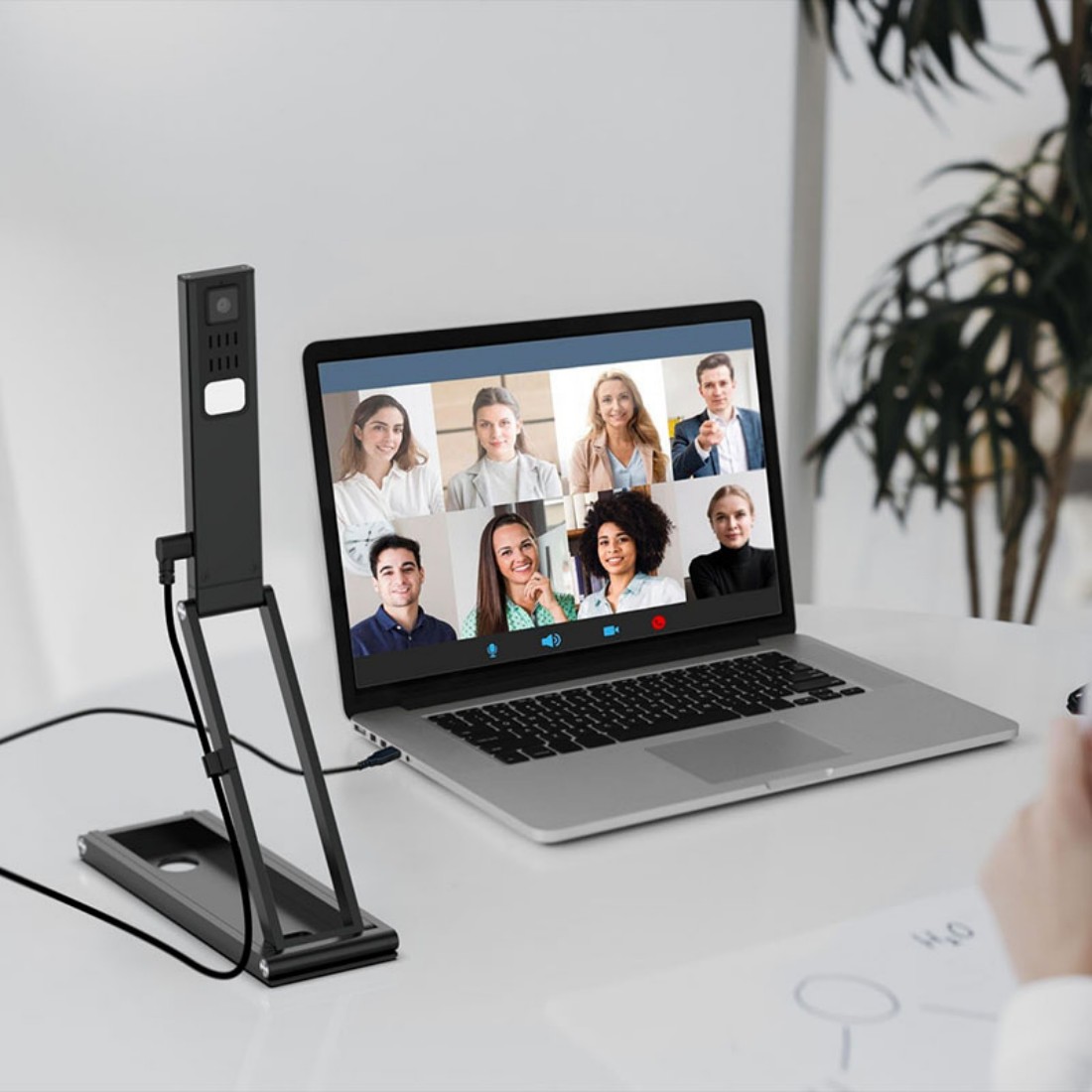
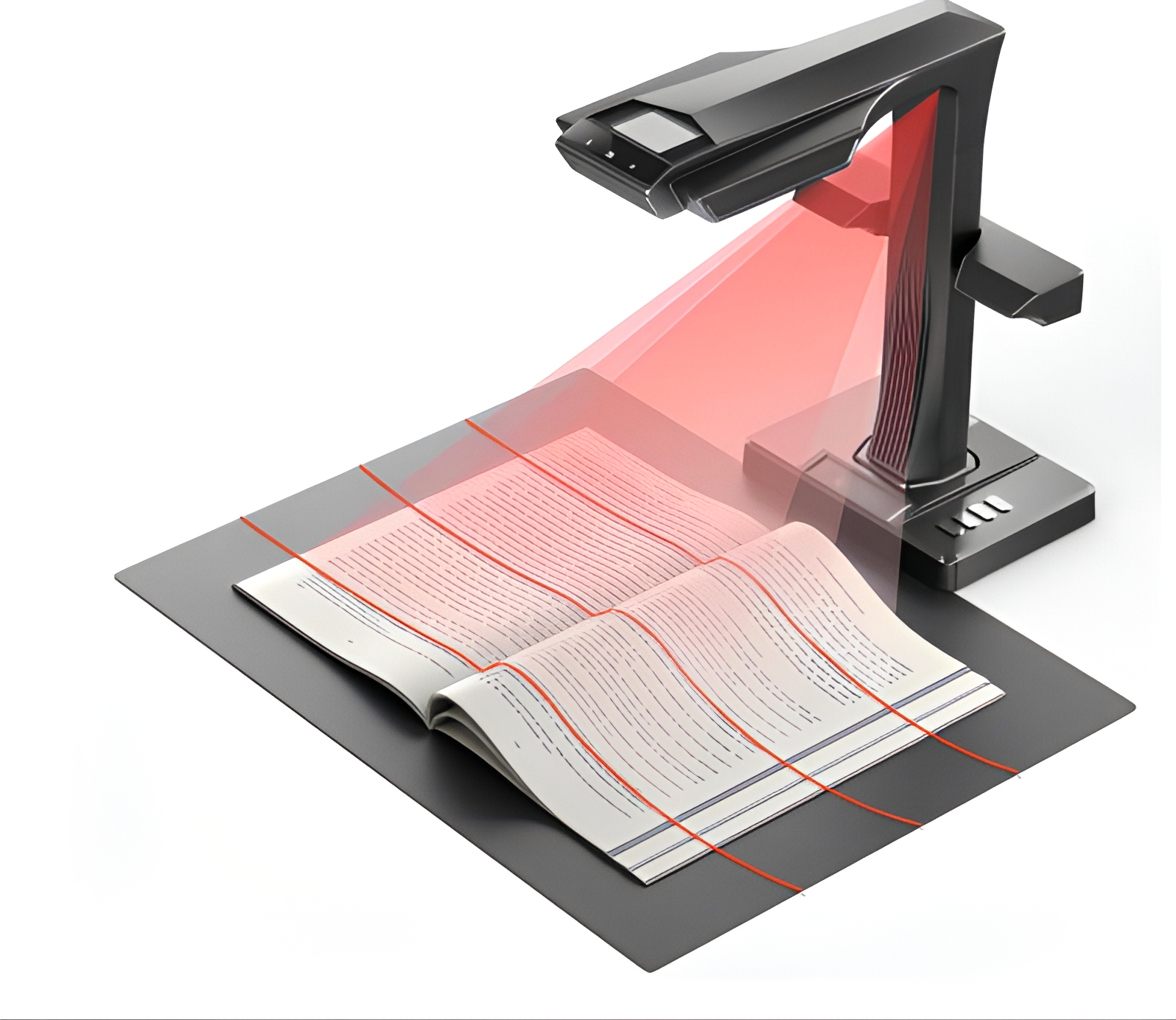
Book Scanner 38MP A3 Document Camera Auto Curve Flattening High Speed Overhead Scanner for Library Office
- 38MP
- A3
- Auto Curve Flattening
- Library
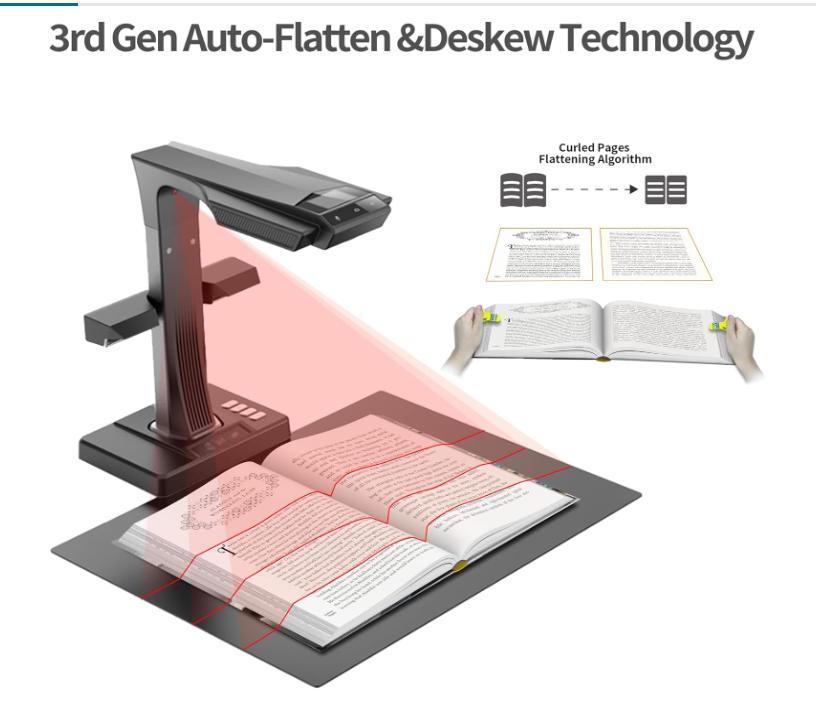
A3 24MP Book Scanner Auto Flatten Deskew CMOS Document Digitizer 4000x6000 USB Visualizer OCR Searchable PDF
- 24MP
- Auto Flatten
- OCR
- Searchable PDF
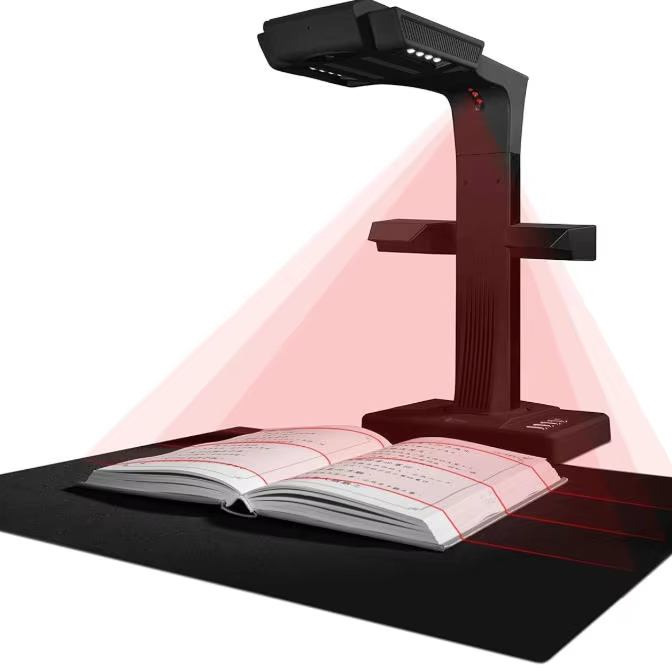
18MP A3 Book Scanner Overhead Document Camera Auto Curve Flattening OCR 180+ HDMI Visual Presenter for Office Library
- 18MP
- OCR 180+
- HDMI
- Office Library
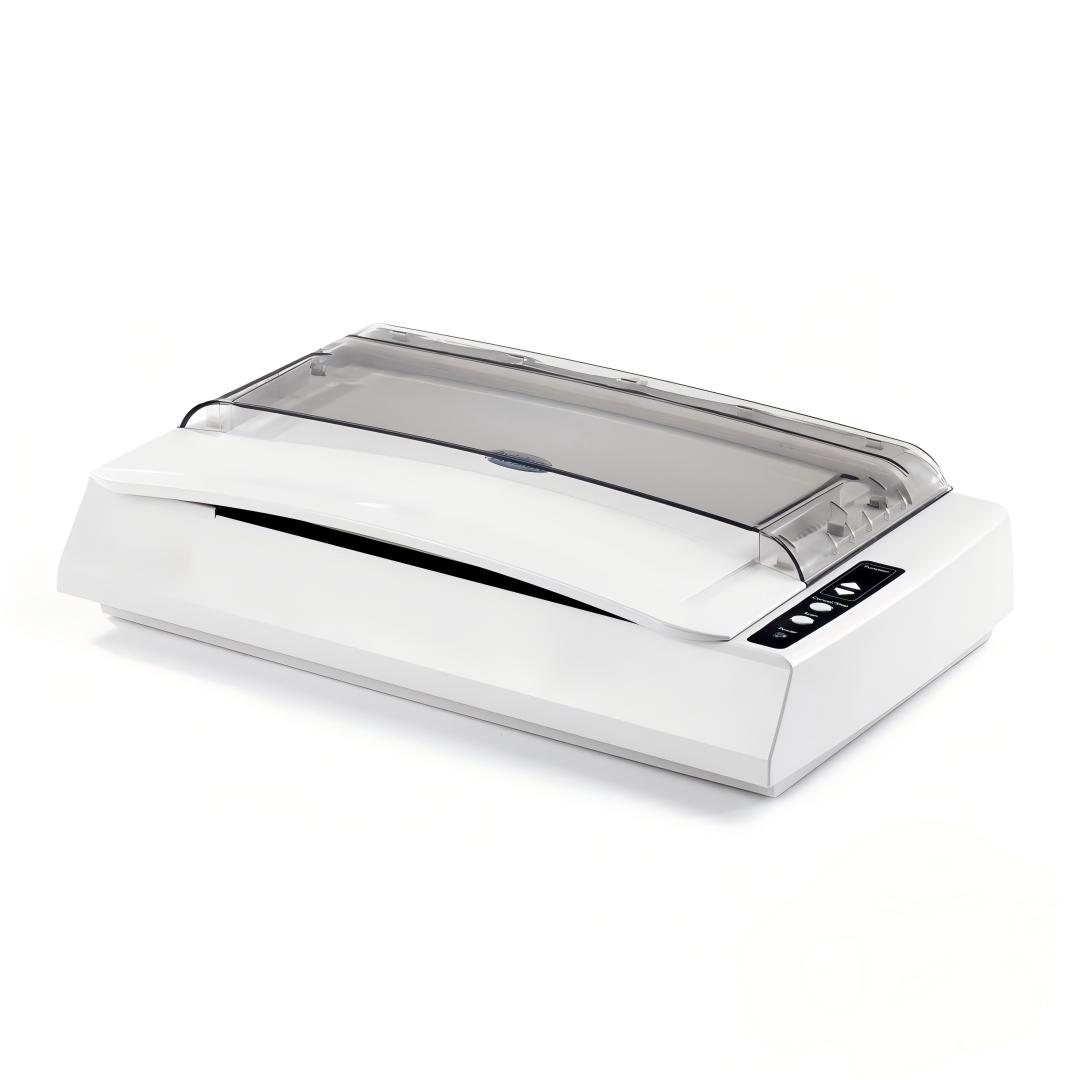
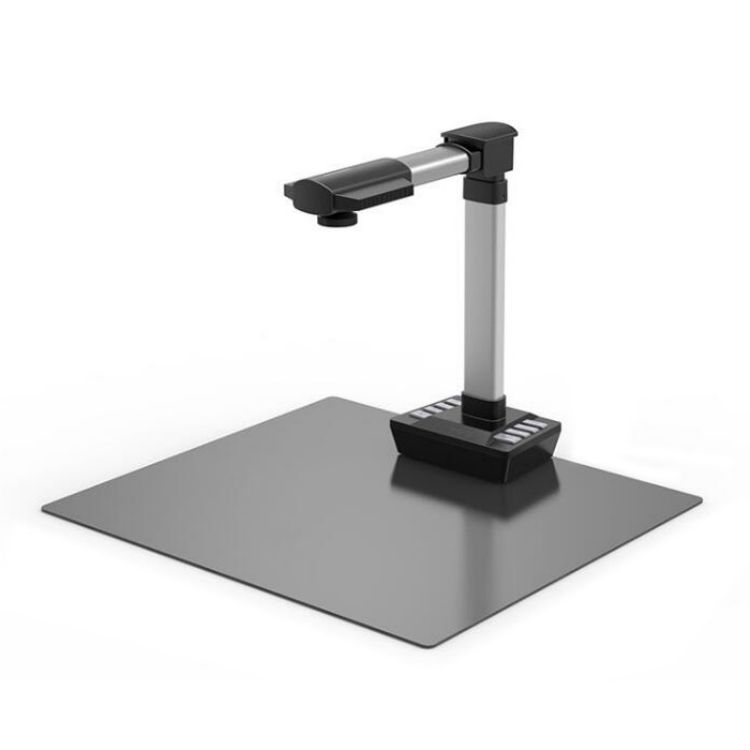
High Resolution Portable A3 Library Book Scanner with Foot Controller USB Interface Automatic Document Scanner Stock Product
- A3
- Portable
- Foot Controller
- Stock Product
Supplier Signals Buyers Can Verify
How to Evaluate the Top 10 Blueprint Scanner Factories & Supplier Shortlist
A blueprint scanner is not only a camera or flatbed. It is an optical system, a capture workflow, an OCR/document-output pipeline and a service commitment. The strongest supplier shortlist is built around the document mix, not around a single megapixel claim.
For libraries, archives, engineering firms, government records teams and distributors, the buying question has shifted from “Who sells the cheapest A3 scanner?” to “Which supplier can prove the right resolution, software fit, OEM flexibility and after-sales response for my exact originals?” A2 technical drawings, bound newspapers, fragile books, ID cards and classroom objects all place different demands on capture geometry, lighting, sensor depth of field and operator workflow.
This is why a serious comparison of blueprint scanner factories and suppliers should use a structured scorecard. The ten checks below help procurement teams separate catalogue sellers from suppliers that can support a repeatable digitization programme.
Resolution vs. format
Confirm real dpi at A3, A2 or oversized drawing size, not only sensor megapixels.
Sensor architecture
Match CIS, CMOS or CCD to bound books, loose sheets, blueprints or photo originals.
Capture area
Check the usable A2/A3 area after margins, book curvature and lighting coverage.
Workflow software
Ask for OCR, searchable PDF, auto-flatten, deskew, finger removal and export options.
OEM/ODM fit
Verify logo, packaging, housing colour, software branding and SDK availability.
Sample scans
Request scans of your own drawing, book or record — not only studio sample images.
QC and testing
Look for focus, lighting uniformity, driver installation and capture-speed checks.
Warranty support
Confirm warranty period, remote diagnostics, spare-parts policy and setup guidance.
Trade terms
Compare MOQ, stock availability, payment methods, currencies and delivery terms.
Verifiable records
Use onsite checks, trade history, ratings and transaction records to reduce risk.
Resolution Math: The First Filter in Blueprint Capture
Megapixels become meaningful only when they are translated into dpi at the requested document size. For archival masters, A2 drawings and OCR-ready office records, the required pixel count changes dramatically.
An A4 page scanned at 300 dpi needs roughly 8.7 megapixels. An A3 page at 300 dpi needs about 17.4 megapixels, which is why an 18MP or 24MP A3 scanner is a sensible starting point. An A2 sheet at 300 dpi requires approximately 34.8 megapixels; for archival masters, a 48MP A2 overhead scanner is usually the safer specification because it provides headroom for cropping, deskewing and margin correction.
Buyers should also separate optical capture capability from interpolated output. A high interpolated dpi number does not replace true optical resolution. When a tender specifies “300 dpi at A2,” ask the supplier to state the native pixel dimensions of the sensor and the usable capture area after lens distortion correction.
| Document size | Pixels required at 300 dpi | Recommended capture class | Buying note |
|---|---|---|---|
| A4 210 × 297 mm | 2480 × 3508 ≈ 8.7 MP | 10MP or higher | Suitable for ID cards, contracts and counter capture. |
| A3 297 × 420 mm | 3508 × 4961 ≈ 17.4 MP | 18MP–24MP | Good fit for books, school records, office files and A3 drawings. |
| A2 420 × 594 mm | 4961 × 7016 ≈ 34.8 MP | 48MP | Recommended for newspapers, maps, posters and oversized technical documents. |
| Bound books | Depends on page size | 18MP–38MP overhead CMOS | Prioritize auto curve flattening, finger removal and page-edge detection. |
| Photos & artwork | 600–2400 dpi optical | CCD flatbed, 48-bit colour | Use controlled lighting and depth of field for delicate or raised originals. |
CIS, CMOS or CCD: Match the Sensor to the Original
The same supplier may offer all three imaging platforms. The right choice depends on whether the priority is batch speed, non-contact book capture, depth of field or colour stability.
CIS for high-volume office batches
CIS is compact and efficient on sheet-fed paths. It suits invoices, contracts, forms and ADF workflows where pages are flat and volume is high. Ask about daily duty cycle, roller life and duplex speed.
CMOS for overhead blueprint and book capture
CMOS area sensors capture the whole page in one shot, making them ideal for bound books, A2 drawings, maps and live presentation. Software can flatten curves, correct perspective and remove fingers without pressing the binding.
CCD for depth of field and stable colour
CCD bookedge and flatbed scanners are useful for photos, artwork and originals that sit slightly above the glass. The moving carriage design can reduce spine shadow and preserve fine tonal detail.
Future Procurement Trends for Blueprint Scanner Suppliers
2025–2030 tenders are becoming workflow-led. Buyers want proof of output quality, integration readiness and service continuity, not just a hardware quotation.
Workflow-first tenders
Specifications increasingly include OCR accuracy, searchable PDF output, batch naming, auto-cropping and integration with document management systems.
AI-assisted capture
Auto-flatten, finger removal, page detection and text recognition are moving from optional software features to baseline expectations.
Multi-format versatility
One supplier may need to cover A2 drawings, A3 books, ID cards and classroom visualizers to reduce vendor complexity.
Verifiable supply risk
Onsite records, trade history, reorder rate and response time are becoming part of commercial evaluation, not only technical review.
Product Trends Buyers Should Write Into Specifications
Hardware differentiation is shifting toward software intelligence, modular integration and long-term serviceability.
Auto-flatten and deskew
Essential for bound books, newspapers and fragile records that cannot be pressed flat.
OCR and searchable PDF
Libraries, archives and offices increasingly require text-searchable output rather than image-only scans.
Edge processing and privacy
Local capture, correction and recognition reduce dependence on cloud uploads for sensitive records.
SDK and remote management
System integrators need camera controls, capture triggers and output pipelines for custom software.
Dual-camera and multi-purpose design
Document and ID/portrait capture in one device supports counters, reception desks and service centres.
Sustainability and serviceability
Replaceable parts, efficient lighting and durable components improve total cost of ownership.
Why Guangzhou Quibow Electronic Co., Ltd. Belongs on the Shortlist
Quibow focuses on image data acquisition and conversion, with product experience across CIS, CMOS and CCD imaging platforms. The company supplies book scanners, A2/A3 document scanners, flatbed scanners, document cameras and ID-card recognition cameras for global B2B buyers.
Founded in 2020 and based in Guangzhou, Guangdong, China, Guangzhou Quibow Electronic Co., Ltd. combines product design, development coordination, export sales and after-sales support. Its business profile identifies an onsite-checked supplier, a 5–10 person specialist team, annual revenue in the US$1M–US$2.5M range, and main markets in Eastern Europe, North America and South America.
For procurement teams, the practical advantage is multi-format sourcing with a clear customization path. Buyers can compare A2 overhead capture, A3 book scanners, CCD bookedge flatbeds and 4K document cameras through one supplier conversation, then discuss OEM/ODM branding, packaging, housing colour, software branding and SDK integration on selected models.
The supplier’s 27% buyer reorder rate and platform-maintained onsite check, credit overview, ratings, trade history and transaction records give buyers additional starting points for due diligence. These records should still be reviewed against the latest project-specific quotation, sample scans and warranty terms.
Send an Inquiry
Blueprint Scanner Procurement FAQ
Answers to the questions B2B buyers ask most when comparing blueprint scanner factories, suppliers and document-camera ranges.
What is a blueprint scanner, and can an A2 overhead scanner digitize technical drawings?
A blueprint scanner is a wide-format capture device used to digitize engineering drawings, maps, plans and other oversized technical documents. An A2 overhead scanner with a high-resolution CMOS sensor can be suitable when the drawing fits the capture area and the required dpi is confirmed. Always request a sample scan of your own line weights, stamps and small annotations before approval.
How do I choose between an A2 overhead scanner, an A3 book scanner and a flatbed scanner?
Choose an A2 overhead scanner for newspapers, posters, maps and large drawings. Choose an A3 overhead or book scanner for bound books, files and office records that need auto-flattening or OCR. Choose a flatbed scanner for photos, artwork and originals that benefit from controlled lighting and high optical resolution. Many buyers combine two formats rather than forcing one device to handle every original.
What resolution do I need for A2 or A3 blueprint capture at 300 dpi?
A3 at 300 dpi requires about 17.4 megapixels, so an 18MP or 24MP model is generally suitable. A2 at 300 dpi requires about 34.8 megapixels; a 48MP A2 scanner is the safer specification for archival masters or documents with fine detail. For OCR-only access copies, lower resolution may be acceptable, but the final requirement should be written into the tender.
Which sensor is best: CIS, CMOS or CCD?
CIS is efficient for high-volume sheet-fed office scanning. CMOS area sensors are ideal for overhead book, blueprint and document-camera capture because they do not require pressing the original flat. CCD is often preferred for depth of field, colour stability and bookedge scanning without spine shadow. The right choice depends on the original and the workflow.
What is the minimum order quantity for Quibow scanners and document cameras?
Many stock book scanners, A2 large-format scanners and flatbed scanners start from 1 piece or 1 set. Several document camera models start from 2 pieces. OEM/ODM quantities are confirmed per project based on customization scope, packaging and software requirements.
Do you support OEM and ODM orders?
Yes. Quibow supports OEM/ODM projects that can include logo printing, packaging, housing colour, capture-software branding and SDK integration on selected models. Buyers should provide target market, branding assets, software environment and estimated annual volume for a precise quotation.
Are the scanners compatible with Windows and macOS?
Many models, including several A2 large-format scanners and A3 flatbed scanners, support Windows and macOS, and some are verified on Apple M1 Macs. Compatibility should be confirmed for each specific model before shipment, especially when the buyer uses custom software or an unusual driver stack.
What payment and delivery terms are available?
The supplier profile lists T/T, L/C, PayPal and Western Union in USD, EUR, HKD or CNY, with FOB, EXW and DDU delivery terms. Final terms depend on the order value, destination, stock status and customization requirements.
What warranty is provided?
Listed models such as A3 flatbed scanners, A2 overhead scanners and the S2060W ADF scanner come with a 1-year warranty, backed by remote technical support. Buyers should confirm warranty coverage, spare-parts expectations and support escalation in the final sales contract.
How can I verify a blueprint scanner supplier before ordering?
Review onsite-checked records, trade history, transaction history, buyer ratings, credit overview and reorder rate where available. Then request sample scans, a live product demonstration, driver/software confirmation, warranty terms and a clear quotation. For OEM projects, ask for packaging and branding proofs before mass production.
Planning a Blueprint, Book or Classroom Digitization Rollout?
Share your document sizes, daily volume, target dpi, OCR needs and branding requirements. The supplier team can recommend the right A2/A3 scanner or document camera and prepare sample scans for evaluation.
Send an Inquiry