Top 10 Automatic Book Scanner Factories & Exporters: How Serious Buyers Choose
A high-intent guide to A3/A2 overhead book scanners, automatic document cameras, OCR workflows, OEM/ODM supply, total cost of ownership, and the future of library and office digitization.
8 Automatic Book Scanner Configurations for 2025 Procurement
These models reflect the product mix that international distributors, libraries, schools, government offices, and system integrators most often request. Where a product URL is available, it is preserved exactly. Every image is shown with contained proportions so the full product is visible.
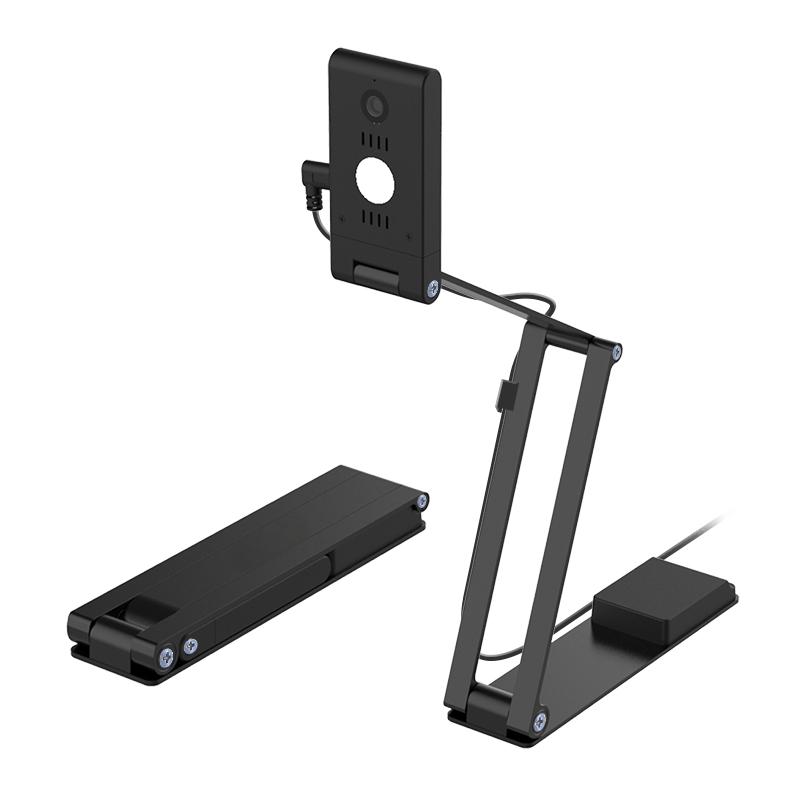
Value Priced 2-in-1 USB Digital Document Camera Visualizer A3 with 5MP 1/4" CMOS Sensor 10x Zoom 1-Year Warranty
- Budget-friendly classroom and office capture
- 2-in-1 document camera and visualizer
- 10x zoom, USB plug-and-play workflow
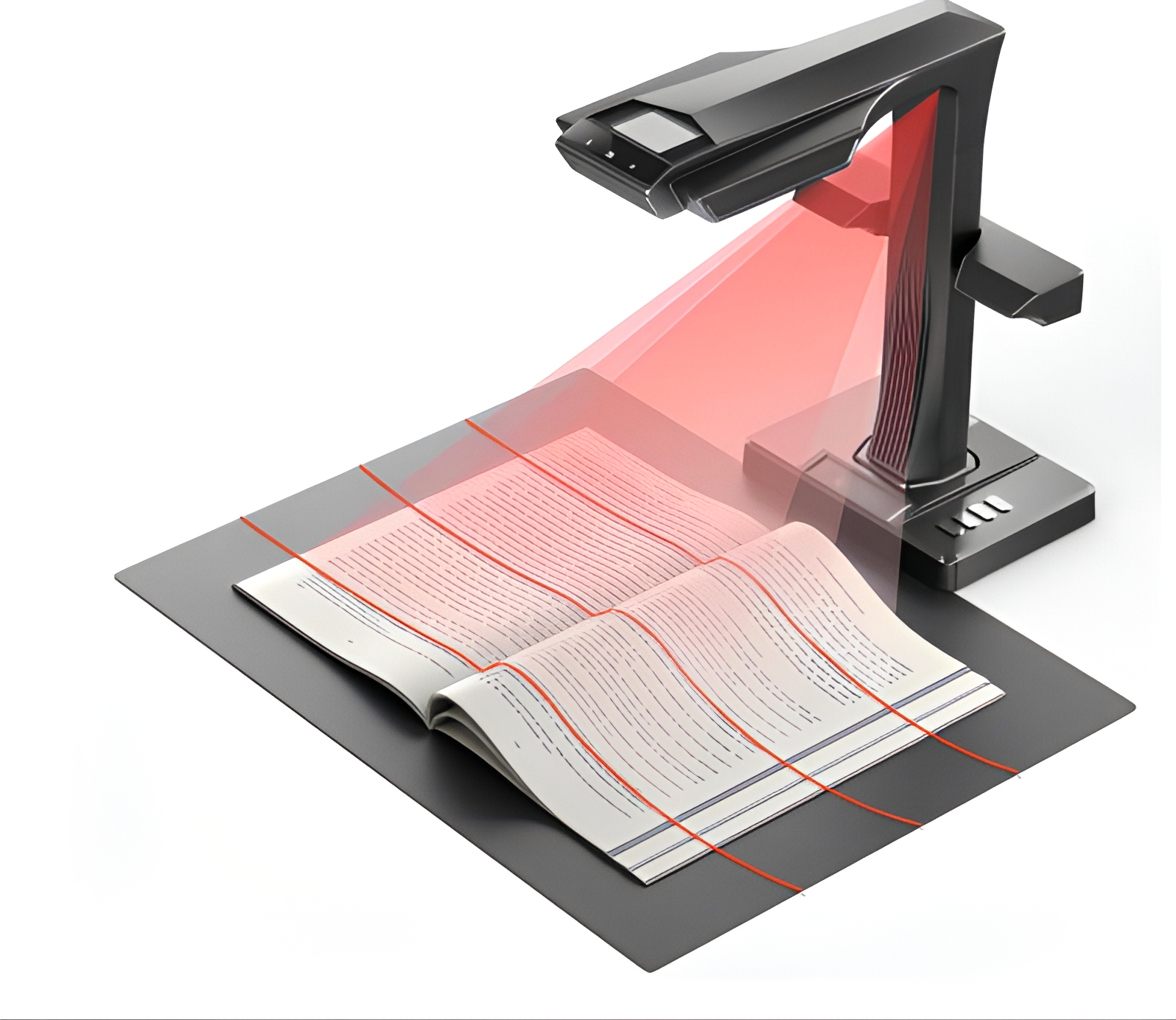
Book Scanner 38MP A3 Document Camera Auto Curve Flattening High Speed Overhead Scanner for Library Office
- High-resolution capture for bound books
- Auto curve flattening supports OCR
- Ideal for library and archive programs
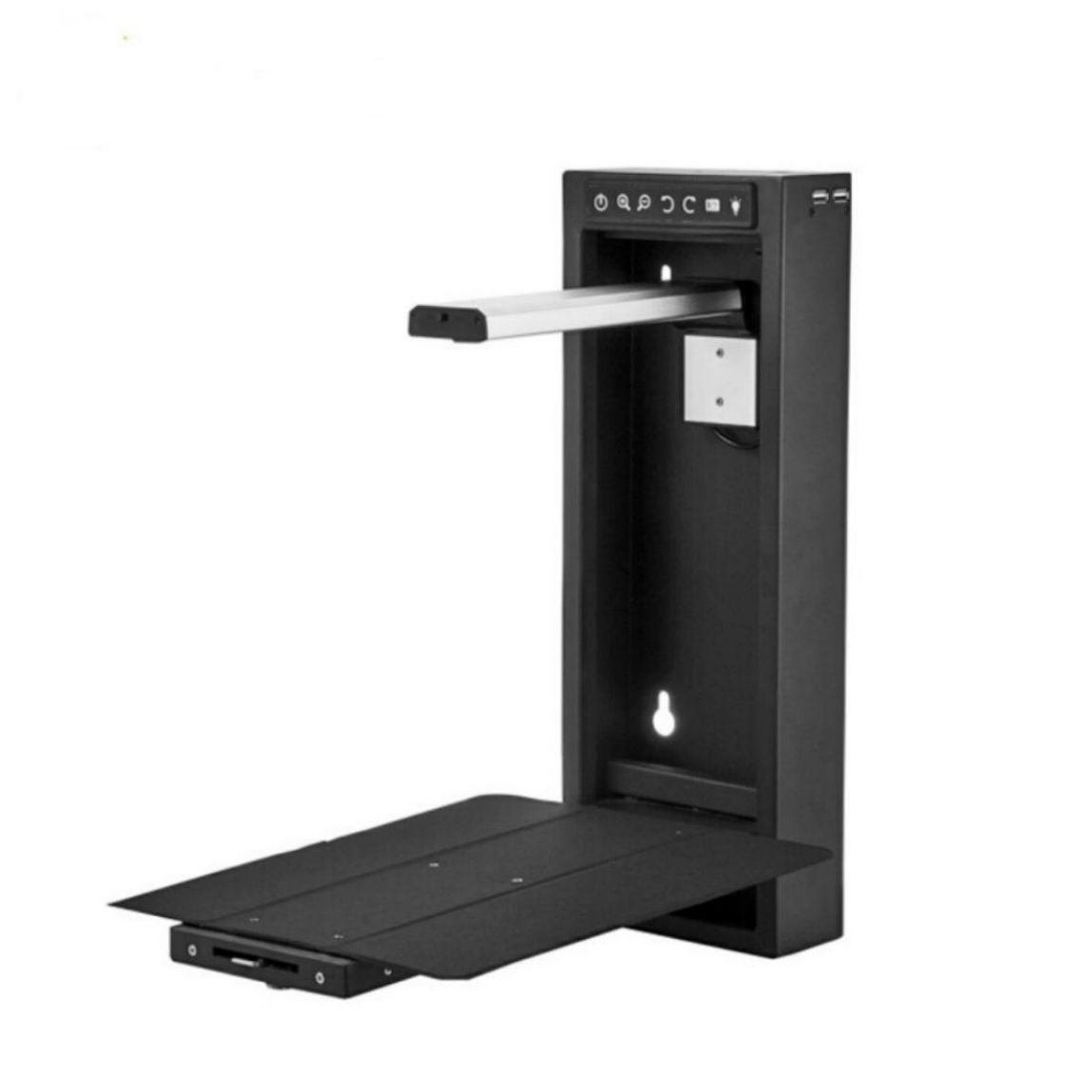
USB Interface Wall-Mounted A4 Visualizer OCR Document Scanner CMOS Sensor 10MP Resolution SDK Included Black 1-Year Stock
- Space-saving wall-mounted capture
- OCR and SDK for system integration
- Stock black finish with 1-year warranty
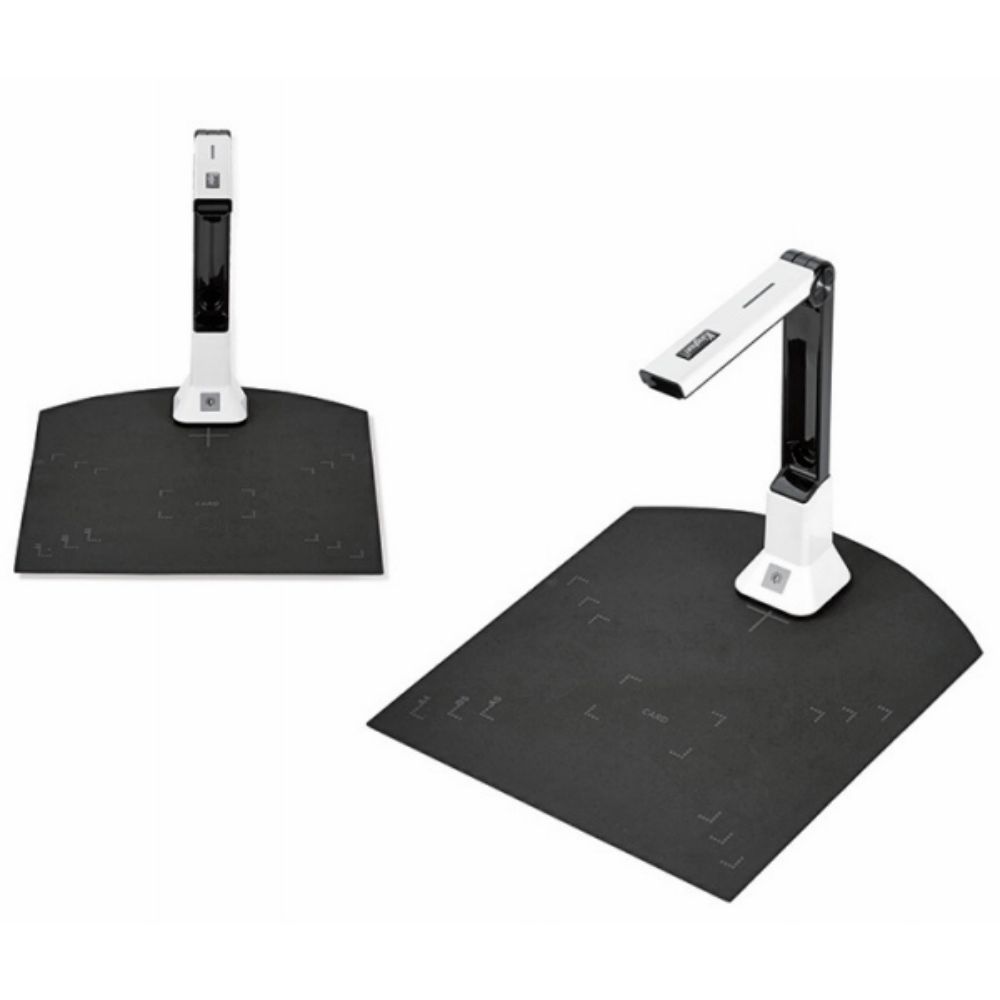
Wholesale 5MP USB Light CMOS A4 Document Scanner Portable Smart Handheld High Resolution 1-Second Scan CE Certified Stock Black
- Portable A4 scanning for mobile teams
- 1-second capture and CE certification
- Useful for field sales and home offices
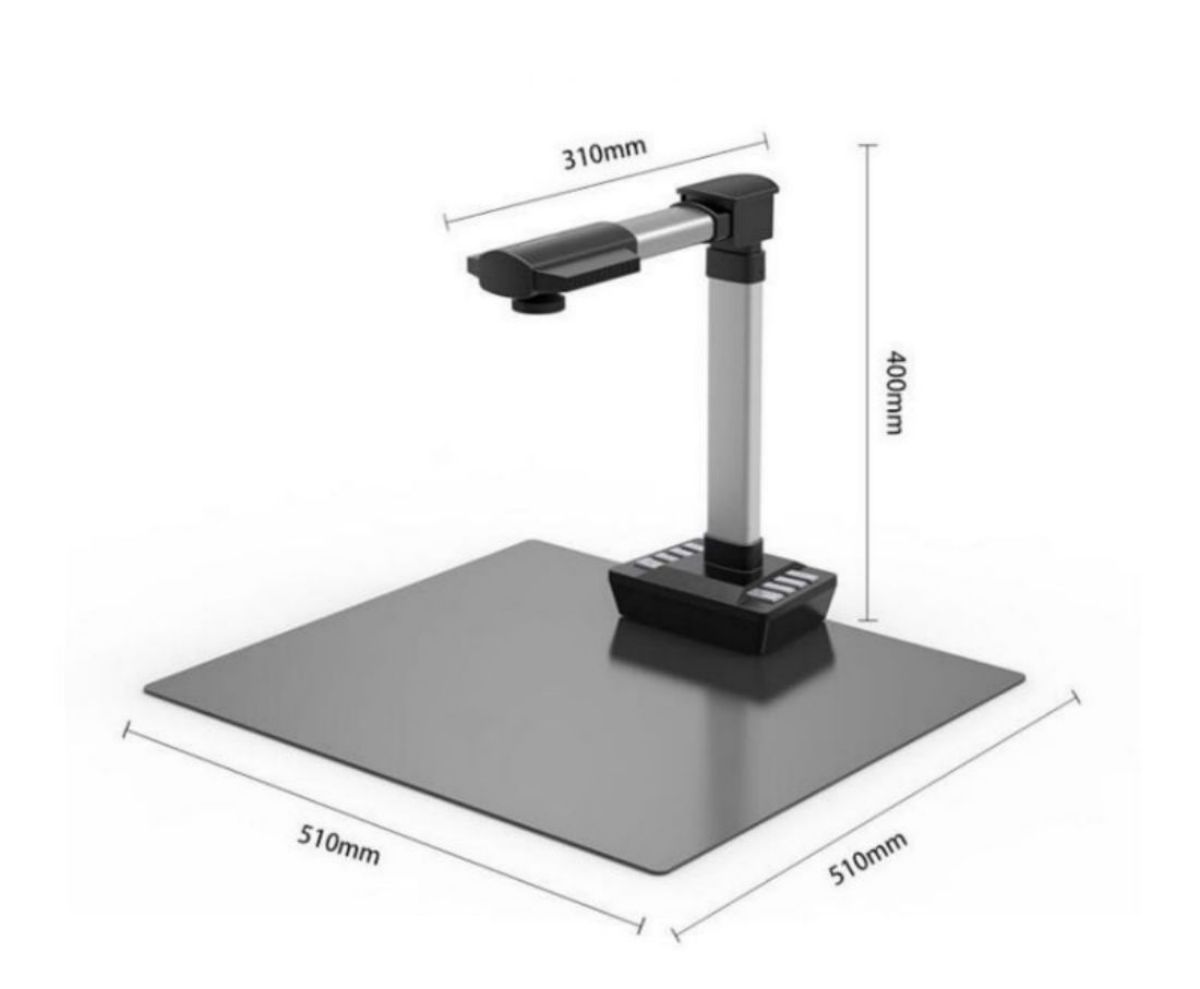
Portable 20MP High-Speed Wireless A3 Document Scanner Professional Book Scanner Foot Pedal USB Interface 24-Bit Color Stock
- Wireless and USB flexibility
- Foot pedal improves hands-free capture
- 24-bit color for books and records
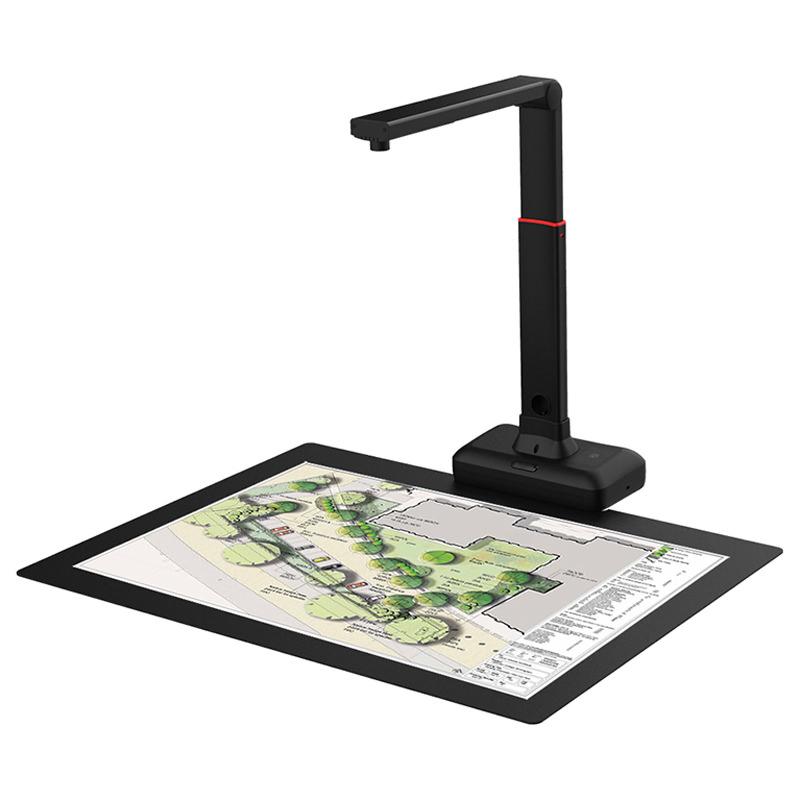
A2 Large Format Overhead Document Scanner 21MP USB Aluminum Text-to-Speech 1-Year Warranty in Stock
- A2 capture for maps and broadsheets
- Aluminum body with text-to-speech
- One-year warranty and ready stock
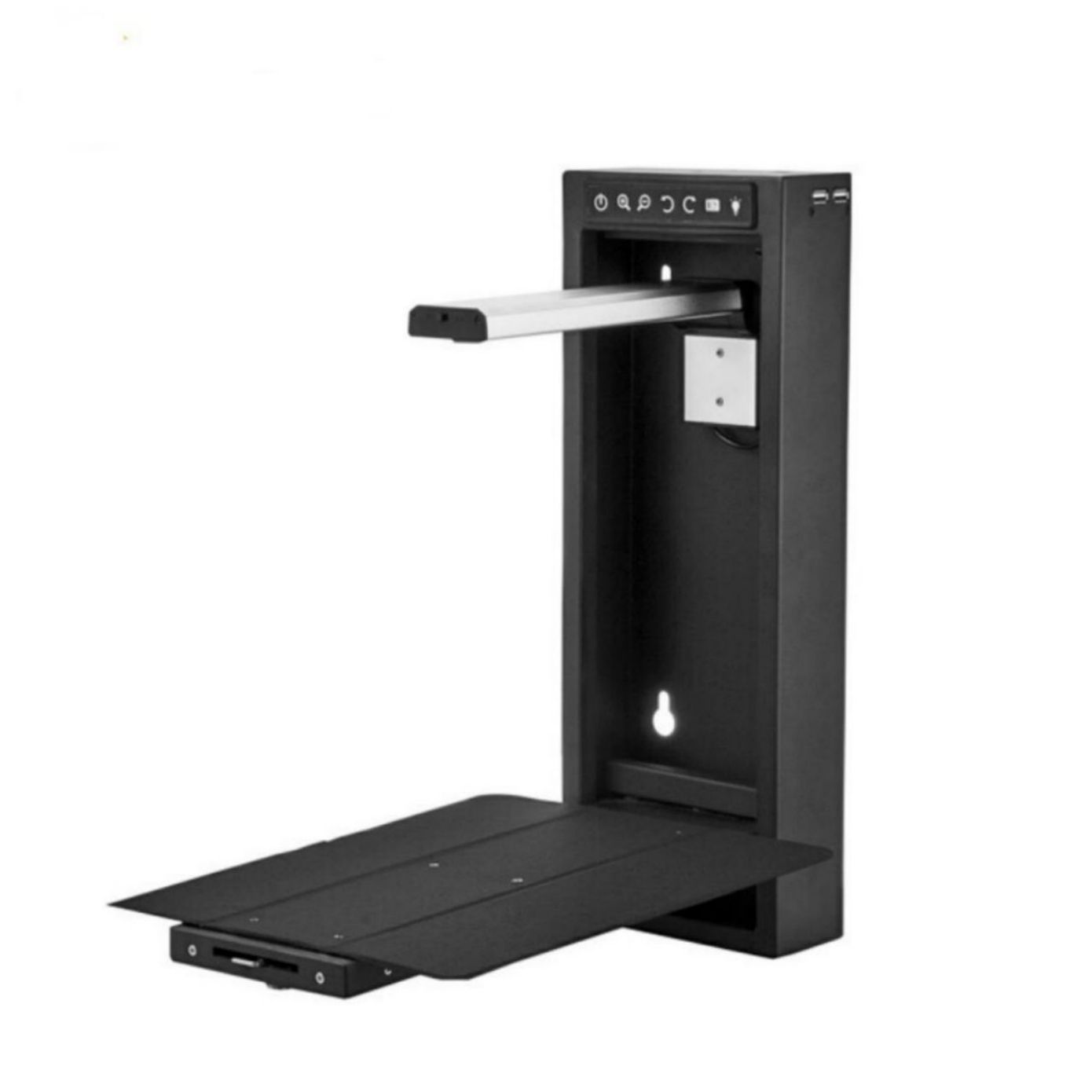
10MP USB CMOS Document Camera Wall Mount Scanner with 1-Second Scan Speed 1-Year Warranty in Stock Classroom Education A4 SDK
- Wall-mount classroom document camera
- 1-second scan speed and SDK
- A4 capture with education-ready support
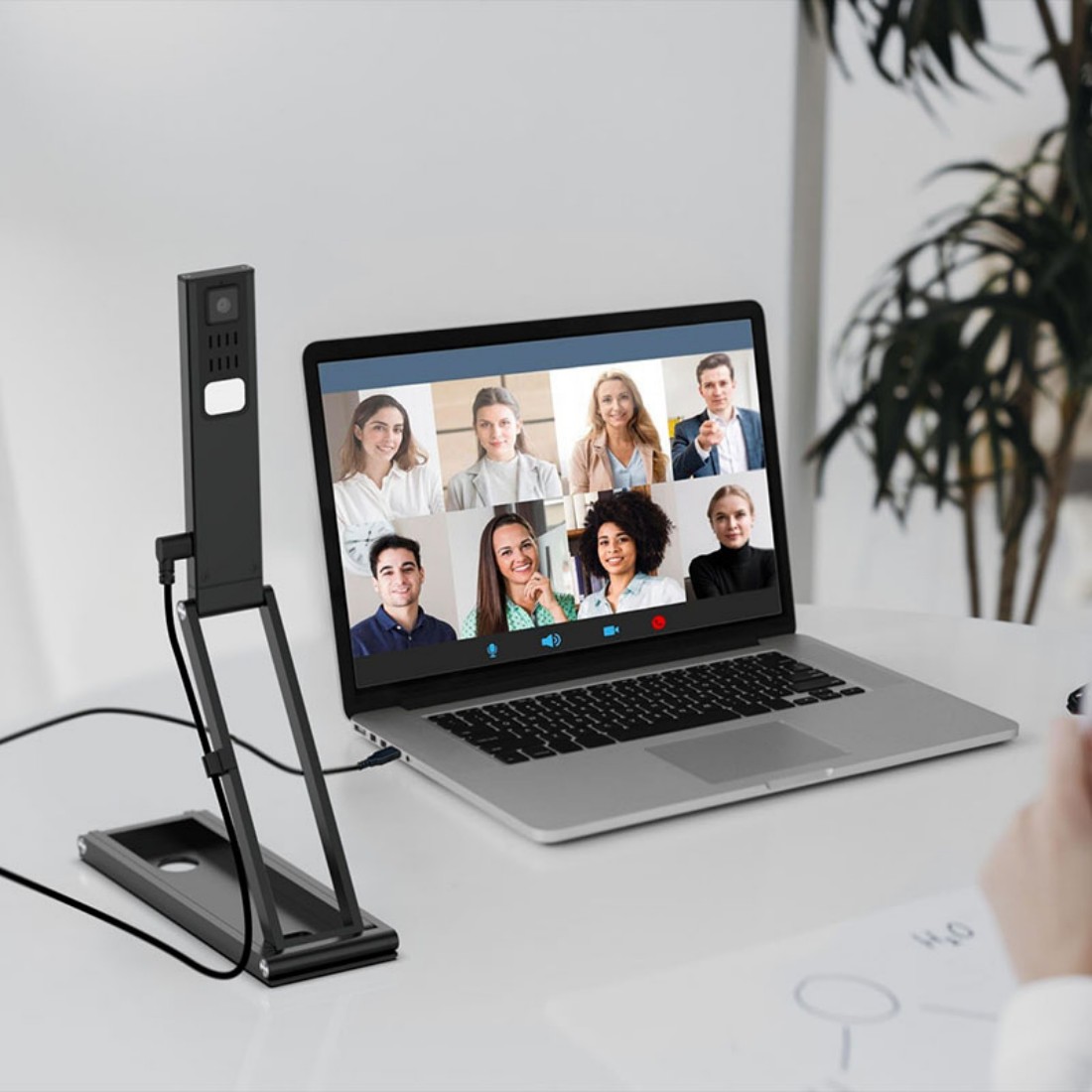
A3 4K Visual Presenter Document Camera with USB Interface for School Training Teaching Meetings Featuring Webcam Function
- 4K visual presenter with webcam function
- USB interface for training and meetings
- Strong fit for hybrid teaching and demos
Why “Top 10” Lists Fail—and What High-Intent Buyers Need Instead
Searching for Top 10 Automatic Book Scanner Factories & Exporters usually returns directory pages that repeat the same model names without explaining capture resolution, OCR quality, page-flattening performance, software support, or total cost of ownership. For a procurement manager, that is not information gain. It is risk.
A production-grade automatic book scanner is not merely a camera. It is a repeatable imaging system: sensor, lens, lighting, page-curve correction, OCR engine, export format, SDK, warranty, and supply response. The most reliable suppliers are judged less by the number of SKUs they list and more by whether they can prove results on your own documents. That is why this white paper treats the “top 10” as ten evidence-based filters, not a pay-to-play ranking.
Automatic Book Scanning Is Moving From Hardware to Workflow
In libraries, courts, government archives, universities, insurance departments, and publishing operations, the purchasing question has shifted from “How many megapixels?” to “How quickly can a non-specialist produce a searchable, audit-ready file?” This is the core procurement shift behind demand for automatic book scanners and overhead document cameras.

Top 10 Automatic Book Scanner Factories & Exporters: Ten Filters That Matter
Use these ten filters as a scorecard during supplier discovery. Each item can be verified with a sample scan, a video walkthrough, a software test, or a documented trade record.
Optical Platform
Confirm whether the scanner uses CMOS area capture, CIS line scanning, or CCD linear imaging. The correct platform depends on bound books, loose sheets, artwork, or high-volume batches.
True Page Resolution
Ask for dpi at your real page size. A3 archival masters need 300 dpi and roughly 18–24MP; full A2 at 300 dpi needs about 48MP for comfortable margin.
Automation Quality
Auto curve flattening, page detection, finger removal, split-page capture, and deskew are not cosmetic features. They determine operator throughput and OCR accuracy.
OCR & Export
Test searchable PDF, JPEG, TIFF, PDF/A-style workflows, language packs, batch naming, and whether OCR runs locally or through optional software.
SDK & Integration
For integrators, SDK access can matter more than the scanner itself. Ask about Windows/macOS compatibility, API documentation, and custom capture triggers.
Build & Lighting
Uniform lighting, aluminum structures, lens quality, cable routing, and foot-pedal support affect reliability in daily archive or classroom use.
OEM/ODM Flexibility
Look for logo printing, packaging, housing color, software branding, and minimum order quantities that fit both pilot projects and repeat distribution orders.
Compliance & Certification
Request available CE documentation, test reports, warranty terms, and product labeling. Compliance evidence should match the exact model and destination market.
Logistics & TCO
Compare unit price, export packing, delivery terms, duties, spare parts, and training time. A low unit price can become expensive when software or support is weak.
After-Sales Response
Verify response time, remote diagnostics, replacement policy, and whether technical staff—not only sales staff—can answer imaging questions.
2025–2028 Buying Trends for Book Scanner Exporters
Demand is becoming more specific. Buyers are no longer asking for a generic scanner; they are asking for evidence that a workflow will work at scale.
Sample-First Procurement
Pilot scans will matter more than brochures. Suppliers that can provide a real scan of the buyer’s own book, newspaper, or ID document will win trust faster and reduce return risk.
Small-Batch OEM
Distributors want branded packaging and software identity without committing to large inventory. Flexible MOQ and stock availability will remain decisive in B2B export deals.
Privacy-Preserving Capture
Government, banking, and legal buyers prefer local capture and controlled export over cloud-dependent workflows. On-device processing and clear data handling become evaluation criteria.
Workflow Integration
SDK, OCR language coverage, folder automation, and compatibility with document management systems will increasingly outweigh a single headline specification.
Where Automatic Book Scanner Technology Is Going Next
Hardware improvements are now tightly linked to software outcomes. The next purchase cycle will reward suppliers that can combine higher resolution with better automation, not simply larger sensors.
48MP and Dual-Camera A2
Dual 48MP CMOS designs support full A2 archival capture at higher effective dpi, making them attractive for newspapers, maps, and large-format records.
AI-Assisted Page Correction
Curve flattening, finger removal, edge detection, and auto-orientation will become expected features in mid-range scanners, not premium-only options.
Local OCR & Searchable PDF
Faster edge processors will reduce the need for a high-spec PC, enabling searchable PDF export in classrooms, service counters, and field offices.
Modular SDK Ecosystems
Camera modules, capture software, and SDK licensing will be sold as modular building blocks for system integrators rather than isolated boxed products.
Megapixel Math: Match the Sensor to the Page Size
Use the specification below to brief suppliers accurately. The objective is not the largest number on a datasheet; it is the correct dpi at the document size you scan every day.
How to Verify an Exporter Before You Place an Order
Even a well-written product page cannot replace operational verification. These six checks reduce sourcing risk for importers, tender buyers, and private-label distributors.
1. Ask for a Real Sample Scan
Submit a difficult page with tight binding, fine print, and a color image. Evaluate sharpness, lighting uniformity, curve correction, and OCR accuracy—not only a studio demo.
2. Test the Software
Confirm driver installation, scan presets, batch naming, export formats, OCR language settings, and whether the documented workflow works on your operating system.
3. Review Trade Records
Check supplier assessment, transaction history, ratings, and trade capacity. These records do not replace due diligence, but they create useful context for first orders.
4. Confirm Spare Parts & Warranty
Ask how remote diagnostics work, what is covered under the one-year warranty, and how replacement parts are shipped for a multi-unit classroom or archive rollout.
5. Clarify Customization Scope
Define logo placement, packaging artwork, housing color, software branding, SDK licensing, and approval steps before deposits. Ambiguity at this stage becomes delay later.
6. Validate Delivery Terms
Compare EXW, FOB, and DDU, along with payment currencies and methods. Confirm export packing, lead time, inspection photos, and documentation before shipment.



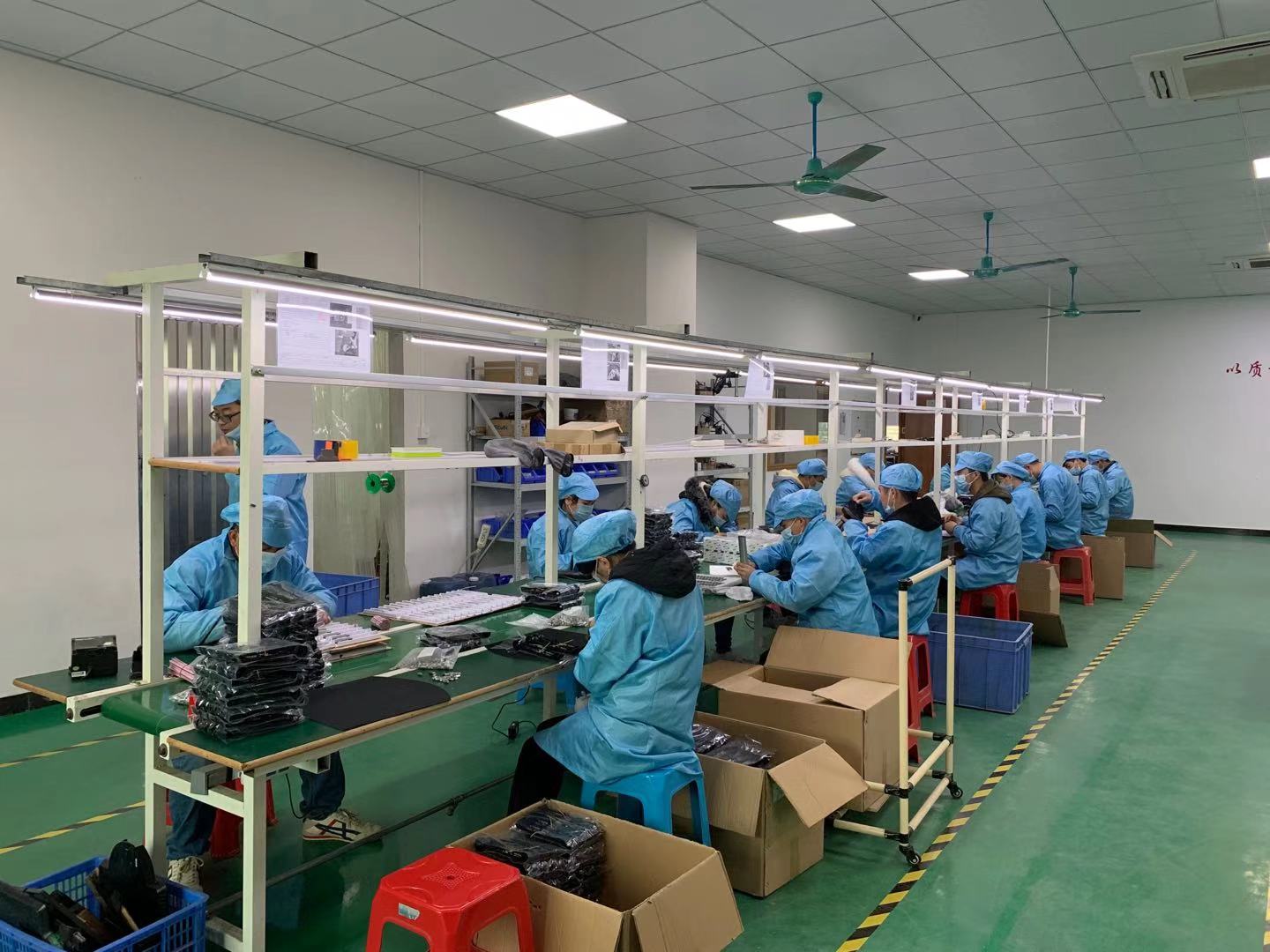
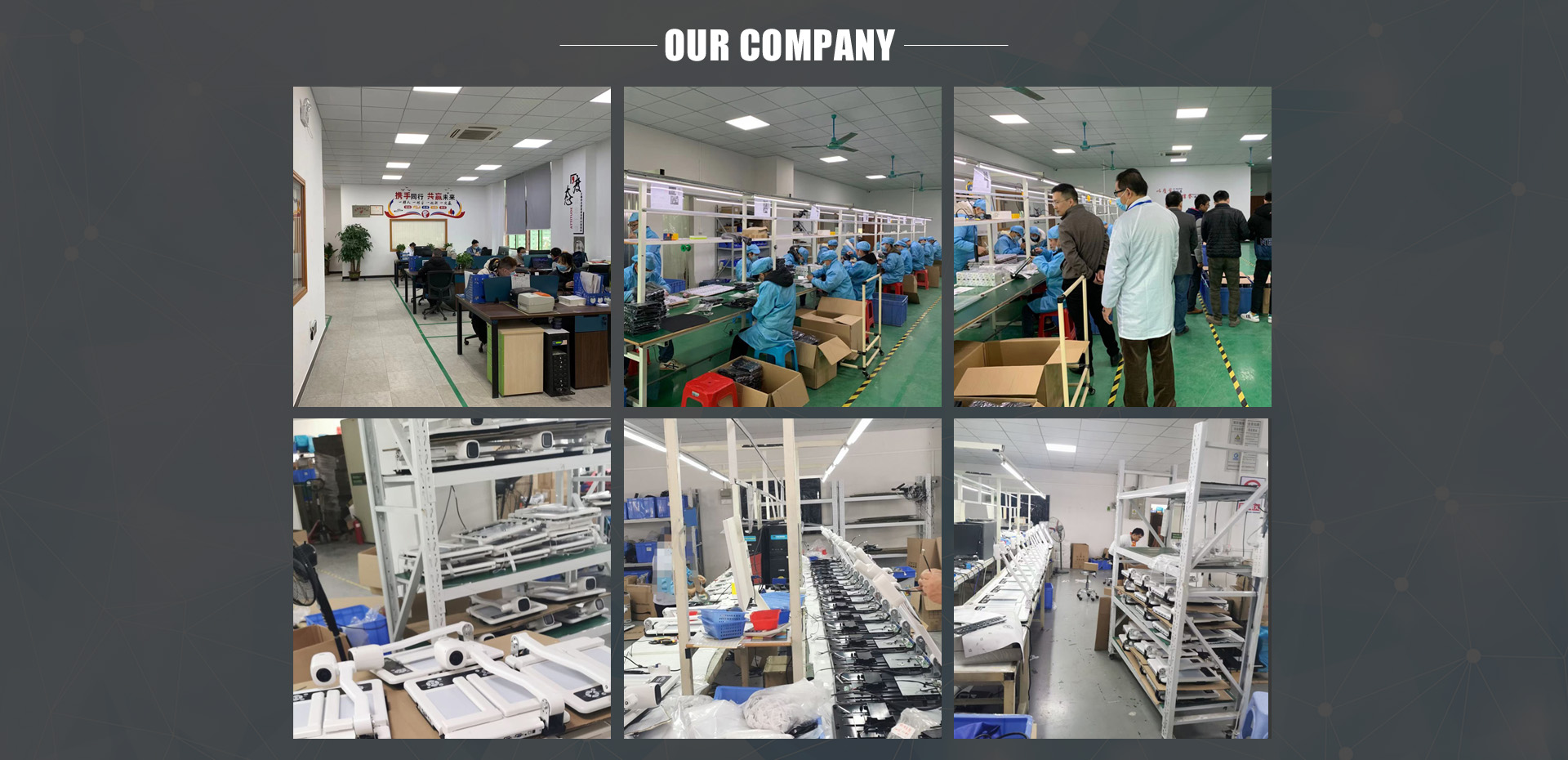
Guangzhou Quibow Electronic Co., Ltd.
For buyers shortlisting automatic book scanner factories and exporters, Quibow offers an export-focused combination of imaging product development, product coordination, OEM/ODM support, and after-sales responsiveness. The company focuses on image data acquisition and conversion, including high-speed document cameras, overhead book scanners, flatbed scanners, A2 large-format scanners, visual presenters, and ID card recognition cameras.
Its engineering and supply work spans CIS, CMOS, and CCD imaging platforms, allowing product recommendations to follow the document, application, and budget rather than forcing every buyer into one sensor type. This is especially valuable for distributors building a portfolio: a school may need a 4K visual presenter, a library may need a 38MP A3 overhead scanner, and a government archive may require a 48MP A2 configuration for broadsheets and maps.
Records Buyers Can Check Before Contacting a Supplier
Trust should be independently checkable. The records below are maintained through the supplier’s public platform profile and support a more evidence-based sourcing decision.
Automatic Book Scanner Buying Questions
These are the questions that most often determine whether a first sample order becomes a repeat distribution program.
What is the minimum order quantity for automatic book scanners and document cameras?
Most stock book scanners, A2 large-format scanners, and flatbed scanners start from one piece or one set. Several document camera models start from two pieces. OEM/ODM quantities are confirmed per project and can be aligned with pilot orders or distributor forecasts.
Do you support OEM and ODM projects?
Yes. Support can include logo printing, packaging, housing color, capture software branding, and SDK integration on selected models. Buyers should confirm the exact customization scope, approval artwork, and production lead time before placing a deposit.
Are the scanners compatible with Windows and macOS?
Many models, including A2 large-format scanners and the 1200 DPI A3 flatbed scanner, support Windows and macOS, and some are verified on Apple M1-powered Macs. Compatibility should always be confirmed for the specific model and software version before shipment.
Which resolution do I need for A3 or A2 documents at 300 dpi?
An A3 page at 300 dpi needs about 3508 × 4961 pixels, or around 17.4MP, so an 18MP or 24MP scanner is suitable. An A2 sheet at 300 dpi needs about 4961 × 7016 pixels, or around 34.8MP, so a 48MP A2 scanner is recommended for archival masters and projects with crop margins.
What payment and delivery terms are accepted?
Common terms include T/T, L/C, PayPal, and Western Union in USD, EUR, HKD, or CNY, with FOB, EXW, and DDU delivery. The final mix depends on order value, destination, and buyer profile.
What warranty and support are available?
Listed models such as A3 flatbed scanners, A2 overhead scanners, and the S2060W ADF scanner commonly come with a one-year warranty, backed by remote technical support. Buyers should confirm the warranty for the exact SKU and request a troubleshooting workflow before rollout.
Planning a Library, School, Government, or Distributor Rollout?
Share your document sizes, daily page volume, OCR needs, operating system, target dpi, and expected order quantity. A useful supplier response should include a model recommendation, sample scan plan, customization options, warranty terms, and delivery estimate. For buyers comparing automatic book scanner factories and exporters, this is the fastest way to move from a shortlist to a verified decision.