Top 10 Archive Scanner Manufacturers & Factory
A buyer-focused 2026 whitepaper for libraries, archives, universities, system integrators and distributors comparing overhead book scanners, A2 large-format scanners, flatbed scanners, OCR document cameras and visual presenters.
8 Archive Scanner & Document Camera Products for 2026 Procurement
These eight models cover the most common archive digitization, library preservation, classroom presentation and office capture scenarios. Each product link is preserved for direct specification review.
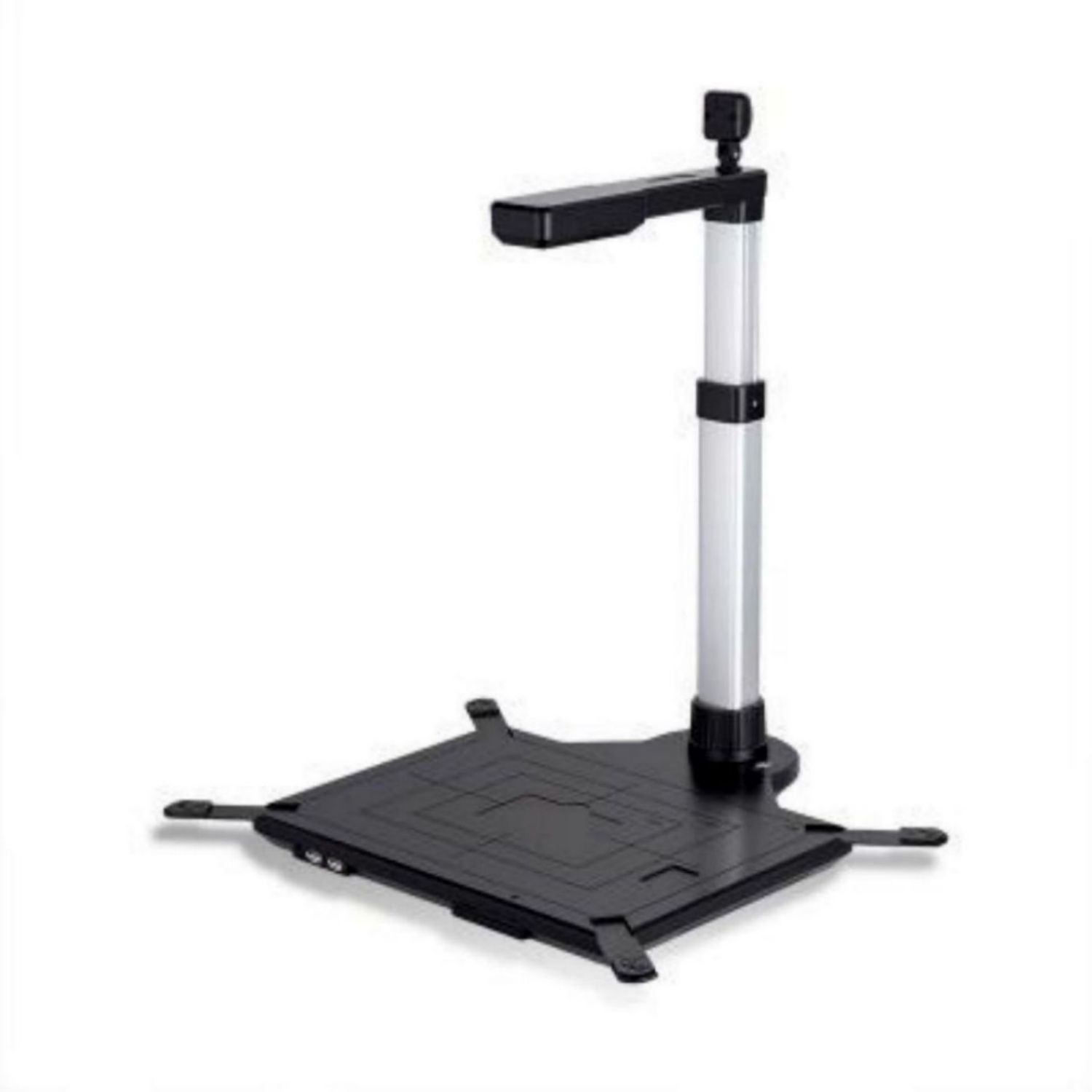
Professional USB Dual Camera Scanner for A3 Documents Supports OCR PDF Multi-Languages High-Speed 1-Second Scan 360-Degree
Recommended for high-throughput bound-book and document capture where OCR output and one-second scanning matter.
- A3 dual-camera capture
- OCR PDF and multi-language output
- USB workflow integration
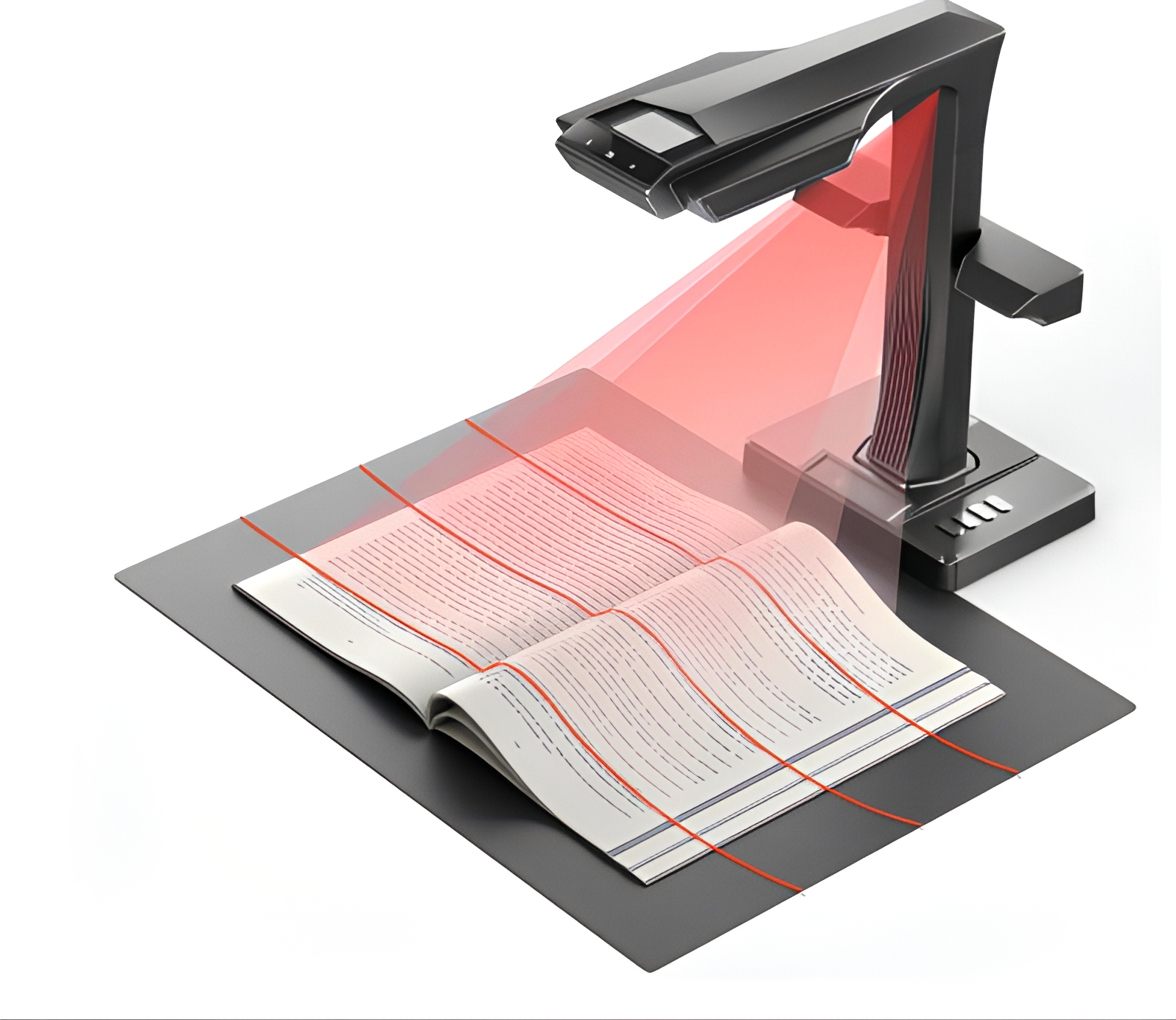
Book Scanner 38MP A3 Document Camera Auto Curve Flattening High Speed Overhead Scanner for Library Office
A strong fit for libraries that need higher pixel density, automatic curve flattening and non-contact book handling.
- 38MP A3 overhead sensor
- Auto curve flattening for books
- Library and office deployment
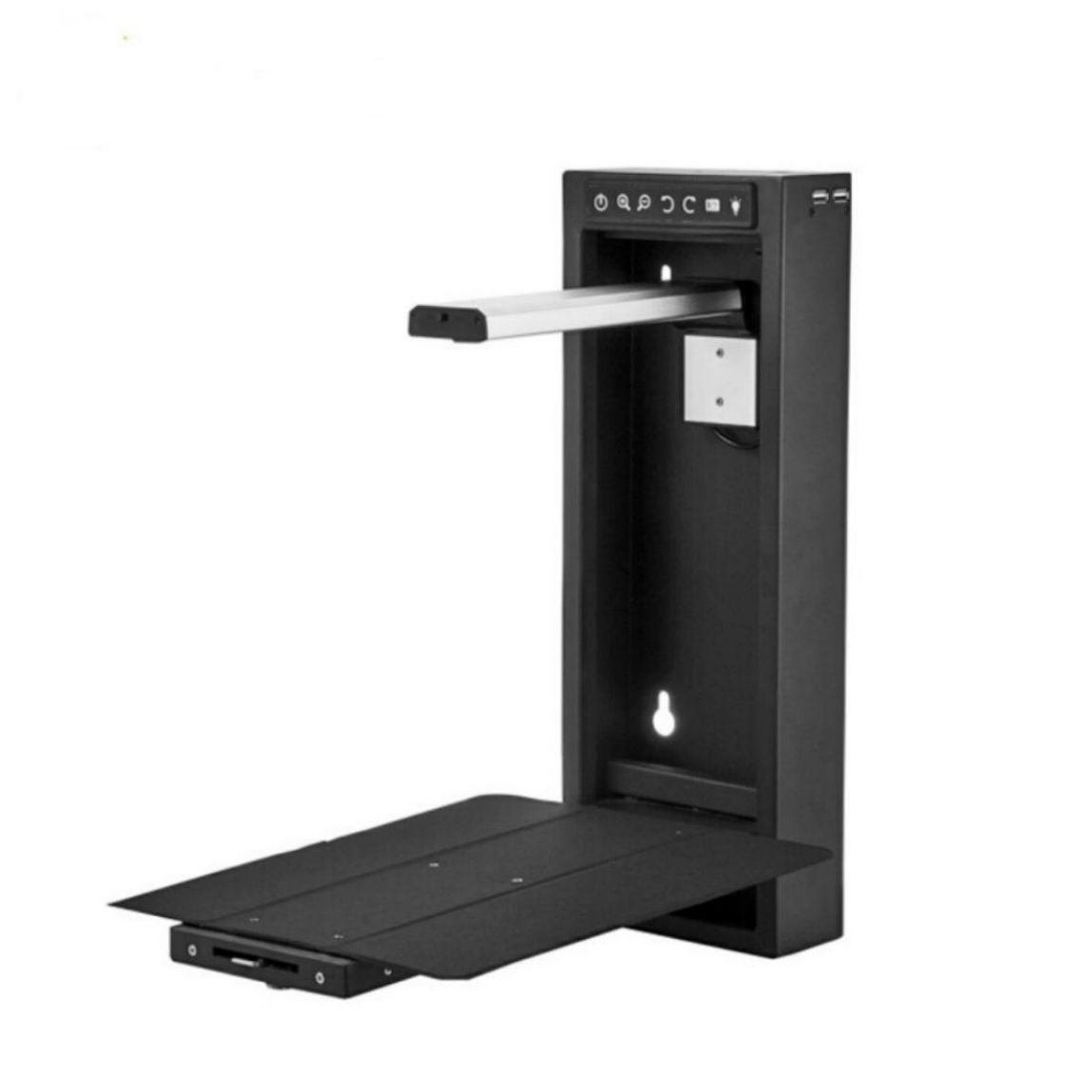
USB Interface Wall-Mounted A4 Visualizer OCR Document Scanner CMOS Sensor 10MP Resolution SDK Included Black 1-Year Stock
Suitable for service counters, self-service capture stations and software-integrated document workflows requiring an SDK.
- 10MP CMOS sensor
- Wall-mounted A4 visualizer
- OCR and SDK integration

USB Document Camera Scanner 10MP CMOS Visualizer A4 Scanner for Office Education
A practical A4 document camera for offices, online classes, training rooms and shared meeting spaces.
- 10MP CMOS visualizer
- A4 office and education capture
- USB plug-and-play workflow
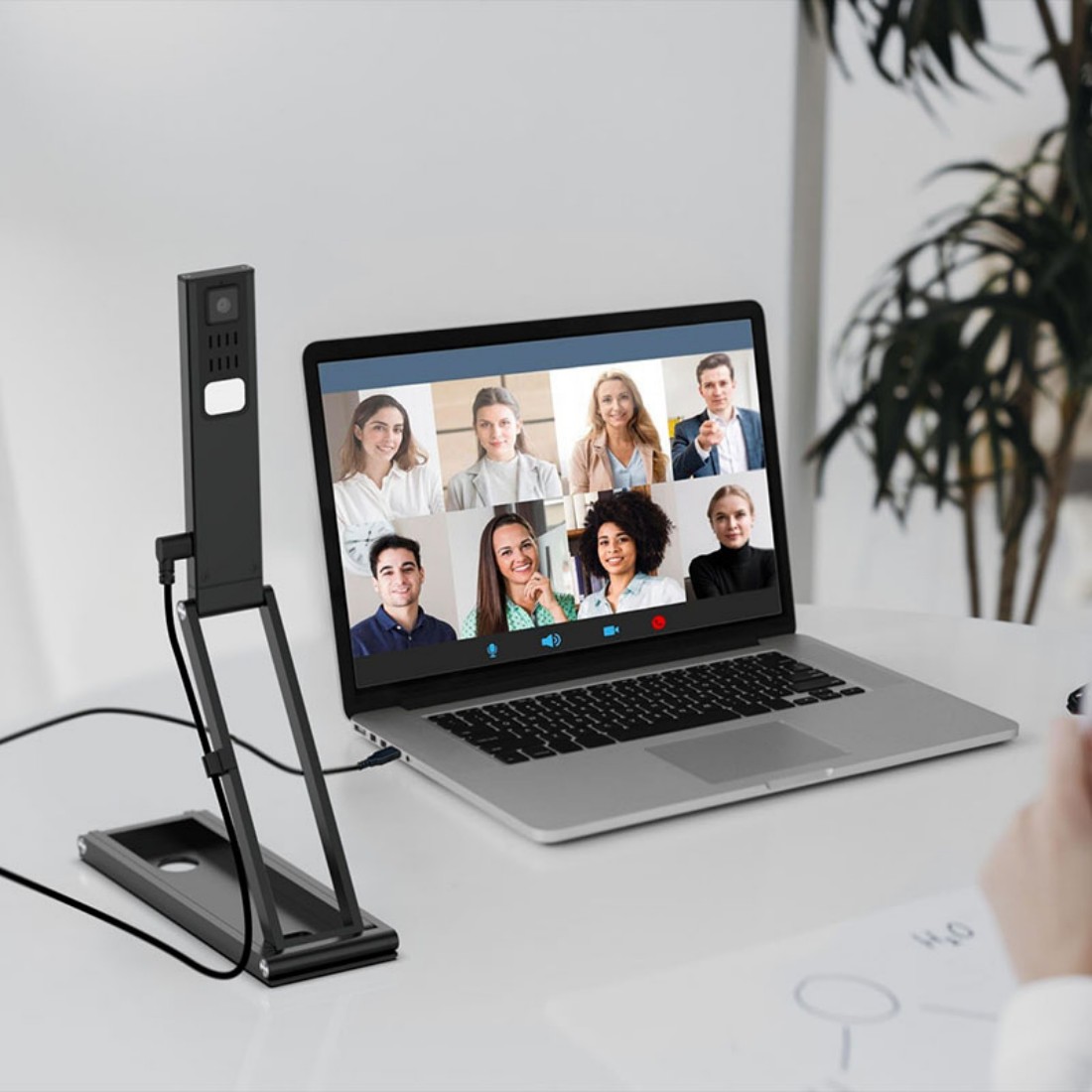
A3 4K Visual Presenter Document Camera with USB Interface for School Training Teaching Meetings Featuring Webcam Function
Designed for hybrid teaching and training rooms that need crisp 4K object display plus a webcam-style conferencing function.
- 4K visual presentation
- A3 document and object display
- USB for teaching and meetings
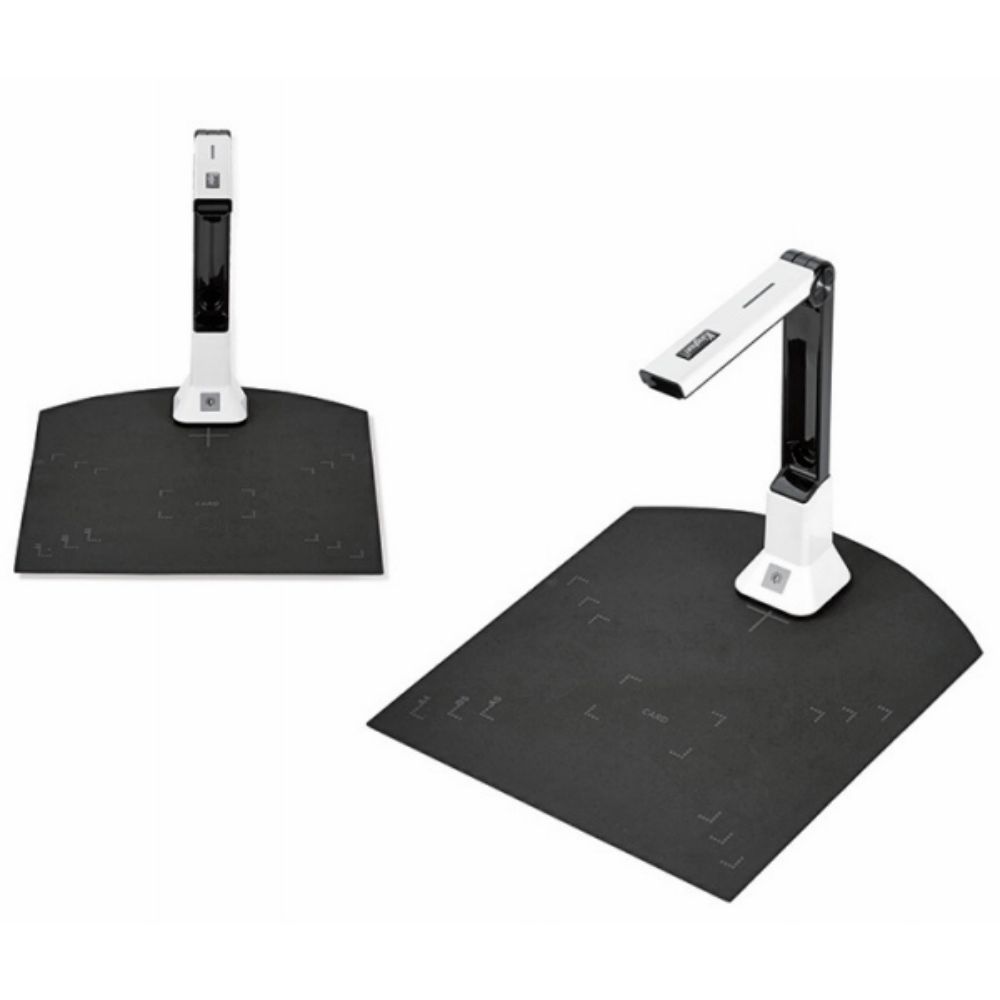
Wholesale 5MP USB Light CMOS A4 Document Scanner Portable Smart Handheld High Resolution 1-Second Scan CE Certified Stock Black
A cost-effective portable A4 scanner for mobile banking, field capture, retail counters and compact office spaces.
- 5MP USB document scanner
- Portable one-second scanning
- CE certified stock model
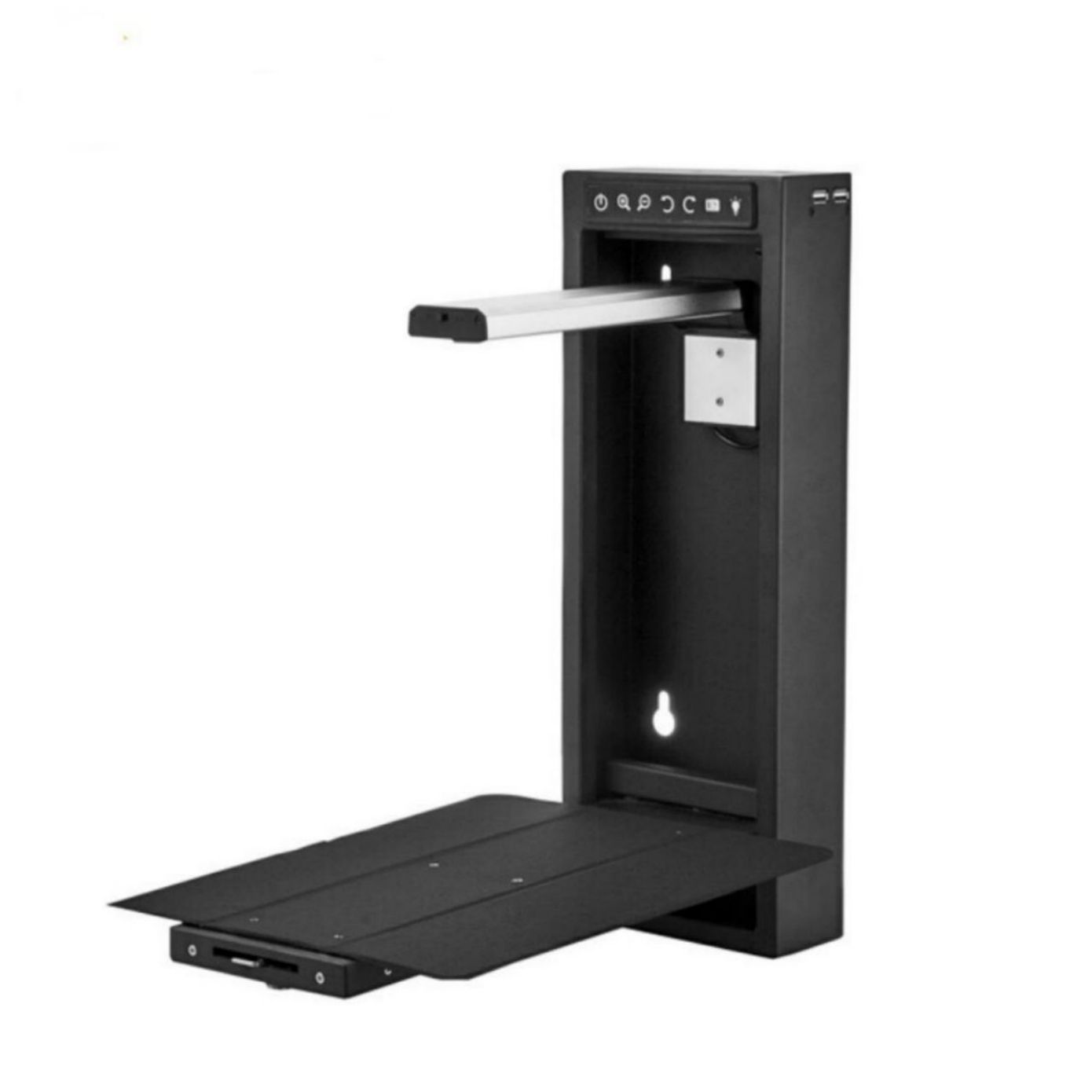
10MP USB CMOS Document Camera Wall Mount Scanner with 1-Second Scan Speed 1-Year Warranty in Stock Classroom Education A4 SDK
Ideal for wall-mounted classroom capture, training rooms and fixed-position document scanning with SDK access.
- 10MP CMOS wall-mount scanner
- One-second scan speed
- 1-year warranty and SDK
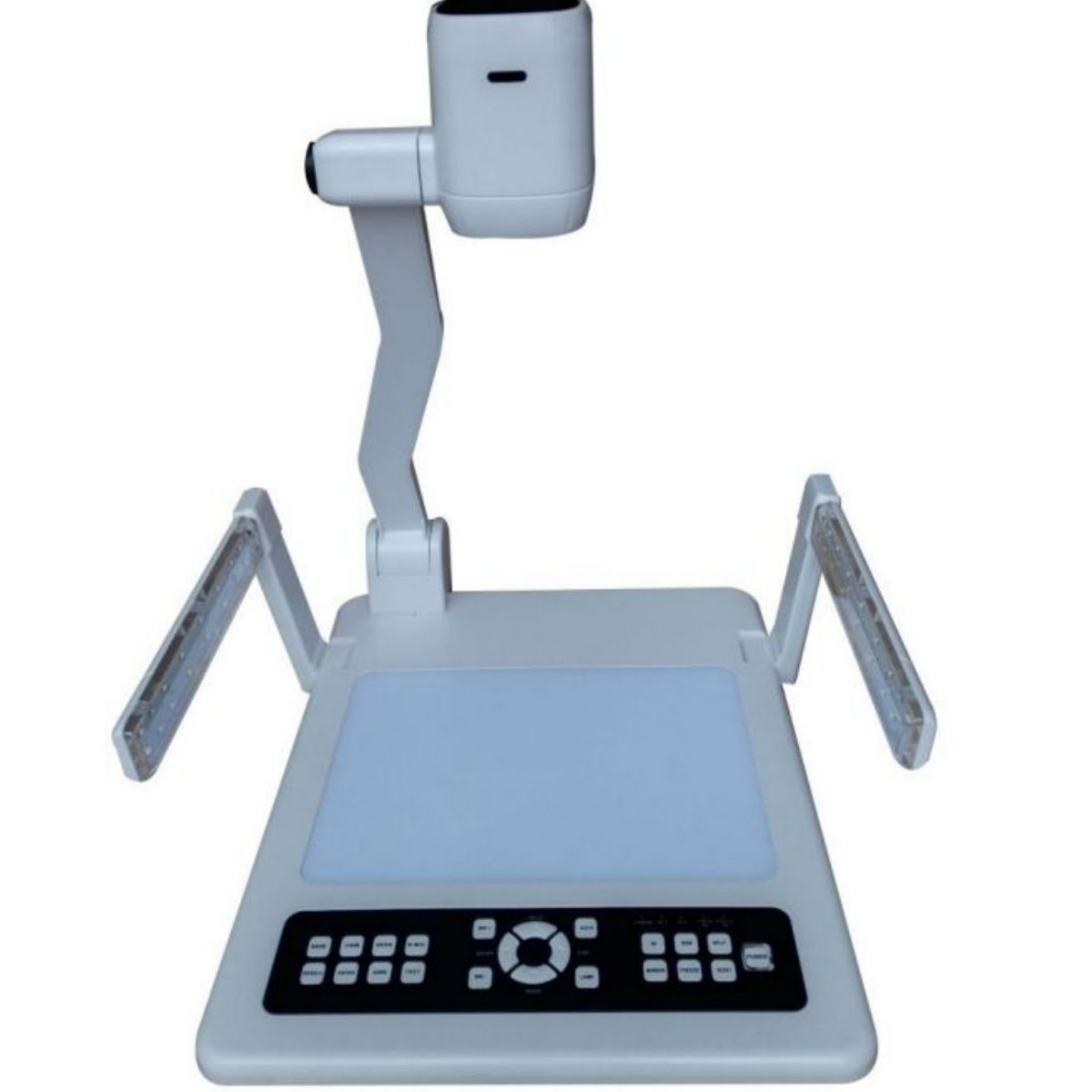
Multi-functional Document Camera Professional in Visual Presenter Also Visualizer in Educational Equipment
A flexible visual presenter for education equipment dealers and school projects requiring both document camera and visualizer functions.
- Multi-functional visual presenter
- Education equipment deployment
- Dealer-friendly product family
Why Top 10 Archive Scanner Manufacturers & Factory Lists Usually Miss the Real Decision
Public “top 10” lists are easy to publish and hard to verify. For archival digitization, the real question is not whether a supplier appears in a list, but whether the factory, imaging platform, software ecosystem and export support match the documents you must preserve. A scanner that performs well on loose A4 invoices may fail on a 4 cm-thick bound volume. A 21MP A2 system may look impressive until a tender requires 300 dpi at full A2 size. A low unit price can become expensive if OCR quality, driver stability, SDK access or spare-parts support is weak.
This guide is structured as a procurement whitepaper rather than a catalogue. It uses Quibow’s product and company information as a reference case: a Guangzhou-based imaging technology supplier established in 2020, onsite checked, serving Eastern Europe, North America and South America, with CIS, CMOS and CCD product experience, OEM/ODM support, SDK integration, fast quotation response and a one-year warranty on listed models. The goal is to help buyers compare archive scanner manufacturers and factory partners with measurable criteria.
Get a Quote- Sensor type, pixel count and real output dpi for A3 and A2 documents.
- Non-contact book handling, curve flattening and spine-safe workflows.
- OCR quality, searchable PDF output and multi-language support.
- SDK, OEM/ODM branding and software integration flexibility.
- Stock status, MOQ, payment terms, warranty and export records.
Top 10 Capabilities That Separate Archive Scanner Manufacturers & Factories
Instead of ranking suppliers by unverifiable claims, use these ten capabilities to score archive scanner factory partners against your project requirements.
Resolution Matched to Format
An A3 page at 300 dpi requires about 17.4MP. A2 at 300 dpi requires about 34.8MP, so 48MP imaging is safer for archival masters.
Non-Contact Book Handling
Overhead scanning protects bindings. Auto curve flattening, deskew and finger removal reduce post-processing time.
A2 Broadsheet Capability
Newspapers, maps, posters and engineering drawings need full A2 coverage and enough pixels for downstream OCR.
OCR & Searchable PDF
OCR is a workflow, not a checkbox. Confirm language packs, export formats, layout retention and editable output quality.
CIS, CMOS or CCD Fit
CIS suits ADF batches, CMOS area sensors suit overhead book and visualizer capture, and CCD supports bookedge and photo needs.
SDK & OEM/ODM Flexibility
Branding, packaging, housing color, capture-software branding and SDK integration matter to distributors and integrators.
Quality Inspection Routine
Focus, lighting uniformity, driver installation and capture speed should be checked per unit before export packing.
Fast RFQ Response
Response speed affects project risk. A supplier reporting ≤1h average response and 100% message response rate is easier to coordinate.
MOQ & Ready Stock
Some book scanners and flatbeds start from one piece; several document cameras start from two pieces. OEM quantities are project-specific.
Verified Records & Support
Check onsite verification, trade capacity, transaction history, buyer reviews and after-sales technical support before ordering.
How Many Megapixels Do You Really Need for Archive Scanning?
Megapixels only become meaningful when connected to document size. The practical formula is simple: target dpi × document width and height in inches = required pixel dimensions. From that, buyers can compare overhead scanners, document cameras and flatbed scanners on equal terms.
For example, an A3 sheet at 300 dpi needs roughly 3508 × 4961 pixels, or about 17.4 megapixels. An A2 sheet at 300 dpi needs roughly 4961 × 7016 pixels, or about 34.8 megapixels. This is why a 21MP A2 overhead scanner may be acceptable for reading and OCR, but not automatically sufficient for archival master files at full 300 dpi.
Pixel Requirements by Archive Document Size
| Document size | Pixels at 300 dpi | Recommended sensor | Product fit |
|---|---|---|---|
| A4 210 × 297 mm | 2480 × 3508 ≈8.7MP | 10MP or higher | 10MP+2MP dual-lens scanner; 10MP document cameras |
| A3 297 × 420 mm | 3508 × 4961 ≈17.4MP | 18–24MP | 18MP OCR book scanner; 24MP auto-flatten book scanner |
| A2 420 × 594 mm | 4961 × 7016 ≈34.8MP | 48MP for ≈340 dpi | A2 dual 48MP book scanner; 48MP A2 newspaper archive scanner |
| Photos & artwork | 600–2400 dpi optical | Flatbed, 48-bit color | 1200 DPI or 2400 DPI A3 flatbed scanners |
2026–2030 Archive Scanner Procurement Trends
Buyers are shifting from “camera specifications” toward total digitization capability: preservation-safe capture, OCR quality, software integration, verifiable supplier data and lifecycle support.
48MP A2 Becomes the Archive Baseline
Newspaper, map and poster digitization projects increasingly specify 48MP A2 capture to avoid rescanning and to create future-proof masters.
AI-Assisted Cleanup and OCR
Curve correction, finger removal, background cleanup and OCR confidence scoring are becoming normal expectations rather than premium features.
SDK-First Procurement
Integrators now ask for SDK access, driver stability and custom workflow support before comparing hardware prices.
Preservation-Safe Non-Contact Capture
Libraries and archives increasingly avoid pressing fragile books flat. Overhead book scanners and bookedge flatbeds are favored for fragile originals.
4K Visual Presenters for Hybrid Teaching
Education buyers are combining document camera capture with live conferencing, requiring 4K imaging, USB connectivity and webcam-style operation.
Verified Supplier Data in RFP Scoring
Onsite checks, transaction history, buyer reviews, trade capacity and response-rate data are moving from “nice to know” into weighted scoring.
What Is Changing Inside Modern Archive Scanner Factories?
The next generation of archive scanners is being shaped by higher pixel density, better correction algorithms, edge processing and more modular deployment.
Higher Pixel Density at A2
Dual 48MP CMOS systems and 48MP single-sensor overhead scanners are reducing the gap between production scanning and preservation-grade capture.
On-Device and Edge Processing
Faster local processing supports instant curve flattening, page detection, OCR preparation and lower dependency on high-end PCs.
Modular Lighting and Accessories
LED lighting, foot pedals, monitors, wall-mount kits and software options let one platform serve libraries, counters and classrooms.
Cross-Platform and SDK-Friendly Design
Windows, macOS, Apple M1 verification on selected models and SDK access help distributors build repeatable vertical solutions.
Why Quibow Is a Practical Archive Scanner Factory Partner
Guangzhou Quibow Electronic Co., Ltd. is a technology-driven supplier focused on image data acquisition and conversion equipment. The product portfolio includes high-speed document cameras, overhead book scanners, A2/A3 large-format scanners, flatbed scanners, visual presenters and ID card recognition high-speed cameras. The company works across CIS, CMOS and CCD imaging platforms, covering product development, production coordination, export sales and after-sales support.
For archive projects, this range matters because a single supplier can support multiple capture scenarios: overhead non-contact scanning for bound books, 48MP A2 capture for newspapers and maps, flatbed scanning for photographs and zero-margin material, and document cameras for classroom or service-counter capture. OEM/ODM support includes logo printing, packaging, housing color, capture-software branding and SDK integration on selected models. Payment can be handled through T/T, L/C, PayPal and Western Union in USD, EUR, HKD or CNY, with FOB, EXW and DDU delivery terms.



Verified Supplier Records
Onsite-checked status, credit overview, ratings and reviews, trade capacity and transaction records can be reviewed before purchase.
Fast B2B Communication
≤1h average response time and 100% message response rate help procurement teams keep projects moving.
Export Ready
T/T, L/C, PayPal, Western Union, USD/EUR/HKD/CNY and FOB/EXW/DDU terms support cross-border projects.
Archive Scanner Factory Questions Buyers Ask Most
Direct answers for procurement teams evaluating archive scanner manufacturers, MOQs, OEM/ODM services, compatibility, warranty and payment terms.
What is the minimum order quantity for archive scanners and document cameras?
Most stock book scanners, A2 large-format scanners and flatbed scanners start from 1 piece or 1 set. Several document camera models start from 2 pieces. OEM/ODM quantities are confirmed per project based on branding, packaging, software and hardware requirements.
Do you support OEM and ODM orders for archive scanner projects?
Yes. OEM/ODM support can include logo printing, packaging, housing color, capture software branding and SDK integration on selected models. For archive projects, buyers should share document size, daily volume, target resolution, OCR language and software workflow before requesting a custom quotation.
Are the scanners compatible with Windows and macOS?
Many models, including the A2 large-format scanners and the 1200 DPI A3 flatbed scanner, support Windows and macOS, and some are verified on Apple M1 Macs. Compatibility should be confirmed for each model and software version before shipment.
Which resolution do I need for A3 or A2 archive scanning at 300 dpi?
An A3 page at 300 dpi needs about 3508 × 4961 pixels, or around 17.4MP, so an 18MP or 24MP scanner is suitable. An A2 sheet at 300 dpi needs about 4961 × 7016 pixels, or around 34.8MP, so a 48MP A2 scanner is recommended for archival master files.
Can one scanner handle books, newspapers and loose documents?
It depends on the format and capture method. A2 overhead book scanners are often used for newspapers, maps and large bound volumes, while A3 overhead scanners suit books and office documents. Flatbed and ADF scanners are better for loose sheets, photos or high-volume office batches.
What payment and delivery terms are accepted?
Quibow accepts T/T, L/C, PayPal and Western Union in USD, EUR, HKD or CNY, with FOB, EXW and DDU delivery terms. Final terms are confirmed with the quotation and order details.
What warranty is available on archive scanner models?
Listed models such as A3 flatbed scanners, A2 overhead scanners and the S2060W ADF scanner come with a 1-year warranty, backed by remote technical support. Warranty terms should be confirmed on the final quotation for OEM/ODM projects.
How can I verify supplier reliability before placing an order?
Review onsite verification, credit overview, buyer ratings and reviews, trade capacity, transaction level and trade history. Also request sample scans, confirm driver and SDK compatibility, and ask for the exact model, warranty, packaging and delivery terms in writing.
Need a Factory Quote for A2/A3 Archive Scanning?
Share your document sizes, daily volume, target dpi, OCR languages, software or SDK requirements and destination country. We will recommend a suitable book scanner, A2 overhead scanner, flatbed scanner or document camera and prepare a project quotation.