8 A3 Book Scanner and Document Camera Models for Wholesale Evaluation
When comparing the top 10 A3 book scanner suppliers and wholesalers, start with actual models rather than generic claims. The shortlist below is drawn from Quibow’s current catalogue and covers overhead book capture, dual-camera document scanning, portable A4 visualizers, classroom document cameras and wall-mounted visualizers.
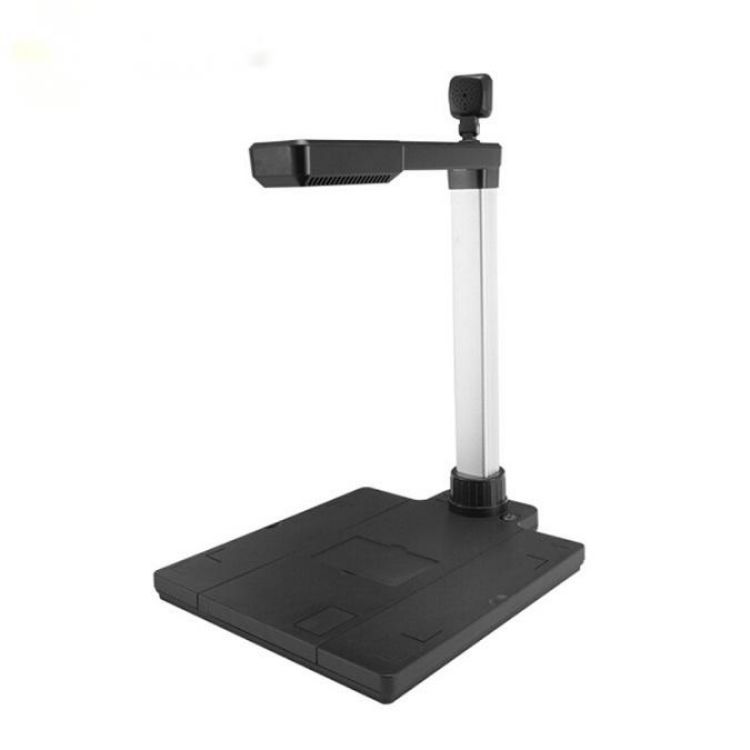
10MP Education Visualizer Scanner Document Management Book Camera USB in Stock
A practical USB visualizer for classrooms, training rooms and office counters that need fast book and document capture without a complex installation.
- 10MP document camera capture
- Education, book and document workflows
- In-stock wholesale availability
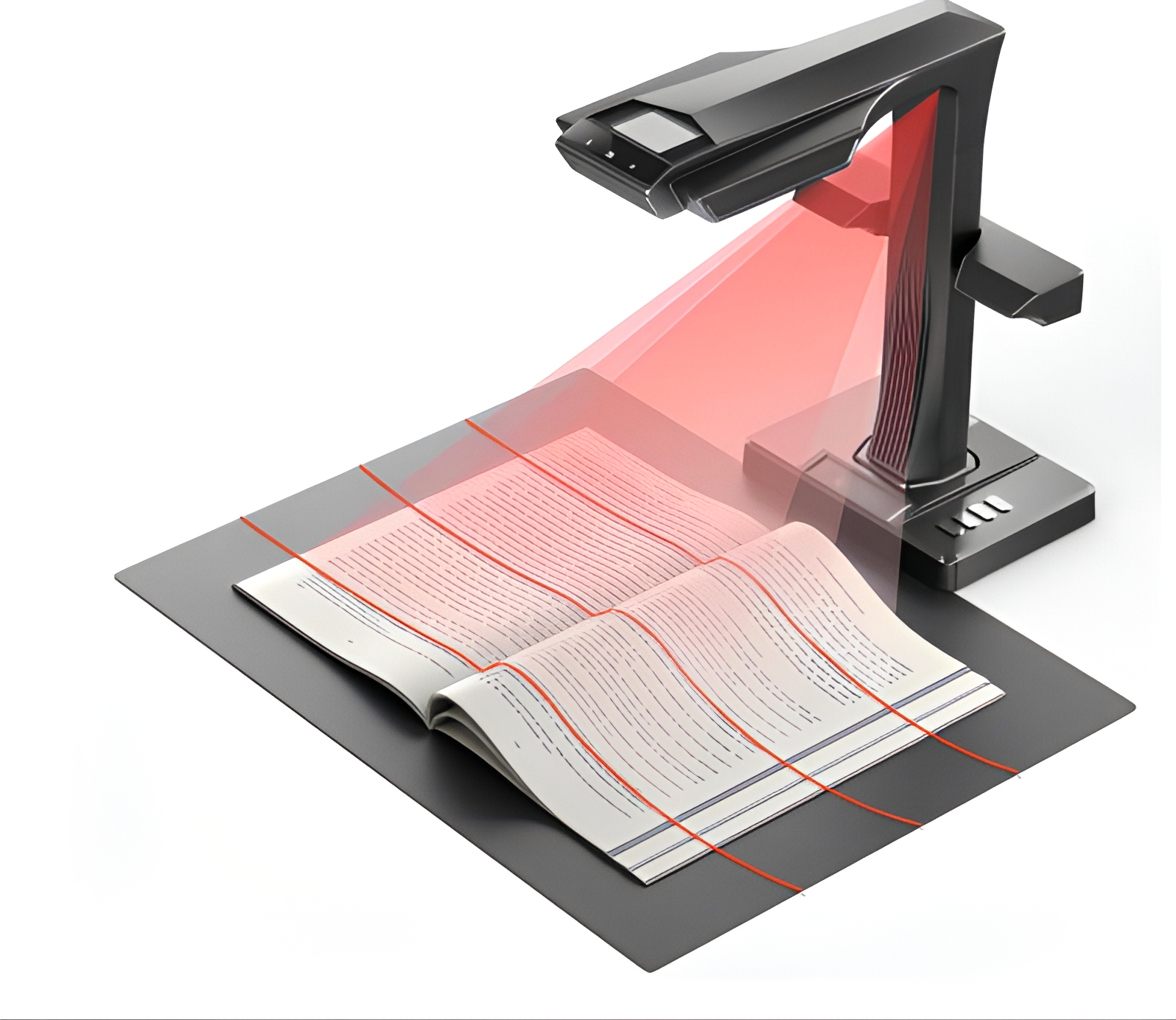
Book Scanner 38MP A3 Document Camera Auto Curve Flattening High Speed Overhead Scanner for Library Office
A high-resolution A3 overhead scanner with auto curve flattening for bound books, periodicals and archive records where spine protection matters.
- 38MP A3 non-contact capture
- Auto curve flattening
- High-speed library and office use
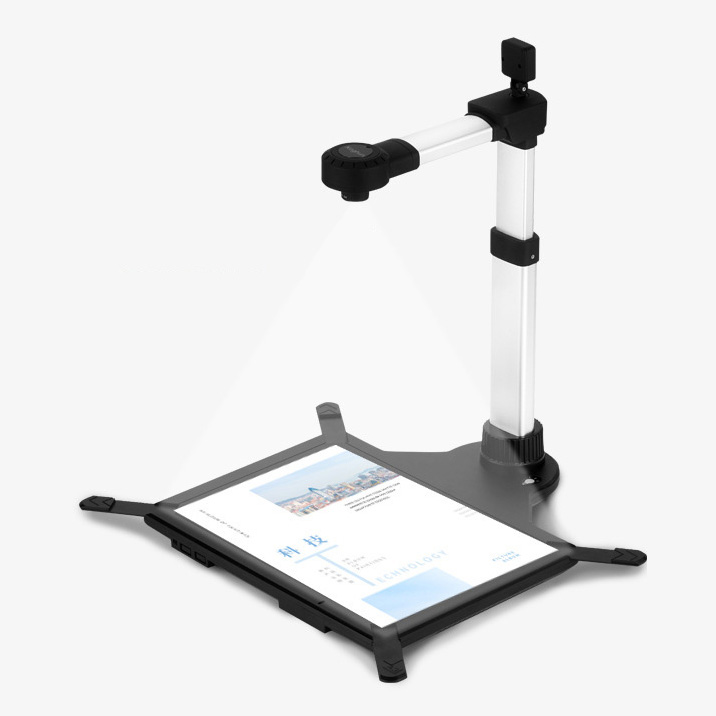
HD Dual Camera 16MP + 2MP Pixels Multifunction Stretchable Smart USB 60 Pages/Min A3/A4 Document Scanner 360 Rotation 180
A flexible dual-camera scanner for service counters, enrollment desks and mixed A3/A4 workflows that need fast page throughput and flexible positioning.
- 16MP + 2MP dual-camera design
- 60 pages/min A3/A4 scanning
- 360° rotation and 180° articulation
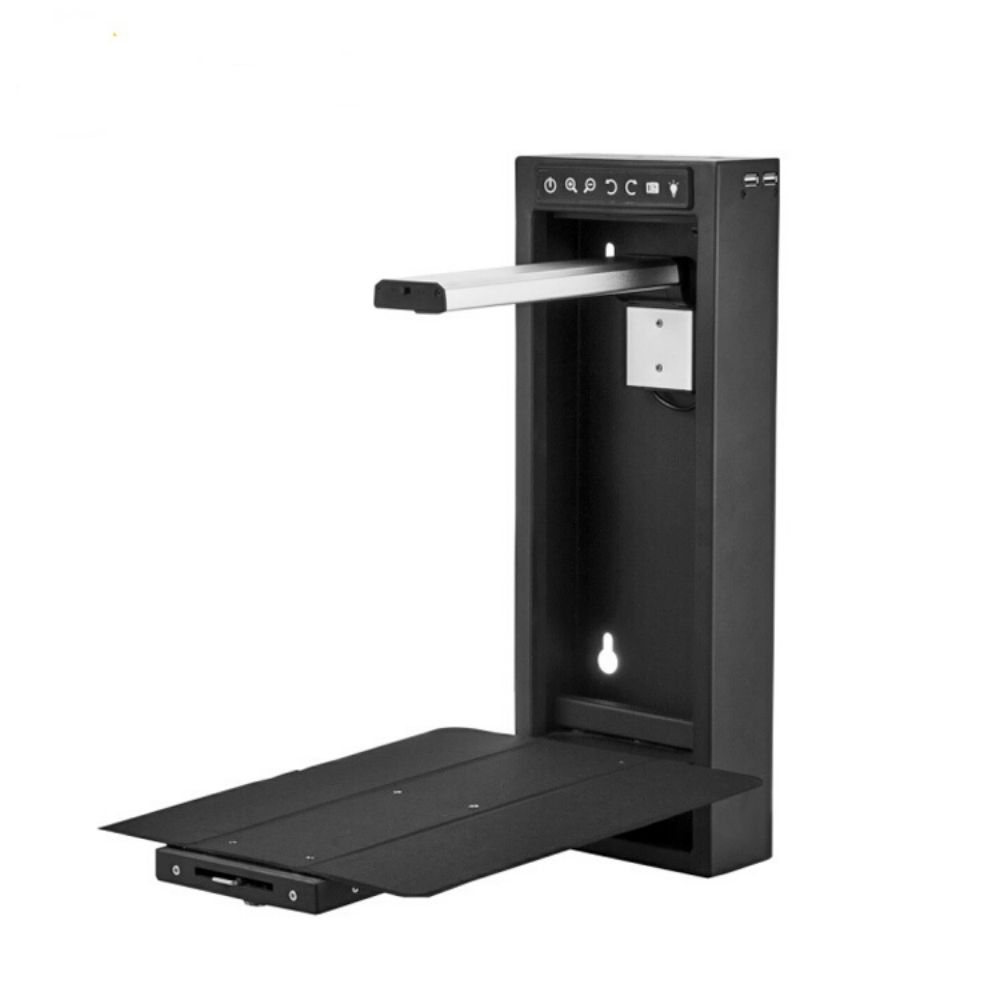
Online Training Portable 10MP A4 Document Scanner USB Interface Visualizer-in-Stock for Wall Version Black+Silver 1-Year
A compact A4 visualizer for online training, remote teaching and mobile office setups. The USB interface keeps deployment simple for distributed teams.
- Portable 10MP A4 capture
- USB plug-and-play interface
- Wall-version option
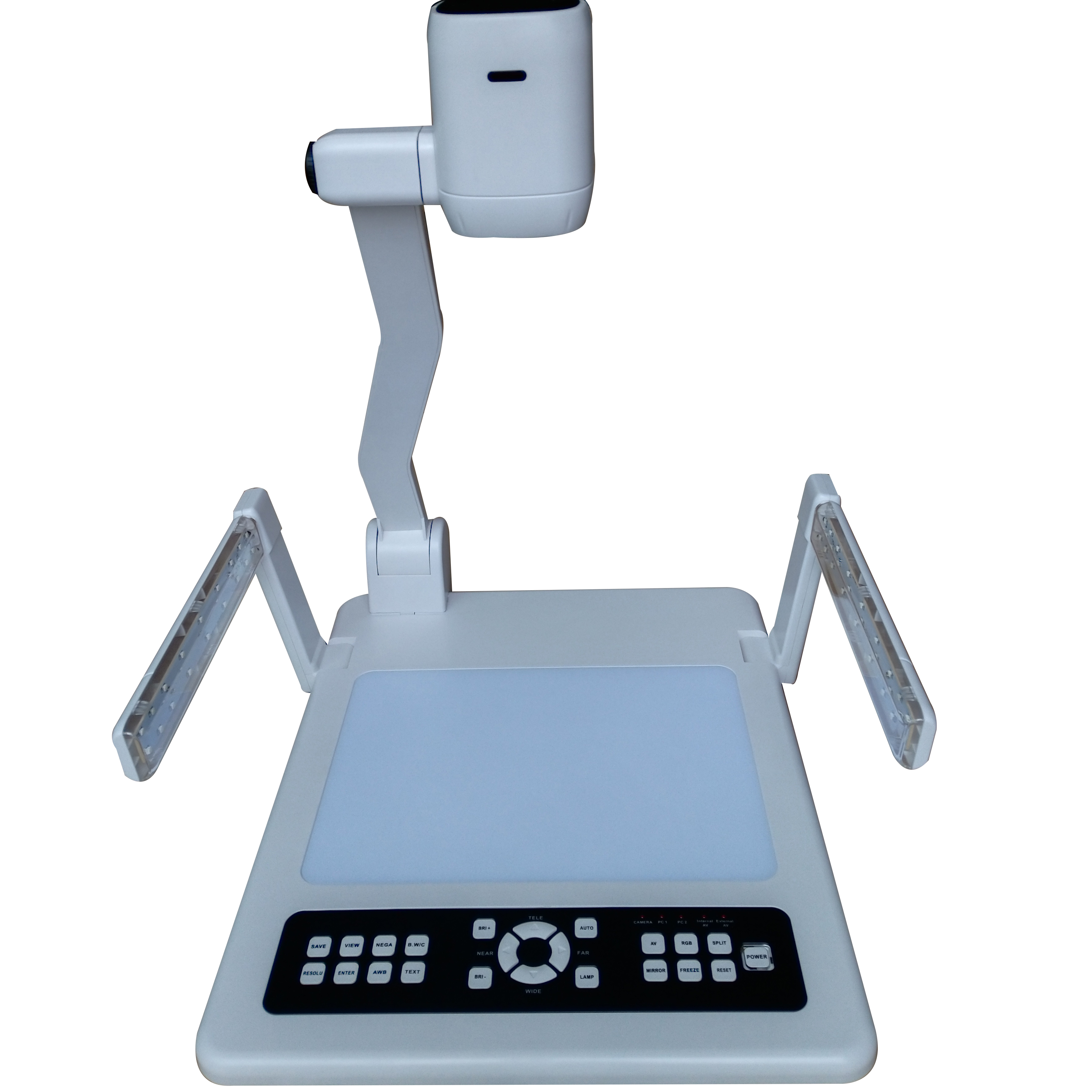
Modern Foldable Flexible Ultra HD Desktop Document Camera for School Video Output HD MI VGA Visualizer
A foldable desktop document camera for schools and presentation spaces that need HDMI or VGA video output and a clean, flexible bench footprint.
- Foldable flexible desktop design
- HDMI and VGA video output
- School and training presentations
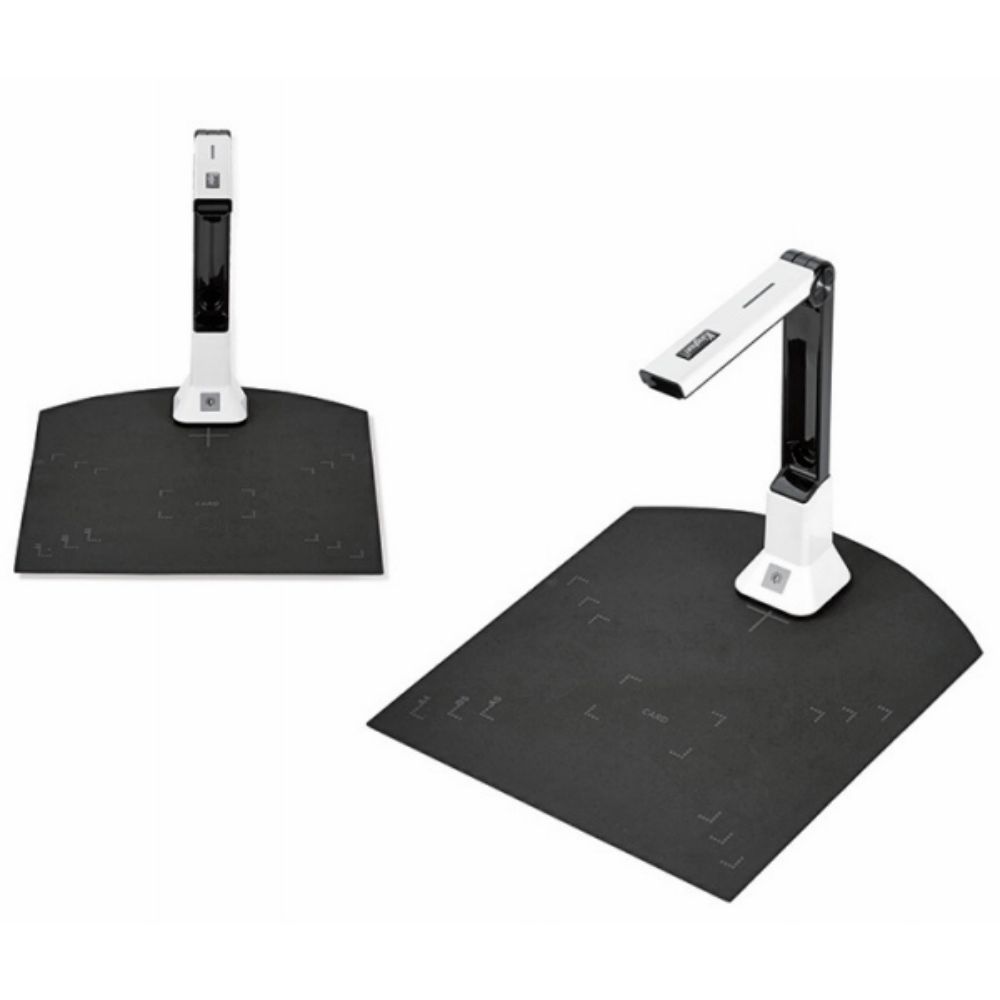
Wholesale 5MP USB Light CMOS A4 Document Scanner Portable Smart Handheld High Resolution 1-Second Scan CE Certified Stock Black
A handheld A4 document scanner with integrated light and fast 1-second capture, aimed at distributors serving field teams, service counters and office digitization.
- 5MP CMOS A4 capture
- 1-second scan with integrated light
- CE certified and in stock
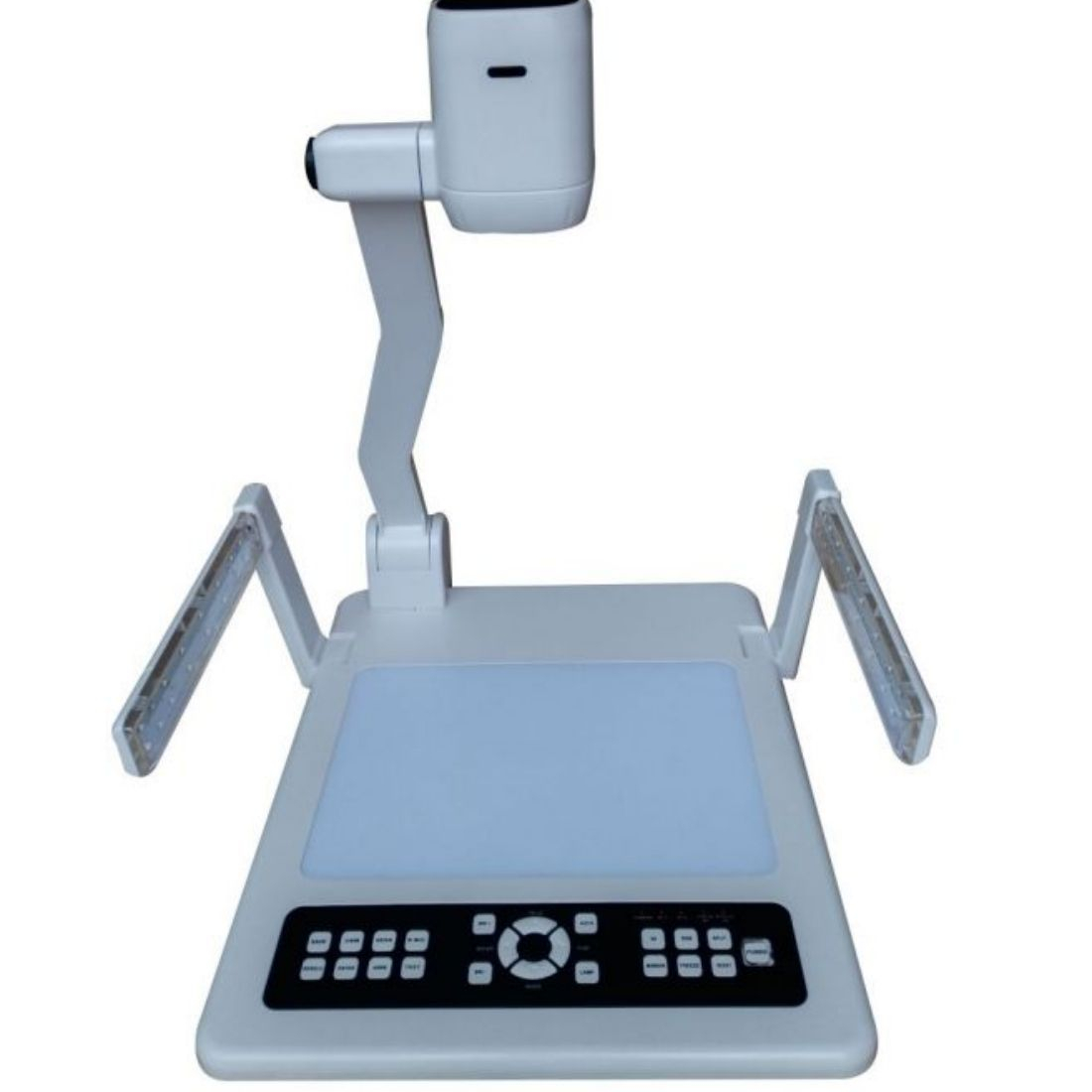
Factory 22X Optical Zoom Desktop VGA HD MI Audio Interface High Resolution Document Camera Visualizer
A high-resolution desktop visualizer with 22X optical zoom for lecture halls, training rooms and product demonstrations that demand close-up detail.
- 22X optical zoom lens
- VGA and HDMI audio/video interfaces
- High-resolution visual presenter
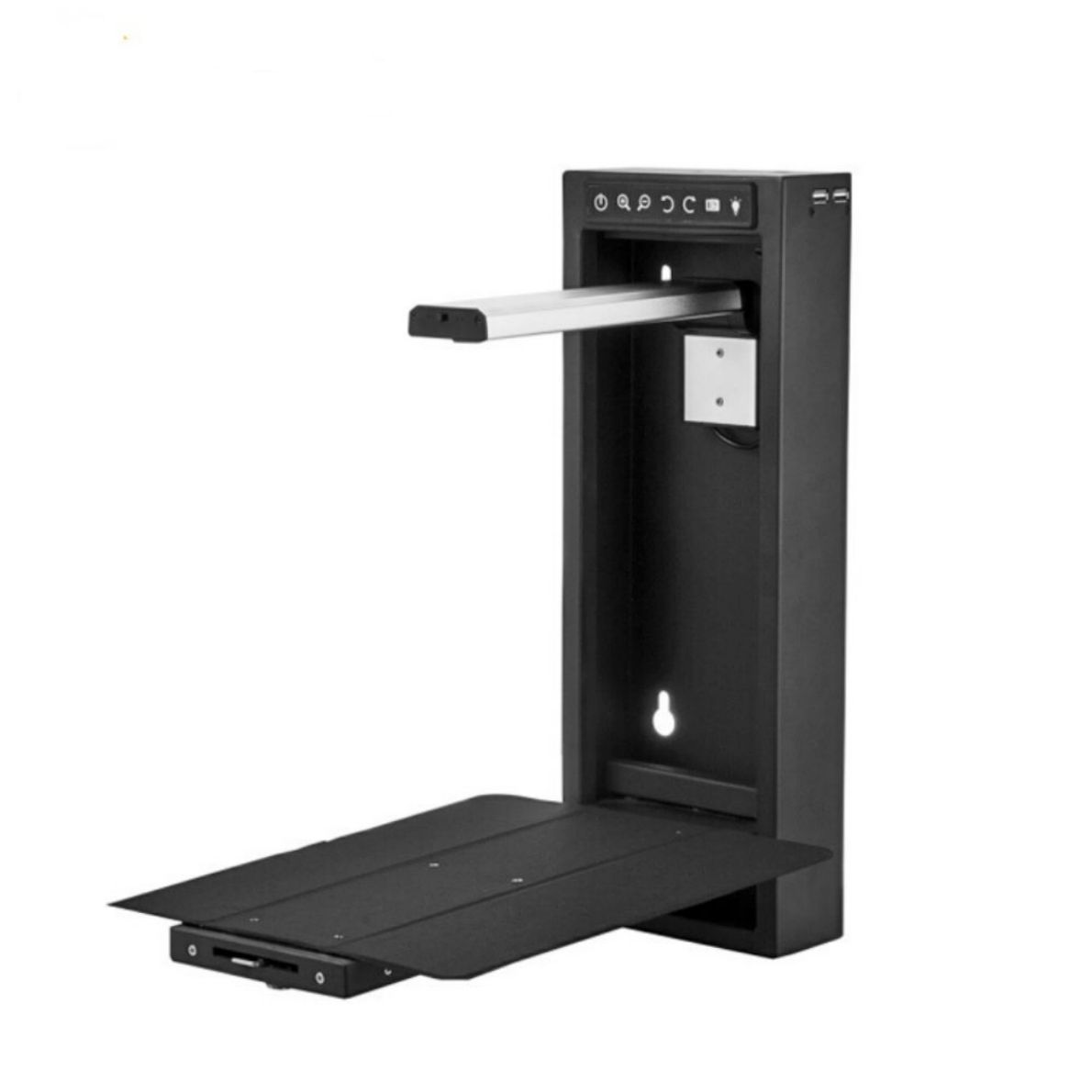
Factory New High Definition Wall Mount Document Scanner USB Interface Visualizer CE Certified 1-Year Warranty High-Speed A4 SDK
A space-saving wall-mounted document scanner with USB interface and SDK support for system integrators building repeatable A4 capture stations.
- High-definition wall-mount A4 scanner
- USB interface and SDK availability
- CE certified with 1-year warranty
Need a consolidated quotation? Send your target page size, daily scanning volume, operating system and OEM requirements. We will return a model matrix, MOQ guidance and a shipping plan.
Get CatalogWhat Should “Top 10” Mean for A3 Book Scanner Suppliers and Wholesalers?
For procurement teams, the phrase “top 10” should refer to a measurable shortlist, not a directory of names. A3 book scanner sourcing is a workflow decision: page size, binding structure, OCR output, software integration, after-sales support and stock reliability all affect total cost of ownership.
An A3 book scanner is usually bought to solve a preservation or throughput problem. Bound books cannot be pressed flat like loose paper, so non-contact overhead capture becomes the default for libraries, archives, universities and government records. The scanner must protect the spine while still producing files that can be cropped, deskewed, OCR-processed and searched. That is why the best A3 book scanner wholesalers do more than quote a megapixel count; they match sensor platforms, lens geometry, lighting and software to the document type.
For distributors and system integrators, the supplier decision is equally commercial. A top-tier supplier should offer clear MOQs, predictable lead times, OEM/ODM flexibility, SDK access where needed, export documentation and responsive technical support. When a tender specifies A3 book scanning for a library or A2 capture for newspapers, the supplier must be able to explain why a 24MP overhead scanner, a 38MP model or a dual-camera configuration is the right fit—not simply recommend the most expensive unit.
This guide uses an information-gain approach: it explains the resolution math, lists eight catalogue models, maps procurement trends and provides questions buyers can verify with any supplier. The goal is to help buyers compare top 10 A3 book scanner suppliers and wholesalers with evidence, not marketing language.
Buyer insight
A3 at 300 dpi requires about 17.4MP. A 24MP overhead scanner gives useful headroom for cropping, deskewing and curve correction. For A2 archival masters at 300 dpi, a 48MP class scanner is the more defensible specification.
Use sample scans—not brochure images—to compare sharpness, color consistency, spine shadow and OCR quality.
The 10-Point Scorecard We Use to Compare A3 Book Scanner Wholesalers
A supplier that performs well on price alone is not automatically the best choice. The following ten criteria are the ones that most often determine whether an A3 book scanner project succeeds after delivery.
1. Resolution and Sensor Fit
Check whether the sensor delivers enough pixels for A3 at the required dpi after crop and deskew, and whether CMOS, CIS or CCD is appropriate.
2. Capture Geometry
A3 overhead, A2 large-format, dual-camera and wall-mounted formats solve different problems. Match the geometry to the document and workspace.
3. OCR and Software
Searchable PDF, OCR language coverage, auto-flatten, finger removal and export formats should be demonstrated with real samples.
4. Binding Protection
Non-contact capture, book cradles, page curvature correction and zero-margin bookedge designs reduce stress on rare or tightly bound volumes.
5. Build and Certifications
Look for stable mechanics, lighting uniformity, CE evidence where claimed, export packaging and a documented warranty process.
6. MOQ and Lead Time
Stock programmes, mixed-model orders and realistic production schedules matter as much as unit price for distributors.
7. OEM/ODM Readiness
Logo, packaging, housing color, software branding and SDK integration should be confirmed per model before a project is quoted.
8. Technical Support
Driver installation, SDK questions, OCR setup and after-sales troubleshooting should be handled by people who know the product.
9. Commercial Terms
Payment currencies, T/T, L/C, PayPal, Western Union and FOB, EXW or DDU terms should be clearly stated in the quotation.
10. Verifiable Trust Signals
Independent supplier assessment, credit records, buyer reviews, trade capacity and transaction history reduce sourcing risk.
A3 Resolution Planning: Turn Megapixels into an Evidence-Based Tender Specification
Megapixels are only meaningful in relation to document size. Divide the sensor’s effective pixel count across the page dimensions to estimate the true scanning resolution. This simple calculation prevents overbuying and prevents failed acceptance tests.
| Document size | Pixels at 300 dpi | Recommended sensor | Quibow model fit |
|---|---|---|---|
| A4 210 × 297 mm |
2480 × 3508 ≈ 8.7MP |
10MP or higher | 10MP education visualizer; 5MP portable A4 for lighter-duty capture |
| A3 297 × 420 mm |
3508 × 4961 ≈ 17.4MP |
18–24MP | 38MP A3 overhead book scanner; dual-camera A3/A4 model |
| A2 420 × 594 mm |
4961 × 7016 ≈ 34.8MP |
48MP for archival masters | A2 large-format and dual 48MP overhead scanners from the Quibow range |
| Photos & artwork | 600–2400 dpi optical | Flatbed with 48-bit color | 1200 / 2400 DPI A3 flatbed scanners |
Want to test the resolution claim? Share a representative A3 page or bound-book sample. Our team can return sample scans, cropping guidance and a recommended model match.
Get CatalogFuture Procurement Trends for A3 Book Scanner Wholesalers
Buyers are no longer purchasing a scanner as a standalone box. They are purchasing a repeatable capture process that must fit preservation policy, IT infrastructure and distribution economics.
Non-contact capture becomes the default
Libraries, archives and universities increasingly reject flatbed pressing for fragile books. Overhead A3 scanners with curve flattening are becoming standard in preservation tenders because they reduce handling risk while maintaining searchable output.
OCR and AI indexing move into the core specification
Procurement language is shifting from “scanning speed” to “searchable output quality.” OCR accuracy, language packs, automatic page detection and export to PDF/A or searchable PDF are increasingly evaluated during acceptance tests.
Lower MOQ and mixed-container purchasing
Distributors want to test demand before committing to large inventory. Suppliers that support low MOQs, mixed-model cartons and fast reorders are more attractive than factories requiring one-size-fits-all container volumes.
SDK, security and integration readiness
System integrators increasingly require SDK documentation, stable drivers and clear compatibility with Windows and macOS environments. Proposals that ignore software integration risk create hidden deployment costs for the buyer.
Product Development Trends in A3 Book Scanning and Document Cameras
The most useful product improvements are not cosmetic. They reduce handling risk, shorten post-processing time or make the same hardware more valuable across multiple applications.
Dual-camera and high-MP sensor fusion
Products such as the 16MP + 2MP dual-camera scanner show how one device can handle documents, IDs and live presentation. Future models will combine higher-resolution main cameras with secondary cameras for close-up detail, identity capture or object presentation.
AI cleanup at the point of capture
Auto curve flattening, finger removal, page boundary detection and deskew are moving from post-processing software into the capture workflow. Buyers should test these features with real books, not only clean office paper.
4K visualizers for hybrid classrooms
Document cameras are evolving into 4K visualizers with HDMI, VGA, USB and remote control. The same device may serve classroom projection, online training and document capture, which improves utilisation for schools and training providers.
SDK-ready, repairable and export-focused hardware
Wholesalers benefit when a product is easy to deploy, service and integrate. SDK access, stable drivers, clear spare-part policies and export-ready packaging are becoming product-selection criteria rather than afterthoughts.
Why Quibow Belongs on a Shortlist of A3 Book Scanner Wholesalers
Guangzhou Quibow Electronic Co., Ltd. is a technology-driven supplier focused on image data acquisition and conversion. The company works across CIS, CMOS and CCD imaging platforms and supports product design, production coordination, export sales and after-sales service.

Quibow supplies book scanners, A3/A2 document scanners, flatbed scanners and document cameras for archives, education, government, banking and enterprise procurement.
Founded in 2020 and based in Guangzhou, Guangdong, China, Quibow serves distributors, system integrators and end users in Eastern Europe, North America and South America. The team combines product development with practical export support, including OEM/ODM projects, logo and packaging customisation, housing colour changes, software branding and SDK integration on selected models.
For A3 book scanner buyers, that means the conversation can move from a catalogue photo to a deployment plan: which sensor platform suits the document, which model reaches the required dpi, what MOQ is realistic and how the unit will be shipped, installed and supported.
CIS, CMOS and CCD platform coverage
Quibow can match the imaging platform to the task: CIS for compact sheet-fed workflows, CMOS area sensors for overhead book capture and CCD for flatbed applications that need stable optical performance.
OEM/ODM and SDK support
Logo printing, packaging, housing colour, capture software branding and SDK integration are available on selected models, with project quantities confirmed case by case.
Fast B2B response
Quibow records an average response time of ≤1 hour and a 100% message response rate, which matters when distributors are responding to tenders and urgent customer requests.
Low MOQ and ready stock
Most stock book scanners, A2 large-format scanners and flatbed scanners start from 1 piece or 1 set. Several document camera models start from 2 pieces, reducing inventory risk for first orders.
Export payment and logistics terms
Payment methods include T/T, L/C, PayPal and Western Union in USD, EUR, HKD or CNY. Delivery terms include FOB, EXW and DDU for different buyer profiles.
One-year warranty and remote support
Listed models such as A3 flatbed scanners, A2 overhead scanners and the S2060W ADF scanner carry a 1-year warranty, backed by remote technical support and setup guidance.
Trust Signals Buyers Can Verify Before Placing an Order
Reliable sourcing should be checkable. These records are maintained by the platform and provide an independent view of supplier identity, trade activity and buyer feedback.
Supplier Assessment
Onsite check confirming business premises and legal status.
View reportCredit Overview
Platform credit profile and trading reliability indicators.
View creditRatings & Reviews
Buyer feedback after verified and completed orders.
Read reviewsTrade Capacity
Export markets, trade terms and logistics capability.
View capacityFrom Requirement to Delivery in Five Transparent Steps
For first-time buyers and distributors, a predictable process reduces uncertainty. Quibow’s sourcing workflow is designed to match the model, customisation level and documentation to the actual deployment.
Requirement review
Confirm document size, binding type, daily volume, operating system and output formats.
Model matching
Recommend the right sensor platform and resolution, with sample scans available on request.
Customisation
Clarify logo, packaging, software branding, OCR languages and SDK integration.
Quality inspection
Check focus, lighting uniformity, driver installation, capture speed and basic functions.
Shipping & support
Prepare export packing, confirm shipping terms and provide remote setup support.
Common Questions from A3 Book Scanner Buyers
These are the questions that most often arise during supplier comparison, tender preparation and first-order due diligence.
What is the minimum order quantity for Quibow scanners and document cameras?
Most stock book scanners, A2 large-format scanners and flatbed scanners start from 1 piece or 1 set. Several document camera models start from 2 pieces. OEM/ODM quantities are confirmed per project after the model, branding and packaging requirements are known.
Do you support OEM and ODM orders?
Yes. Quibow supports OEM/ODM projects including logo printing, packaging, housing colour, capture software branding and SDK integration on selected models. Buyers should confirm the exact model and requested customisation before quotation.
Are the scanners compatible with Windows and macOS?
Many models, including the A2 large-format scanners and the 1200 DPI A3 flatbed scanner, support Windows and macOS, and some are verified on Apple M1 Macs. Compatibility should be confirmed for each specific model before shipment, especially when the buyer has an internal IT standard.
Which resolution do I need to scan A3 or A2 documents at 300 dpi?
An A3 page at 300 dpi needs about 3508 × 4961 pixels, or roughly 17.4MP. An 18MP or 24MP scanner is suitable, with 24MP giving more headroom for crop and deskew. An A2 sheet at 300 dpi needs about 4961 × 7016 pixels, or roughly 34.8MP, so a 48MP A2 scanner is recommended for archival masters.
What payment and delivery terms do you accept?
Quibow accepts T/T, L/C, PayPal and Western Union in USD, EUR, HKD or CNY. Delivery terms include FOB, EXW and DDU. The correct term depends on the buyer’s freight forwarder, destination and customs requirements.
What warranty do your products carry?
Listed models such as the A3 flatbed scanners, A2 overhead scanners and the S2060W ADF scanner come with a 1-year warranty, backed by remote technical support. Buyers should retain the model and serial information for after-sales service.
How quickly can the team respond to a tender or wholesale inquiry?
Quibow records an average response time of ≤1 hour and a 100% message response rate. For complex tenders, include document size, scanning volume, required output formats, operating system, destination country and any mandatory certification requirements in the first message.
Can I request sample scans, SDK information or integration advice?
Yes. For serious buyer evaluations, share representative pages or book samples so the team can discuss sample scans, recommended resolution and model fit. SDK integration, driver questions and software branding are typically reviewed on selected models as part of the OEM/ODM discussion.
Compare A3 Book Scanners, Wholesale MOQs and OEM Options
Tell us whether you need A3 non-contact book capture, A2 archival scanning, classroom visualizers or counter-mounted document cameras. Include your target resolution, daily volume and destination so the team can prepare a focused catalogue, model comparison and quotation path.
Email: info@quibowtech.com