OEM/ODM Portable Book Scanner Exporter & Exporters
Source A3/A2 overhead book scanners, 4K document cameras, visualizers and flatbed scanners from Guangzhou Quibow Electronic Co., Ltd.—built for libraries, archives, schools, government counters and distributors.
Eight Portable Book Scanners and Document Cameras for OEM/ODM Programs
The models below answer the most common B2B export briefs: non-contact A3 book capture, A2 newspaper digitization, live classroom presentation, wall-mounted OCR scanning, portable A4 visualizers and SDK-ready counter workflows. Every product link is preserved for direct specification review.
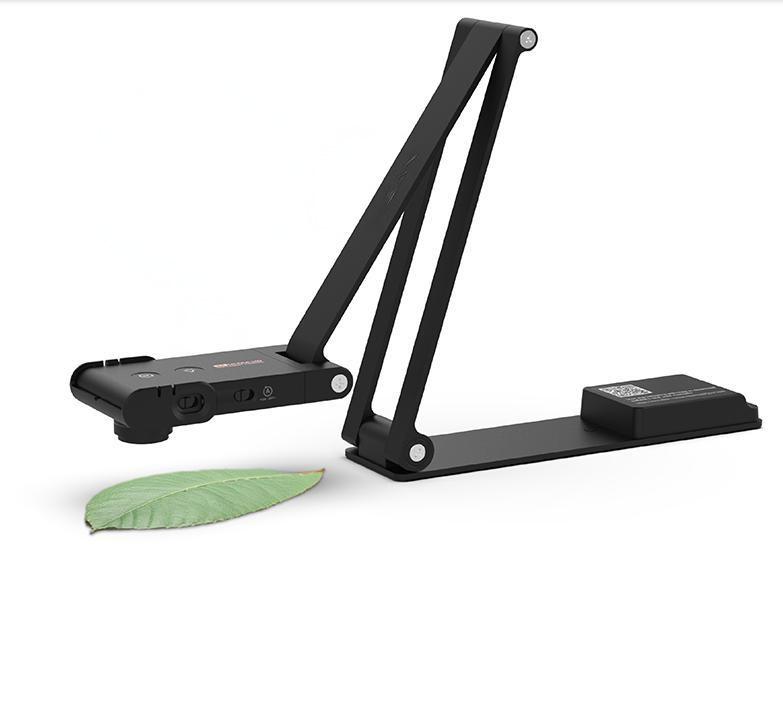
4K 2-in-1 USB 13MP Document Camera Visualizer AI Noise Cancellation 20X Macro Lens Foldable Design Microphone A3 Max 1-Year
- AI noise cancellation and microphone
- 20X macro lens, A3 maximum format
- Foldable design for training and export stock
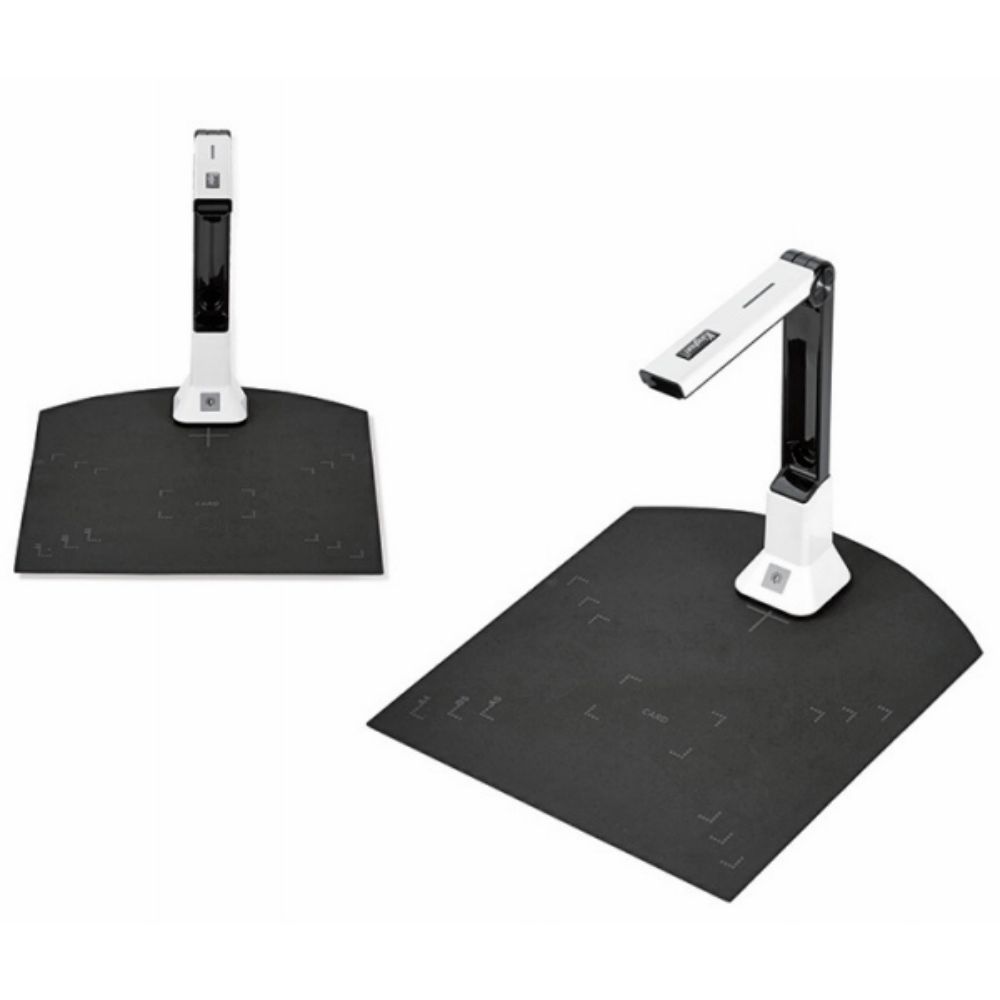
Wholesale 5MP USB Light CMOS A4 Document Scanner Portable Smart Handheld High Resolution 1-Second Scan CE Certified Stock Black
- 1-second scan for fast counter capture
- USB light CMOS imaging
- CE certification on this model; black stock finish
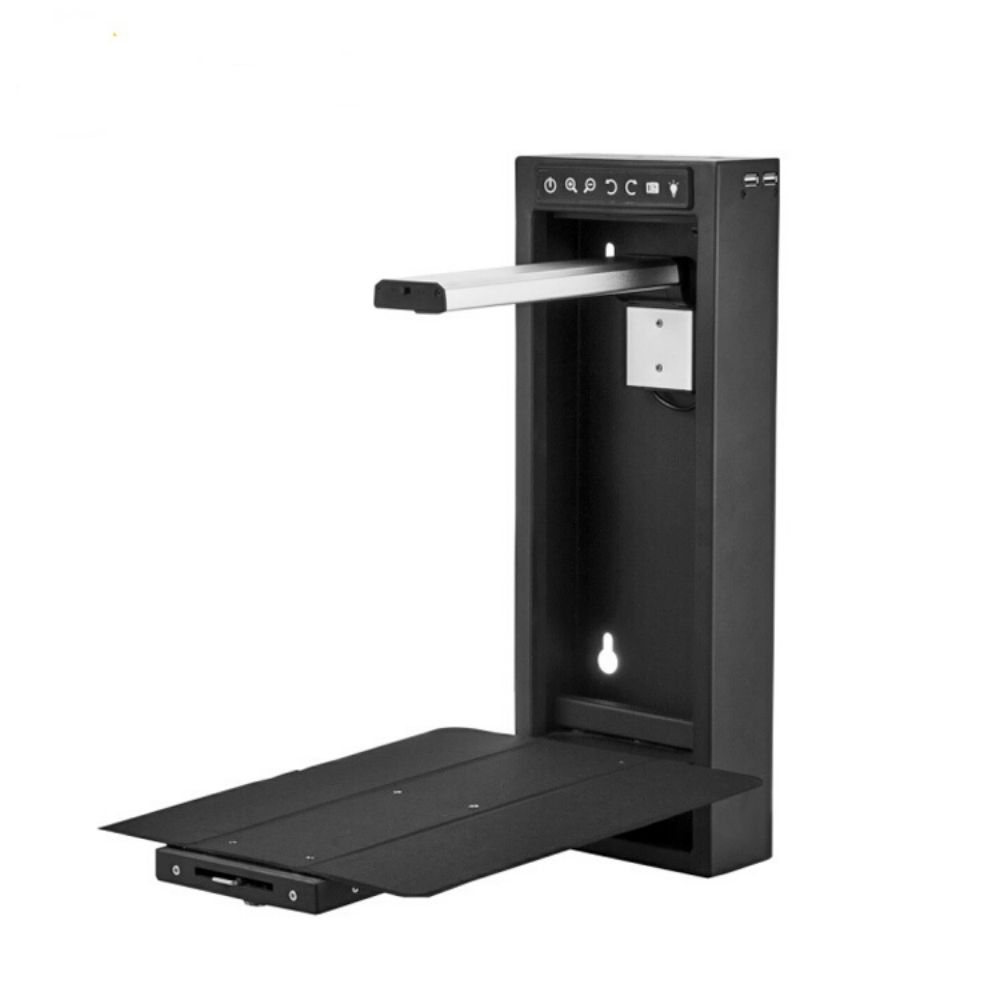
Online Training Portable 10MP A4 Document Scanner USB Interface Visualizer-in-Stock for Wall Version Black+Silver 1-Year
- USB interface for teaching and remote training
- A4 visualizer with wall-version flexibility
- Black and silver finish, 1-year warranty
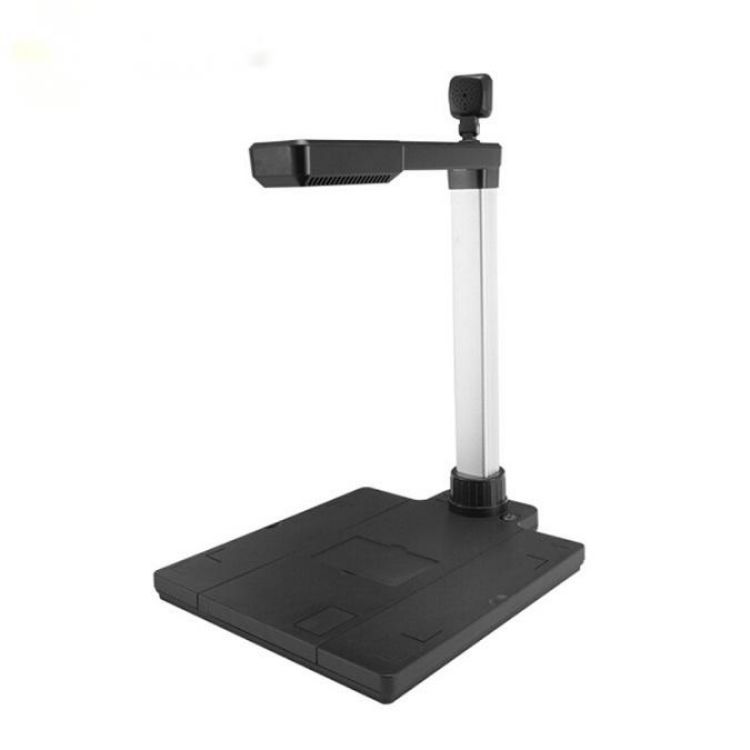
10MP Education Visualizer Scanner Document Management Book Camera USB in Stock
- Education visualizer with book-camera workflow
- Document management and USB capture
- Stock availability for school projects
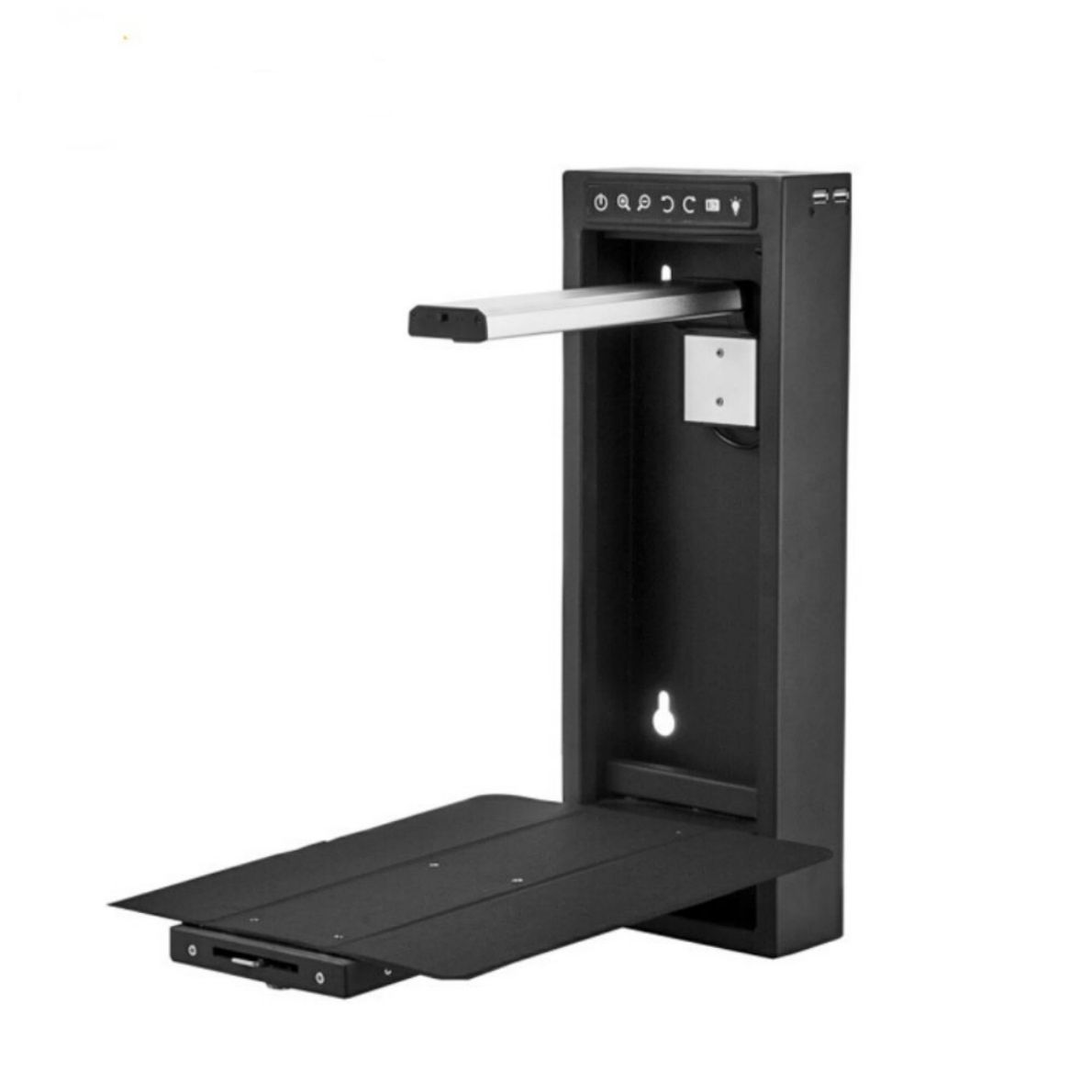
Document Camera A4 Visualizer Wall Version USB CMOS Sensor 10MP 1-Second Scan Document Scanner Stock for Classroom Smart
- Wall version saves classroom and counter space
- 10MP CMOS sensor with 1-second scan
- Smart classroom and stock supply
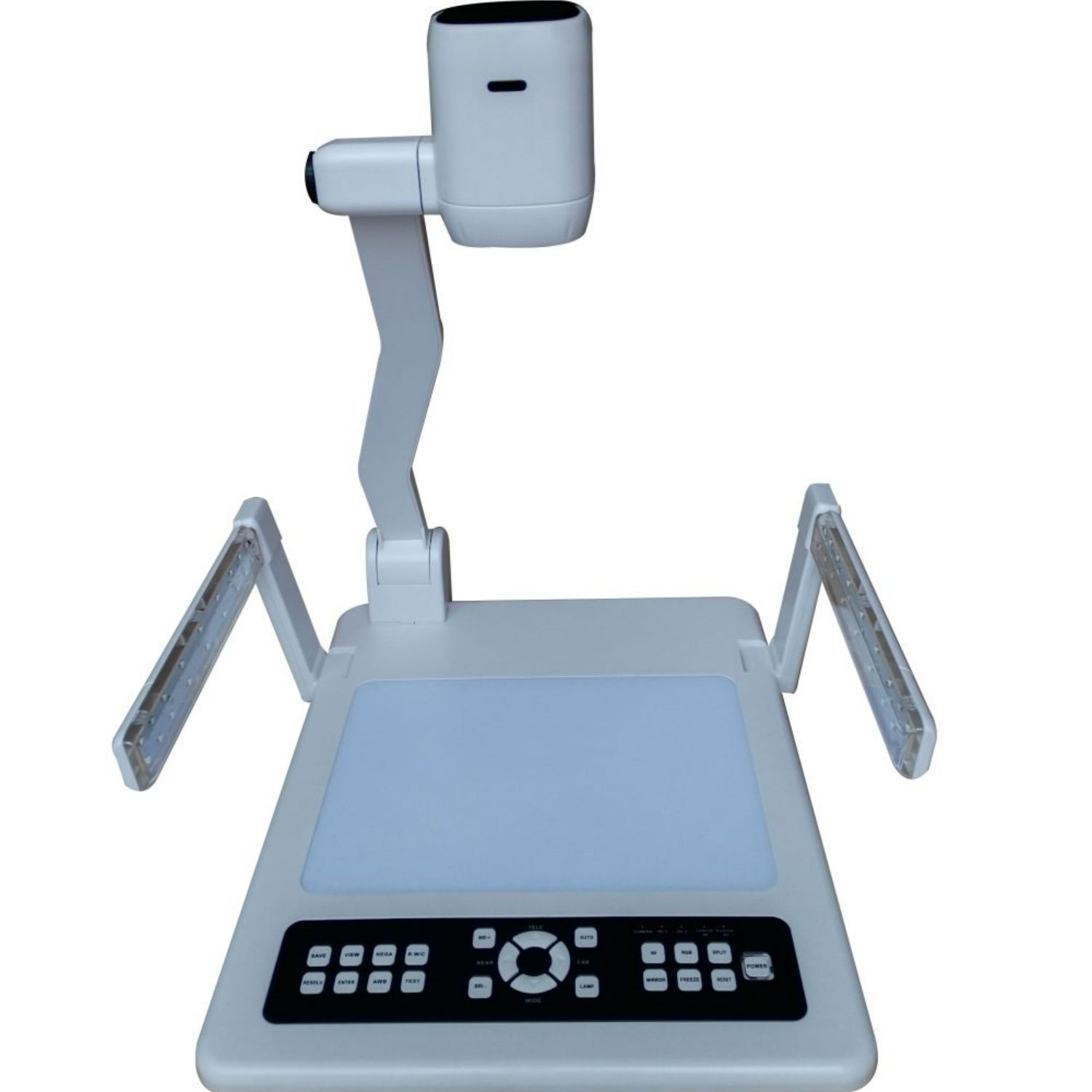
22x Optical Zoom 10x Digital Zoom VGA/USB Interface 2MP CMOS Sensor Resolution A4 Document Camera Foldable Digital Presenter for Classroom
- 22x optical plus 10x digital zoom
- VGA and USB interface output
- Foldable digital presenter for classroom use
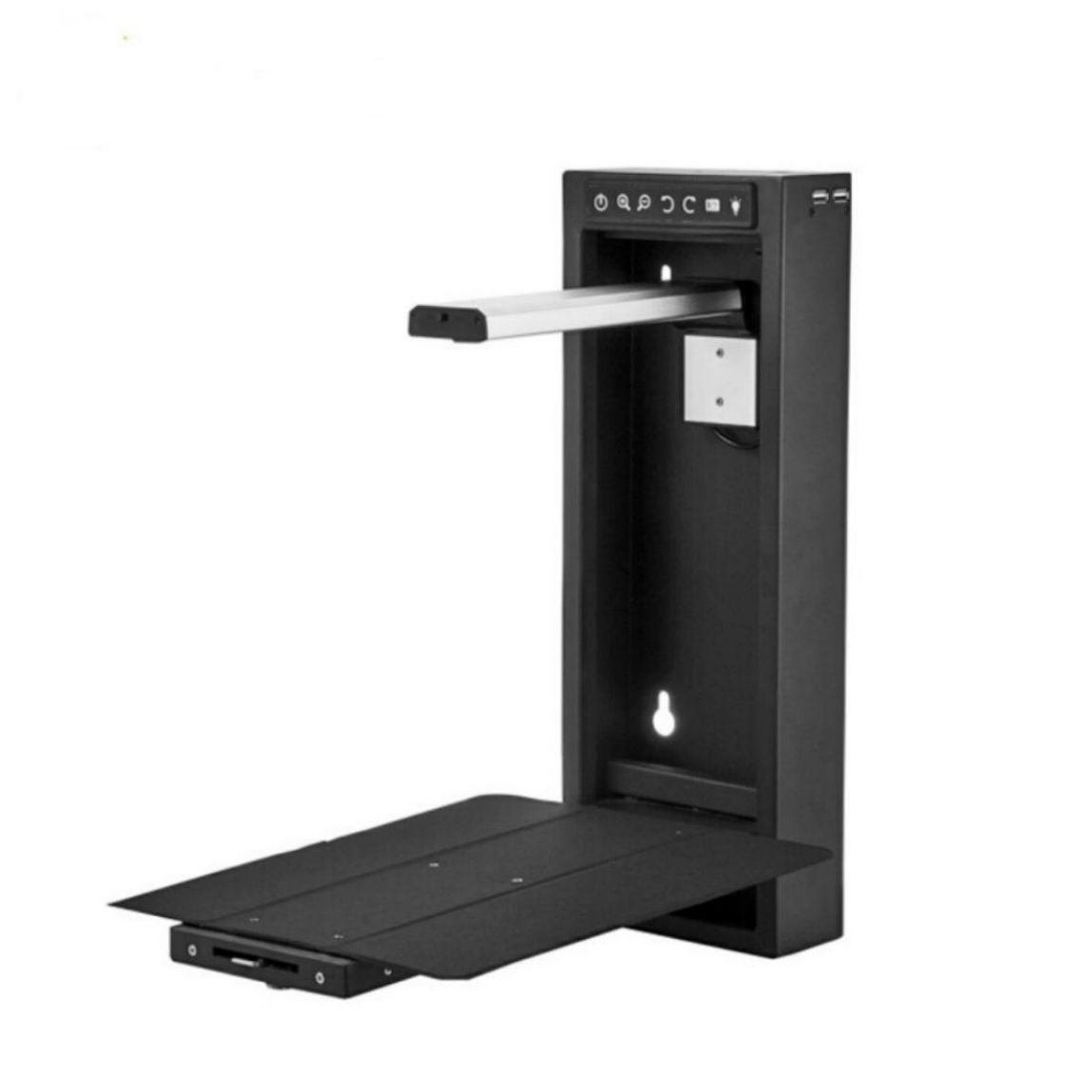
USB Interface Wall-Mounted A4 Visualizer OCR Document Scanner CMOS Sensor 10MP Resolution SDK Included Black 1-Year Stock
- OCR workflow with SDK integration support
- Wall-mounted A4 visualizer, black finish
- 10MP CMOS sensor and 1-year warranty
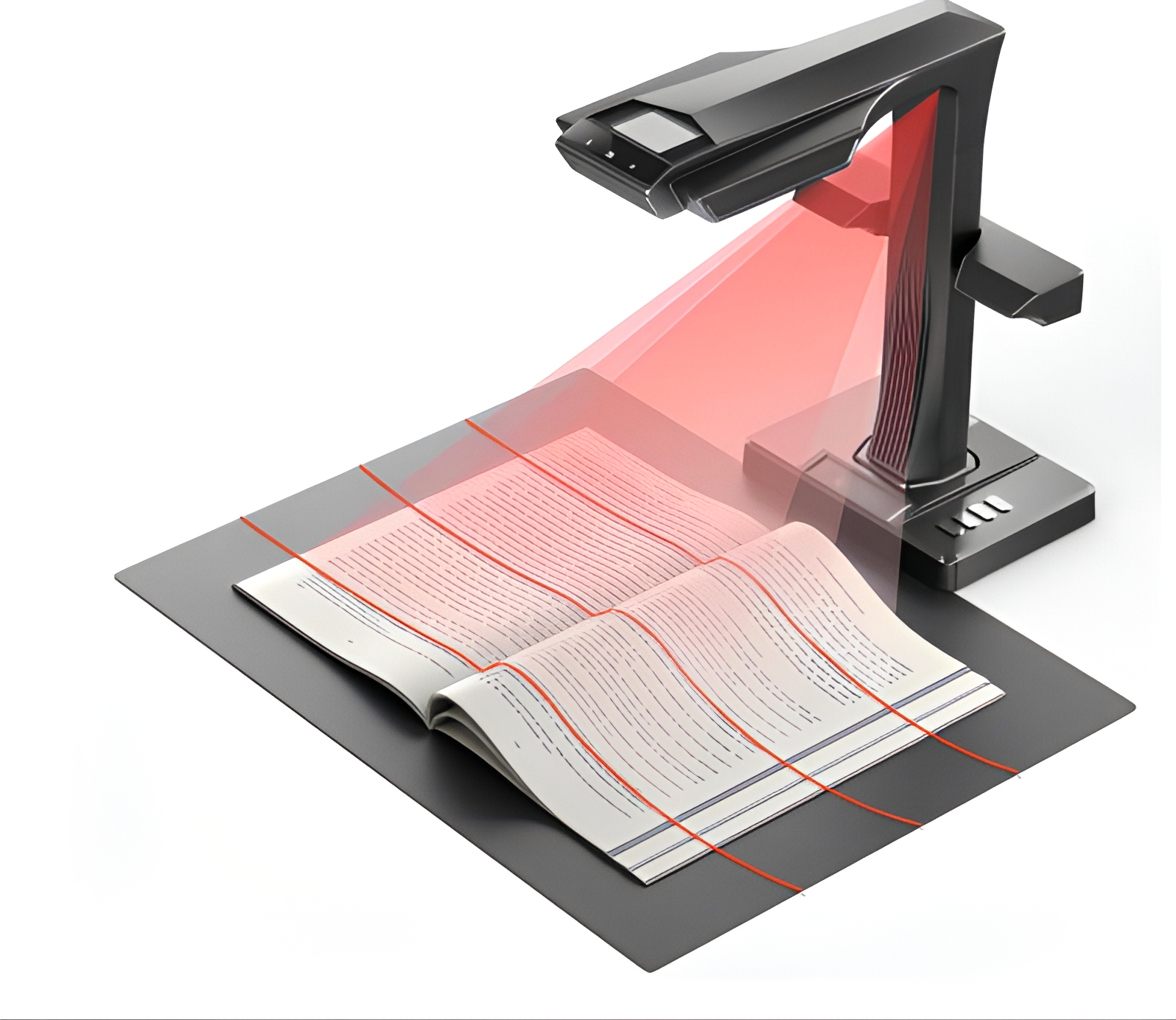
Book Scanner 38MP A3 Document Camera Auto Curve Flattening High Speed Overhead Scanner for Library Office
- 38MP A3 overhead capture for bound materials
- Auto curve flattening for library and archive use
- High-speed workflow for office digitization
Export Performance at a Glance
For B2B buyers, verifiable operating signals matter more than brochure language. These figures reflect the public supplier profile behind the Quibow catalogue and help procurement teams judge communication speed, repeat purchase confidence and basic operating scale.
What Serious OEM/ODM Portable Book Scanner Exporters Must Prove Before a Tender Is Awarded
The phrase “portable book scanner” covers a wide range of products. A 5MP portable A4 visualizer, a 38MP A3 overhead book camera and a wall-mounted 10MP OCR scanner can all appear in the same category, yet they serve different workflows and produce very different total cost of ownership. A credible exporter therefore has to explain sensor choice, usable resolution at the buyer’s document size, software support, warranty handling and export terms—not simply quote a megapixel number.
Guangzhou Quibow Electronic Co., Ltd. is a technology-driven company focused on image data acquisition and conversion. The product range covers high-speed document cameras, overhead book scanners, A3/A2 large-format document scanners, flatbed scanners, visual presenters and ID-card recognition cameras. Engineering work spans CIS, CMOS and CCD imaging platforms, which means a buyer can compare sensor architectures through one supplier instead of guessing which platform is best for a library, school, bank counter or newspaper archive.
For an OEM/ODM portable book scanner program, the commercial decision extends beyond the camera head. Logo printing, packaging, housing color, capture-software branding, SDK integration, OCR language coverage, driver compatibility, spare parts and after-sales support all influence whether a shipment can be resold smoothly. Quibow supports these project layers, and listed models carry a 1-year warranty with remote technical support.
Verification also matters. Quibow was established in 2020, is based in Guangzhou, Guangdong, China, and is an onsite-checked supplier. Its stated main markets are Eastern Europe, North America and South America, with annual revenue in the US$1M–US$2.5M range and a team of 5–10 dedicated specialists. Those facts do not replace due diligence, but they give serious buyers a concrete starting point for evaluating an exporter’s capacity and response behavior.
A practical RFQ checklist
- Document size, daily volume and target dpi at that exact size.
- Sensor platform: CIS, CMOS or CCD, with a sample scan to verify text quality.
- OCR languages, searchable PDF output and export file formats.
- Windows and macOS compatibility, including Apple M1/M2 verification where relevant.
- SDK access, driver signing, installation documentation and software branding rights.
- OEM/ODM scope: logo, packaging, color, accessories, manuals and carton artwork.
- Warranty RMA process, spare-parts plan and remote diagnostic support.
- Minimum order quantity, lead time, payment method and FOB / EXW / DDU terms.
Match the Scanner to the Workflow, Not the Catalogue Page
A lower-priced visualizer can be the right answer for a classroom, while an archive with fragile books may need a higher-resolution overhead camera with curve flattening and OCR. The recommendations below map common buyer intents to the most suitable product direction.
Bound books and fragile archives
Choose an A3 overhead book scanner with 18MP–24MP or higher, plus auto curve flattening, deskew and finger removal. The 38MP A3 overhead book scanner is suitable when libraries need stronger pixel headroom, while the 18MP A3 OCR book scanner with foot pedal supports hands-free page capture for repetitive scanning.
Newspapers, maps and A2 records
A2 pages at 300 dpi require roughly 34.8MP, so a 21MP A2 model is better for screen reading or OCR rather than preservation masters. Specify a 48MP A2 dual-CMOS overhead scanner or a 48MP A2 newspaper archive scanner when one-pass archival capture is mandatory.
Classrooms, training and live demos
Use a 4K 8MP digital visualizer or a 22x optical zoom document camera with HDMI, VGA or USB output. Optical zoom preserves image quality when presenting textbooks, experiments or product samples; 30/60fps output matters when motion is visible on the projector or display.
Counters, ID capture and paper-light offices
Portable 5MP and 10MP A4 scanners, wall-mounted visualizers and SDK-included OCR models fit service desks, banks and offices. For integration projects, confirm SDK availability, image export formats, OCR language packs and whether the scanner can be mounted on a wall or desk.
How Many Megapixels Do You Really Need for A3 or A2 at 300 DPI?
Megapixels only become meaningful when they are tied to a paper size and a target dpi. This is where informed buyers separate a genuine archive scanner from a presentation camera with a large number on the box.
Use the page-size formula before requesting a quote
Required pixels = document width in inches × target dpi, multiplied by document height in inches × target dpi. For A3 at 300 dpi: 11.69 × 300 = 3,508 pixels wide, and 16.54 × 300 = 4,961 pixels high. That is about 17.4MP, so an 18MP scanner is the entry point and a 24MP model provides useful margin for cropping, deskew and OCR preprocessing.
For A2 at 300 dpi: 16.54 × 300 = 4,961 pixels wide, and 23.39 × 300 = 7,016 pixels high. That is about 34.8MP. A 21MP A2 camera can still be valuable for fast OCR at lower resolution, but a 48MP A2 scanner is the safer specification for archival masters, newspapers, maps and engineering drawings.
Information-gain tip: dpi is only one quality dimension. Lens sharpness, illumination uniformity, sensor noise, JPEG/raw output, dewarping algorithms and the OCR engine all affect whether a 300 dpi file is genuinely usable.
| Document size | Pixels at 300 dpi | Recommended capture | Quibow product direction |
|---|---|---|---|
| A4 210 × 297 mm | 2,480 × 3,508 ≈8.7MP | 10MP or higher | 10MP portable visualizer; 10MP wall-mounted OCR scanner |
| A3 297 × 420 mm | 3,508 × 4,961 ≈17.4MP | 18–24MP for margin | 18MP A3 OCR book scanner; 38MP A3 overhead scanner |
| A2 420 × 594 mm | 4,961 × 7,016 ≈34.8MP | 48MP for archival masters | A2 dual 48MP overhead scanner; 48MP A2 newspaper scanner |
| Photos and art | 600–2,400 dpi optical | Flatbed with 48-bit color | Quibow flatbed scanner range, including 1200/2400 DPI A3 models |
What Buyers Will Demand from Portable Book Scanner Exporters
Procurement criteria are shifting from “can it scan?” to “can it produce compliant, searchable, integrable files with predictable lifecycle support?” These six trends are already visible in library, education, government and distributor buying briefs.
Archive-grade 300 dpi plus OCR
Tenders increasingly ask for preservation masters at 300 dpi or above and a searchable text layer. Suppliers must show sample scans, not just sensor specs.
One-pass A2 capture
Newspapers, maps and ledgers are expensive to stitch. A 48MP A2 overhead scanner reduces handling risk and preserves full-page context in a single exposure.
SDK and local integration
Banks, government counters and system integrators need SDK access, local processing and stable drivers so scan output can flow into internal systems.
Hybrid classroom visualizers
Schools want HDMI, VGA or USB output, optical zoom and clear text display for both in-room teaching and remote training sessions.
Total cost of ownership review
Warranty, spare parts, remote support, driver lifecycle and clear FOB / EXW / DDU terms now weigh as heavily as the unit price.
Model-specific compliance proof
Certification and test reports must match the exact model being imported. A CE claim on one portable A4 scanner should not be assumed for every camera in a range.
Where Portable Book Scanner Technology Is Moving Next
Hardware improvements are most valuable when they remove handling risk, reduce post-processing or make the device easier to deploy. The strongest development direction is not simply more megapixels—it is more usable capture per page.
High-resolution A2 becomes mainstream
Dual 48MP CMOS overhead scanners and 48MP A2 newspaper models make true 300 dpi-class A2 capture practical for archives and publishers.
Curve flattening and deskew
Auto curve flattening, page-boundary detection, deskew and finger removal reduce manual retouching. These software features affect throughput as much as sensor resolution.
4K visualizers for teaching
4K 8MP document cameras with HDMI/VGA output and strong optical zoom support textbooks, experiments and product demonstrations on large displays.
One-second capture and hands-free control
Fast page capture, foot pedals and automatic page detection reduce repetitive strain in high-volume digitization rooms and service counters.
Software-first integration
SDK access, OCR output, Windows/macOS compatibility and local processing are becoming standard buying questions for integrators and enterprise IT teams.
Brand-ready hardware
Distributors increasingly request logo, packaging, housing color and software branding so the same proven imaging platform can support their own product line.
From RFQ to Export: A Transparent Five-Step Process
A repeatable process lowers risk for distributors, tender teams and project integrators. The workflow below reflects the operating model described by Quibow: requirement review, model matching, customization, quality inspection, and shipping with support.
Requirement review
Confirm document size, daily volume, operating system, OCR language and output format. Response is targeted at ≤1 hour.
Model matching
Select CIS, CMOS or CCD architecture and resolution based on the true document size and target dpi.
Customization
OEM/ODM scope can include logo, packaging, housing color, software branding and SDK integration.
Quality inspection
Check focus, illumination uniformity, capture speed, driver installation and OCR output before packing.
Shipping and support
Export packing, 1-year warranty on listed models and remote technical support for setup and troubleshooting.
Payment methods
T/T, L/C, PayPal and Western Union
Payment currency
USD, EUR, HKD and CNY
Delivery terms
FOB, EXW and DDU



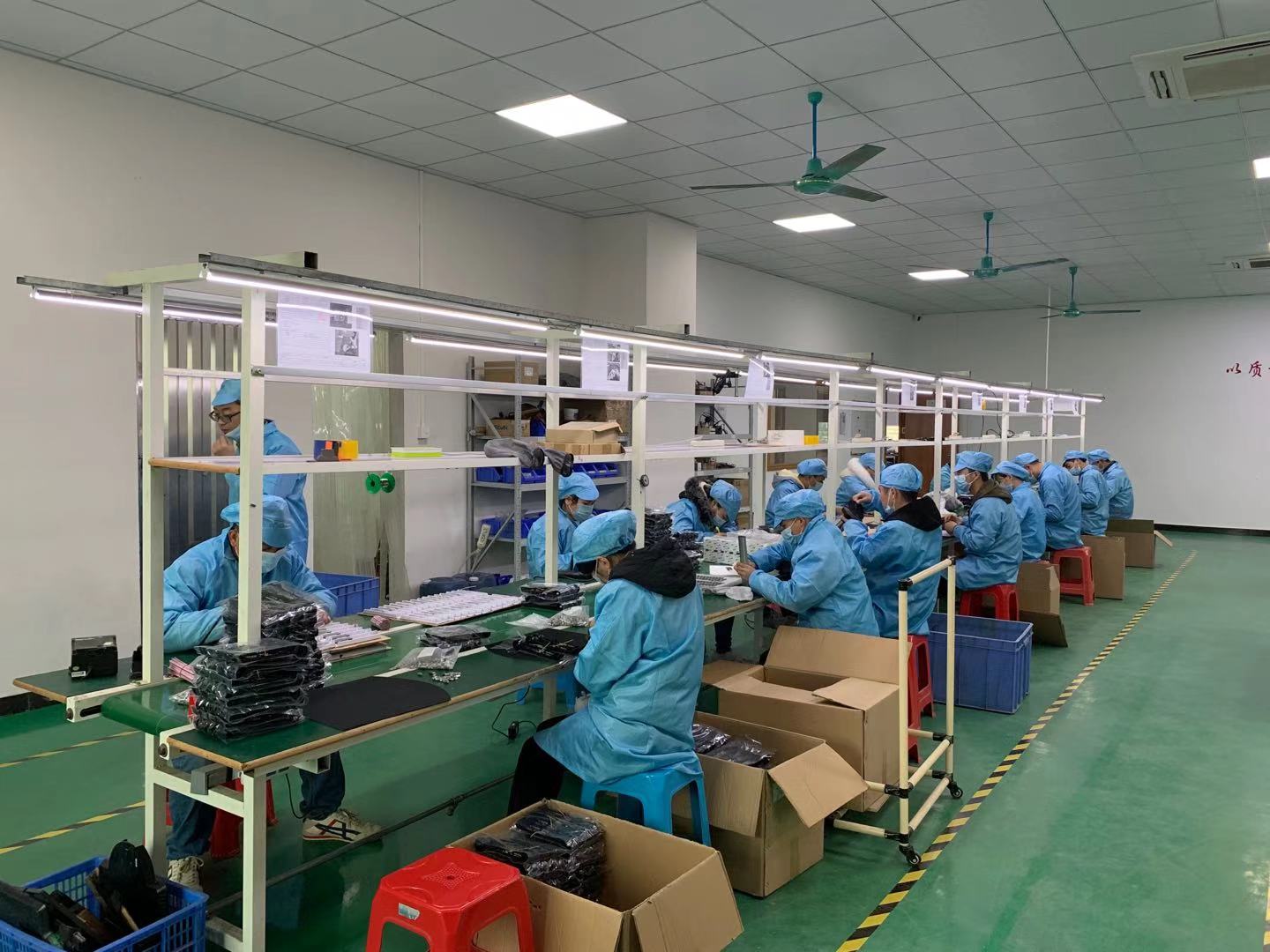
Guangzhou Quibow Electronic Co., Ltd.: A Specialist Exporter Behind the Catalogue
Guangzhou Quibow Electronic Co., Ltd. develops and supplies image acquisition and conversion equipment for B2B buyers. The team works across the full cycle from product design and development to production coordination, export sales and after-sales support. Its focus includes high-speed document cameras, book scanners, A3/A2 large-format document scanners, flatbed scanners, visual presenters and ID-card recognition cameras.
Because Quibow works with CIS, CMOS and CCD imaging platforms, the sales conversation can stay technical. For an archive, the priority may be non-contact CMOS capture and curve correction. For a high-volume office, CIS in an ADF device may be more appropriate. For photos, artwork or bookedge flatbed scanning, CCD can offer different depth-of-field and color-stability advantages. A supplier that understands these trade-offs is more useful than one that promotes a single sensor type for every project.
Quibow supports OEM/ODM projects including logo printing, packaging, housing color, capture-software branding and SDK integration on selected models. Most stock book scanners, A2 large-format scanners and flatbed scanners start from 1 piece or 1 set, while several document camera models start from 2 pieces. OEM/ODM quantities are confirmed per project.
Common Questions from Book Scanner and Document Camera Buyers
These are the procurement questions that most often determine whether a sample request becomes a repeat export order.
What is the minimum order quantity for Quibow scanners and document cameras?
Most stock book scanners, A2 large-format scanners and flatbed scanners start from 1 piece or 1 set. Several document camera models start from 2 pieces. OEM/ODM quantities are confirmed per project after customization requirements, packaging and software scope are reviewed.
Do you support OEM and ODM orders?
Yes. Quibow supports OEM/ODM projects including logo printing, packaging, housing color, capture-software branding and SDK integration on selected models. Buyers should confirm the exact model, customization artwork, software requirements and order quantity before deposit.
Which sensor platform should I choose: CIS, CMOS or CCD?
CIS is compact and well suited to high-volume sheet-fed office scanners. CMOS area sensors capture a whole page from above, making them a natural fit for overhead book scanners, newspapers, visual presenters and live teaching. CCD is often preferred for flatbed scanning of photos, artwork and bookedges where depth of field and color stability matter. The right choice depends on the original type, binding, volume and target resolution.
How many megapixels do I need for A3 or A2 at 300 dpi?
An A3 page at 300 dpi needs about 3508 × 4961 pixels, or roughly 17.4MP. An 18MP scanner is an entry point, while a 24MP model provides more margin for cropping, deskew and OCR. An A2 page at 300 dpi needs about 4961 × 7016 pixels, or roughly 34.8MP, so a 48MP A2 scanner is recommended for archival masters and newspaper digitization.
Are the scanners compatible with Windows and macOS?
Many models, including A2 large-format scanners and the 1200 DPI A3 flatbed scanner, support Windows and macOS, and some are verified on Apple M1-powered Macs. Because compatibility can vary by model and firmware, confirm the exact product, driver version and OCR software before ordering.
What payment, currency and delivery terms do you accept?
Quibow accepts T/T, L/C, PayPal and Western Union in USD, EUR, HKD or CNY, with FOB, EXW and DDU delivery terms. Final terms should be written into the quotation or proforma invoice for the specific order.
What warranty and technical support are included?
Listed models such as the A3 flatbed scanners, A2 overhead scanners and document camera models typically carry a 1-year warranty, backed by remote technical support. Buyers should confirm warranty coverage for the selected model, wear parts, RMA procedure and whether spare parts are available for their market.
Can I request sample scans or a sample unit before placing a bulk order?
Yes. For serious projects, request a sample scan using your own document size, binding type, lighting conditions and target dpi. Where available, a sample unit can be arranged under agreed commercial terms. Reviewing real output is especially important for A2 newspapers, curved book pages, multi-language OCR and classroom visualizer workflows.
What should an exporter include in a quotation for a tender?
A tender-ready quotation should state the exact model, sensor type and resolution, maximum document size, capture speed, interface, software/OCR support, SDK availability, included accessories, packaging, warranty, lead time, payment terms, delivery term and validity. If certification or test reports are required, confirm that the documents match the model being supplied.
Request a portable book scanner recommendation, sample scan or OEM/ODM quote
Share your document size, daily volume, target dpi, OCR languages, operating system and integration needs. Quibow can match the request to an A3 overhead book scanner, A2 high-resolution scanner, 4K visualizer or SDK-ready document camera and confirm MOQ, warranty and export terms.
info@quibowtech.com