Eight OCR Document Scanners & Visualizers for Immediate Sourcing
These eight models cover the practical buying range: portable A4 visualizers, wall-mounted document cameras, foldable 4K cameras, a 22x optical zoom presenter and an A2 dual-48MP overhead book scanner. Each product link opens the original product page so procurement teams can verify specifications, stock status and inquiry options.
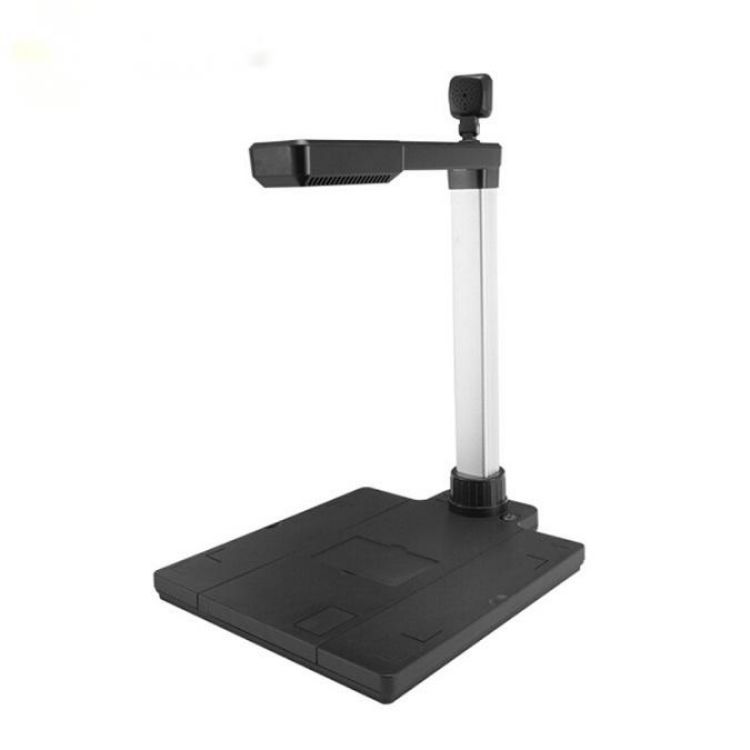
10MP Education Visualizer Scanner Document Management Book Camera USB in Stock
- USB classroom visualizer
- Book and document capture
- Stock wholesale option
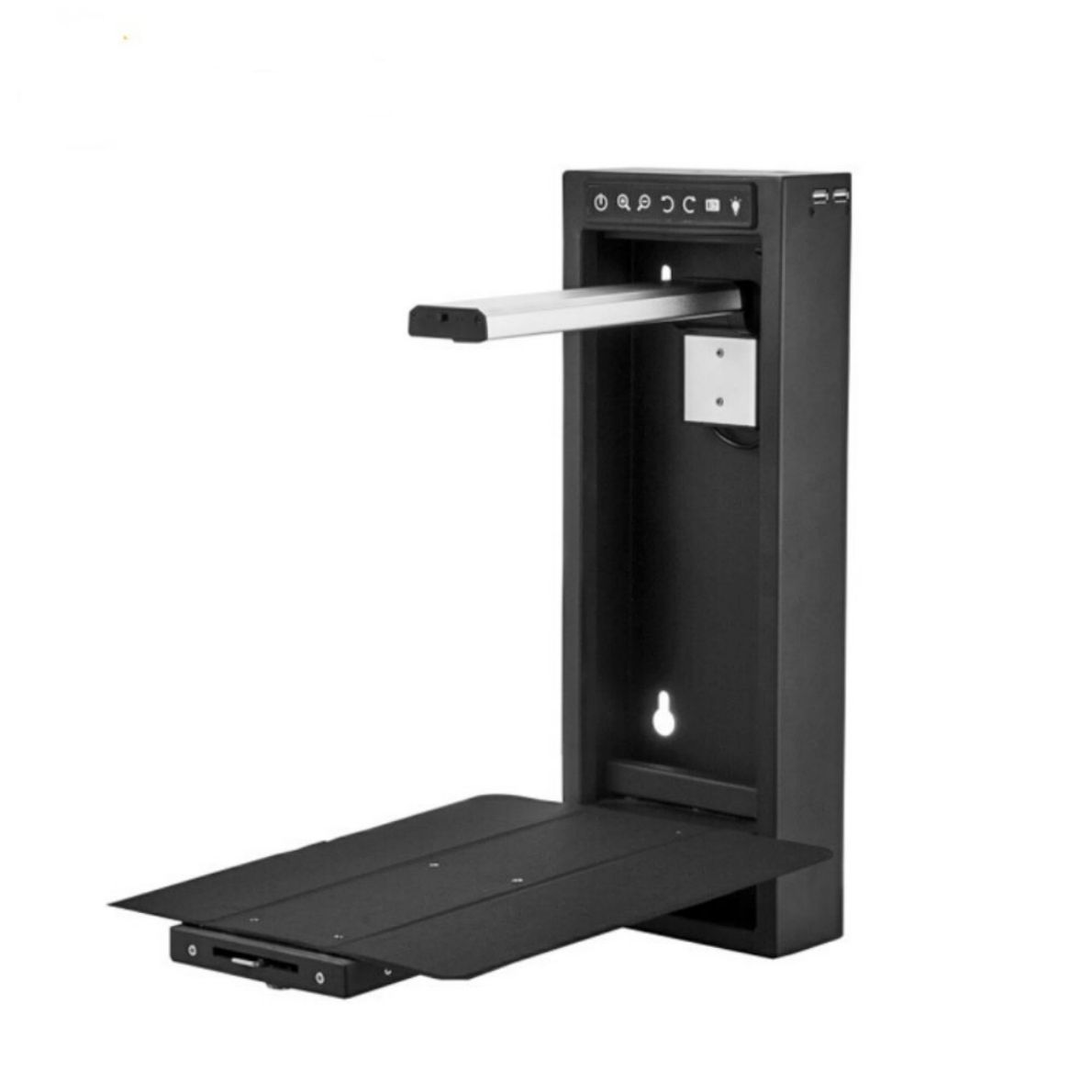
Document Camera A4 Visualizer Wall Version USB CMOS Sensor 10MP 1-Second Scan Document Scanner Stock for Classroom Smart
- Wall-mounted classroom setup
- 10MP CMOS imaging
- Fast 1-second scan claim
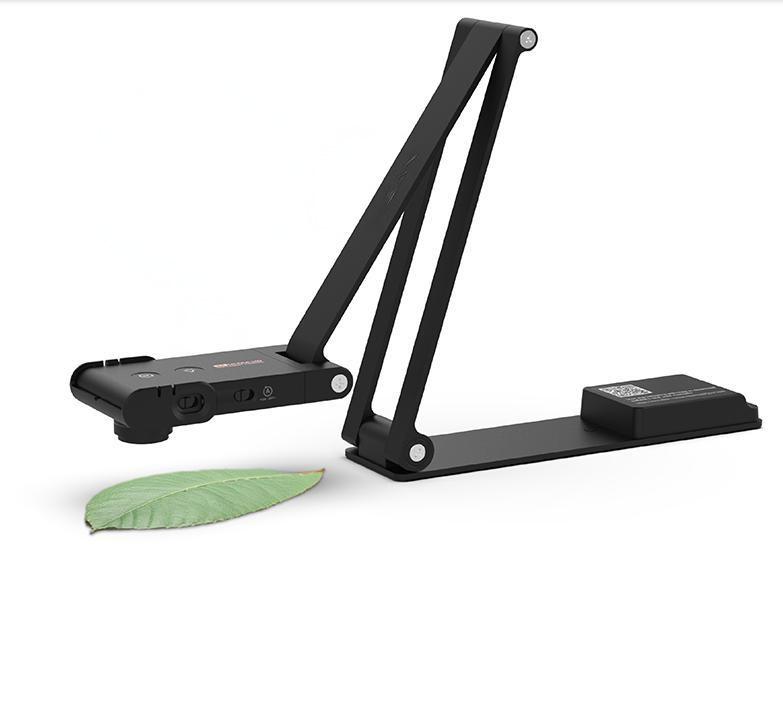
4K 2-in-1 USB 13MP Document Camera Visualizer AI Noise Cancellation 20X Macro Lens Foldable Design Microphone A3 Max 1-Year
- AI noise cancellation
- 20x macro lens and microphone
- A3 capture, foldable design
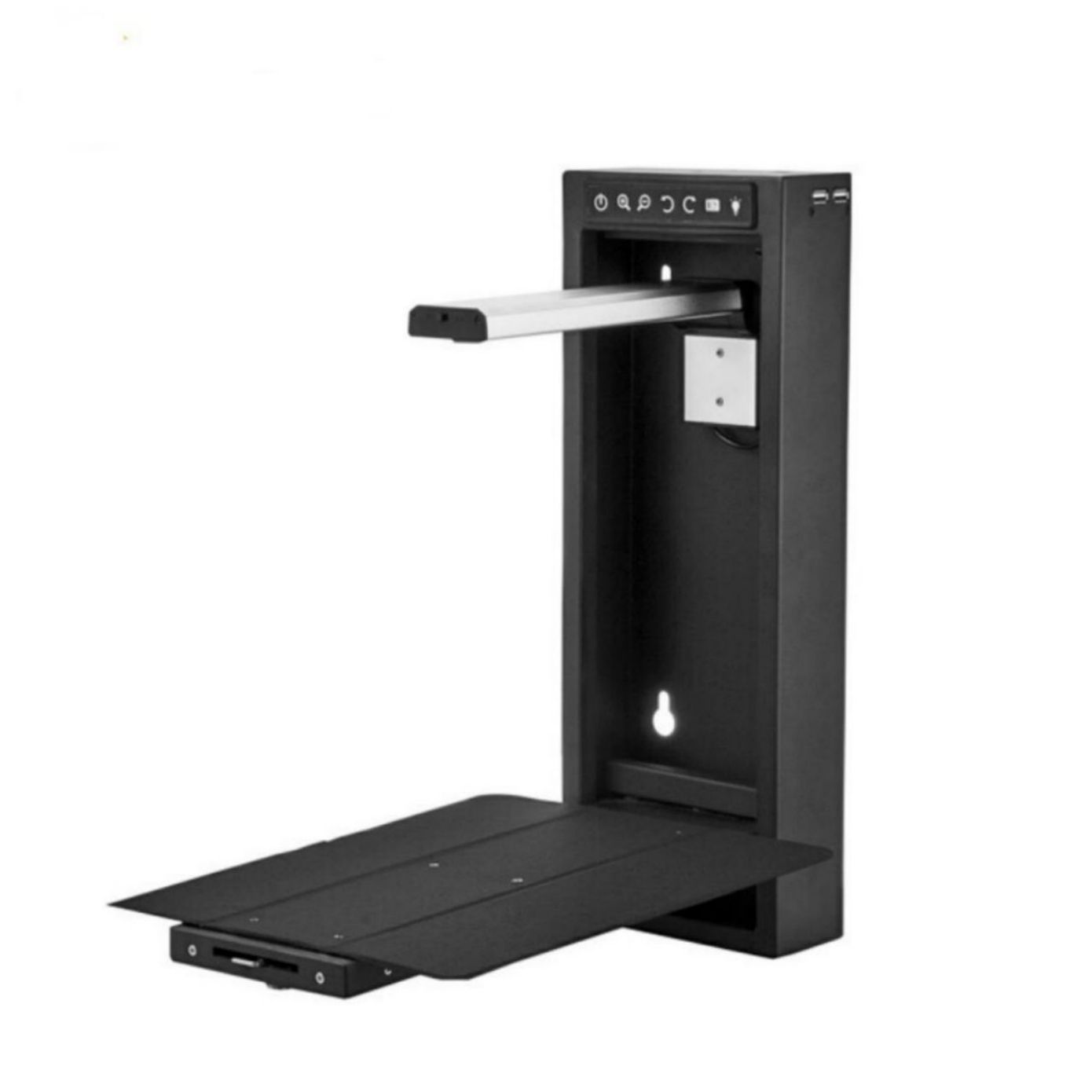
10MP USB CMOS Document Camera Wall Mount Scanner with 1-Second Scan Speed 1-Year Warranty in Stock Classroom Education A4 SDK
- Wall-mount classroom scanner
- 1-second scan speed positioning
- A4 format and SDK support
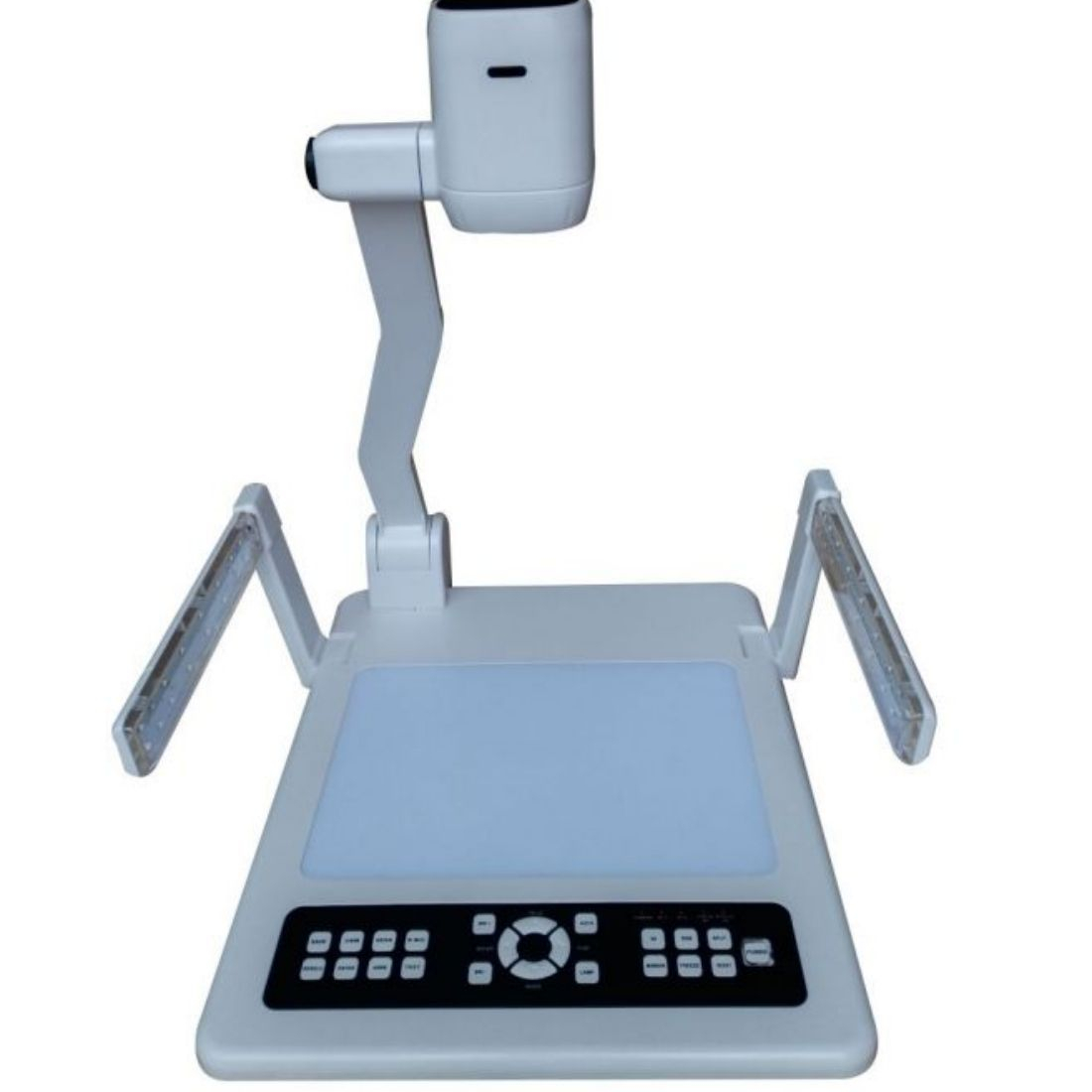
Factory 22X Optical Zoom Desktop VGA HDMI Audio Interface High Resolution Document Camera Visualizer
- 22x optical zoom lens
- VGA and HDMI output
- Desktop presentation format
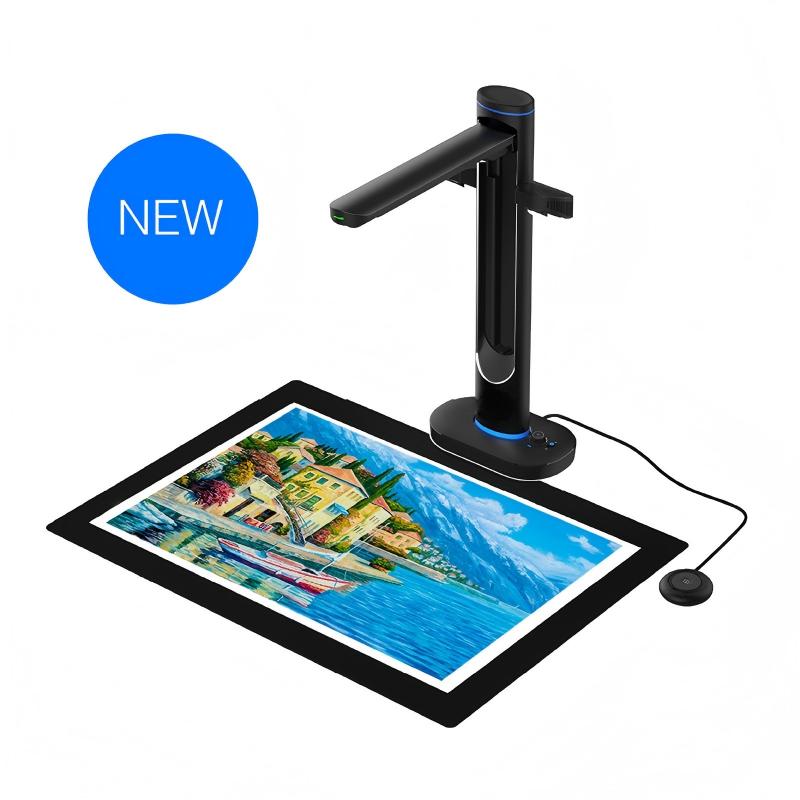
A2 Large Format Book Scanner Dual 48MP CMOS Sensors High-Speed Desktop Overhead Scanner for Windows & MacOS
- Dual 48MP CMOS sensors
- A2 overhead non-contact capture
- Windows and macOS workflow

USB Document Camera Scanner 10MP CMOS Visualizer A4 Scanner for Office Education
- 10MP CMOS visualizer
- A4 office and education scanning
- USB plug-and-play format
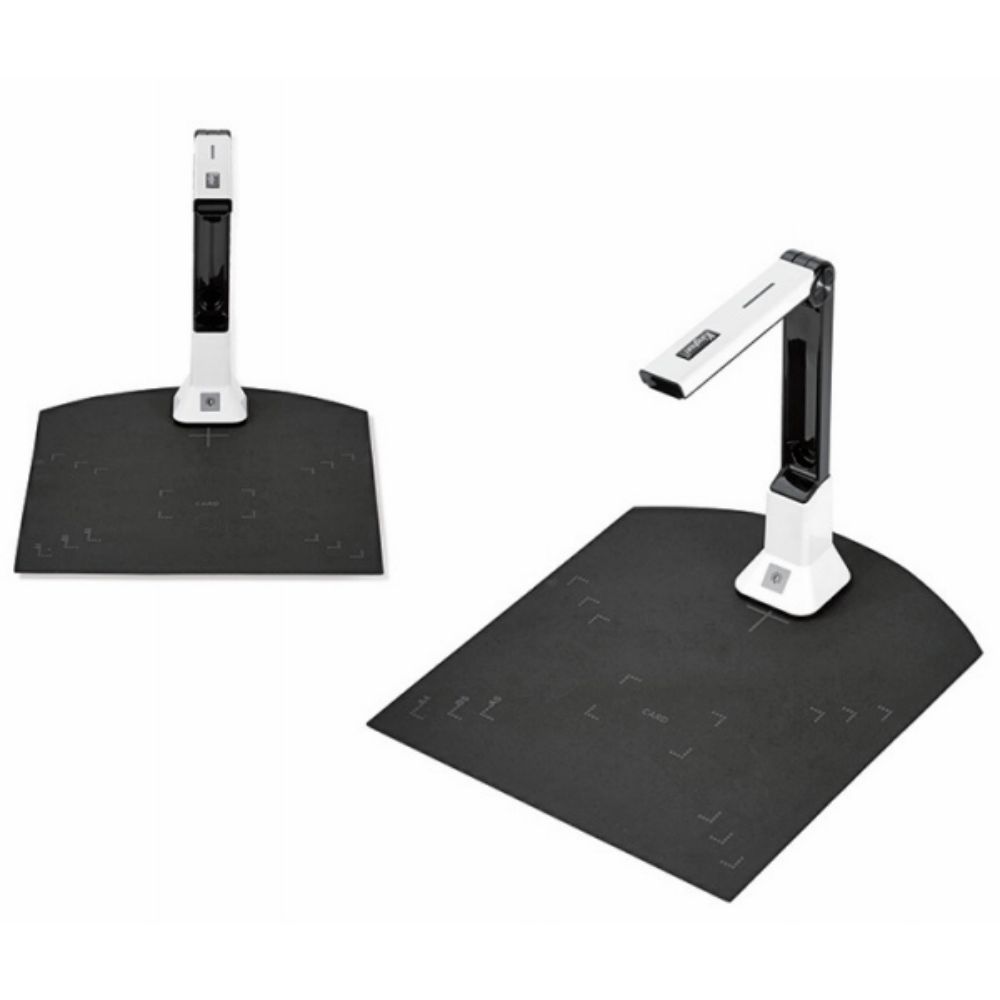
Wholesale 5MP USB Light CMOS A4 Document Scanner Portable Smart Handheld High Resolution 1-Second Scan CE Certified Stock Black
- Portable A4 scanner
- 5MP CMOS and built-in light
- CE certified stock option
What This Search Intent Really Means: Sourcing an OCR Capture Programme, Not Just a Scanner
The phrase “OEM/ODM OCR Document Scanner Factories & Wholesaler” sits at the intersection of product discovery, factory verification, customisation feasibility and after-sales risk. Buyers searching this phrase are usually shortlisting suppliers who can deliver stable capture hardware, support OCR and SDK integration, adapt branding and packaging, and sustain repeat orders for schools, libraries, archives, government counters, banks and resellers.
That semantic difference matters. A retail buyer asks, “Which document camera is good?” A B2B buyer asks, “Which factory can supply 200 units of an A3 visualizer with our logo, provide a Windows driver, keep OCR output predictable and support our tender documentation?” The second question requires evidence: sensor platform, resolution at the target paper size, lighting control, software compatibility, optical zoom range, sample scans, QC process and warranty terms.
This is where information gain becomes a competitive advantage. A useful supplier page should not repeat “high quality, best price” without proof. It should translate specifications into procurement decisions. For example, a 10MP document camera may be ideal for A4 classroom use, but it will not satisfy an A2 newspaper archive project that requires 300 dpi master files. A 4K visualizer with AI noise cancellation may be excellent for hybrid teaching, while an A2 dual-48MP overhead scanner is a better fit for bound volumes and broadsheets.
Quibow is positioned as a Guangzhou-based supplier with an onsite-checked profile, 2020 founding year, a 5–10 specialist team, US$1M–US$2.5M annual revenue and main markets in Eastern Europe, North America and South America. For procurement teams, that model can combine product coordination, export documentation and technical follow-up across CIS, CMOS and CCD imaging platforms. Experienced buyers should still verify whether a supplier owns final assembly, module sourcing or both, and should request a sample scan from their own document set rather than relying only on catalogue images.
Procurement verification tip: request three artefacts before approving a sample: a 300 dpi TIFF or PNG of an A2 or A3 page, an OCR-exported searchable PDF of the same page, and a 60-second live capture video under the lighting conditions your users will actually face. These artefacts reveal focus, curvature correction, colour consistency, noise handling and OCR quality more clearly than a specification sheet.
How to Match Megapixels, Document Size and OCR Requirements
Megapixels only create value when they are matched to the physical page size and the required output format. A scanner that delivers 300 dpi on A4 may deliver far less detail on A2. Before comparing quotes, convert your tender’s paper size and resolution requirement into a minimum pixel count.
| Document size | Pixels required at 300 dpi | Practical sensor range | Product-fit example |
|---|---|---|---|
| A4 210 × 297 mm |
2480 × 3508 ≈ 8.7 MP |
10MP or higher | 10MP USB document camera, 10MP education visualizer, 5MP portable A4 scanner for lighter duties |
| A3 297 × 420 mm |
3508 × 4961 ≈ 17.4 MP |
18MP–24MP preferred | 13MP 4K foldable visualizer for presentation; 18MP–24MP models for OCR masters |
| A2 420 × 594 mm |
4961 × 7016 ≈ 34.8 MP |
48MP for archival capture | A2 dual-48MP overhead book scanner for newspapers, maps and bound archives |
| Mixed office documents | 200–300 dpi plus OCR | 10MP–13MP A4/A3 visualizer | Wall-mounted document cameras and USB visualizers for counters, training rooms and office desks |
| Macro or object capture | Optical zoom and focus quality | 20x macro lens or 22x optical zoom | 4K 13MP foldable model; 22x optical zoom desktop presenter |
Resolution is not the same as OCR accuracy
OCR accuracy depends on focus, lighting uniformity, skew correction, page curvature and language packs. Ask for sample output in the languages your project requires, not only English.
Non-contact capture protects originals
Overhead scanners and visualizers reduce pressure on book spines, maps and fragile records. Auto-flatten, deskew and finger removal are software features that should be verified in the sample workflow.
SDK access changes the integration cost
If the scanner feeds a document management system, student platform or bank counter application, confirm SDK availability, driver support and Windows/macOS compatibility before the order.
Recommended Scanner Types by Use Case
Semantic search intent changes by department. A school buyer prioritises live presentation and ease of use; an archive buyer prioritises resolution and binding protection; a reseller prioritises MOQ, packaging and after-sales support.
Libraries, Archives and Newspapers
Use non-contact overhead capture to protect bindings and flatten curved pages digitally. For A2 broadsheets, the A2 dual-48MP overhead book scanner is the strongest fit in the shortlist. For A4/A3 teaching or reading rooms, wall-mounted or portable visualizers provide economical access.
- Prioritise 48MP A2 capability for 300 dpi archival masters
- Confirm OCR language packs and searchable PDF output
- Test page-curve correction on a real book or newspaper
Education, Training and Hybrid Classrooms
Visualizers should be simple for teachers, stable under room lighting and compatible with projectors, interactive displays and video conferencing. The 4K 13MP foldable document camera adds AI noise cancellation, a microphone and a macro lens for demonstrations.
- Check HDMI, VGA or USB output against classroom hardware
- Review zoom range for textbooks, experiments and 3D objects
- Request wall-mount and desk-mount options before a tender
Office, Government and Banking Counters
Counter capture needs speed, repeatable framing and clear output for records. Wall-mounted 10MP document cameras and compact USB visualizers work well for A4 forms, ID cards and service documents. For integrated workflows, confirm the OCR and SDK route before piloting.
- Match capture area to the widest counter document
- Confirm 1-second scan claim in your own workflow
- Ask for export formats, driver support and warranty terms
CIS, CMOS and CCD: A Practical Decision Framework
Sensor choice affects capture speed, depth of field, form factor and software tuning. The right answer depends on the document, the user and the integration path.
CMOS Area Sensors
Best for overhead book scanners, document cameras and visualizers. CMOS captures the full page in one shot, so bound books do not need to be pressed flat. Software can flatten curves, remove fingers and deskew pages.
CIS Imaging
Compact and efficient for sheet-fed or space-constrained designs. CIS is often associated with ADF office scanning and slim devices where fast batch processing matters more than overhead presentation.
CCD Imaging
Useful where depth of field and colour stability are important, such as photo, artwork or book-edge scanning. CCD platforms can tolerate originals that are slightly raised above the glass.
OCR, SDK and Software
The hardware captures light; the software turns pages into usable records. Ask about OCR language support, searchable PDF, batch naming, auto-crop, deskew, curve flattening, driver signing and SDK access.
Five Shifts Reshaping OCR Document Scanner Procurement
Procurement teams are moving beyond “camera plus driver” buying. The next round of tenders is more likely to specify searchable output, integration readiness, privacy and measurable total cost of ownership.
Tender specs move to OCR output
Buyers increasingly ask for searchable PDF, page naming rules, language packs and OCR accuracy validation rather than listing only megapixels.
Data privacy becomes a buying criterion
Schools, banks and government users want local capture or controllable software paths. Procurement should ask where scan images and OCR data are processed and stored.
Non-contact preservation wins
Archives and libraries prefer overhead capture and software flattening to pressing fragile books on flatbed glass. This supports longer device life for the original documents.
SDK and API readiness
Resellers and integrators want capture hardware that fits existing document management, student information or counter systems. SDK availability reduces custom development risk.
Mixed-model, lower-MOQ sourcing
Distributors often need a balanced container: A4 visualizers, A3 document cameras and A2 book scanners together. Confirm MOQ, stock status and packaging flexibility before committing.
Five Product Development Trends Buyers Should Specify Now
Hardware cycles in document imaging are slow compared with consumer electronics, but software-defined capture is changing what buyers can reasonably request in a 12–24 month rollout.
AI-assisted clean-up
Noise cancellation, finger removal, curve flattening and automatic deskew are moving from premium models into mainstream visualizers and overhead scanners.
4K, 13MP and dual-sensor designs
Higher-resolution capture supports classroom clarity and A2 archival work. Dual-sensor A2 scanners improve coverage for large, bound or uneven originals.
Cross-platform plug-and-play
Windows and macOS compatibility, including Apple silicon verification on selected models, is becoming a practical tender requirement rather than a bonus.
Optical zoom and macro versatility
22x optical zoom, 20x macro lenses and foldable designs let one device serve documents, objects and demonstration use cases without changing camera position.
Mounting flexibility and compact form factors
Wall-mount, desktop, foldable and portable visualizers help buyers fit capture into constrained service counters, classrooms and mobile project kits.
Why Quibow Fits OEM/ODM OCR Scanner Programmes
Guangzhou Quibow Electronic Co., Ltd. focuses on image data acquisition and conversion equipment, including document cameras, book scanners, flatbed scanners and ID card recognition high-speed cameras. The portfolio spans CIS, CMOS and CCD imaging platforms, which gives buyers a practical route for different capture formats.
Focused document imaging portfolio
Products cover A4/A3 document cameras, portable scanners, wall-mounted visualizers, 4K presentation devices and A2 overhead book scanners.
- Overhead non-contact capture
- OCR-oriented document workflows
- CIS, CMOS and CCD platform knowledge
OEM/ODM support
Customisation can include logo printing, packaging, housing colour, software branding and SDK integration on selected models. MOQ is confirmed per project.
- Branding and packaging coordination
- SDK integration discussion
- Mixed model sourcing for distributors
Responsive export communication
The published supplier profile reports ≤1h average response time and a 100% message response rate, which matters when a tender deadline is moving.
- English quotation and specification support
- Sample scan request handling
- Technical questions routed to product specialists
Verifiable supplier records
Buyers can review the supplier assessment, credit overview, ratings, trade capacity, transaction level, trade history and transaction history links maintained by the platform.
- Onsite-checked supplier profile
- Third-party platform records
- Company video introduction available
Practical trade terms
Published terms include T/T, L/C, PayPal and Western Union in USD, EUR, HKD or CNY, with FOB, EXW and DDU delivery terms.
- Export-friendly payment currencies
- Multiple delivery term options
- 1-year warranty on listed models
Low starting MOQ for stock models
Many stock book scanners, A2 large-format scanners and flatbed scanners start from 1 piece or 1 set, while several document camera models start from 2 pieces.
- Useful for pilot programmes
- Supports distributor trial orders
- OEM/ODM quantities confirmed per project




Guangzhou Quibow Electronic Co., Ltd.
We develop and supply photoelectric information equipment for image acquisition and conversion. The working scope covers product design and development, production coordination, export sales and after-sales support, with OEM/ODM projects welcome.
From Requirement to Delivery in Five Practical Steps
A clear workflow reduces rework and helps procurement teams compare quotations on the same basis.
Requirement review
Confirm document size, daily volume, operating system, OCR language and output format. Most initial replies are handled within about one hour.
Model matching
Match A4, A3 or A2 capture to the right sensor and lens. Request sample scans from your own documents where possible.
OEM/ODM customisation
Define logo, packaging, housing colour, software branding and SDK integration needs. MOQ depends on the chosen model and customisation scope.
Quality inspection
Check focus, lighting uniformity, driver installation, output quality and capture speed before packing. Stock models may ship from available inventory.
Shipping and support
Confirm trade terms, warranty and after-sales support. Listed models commonly carry a 1-year warranty with remote technical backup.
Payment methods
T/T, L/C, PayPal, Western Union
Payment currency
USD, EUR, HKD, CNY
Delivery terms
FOB, EXW, DDU
Where OCR Scanners and Document Cameras Create Measurable Value
The same hardware can serve different departments when the capture area, software and mounting method are specified correctly.
Libraries & Archives
Digitise rare books, periodicals, maps and records with overhead or book-edge capture that reduces stress on bindings.
Education & Training
Visual presenters show textbooks, experiments and 3D objects live on projectors or displays, supporting remote and hybrid teaching.
Government & Banking
Document cameras can support identity document capture, forms and counter records, with OCR and SDK integration where required.
Enterprise Offices
Convert contracts, invoices and service documents into searchable files for paperless workflows and central records.
Newspapers & Publishers
A2 large-format scanners capture broadsheets and maps in one pass for digital back-issue archives and editorial reuse.
Distributors & Integrators
OEM/ODM branding and SDK access let resellers build packaged digitisation solutions on proven capture hardware.
OEM/ODM OCR Document Scanner FAQs
These are the questions procurement teams most often ask before requesting a quotation, sample scan or OEM/ODM discussion.
What is the minimum order quantity for Quibow scanners and document cameras?
Most stock book scanners, A2 large-format scanners and flatbed scanners start from 1 piece or 1 set. Several document camera models start from 2 pieces. OEM/ODM quantities are confirmed per project because packaging, logo and software requirements can change the production plan.
Do you support OEM and ODM orders?
Yes. Support can include logo printing, packaging, housing colour, capture software branding and SDK integration on selected models. For serious projects, share document samples, target market, language requirements and expected annual volume so the most suitable model can be shortlisted.
Are the scanners compatible with Windows and macOS?
Many models, including A2 large-format scanners and selected flatbed scanners, support Windows and macOS, with some models verified on Apple M1 Macs. Compatibility should be confirmed for each model before shipment. Resellers should also confirm driver signing and SDK requirements with their integration team.
Which resolution do I need for A3 or A2 documents at 300 dpi?
An A3 page at 300 dpi requires about 3508 × 4961 pixels, roughly 17.4 MP, so an 18MP or 24MP scanner is suitable. An A2 sheet at 300 dpi requires about 4961 × 7016 pixels, roughly 34.8 MP, so a 48MP A2 scanner is recommended for archival masters. A 21MP A2 scanner may be enough for access copies or OCR, but should not be assumed to meet a 300 dpi A2 tender.
What payment and delivery terms do you accept?
Published terms include T/T, L/C, PayPal and Western Union in USD, EUR, HKD or CNY, with FOB, EXW and DDU delivery terms. Final terms depend on the order value, destination and model mix, so confirm them in the quotation before issuing a purchase order.
What warranty is available?
Listed models such as A3 flatbed scanners, A2 overhead scanners and selected ADF scanners commonly carry a 1-year warranty, backed by remote technical support. The warranty statement on the final quotation should be reviewed alongside spare-parts and DOA handling procedures.
Can you provide SDK support or OCR integration help?
SDK integration is available on selected models and should be discussed at the requirement stage. Provide the operating system, development environment, desired image format, OCR engine preference and whether the software will run locally or in a controlled network environment. This helps the team confirm feasibility before a sample order.
How can I verify sample quality before placing a bulk order?
Send your own page samples or request a demonstration using comparable documents. Ask for a 300 dpi image, OCR output in your target language, a video showing lighting and focus, and the exact model configuration. Also review the third-party supplier assessment, ratings, trade capacity and transaction history records available from the company profile before moving to contract terms.
Need an OEM/ODM OCR scanner, overhead book scanner or visualizer programme?
Share the document sizes, daily volume, target resolution, OCR languages, operating systems and estimated first-order quantity. Quibow can match the requirement to a stock model, discuss OEM/ODM customisation and arrange sample scans so your team can verify quality before committing.
- Document size: A4, A3, A2 or mixed
- Output: searchable PDF, OCR text or image master
- Deployment: classroom, archive, counter or office
- Business model: wholesale, tender, OEM or SDK integration
Direct B2B inquiry
Inquire Nowinfo@quibowtech.com
Guangzhou Quibow Electronic Co., Ltd. · Room 504, No. 5 Zitan Second Street, Guangzhou, Guangdong, China