OEM/ODM Foldable Document Scanner Manufacturer & Wholesaler
Quibow supplies foldable document cameras, A3/A2 overhead book scanners, portable visualizers and flatbed imaging equipment for distributors, schools, libraries, government counters and enterprise digitization projects—backed by CIS, CMOS and CCD engineering, low MOQs, SDK support and fast export coordination.
Contact Us8 Foldable Document Scanners and Visual Presenters for B2B Buyers
These eight models reflect the most common procurement briefs in document camera and book scanner wholesale: A3 book capture, portable field scanning, classroom presentation, counter digitization and private-label visualizer programs. Product URLs are preserved so buyers can review exact specifications before requesting a quotation.
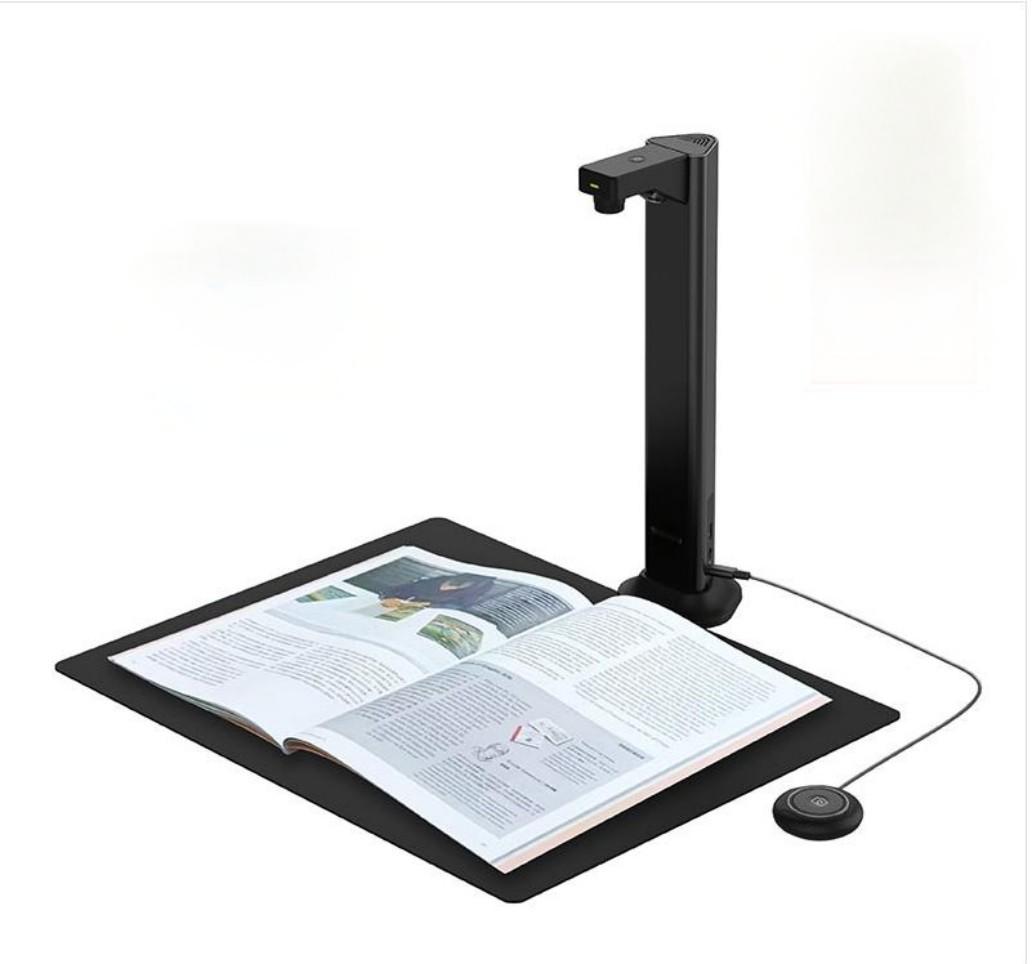
Real 24MP UVC A3 Document Scanner with USB Interface and Text to Speech
A3 capture, UVC/USB connectivity, text-to-speech support and high-resolution imaging for assisted reading, office digitization and in-stock wholesale programs.
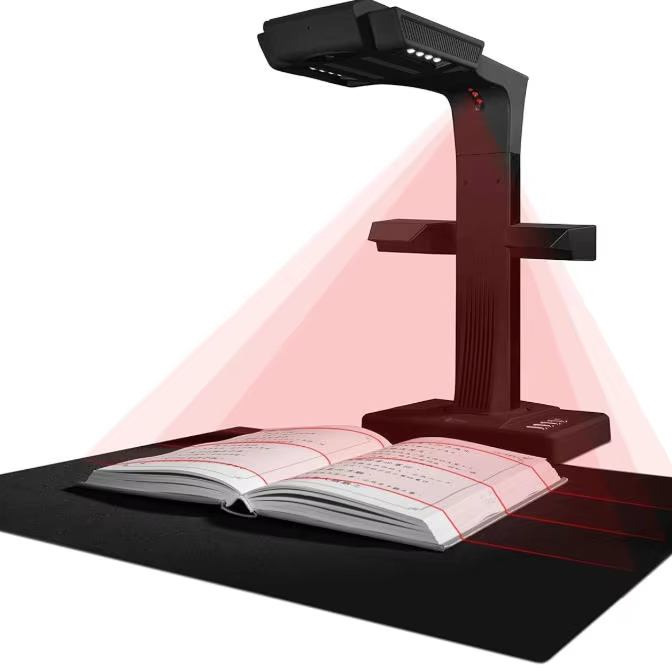
18MP A3 Book Scanner Overhead Document Camera Auto Curve Flattening OCR 180+ HDMI Visual Presenter
Auto curve flattening, OCR, HDMI 180+ visual presenter capability and overhead capture for libraries, schools and bound-book digitization.
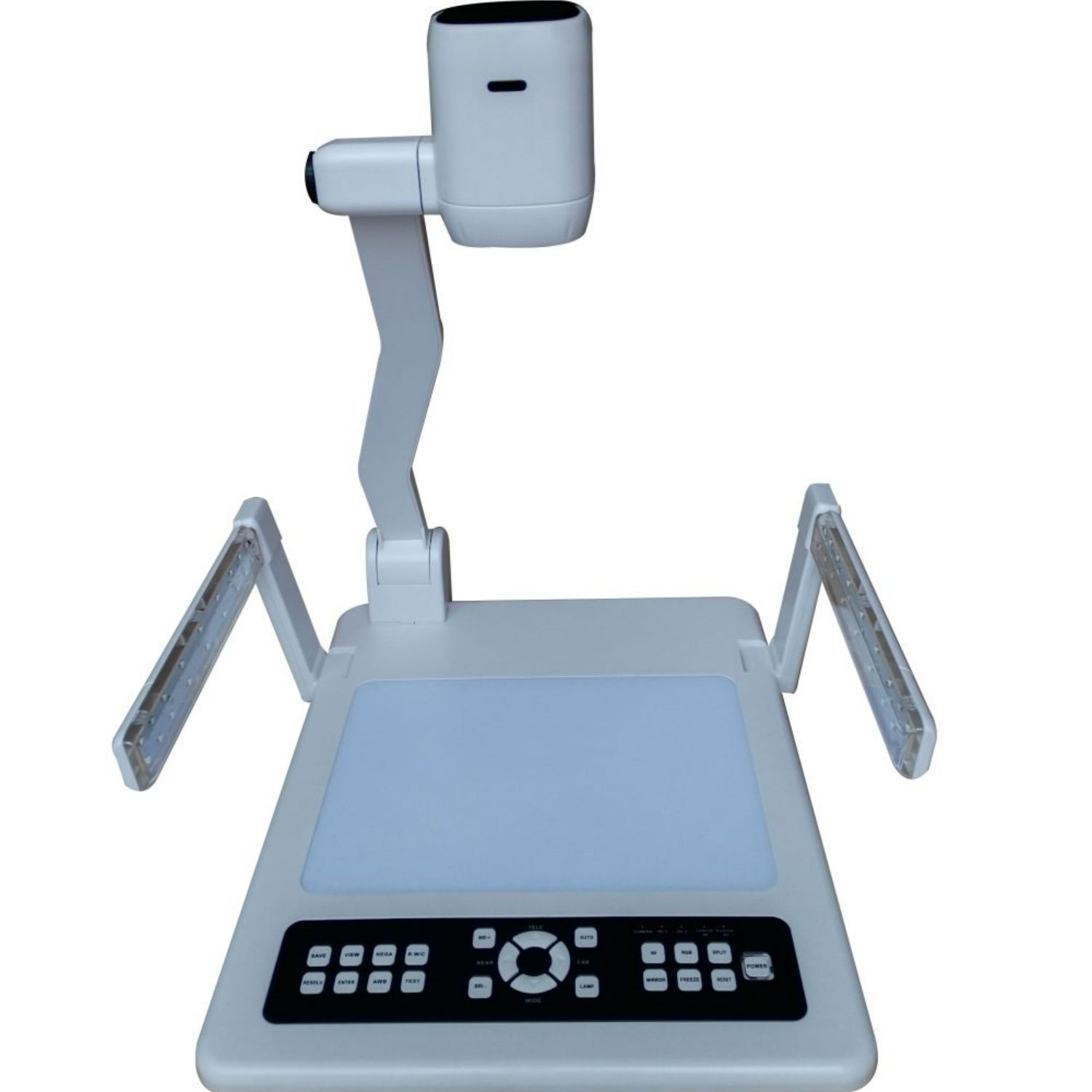
22x Optical Zoom 10x Digital Zoom VGA/USB 2MP CMOS A4 Foldable Document Camera
Compact foldable arm, 22x optical plus 10x digital zoom, VGA/USB interfaces and 2MP CMOS imaging for classrooms and training desks.
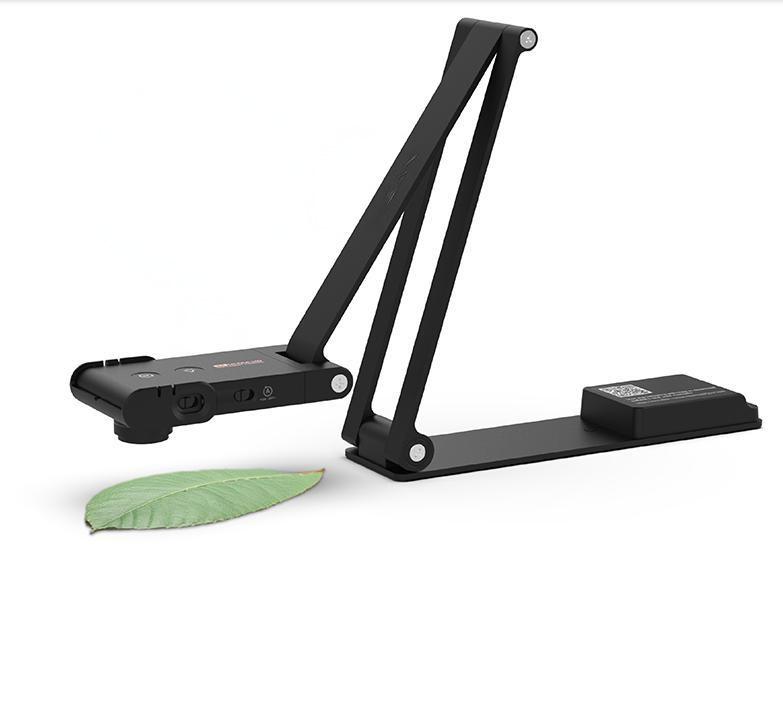
4K 2-in-1 USB 13MP Document Camera Visualizer AI Noise Cancellation 20X Macro Lens Foldable
4K output, 13MP sensor, AI noise cancellation, 20x macro lens, built-in microphone and foldable A3-max design for hybrid teaching and meetings.
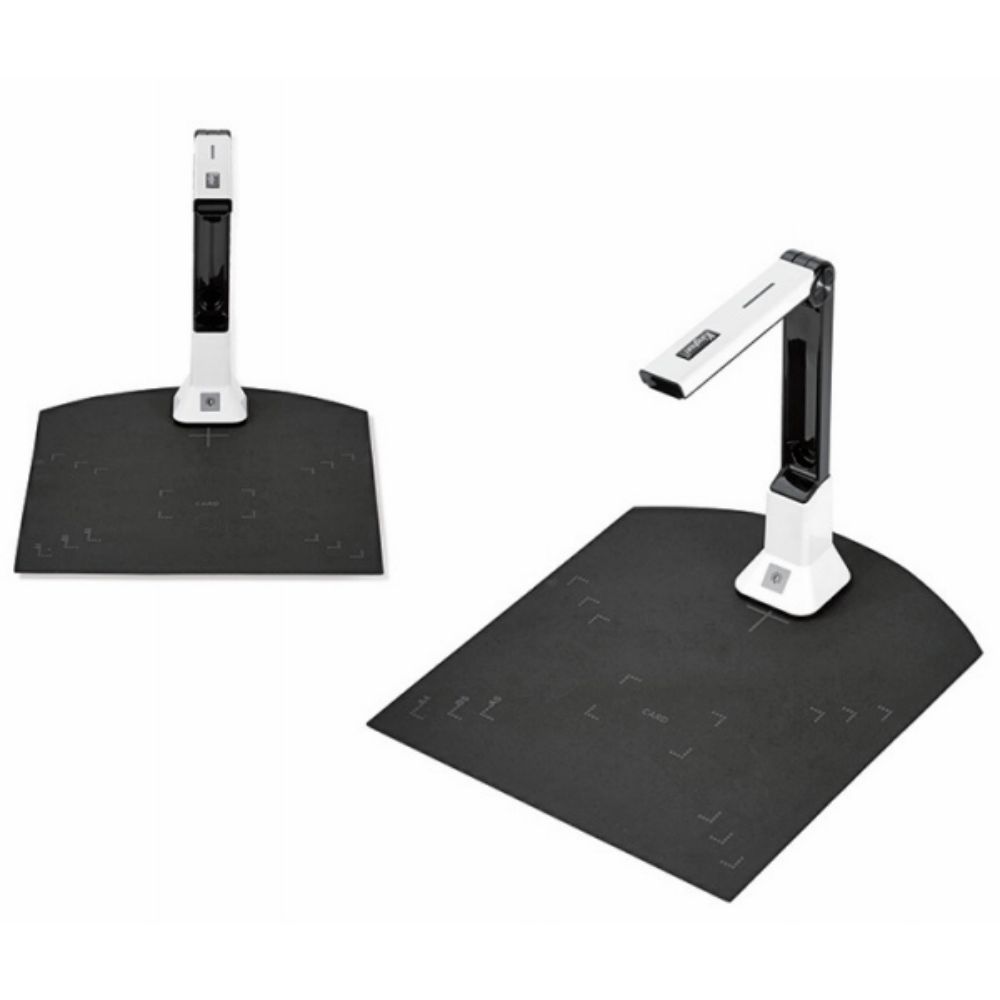
Wholesale 5MP USB Light CMOS A4 Document Scanner Portable Smart Handheld High Resolution 1-Second Scan CE Certified
A4 handheld capture, 1-second scan speed, CE certification and USB connectivity for field service, mobile counters and quick office digitization.
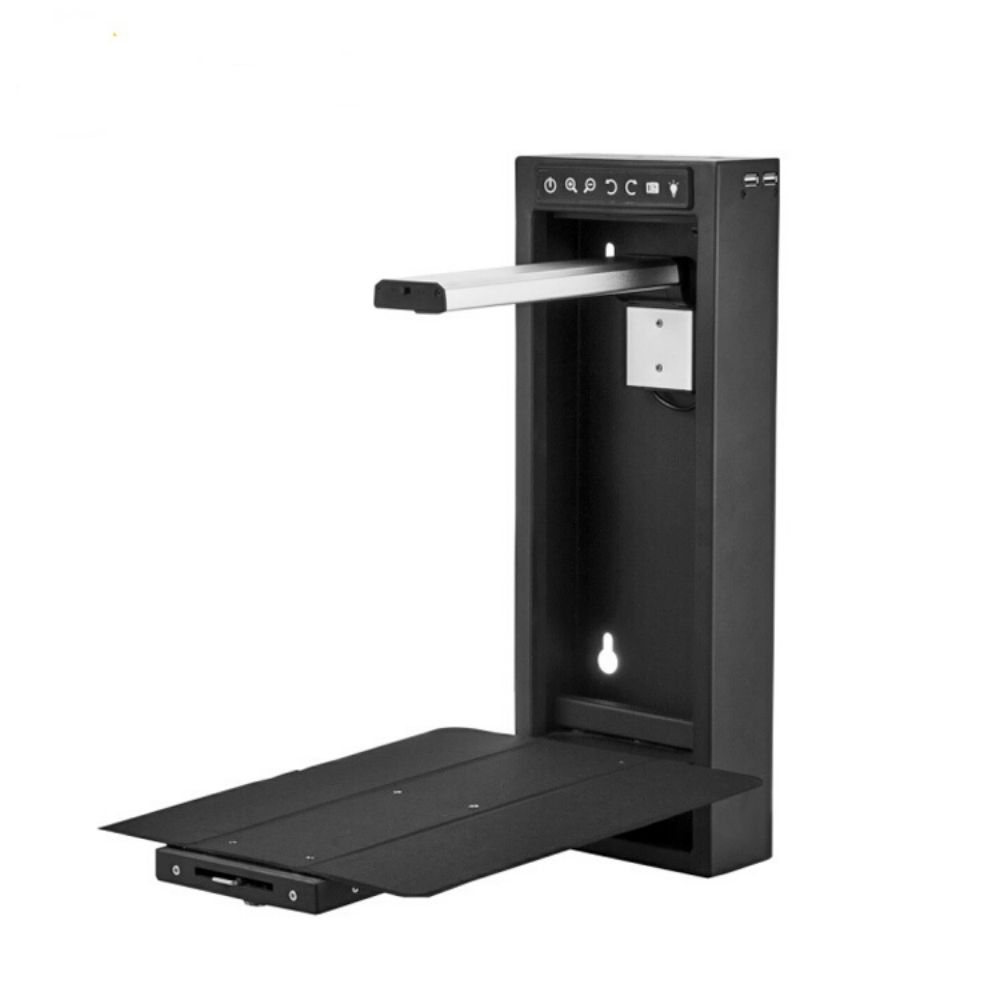
Online Training Portable 10MP A4 Document Scanner USB Visualizer-in-Stock for Wall Version
10MP A4 visualizer, USB interface, wall-version portability and in-stock availability for online training, tutoring and remote demonstrations.
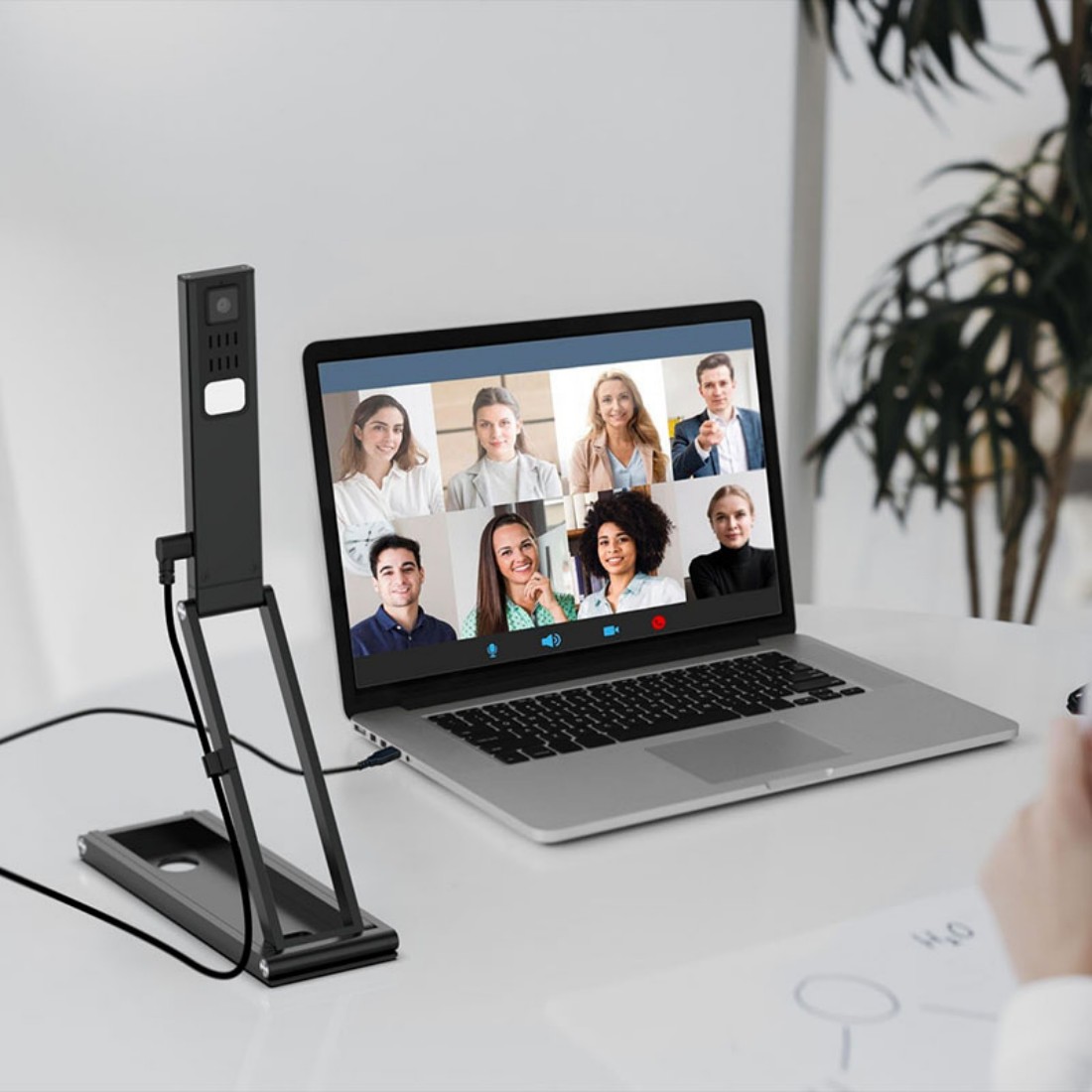
A3 4K Visual Presenter Document Camera with USB Interface for School Training Teaching Meetings Featuring Webcam Function
A3 4K visual presenter with USB output and webcam function for classrooms, training rooms and meeting spaces requiring live object display.
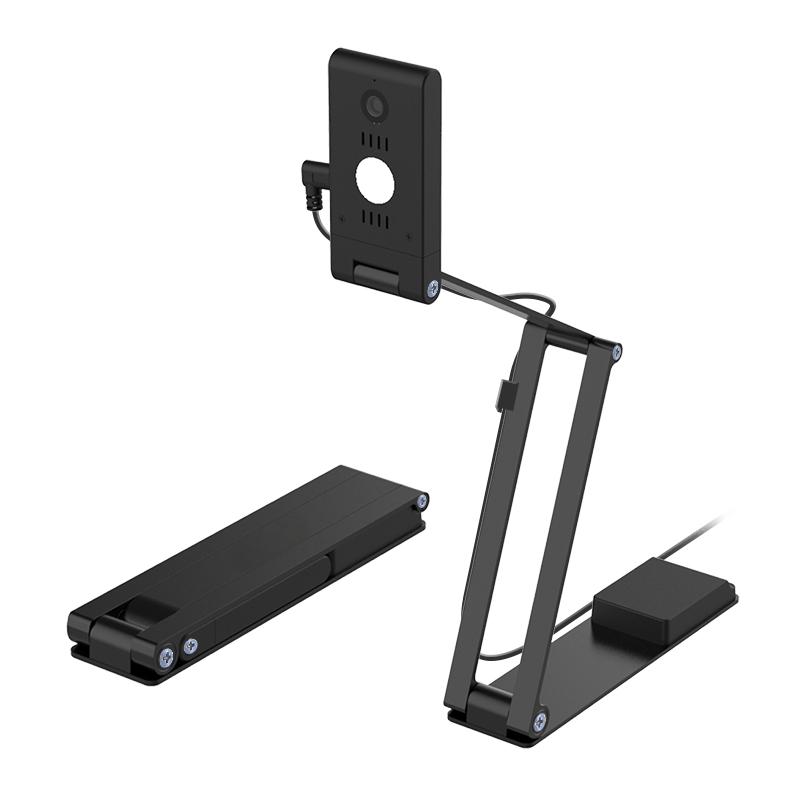
Value Priced 2-in-1 USB Digital Document Camera Visualizer A3 with 5MP 1/4" CMOS Sensor 10x Zoom
Value-focused A3 visualizer with 5MP 1/4-inch CMOS sensor, 10x zoom, 2-in-1 USB operation and a 1-year warranty for volume programs.
What OEM/ODM Foldable Document Scanner Buyers Need to Know
B2B search intent is rarely just “buy a scanner.” Most buyers are solving a classroom refresh, a counter digitization bottleneck, a private-label product launch or a library preservation workflow. The most reliable supplier answers technical, commercial and after-sales questions in one cycle.
Intent Pattern 1: Replace Bulky Fixed Visualizers
Schools and training centers need a foldable document camera that travels between rooms, stores securely and installs without specialized AV labor. Buyers compare arm reach, A3 capture area, optical zoom, HDMI/VGA/USB output and microphone support.
- Request a live demo at teaching distance
- Confirm A3 document coverage, not just sensor resolution
- Check whether USB webcam mode works with existing PCs
Intent Pattern 2: Digitize Counter Workflows
Banks, government service desks and pharmacies need fast capture of IDs, forms and passports. A compact USB document scanner with OCR, auto page detection and SDK access can reduce manual indexing while fitting into tight counter space.
- Validate image quality under mixed indoor lighting
- Ask for OCR accuracy tests on local forms
- Confirm SDK and software compatibility before rollout
Intent Pattern 3: Build a Private-Label Program
Distributors search for an OEM/ODM document scanner manufacturer and wholesaler that can support logo printing, packaging, housing color and software branding. The real due-diligence question is whether low-MOQ trial orders can scale into repeatable container loads.
- Start from stock units or samples before full customization
- Define packaging, warranty and spare-parts terms early
- Request export documents and inspection records
Why This Foldable Document Scanner Manufacturer Reduces Procurement Risk
Guangzhou Quibow Electronic Co., Ltd. is a technology-driven supplier focused on image acquisition and conversion. We coordinate product design, production, export sales and after-sales support across CIS, CMOS and CCD imaging platforms.
Multi-Platform Imaging Expertise
Our product range spans CIS, CMOS and CCD platforms: high-speed document cameras, overhead book scanners, flatbed scanners and ID card recognition cameras. This lets us recommend the sensor platform by document size, OCR need, lighting condition and budget instead of forcing one model into every project.
OEM/ODM From Sample to Shipment
OEM/ODM support covers logo printing, packaging, housing color, capture software branding and SDK integration on selected models. Most stock book scanners, A2 large-format scanners and flatbed scanners start from 1 piece or 1 set; several document cameras start from 2 pieces, and custom quantities are confirmed per project.
Fast, Export-Ready Communication
Our team is based in Guangzhou and maintains an average response time of ≤1 hour with a 100% message response rate. We accept T/T, L/C, PayPal and Western Union in USD, EUR, HKD or CNY, with FOB, EXW and DDU terms for distributors, tenders and e-commerce sellers.
Verifiable Trust and After-Sales
The supplier profile is onsite checked in Guangzhou. Listed models such as A3 flatbed scanners, A2 overhead scanners and the S2060W ADF scanner carry a 1-year warranty with remote technical support. Buyers can request sample scans, driver tests and packaging checks before committing to volume.
Which Foldable Document Scanner Fits Your Application?
Use application fit—not headline megapixels—as the first filter. The same sensor can perform very differently depending on page size, working distance, lighting, software and operator workflow.
For Bound Books and A3 Archives
Choose the 18MP A3 overhead book scanner when auto curve flattening and OCR matter, or the 24MP UVC A3 scanner when text-to-speech and USB/UVC integration are priorities. An A3 page at 300 dpi needs roughly 3508 × 4961 pixels—about 17.4MP—so 18MP and 24MP systems provide useful headroom for deskewing, margins and OCR preprocessing.
View A3 book scanner →For Hybrid Classrooms and Training
The 4K 13MP 2-in-1 USB document camera with AI noise cancellation is designed for teachers who present books, objects and demonstrations while recording or streaming. A foldable arm, 20x macro lens, built-in microphone and A3-max coverage reduce the number of devices in the room. Confirm projector resolution, USB webcam compatibility and whether HDMI is required before the tender closes.
View 4K foldable camera →For Portable Field and Counter Capture
The 5MP USB A4 portable document scanner with 1-second scanning and CE certification is a practical entry point for mobile enrollment, home visits and counter digitization. The 10MP portable A4 visualizer adds higher resolution for online training and wall-mounted installations. For distributors, these models are ideal for low-risk trial orders, bundle promotions and regional education tenders.
View portable A4 scanner →How Wholesale Buying Behavior Is Changing
Document scanner procurement is moving from isolated hardware purchases toward validated solutions that combine capture, software, support and predictable logistics. These shifts affect quotations, MOQs and supplier selection.
Small Trial Orders, Faster Scale-Up
More buyers begin with 1 piece or 1 set to validate image quality, drivers and packaging before placing a container order. This is especially common for distributors testing a private-label document camera or schools piloting a classroom refresh. Suppliers that show real stock status, sample scan files and clear MOQ logic reduce the buyer’s evaluation cycle and make repeat orders easier to forecast.
Hardware Plus SDK and Software Bundle
Procurement teams increasingly ask for OCR language lists, Windows and macOS compatibility, SDK documentation and remote deployment support in the same request as the hardware quotation. The foldable visualizer is no longer a standalone projector accessory; it is part of a capture workflow that may include searchable PDF, document management, ID recognition or live teaching software.
Total Landed Cost and Compact Logistics
Foldable mechanical designs can reduce packaging volume and dimensional weight, which matters for distributors shipping by air or parcel. Buyers should compare not only unit price but also carton dimensions, drop-test packaging, warranty handling and spare-part availability. A lower freight profile and simpler installation can make a mid-priced foldable model more profitable than a heavier fixed visualizer.
Features Buyers Should Specify in the Next OEM/ODM Brief
Sensor advances are useful only when they solve a workflow problem. These development directions are shaping the next generation of foldable document scanners and visual presenters.
AI-Assisted Capture and 4K Output
4K and 13MP class sensors are becoming practical for mid-volume education and office programs. AI noise cancellation, auto-flattening, page detection, deskewing and OCR preprocessing help operators capture acceptable images with less training. For tenders, specify the actual page size, text size, lighting conditions and output format rather than only listing “4K” or “13MP.”
Dual-Lens and Multimodal Use
Dual-lens architectures combine a document camera with an ID/portrait or macro view, supporting counters, verification desks and interactive teaching. A 20x macro lens, microphone and 2-in-1 USB mode can replace several accessories. When comparing models, ask whether both lenses can be used in the same software session and whether the SDK exposes the secondary camera stream.
Modular Foldable Mechanics and SDK Access
Foldable arms must be engineered for cable flex, hinge durability and stable working distance—not just portability. Strong OEM/ODM briefs specify drop-test packaging, connector strain relief and field-replaceable parts. SDK availability, plug-and-play USB/UVC behavior and compatibility with existing hardware fleets are equally important for system integrators and distributors building repeatable solutions.
Resolution Planning Before You Buy
Megapixels must be interpreted against document size. The formula is simple: page width in inches × dpi by page height in inches × dpi. For archival masters at 300 dpi, A3 requires roughly 17.4MP and A2 requires roughly 34.8MP.
Pixels Required at 300 dpi and Recommended Sensor Class
From Requirement Review to Export Delivery
A transparent process helps procurement teams compare suppliers on the same basis. The workflow below is designed for first-time samples, private-label programs and repeat wholesale orders.
Requirement Review
Confirm document size, daily capture volume, operating system, output format, lighting conditions and whether OCR or SDK integration is required. Most first responses are provided within one hour.
Model and Sensor Matching
Select CIS, CMOS or CCD based on the workflow. Request sample scans at the target dpi and verify A3/A2 coverage, text sharpness and software compatibility before quotation approval.
Customization
Define logo, packaging, housing color, software branding, OCR languages and SDK needs. OEM/ODM quantities are confirmed per project, with stock models available for low-MOQ trials.
Quality Check and Shipping
Verify focus, lighting uniformity, driver installation, capture speed and packaging before dispatch. Listed models carry a 1-year warranty and remote technical support.
Commercial Facts That Support E-E-A-T Due Diligence
Experienced buyers check the supplier behind the product. These facts help you compare capability, communication and commercial terms without relying on marketing claims alone.
Guangzhou Base
Room 504, No. 5 Zitan Second Street, Guangzhou, Guangdong, China. Onsite checked supplier profile with export support.
Business Model
Technology-driven trading and OEM/ODM coordination covering product design, development, production management, export sales and after-sales.
Market Footprint
Main markets include Eastern Europe, North America and South America. Annual revenue is listed at US$1M–US$2.5M with a 5–10 person specialist team.
Trade Terms
T/T, L/C, PayPal and Western Union in USD, EUR, HKD or CNY. Delivery terms include FOB, EXW and DDU for wholesale and project orders.
Where Foldable Document Scanners and Visualizers Deliver ROI
Successful deployments match the capture device to the physical environment, the operator’s training level and the downstream document workflow.
Libraries & Archives
Overhead and bookedge scanning protects rare books, newspapers and records without pressing bindings flat. OCR to searchable PDF improves discovery.
Education & Training
Visual presenters with optical zoom display textbooks, experiments and 3D objects live on projectors, displays and video conference platforms.
Government & Banking
Dual-lens high-speed cameras capture ID cards, passports and forms at service counters with OCR and SDK integration for backend systems.
Distributors & Integrators
OEM/ODM branding, SDK access and low-MOQ models let resellers build regional solutions on proven hardware and repeatable logistics.
Questions Wholesale Buyers Ask Most
Clear answers reduce quotation cycles. For project-specific validation, request sample scans, driver files and packaging details before issuing a PO.
What is the minimum order quantity for Quibow scanners and document cameras?
Do you support OEM and ODM orders?
Are the scanners compatible with Windows and macOS?
Which resolution do I need to scan A3 or A2 documents at 300 dpi?
What payment and delivery terms do you accept?
What warranty do your products carry?
Planning a Foldable Document Scanner Rollout or Private-Label Launch?
Share your document sizes, daily capture volume, target resolution, operating system and packaging needs. Our engineers will recommend the right CIS, CMOS or CCD platform, send sample scans and confirm MOQ, lead time and shipping terms for your market.