Eight B2B-Ready Imaging Products for Digital Photo, Book and Document Capture
These eight models are current catalogue products from our imaging range. Each product URL and image is kept as supplied so procurement teams can compare models, build a wholesale assortment or request private-label alternatives without losing the original reference. “Digital photo scanner” is often used as a broad search term for high-resolution image acquisition devices; in B2B projects, the actual requirement may be an overhead book scanner, a visual presenter, an A3 document camera or an A2 archive scanner.
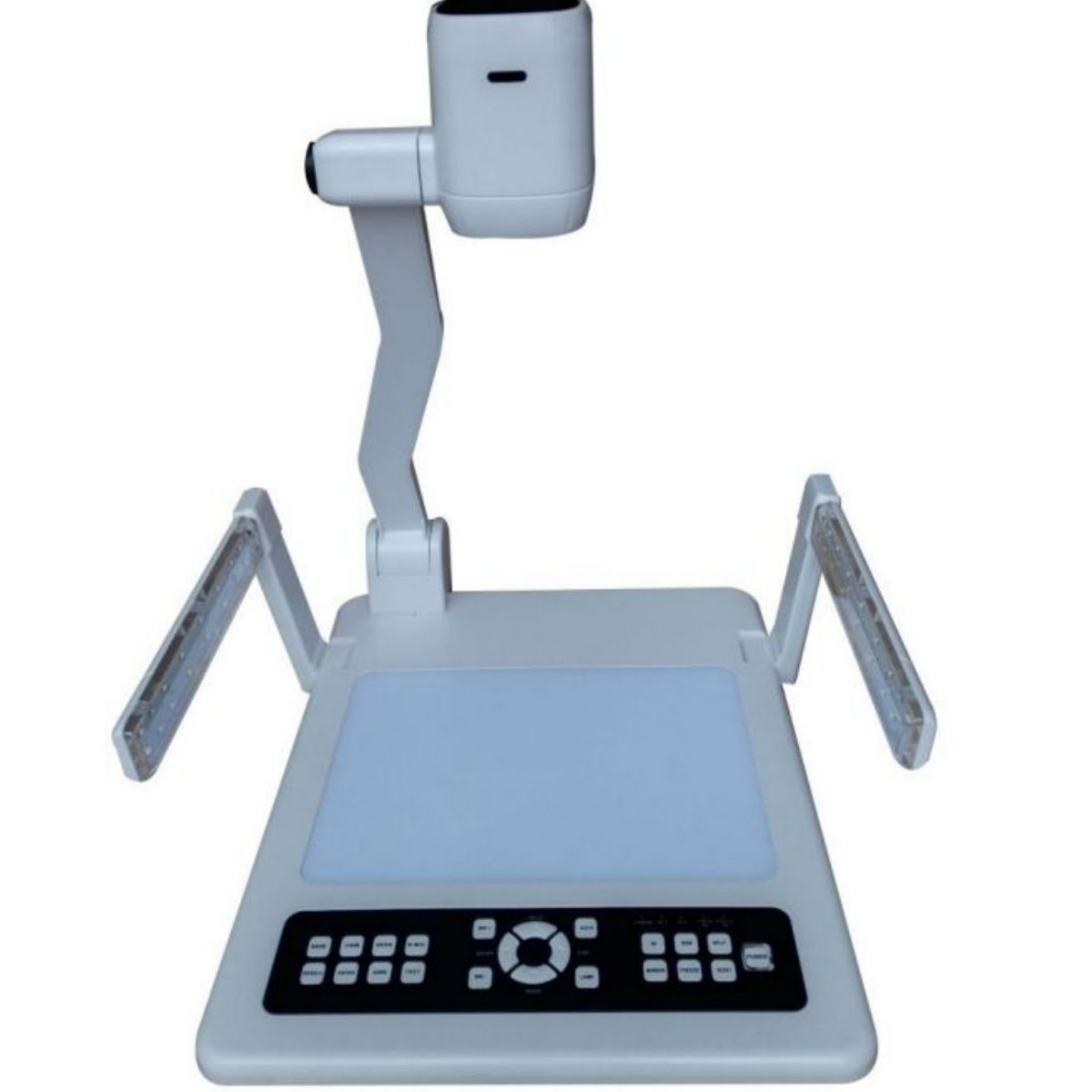
Multi-functional Document Camera Professional in Visual Presenter Also Visualizer in Educational Equipment
For classroom demonstration, training rooms and EdTech distributors that need live visual presentation and image capture in one teaching device.
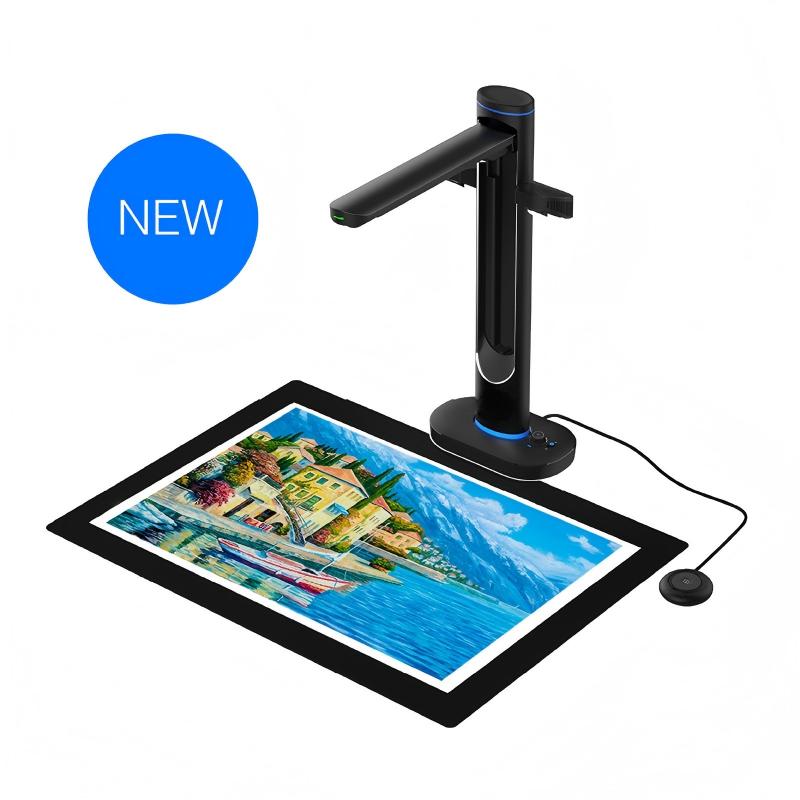
A2 Large Format Book Scanner Dual 48MP CMOS Sensors High-Speed Desktop Overhead Scanner for Windows & MacOS
A high-resolution overhead option for newspapers, maps, bound volumes and archive masters where A2 coverage and high pixel count matter.
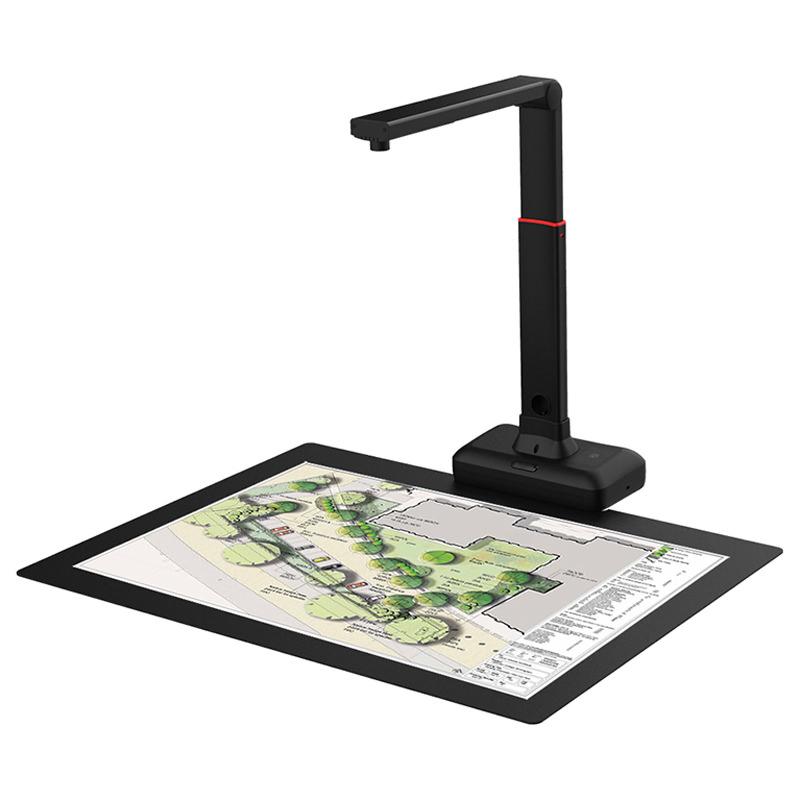
A2 Large Format Overhead Document Scanner 21MP USB Aluminum Text-to-Speech 1-Year Warranty in Stock
A practical A2 overhead scanner for offices, service counters and archive teams that need an aluminum body, USB connection and stock availability.
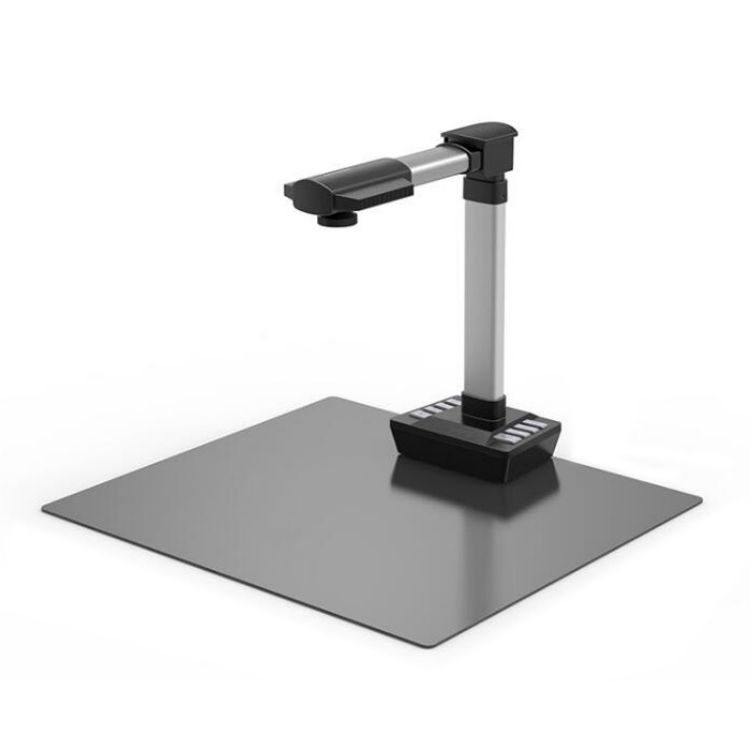
20MP OCR Aluminum Digital Visualizer Camera Classroom Office Training A3 Document Scanner USB Interface SDK Stock Black 1-Year
Suitable for classroom, office training and counter capture where OCR, USB interface, SDK support and A3 coverage are requested.
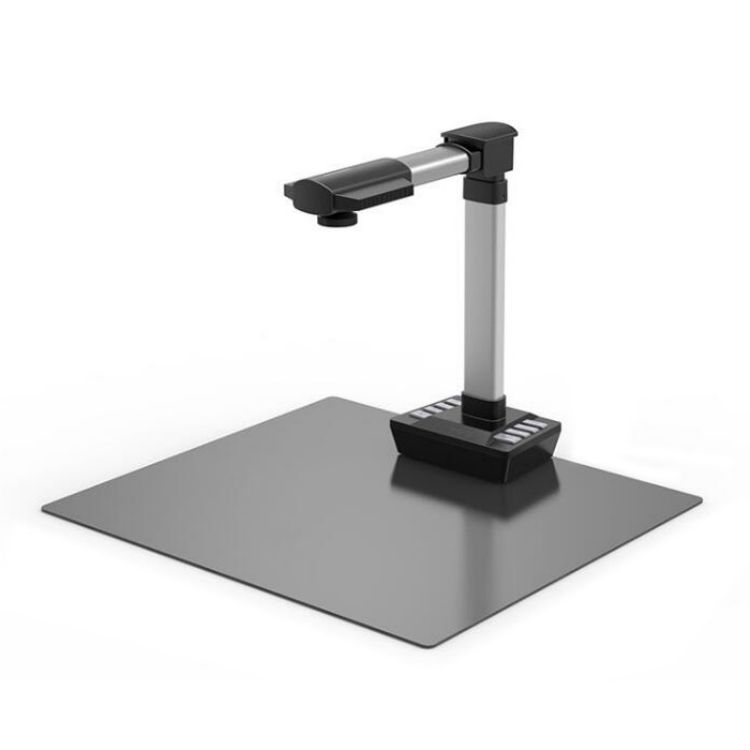
High Resolution Portable A3 Library Book Scanner with Foot Controller USB Interface Automatic Document Scanner Stock Product
A portable A3 library book scanner with foot controller for hands-free page capture, useful for field digitization and mobile archive projects.
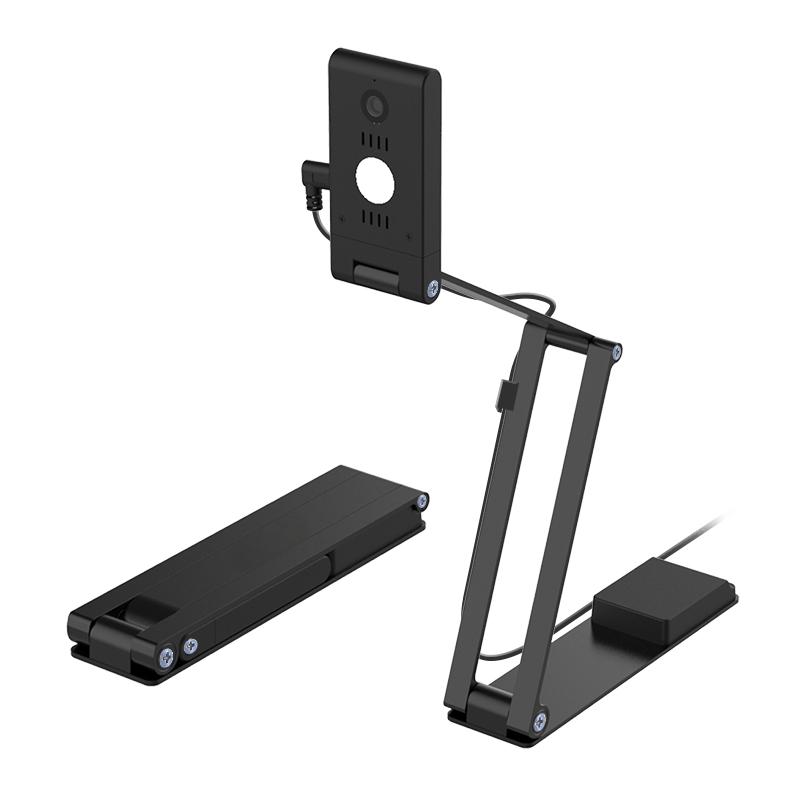
Value Priced 2-in-1 USB Digital Document Camera Visualizer A3 with 5MP 1/4" CMOS Sensor 10x Zoom 1-Year Warranty
A value-focused 2-in-1 USB document camera and visualizer for entry-level classroom, office and reseller programs.
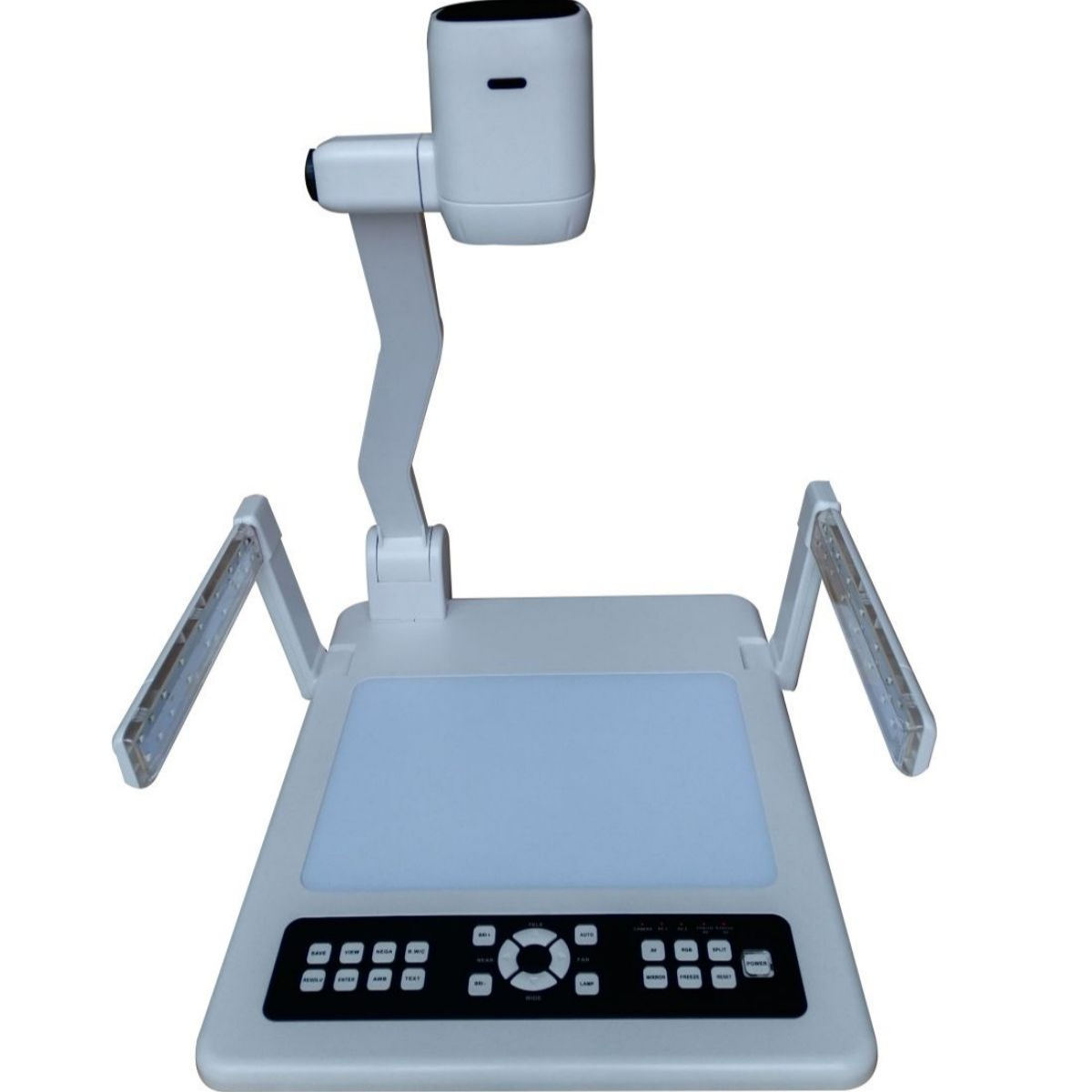
HD Optical Zoom Visual Presenter 1/3" CMOS Sensor 1-Year Warranty OEM Brand GUA Origin Professional Document Camera VGA RS232
A professional visual presenter with optical zoom, VGA and RS232 for presentation rooms, training facilities and OEM brand programs.
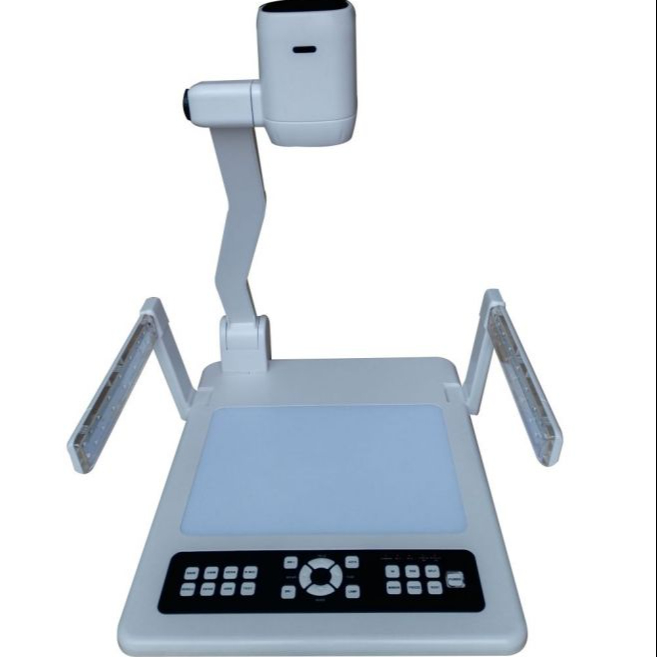
Factory Desktop Document Camera Visualizer 22X Optical Zoom with Interface HD MI RS232 Audio Mic Video
A factory desktop visualizer with 22X optical zoom and presentation interfaces for distributors seeking a feature-rich classroom or meeting-room model.
Need a different sensor, resolution, housing color, packaging or software language? Use the quote request to send document size, daily scan volume, operating system, output format and target price. Our team will map the requirement to a current model or an OEM/ODM configuration.
What B2B Buyers Really Mean by “Digital Photo Scanner Exporter”
Semantic search intent for this category is rarely a single retail purchase. Buyers are usually comparing supply partners, matching device specifications to a tender, planning a private-label range or looking for a scanner that protects bound and fragile originals. That is why the page combines product recommendations with application fit, resolution logic, OEM/ODM terms and verifiable company records.
Archive and Library Intent
Searches often include A2 book scanner, non-contact overhead capture, OCR output and 300 dpi master files. The buyer wants to protect bindings, reduce page handling and produce searchable PDFs.
Education and Training Intent
Queries for document camera visualizer or classroom presenter usually involve live HDMI/VGA output, optical zoom, microphone input, recording and simple teacher operation.
Government and Counter Intent
High-speed ID, form and passport capture projects need A3 OCR, SDK access, stable USB connection and repeatable image quality for service windows.
Wholesale and OEM Intent
Distributors ask for OEM/ODM digital scanner supply, low minimum order quantities, packaging customization, software branding and after-sales support that protects their local reputation.
How Many Megapixels Do You Need for A3 or A2 at 300 DPI?
The correct answer depends on document size, not marketing language. A 20MP camera may be excellent for A3 and unsuitable for a full A2 archival master. The calculation is simple: convert the document size to inches, multiply by 300, then multiply width by height to estimate megapixels.
For tender documents and archive specifications, request a sample scan of your actual page at the target resolution. Check text edges, map contours, photographs, color gradients and OCR accuracy — not just the paper specification.
- A4 at 300 dpi: about 8.7MP; a 10MP-class device is usually sufficient.
- A3 at 300 dpi: about 17.4MP; 18MP or 24MP models are commonly appropriate.
- A2 at 300 dpi: about 34.8MP; 48MP-class A2 scanners are the safer choice for archival masters.
- Photos and artwork: optical flatbed resolution matters more than camera megapixels alone.
| Document size | Pixels at 300 dpi | Sensor planning | Typical Quibow fit |
|---|---|---|---|
| A4 210 × 297 mm | 2480 × 3508 ≈ 8.7MP | 10MP or higher | 10MP + 2MP dual-lens scanner, 5MP entry visualizer for non-archival use |
| A3 297 × 420 mm | 3508 × 4961 ≈ 17.4MP | 18–24MP | 18MP OCR book scanner, 20MP OCR visualizer, 24MP auto-flatten scanner |
| A2 420 × 594 mm | 4961 × 7016 ≈ 34.8MP | 48MP for ≈340–350 dpi | Dual 48MP A2 book scanner, 48MP newspaper archive scanner |
| Photos & art | 600–2400 dpi optical | Flatbed with 48-bit color | 1200 / 2400 DPI A3 flatbed scanners, CCD zero-margin bookedge scanner |
What Distributors and Tender Teams Will Ask For Next
Procurement is moving from “buy a device” to “secure a repeatable imaging workflow.” The strongest supplier conversations now cover resolution evidence, software integration, service levels, spare parts and total cost of ownership across the full deployment lifecycle.
Tender-Ready Evidence
Buyers will ask for sample scans, resolution calculations, packing dimensions, warranty terms and clear model comparisons rather than generic product photos.
Total Cost of Ownership
Freight, spare parts, installation time, training, failure handling and repeat-order reliability will matter as much as the unit price.
SDK and Software Fit
System integrators need to know which models support SDK access, which operating systems are verified and how image output enters their existing workflow.
Privacy and Local Capture
Government, banking and archive projects increasingly prefer controlled local capture and clear data-handling practices over uncontrolled cloud dependencies.
Modular Private-Label Supply
OEM/ODM buyers will compare housing color, logo, packaging, UI language, accessories and minimum order quantities before committing to a range.
Service-Level Transparency
Fast response, remote troubleshooting, 1-year warranty on listed models and accessible trade records will be used as pre-qualification signals.
Where Digital Photo, Book and Document Scanning Is Heading
The next buying cycle will reward suppliers that can explain the engineering trade-offs behind image quality. Higher resolution is only one part of the story; software-assisted correction, stable lighting, interface compatibility and upgrade paths decide whether a scanner succeeds in daily use.
Higher-Resolution A2 CMOS
Dual-sensor and 48MP overhead platforms will keep replacing lower-resolution A2 capture for newspapers, maps and archive masters where text clarity is non-negotiable.
AI-Assisted Flattening and OCR
Curve correction, deskew, finger removal and OCR workflows are becoming expected features, not premium add-ons, because they directly reduce post-processing labor.
4K Visualizers for Hybrid Rooms
Classroom and training demand is shifting toward 4K output, optical zoom, HDMI/VGA flexibility and microphone support for live and recorded sessions.
Flexible Interfaces
USB, HDMI, VGA and RS232 remain important in installed systems, while buyers increasingly ask about operating-system compatibility and integration documents before ordering.
OEM/ODM Modularity
Private-label programs need predictable customization: logo, packaging, color, software branding and selected SDK integration without rebuilding the entire product from zero.
Longer Lifecycle Planning
Spare-part availability, packaging efficiency, power use and remote support will influence repeat orders as distributors consolidate supplier lists.
Why Guangzhou Quibow Electronic Is a Practical OEM/ODM Partner
Guangzhou Quibow Electronic Co., Ltd. is a technology-driven company focused on image data acquisition and conversion. The company develops and supplies photoelectric information equipment including high-speed document cameras, book scanners, flatbed scanners and ID card recognition cameras. Its operating scope covers product design and development, production coordination, export sales and after-sales support across CIS, CMOS and CCD imaging platforms.
CIS, CMOS and CCD Expertise
Product recommendations are based on the imaging platform that fits the use case: CIS for high-volume ADF work, CMOS for non-contact overhead capture and CCD for flatbed optical quality.
Onsite-Checked Supplier
Founded in 2020 and based in Guangzhou, Guangdong, China, Quibow is presented as an onsite-checked supplier with public supplier assessment, credit overview, trade capacity and buyer feedback records.
Fast Commercial Response
The supplier profile records an average response time of ≤1 hour, a 100% message response rate and a 27% buyer reorder rate — useful evidence for buyers screening new suppliers.
Export Market Focus
Main markets include Eastern Europe, North America and South America, with T/T, L/C, PayPal and Western Union payment options in USD, EUR, HKD or CNY, and FOB, EXW or DDU delivery terms.
Low-Friction MOQ
Many stock book scanners, A2 large-format scanners and flatbed scanners start from 1 piece or 1 set; selected document camera models start from 2 pieces. OEM/ODM quantities are confirmed per project.
Warranty and Remote Support
Listed models such as A3 flatbed scanners, A2 overhead scanners and the S2060W ADF scanner carry a 1-year warranty, backed by remote technical support and export documentation coordination.
From Requirement Review to Export Delivery
A clear sequence keeps technical and commercial questions aligned, especially when a distributor needs samples, branding, SDK access and delivery planning at the same time.
Requirement Review
Confirm document size, daily volume, operating system, output format, target resolution and purchase quantity.
Model Matching
Match the brief to CIS, CMOS or CCD models, then provide sample scans or additional specifications where needed.
Customization
Discuss logo, packaging, housing color, software branding, OCR language coverage and selected SDK integration.
QC and Export
Check focus, lighting uniformity, driver installation and capture speed before export packing and remote setup support.
Common Questions from Wholesale and OEM/ODM Buyers
These answers reflect the current catalogue, supplier profile and typical project questions. Final model availability, compatibility and commercial terms should be confirmed in the quotation.
What is the minimum order quantity for Quibow scanners and document cameras?
Most stock book scanners, A2 large-format scanners and flatbed scanners start from 1 piece or 1 set. Several document camera models start from 2 pieces. OEM/ODM quantities are confirmed per project.
Do you support OEM and ODM orders?
Yes. OEM/ODM projects can include logo printing, packaging, housing color, capture software branding and SDK integration on selected models. The exact scope, tooling or minimum quantity is confirmed in writing before production.
Are the scanners compatible with Windows and macOS?
Many models, including the A2 large-format scanners and the 1200 DPI A3 flatbed scanner, support Windows and macOS, and some are verified on Apple M1 Macs. Compatibility is confirmed for each model before shipment.
Which resolution do I need to scan A3 or A2 documents at 300 dpi?
An A3 page at 300 dpi needs about 3508 × 4961 pixels, or roughly 17.4MP, so an 18MP or 24MP scanner is suitable. An A2 sheet at 300 dpi needs about 4961 × 7016 pixels, or roughly 34.8MP, so a 48MP A2 scanner is recommended for archival masters and newspapers.
What payment and delivery terms do you accept?
Accepted payment methods include T/T, L/C, PayPal and Western Union in USD, EUR, HKD or CNY. Delivery terms include FOB, EXW and DDU. Confirm the final term with the quotation and destination.
What warranty do your products carry?
Listed models such as the A3 flatbed scanners, A2 overhead scanners and the S2060W ADF scanner come with a 1-year warranty, backed by remote technical support.
Can I request a sample scan before ordering?
Yes. For serious procurement projects, share a representative page or document type, the target dpi, output format and OCR requirement. Sample scans help confirm whether a 21MP A2 model, 48MP dual-sensor model or A3 visualizer is the better fit.
Do all models support SDK integration?
SDK availability depends on the model and the required operating system. Selected document cameras and scanners support SDK integration; the technical scope should be confirmed with the model number and application requirement before ordering.
What is the typical lead time?
Lead time depends on stock status, customization scope, quantity and destination. In-stock models can move faster after payment and final inspection, while OEM/ODM projects require sample approval and production scheduling. The exact lead time is stated in the quotation.
How can I verify the supplier before placing an order?
Review the public Supplier Assessment, Credit Overview, Trade Capacity and buyer feedback records. You can also request company documents, product test information, packaging details and references to the quoted terms. For larger projects, arrange sample testing before mass production.
Need a Reliable OEM/ODM Digital Photo Scanner Supply Partner?
Send your document size, daily scan volume, target resolution, operating system, output format and estimated order quantity. Our team will recommend a shortlist, prepare sample-scan options and confirm OEM/ODM availability for your market.