OEM/ODM Digital Book Scanner Manufacturer & Exporter
Quibow supplies overhead A3/A2 book scanners, document cameras, visual presenters and flatbed scanners with OEM/ODM coordination, SDK support, stock MOQ options and export support for libraries, archives, schools, government counters and system integrators.
OEM/ODM Digital Book Scanners and Document Cameras
The eight models below cover the most common B2B search intents: A3 overhead book capture, wall-mounted OCR scanning, portable wireless book scanning, 4K visual presentation, dual-camera OCR, 3D visualizers, CE-certified wall-mount visualizers and 22X optical zoom document cameras.
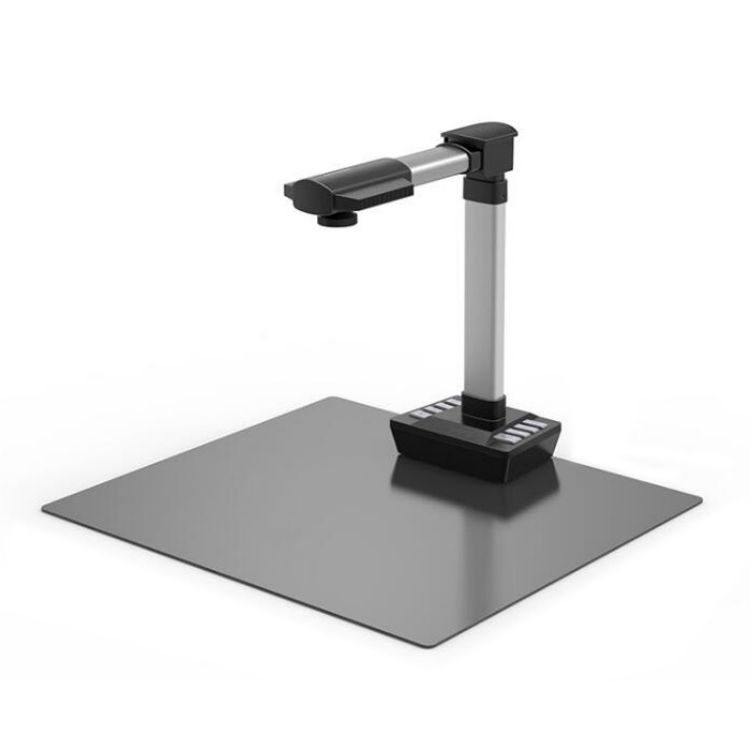
20MP OCR Aluminum Digital Visualizer Camera Classroom Office Training A3 Document Scanner USB Interface SDK Stock Black 1-Year
A3 visualizer and document camera route for classroom, training and office capture with OCR, USB interface, SDK availability and ready-stock status.
View product →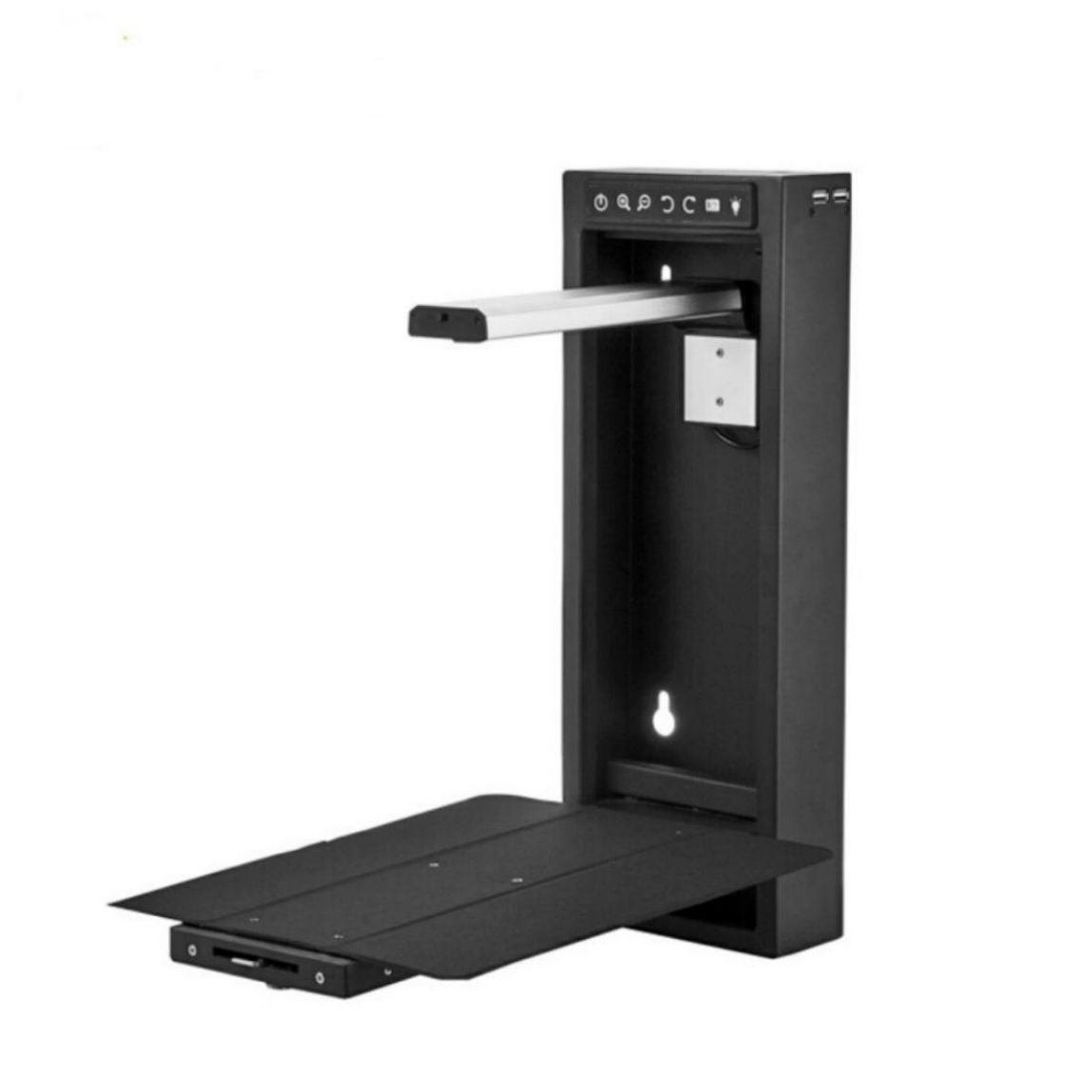
USB Interface Wall-Mounted A4 Visualizer OCR Document Scanner CMOS Sensor 10MP Resolution SDK Included Black 1-Year Stock
Space-saving A4 wall-mounted scanner for counters, service desks and OCR capture where a tripod or desktop footprint is not practical.
View product →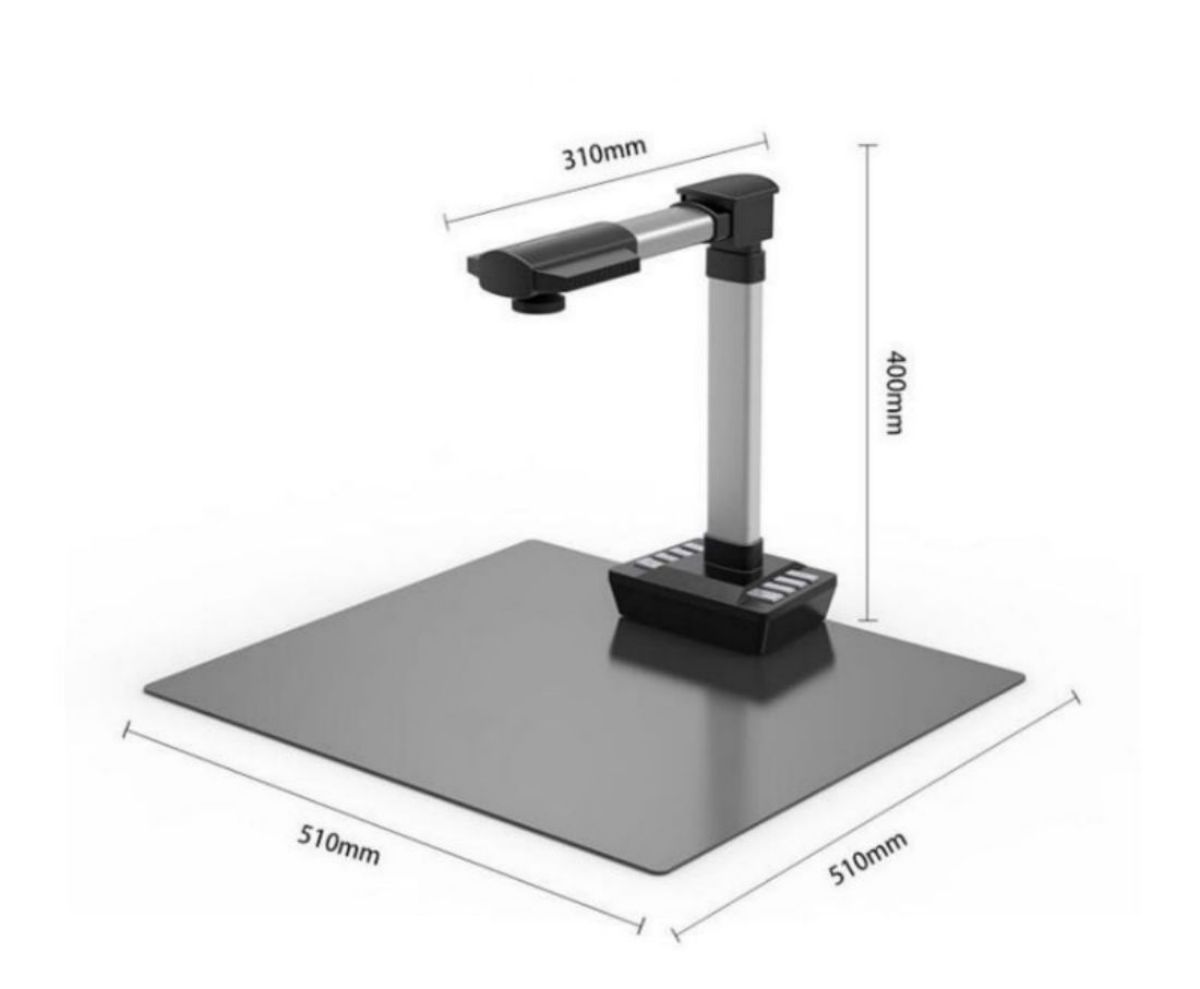
Portable 20MP High-Speed Wireless A3 Document Scanner Professional Book Scanner Foot Pedal USB Interface 24-Bit Color Stock
Portable wireless A3 book scanner with foot-pedal capture, 24-bit colour and USB interface for field digitization and mobile archive projects.
View product →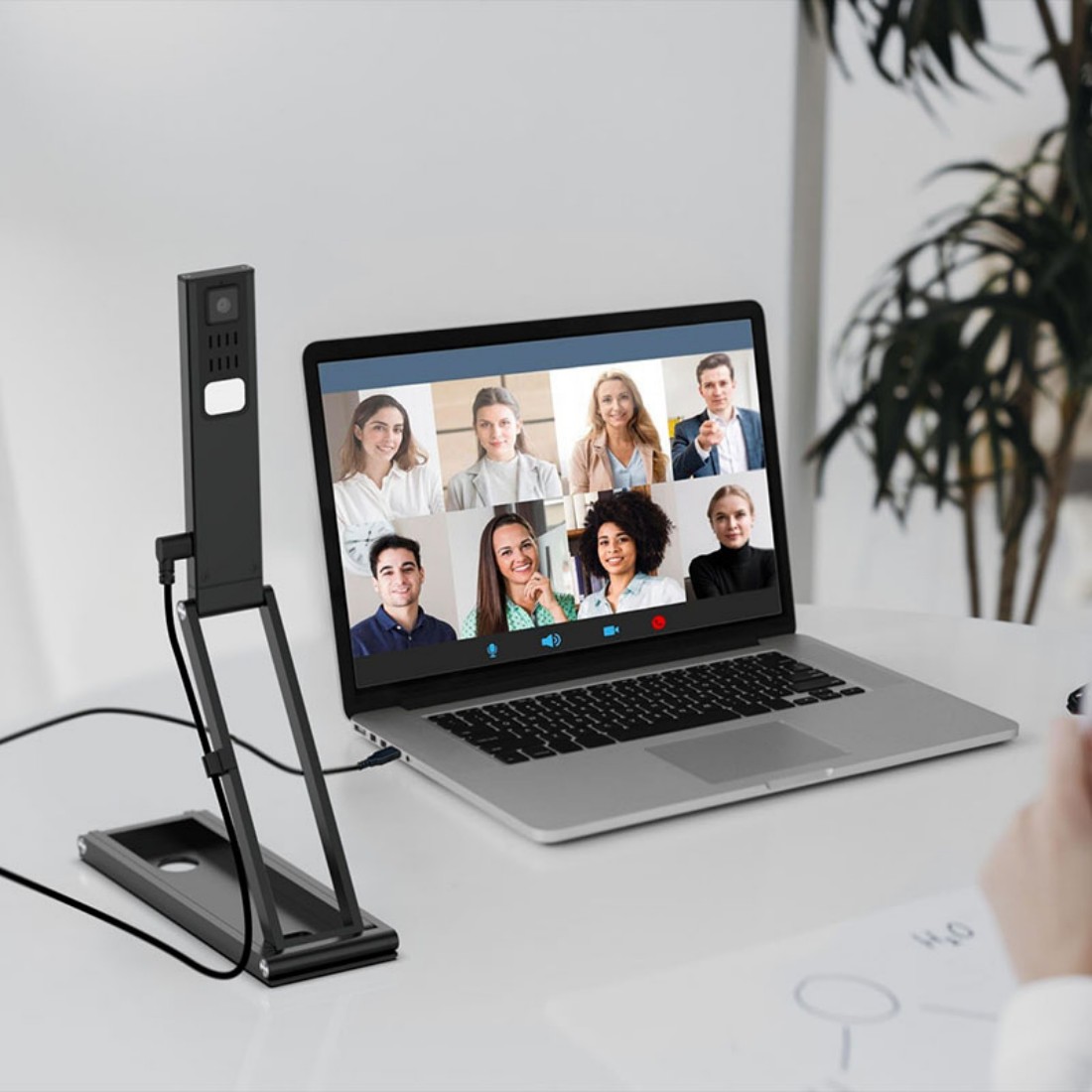
A3 4K Visual Presenter Document Camera with USB Interface for School Training Teaching Meetings Featuring Webcam Function
4K visual presenter for classrooms, training rooms and meetings, combining live demonstration with USB webcam function and A3 capture.
View product →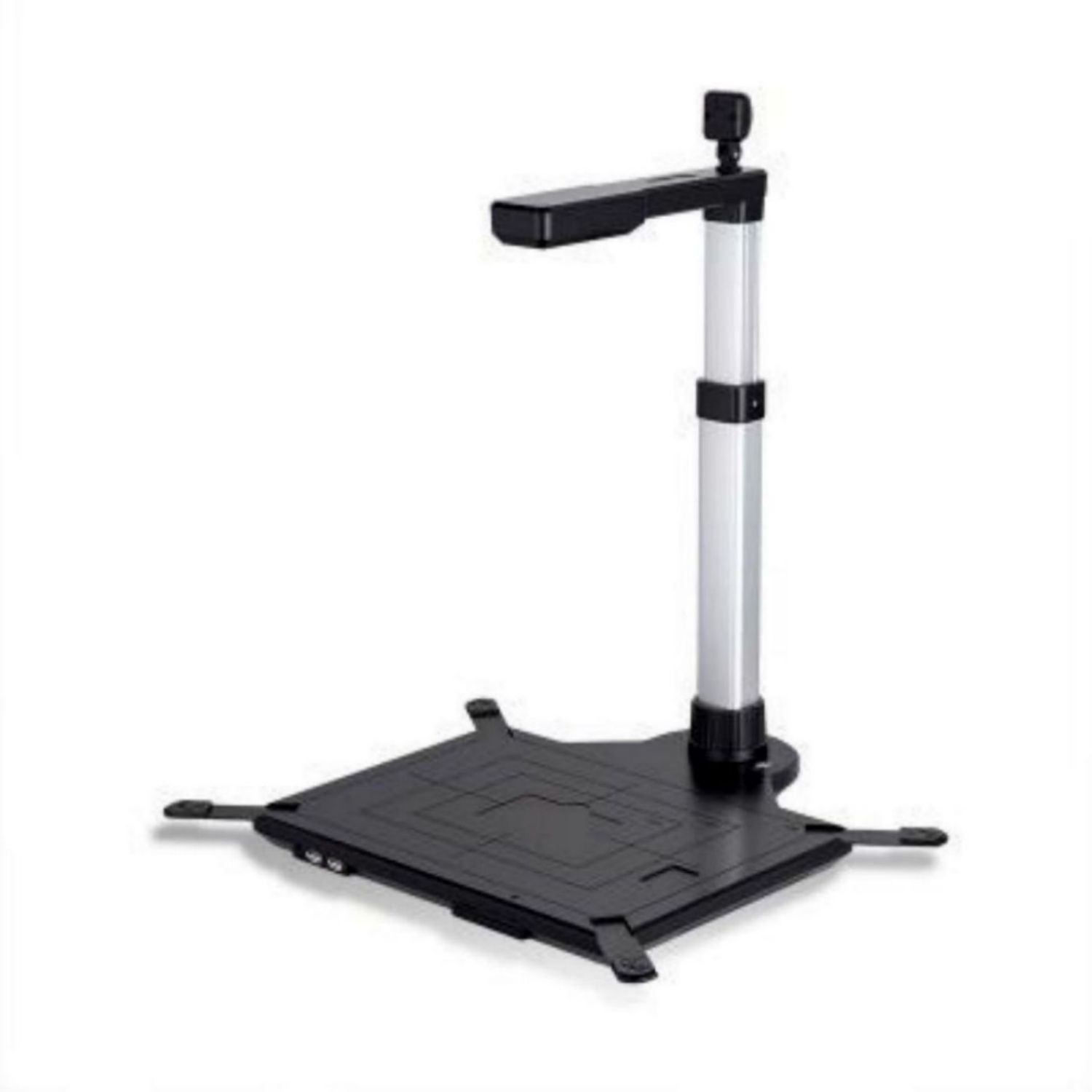
Professional USB Dual Camera Scanner for A3 Documents Supports OCR PDF Multi-Languages High-Speed 1-Second Scan 360-Degree
Dual-camera A3 scanner for high-speed OCR capture, multi-language PDF output, one-second scanning and 360-degree document handling.
View product →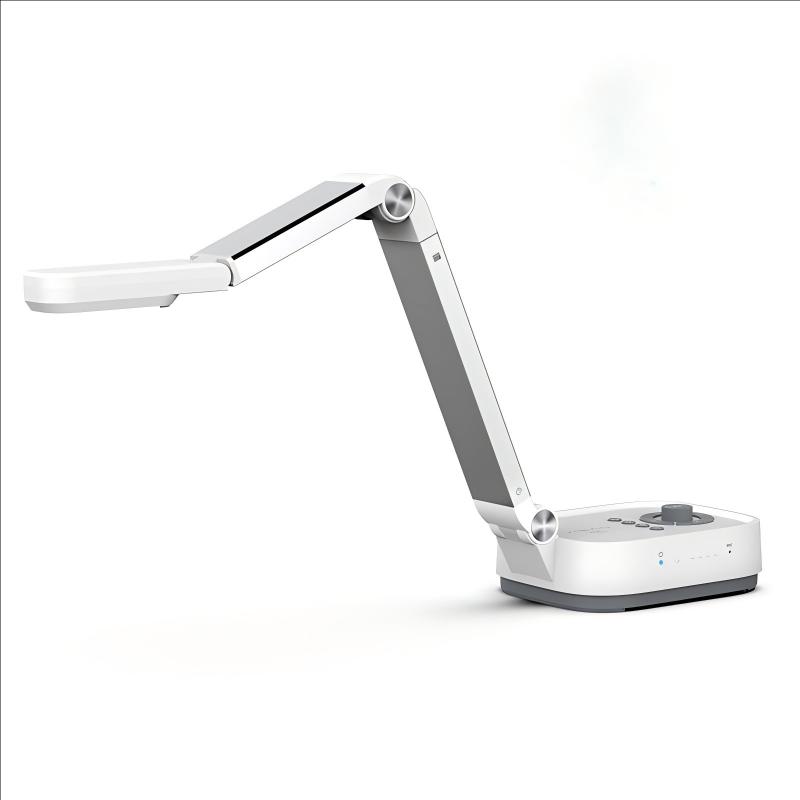
16MP 3D Desktop Visualizer Document Camera with Microphone 120X Zoom / VGA A3 Scan Size LED Light & Foldable for Education
Foldable 3D visualizer with microphone, LED lighting, A3 scan size and 120X zoom for education and hands-on demonstration.
View product →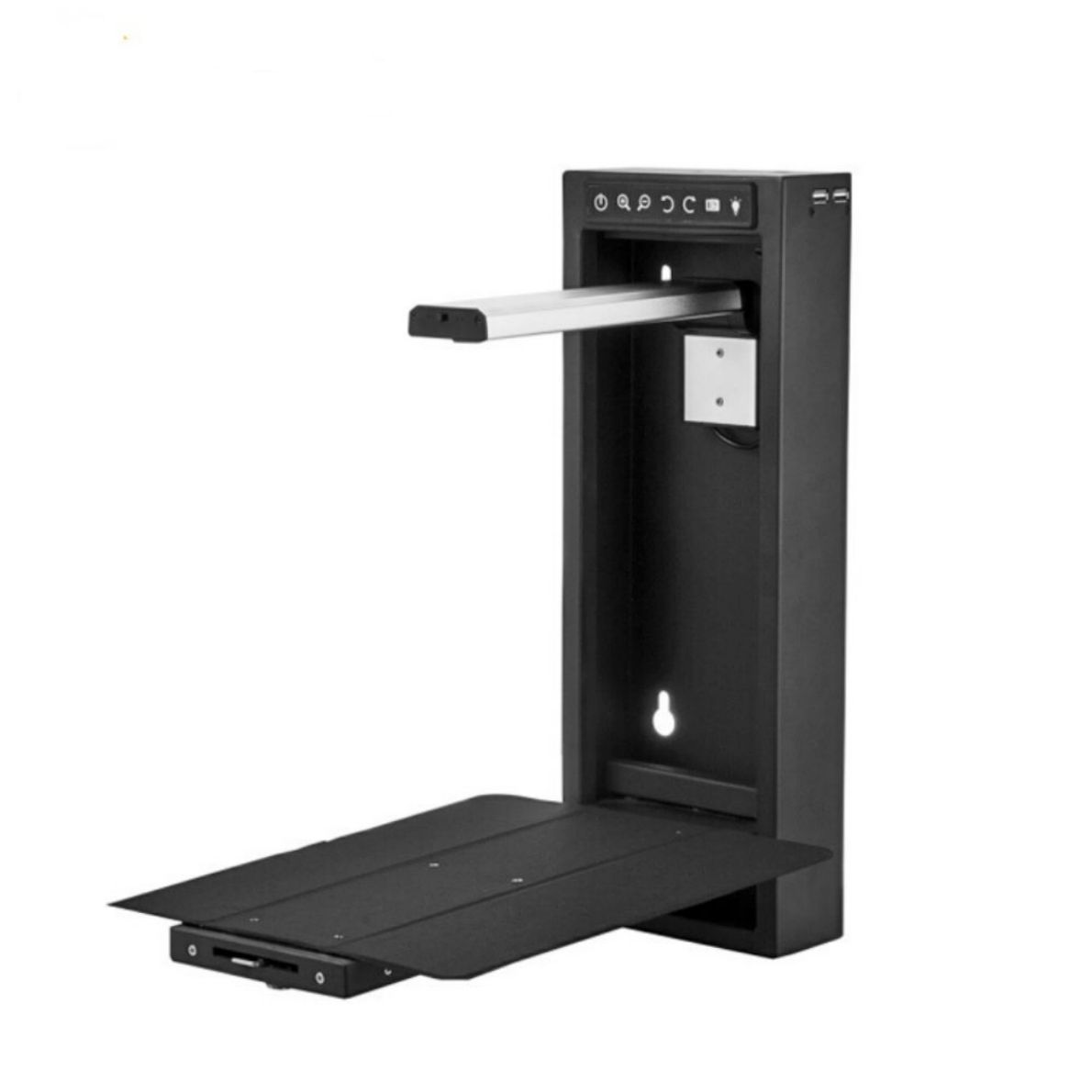
Factory New High Definition Wall Mount Document Scanner USB Interface Visualizer CE Certified 1-Year Warranty High-Speed A4 SDK
HD A4 wall-mount document scanner with USB interface, CE certification, one-year warranty and SDK support for workflow integration.
View product →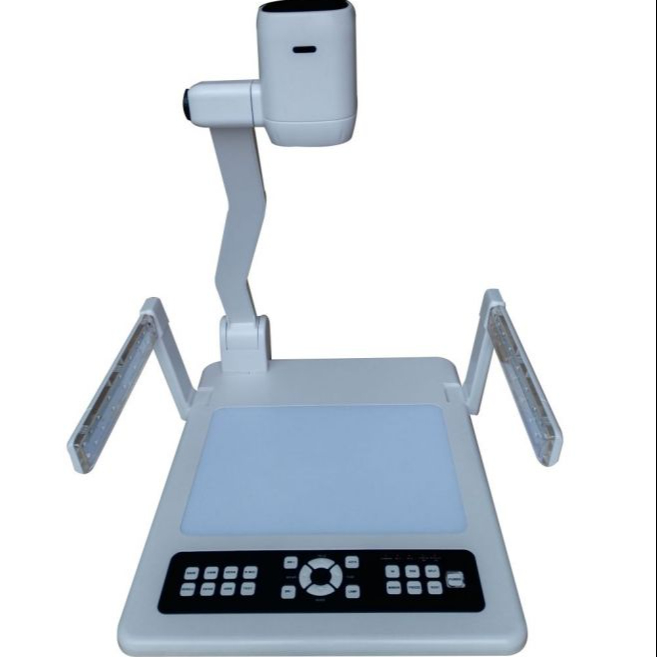
Factory Desktop Document Camera Visualizer 22X Optical Zoom with Interface HD MI RS232 Audio Mic Video
Desktop document camera visualizer with 22X optical zoom, HDMI/RS232 interfaces, audio and microphone for training and presentation rooms.
View product →What OEM/ODM Digital Book Scanner Manufacturing Means in Real Procurement
A digital book scanner is an image-acquisition system, not a consumer camera placed on a stand. The purchase decision usually begins with a specific intent: preserving bound books without cutting the binding, digitizing A2 newspapers and maps, presenting physical objects live in a classroom or meeting room, or integrating OCR and SDK capture into an existing workflow. Each intent leads to different sensor platforms, optical paths, software requirements and acceptance criteria.
For OEM/ODM buyers, the brief becomes more detailed. You may need logo printing, packaging design, housing colour changes, capture-software branding, SDK integration, OCR language packs, export documentation, warranty terms and after-sales processes that a local distributor can support. A supplier that can only quote a megapixel number is not yet an OEM/ODM partner. A useful partner must translate document size, daily volume, target dpi and output format into a stable configuration.
Quibow's published company profile describes a technology-driven business focused on image data acquisition and conversion, with product scope covering high-speed document cameras, book scanners, flatbed scanners and ID card recognition cameras across CIS, CMOS and CCD imaging platforms. The same profile lists product design and development, production coordination, export sales and after-sales support as part of the operating cycle. For procurement teams, that means the commercial discussion can remain connected to the technical configuration rather than drifting into catalogue-only comparison.
The most reliable way to compare offers is to match document format, target dpi, daily volume, operating system, output format, interface, warranty and branding requirement before discussing price. This sequence reflects the information gain a serious buyer needs: not just what a model looks like, but why a particular sensor, resolution and workflow will satisfy the tender, the archive standard or the classroom deployment.
CIS: Compact Sheet-Fed Capture
A contact image sensor reads the page at close range. It is compact, power-efficient and fast on sheet-fed paths, which makes it suitable for high-volume office batches, invoices and contracts where pages can be separated.
CMOS: Non-Contact Book Capture
An area CMOS sensor captures a full A3 or A2 page from above. The book never needs to be pressed flat; software handles curve flattening, deskew and finger removal. This is the core platform for overhead book scanners and visual presenters.
CCD: Flatbed and Bookedge Detail
A linear CCD carriage provides greater depth of field and stable colour reproduction, tolerating slightly raised originals such as book gutters. It is often preferred for artwork, photos and zero-margin bookedge flatbed scanning.
A3, A2 and 300 dpi: How to Calculate the Real Requirement
Resolution is a relationship between pixels and physical page size. A 21MP sensor is not automatically better or worse than a 24MP sensor unless the capture area is known. The practical formula is: pixels across = dpi multiplied by document width in inches. Run the same calculation for height, then multiply the two pixel dimensions to estimate the required megapixels.
At 300 dpi, an A3 sheet requires about 3508 × 4961 pixels, or roughly 17.4MP. A 21MP A2 scanner covering a full A2 area delivers roughly 225–240 dpi. If a tender requires 300 dpi at A2, a 48MP A2 model is the safer specification. For OCR at 200–250 dpi, lower resolution may be enough, but archival masters, printed reproduction and preservation projects usually justify higher resolution.
The same logic applies to wall-mounted A4 scanners, portable wireless book scanners and flatbed devices. A flatbed with 1200 or 2400 dpi optical resolution is aimed at photos and artwork, not at high-volume bound books. An overhead CMOS scanner with page-flattening software is aimed at books and newspapers, not at glossy photo masters. A document camera is aimed at live presentation and quick capture, not at replacing a preservation scanner.
| Document size | Pixels at 300 dpi | Recommended sensor | Quibow route |
|---|---|---|---|
| A4 210 × 297 mm | 2480 × 3508 ≈ 8.7 MP | 10MP or higher | Wall-mounted A4 10MP OCR scanner, 20MP visualizer |
| A3 297 × 420 mm | 3508 × 4961 ≈ 17.4 MP | 18MP–24MP | 20MP A3 visualizer, dual-camera A3 OCR scanner |
| A2 420 × 594 mm | 4961 × 7016 ≈ 34.8 MP | 48MP for ≈340 dpi | 48MP A2 overhead book scanner range |
| Photos & art | 600–2400 dpi optical | Flatbed, 48-bit colour | 1200 / 2400 DPI A3 flatbed scanners |
Product Future Procurement Trends for Digital Book Scanners
Buyer requirements are moving away from simple device purchase and toward workflow, preservation and integration outcomes.
300 dpi Standards Move from A3 to A2
More archive and newspaper projects now apply 300 dpi acceptance criteria to A2 originals, not only A3. This raises the required sensor class and makes 48MP A2 specifications more common in tenders.
Non-Contact Preservation Replaces Cutting
Libraries and archives increasingly refuse destructive scanning. Overhead capture with page flattening and book cradles protects fragile bindings, maps, periodicals and records during digitization.
OCR Is Now a Workflow Requirement
Searchable PDF, editable text and multi-language OCR are now expected in education, government and publishing workflows. Buyers increasingly ask for OCR language packs and output-format confirmation before ordering.
SDK-Ready Hardware Is Requested Earlier
System integrators now evaluate SDK access, driver stability and interface compatibility during the first technical call. SDK availability can therefore influence the shortlist before price comparison begins.
Stock MOQ and Mixed Fleets Reduce Risk
Distributors prefer suppliers that can support 1-piece or 1-set stock orders for trial, then scale to mixed fleets. Document camera MOQs may start from 2 pieces, with OEM/ODM quantities confirmed per project.
Service Level Enters the Price Comparison
Warranty, remote technical support and response speed now sit beside unit price in procurement scoring. A fast response and clear after-sales path reduce project risk for overseas buyers.
Product Development Trends Buyers Should Specify Now
These trends affect configuration choices, tender language and the long-term usefulness of a scanner fleet.
48MP and Dual-Sensor Overhead Capture
Higher-resolution overhead capture is becoming practical for A2 newspapers, maps and archival masters. Dual-sensor configurations can improve coverage, but buyers should confirm final dpi at the largest page size rather than relying on sensor count alone.
Software-Assisted Page Flattening
Curve correction, deskew, finger removal and automatic page detection reduce operator effort and improve OCR accuracy. Buyers should request sample scans from real bound books, not only flat test charts.
4K Visualizers for Hybrid Classrooms
4K document cameras and visual presenters combine live demonstration with webcam function, HDMI/VGA output and remote control. They are increasingly specified for hybrid teaching, training and meeting rooms.
Wall-Mounted and Space-Saving Capture
Banks, service counters and restricted workspaces need capture devices that do not occupy a desk. Wall-mounted A4 scanners with OCR, USB and SDK support are becoming a practical alternative to desktop units.
Wireless and Foot-Pedal Book Scanning
Portable wireless A3 book scanners with foot-pedal capture improve throughput in field projects, reading rooms and temporary digitization stations where cable routing and hands-free operation matter.
Modular SDK and OCR Language Packs
OEM/ODM projects increasingly require modular SDK access, branded capture software, multiple OCR languages and export-ready documentation. Specifying these early avoids rework after the hardware is approved.
Why Quibow Fits OEM/ODM Procurement
Quibow's advantage is not a single model. It is the ability to match an imaging platform, a customization route and an export process to the buyer's actual deployment.
Imaging Platform Breadth
Product development and supply cover CIS, CMOS and CCD platforms. This allows a buyer to compare compact sheet-fed capture, non-contact book capture and flatbed detail without changing suppliers for every format.
OEM/ODM from Branding to SDK
Customization can include logo printing, packaging, housing colour, capture-software branding and SDK integration on selected models. OEM/ODM quantities and technical scope are confirmed per project.
Fast Response and Clear MOQ
Published supplier performance shows an average response time of 1 hour or less and a 100% message response rate. Most stock book scanners, A2 scanners and flatbeds start from 1 piece or 1 set; several document cameras start from 2 pieces.
Onsite-Checked Supplier Profile
Quibow's supplier profile is listed as onsite checked, with independent marketplace records for assessment, credit, ratings, trade capacity and transaction history. These records give procurement teams a verifiable starting point.
Export Terms for B2B Buyers
Payment methods include T/T, L/C, PayPal and Western Union in USD, EUR, HKD or CNY. Delivery terms include FOB, EXW and DDU, which supports both sample orders and scheduled export shipments.
Warranty and Remote Support
Listed models such as A3 flatbed scanners, A2 overhead scanners and the S2060W ADF scanner come with a 1-year warranty, backed by remote technical support. Warranty scope is confirmed by model before shipment.
Verify Before You Buy
Trust should be verifiable. These marketplace records are maintained by Alibaba.com, not created by this page.
Supplier Assessment
Onsite check confirming business premises and legal status.
View report →Credit Overview
Platform credit profile and trading reliability indicators.
View credit →Ratings & Reviews
Feedback left by verified buyers after completed orders.
Read reviews →Trade Capacity
Export markets, trade terms and logistics capability.
View capacity →OEM/ODM Digital Book Scanner Procurement FAQ
Direct answers to the questions most often raised by distributors, integrators and end users before an order.
What is the minimum order quantity for Quibow scanners and document cameras?
Most stock book scanners, A2 large-format scanners and flatbed scanners start from 1 piece or 1 set. Several document camera models start from 2 pieces. OEM/ODM quantities are confirmed per project because customization scope, packaging and software requirements can change the production plan.
Do you support OEM and ODM orders?
Yes. OEM/ODM projects can include logo printing, packaging, housing colour, capture-software branding and SDK integration on selected models. For a clear quotation, share your target market, expected volume, required interfaces, OCR languages and branding assets.
Are the scanners compatible with Windows and macOS?
Many models, including A2 large-format scanners and the 1200 DPI A3 flatbed scanner, support Windows and macOS, and some are verified on Apple M1 Macs. Compatibility should be confirmed for each model before shipment, especially when the scanner will be integrated into an existing software stack.
Which resolution do I need to scan A3 or A2 documents at 300 dpi?
An A3 page at 300 dpi needs about 3508 × 4961 pixels, around 17.4MP, so an 18MP or 24MP scanner is suitable. An A2 sheet at 300 dpi needs about 4961 × 7016 pixels, around 34.8MP, so a 48MP A2 scanner is recommended for archival masters. Confirm resolution at the largest page size, not only at A4.
What payment and delivery terms do you accept?
Quibow accepts T/T, L/C, PayPal and Western Union in USD, EUR, HKD or CNY, with FOB, EXW and DDU delivery terms. The right combination depends on order value, destination, customs arrangements and whether the shipment is a trial order or a scheduled export order.
What warranty do your products carry?
Listed models such as the A3 flatbed scanners, A2 overhead scanners and the S2060W ADF scanner come with a 1-year warranty, backed by remote technical support. The warranty applies to the model and scope confirmed in the quotation and order documents.
Can you provide SDK support and sample scans for a tender?
SDK availability depends on the selected model and integration requirement. For tenders, provide the document sizes, target dpi, daily volume, output formats, OCR languages, operating system and interface requirements. Then request sample scans from comparable documents so the evaluation is based on real output, not brochure specifications.
How do I choose between a book scanner, document camera and flatbed scanner?
Choose an overhead book scanner for bound books, newspapers and fragile records where non-contact capture matters. Choose a document camera or visual presenter for live teaching, training and meetings where the device must show objects in real time. Choose a flatbed scanner for photos, artwork and loose originals that need controlled lighting and high optical resolution.
Request a Model Match, Sample Scan and OEM/ODM Quotation
Share your document size, daily volume, target dpi, OCR languages, operating system, interface requirement, branding scope and destination market. Quibow will confirm a suitable book scanner or document camera route, MOQ, warranty, payment terms and export options.
Email: info@quibowtech.com · Average pre-sales response: ≤1 hour
No obligation. Technical review first, quotation second.