8 OEM/ODM Book Scanning Machine & Document Camera Products for 2026 Projects
Every model below comes from the current Quibow catalogue. Product titles, images and URLs are preserved. All eight models can be discussed for sample testing, OEM branding or ODM software adaptation; most stock scanners start from one piece or one set, while several document cameras start from two pieces.
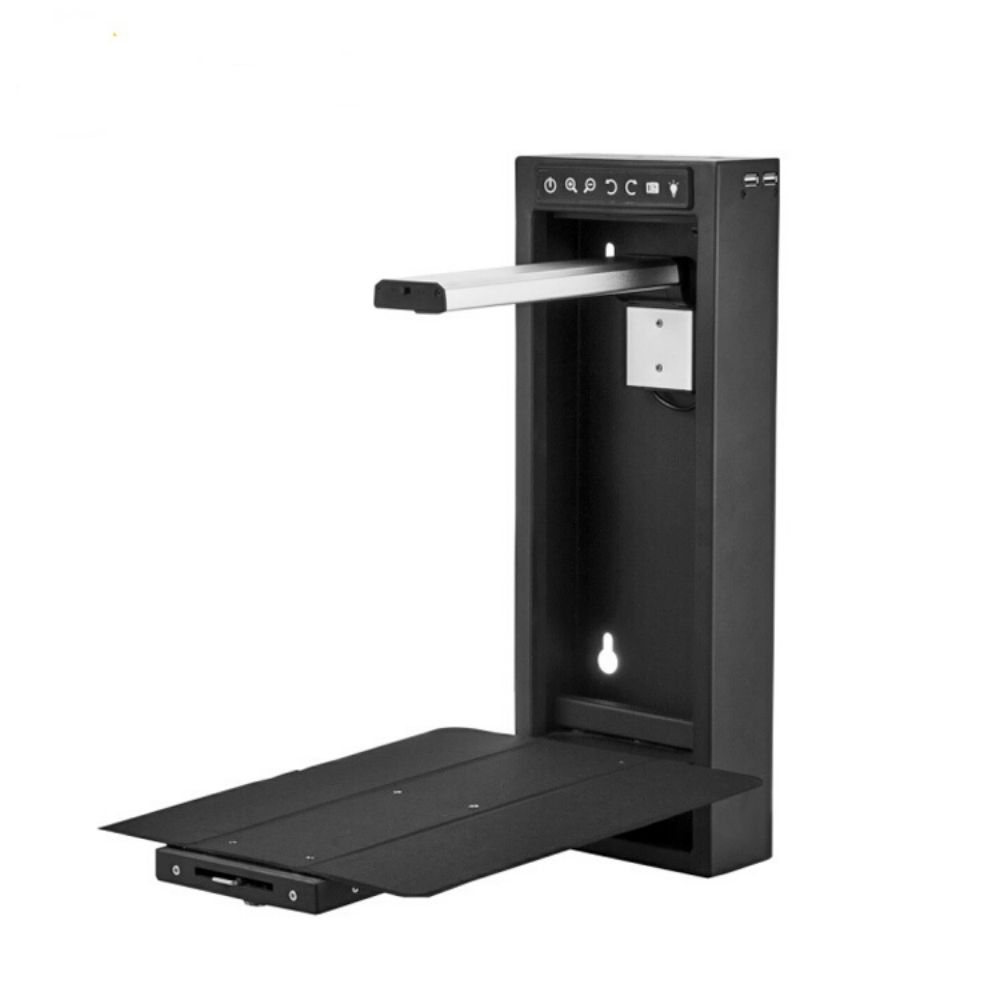
Online Training Portable 10MP A4 Document Scanner USB Interface Visualizer-in-Stock for Wall Version Black+Silver 1-Year
- 10MP A4 visualizer
- USB interface, wall version
- Black + silver housing
- 1-year warranty
Best for: online training, classroom desks and service counters that need quick still capture.
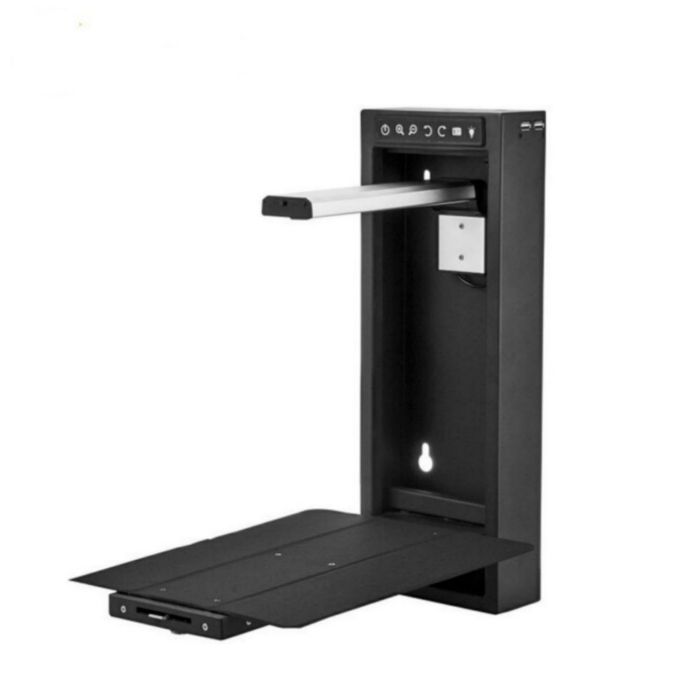
A4 Black USB 5V High-Speed 10MP High-Resolution Document Scanner Wall-Mountable OEM 24 Bit SDK 1-Year Warranty Education Stock
- 10MP high-resolution capture
- USB 5V, wall-mountable
- OEM 24-bit SDK
- Education stock model
Best for: education tenders, OEM programs and integrators that need SDK access.

USB Document Camera Scanner 10MP CMOS Visualizer A4 Scanner for Office Education
- 10MP CMOS sensor
- A4 capture area
- USB document camera
- Office and education use
Best for: hybrid teaching, office collaboration and live visual presentation.
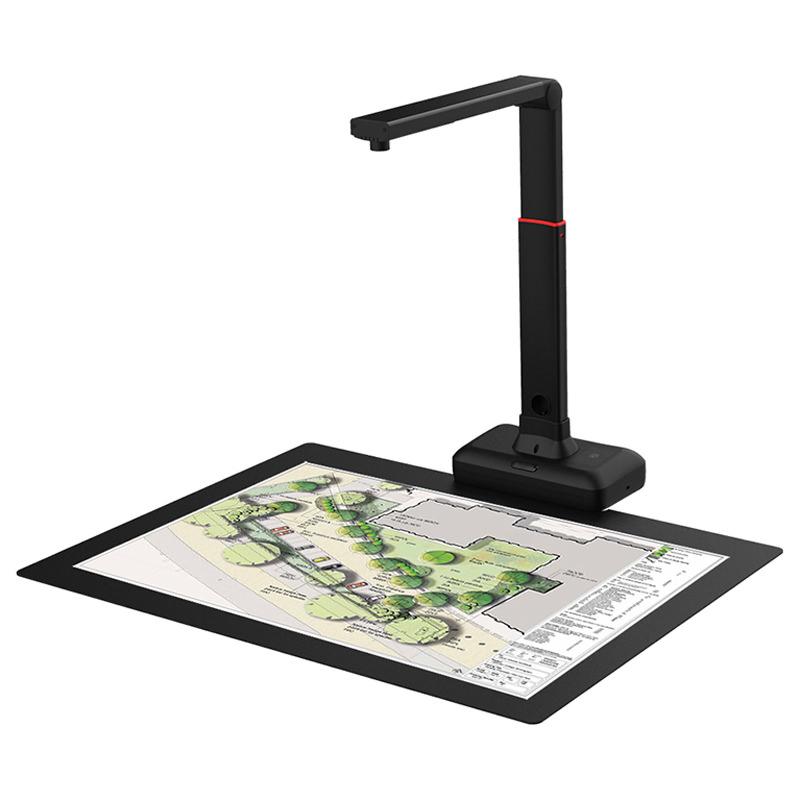
A2 Large Format Overhead Document Scanner 21MP USB Aluminum Text-to-Speech 1-Year Warranty in Stock
- A2 overhead capture
- 21MP USB camera
- Aluminum body
- Text-to-speech support
Best for: newspapers, maps, large files and archive reading workflows.
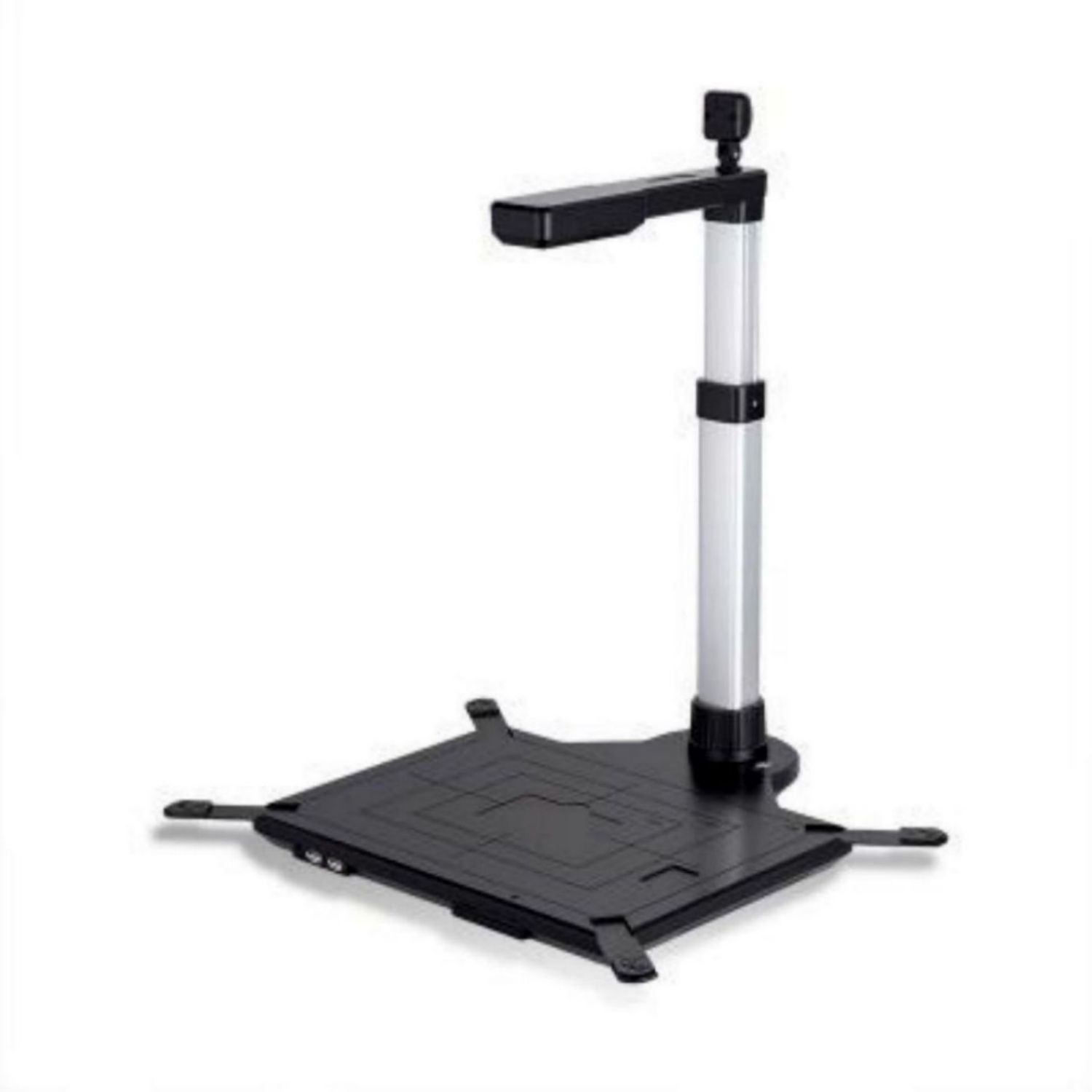
Professional USB Dual Camera Scanner for A3 Documents Supports OCR PDF Multi-Languages High-Speed 1-Second Scan 360-Degree
- Dual-camera A3 capture
- OCR PDF, multi-language
- 1-second scan speed
- 360-degree workflow support
Best for: high-speed counters, mixed documents and multi-language OCR projects.
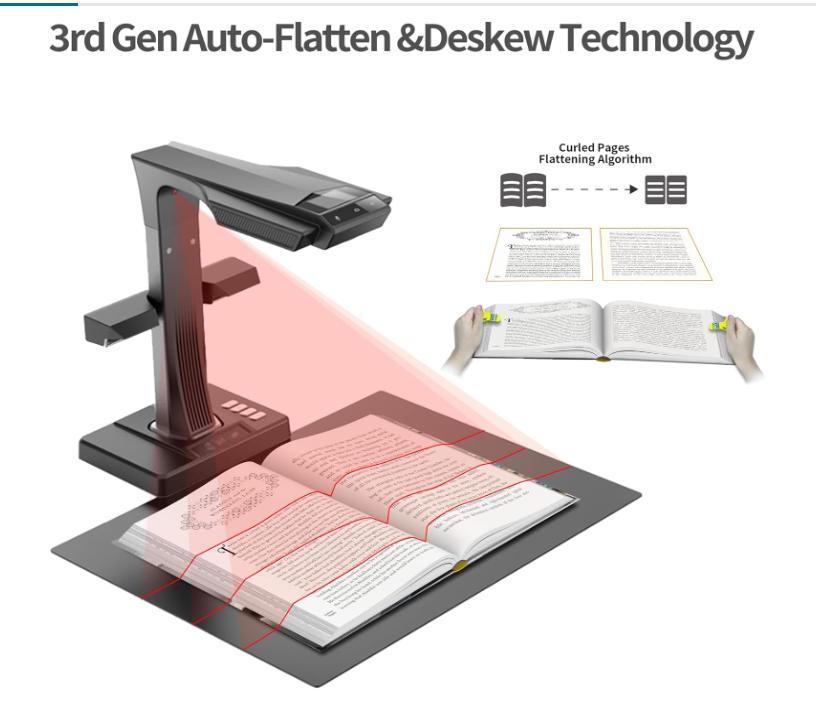
A3 24MP Book Scanner Auto Flatten Deskew CMOS Document Digitizer 4000x6000 USB Visualizer OCR Searchable PDF
- 24MP CMOS, 4000 × 6000 px
- Auto-flatten and deskew
- USB visualizer
- OCR searchable PDF
Best for: bound books, archive digitization and searchable PDF production.
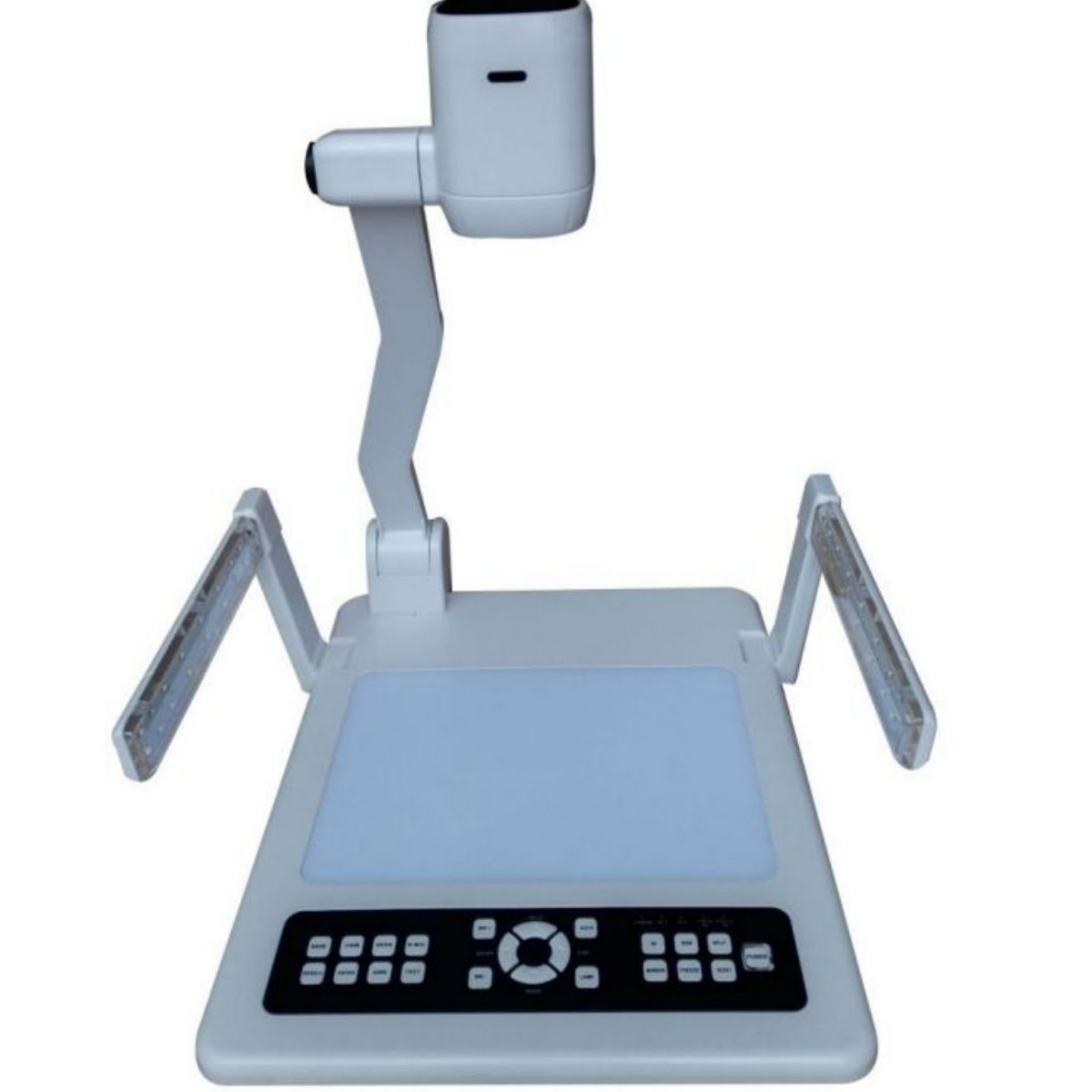
Multi-functional Document Camera Professional in Visual Presenter Also Visualizer in Educational Equipment
- Document camera and visualizer
- Professional education model
- Live demonstration workflow
- Multi-functional classroom use
Best for: live classroom demonstration, teacher training and presentation rooms.
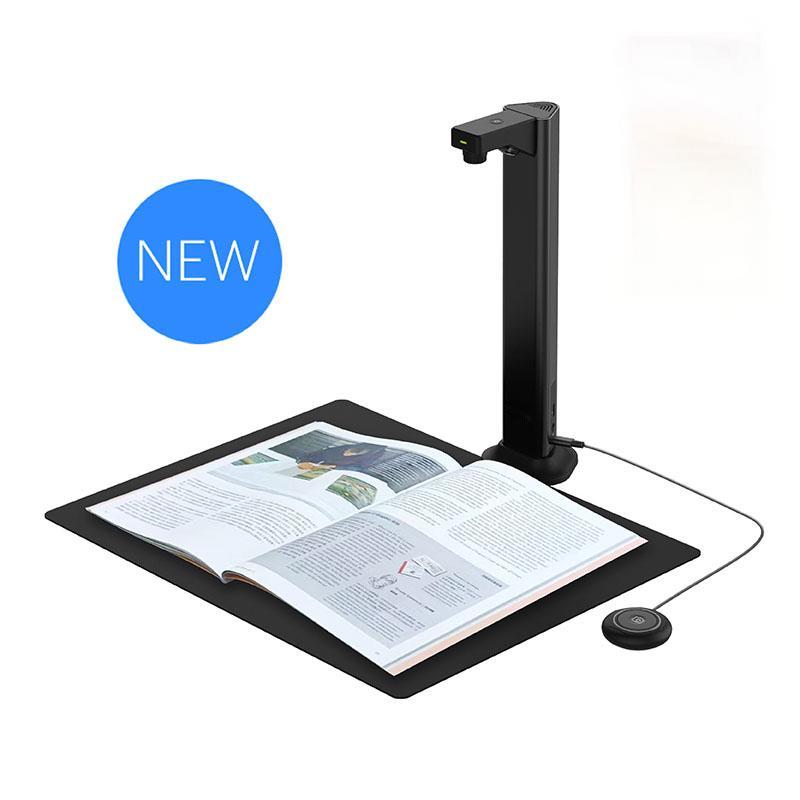
A3 18MP USB Aluminum Document Scanner with UVC Camera 1s Scan Speed OCR & Text to Speech Features-in Stock
- A3 18MP capture
- UVC camera, USB output
- 1-second scan speed
- OCR and text-to-speech
Best for: value-focused A3 digitization with UVC integration and accessibility features.
What Serious OEM/ODM Buyers Check Before They Shortlist a Supplier
Price alone is a poor filter. The stronger signals are response discipline, repeat-order behaviour, warranty structure and whether the supplier can keep the same configuration stable across repeat shipments.
Average response time
Fast technical clarification matters when a tender deadline is close.
Message response rate
A practical indicator of sales follow-up and project communication.
Buyer reorder rate
Repeat purchase is often a better signal than a single low quotation.
Warranty on listed models
Backed by remote technical support for setup and troubleshooting.
Stock MOQ on most scanners
Many book scanners, A2 scanners and flatbed scanners start from one piece or set.
Imaging platforms
CIS, CMOS and CCD solutions cover different document and workflow needs.
Why OEM/ODM Book Scanning Machine Buyers Are Rebuilding Their Supplier Shortlists
Procurement teams rarely buy a book scanning machine as a standalone box. They buy a repeatable capture process: a sensor platform, a lighting environment, a software workflow, an OCR language set, a support arrangement and a supplier who can keep the same configuration stable across repeat orders. That is why the phrase OEM/ODM Book Scanning Machine Factory & Suppliers is really a request for evidence. Buyers want to know who understands bound-book geometry, who can deliver A2 broadsheet capture without stitching, who supports Windows and macOS drivers, and who can adapt SDK or branding without breaking the warranty.
Guangzhou Quibow Electronic Co., Ltd. is an onsite-checked trading company established in 2020 in Guangzhou, Guangdong, China. It develops and supplies image acquisition and conversion equipment, including overhead book scanners, A3 and A2 document scanners, flatbed scanners, document cameras, visual presenters and ID card recognition cameras. The company works across CIS, CMOS and CCD imaging platforms and supports OEM/ODM projects with logo printing, packaging, housing colour, capture software branding and SDK integration on selected models.
This guide is written for distributors, system integrators, library digitization teams, school equipment buyers, government procurement officers and e-commerce sellers who need a supplier shortlist rather than a generic catalogue. It combines product recommendations with procurement trends, development trends, resolution engineering, verification records and buyer FAQs.

Factory-aligned, not factory-confused
Quibow is an onsite-checked trading company coordinating imaging products and OEM/ODM supply. That distinction matters: buyers should verify the legal entity, product responsibility and support path, not only the word “factory” on a landing page.
2026 Procurement Trends for Book Scanning Machine Factories and Suppliers
Buyer requirements are becoming more specific. The winning supplier is not always the one with the highest megapixel count; it is the one that can prove the workflow, the software path and the repeat-order consistency.
OCR is becoming a procurement line item
Buyers increasingly ask not only for 24MP or 48MP capture but for OCR to searchable PDF, batch naming, automatic deskew, curve flattening and multi-language output. A scanner without a credible post-processing path can slow a digitization team down.
Small MOQ plus mixed-model trials
Distributors prefer to test one piece or one set before scaling. Most stock book scanners, A2 large-format scanners and flatbed scanners start from one piece or set, while several document camera models start from two pieces. OEM/ODM quantities are confirmed per project.
Total cost of ownership beats headline price
Public-sector buyers look at failure rates, driver stability, packing quality, spare-part logistics and remote support. An aluminium-body A2 overhead scanner with predictable USB output may be more valuable than a cheaper unit with unclear software support.
SDK and UVC integration move earlier
System integrators now ask about SDK access, UVC camera output, 24-bit image handling and software branding before they request a quotation. OEM/ODM is not just a logo; it is a technical integration decision.
Offline and privacy-safe capture gain value
Education, banking and government buyers often prefer local capture because they cannot send ID cards, records or student information to an unknown cloud service. USB capture, local OCR and on-premise software workflows are easier to approve.
Multi-camera and format flexibility
A3 dual-camera scanners can handle documents plus ID cards, while A2 overhead scanners cover newspapers, maps and bound volumes. Suppliers that can explain the trade-offs between CIS, CMOS and CCD are more useful than suppliers that quote one model for every project.
What the Next Book Scanning Machine Should Include
The next buying cycle will reward products that reduce operator decisions. Good hardware captures the page; better hardware and software make the capture usable without repeated manual correction.
Higher A2 resolution, but correctly specified
A2 archival work is moving toward dual 48MP CMOS capture and 48MP overhead scanners. The point is not the number alone; it is maintaining roughly 300 dpi or higher across a full A2 sheet when the tender requires archival master files.
Auto-flatten and deskew as baseline features
Bound books curve near the spine. Software that flattens curves, removes finger images and deskews pages saves hours in library and archive projects. The A3 24MP model with 4000 × 6000 capture and OCR searchable PDF illustrates this direction.
4K and optical zoom for visual presenters
Education buyers are asking for 4K 8MP visualizers, 10x optical plus digital zoom, HDMI and VGA output, remote control and SD card or mouse support. The classroom requirement is live clarity, not only document capture.
Text-to-speech and accessibility
OCR output can support reading, search and accessibility workflows. Models such as the A2 21MP overhead scanner and the A3 18MP UVC scanner list text-to-speech features, which matter for inclusive education and public-service digitization.
Driver and OS compatibility details
Many models, including A2 large-format scanners and the 1200 DPI A3 flatbed scanner, support Windows and macOS, and some are verified on Apple M1 Macs. Buyers should confirm the exact OS, driver version and SDK support before shipment.
Repairable, shippable industrial design
Aluminium bodies, standard USB interfaces, modular lighting and export-safe packaging reduce service friction. For distributors, a product that survives transit and is easy to troubleshoot remotely can be more profitable than a lower-cost unit with fragile construction.
How Much Resolution Does a Book Scanning Machine Really Need?
Megapixels only matter in relation to page size. At 300 dpi, an A3 page needs about 3508 × 4961 pixels, while an A2 page needs about 4961 × 7016 pixels. That is why an 18MP or 24MP scanner is usually suitable for A3, but a 48MP model is recommended for A2 archival masters.
A4 document
210 × 297 mm at 300 dpi ≈ 2480 × 3508 px.
10MP or higher is typically sufficient.A3 document
297 × 420 mm at 300 dpi ≈ 3508 × 4961 px.
18MP–24MP models are a practical match.A2 document
420 × 594 mm at 300 dpi ≈ 4961 × 7016 px.
48MP dual CMOS or 48MP overhead models are recommended.Photo and artwork
Optical flatbed resolution matters more than megapixel marketing.
Look for 48-bit colour and stable optical calibration.Match the Scanner to the Workflow, Not Just the Page Size
Two buyers can request the same A3 format and still need different products. One may need non-contact book capture; another may need live classroom presentation; a third may need counter-top ID capture at speed.
Libraries & archives
Use overhead A2/A3 book scanners to protect bindings, flatten curves in software and export OCR searchable PDF for catalogues and reading rooms.
Education & training
Document cameras and visual presenters show textbooks, experiments and 3D objects live. Optical zoom, HDMI/VGA output and remote control matter more than scanner-style OCR.
Government & banking counters
Dual-camera scanners can capture forms and ID cards at service points. Confirm SDK access, UVC support and 1-second scan speed before pilot deployment.
Enterprise offices
Flatbed and ADF scanners convert contracts and invoices into searchable files. For high-volume batches, check ppm/ipm, duplex support and driver stability.
Newspapers & publishers
A2 large-format scanners capture broadsheets, maps and page spreads in one shot. Resolution, edge sharpness and OCR language coverage are the key evaluation points.
Distributors & integrators
OEM/ODM branding, packaging, housing colour, software branding and SDK access let resellers build their own offer on proven hardware. Confirm MOQ by model and project.
Why Guangzhou Quibow Is a Practical OEM/ODM Book Scanning Machine Supplier
Quibow is not a marketplace reseller hiding behind a catalogue. It is an onsite-checked trading company in Guangzhou with a focused team, direct technical communication and a factory-aligned supply chain for imaging products.
Established in 2020, Guangzhou Quibow Electronic Co., Ltd. develops and supplies photoelectric information equipment, including high-speed document cameras, book scanners, flatbed scanners and ID card recognition cameras. The company serves Eastern Europe, North America, South America and other markets, with annual revenue in the US$1M–US$2.5M range and a team of 5–10 dedicated specialists.
That scale is relevant. It is large enough to coordinate factory partners, export packing, quality inspection and repeat orders, yet small enough for direct engineer-to-buyer communication. The supplier profile shows an average response time within one hour, a 100% message response rate and a 27% buyer reorder rate. These are not abstract claims; they are practical signals for a procurement team evaluating risk.
OEM/ODM support includes logo printing, packaging, housing colour, capture software branding and SDK integration on selected models. Payment methods include T/T, L/C, PayPal and Western Union in USD, EUR, HKD or CNY, with FOB, EXW and DDU delivery terms. Listed models such as the A3 flatbed scanners, A2 overhead scanners and the S2060W ADF scanner come with a 1-year warranty and remote technical support.



Supplier Assessment
Onsite check confirming business premises and legal status.
View report →Credit Overview
Platform credit profile and trading reliability indicators.
View credit →Ratings & Reviews
Feedback left by verified buyers after completed orders.
Read reviews →Trade Capacity
Export markets, trade terms and logistics capability.
View capacity →Transaction Level
Platform-measured order volume and performance level.
View level →Trade History
Record of past trade activity on the platform.
View history →Transaction History
Completed transactions over recent months.
View transactions →Video Introduction
See products and workspace on camera.
Watch video →Requirement review
Document size, daily volume, OS, output formats and OCR languages are confirmed, usually within one hour.
Model matching
Sensor platform, resolution and software path are recommended, with sample scans available on request.
OEM/ODM customization
Logo, packaging, housing colour, software branding, OCR languages and SDK integration are scoped per project.
QA, shipping & support
Each unit is checked for focus, lighting uniformity, driver installation and capture speed, then packed for export with remote support.
Questions Buyers Ask Most About OEM/ODM Book Scanning Machines
These are the practical questions that appear in RFQs, distributor onboarding and tender clarification. Clear answers reduce sample rounds and shorten approval cycles.
What is the minimum order quantity for Quibow scanners and document cameras?
Most stock book scanners, A2 large-format scanners and flatbed scanners start from one piece or one set. Several document camera models start from two pieces. OEM/ODM quantities are confirmed per project, so a mixed-model trial order can be discussed for distributors and integrators.
Do you support OEM and ODM orders?
Yes. Quibow supports OEM/ODM projects including logo printing, packaging, housing colour, capture software branding and SDK integration on selected models. The earlier the technical requirements are shared, the faster the feasibility and quotation can be confirmed.
Are the scanners compatible with Windows and macOS?
Many models, including the A2 large-format scanners and the 1200 DPI A3 flatbed scanner, support Windows and macOS, and some are verified on Apple M1 Macs. Compatibility is confirmed for each model before shipment because driver and SDK requirements can vary by project.
Which resolution do I need to scan A3 or A2 documents at 300 dpi?
An A3 page at 300 dpi needs about 3508 × 4961 pixels, around 17.4MP, so an 18MP or 24MP scanner is suitable. An A2 sheet at 300 dpi needs about 4961 × 7016 pixels, around 34.8MP, so a 48MP A2 scanner is recommended for archival masters. A 21MP A2 model is better suited to OCR and reading workflows than 300 dpi archival capture.
What is the difference between a book scanner and a document camera?
A book scanner is usually optimized for non-contact overhead capture of bound pages, with software for curve flattening, deskew and OCR searchable PDF. A document camera or visual presenter is optimized for live display, teaching and counter capture. Some dual-camera models combine both ideas, but buyers should still confirm the software and mounting requirements.
What payment and delivery terms do you accept?
Quibow accepts T/T, L/C, PayPal and Western Union in USD, EUR, HKD or CNY, with FOB, EXW and DDU delivery terms. The final term depends on destination, order value, model mix and whether the project includes OEM packaging or custom software work.
What warranty do the products carry?
Listed models such as the A3 flatbed scanners, A2 overhead scanners and the S2060W ADF scanner come with a 1-year warranty, backed by remote technical support. Buyers should keep the model, serial number and purchase record for support claims.
How can I verify a supplier and request sample scans?
Check the supplier assessment, credit overview, ratings and reviews, trade capacity, transaction level and trade history. Then send a small set of real documents in the target sizes, with the required dpi, OCR languages, output format and operating system. A supplier that can return sample scans and a clear driver/SDK checklist is easier to approve than one that only sends a catalogue.
Request a Sample Scan, Price and OEM/ODM Feasibility Review
Share your document sizes, daily volume, target dpi, OCR languages, operating system and branding requirements. Quibow can recommend the right book scanner, document camera or A2 overhead scanner and confirm MOQ, lead time and sample arrangement.