8 Office Document Scanners & Visualizers for Wholesale Programs
Wholesale buyers rarely purchase a single office document scanner in isolation. They compare sensor fit, SDK access, packaging, warranty terms, spare-part strategy and the supplier’s ability to repeat the same specification across future orders. The eight models below cover visual presenters, A3 4K document cameras, portable A4 scanners, wall-mounted classroom cameras and office visualizers. Product URLs are retained exactly so procurement teams can verify specifications directly.
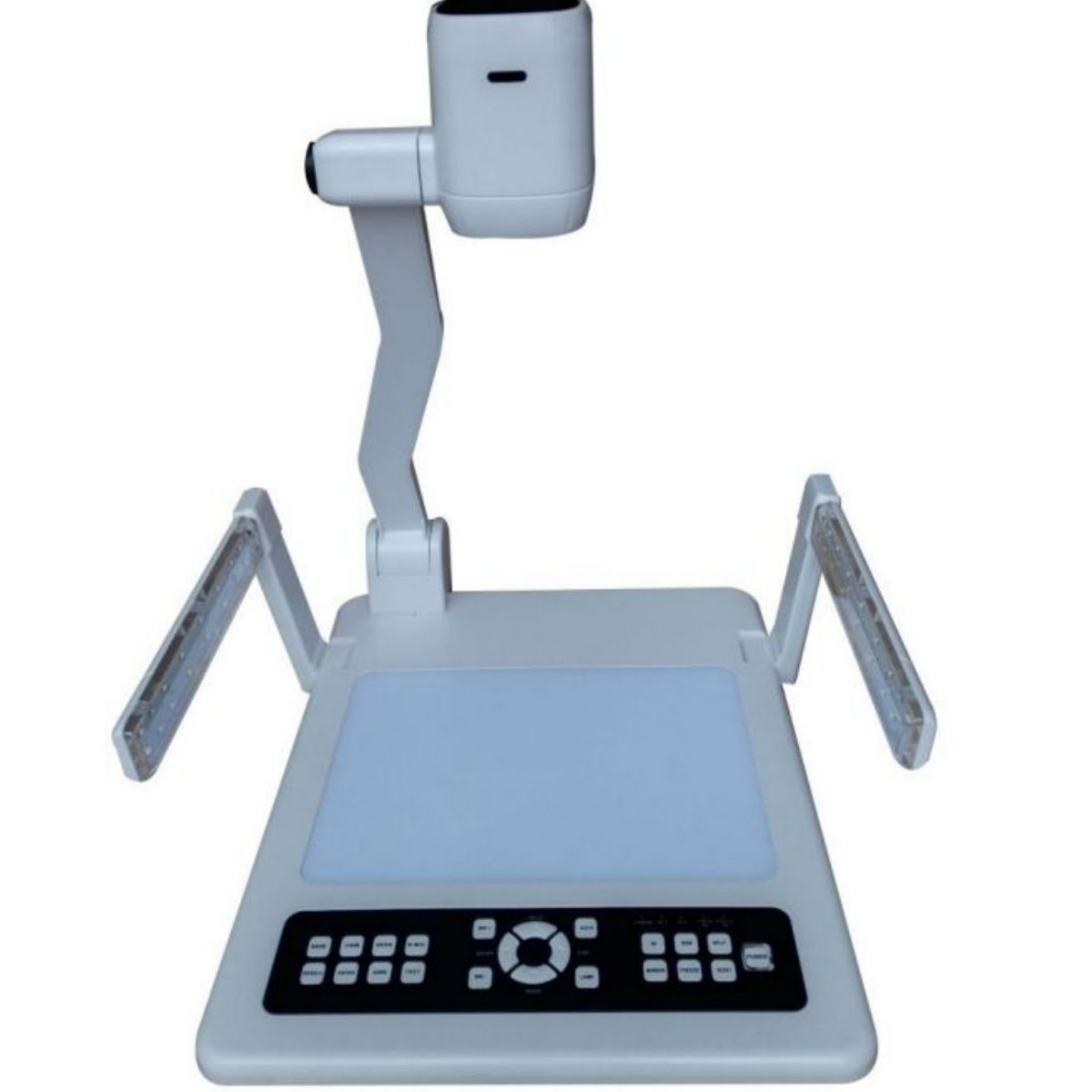
Multi-functional Document Camera Professional in Visual Presenter Also Visualizer in Educational Equipment
- Multi-purpose visual presenter for training rooms
- Live document and object demonstration
- OEM branding and packaging by project
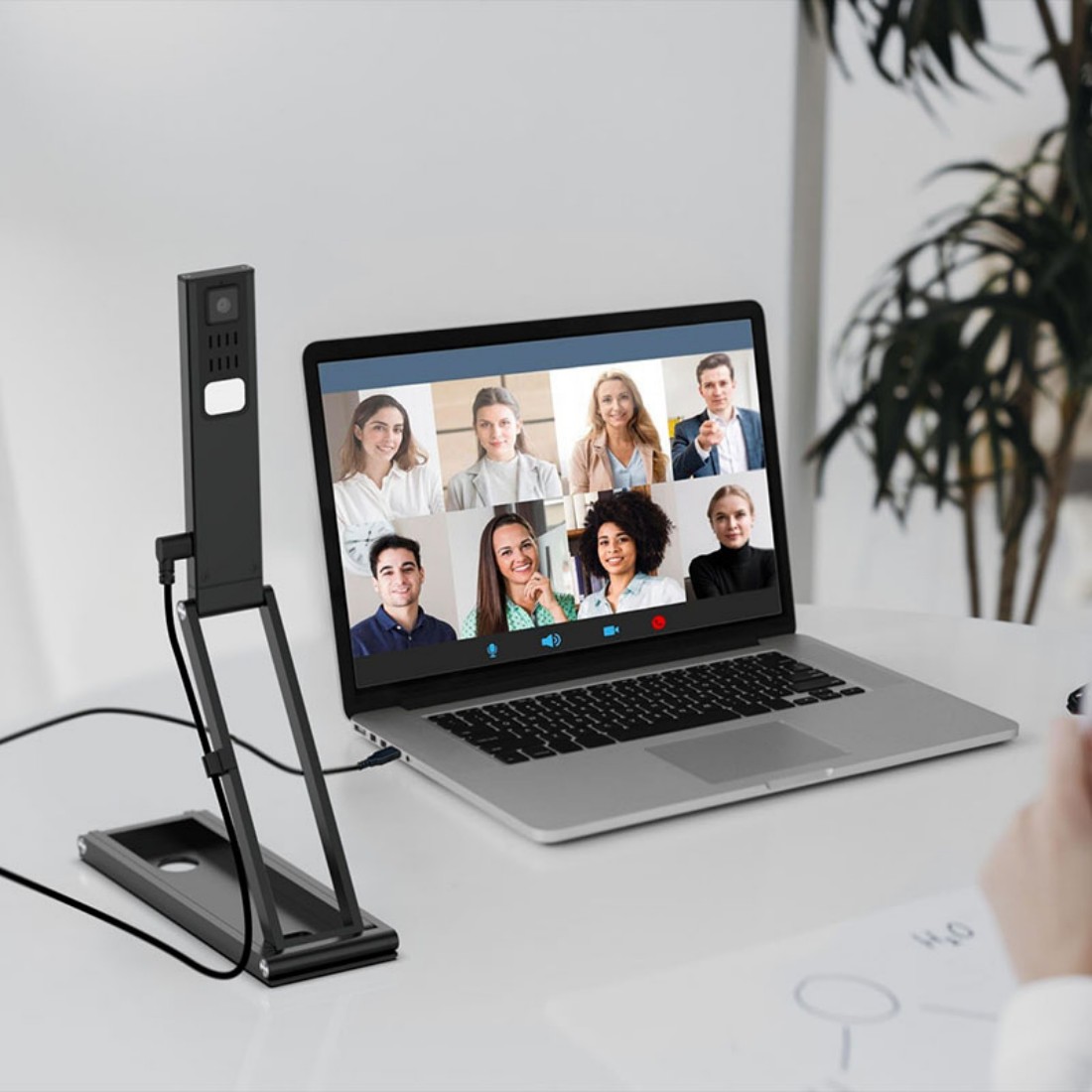
A3 4K Visual Presenter Document Camera with USB Interface for School Training Teaching Meetings Featuring Webcam Function
- A3 capture area with 4K visual output
- USB interface and webcam function
- Ideal for hybrid classrooms and meetings
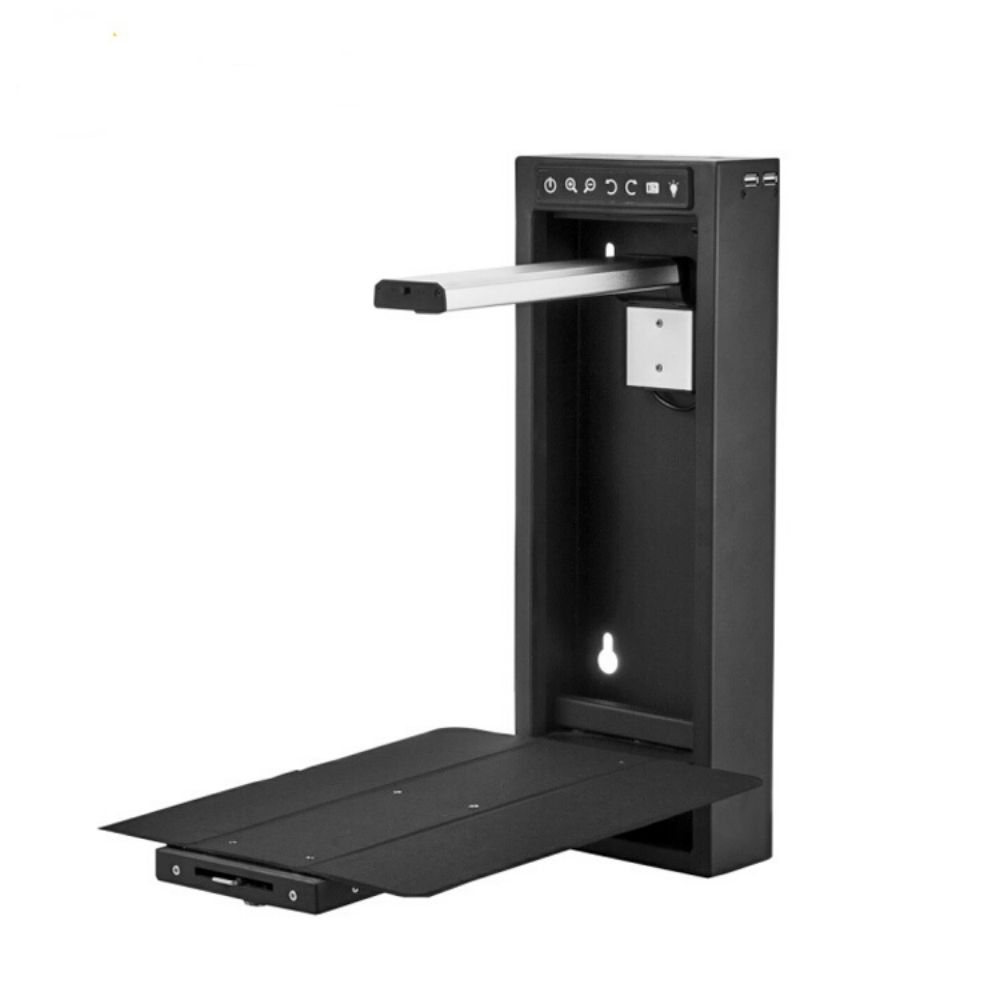
Online Training Portable 10MP A4 Document Scanner USB Interface Visualizer-in-Stock for Wall Version Black+Silver 1-Year
- Portable A4 document scanner visualizer
- USB interface for online training and desk use
- Wall-version option, black and silver finish
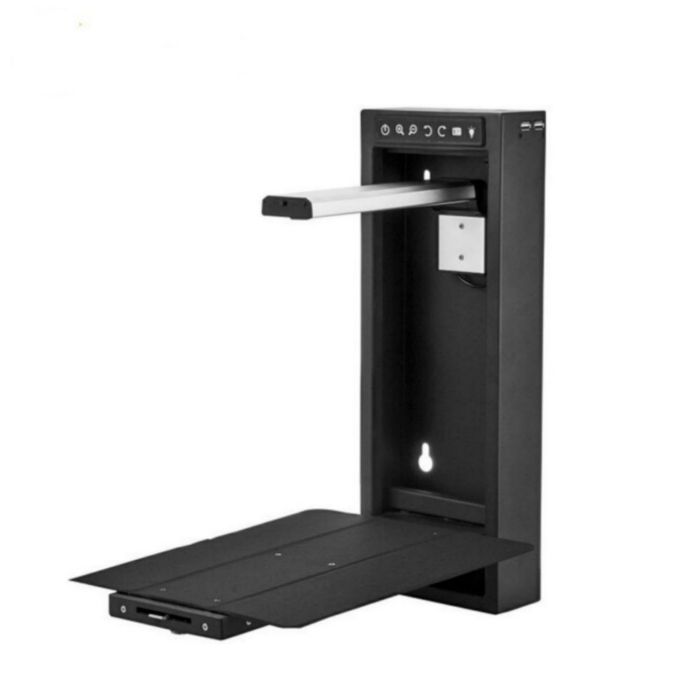
A4 Black USB 5V High-Speed 10MP High-Resolution Document Scanner Wall-Mountable OEM 24 Bit SDK 1-Year Warranty Education Stock
- 10MP high-resolution A4 office scanning
- Wall-mountable design with SDK support
- 24-bit color and 1-year warranty

USB Document Camera Scanner 10MP CMOS Visualizer A4 Scanner for Office Education
- 10MP CMOS camera for office and education
- A4 visualizer scanner with USB connection
- Simple deployment for project-based buyers
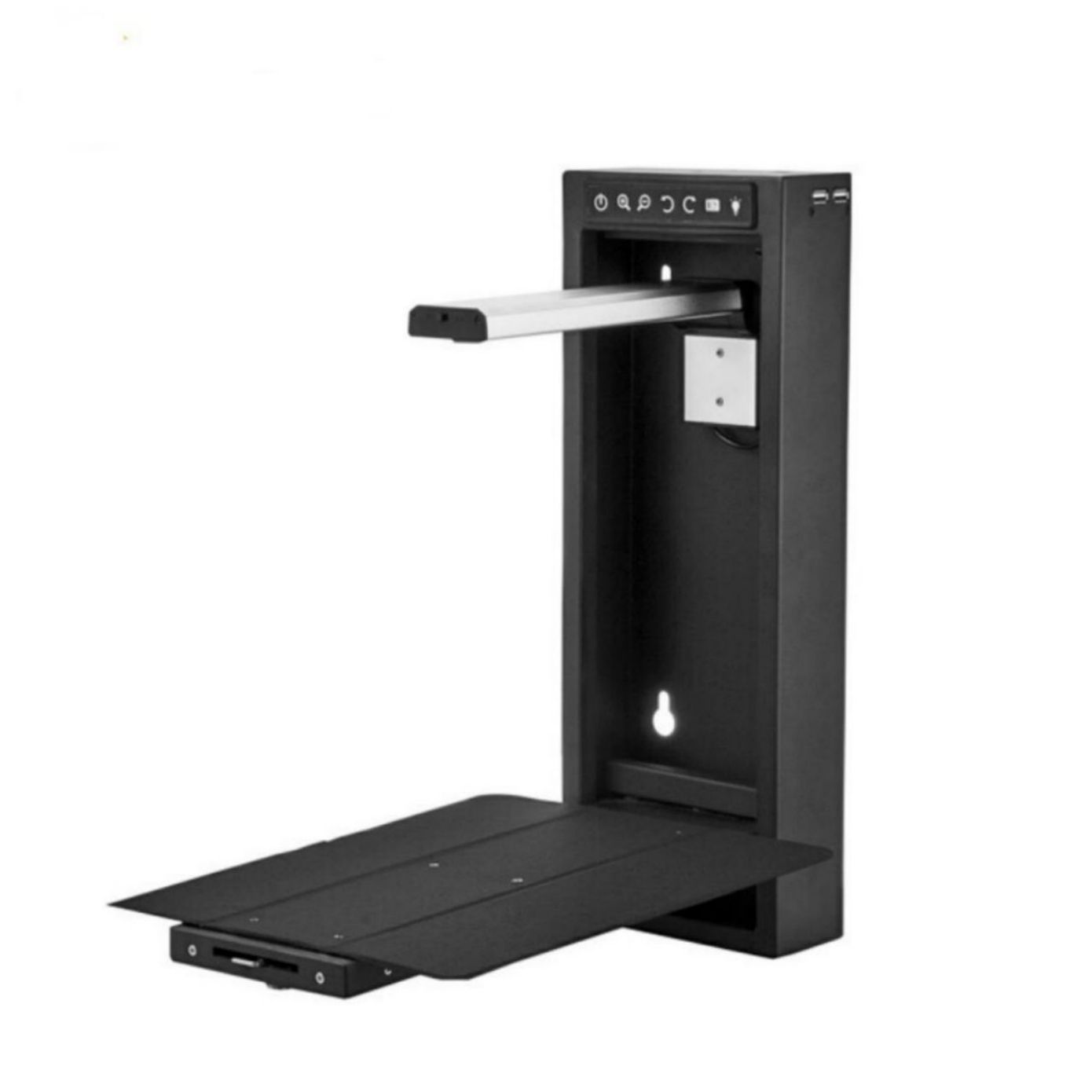
10MP USB CMOS Document Camera Wall Mount Scanner with 1-Second Scan Speed 1-Year Warranty in Stock Classroom Education A4 SDK
- Wall-mounted classroom document camera
- 1-second scan speed for fast capture
- A4 format with SDK and 1-year warranty
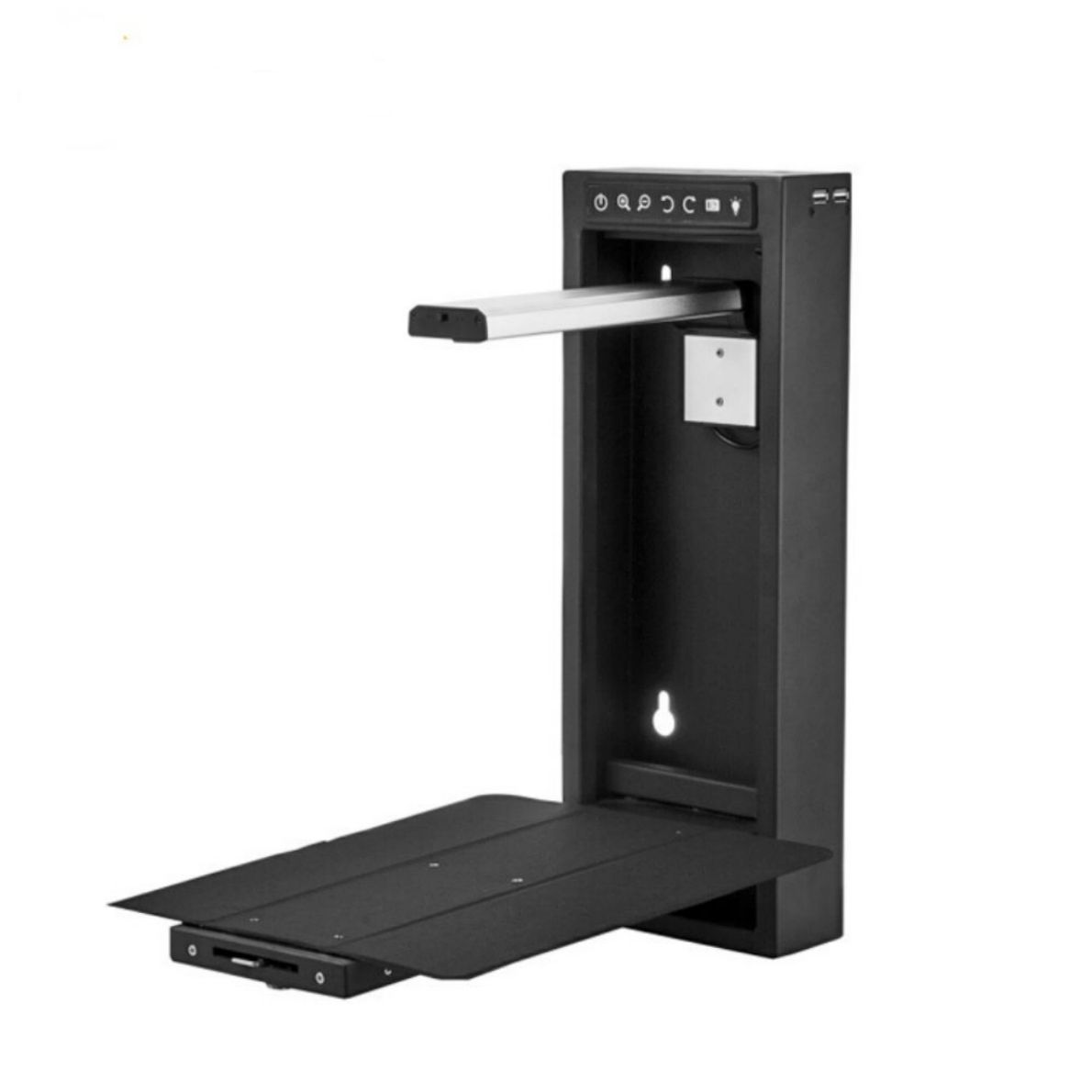
Factory New High Definition Wall Mount Document Scanner USB Interface Visualizer CE Certified 1-Year Warranty High-Speed A4 SDK
- High-definition wall-mount document capture
- USB visualizer with CE certification
- High-speed A4 scanning with SDK
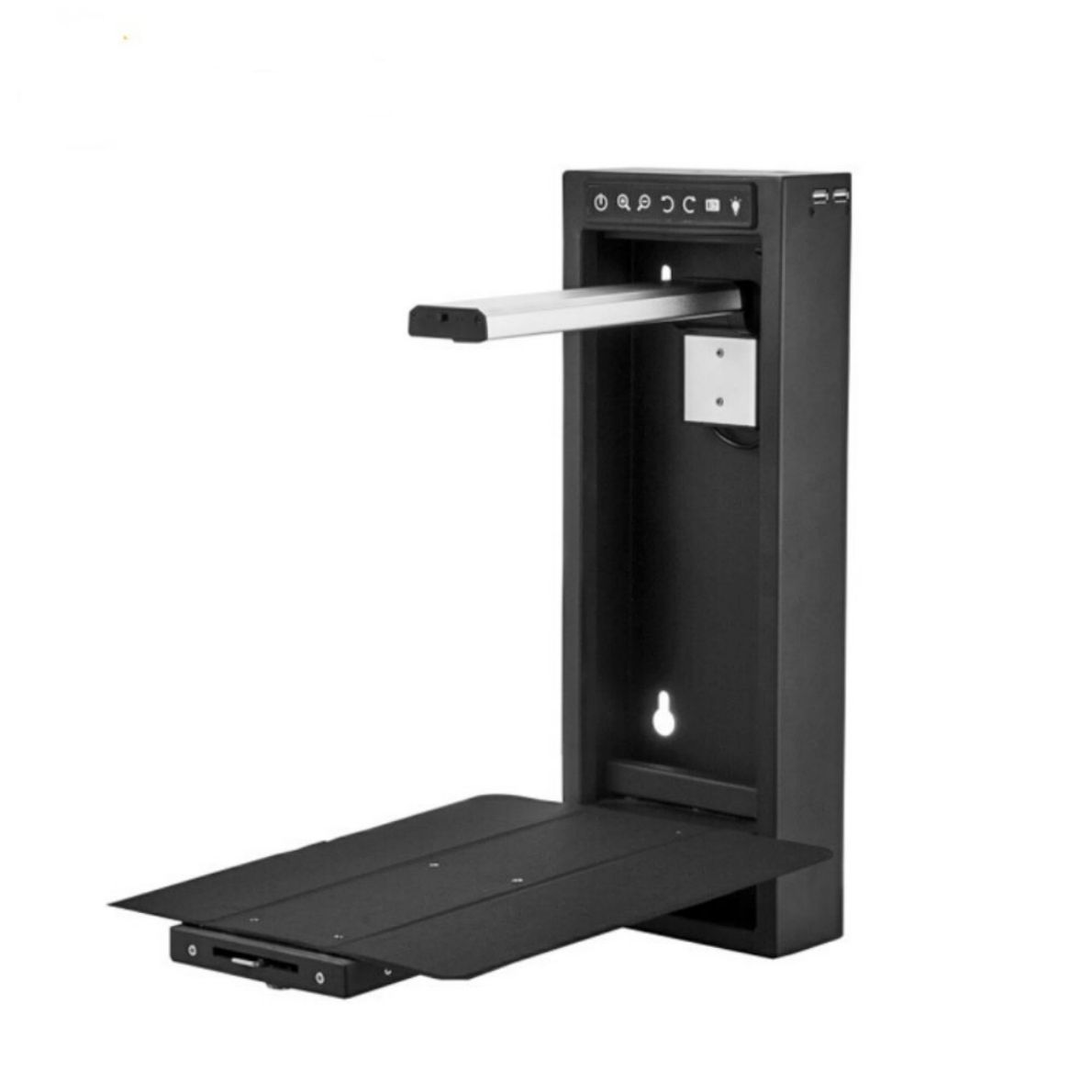
Document Camera A4 Visualizer Wall Version USB CMOS Sensor 10MP 1-Second Scan Document Scanner Stock for Classroom Smart
- A4 wall-version visualizer for smart classrooms
- 10MP CMOS sensor with 1-second scan speed
- Stock availability for education projects
Evidence-First Advantages for Distributors and Tender Teams
Quibow’s supplier profile is structured for verification, not vague marketing. The figures below reflect the disclosed business profile and should be checked together with product samples, certificates and commercial terms.
Why the OEM Document Scanner Category Is Moving from “Device Purchase” to “Program Purchase”
The office document scanner market is no longer only about comparing megapixels and unit price. Wholesalers, education distributors and system integrators increasingly buy a repeatable program: a stable hardware specification, an SDK that fits local software, packaging that survives export logistics, consistent spare-part support and documentation that satisfies public tenders. That shift changes the supplier question from “What is your best price?” to “Can you keep this exact configuration available across repeat orders and multiple delivery batches?”
For buyers sourcing from China, the most expensive mistake is usually a mismatch between sensor resolution and the real document size. A catalogue may say “10MP” or “48MP,” but the practical question is whether the sensor can cover the required page at the required dpi. A3 at 300 dpi needs about 17.4MP, while A2 at 300 dpi needs about 34.8MP. A 21MP camera covering an A2 sheet will not deliver the same archival quality as a 48MP A2 model. This is the kind of information gain procurement teams should demand before approving a sample.
Total cost of ownership matters as much as the landed price. A low-cost A4 visualizer with unclear driver support can create hidden costs in teacher training, helpdesk tickets and returns. A slightly higher-priced model with documented Windows and macOS compatibility, SDK access and a 1-year warranty can reduce lifecycle cost across a multi-school rollout. For wholesale programs, the best specification is the one that can be repeated, serviced and supported after the container has arrived.
Specifying Resolution, Sensor and Form Factor
Megapixels only become meaningful when matched to paper size and output target. OCR for reading usually tolerates 200–250 dpi, while archive programs often specify 300 dpi or higher for master files. If your tender names 300 dpi at A3 or A2, calculate the pixel requirement before comparing quotations.
- A4 at 300 dpi: about 2480 × 3508 pixels, or roughly 8.7MP; a 10MP office document camera is generally adequate.
- A3 at 300 dpi: about 3508 × 4961 pixels, or roughly 17.4MP; choose an 18MP–24MP class or higher.
- A2 at 300 dpi: about 4961 × 7016 pixels, or roughly 34.8MP; specify a 48MP class model for archival masters.
- Photos, artwork and fine print: compare optical dpi, color depth and lighting control rather than megapixels alone.
| Document size | Pixels at 300 dpi | Recommended sensor class | Typical project fit |
|---|---|---|---|
| A4 210 × 297 mm |
2480 × 3508 ≈ 8.7MP |
10MP or higher | Office counters, portable online training, classroom visualizers |
| A3 297 × 420 mm |
3508 × 4961 ≈ 17.4MP |
18–24MP | Education, meeting rooms, drawing review, larger documents |
| A2 420 × 594 mm |
4961 × 7016 ≈ 34.8MP |
48MP for ≈340 dpi | Newspapers, maps, large-format archives and tender specifications |
| Photos & fine art | 600–2400 dpi optical | Flatbed with 48-bit color | Artwork, photo digitization and controlled-lighting reproduction |
CMOS Area Sensor
Captures the document in one overhead shot. Best for bound books, wall-mounted classroom cameras, visual presenters and office desks where a non-contact workflow is preferred.
- Buyer fit
- Education, office counters, hybrid training, document cameras
- What to confirm
- Working distance, lens field of view and low-light performance
CIS Contact Sensor
A compact linear sensor used in many ADF scanners. It is efficient for high-volume loose sheets, invoices and contracts where speed and paper-handling matter more than overhead presentation.
- Buyer fit
- Back-office batches, invoices, contracts and administrative workflows
- What to confirm
- Daily duty cycle, duplex speed and consumable replacement plan
CCD Linear Sensor
A moving optical carriage can deliver stable color and useful depth of field for photos, artwork and bookedge scanning where spine shadow or surface unevenness is a concern.
- Buyer fit
- Galleries, libraries, photo studios and zero-margin bookedge scanning
- What to confirm
- Optical resolution, color depth and warm-up or calibration routine
Which Model Fits Your Wholesale or OEM Scenario?
Use the following scenario map to shortlist models before requesting a formal quotation. For bound-book and archival projects beyond the eight featured visualizers, ask for the A3/A2 overhead book scanner range and sample scans.
Classroom & hybrid learning
Shortlist the A3 4K visual presenter or the multi-functional education visualizer for live demonstration, textbook display and video meeting integration.
Office paper-to-digital desk
Use the 10MP A4 high-resolution scanner or the 10MP CMOS visualizer for contracts, forms, ID documents and day-to-day service-counter capture.
Wall-mounted smart rooms
Compare the wall-mount 10MP scanner, HD wall-mount visualizer and A4 wall-version document camera for fixed installation in classrooms or service points.
Online training sellers
The portable 10MP A4 scanner visualizer suits resellers serving tutors, online trainers and small offices that need fast setup and simple USB connection.
Distributor private label
Ask about logo, packaging, housing color, software branding and SDK integration on selected models. OEM/ODM quantities are confirmed project by project.
Tender and framework supply
Confirm working resolution, OS compatibility, warranty, packaging standard and spare-part plan before submitting. Sample scans should match the tender’s target document size.
Product Future Procurement Trends for Wholesalers
Procurement teams are changing how they evaluate office document scanners and visualizers. The strongest suppliers will be those that help buyers reduce integration risk, not only unit cost.
From unit price to total cost of ownership
Buyers increasingly score warranty, spare-part availability, training effort and return rate alongside the quotation. A lower unit price can be more expensive if the model creates support tickets after delivery.
SDK and API requirements
System integrators want document cameras that fit their own software. SDK access, driver stability and documented output formats can decide whether a model is approved for a multi-site rollout.
Privacy and local capture
Schools, banks and government offices ask where images are processed. Suppliers that can explain local capture, offline modes and software data flow will have an advantage in security-sensitive tenders.
AI-assisted OCR and auto-capture
Automatic page detection, edge correction, deskew and OCR are moving from premium features to expected functions. Wholesale buyers should confirm the OCR language pack and export format before committing.
Hybrid classroom and office bundles
Demand is shifting toward bundled solutions: camera, mount, software, lighting and training materials. Distributors that offer a complete deployment package can shorten the buyer’s approval cycle.
Multi-year framework agreements
Public buyers increasingly prefer suppliers that can hold a specification across annual batches. Consistent firmware, packaging and spare parts are becoming as important as the first shipment.
Recommended tender evaluation weights for document camera projects
Illustrative scoring model for procurement teams; adjust to your tender rules and local compliance requirements.
What Is Changing Inside the Hardware?
Hardware development is converging around higher resolution, easier integration and more resilient deployment. These trends affect how OEM buyers should plan model lifecycles and accessory ranges.
Higher-resolution CMOS cameras
4K, 8MP, 10MP and higher-resolution sensors are becoming practical across visual presenters and wall-mounted document cameras, improving readability on large displays and multi-person meetings.
Edge AI for capture assistance
Auto page detection, finger removal, curve correction and OCR preview can reduce training time. For OEM programs, the key question is whether these functions are optional, configurable or locked to a specific software stack.
USB-C, HDMI and webcam modes
Education and office buyers want one device to serve live projection, video conferencing and document capture. Multi-interface models can replace several single-purpose devices in a procurement package.
Modular mounts and accessories
Wall-mounted, desk-standing and portable versions allow distributors to serve multiple installation scenarios from one product family. Brackets, lighting and cable kits become part of the repeat-order opportunity.
Searchable output and document workflows
Buyers expect capture to connect with OCR, PDF export, naming rules and document management systems. SDK support and output-format documentation are becoming product features, not afterthoughts.
Sustainable packaging and compliance
Export buyers increasingly ask for recyclable packaging, clear labels, CE documentation and stable firmware release notes. These details reduce customs delays and make private-label launches easier to manage.
Guangzhou Quibow Electronic Co., Ltd. at a Glance
Quibow is a technology-driven supplier focused on image data acquisition and conversion, including high-speed document cameras, book scanners, flatbed scanners and ID card recognition cameras. The company covers product design, development coordination, production support, export sales and after-sales service, with OEM/ODM support for B2B buyers.
Verifiable supplier records
Buyers can review supplier assessment, credit overview, ratings, trade capacity and transaction records through the published company profile pages before placing a program order.
OEM/ODM customization
Logo printing, packaging, housing color, capture-software branding and SDK integration can be discussed on selected models. Project quantity and technical scope are confirmed case by case.
Responsive commercial support
Published profile indicators include ≤1h average response time, 100% message response rate and a 27% buyer reorder rate, useful signals for fast-moving wholesale and tender timelines.
Export-ready terms
T/T, L/C, PayPal and Western Union are accepted in USD, EUR, HKD or CNY, with FOB, EXW and DDU delivery terms. Listed models typically carry a 1-year warranty with remote technical support.
Business profile
Trading company, onsite checked · Guangzhou, Guangdong, China · Established 2020 · Main markets: Eastern Europe, North America and South America · Annual revenue US$1M–US$2.5M · 5–10 dedicated specialists.
Imaging platforms
CIS, CMOS and CCD imaging across document cameras, visual presenters, overhead book scanners, A3/A2 large-format scanners and flatbed scanners, with OCR and SDK support on selected models.
Buyer support
Model matching, sample scans, software compatibility confirmation, export packaging coordination and remote after-sales support. Ask for current stock, lead time and MOQ before committing to a launch date.
Supplier Due Diligence for Wholesalers
Before approving a private-label or bulk order, use a checklist that separates real capability from catalogue claims. It is especially important when the end buyer is a school, library, bank or government department.
- Verify the required page size and working dpi, not only the sensor megapixel number.
- Request sample scans at the real target resolution under the intended lighting condition.
- Confirm driver, operating system, OCR language, SDK and export-format compatibility.
- Check MOQ, sample lead time, mass-production lead time and export packaging method.
- Confirm warranty length, spare-part plan, RMA process and remote technical support scope.
- Review supplier assessment, credit overview, ratings, trade capacity and transaction history.
- Ask how firmware and software updates are handled after the first shipment.
- Clarify payment currency, delivery term, inspection method and documentation package.
Planning a private-label document camera program?
Share your target page size, daily capture volume, operating system, preferred form factor, MOQ and target delivery window. The team can recommend a model platform and discuss sample scans, OEM branding and SDK requirements.
Get a QuoteEmail: info@quibowtech.com
Location: Room 504, No. 5 Zitan Second Street, Guangzhou, Guangdong, China
Common Procurement Questions
These answers reflect the product range and published supplier profile. Final specifications, stock status and commercial terms should be confirmed in the quotation.
Can you custom-brand an OEM office document scanner for our wholesale catalogue?
Yes. OEM/ODM discussions can include logo printing, packaging, housing color, capture-software branding and SDK integration on selected models. The exact scope depends on the model, order quantity and software requirements, so it is confirmed project by project.
What is the minimum order quantity for these document cameras and visualizers?
Most stock book scanners, A2 large-format scanners and flatbed scanners start from 1 piece or 1 set. Several document camera models start from 2 pieces. OEM/ODM quantities are confirmed according to the customization scope and production schedule.
Which resolution do I need for A4, A3 or A2 documents at 300 dpi?
A4 at 300 dpi needs about 8.7MP, A3 needs about 17.4MP, and A2 needs about 34.8MP. For office visualizers, 10MP is generally suitable for A4; for A3 projects, choose an 18MP–24MP class or higher; for A2 archival masters, specify a 48MP class model.
Do the scanners work with Windows and macOS?
Many models, including A2 large-format scanners and selected flatbed scanners, support Windows and macOS, and some models are verified on Apple M1 Macs. Compatibility should be confirmed for each model and software version before shipment.
Can you provide sample scans before we place a bulk order?
Sample scans can be discussed so buyers can evaluate readability, color, OCR quality and capture speed for the intended document type. Provide the target page size, lighting condition, output format and dpi requirement to make the sample relevant to your tender or catalogue.
What payment, currency and delivery terms are available?
The disclosed terms include T/T, L/C, PayPal and Western Union, with USD, EUR, HKD or CNY currencies. Delivery terms include FOB, EXW and DDU. Confirm the final combination with the sales team for your destination and order size.
What warranty and after-sales support do the products carry?
Listed models such as the A3 flatbed scanners, A2 overhead scanners and S2060W ADF scanner commonly come with a 1-year warranty, backed by remote technical support. Distributors can discuss spare-part planning and RMA coordination for larger programs.
Are these products suitable for education, office and government projects?
Yes, the range includes visual presenters, portable A4 document scanners, wall-mounted classroom cameras, A3 4K visualizers and office document cameras. For public tenders, confirm working resolution, OS compatibility, CE documentation, warranty and packaging requirements before submission.
What should be included in an RFQ for the fastest response?
Include target document size, required dpi, daily volume, operating system, output format, preferred form factor, MOQ, delivery country, private-label requirement, warranty expectation and whether SDK access is needed. This allows the team to recommend a suitable model and prepare a more accurate quotation.
Can you support SDK integration for our own software platform?
SDK access is available on selected models and should be confirmed during model selection. Provide your operating system, development environment, capture workflow and output requirements so the technical team can check compatibility before the order is placed.
Source Custom Office Document Scanners from a Verified Guangzhou Supplier
Whether you are a wholesaler building a private-label catalogue, a distributor responding to an education tender or an integrator needing SDK-friendly document cameras, the next step is a focused specification review. Share your target page size, resolution, volume and delivery market to receive model recommendations and sample-scan options.
Get a Quote