8 High-Speed Scanner & Visualizer Platforms for Wholesalers
These are not generic catalogue placements. Each platform below answers a specific procurement intent: bound-book digitization, A2 newspaper capture, classroom visual presentation, SDK integration, zero-margin archiving or portable document camera deployment.
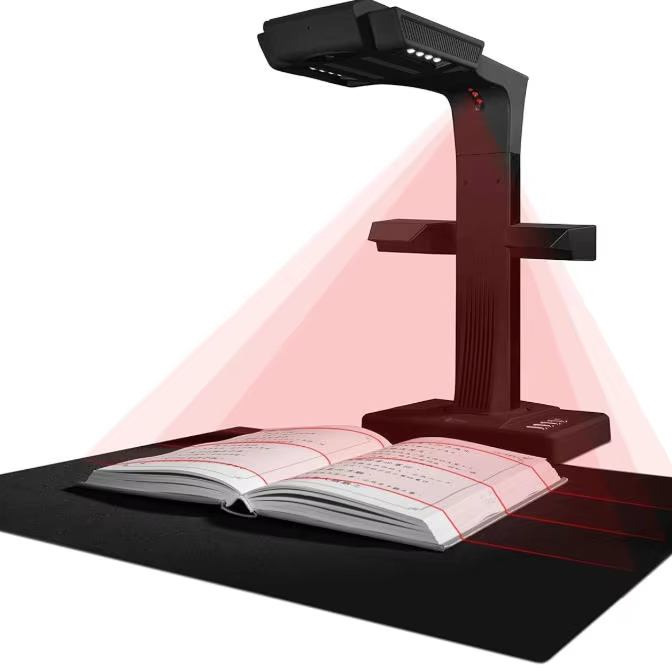
18MP A3 Book Scanner Overhead Document Camera with Auto Curve Flattening, OCR and HDMI
- 18MP A3 non-contact capture
- Curve flattening and OCR workflow
- HDMI visual presenter function
Best fit: libraries, offices and service desks that need fast book capture without cutting or pressing bindings flat.
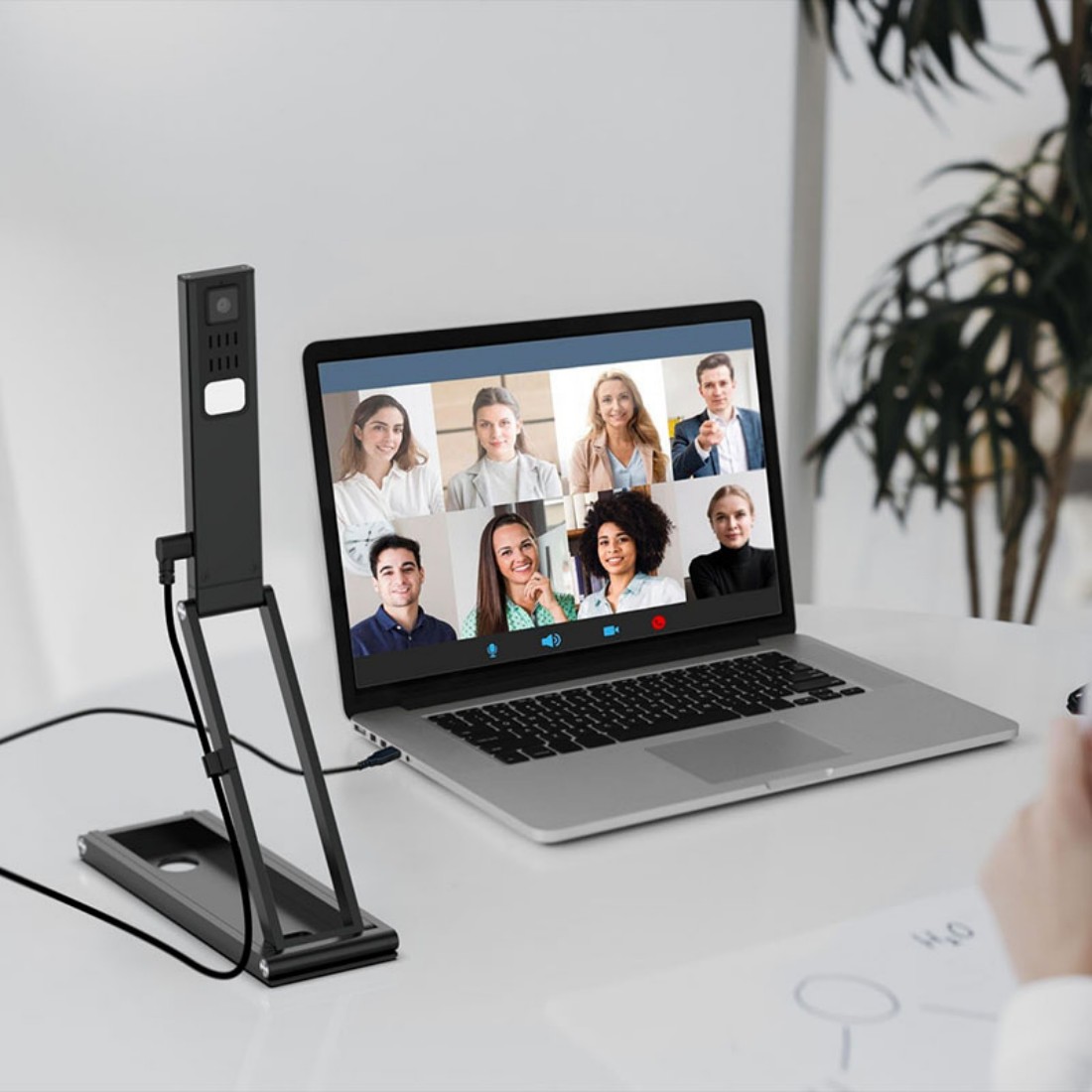
A3 4K Visual Presenter Document Camera with USB Interface and Webcam Function
- A3 4K visual presentation
- USB interface for training systems
- Webcam function for hybrid meetings
Best fit: schools, training rooms and meeting spaces that need a high-resolution document camera with familiar USB connectivity.
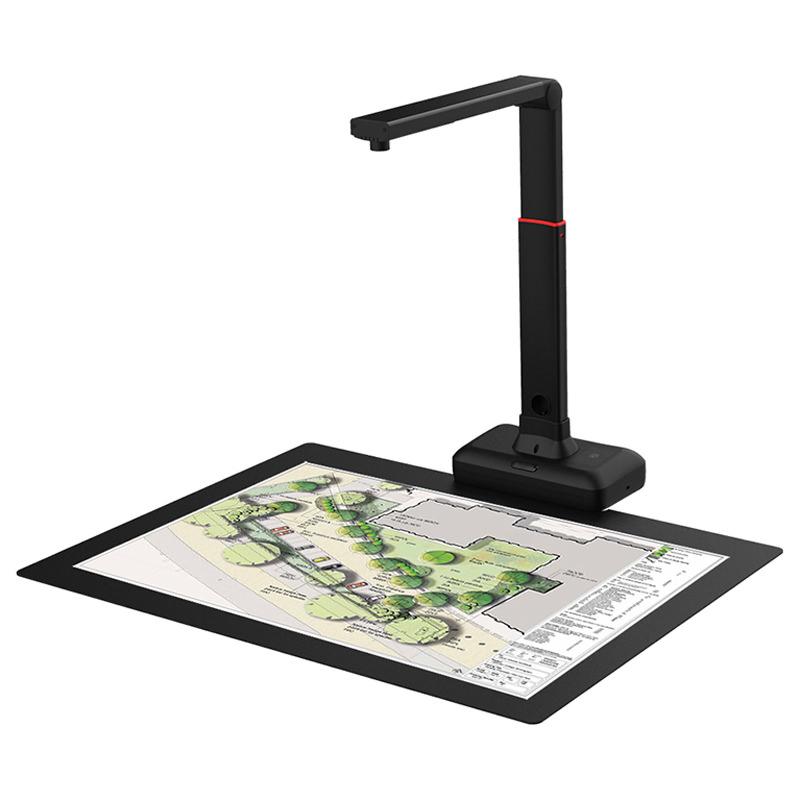
A2 Large Format Overhead Document Scanner 21MP USB Aluminum with Text-to-Speech
- A2 large-format overhead capture
- USB output and aluminum body
- Text-to-speech and 1-year warranty
Best fit: newspapers, maps, engineering drawings and large archives where an overhead scanner must handle oversized originals.
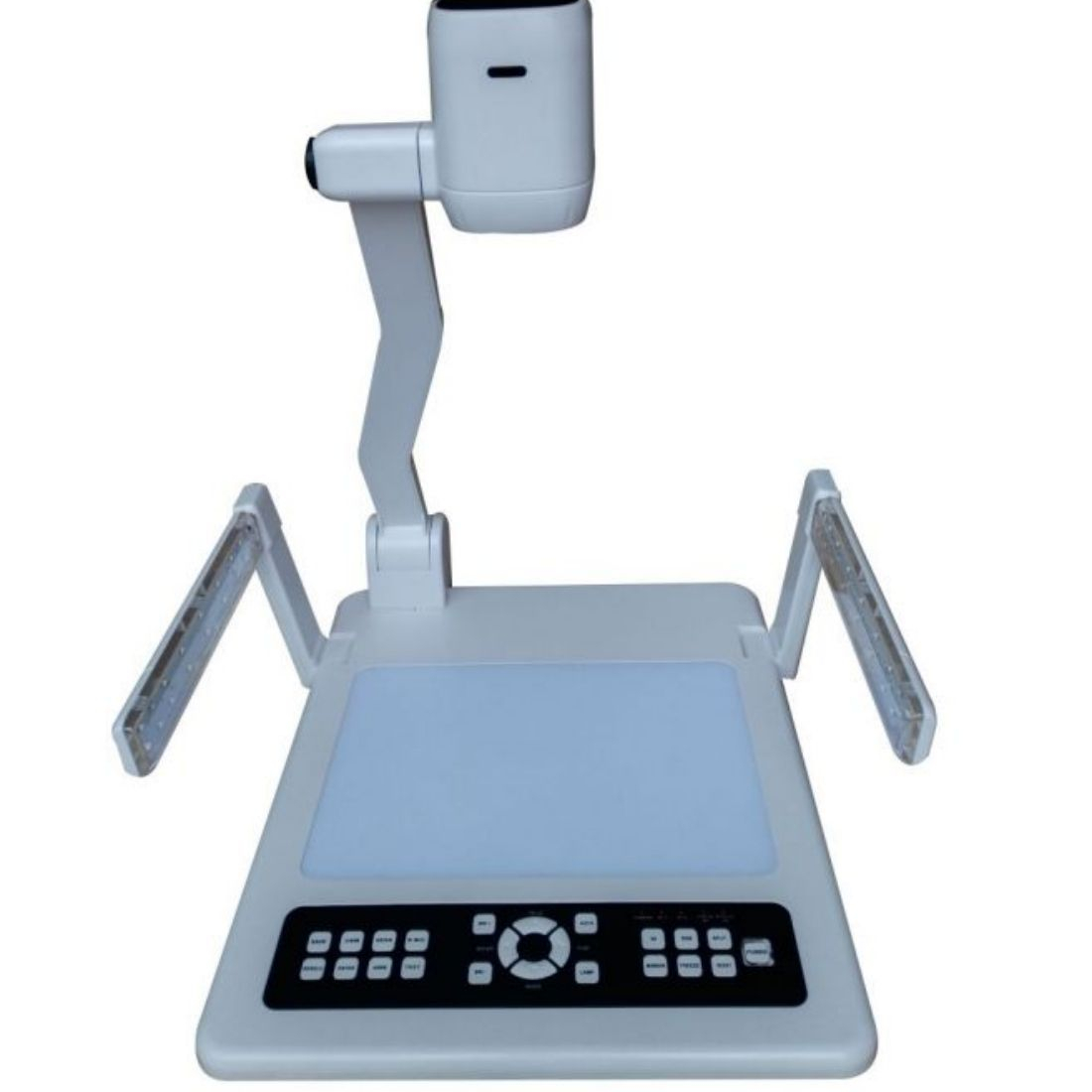
Factory 22X Optical Zoom Desktop Document Camera Visualizer with VGA, HDMI and Audio
- 22x optical zoom lens
- VGA, HDMI and audio interfaces
- High-resolution desktop visualizer
Best fit: lecture halls, training centers and presentation rooms that require smooth optical zoom and dependable live output.
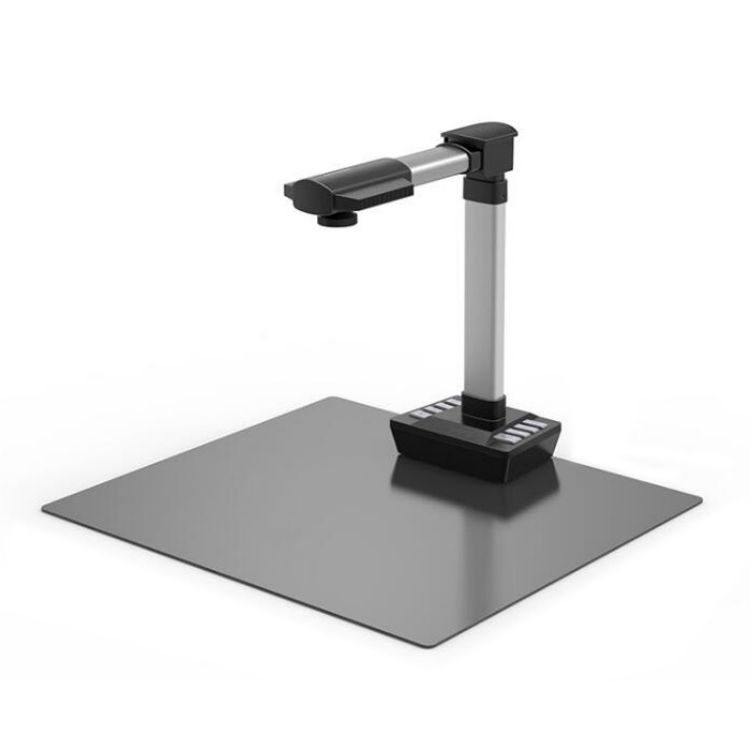
20MP OCR Aluminum Digital Visualizer Camera for Classroom, Office and Training
- A3 20MP OCR capture
- USB interface with SDK support
- Black aluminum body and 1-year warranty
Best fit: OEM software integrators, classroom suppliers and office automation projects that need SDK access and OCR-ready capture.
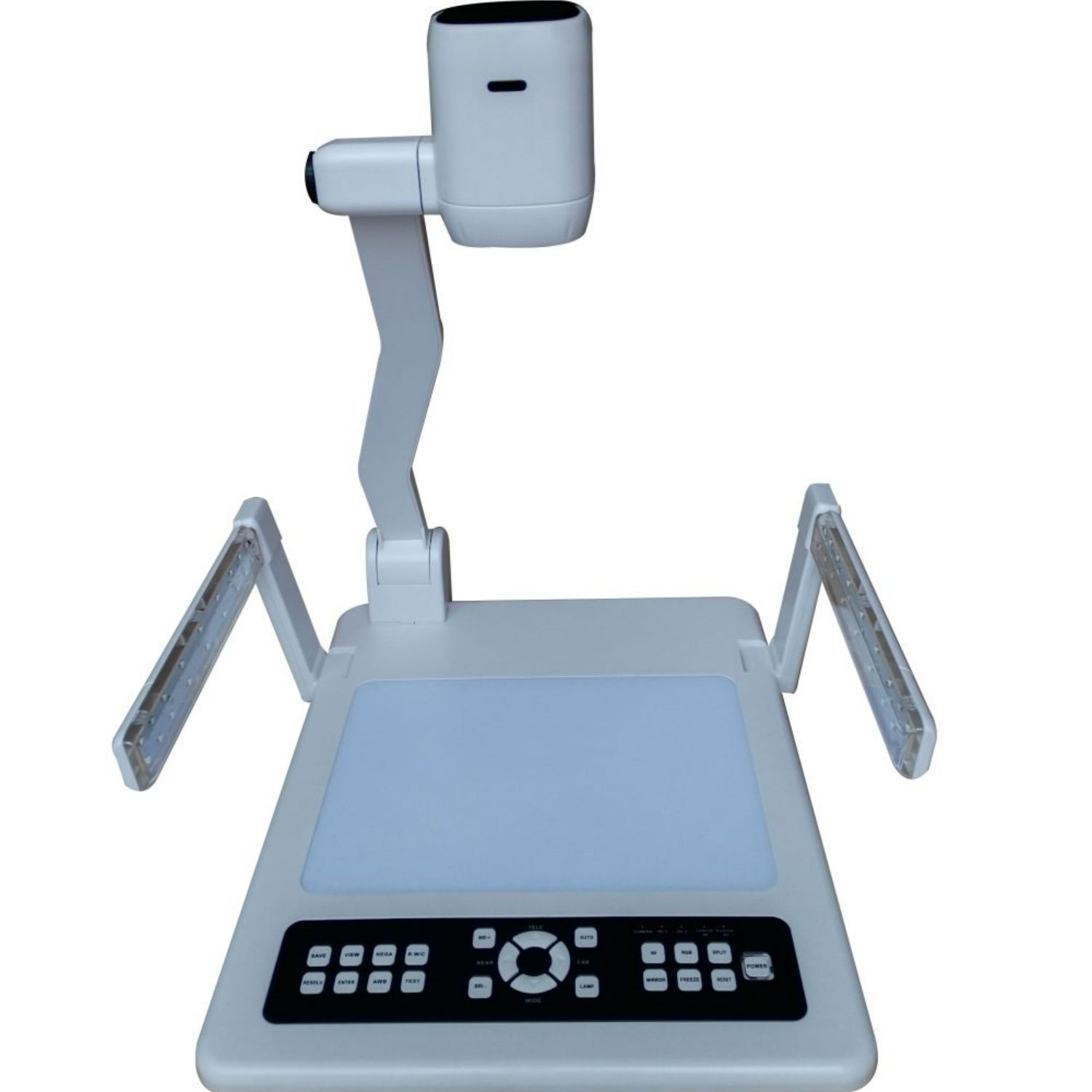
22x Optical Zoom + 10x Digital Zoom A4 Foldable Document Camera with VGA/USB
- 22x optical and 10x digital zoom
- VGA and USB interfaces
- 2MP CMOS sensor and foldable body
Best fit: mobile training kits, field classrooms and wholesalers seeking a compact, easy-to-deploy A4 visual presenter.
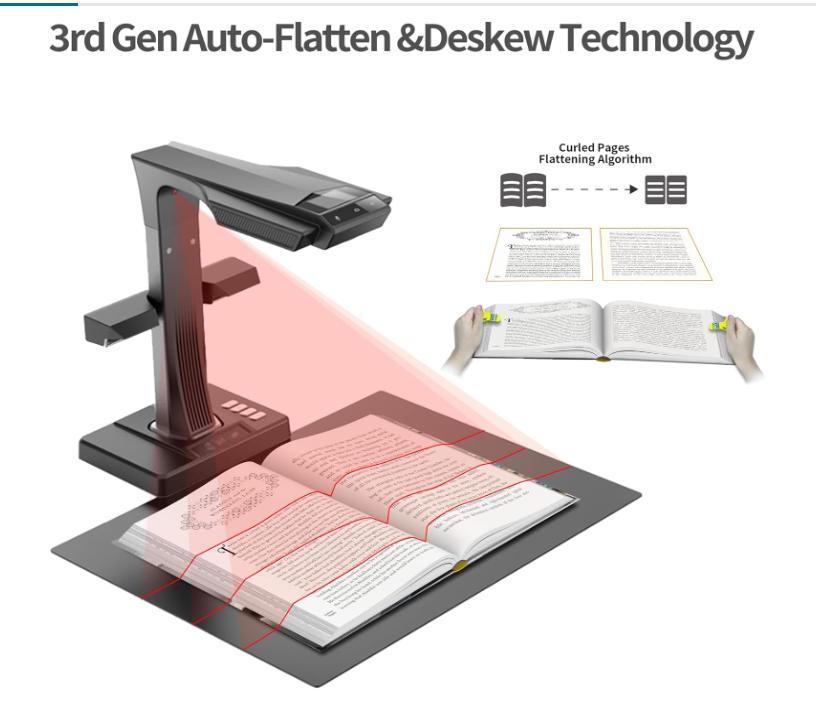
A3 24MP Book Scanner with Auto Flatten, Deskew, OCR and Searchable PDF
- 4000 × 6000 CMOS capture
- Auto curve flattening and deskew
- OCR to searchable PDF
Best fit: archive-grade A3 digitization where higher pixel density, searchable PDF output and bound-book protection matter.
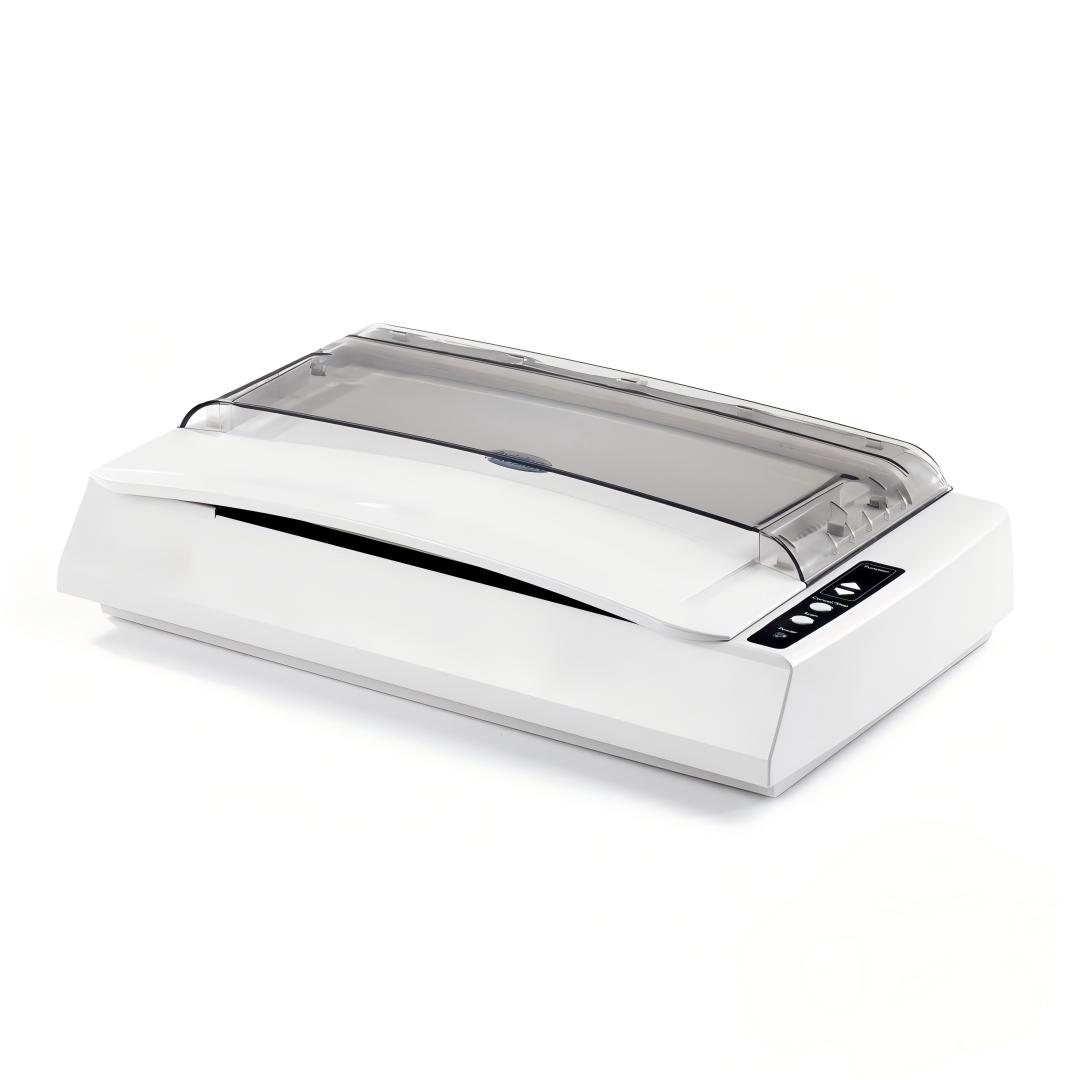
CCD Zero-Margin Bookedge Flatbed Scanner A4 600dpi with No Spine Shadow
- CCD linear sensor and 600dpi
- Zero-margin bookedge design
- USB bound-book scanning
Best fit: rare books, library archives and bound records where spine shadow and mechanical stress must be minimized.
What B2B Buyers Can Verify Before Shortlisting
Wholesale scanner sourcing is not a beauty contest. Response discipline, reorder behavior, optical capability and onsite verification are stronger decision signals than a long feature list.
Message response rate, useful when a distributor needs fast clarification on MOQ, compatibility or OEM scope.
Buyer reorder rate, a practical indicator of repeat wholesale demand and post-order satisfaction.
Highest A2 capture platform in the current range, recommended when tender documents require archival-level resolution.
Optical zoom available on selected visual presenters, preserving image clarity without relying on digital magnification.
Why Custom OEM High-Speed Paper Scanner Programs Are Being Re-Specified
The search phrase “custom OEM high speed paper scanner factory & wholesalers” usually comes from three buyer groups: distributors building a private-label scanner line, system integrators embedding capture hardware into document workflows, and procurement teams replacing aging A3/A2 scanners in libraries, schools and government archives. Their real intent is rarely “find the cheapest scanner.” It is to find a manufacturing and wholesale partner who can match sensor architecture to the document, control image quality at the point of capture, support OCR and SDK requirements, and protect the buyer’s brand after delivery.
That is why a modern scanner programme should be evaluated as an imaging system, not as a box with a megapixel figure. A 21MP A2 overhead scanner may be perfectly adequate for reading and OCR, while a 48MP A2 platform is the safer choice for archival masters. An 18MP A3 book scanner with curve flattening can protect a fragile binding, while a CCD bookedge flatbed may deliver better edge performance on tight book gutters. The technical choice changes the total cost of ownership, the tender response and the after-sales risk.
Guangzhou Quibow Electronic Co., Ltd. works across CIS, CMOS and CCD imaging platforms and supplies overhead book scanners, A2/A3 large-format document scanners, flatbed scanners, document cameras and visual presenters. For OEM buyers, the value is not only product variety. It is the ability to align sensor selection, resolution, software branding, packaging, SDK access and warranty support around one repeatable wholesale programme.
CIS, CMOS, CCD, OCR and the Resolution Trap
High-speed paper scanner buyers often compare megapixels without comparing page geometry. The right question is: what true optical sampling resolution reaches the document surface, and what software correction is applied afterward?
CIS Contact Image Sensor
Compact, power-efficient and well suited to sheet-fed office scanning. CIS platforms are strong for invoices, contracts and high-volume ADF batches where originals are flat and standardized.
- Best for ADF and batch document workflows
- Efficient for office paper scanning
- Requires flat originals for best results
CMOS Area Sensor
Captures the page in one overhead exposure, so bound books and oversized sheets do not need to be pressed flat. Software then performs curve flattening, deskew, finger removal and OCR preparation.
- Best for books, newspapers and maps
- Fast single-shot capture
- Pairs well with OCR and searchable PDF
CCD Linear Sensor
A moving optical carriage with stable color and greater depth of field. CCD bookedge designs are especially relevant when a bound page must be scanned close to the gutter without a dark spine shadow.
- Best for photos, art and bookedges
- Tolerant of slightly raised originals
- Strong choice for zero-margin scanning
| Document size | Pixels at 300 dpi | Recommended sensor class | Quibow matching platform |
|---|---|---|---|
| A4 210 × 297 mm | 2480 × 3508 ≈ 8.7 MP | 10MP or higher | 20MP A3 OCR visualizer; A4 foldable document camera |
| A3 297 × 420 mm | 3508 × 4961 ≈ 17.4 MP | 18MP–24MP | 18MP A3 overhead book scanner; 24MP auto-flatten book scanner |
| A2 420 × 594 mm | 4961 × 7016 ≈ 34.8 MP | 48MP for archival masters | A2 21MP overhead scanner for reading; dual 48MP / 48MP A2 platforms for 300dpi-class masters |
| Bound books | Depends on page trim size | CMOS overhead or CCD bookedge | A3 24MP auto-flatten scanner; CCD zero-margin bookedge flatbed |
What Is Changing in High-Speed Paper Scanner Wholesale
Price comparison still matters, but professional buyers are shifting toward evidence-based sourcing: sample scans, OCR accuracy, software integration, supply continuity and documented service support.
Tender Clauses Move from “dpi” to “True Page Resolution”
Public-sector and archive tenders increasingly ask vendors to prove resolution at the specified page size, not simply quote a sensor’s total megapixels. Buyers should request sample scans at the exact document dimensions.
Wholesaler implication: prepare model-specific scan samples before bidding.Sensor Diversity Supports Supply Resilience
Distributors are reducing dependence on a single imaging platform. A supplier who can support CIS, CMOS and CCD options gives buyers more room to balance cost, optical performance and availability.
Wholesaler implication: qualify more than one sensor route per product category.OEM/ODM Goes Beyond Logo Printing
Private-label buyers now ask for packaging, housing color, capture software branding and SDK integration. The supplier’s ability to coordinate these elements determines whether the programme is truly OEM or merely relabeled stock.
Wholesaler implication: define software and packaging scope before MOQ discussion.Total Cost of Ownership Beats Unit Price Alone
Failed OCR, poor curve correction and slow technical response can erase the savings of a low unit price. Buyers increasingly weigh warranty terms, remote support and sample validation against the initial quote.
Wholesaler implication: include support cost in the landed-cost comparison.Where Scanner and Visualizer Hardware Is Heading
The product roadmap is moving from “capture an image” to “deliver a usable digital asset.” That shift benefits buyers who choose hardware that can support software, SDK and workflow integration over time.
Non-Contact Capture for Bound Materials
Overhead CMOS scanning continues to replace cutting and heavy pressing. Libraries and archives need digitization that protects the physical object while still producing a clear, searchable file.
Auto-Flatten and Deskew Become Default
Curve flattening, page-edge detection, deskew and finger removal are moving from premium features to expected capabilities. They directly affect OCR quality and operator throughput.
4K Visual Presenters for Hybrid Teaching
Schools and training providers need document cameras that work in classrooms, video-conference rooms and online teaching. 4K capture and USB connectivity are becoming practical baseline requirements.
OCR to Searchable PDF and Metadata
Buyers increasingly care about what happens after capture: OCR language coverage, searchable PDF output, file naming and archive metadata. Scanner value is now tied to downstream retrieval.
SDK and API Integration for System Builders
System integrators need capture hardware that fits their software stack. SDK availability, USB behavior and driver stability matter as much as optics when a scanner becomes part of a larger workflow.
Modular OEM Customization
Private-label programmes are becoming more granular: housing color, logo, packaging, software name, OCR language set and selected SDK functions. Modular customization lowers the barrier to a branded product line.
Guangzhou Quibow Electronic Co., Ltd. at a Glance
Quibow develops and supplies image acquisition and conversion equipment, including high-speed document cameras, overhead book scanners, A2/A3 large-format scanners, flatbed scanners and ID card recognition high-speed cameras. The company covers the full cycle from product design and development to production coordination, export sales and after-sales support, and welcomes OEM/ODM projects across CIS, CMOS and CCD imaging platforms.
- Business type
- Trading company, onsite checked
- Location
- Guangzhou, Guangdong, China
- Year established
- 2020
- Main markets
- Eastern Europe, North & South America
- Annual revenue
- US$1M – US$2.5M
- Team
- 5–10 dedicated specialists
- Warranty
- 1-year on listed models
- Response discipline
- ≤1h average reply, 100% response rate
Fast Commercial Response
Average response time of ≤1 hour and a 100% message response rate help distributors keep quotations, sample requests and technical questions moving.
Onsite Checked Supplier
Onsite verification in Guangzhou supports buyer due diligence. Supplier assessment, credit overview, ratings and trade records are available for procurement review.
Low MOQ for Wholesale Testing
Most stock book scanners, A2 large-format scanners and flatbed scanners start from 1 piece or 1 set. Several document camera models start from 2 pieces, with OEM quantities confirmed per project.
OEM/ODM Customization Scope
Logo printing, packaging, housing color, capture software branding and SDK integration on selected models give resellers a practical route to a differentiated scanner line.
Windows and macOS Compatibility
Many scanner models support Windows and macOS, with selected models verified on Apple M1 Macs. Compatibility is confirmed for each model before shipment.
Flexible Payment and Delivery Terms
Payment methods include T/T, L/C, PayPal and Western Union in USD, EUR, HKD or CNY. Delivery terms include FOB, EXW and DDU.
Application Knowledge
Library archives, education, government counters, enterprise paperless offices and newspaper back-issue digitization each require different scanner choices. The product range is organized around those use cases.
Warranty and Remote Support
Listed models such as the A3 flatbed scanners, A2 overhead scanners and ADF scanners carry a 1-year warranty, backed by remote technical support for setup and troubleshooting.
From Requirement to Repeat Wholesale Order
A transparent workflow reduces rework for procurement teams, especially when a tender requires sample validation, software branding or compatibility confirmation.
Requirement Review
Confirm document sizes, daily volume, operating system, output format, OCR language needs and whether the product will be sold under a private label.
Model Matching
Match CIS, CMOS or CCD platforms to the real document geometry. For A2, verify whether 21MP is enough or a 48MP platform is required by the tender.
Sample Scan Validation
Review sample scans at the target page size. Check focus, lighting uniformity, curve flattening, OCR readability and file output before moving to a bulk decision.
Customization Planning
Define logo, packaging, housing color, software branding, OCR language sets and SDK requirements. OEM/ODM quantities are confirmed per project.
Inspection & Packing
Check focus, illumination, driver installation and capture speed. Export packing is prepared according to the agreed delivery term and product configuration.
Delivery & Support
Remote technical support helps with installation and troubleshooting. Warranty terms and after-sales responsibilities are agreed before the order is released.
Frequently Asked Questions for Scanner Buyers
These answers address the details wholesale buyers usually verify before requesting a quotation or sample scan.
What is the minimum order quantity for custom OEM scanners and document cameras?
Most stock book scanners, A2 large-format scanners and flatbed scanners start from 1 piece or 1 set. Several document camera models start from 2 pieces. OEM/ODM quantities are confirmed per project because logo, packaging, housing color and software branding can change the production plan.
Do you support OEM and ODM orders for private-label scanner brands?
Yes. OEM/ODM support includes logo printing, packaging, housing color, capture software branding and SDK integration on selected models. For a serious private-label programme, provide the target document size, annual volume, software environment and branding requirements so the correct platform can be matched.
Are the scanners compatible with Windows and macOS?
Many models, including the A2 large-format scanners and the 1200 DPI A3 flatbed scanner, support Windows and macOS, and some are verified on Apple M1 Macs. Compatibility should be confirmed for each specific model before shipment, especially when the scanner will be deployed inside a standardized IT environment.
Which resolution do I need to scan A3 or A2 documents at 300 dpi?
An A3 page at 300 dpi needs about 3508 × 4961 pixels, or roughly 17.4MP, so an 18MP or 24MP scanner is suitable. An A2 sheet at 300 dpi needs about 4961 × 7016 pixels, or roughly 34.8MP, so a 48MP A2 scanner is recommended when archival masters must meet a 300dpi specification at full page size.
Why choose an overhead book scanner instead of a flatbed for bound books?
An overhead CMOS scanner captures the page without requiring the book to be pressed flat against glass. This reduces stress on the binding and allows software-based curve flattening, deskew and OCR. A CCD bookedge flatbed is still a strong option for zero-margin scanning and tight gutters, but the right choice depends on book condition, page size, daily volume and desired image output.
What payment and delivery terms are accepted?
T/T, L/C, PayPal and Western Union are accepted in USD, EUR, HKD or CNY. Delivery terms include FOB, EXW and DDU. The final term should be confirmed in the quotation together with product configuration, packaging and destination requirements.
What warranty and after-sales support are available?
Listed models such as the A3 flatbed scanners, A2 overhead scanners and the S2060W ADF scanner come with a 1-year warranty, backed by remote technical support. Buyers should confirm the warranty terms for the exact model, configuration and destination before ordering.
Can you provide SDK access and OCR functions for system integration?
SDK integration is available on selected models, and OCR is a core function on many book scanners, document cameras and visualizers. Typical output requirements include OCR to editable text and searchable PDF. The exact SDK scope, supported operating systems and software branding options should be confirmed during the requirement review.
How should we validate image quality before placing a wholesale order?
Request sample scans using your own documents at the real page size and target resolution. Check text edge sharpness, lighting uniformity, curve flattening, spine shadow, OCR accuracy, color consistency and file export. For A2 newspapers or maps, test the largest page you expect to scan, not a cropped sample. This is the most reliable way to connect a factory quotation to actual document outcomes.
Start Your Custom OEM High-Speed Paper Scanner Project
Share your document sizes, target resolution, daily volume, OCR or SDK requirements and private-label scope. The team can recommend a CIS, CMOS or CCD platform, confirm MOQ and arrange sample scans for technical validation.
Inquire Now Email: info@quibowtech.com · Guangzhou Quibow Electronic Co., Ltd.