A Practical Guide to Sourcing Custom Document Imaging Equipment
Buyers searching for custom OEM document imaging equipment manufacturers and factory partners are usually not looking for one generic scanner. They are building a repeatable capture program: a set of hardware, firmware, software and service requirements that must work across archives, classrooms, service counters, industrial inspection teams or public-sector digitization projects. That is why a product catalogue alone is not enough. Procurement teams need to understand sensor architecture, pixel density at specific paper sizes, OCR output quality, operating-system support, warranty terms, minimum order quantities and the level of customization the factory can truly deliver.
Guangzhou Quibow Electronic Co., Ltd. develops and supplies photoelectric image acquisition and conversion equipment across CIS, CMOS and CCD imaging platforms. The portfolio covers overhead book scanners, A3/A4 document cameras, wall-mounted visualizers, portable book scanners with foot pedals, professional visual presenters and other document imaging modules. For OEM and ODM buyers, the most useful approach is to match the capture format and resolution to the actual document workflow, then decide which layers need customization: logo, housing color, packaging, capture software branding, SDK access, OCR language packs, accessories or bundled workflow software. This whitepaper-style guide is structured to support that decision.
Eight Document Imaging Products Built for Custom Programs
Each platform below is linked to its product page so technical buyers can verify specifications, request samples and compare capture formats before starting an OEM/ODM discussion.
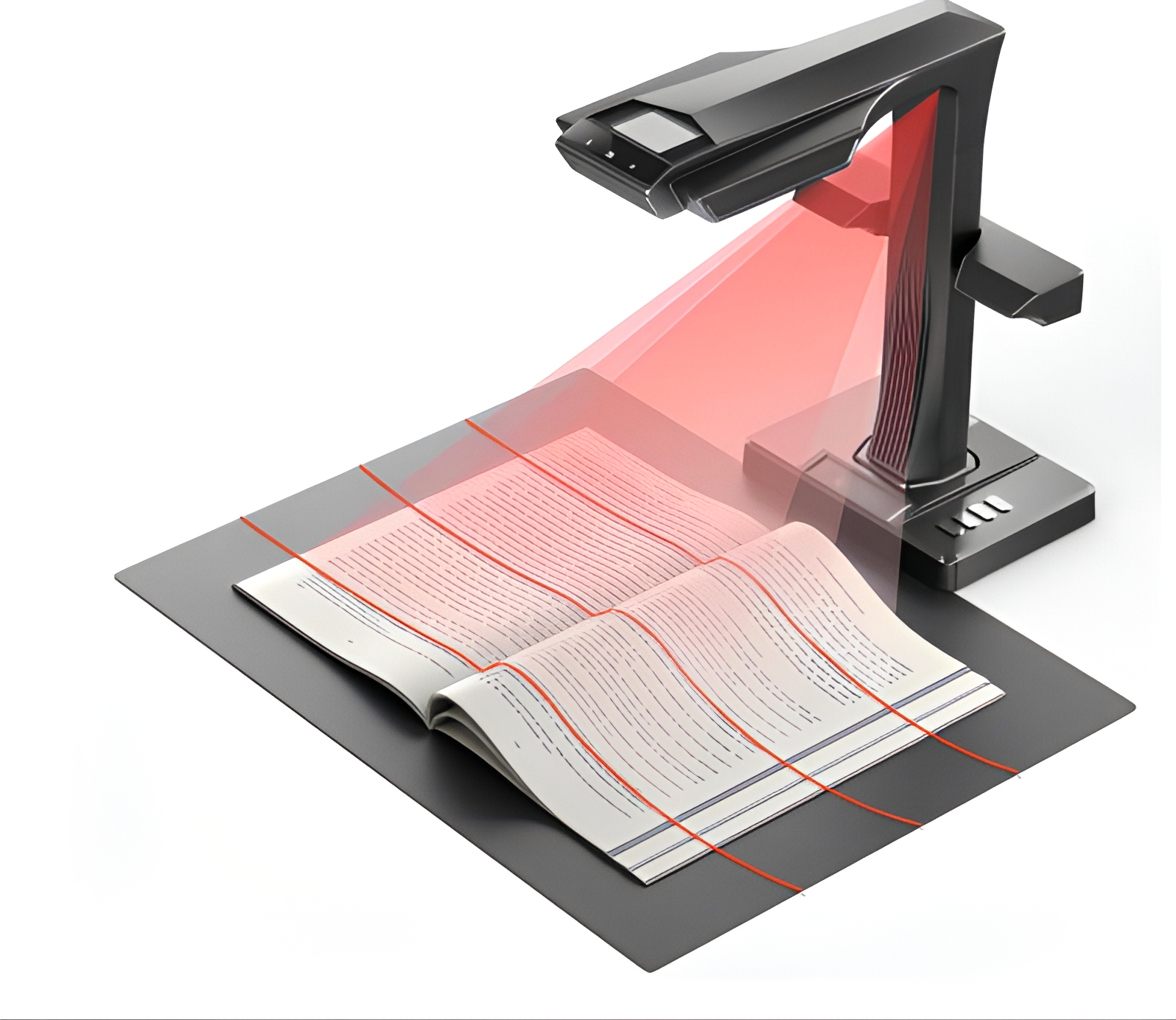
Book Scanner 38MP A3 Document Camera Auto Curve Flattening High Speed Overhead Scanner for Library Office
- Auto curve flattening for bound books and fragile pages
- High-speed overhead capture for libraries and offices
- Customizable housing, packaging and software branding
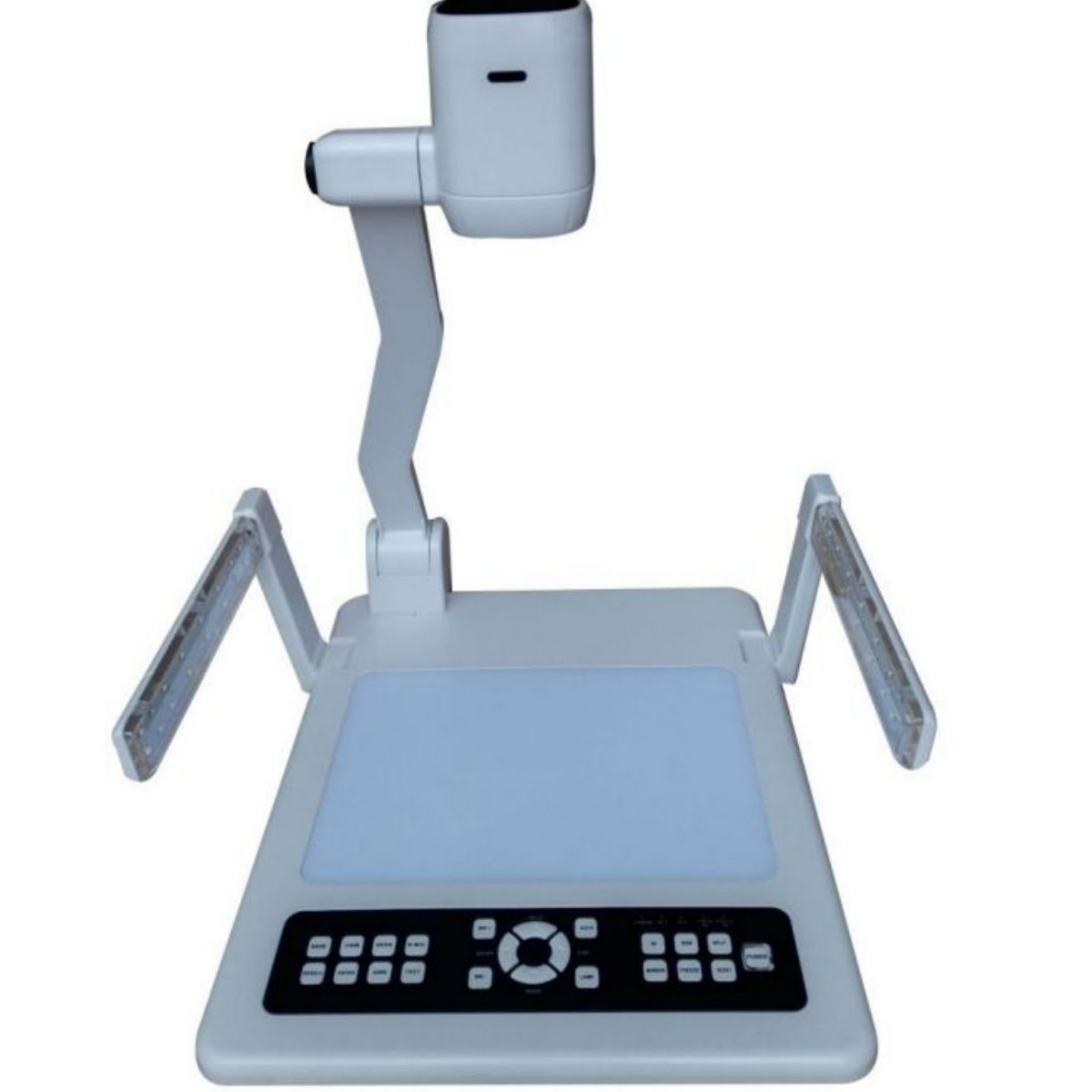
Multi-functional Document Camera Professional in Visual Presenter Also Visualizer in Educational Equipment
- Live visual presentation for classrooms and training rooms
- Document camera and visualizer functions in one platform
- Suitable for education-equipment OEM programs
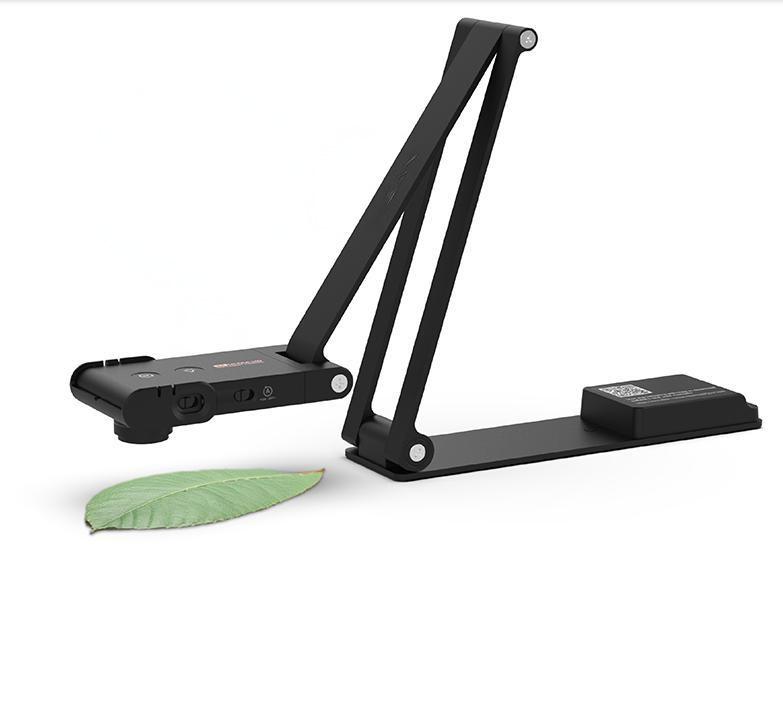
4K 2-in-1 USB 13MP Document Camera Visualizer AI Noise Cancellation 20X Macro Lens Foldable Design Microphone A3 Max 1-Year
- 4K and 13MP capture for detailed document presentation
- AI noise cancellation and integrated microphone for remote sessions
- Foldable design with 20X macro lens and A3 working area
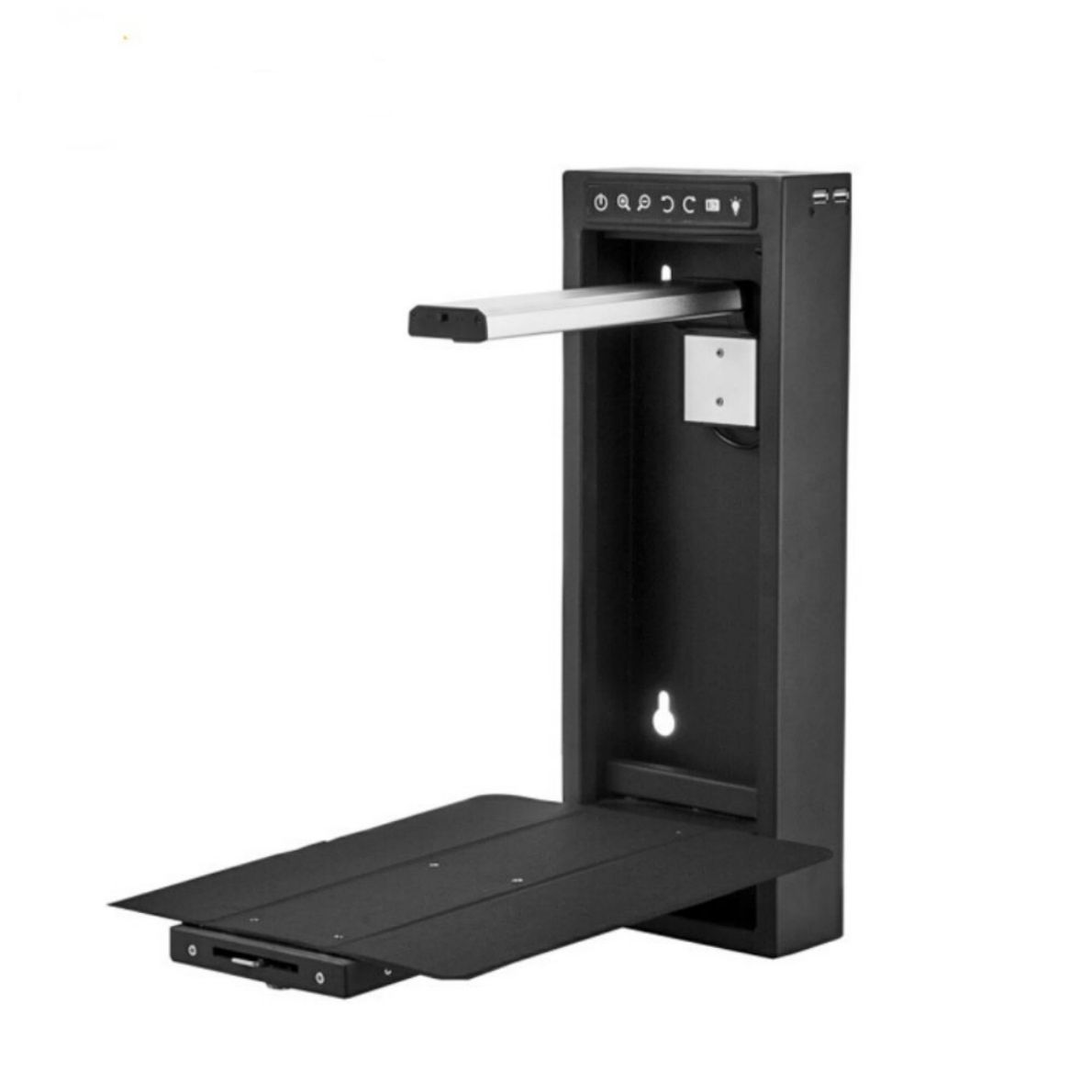
Document Camera A4 Visualizer Wall Version USB CMOS Sensor 10MP 1-Second Scan Document Scanner Stock for Classroom Smart
- Wall-mounted A4 capture for classrooms and smart-learning spaces
- 10MP CMOS sensor with one-second scan capability
- Space-saving format for fixed installation projects
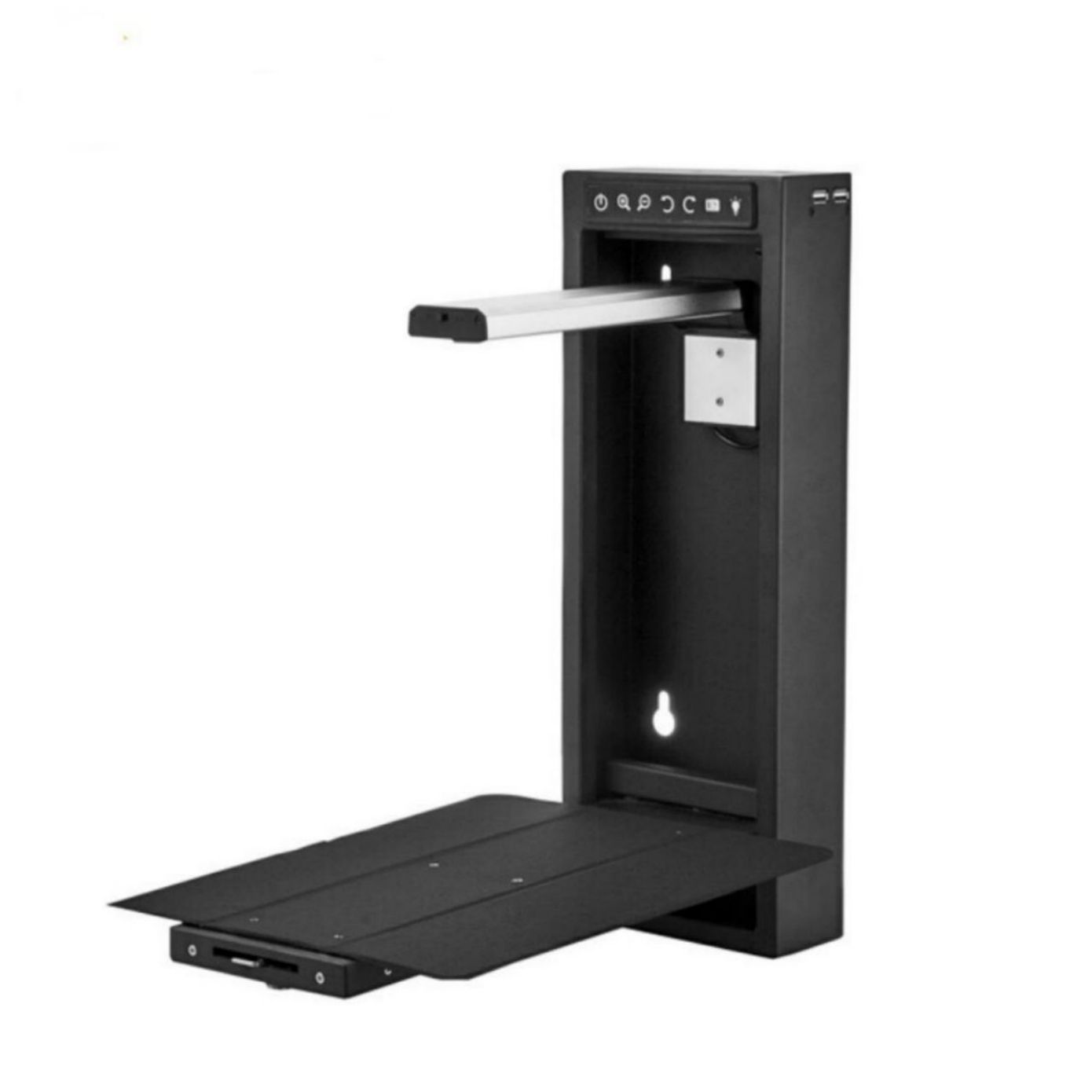
10MP USB CMOS Document Camera Wall Mount Scanner with 1-Second Scan Speed 1-Year Warranty in Stock Classroom Education A4 SDK
- 10MP USB CMOS imaging with fast one-second scanning
- A4 capture area and SDK support for custom integrations
- 1-year warranty and classroom-ready stock availability
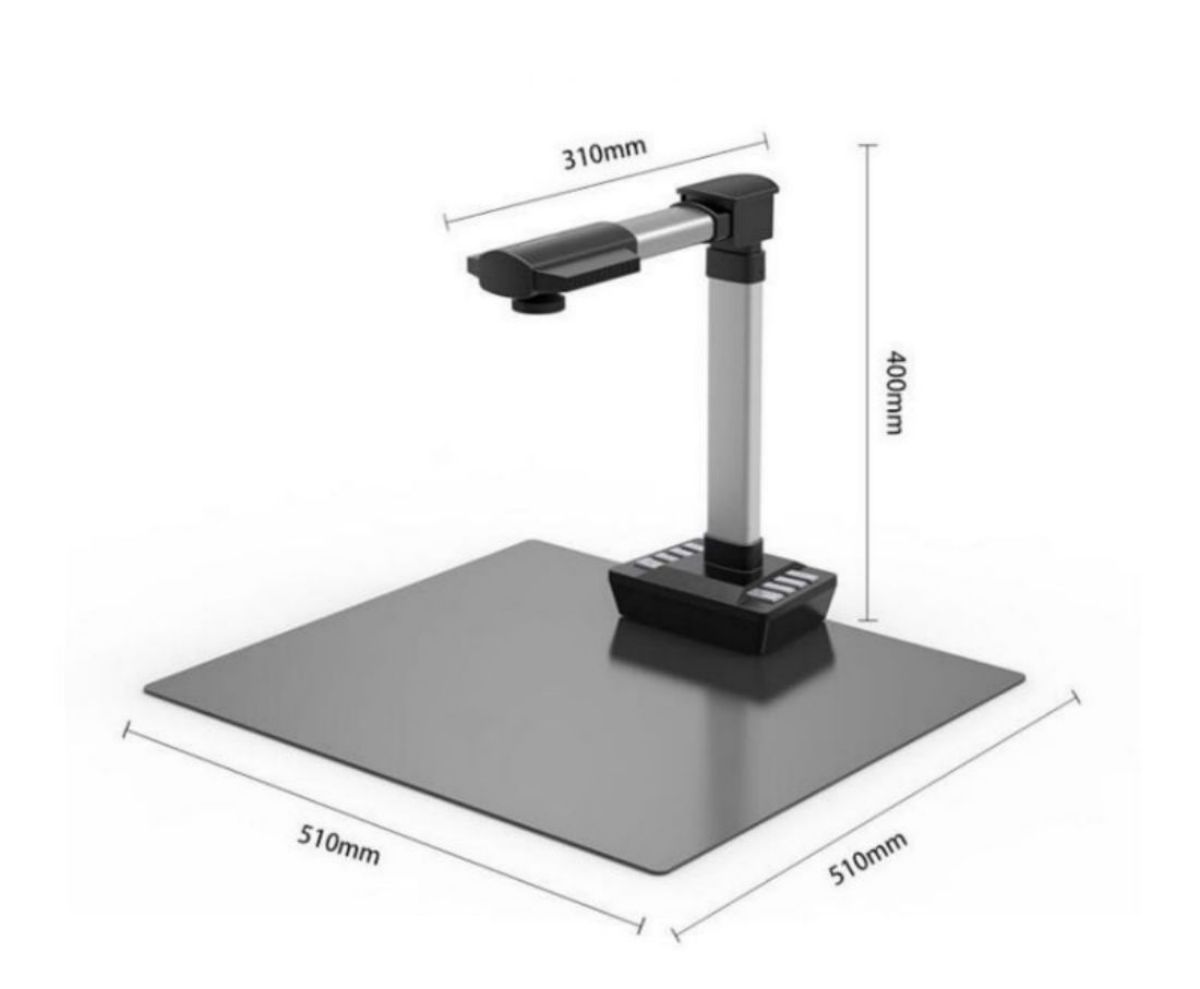
Portable 20MP High-Speed Wireless A3 Document Scanner Professional Book Scanner Foot Pedal USB Interface 24-Bit Color Stock
- Portable A3 book scanning with wireless flexibility
- Foot pedal support for efficient hands-free page capture
- USB interface and 24-bit color output for professional workflows
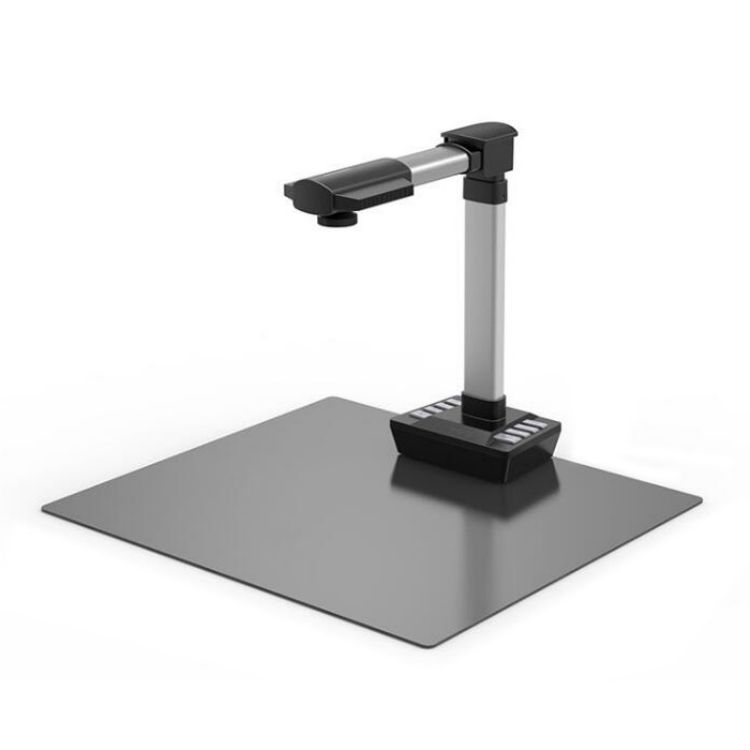
High Resolution Portable A3 Library Book Scanner with Foot Controller USB Interface Automatic Document Scanner Stock Product
- High-resolution A3 capture for library and archive projects
- Foot controller and USB interface for productive digitization
- Portable format for temporary reading rooms and field projects
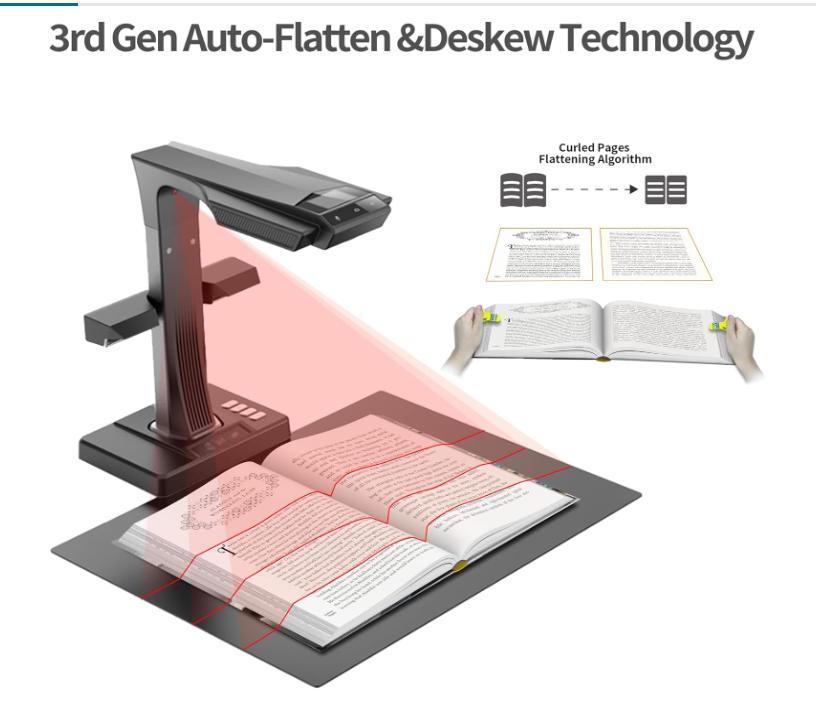
A3 24MP Book Scanner Auto Flatten Deskew CMOS Document Digitizer 4000x6000 USB Visualizer OCR Searchable PDF
- 4000 × 6000 pixel CMOS capture for A3 documents
- Auto flatten, deskew and OCR to searchable PDF workflows
- USB visualizer platform for archive and records digitization

From Requirement Review to Export Packing: A Transparent OEM Workflow
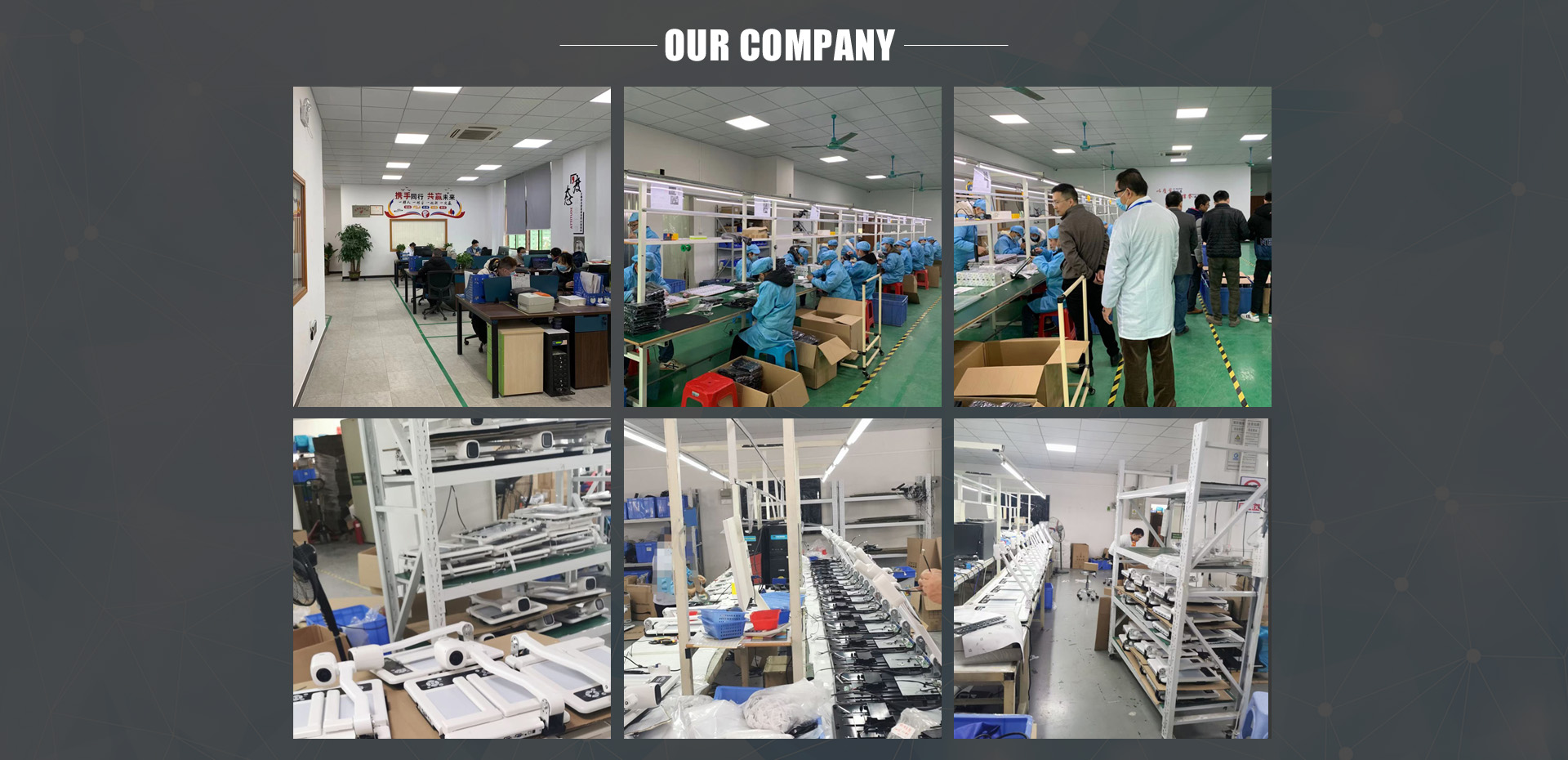
Quibow is a technology-driven supplier focused on image data acquisition and conversion. The team supports product design, development coordination, production follow-up, export sales and after-sales communication across CIS, CMOS and CCD imaging platforms. For buyers, that means the OEM conversation can start with the actual document problem — not simply a stock item number.
A typical project begins with document size, daily volume, target resolution, operating system, output format and deployment environment. The supplier then recommends a suitable capture platform, confirms customization scope and provides sample scans where needed. This is especially important for library book scanners, newspaper archive scanners, classroom visualizers and counter-top document cameras, where page curvature, lighting uniformity, OCR quality and operator ergonomics can affect the total cost of ownership.
- OEM/ODM support for logo, packaging, housing color, software branding and SDK integration on selected models.
- Most stock scanners start from 1 piece or 1 set; several document camera models start from 2 pieces, with project-specific OEM quantities confirmed case by case.
- Payment methods include T/T, L/C, PayPal and Western Union in USD, EUR, HKD or CNY, with FOB, EXW and DDU delivery terms.
- Many models support Windows and macOS, and selected products are verified on Apple M1 Macs; compatibility is confirmed before shipment.
Which Custom Document Imaging Equipment Fits Your Program?
Use the application context first, then confirm the resolution, capture format and software requirements. This avoids over-specifying a sensor that increases cost without improving the final document output.
Libraries, Archives and Newspaper Digitization
Prioritize non-contact overhead capture to protect bindings and fragile paper. For A3 books, an 18MP–24MP CMOS scanner is usually practical; for A2 newspapers, maps and broadsheets, a 48MP platform is more appropriate when archival masters must reach approximately 300 dpi. Auto flattening, deskew, finger removal and OCR to searchable PDF are high-value workflow features. Foot pedals help operators maintain rhythm during long scanning sessions.
Schools, Training Centers and Live Presentations
Visual presenters and document cameras should be selected for live image clarity, zoom flexibility, output connectivity and ease of use. HDMI or VGA output, remote control, LED lighting, auto-focus and A3/A4 working areas matter more than pure megapixel counts. For hybrid teaching, integrated microphones, AI noise cancellation and USB plug-and-play support reduce setup friction. OEM buyers often request custom boot screens, packaging and accessory bundles.
Enterprise Offices, Banking and Service Counters
Wall-mounted document cameras keep counter space clear, while dual-purpose document and ID capture platforms support KYC checks, application forms and customer onboarding. SDK access is valuable for integrators who need to embed capture, OCR or image enhancement into their own software. Confirm operating-system compatibility, driver stability and warranty terms. When volumes are high, specify fast scan cycles, uniform lighting and a support process for remote troubleshooting.
Future Procurement Trends in Document Imaging Equipment
Public tenders and private-label programs are moving away from simple hardware comparisons. Buyers increasingly evaluate the complete capture workflow, the supplier's ability to document performance and the long-term availability of software and spare parts.
Evidence-Based Buying and Sample Validation
Procurement teams are asking for sample scans at defined page sizes and resolutions instead of relying only on headline megapixels. A scanner that produces a clean 300 dpi A3 master file with accurate OCR is more valuable than a higher-resolution device that requires heavy post-processing. Buyers should request sample output for books, newspapers, handwriting, stamps and color graphics.
Total Cost of Ownership and Local Integration
Cost is no longer limited to the unit price. Driver stability, training time, OCR accuracy, maintenance response, warranty handling and the availability of SDK documentation all influence the total cost of ownership. For multi-site rollouts, buyers are also checking whether the factory can supply consistent batches, accessories and replacement parts over multiple shipment cycles.
Preferred-OEM Pilots Before Volume Orders
Distributors and system integrators often begin with a small pilot order rather than a large tender commitment. This reduces risk when testing branding, packaging, software compatibility and user acceptance. A flexible manufacturer that supports low initial quantities and then scales to recurring OEM supply can be more useful than a factory that only accepts large container-level orders.
Other procurement considerations now include cybersecurity reviews for USB and network-connected devices, sustainability expectations for packaging, supply-chain resilience across sensor families, and the need for English-language technical documentation. Buyers responsible for public-sector frameworks should also verify independent supplier records before shortlisting. The overall shift is toward solution-level due diligence: the factory must demonstrate not only that it can build a scanner, but also that it can support the intended capture outcome.
Product Development Trends Shaping the Next Generation
The next wave of custom document imaging equipment will be defined by better on-device processing, more natural operator workflows and deeper integration with software platforms.
Embedded Image Enhancement
Auto deskew, curve flattening, shadow removal, finger masking and background cleanup are becoming baseline expectations. Buyers will compare how much correction happens in hardware or firmware versus post-processing software.
On-Device OCR and Searchable Output
Education, legal and archive users want immediate searchable PDFs, multi-language OCR and structured metadata. This increases demand for stable USB bandwidth, efficient image pipelines and software licensing clarity.
SDK-First Integrations
System integrators increasingly choose imaging hardware by its SDK quality, not only its optics. Clear documentation, sample code, operating-system compatibility and responsive technical support reduce project risk.
USB-C, Wireless and Hybrid Workflows
Portable scanners and visual presenters are moving toward more flexible connectivity. At the same time, buyers still value reliable USB plug-and-play performance for fixed installations, classrooms and service counters.
Why Guangzhou Quibow Is a Practical OEM Partner
Quibow combines a focused document imaging product range with export experience, small initial order flexibility and a customization process designed for B2B buyers.
Logo and Packaging Customization
Support for logo printing, packaging design, housing color and selected branding details for private-label programs.
Software and SDK Collaboration
Capture software branding and SDK integration can be discussed for selected models, helping integrators embed acquisition into their own systems.
CIS, CMOS and CCD Experience
The product range spans multiple imaging platforms, allowing buyers to match sensor architecture to document type, lighting conditions and cost targets.
Low Initial Order Quantities
Most stock scanners start from 1 piece or 1 set, while several document camera models start from 2 pieces. OEM quantities are confirmed per project.
Windows and macOS Compatibility
Many models support Windows and macOS, and selected products are verified on Apple M1 Macs. Compatibility is checked before shipment.
Inspection Before Export
Units can be checked for focus, lighting uniformity, driver installation and capture speed before export packing and shipping coordination.
Warranty and Remote Support
Listed models such as A3 flatbed scanners, A2 overhead scanners and the S2060W ADF scanner carry a 1-year warranty with remote technical support.
Export Markets and Trade Terms
Main markets include Eastern Europe, North America and South America. Payment options include T/T, L/C, PayPal and Western Union; delivery terms include FOB, EXW and DDU.
Custom OEM Document Imaging Equipment FAQ
These are the questions most often raised by distributors, system integrators, schools, libraries and archive programs during the first technical discussion.
What is the minimum order quantity for Quibow scanners and document cameras?
Most stock book scanners, A2 large-format scanners and flatbed scanners start from 1 piece or 1 set. Several document camera models start from 2 pieces. OEM/ODM quantities are confirmed per project, so buyers planning custom branding, packaging or SDK work should share their forecast and launch schedule early.
Do you support OEM and ODM orders?
Yes. OEM/ODM projects can include logo printing, packaging, housing color, capture software branding and SDK integration on selected models. The practical scope depends on the product platform, order quantity and software requirements. Buyers should provide brand assets, target packaging specifications and any integration documents for review.
Are the scanners compatible with Windows and macOS?
Many models, including the A2 large-format scanners and the 1200 DPI A3 flatbed scanner, support Windows and macOS, and some are verified on Apple M1 Macs. Compatibility should be confirmed for each model before shipment because software, drivers and SDK requirements vary by product family.
Which resolution do I need to scan A3 or A2 documents at 300 dpi?
An A3 page at 300 dpi requires approximately 3508 × 4961 pixels, or about 17.4 MP, so an 18MP or 24MP scanner is suitable. An A2 sheet at 300 dpi requires approximately 4961 × 7016 pixels, or about 34.8 MP, so a 48MP A2 scanner is recommended for archival masters. If the requirement is OCR or on-screen reading only, a lower resolution may be sufficient.
What payment and delivery terms do you accept?
Payment methods include T/T, L/C, PayPal and Western Union in USD, EUR, HKD or CNY. Delivery terms include FOB, EXW and DDU. Final terms are confirmed in the quotation based on the product model, destination, order volume and customization scope.
What warranty do your products carry?
Listed models such as the A3 flatbed scanners, A2 overhead scanners and the S2060W ADF scanner come with a 1-year warranty, backed by remote technical support. For OEM projects, warranty terms and spare-parts arrangements should be documented in the supply agreement.
Can I request sample scans before placing an order?
Sample scans are a sensible part of technical evaluation. Buyers should provide representative documents, target output formats and resolution requirements. The sample review should check legibility, color accuracy, OCR quality, page curvature handling, lighting uniformity and post-processing effort. This helps confirm whether the proposed model matches the real workflow rather than only the specification sheet.
How should I choose between an overhead book scanner and a document camera?
Choose an overhead book scanner when the priority is high-resolution page capture, OCR, archive output and careful handling of bound materials. Choose a document camera or visual presenter when the priority is live presentation, zoom, classroom interaction or counter-top document display. Some buyers use both: a book scanner for back-office digitization and a document camera for front-office service or teaching.
Can the equipment be integrated into our own software platform?
SDK integration is available on selected models. Integrators should provide their operating system, programming environment, image-output requirements and workflow logic at the beginning of the discussion. The supplier can then confirm whether the required SDK functions are available and whether additional customization is needed.
What information should be included in an OEM inquiry?
Include document size, typical daily volume, required resolution, output format, operating system, deployment country, estimated first order quantity, branding requirements and any software integration needs. Also mention whether the product will be used for archives, education, banking, government service counters or industrial documentation. The more specific the inquiry, the faster the supplier can recommend a suitable platform and confirm customization feasibility.
Request a Sample Scan, OEM Discussion or Factory Quote
Share your document sizes, target resolution, daily volume, software environment and branding requirements. Our team will help match the right book scanner, document camera or visual presenter platform and confirm the practical OEM/ODM scope before quotation.
Typical response time: ≤1 hour. Product compatibility, MOQ, packaging and SDK requirements are confirmed project by project.