What “China Wholesale Portable Document Scanner Factories & Suppliers” Really Means
Buyers using this search phrase are rarely looking for a single commodity product. They are comparing supply models, technical fit and the risk of a first order.
The phrase China wholesale portable document scanner factories & suppliers sits across several commercial intents. One buyer may need an A3 overhead scanner for bound books. Another may need a 4K visual presenter for a classroom tender. A distributor may want a low-MOQ document camera with OEM packaging, while a system integrator may care most about USB interface stability, SDK access and Windows or macOS validation.
That is why the strongest suppliers do not answer with a single price list. They clarify document size, daily capture volume, target resolution, OCR language, operating system, installation environment and after-sales capability. For B2B sourcing, the real product is repeatable image quality plus predictable support, not just the sensor printed on a specification sheet.
This guide is written from the practical perspective of Guangzhou Quibow Electronic Co., Ltd., an onsite-checked supplier focused on image acquisition and conversion equipment. It combines catalogue facts, product-specific constraints and procurement questions that normally appear only after a sample unit is tested.
Search-intent map for this category
Use these intent clusters to separate a product enquiry from a supplier enquiry.
- Archive teams: A3/A2 overhead book scanners, auto-flatten, foot pedal, OCR to searchable PDF.
- Education buyers: 4K visual presenters, optical zoom, microphone, HDMI/VGA or USB output.
- Distributors: stock models, OEM logo, packaging, mixed quantities and export documentation.
- Integrators: SDK access, driver stability, cross-platform testing and remote technical support.
Factory, Trader, or Hybrid Engineering Supplier?
The label matters less than the capability behind it. A careful buyer checks who controls sample quality, software support, warranty response and customisation.
Factory-only supplier
Best when the hardware specification is fixed and volume is high. Tooling, housing and PCB changes may be efficient, but small buyers can face higher MOQs, limited software branding and slower iteration on OCR, SDK or packaging requests.
Export trading supplier
Useful for consolidated sourcing across scanners, cameras and accessories. The trade-off is that technical depth varies widely. Ask for raw sample scans, software version details, warranty workflow and whether the supplier can coordinate engineering fixes rather than only forward messages.
Hybrid engineering supplier
This model combines product selection, supply-chain coordination, OEM/ODM support and after-sales follow-up. Quibow operates in this space as an onsite-checked Guangzhou supplier with work across CIS, CMOS and CCD imaging platforms, including document cameras, book scanners and flatbed scanners.
8 Portable Document Scanner & Document Camera Models for Wholesale Evaluation
Use this shortlist as an RFQ worksheet. Start with document size and capture distance, then compare sensor type, interface, software support, warranty and minimum order quantity.
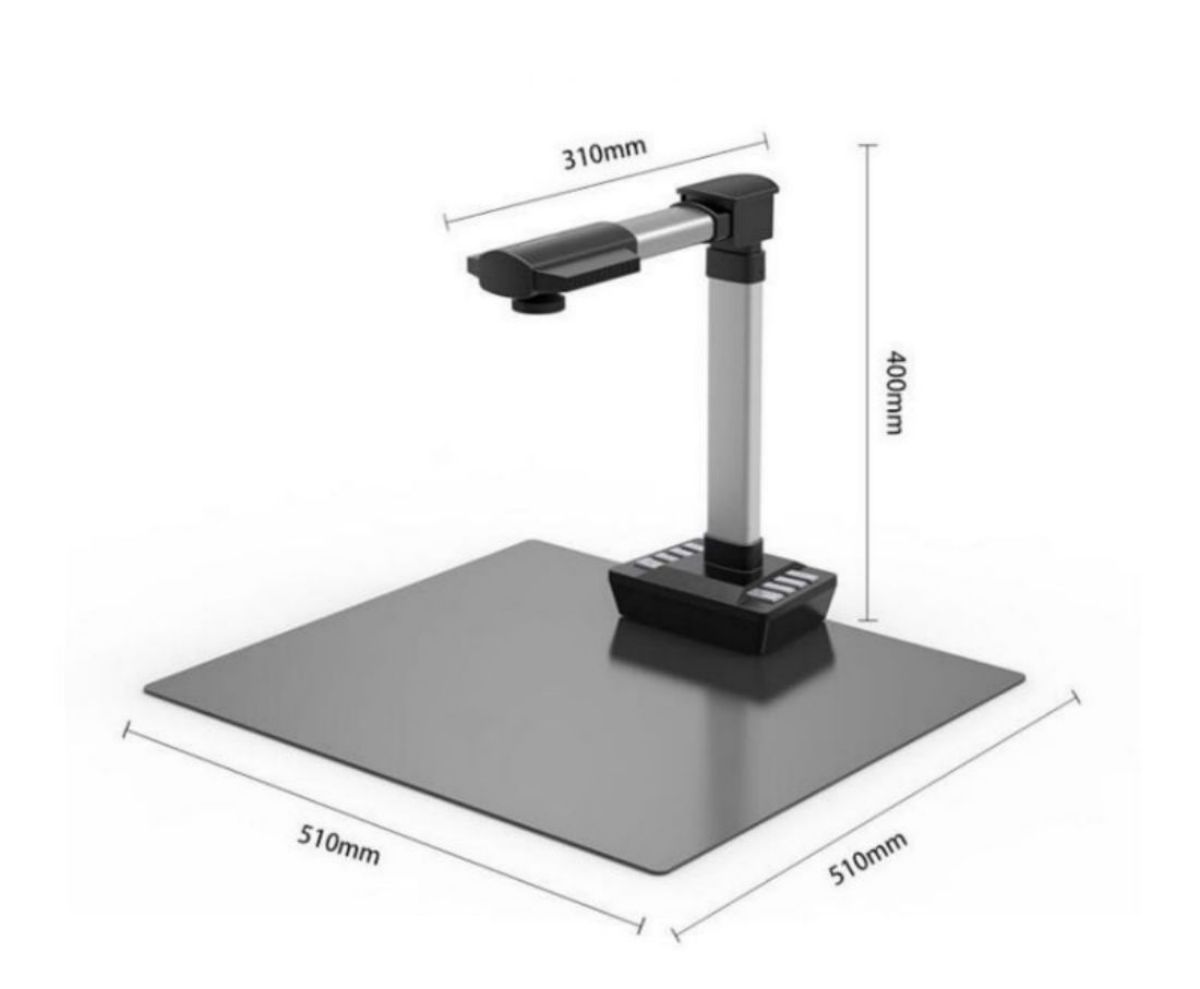
Portable 20MP High-Speed Wireless A3 Document Scanner Professional Book Scanner Foot Pedal USB Interface 24-Bit Color Stock
- Wireless A3 overhead capture
- Foot pedal for bound-book workflow
- USB interface, 24-bit colour
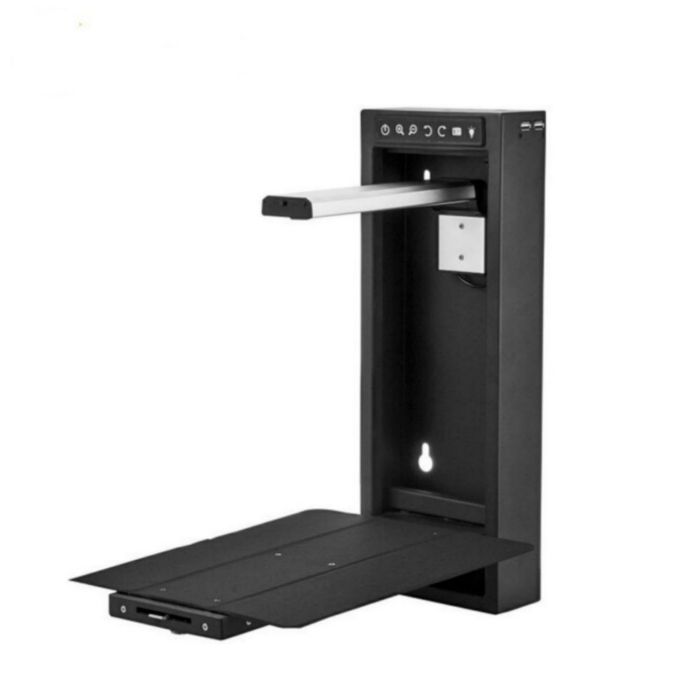
A4 Black USB 5V High-Speed 10MP High-Resolution Document Scanner Wall-Mountable OEM 24 Bit SDK 1-Year Warranty Education Stock
- Wall-mountable A4 capture
- 5V USB, SDK, OEM ready
- Education and counter use
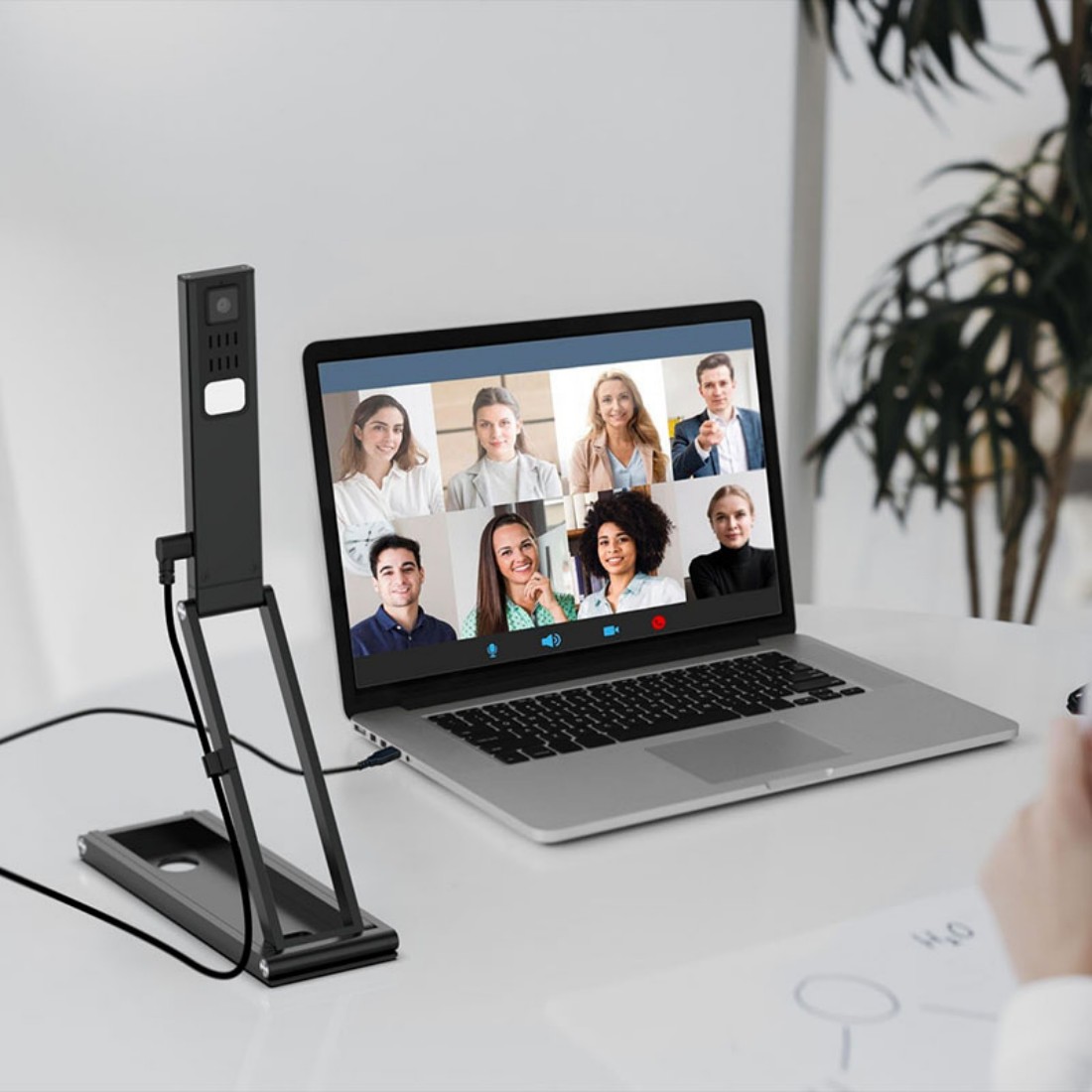
A3 4K Visual Presenter Document Camera with USB Interface for School Training Teaching Meetings Featuring Webcam Function
- 4K A3 visual presenter
- USB interface and webcam mode
- Training and meeting rooms
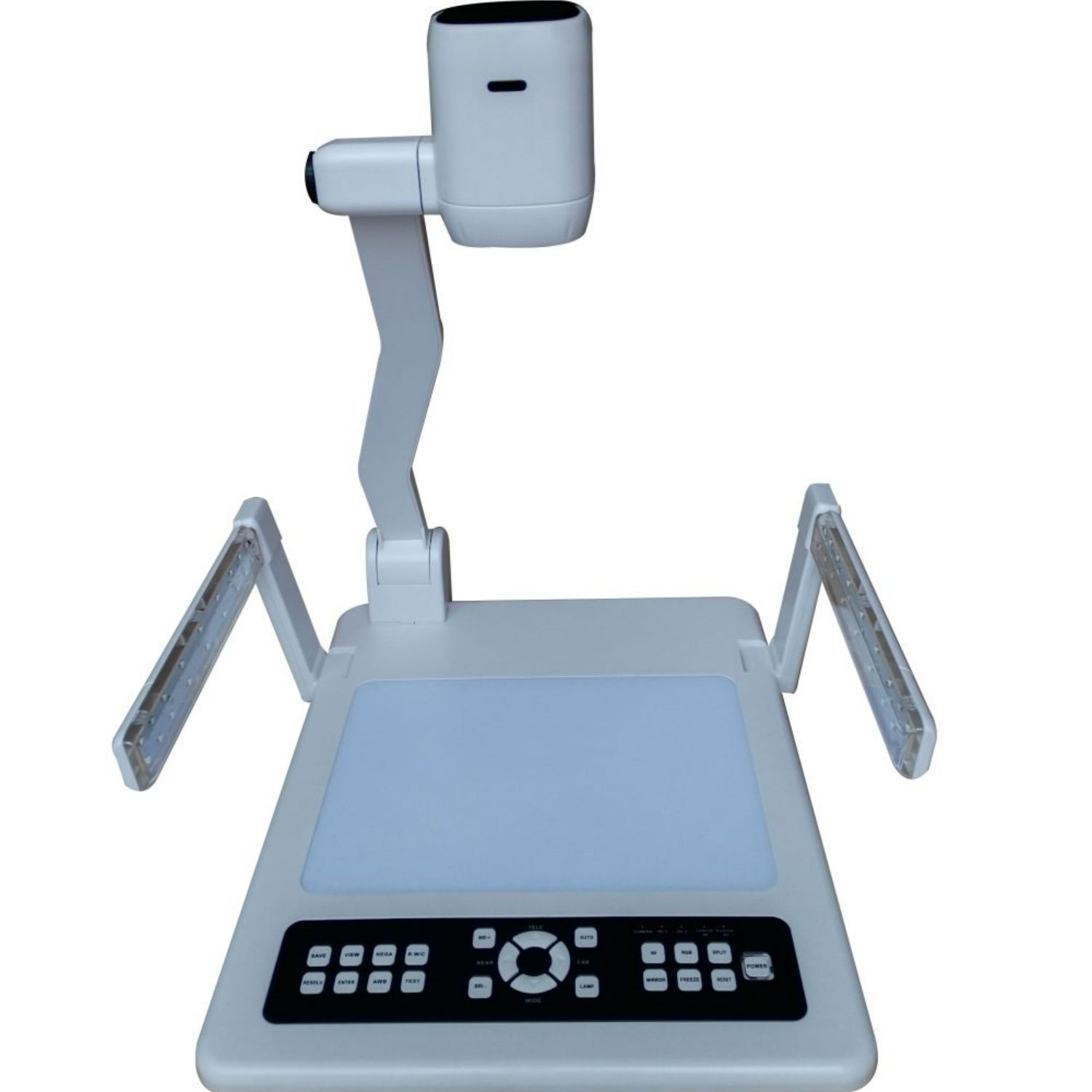
22x Optical Zoom 10x Digital Zoom VGA/USB Interface 2MP CMOS Sensor Resolution A4 Document Camera Foldable Digital Presenter
- 22x optical plus 10x digital zoom
- VGA/USB interface, 2MP CMOS
- Foldable A4 presenter
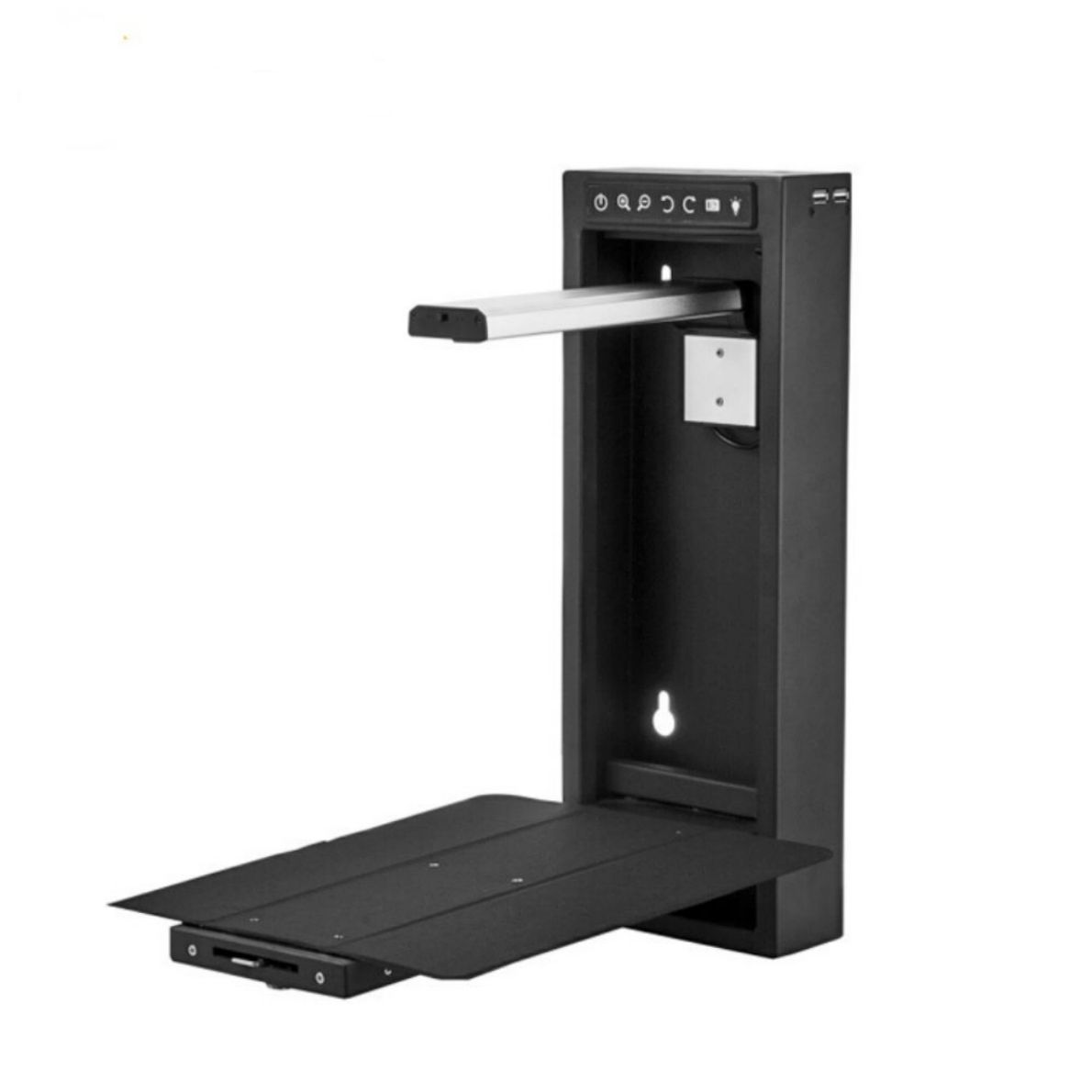
Factory New High Definition Wall Mount Document Scanner USB Interface Visualizer CE Certified 1-Year Warranty High-Speed A4 SDK
- Wall-mount HD visualizer
- CE-certified, 1-year warranty
- High-speed A4, SDK support
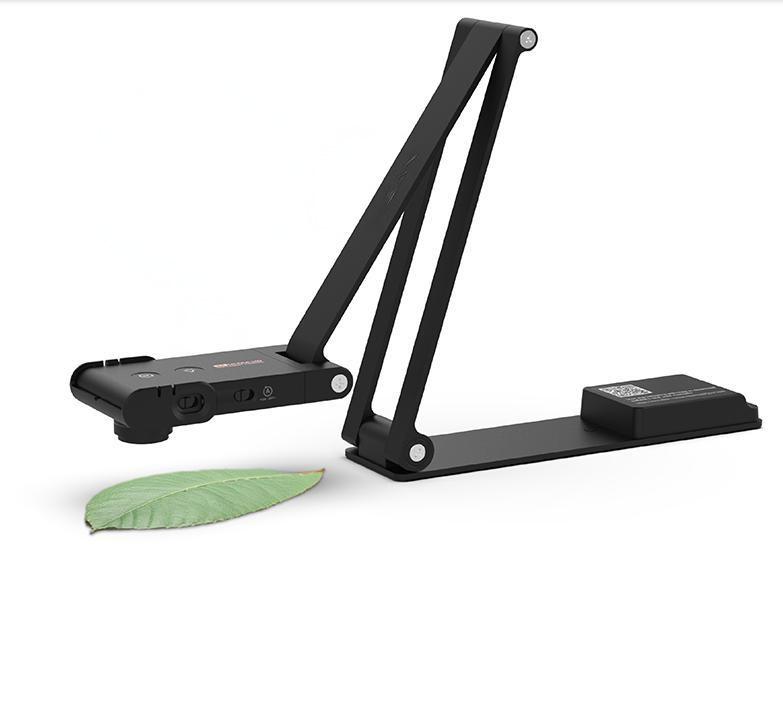
4K 2-in-1 USB 13MP Document Camera Visualizer AI Noise Cancellation 20X Macro Lens Foldable Design Microphone A3 Max 1-Year
- 4K 13MP 2-in-1 visualizer
- AI noise cancellation, microphone
- 20x macro, foldable A3 design
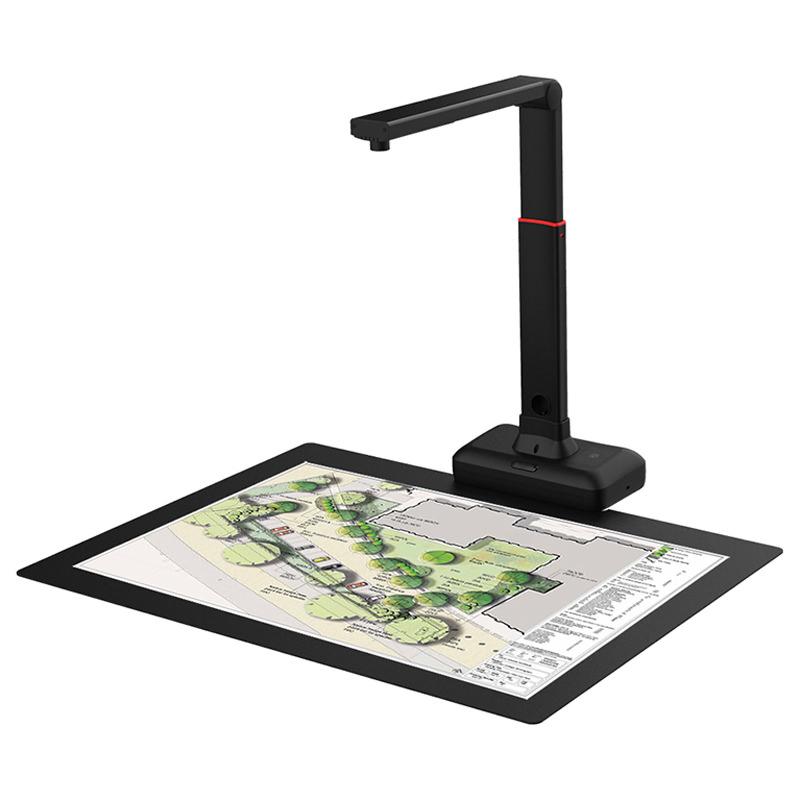
A2 Large Format Overhead Document Scanner 21MP USB Aluminum Text-to-Speech 1-Year Warranty in Stock
- A2 overhead capture, 21MP
- USB, aluminium body
- Text-to-speech, 1-year warranty
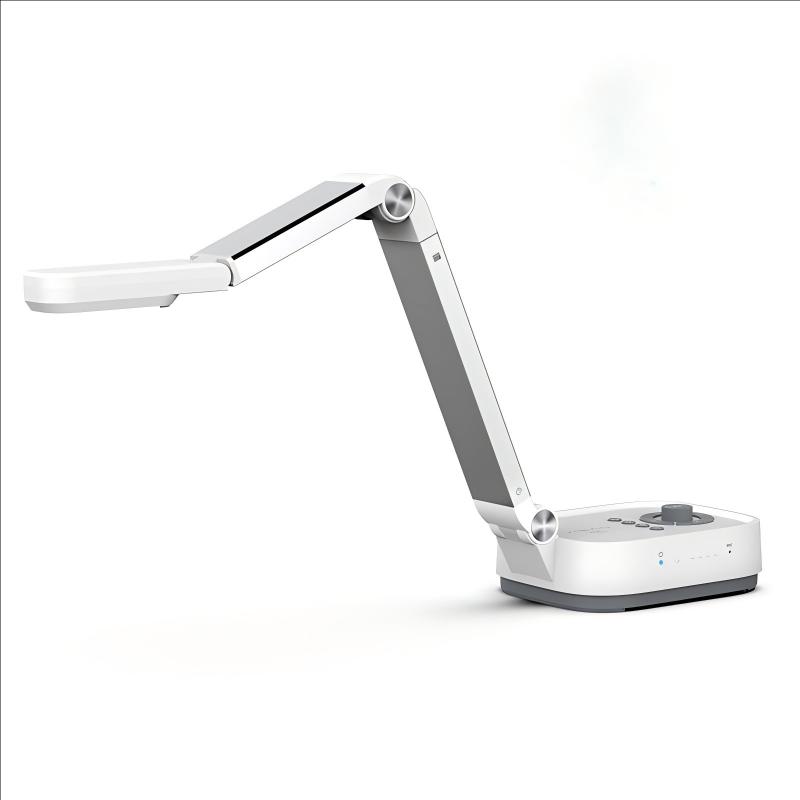
16MP 3D Desktop Visualizer Document Camera with Microphone 120X Zoom /VGA A3 Scan Size LED Light & Foldable for Education
- 16MP 3D desktop visualizer
- 120x zoom, microphone, LED light
- Foldable A3 education model
Which Portable Scanner Should You Shortlist First?
Match the model to the document and the workflow. A higher-resolution camera is not automatically the best choice if the daily task is live teaching or counter capture.
Bound books & fragile archives
Start with an A3 overhead book scanner such as the 20MP wireless model with foot pedal, or consider the 24MP auto-flatten class when curve correction and deskew matter. Request a sample scan of a tightly bound book, not a flat sheet. Check whether the software removes finger edges, corrects page curvature and exports searchable PDF with your target OCR language.
Classrooms, training and meetings
For live demonstration, a 4K visual presenter or 22x optical zoom document camera is usually more useful than a high-megapixel archive scanner. Prioritise frame rate, optical zoom, microphone clarity, HDMI/VGA/USB compatibility and the ability to show 3D objects or textbook pages without recalibration. Ask for a live video sample under the same lighting as the classroom.
Newspapers, maps and A2 masters
The A2 21MP overhead scanner is suitable for reading, OCR and general digital access. For tender-grade archival masters at 300 dpi across a full A2 sheet, the pixel math points to a 48MP class scanner instead. Clarify the difference between full-page A2 resolution and cropped image resolution before signing off the specification.
Resolution, Sensor and Workflow: The Specification That Protects Budget
Do not buy by megapixels alone. Convert the sensor into practical dpi for the document size you actually scan.
Scanning resolution is a relationship between sensor pixels and physical document size. An A3 page at 300 dpi needs about 3508 × 4961 pixels, or 17.4MP. In practice, an 18MP camera leaves very little margin for cropping, deskew and page-edge detection, so a 20MP or 24MP model is safer for A3 archive work.
An A2 sheet at 300 dpi needs about 4961 × 7016 pixels, or 34.8MP. A 21MP A2 scanner can deliver roughly 225–240 dpi across the full sheet, which is useful for OCR, reading and document access, but it is not equivalent to a 300 dpi archival master. If the tender specifies 300 dpi at A2, the supplier should quote a 48MP class model or explain the crop factor clearly.
Sensor choice is just as important. CIS, CMOS and CCD solve different problems. The right question is not “which sensor is best?” but “which sensor makes the workflow reliable for my document type, daily volume and software environment?” Also test illumination uniformity, colour consistency, driver installation, SDK documentation and OCR speed before comparing final landed cost.
Pixels required at 300 dpi
Approximate full-page requirements for master-file planning.
CIS contact image sensor
Compact, low-power and efficient on sheet-fed paths. A strong fit for high-volume office batches, invoices and contracts where documents can pass through an ADF rather than sit under a camera.
CMOS area sensor
Captures the whole page or object from above, protecting book bindings and fragile paper. Common in overhead book scanners, document cameras and visual presenters. Software-based flattening and OCR become part of the buying decision.
CCD linear sensor
Offers stable colour and depth-of-field advantages in flatbed and bookedge designs. Useful for photos, artwork and originals that cannot be pressed perfectly flat, including zero-margin bookedge scanning.
How Wholesale Buyers Will Source Portable Document Scanners Through 2026–2030
Price comparison is shifting toward evidence-based sourcing: sample quality, software fit, serviceability and documentation.
Sample-first procurement
Buyers increasingly request raw scans of their own documents before placing a wholesale order. This is especially important for bound books, yellowed newspapers, ID cards and coloured forms. A brochure image cannot prove page-curve handling, focus consistency or OCR accuracy.
Software due diligence
SDK quality, driver stability and export formats now sit beside hardware price in the decision. Integrators want to know which Windows and macOS versions are tested, whether OCR runs locally, and how capture settings are exposed through the SDK.
Mixed-MOQ sourcing
Distributors prefer to combine book scanners, document cameras and flatbed units in one shipment. Suppliers that publish realistic stock quantities and support mixed models reduce working-capital risk for smaller resellers.
Resolution specified by document size
Procurement teams are moving away from vague “high-definition” language. Tenders increasingly state A2 at 300 dpi, A3 at 400 dpi or photo capture at 1200 dpi, which forces suppliers to quote sensor count and crop behaviour accurately.
Serviceability and warranty clarity
Remote technical support, spare-part availability and a clear one-year warranty process are becoming part of the total cost calculation. Buyers ask who handles diagnosis, whether firmware updates are provided and how replacement parts are shipped.
Export-ready documentation
Payment terms, currencies, FOB/EXW/DDU options and packaging requirements are being reviewed earlier. Suppliers such as Quibow support T/T, L/C, PayPal and Western Union in USD, EUR, HKD or CNY, with delivery terms confirmed per order.
What the Next Generation of Portable Document Scanners Will Do Better
Hardware still matters, but the next competitive gap is the quality of embedded image processing and software integration.
AI-assisted capture
AI noise cancellation, page-boundary detection and automatic flattening are moving from premium models into mainstream classroom and archive devices. The practical benefit is fewer repeated scans and more usable pages per hour.
Edge OCR and searchable PDF
Buyers increasingly expect OCR to run locally or inside the capture workflow, reducing dependency on cloud services. Language coverage, table layout retention and PDF/A output will become evaluation criteria for archives and government projects.
Dual-lens and modular capture
Dual-lens designs support document and portrait or ID capture in one device. Modular lighting and foldable arms also reduce shipping volume and make installation easier in classrooms, service counters and mobile digitisation kits.
USB-C, 5V and wireless convenience
Portable scanners are becoming easier to deploy with low-voltage USB power, wireless transfer and plug-and-play operation. For distributors, this reduces accessory complexity; for installers, it shortens commissioning time.
Privacy-first processing
Schools, banks and government agencies prefer devices that can capture, preview and OCR sensitive documents without unnecessary cloud upload. On-device processing and clear data-handling documentation will become a procurement advantage.
Sustainable packaging and lower power
Lower standby power, recyclable packaging and compact product design support both sustainability targets and freight efficiency. These features also help distributors reduce dimensional-weight costs in export shipments.
A Practical Quality Checklist Before You Approve a Wholesale Order
These six checks convert a supplier conversation into evidence you can review with your technical and purchasing teams.
Request raw sample scans
Send a real page from your archive, including a curved book page, a low-contrast form, a coloured image and a page with small text. Ask for original files, not compressed screenshots.
Test OCR in your language
Verify character accuracy for the languages and symbols you actually process. Check whether OCR is included, optional or dependent on third-party software, and whether batch processing is supported.
Validate driver and SDK fit
Confirm Windows and macOS versions, USB interface behaviour, SDK documentation and sample code. If you are building a kiosk or counter application, test reconnection after sleep and long-duration capture.
Inspect image consistency
Look for corner shading, colour drift across the page, focus variation at A2 and LED flicker. A single excellent sample is not enough; ask for a continuous capture sequence to judge repeatability.
Confirm warranty and spares
Ask what the one-year warranty covers, how remote diagnosis works and how replacement parts are shipped. For older archives, confirm that the selected model will remain available long enough for phased rollouts.
Review trade terms and packing
Match payment currency and method to your finance workflow. Agree on FOB, EXW or DDU, export carton strength, drop-test expectations and whether OEM logo or packaging samples must be approved first.
Inside Guangzhou Quibow Electronic Co., Ltd.
Quibow is a Guangzhou-based, onsite-checked supplier focused on image data acquisition and conversion equipment. Established in 2020, the company serves distributors, system integrators and end users across Eastern Europe, North America and South America, with a product range that includes book scanners, A3/A2 document scanners, flatbed scanners, document cameras, visual presenters and ID-card recognition cameras.
The technical advantage is platform breadth. Work across CIS, CMOS and CCD imaging allows Quibow to match a project to the correct capture principle rather than force every document into one hardware category. The team covers product design and development, production coordination, export sales and after-sales support, which is important when an OEM/ODM project requires changes to logo, packaging, housing colour, capture software branding or SDK integration on selected models.
For wholesale buyers, the practical advantages are responsiveness and a clear scope of supply. Quibow reports an average response time of one hour or less, a 100% message response rate and a 27% buyer reorder rate. Listed models carry a one-year warranty with remote technical support. Payment can be arranged by T/T, L/C, PayPal or Western Union in USD, EUR, HKD or CNY, with FOB, EXW and DDU delivery terms confirmed per project.



Common Questions About China Wholesale Portable Document Scanner Suppliers
These answers reflect typical B2B questions for book scanners, A3/A2 document scanners, visual presenters and OEM document camera projects.
What is the minimum order quantity for Quibow scanners and document cameras?
Most stock book scanners, A2 large-format scanners and flatbed scanners start from one piece or one set. Several document camera models start from two pieces. OEM/ODM quantities are confirmed per project because logo, packaging and software branding can change the production plan.
Is Quibow a factory or a supplier?
Quibow is an onsite-checked, technology-driven supplier based in Guangzhou, focused on image acquisition and conversion equipment. The company coordinates product development, supply, export sales and after-sales support, and works with OEM/ODM requirements on selected models. Buyers should always evaluate the exact model, sample scan and warranty workflow rather than relying on a factory label alone.
Which model is best for scanning bound books?
For bound books, an overhead A3 book scanner is usually the correct starting point because it avoids pressing the spine. The portable 20MP A3 wireless scanner with foot pedal is suitable for flexible workflows, while higher-resolution or auto-flatten models may suit archive teams that need more margin for curve correction, deskew and OCR. Always request a sample scan of a tightly bound page.
What resolution do I need for A3 or A2 documents at 300 dpi?
An A3 page at 300 dpi needs about 3508 × 4961 pixels, or roughly 17.4MP, so an 18MP or 24MP scanner is relevant. An A2 sheet at 300 dpi needs about 4961 × 7016 pixels, or roughly 34.8MP, so a 48MP A2 class scanner is recommended for archival masters. A 21MP A2 scanner is better suited to reading, OCR and general access files.
Do you support OEM, ODM and SDK integration?
Yes. OEM/ODM projects can include logo printing, packaging, housing colour, capture software branding and SDK integration on selected models. For integrators, the important review points are supported operating systems, USB interface behaviour, sample code, OCR options and long-term availability of the selected hardware platform.
What payment, delivery and warranty terms are available?
Quibow accepts T/T, L/C, PayPal and Western Union in USD, EUR, HKD or CNY, with FOB, EXW and DDU delivery terms. Listed models such as the A3 flatbed scanners, A2 overhead scanners and the S2060W ADF scanner carry a one-year warranty, backed by remote technical support. Final terms are confirmed per quotation and destination.
Request a Sample Scan Before You Commit to a Wholesale Order
Share your document size, daily capture volume, target dpi, OCR language, operating system and estimated annual quantity. The Quibow export engineering team can recommend the right portable document scanner or document camera and prepare model-specific sample scans for your evaluation.