Quibow · Guangzhou, China · OEM/ODM Export Support

China Wholesale Manuscript Scanner Suppliers & Exporter

A practical, evidence-led sourcing guide for book scanners, flatbed scanners, overhead document scanners, wall-mount visualizers, and 4K document cameras — built for distributors, integrators, libraries, archives, schools, and enterprise procurement teams.

Wholesale Product Shortlist

Eight Manuscript Scanner Models for Distributors and Project Buyers

The product list below is sourced from Quibow’s current catalogue. Each model is relevant to a different capture job: bound-book scanning, A2 overhead document capture, library digitization, office visual presentation, classroom teaching, or OEM-branded visualizer projects. Buyers can compare format, sensor type, resolution, workflow features, and likely application fit before requesting a sample scan or quotation.

Supplier Profile at a Glance

Enterprise Signals Buyers Can Check Before Shortlisting a Supplier

Procurement teams should evaluate a China wholesale manuscript scanner supplier on evidence, not only catalogue size. Quibow’s public supplier profile and product pages provide verifiable signals: a Guangzhou operating base, onsite-checked supplier status, documented response metrics, a 1-year warranty on listed models, and export support for OEM/ODM projects.

≤1hAverage response time stated in the supplier profile
100%Message response rate stated in the supplier profile
27%Buyer reorder rate stated in the supplier profile
2020Guangzhou Quibow Electronic Co., Ltd. established
Semantic Search & Buyer Intent

What Does “Manuscript Scanner” Really Mean in the Wholesale Market?

A manuscript scanner is not a single product category. The term is used by buyers looking for non-destructive book scanning, archival document capture, overhead camera scanning, bookedge flatbed scanning, or visual-presenter capture for teaching and collaboration. Understanding the capture geometry behind the search query is the first step toward specifying the right wholesale model.

In a library tender, “manuscript scanner” often means an overhead or bookedge unit that can digitize bound books without flattening the spine. In an office or banking project, the same phrase may refer to a wall-mounted document camera, an A4 visualizer, or a fast capture camera connected by USB. In education, it can mean a document camera with optical zoom that displays textbooks, experiments, and 3D objects on a projector or display. For distributors, the buying intent is usually broader: they need a reliable exporter in China that can supply multiple capture formats, support OEM branding, and provide software integration options across A4, A3, A2, and 4K visual-presenter lines.

Quibow works across CIS, CMOS, and CCD imaging platforms. That matters because the sensor platform changes the workflow. CIS is often found in compact sheet-fed and ADF paths where speed and low power matter. CMOS area sensors can capture a whole page from above, which protects books from pressure and enables auto-flatten, deskew, OCR, and finger-removal software. CCD linear sensors with a moving carriage can offer strong color stability and depth-of-field tolerance for bookedge scanning and originals that sit slightly above the platen. A credible wholesale supplier should explain this trade-off clearly instead of selling every buyer the same scanner.

For SEO-conscious buyers and procurement researchers, the most useful comparison is not “highest megapixels wins.” It is the match between page size, target dpi, binding condition, daily volume, output format, and software integration. That is why the following sections focus on application fit, procurement trends, future product development, and the technical math behind resolution claims.
Product Recommendations

Which Manuscript Scanner Fits Which Workflow?

Use this application-led shortlist to narrow the catalogue before contacting a supplier. The best match depends less on the product name and more on the physical condition of the original, the required output, and the people who will operate the device every day.

Rare Books and Fragile Archives

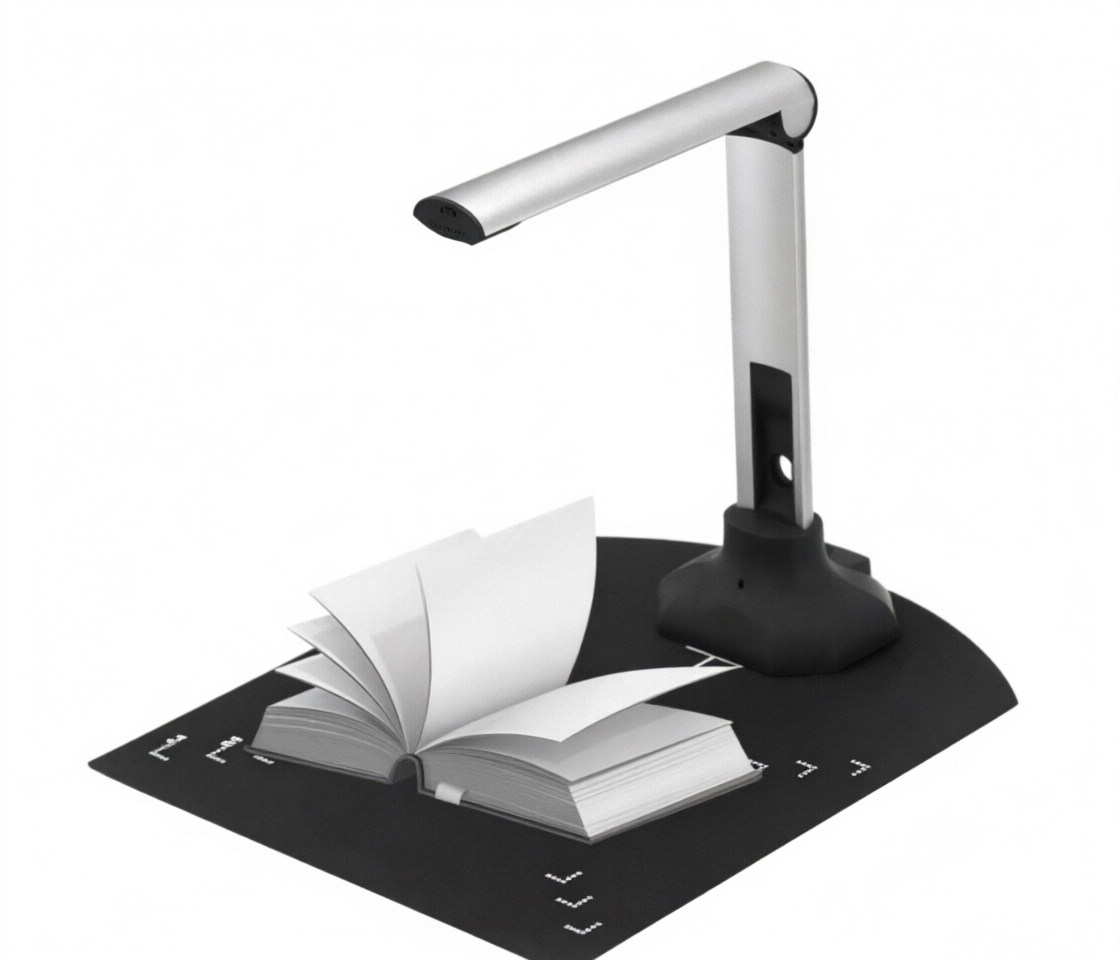
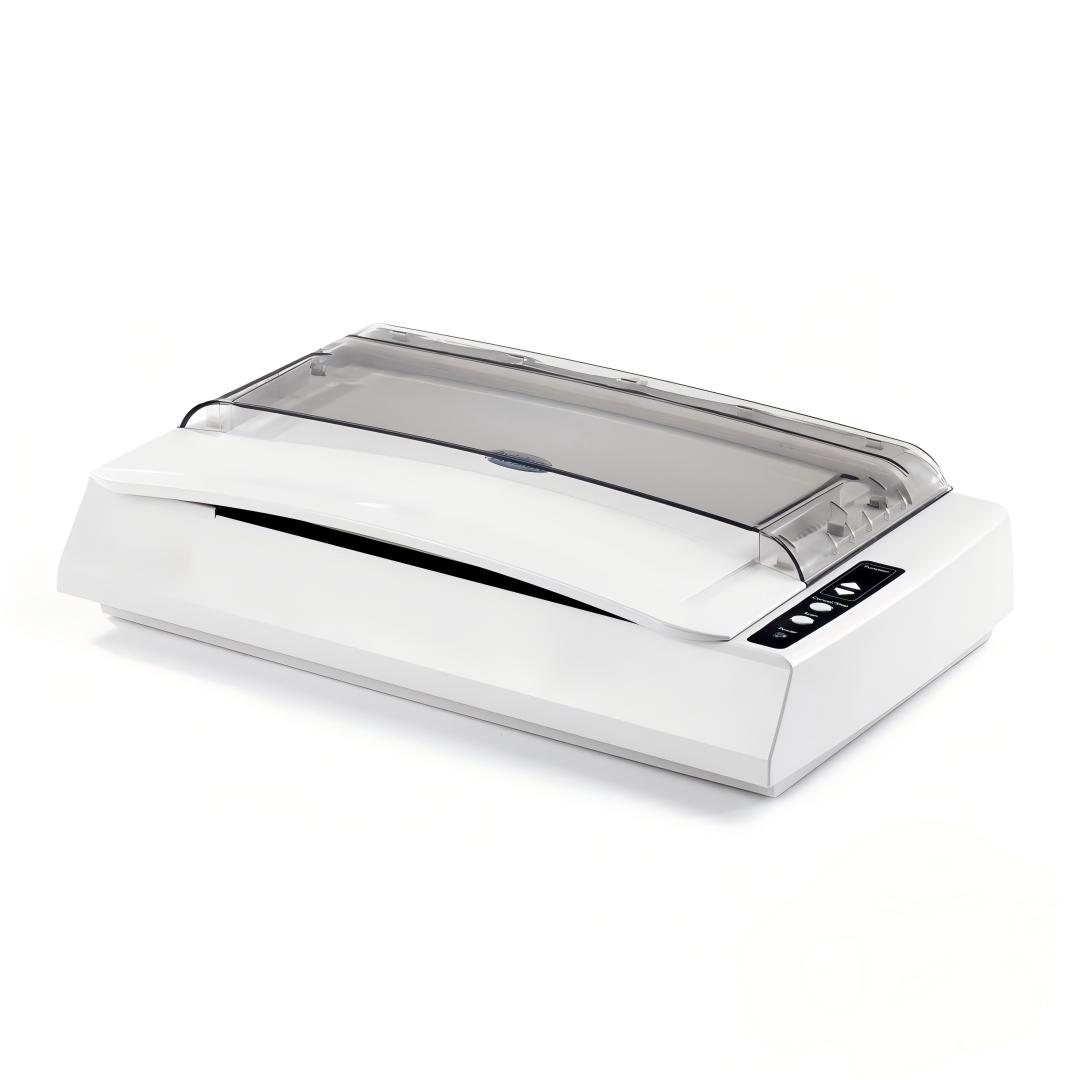
Prioritize non-contact overhead capture or a true bookedge flatbed. The CCD zero-margin bookedge scanner is relevant when spine shadow and platen pressure are the main concerns, while the portable A3 book scanner with foot controller supports hands-free page capture in reading-room workflows.

Newspapers, Maps, and Large Documents

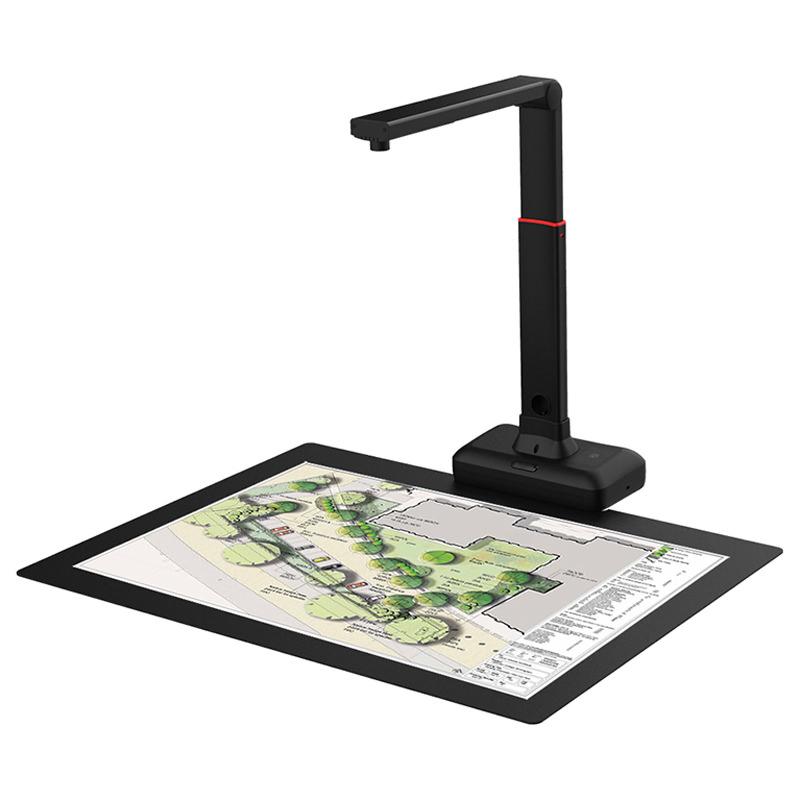
For A2 sheets, brochures, maps, and broadsheets, an overhead scanner with A2 coverage is easier to operate than a small flatbed. The 21MP A2 overhead document scanner is a practical starting point for on-screen reading and OCR, while projects that require 300 dpi A2 masters should ask the supplier for a higher-resolution option and validate the result with a sample scan.

Classroom Teaching and Training

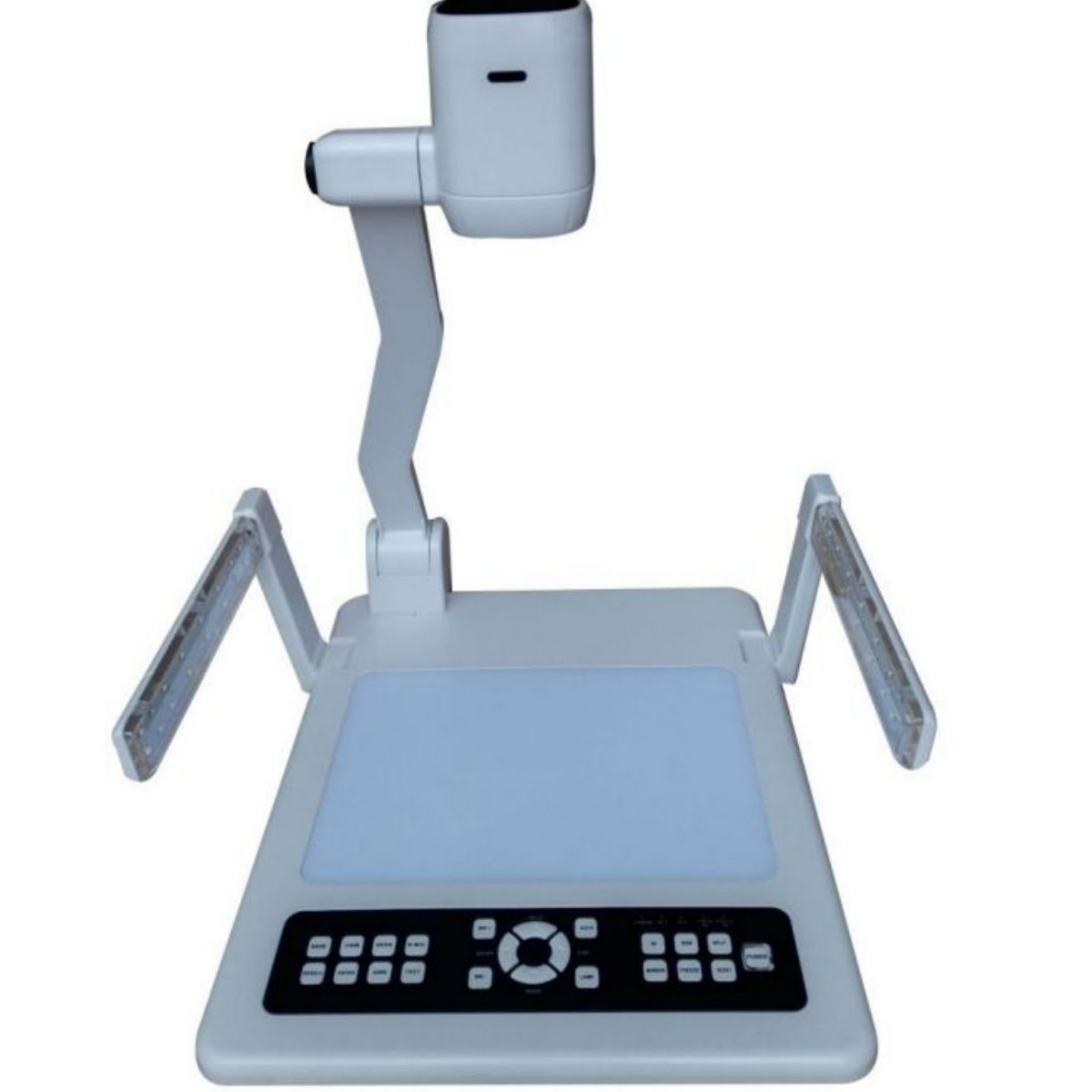
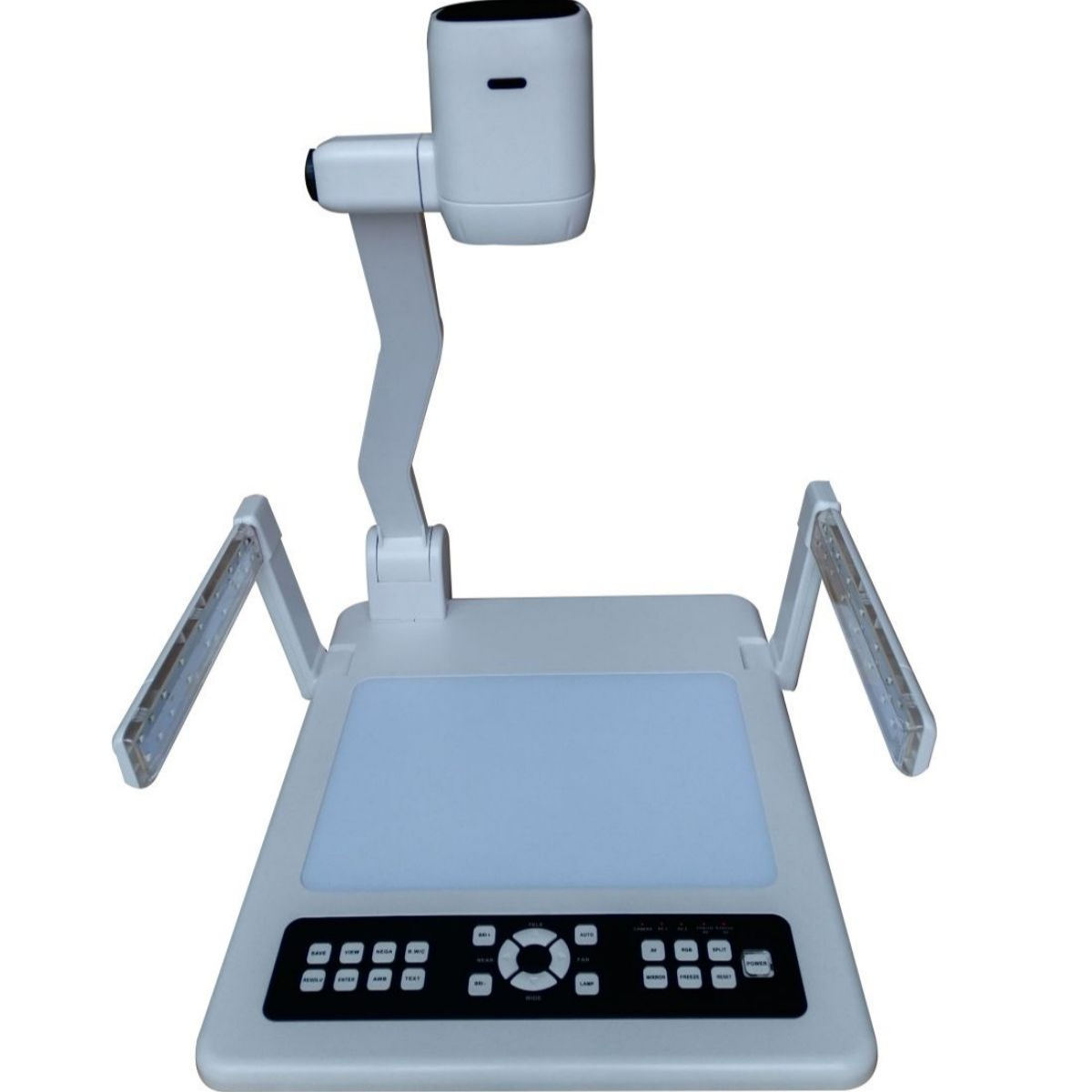
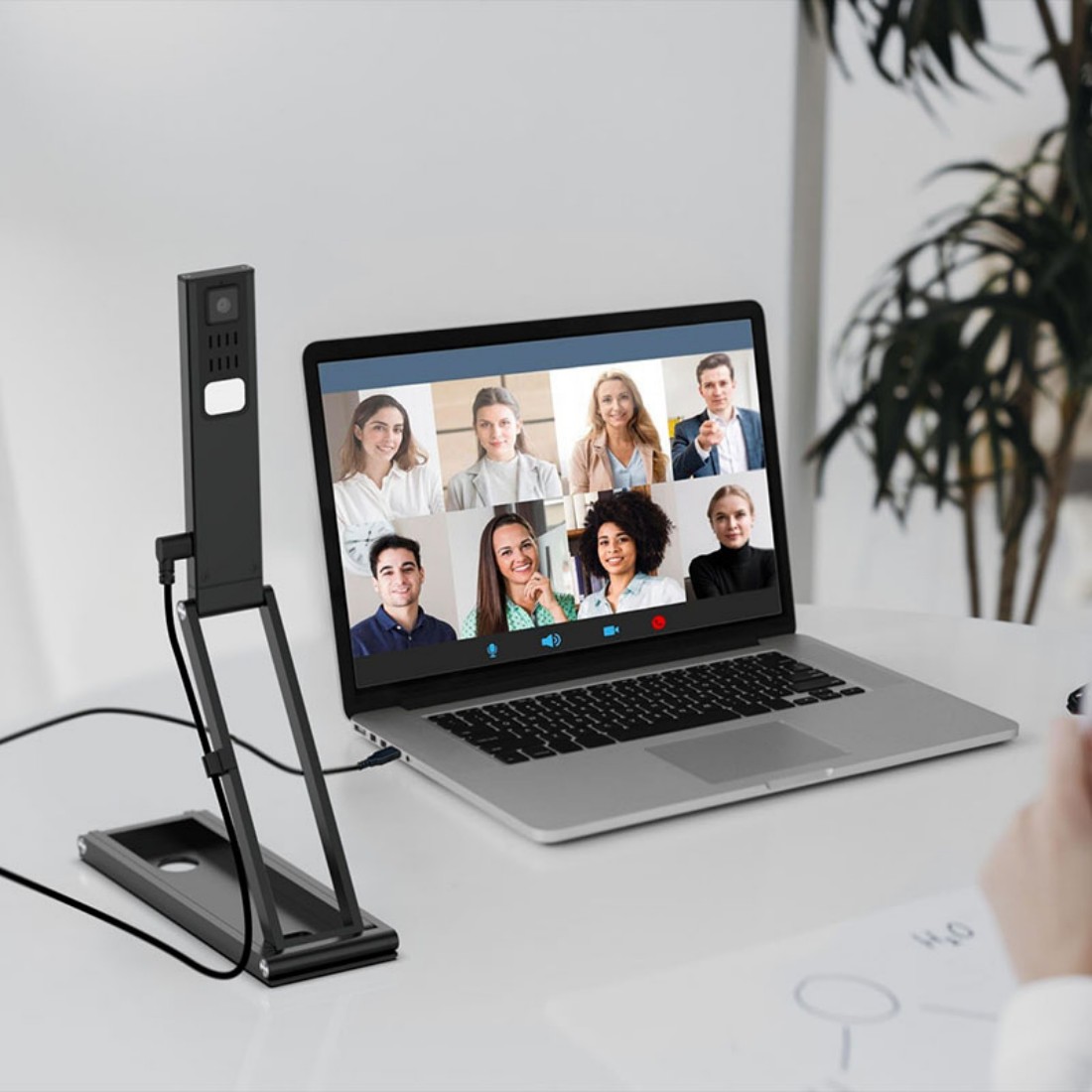
The A3 4K visual presenter, multi-functional document camera, and HD optical zoom visual presenter are built for live demonstration. Optical zoom matters when teachers need to show fine details without moving the object. Webcam and USB functions can support hybrid classes, recorded training, and remote product demonstrations.

Service Counters and ID Capture

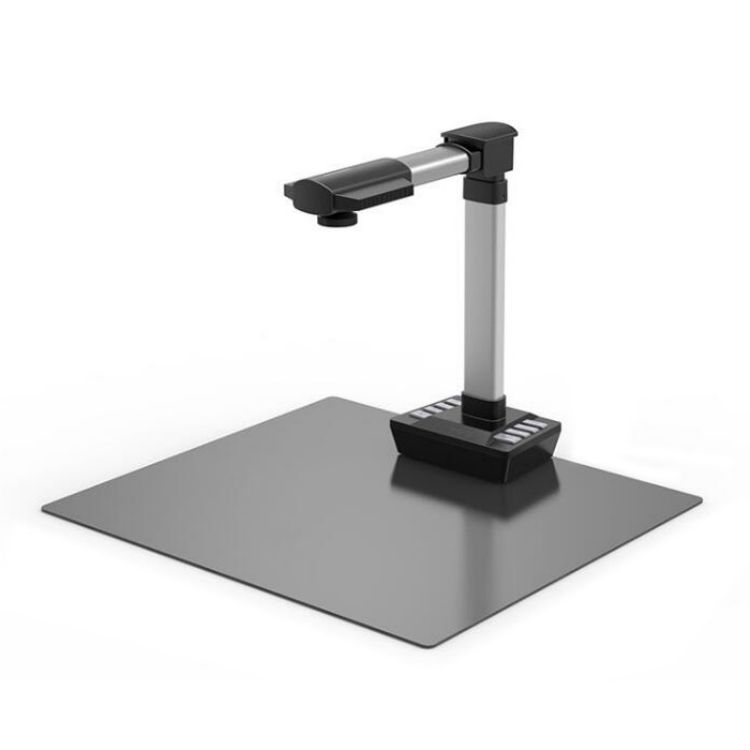
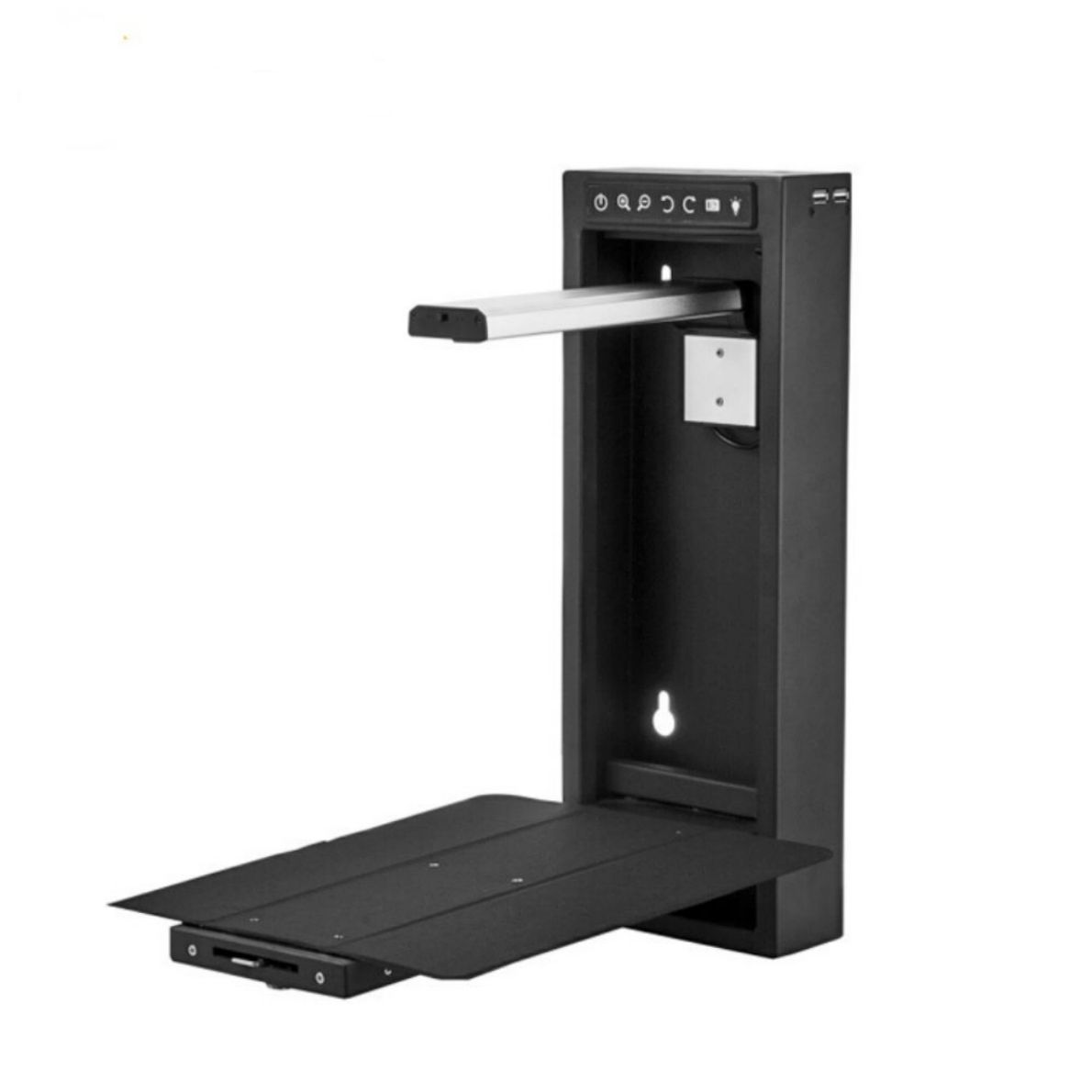
Banks, government counters, and registration desks often prefer compact USB document cameras with SDK access. The 10MP CMOS A4 visualizer and the wall-mount A4 document scanner can capture forms, passports, and supporting documents in a fixed position, reducing operator movement and improving consistency.

Distributors Building a Product Line

Resellers and system integrators need a supplier who can combine A4 flatbed, A3 portable, A2 overhead, wall-mount, and visual-presenter products under one export relationship. Quibow’s OEM/ODM support includes logo, packaging, housing color, software branding, and SDK integration on selected models, subject to project confirmation.

Procurement Teams Managing Risk

For tender-based purchases, ask for model-level specifications, sample scans, driver compatibility, warranty terms, and a clear statement of what is stock versus made-to-order. The most defensible supplier is one that can demonstrate the capture result and explain the limitations before purchase, not after delivery.

Procurement Trends

Manuscript Scanner Procurement Trends Buyers Should Prepare For

Wholesale purchasing is moving from a simple hardware comparison to a workflow and risk evaluation. Buyers increasingly ask for sample images, SDK documentation, OCR output examples, long-term software support, and a clear total cost of ownership. These trends are especially visible in library digitization, education technology, government counters, and distributed enterprise capture.

Resolution Matched to the Real Document

Professional buyers are moving away from “more megapixels is always better.” They calculate the required pixel dimensions for A4, A3, or A2 at 300 dpi, then compare that figure with the sensor’s usable coverage. This prevents overbuying for OCR-only workflows and underbuying for archival masters.

Software and OCR Before Hardware

Searchable PDF, editable text, automatic page detection, auto-flatten, deskew, and multi-language OCR are now part of the buying decision. A scanner that captures a good image but cannot export the required file format creates hidden labour costs in digitization projects.

SDK and API Integration

System integrators need devices that fit into their own software. USB document cameras and overhead scanners with SDK access can be embedded into registration systems, library repositories, quality inspection stations, and education platforms, creating repeat-order opportunities for distributors.

AI-Assisted Capture and Quality Checks

Automatic curve correction, finger removal, background cleanup, boundary detection, and OCR confidence scoring are becoming expected in overhead scanning. Buyers should ask whether these functions are included, optional, or dependent on third-party software.

Hybrid Work and Remote Service

Education, training, and customer-service teams need visualizers that work in both physical rooms and remote sessions. USB webcam functions, HDMI/VGA output, and simple setup are becoming procurement requirements rather than optional extras.

Verifiable Supplier Records

Procurement teams increasingly check supplier assessment reports, transaction records, ratings, and response statistics before requesting a quotation. Public records do not replace due diligence, but they help identify suppliers with a stable operating base and a track record of responding to buyers.

Product Development Outlook

Where Manuscript Scanners and Visual Presenters Are Heading Next

The next generation of image-capture hardware will be judged by how well it connects to software, protects fragile originals, and supports distributed teams. The following development themes are useful for distributors planning a 2025–2030 product roadmap.

Higher-Resolution Area Sensors

A2 workflows are moving toward 48MP-class capture so that large-format documents can reach archival resolution without stitching. For A3 and A4 projects, 18MP–24MP devices already provide useful headroom for OCR and on-screen reading, while 4K visual presenters bring sharper detail to teaching and live demonstrations.

Edge AI for Flattening and OCR

Image correction is moving closer to the device. Expect stronger auto-flatten, page-boundary detection, finger removal, and OCR pre-processing in overhead scanners, reducing the manual cleanup required by library staff and archive operators.

Interfaces Built for Integration

USB, HDMI, VGA, RS232, Wi-Fi, and SDK access remain important because buyers rarely use a scanner in isolation. Future products will be evaluated by how easily they connect to document management systems, learning platforms, ID-recognition tools, and custom capture applications.

Privacy and Controlled Data Flow

Government, banking, and education buyers care about where captured images are processed and stored. Suppliers that can explain local processing, offline operation, and software data handling will have an advantage in privacy-sensitive tenders.

Modular Accessories and Foot Controls

Foot pedals, adjustable lighting, document cradles, and wall-mount brackets make scanning more ergonomic. Modular accessories also help distributors localize a product for different customer segments without redesigning the core camera.

Serviceability and Long-Life Design

Institutional buyers are asking more questions about warranty support, spare parts, firmware updates, and remote troubleshooting. A product that is easy to service lowers downtime and protects the reseller’s after-sales reputation.

Information Gain

The Resolution Math Behind A4, A3, and A2 Manuscript Scanners

Megapixels become meaningful only when they are converted into output resolution for a specific page size. A 300 dpi master requires roughly 8.7MP for A4, 17.4MP for A3, and 34.8MP for A2. If an A2 camera provides only 21MP, it can still be useful for review, OCR, and reading, but buyers should not assume that it delivers 300 dpi across a full A2 sheet.

Engineer’s rule of thumb: a 21MP area sensor covering a full A2 sheet delivers roughly 225–240 dpi depending on usable capture area and crop. For a tender that specifies 300 dpi at A2, specify a 48MP-class device or ask for a sample scan at the exact working distance.
A4
8.7 MP
A3
17.4 MP
A2
34.8 MP
48MP
A2 target
Pixels required to scan common paper sizes at 300 dpi
Document sizePixels at 300 dpiRecommended sensorProduct fit
A4
210 × 297 mm
2480 × 3508
≈ 8.7 MP
10MP or higher10MP CMOS A4 visualizer; wall-mount A4 visualizer
A3
297 × 420 mm
3508 × 4961
≈ 17.4 MP
18–24MPPortable A3 book scanner; A3 4K visual presenter for live capture
A2
420 × 594 mm
4961 × 7016
≈ 34.8 MP
48MP for ≈300 dpi21MP A2 overhead scanner for reading and OCR; higher-resolution A2 models for archival masters
Photos & art600–2400 dpi opticalFlatbed or high-resolution overheadBookedge flatbed and specialized capture workflows

Resolution is only one part of image quality. Lens quality, lighting uniformity, working distance, sensor noise, compression, and software sharpening all affect the final file. A supplier that provides only a megapixel number is giving incomplete information. Ask for sample images at the intended page size, with text at 8–10 pt if OCR is important. Then inspect character edges, shadow control near the spine, color consistency across the page, and whether the software can produce searchable PDF without manual cleanup.

Buyer Checklist

Six Questions to Ask Before Buying Wholesale Manuscript Scanners

A specification sheet is a starting point. These six questions help distributors and end users compare suppliers on practical project readiness and reduce the risk of a costly mismatch.

1. What is the largest original?

Confirm the outer dimensions, not only the standard paper size. A bound book may need extra space around the gutter. A map or newspaper may exceed A3 even when the page is nominally A3.

2. What is the daily volume?

Low-volume reading-room capture and high-volume counter capture require different ergonomics. Ask how many pages per hour the operator can realistically complete, including page turning, image review, and export.

3. Which output formats are required?

Ask for searchable PDF, JPEG, TIFF, editable text, or direct integration with a document management system. OCR language coverage should be confirmed before the order, especially for non-English archives.

4. Is SDK or software branding needed?

System integrators should request interface details, driver compatibility, and sample integration documentation. OEM buyers should confirm which models support logo printing, packaging, housing color, and capture-software branding.

5. What warranty and support are included?

Listed Quibow models commonly carry a 1-year warranty with remote technical support. Buyers should confirm coverage, spare-parts policy, firmware support, and the escalation path for DOA or field failures.

6. Can the supplier provide sample scans?

A sample image is the fastest way to verify focus, lighting, OCR readability, spine handling, and software output. Ask for a scan of a real page in the intended size and language, ideally with a 300 dpi archival sample and an OCR sample.

Enterprise Advantages

Why Guangzhou Quibow Electronic Co., Ltd. Is Built for Wholesale and Export Projects

Quibow is a technology-driven supplier focused on image data acquisition and conversion equipment. The company develops and supplies photoelectric information products including high-speed document cameras, book scanners, flatbed scanners, overhead document scanners, visual presenters, and ID-card recognition high-speed cameras. This portfolio is relevant to distributors that want one supplier for multiple capture categories.

Guangzhou Operating Base

Located in Guangzhou, Guangdong, China, with a public address at Room 504, No. 5 Zitan Second Street. The supplier profile identifies the business as an onsite-checked trading company established in 2020.

Full-Cycle Product Support

The company covers product design and development, production coordination, export sales, and after-sales support. That full-cycle approach is useful for buyers who need consistent communication from specification through shipment.

CIS, CMOS, and CCD Expertise

Quibow works across three imaging platforms. Buyers can discuss whether contact image sensing, CMOS area capture, or CCD linear scanning is the better fit for a given document type, volume, and software environment.

OEM/ODM Project Capability

Customization can include logo printing, packaging, housing color, capture-software branding, and SDK integration on selected models. Exact feasibility, MOQ, and lead time should be confirmed model by model.

Fast Response Metrics

The supplier profile states an average response time of ≤1 hour and a 100% message response rate. For international buyers, responsive communication is especially important during sample evaluation and custom-project scoping.

Repeat-Purchase Signal

The public profile shows a 27% buyer reorder rate. This is not a substitute for due diligence, but it is a useful signal when comparing suppliers that otherwise look similar on price and catalogue breadth.

Verifiable Trust Records

Quibow’s public records include supplier assessment, credit overview, ratings and reviews, trade capacity, transaction level, trade history, transaction history, and video introduction. Buyers can review these materials independently before shortlisting.

Export Payment and Delivery Terms

Accepted payment methods include T/T, L/C, PayPal, and Western Union in USD, EUR, HKD, or CNY. Delivery terms include FOB, EXW, and DDU. Main markets include Eastern Europe, North America, South America, and worldwide buyers.

Business profile details: Guangzhou Quibow Electronic Co., Ltd. is listed as a trading company with 5–10 dedicated specialists and annual revenue in the US$1M–US$2.5M range. The main product family includes book scanners, A2/A3 overhead document scanners, flatbed scanners, document cameras, visual presenters, and ID-card recognition high-speed cameras. Listed models such as A3 flatbed scanners, A2 overhead scanners, and the S2060W ADF scanner commonly carry a 1-year warranty with remote technical support.
Order Workflow

From Requirement Review to Export Delivery

A transparent process helps procurement teams know what to expect after the first inquiry. Quibow’s project workflow is structured around model matching, sample validation, customization, quality inspection, and export support.

01

Requirement Review

Confirm document size, binding type, daily volume, operating system, output formats, and whether OCR or SDK integration is required.

02

Model Matching

Compare A4, A3, A2, flatbed, overhead, wall-mount, and visual-presenter options against the actual capture task and budget.

03

Sample Scan Validation

Request sample images at the intended page size and language. Review focus, lighting, OCR readability, spine handling, and export quality.

04

OEM/ODM Customization

For qualified projects, discuss logo, packaging, housing color, software branding, and SDK integration on selected models.

05

Quality Inspection

Production units are checked for focus, lighting uniformity, driver installation, capture speed, and basic functional performance before packing.

06

Shipping and Support

Export packing and remote technical support follow the agreed terms. Listed models commonly include a 1-year warranty; confirm coverage per model and order.

FAQ

Frequently Asked Questions About Wholesale Manuscript Scanners

These answers address the questions most often raised by distributors, archives, schools, integrators, and enterprise buyers comparing China-based scanner suppliers.

What is the minimum order quantity for Quibow scanners and document cameras?

Most stock book scanners, A2 large-format scanners, flatbed scanners, and visual presenters start from 1 piece or 1 set. Several document camera models start from 2 pieces. OEM/ODM quantities are confirmed per project because customization scope, packaging, software branding, and model selection can change the minimum.

Do you support OEM and ODM orders for manuscript scanners and document cameras?

Yes. OEM/ODM support can include logo printing, packaging, housing color, capture-software branding, and SDK integration on selected models. Buyers should provide the target model, expected order volume, branding requirements, and software use case so the supplier can confirm feasibility and lead time.

Are the scanners compatible with Windows and macOS?

Many models, including A2 large-format scanners and the 1200 dpi A3 flatbed scanner, support Windows and macOS, and some are verified on Apple M1 Macs. Compatibility should be confirmed for the exact model, driver version, operating-system version, and software workflow before purchase.

Which resolution do I need to scan A3 or A2 documents at 300 dpi?

An A3 page at 300 dpi requires about 3508 × 4961 pixels, or roughly 17.4MP. An A2 page at 300 dpi requires about 4961 × 7016 pixels, or roughly 34.8MP. Therefore, an 18MP–24MP scanner is usually suitable for A3, while a 48MP-class A2 scanner is recommended when archival masters must reach approximately 300 dpi across the full A2 sheet. A 21MP A2 model can be useful for reading, OCR, and review, but buyers should validate the actual dpi delivered at the intended working area.

What payment methods and delivery terms do you accept?

Payment methods include T/T, L/C, PayPal, and Western Union. Accepted currencies include USD, EUR, HKD, and CNY. Delivery terms include FOB, EXW, and DDU. Final terms are confirmed on the quotation and order confirmation.

What warranty do the products carry?

Listed models such as A3 flatbed scanners, A2 overhead scanners, and the S2060W ADF scanner commonly carry a 1-year warranty with remote technical support. Warranty terms should be confirmed per model, and buyers should ask about spare-parts availability and the return process before placing a volume order.

Can you provide sample scans before I place a wholesale order?

Yes, sample scans can be discussed before purchase. Provide the page size, document condition, language, target dpi, output format, and whether OCR is required. A sample scan is the most practical way to judge text sharpness, color consistency, shadow control near a book spine, and whether the software output matches your project requirement.

Are overhead book scanners suitable for fragile bound manuscripts?

Overhead scanners are often preferred for fragile or tightly bound manuscripts because they capture the page without pressing it flat. For bookedge flatbed scanning, the zero-margin design helps reduce spine shadow. The correct choice depends on the binding structure, allowed handling, page curvature, required dpi, and operator workflow. A sample scan using a representative book is strongly recommended.

How do I choose between CIS, CMOS, and CCD imaging?

CIS is commonly used in compact sheet-fed paths where low power and a slim profile matter. CMOS area sensors are well suited to overhead capture because they can image the whole page in one shot and support software flattening. CCD linear sensors are often used where color stability and depth-of-field tolerance are important, such as bookedge flatbed scanning. The best platform depends on the original, volume, software, and output requirement.

What information should I include in an inquiry?

Include the largest document size, binding type, daily capture volume, required dpi, output formats, OCR language, operating system, software integration needs, target market, estimated order quantity, and any OEM/ODM requirements. If you are responding to a tender, share the technical clauses and required warranty terms so the supplier can confirm compliance accurately.

Which markets does Quibow serve?

The supplier profile lists main markets including Eastern Europe, North America, South America, and worldwide buyers. The product range is relevant to distributors, system integrators, libraries, archives, schools, government counters, banks, offices, and education-equipment resellers.

How can I verify the supplier before ordering?

Review the public supplier assessment, credit overview, ratings and reviews, trade capacity, transaction level, trade history, transaction history, and video introduction. Compare those records with your own due-diligence requirements, request model-level documentation, and validate a sample before committing to a volume order.

Start a Sourcing Project

Request a Manuscript Scanner Recommendation and Sample Scan

Share your document size, binding condition, daily volume, target resolution, OCR needs, operating system, and order quantity. Quibow can help match the inquiry to A4 bookedge scanning, A3 portable capture, A2 overhead digitization, wall-mount document visualization, 4K teaching presentation, or an OEM/ODM export project.

Send an Inquiry