China Wholesale Book Scanner Factory & Supplier
OEM/ODM A2/A3 overhead book scanners, document cameras, visual presenters and archive digitization solutions for distributors, schools, libraries, government programs and system integrators.
8 Wholesale Book Scanners & Document Cameras for Immediate Sourcing
Every model below is relevant to real B2B procurement: library preservation, classroom presentation, counter capture, document management and OEM integration. Product URLs are preserved exactly for direct review.
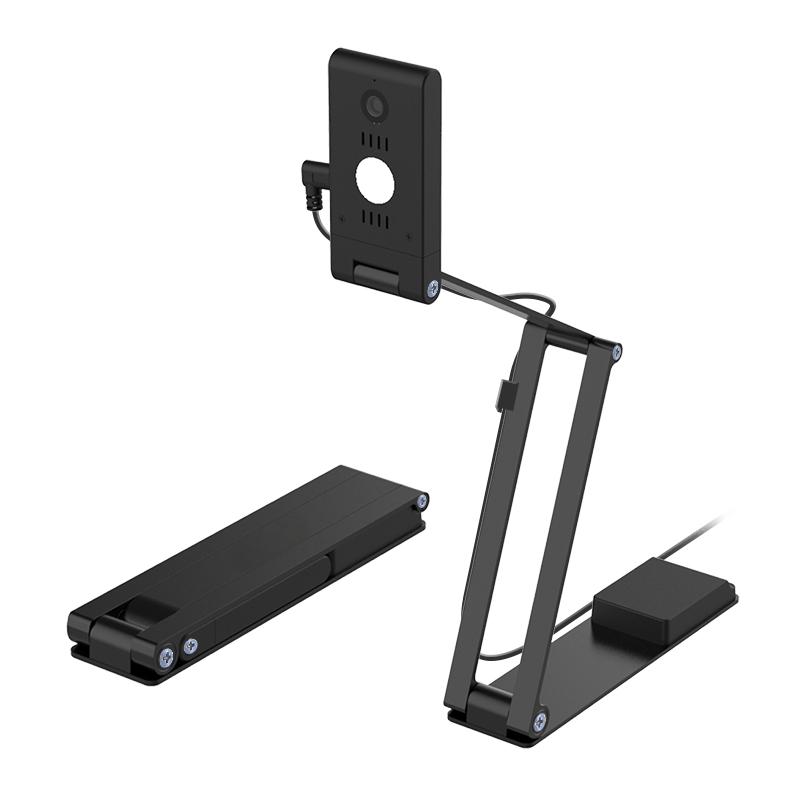
Value Priced 2-in-1 USB Digital Document Camera Visualizer A3 with 5MP 1/4" CMOS Sensor 10x Zoom 1-Year Warranty
Entry-level A3 visualizer for classrooms, branch counters and training rooms. USB plug-and-play, 5MP CMOS and 10x zoom make it an accessible first step into document capture.
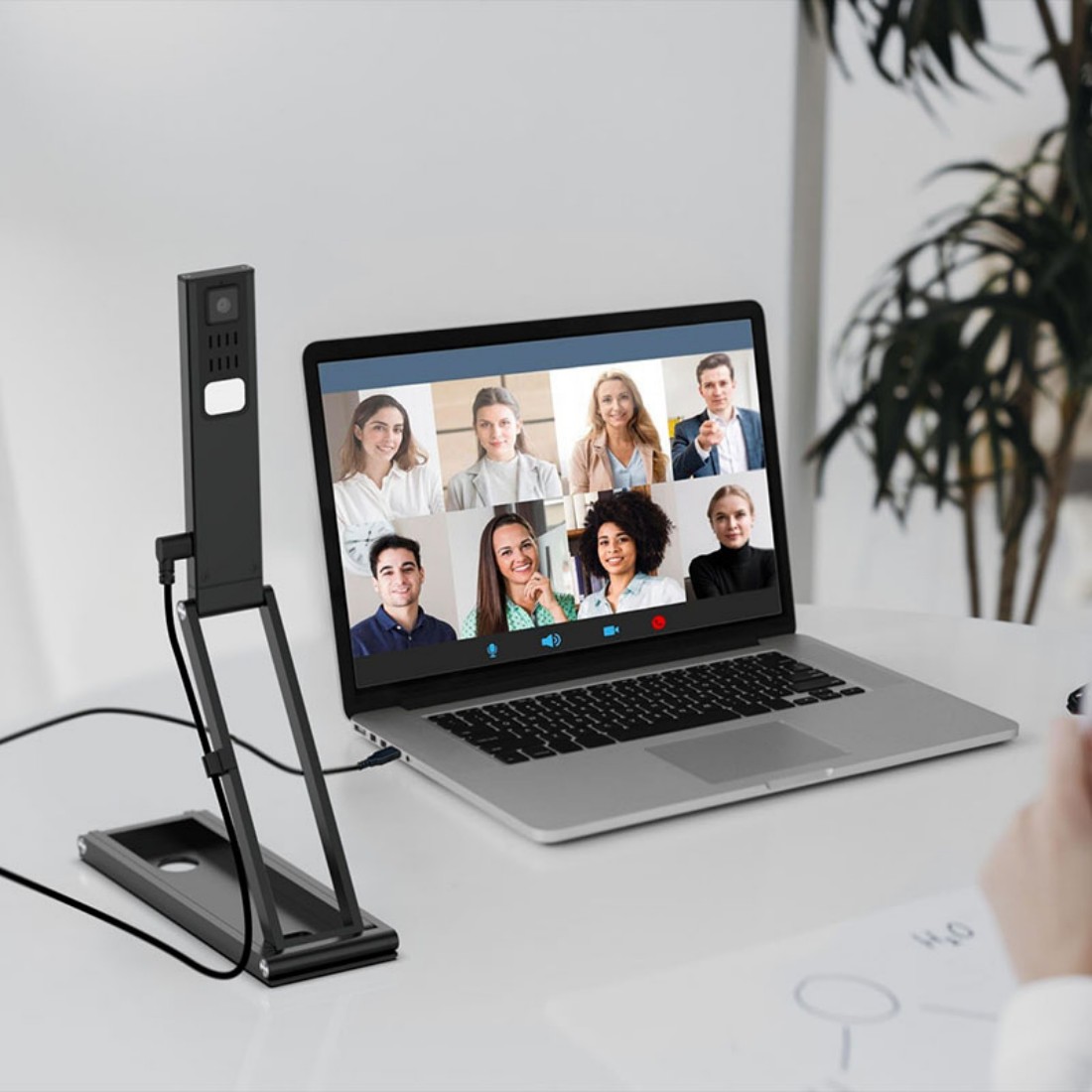
A3 4K Visual Presenter Document Camera with USB Interface for School Training Teaching Meetings Featuring Webcam Function
4K visual presenter with USB output and webcam function for hybrid teaching, live demonstrations and meeting-room capture. Delivers sharp A3 detail without special drivers.
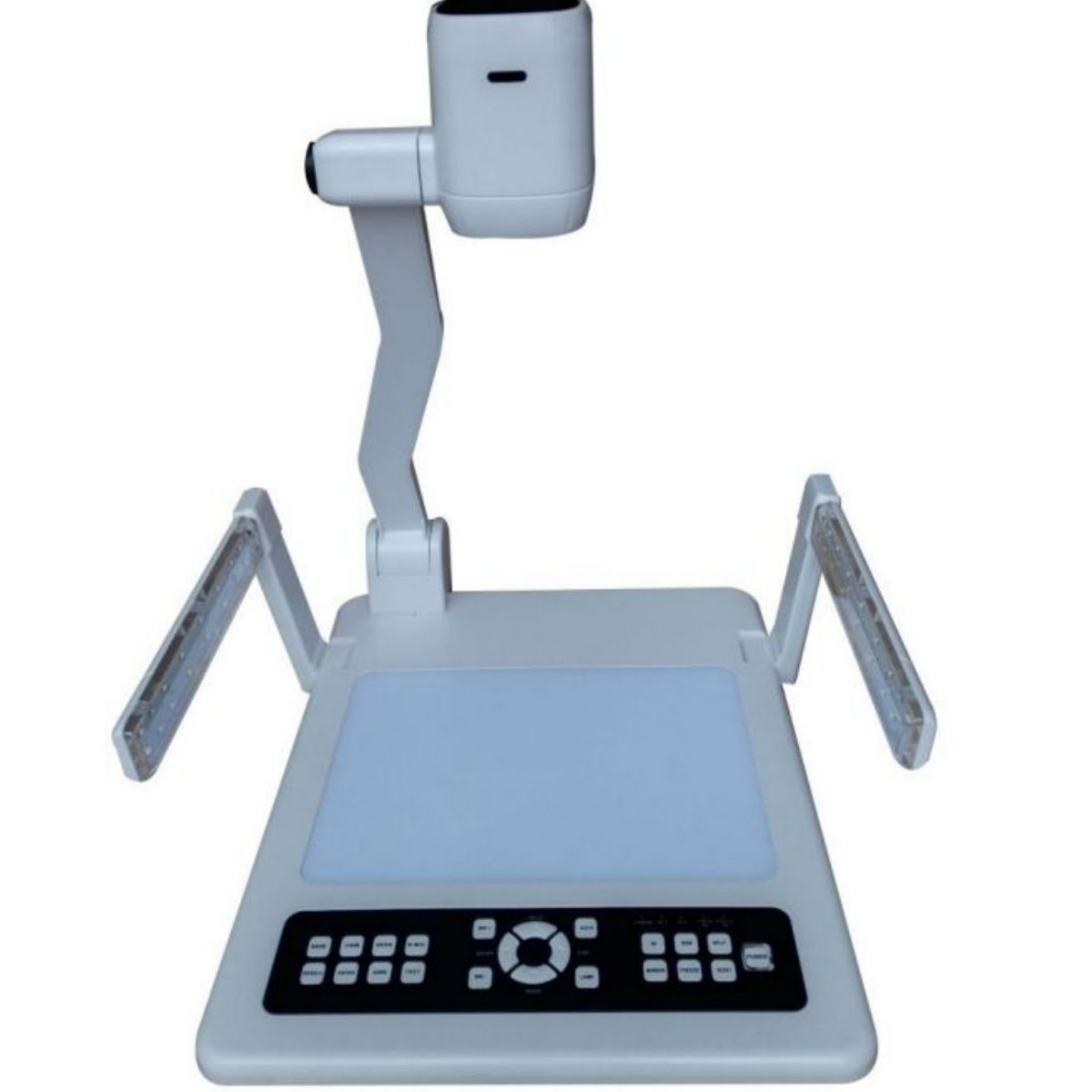
Multi-functional Document Camera Professional in Visual Presenter Also Visualizer in Educational Equipment
Flexible educational visualizer for lesson capture, object display and video conferencing. Multi-functional controls help schools standardize on one device for multiple rooms.
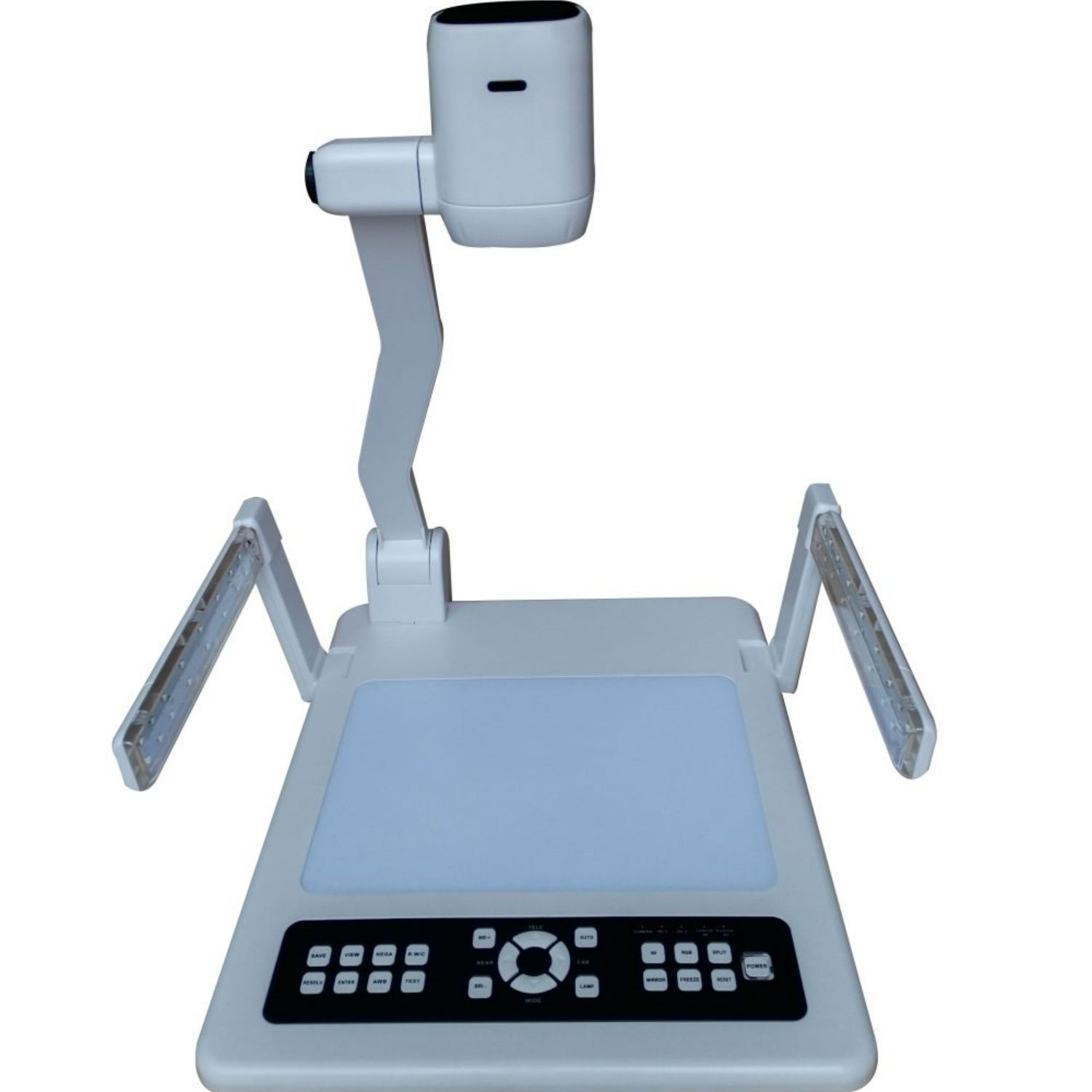
22x Optical Zoom 10x Digital Zoom VGA/USB Interface 2MP CMOS Sensor Resolution A4 Document Camera Foldable Digital Presenter
Foldable A4 document camera for detailed object demonstration, training and inspection. Optical zoom preserves detail while VGA/USB outputs simplify integration with existing displays.
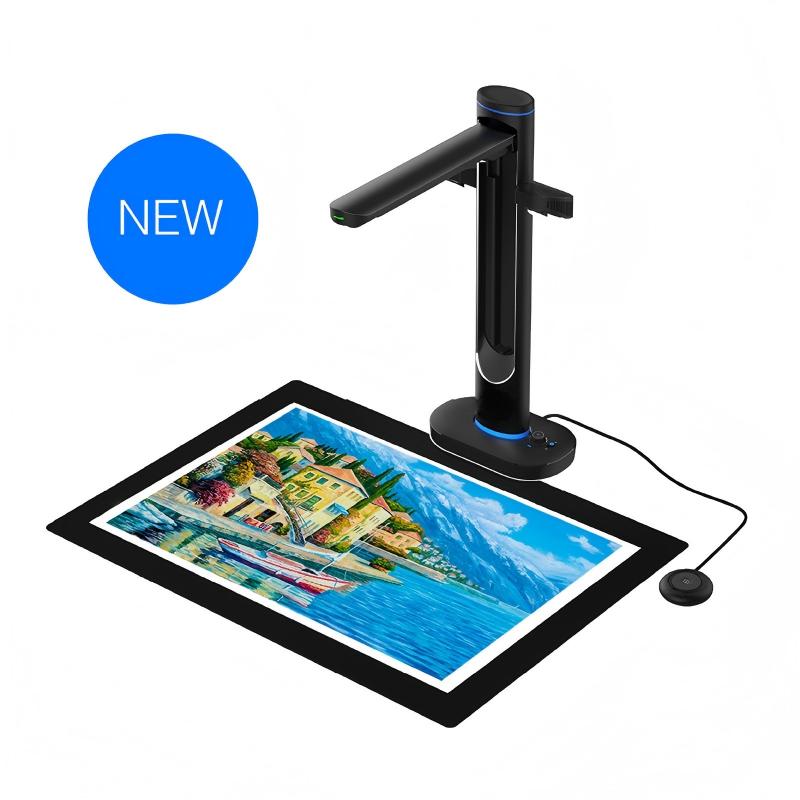
A2 Large Format Book Scanner Dual 48MP CMOS Sensors High-Speed Desktop Overhead Scanner for Windows & MacOS
Flagship A2 overhead scanner with dual 48MP CMOS sensors for newspapers, maps, bound books and archival masters. Windows and macOS software supports OCR and high-resolution export.
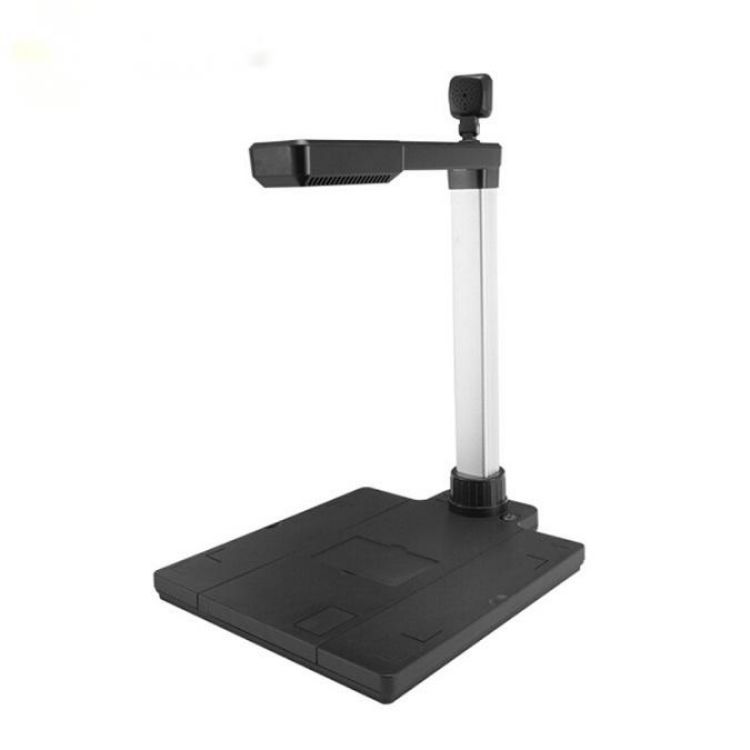
10MP Education Visualizer Scanner Document Management Book Camera USB in Stock
10MP USB visualizer for schools and document-management teams. Captures books, forms and objects quickly, with stock availability for fast project rollouts.
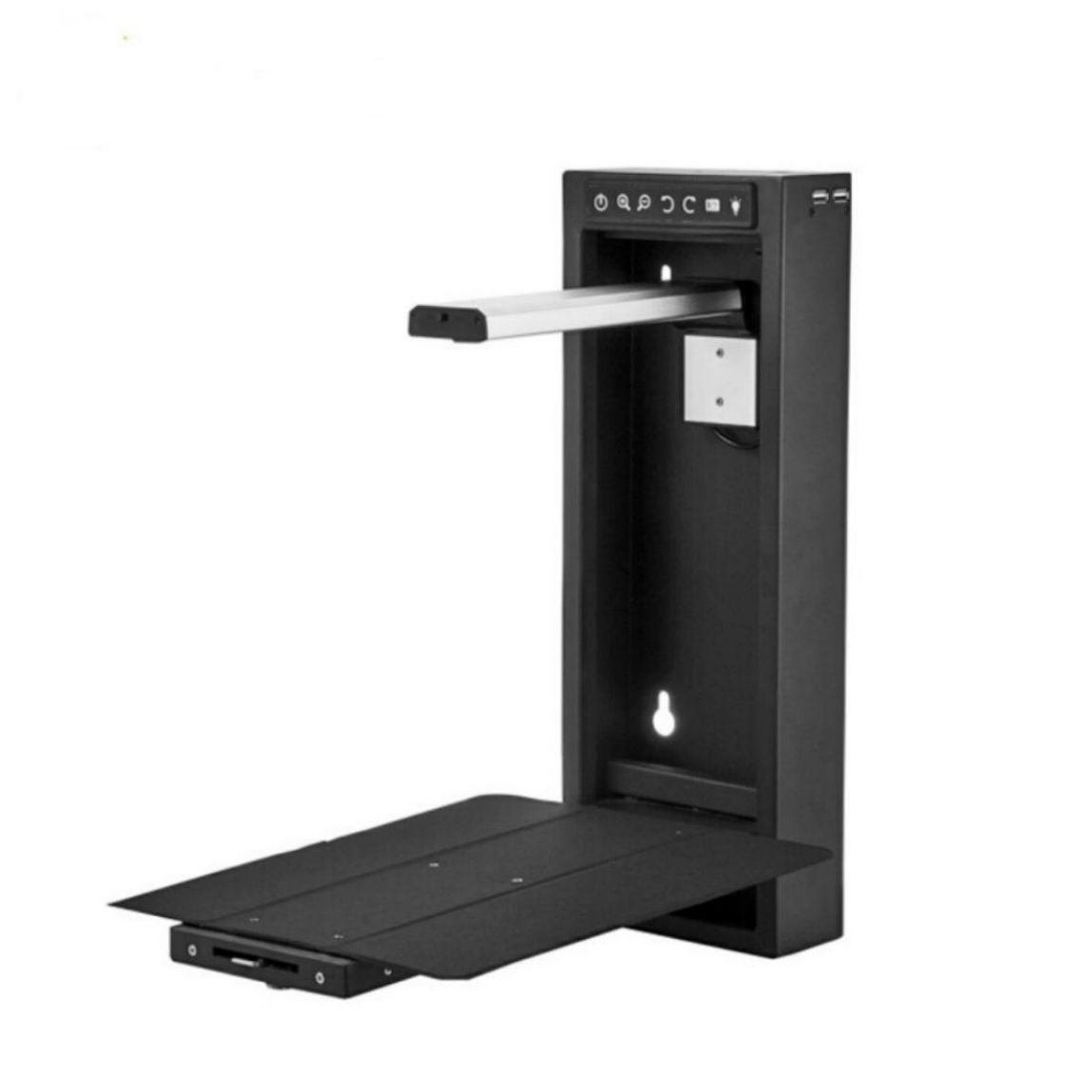
USB Interface Wall-Mounted A4 Visualizer OCR Document Scanner CMOS Sensor 10MP Resolution SDK Included Black 1-Year Stock
Space-saving wall-mounted A4 scanner with OCR and SDK support for counters, self-service terminals and system integration. 10MP CMOS capture and a one-year warranty.
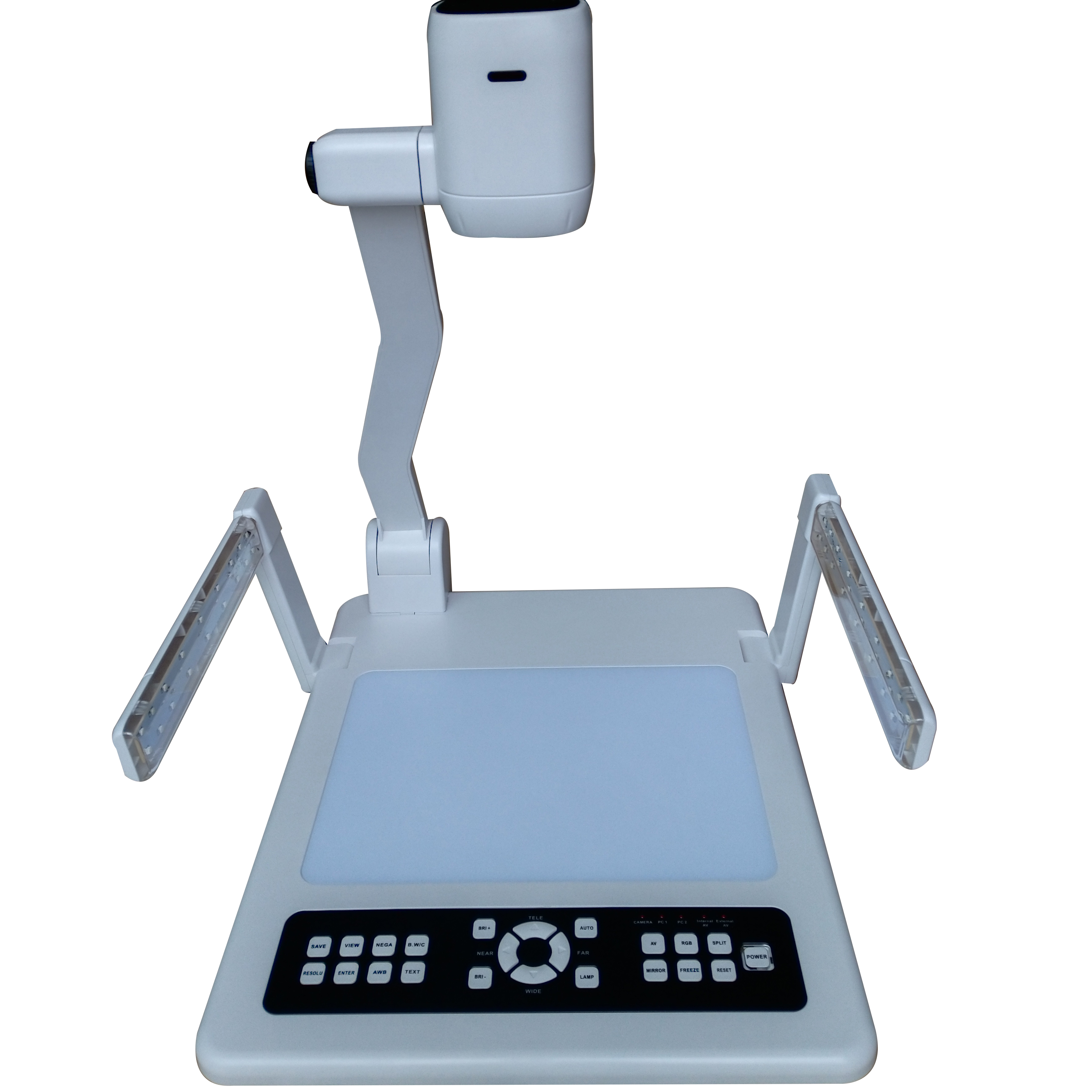
Modern Foldable Flexible Ultra HD Desktop Document Camera for School Video Output HD MI VGA Visualizer
Foldable ultra-HD desktop document camera with HDMI/VGA output for classrooms, training and presentations. Compact form factor simplifies storage and room-to-room use.
Why China Wholesale Book Scanners and Document Cameras Are a Strategic Sourcing Category
Book scanners and document cameras sit at the point where paper, image science, software and workflow meet. The purchase decision is rarely just about a camera head; it is about preservation, throughput, OCR quality, integration and long-term service.
From device buying to workflow buying
A library may need preservation-grade A2 capture. A school may need a 4K visual presenter with HDMI. A bank may need a wall-mounted A4 OCR camera with an SDK. A publisher may need a 48MP overhead scanner for broadsheet newspapers and maps. The common thread is that the device must fit a specific capture workflow.
Buying from a China wholesale book scanner factory and supplier can compress the supply chain, but only when the supplier can translate a use case into the right sensor, resolution, lighting, firmware and export documentation. That is where application-led sourcing creates more value than a simple price comparison.
Total cost of ownership matters more than unit price
Procurement teams now compare total cost of ownership, not just the quotation. They ask about OCR language packs, Windows and macOS compatibility, SDK access, spare parts, warranty response, MOQ flexibility, and how a 300 dpi archival master will be produced at A2. A supplier with CIS, CMOS and CCD experience can answer those questions without forcing every project onto one platform.
Quibow's range covers overhead book scanners, flatbed scanners, ADF units, document cameras and ID-recognition cameras. That breadth lets buyers compare formats before committing to a tender specification, and it gives distributors a single source for multiple product categories.
How to Specify Resolution with Confidence: The 300 dpi Rule
Megapixels are meaningless without document size. The practical formula is simple: pixel width = document width in inches × target dpi; pixel height = document height in inches × target dpi.
Match optical resolution to the page, not the brochure
A 300 dpi A3 sheet requires about 17.4 MP, while a 300 dpi A2 sheet requires about 34.8 MP. This is why a 21MP A2 camera delivers roughly 225–240 dpi across the full sheet, and why archive programs usually specify a 48MP A2 model for master files.
Do not confuse optical resolution, sensor resolution and interpolated resolution. For OCR, 200–250 dpi is often enough. For preservation, 300 dpi or higher is common. If a tender asks for A2 at 300 dpi, specify a 48MP sensor rather than relying on software upscaling.
- A4 at 300 dpi: about 8.7 MP; a 10MP or higher sensor is suitable.
- A3 at 300 dpi: about 17.4 MP; 18MP to 24MP models are appropriate.
- A2 at 300 dpi: about 34.8 MP; 48MP capture is recommended for archival masters.
- OCR and reading copies: 200–250 dpi can reduce file size and processing time.
Pixels required at 300 dpi
CIS, CMOS or CCD: A Practical Selection Matrix for B2B Buyers
Each sensor platform has a clear strength. Choosing correctly reduces rework, protects fragile originals and keeps the total project cost under control.
01CIS Contact Image Sensor
A slim linear sensor that reads the page at close range. Compact, low power and fast on sheet-fed paths. It is the natural choice for high-volume office batches, invoices and contracts.
- Best for: ADF scanning, batch documents, front-office digitization
- Typical model: S2060W ADF scanner, 60 ppm duplex
- Procurement focus: duty cycle, feeder reliability, daily volume
02CMOS Area Sensor
Captures the whole page in one shot from above, so books never need to be pressed flat. Software flattens curves, removes fingers and corrects page skew. This is the core platform for book scanners and visual presenters.
- Best for: bound books, newspapers, live teaching, counter services
- Typical models: 18MP–48MP book scanners and 4K visualizers
- Procurement focus: optical resolution, dewarping quality, OCR speed
03CCD Linear Sensor
A moving optical carriage with greater depth of field and stable color. It tolerates slightly raised originals such as book gutters and delivers controlled lighting for photos and artwork.
- Best for: photos, artwork, bookedge scanning without spine shadow
- Typical model: zero-margin bookedge flatbed scanner, 600 dpi
- Procurement focus: optical dpi, color bit depth, glass and lamp quality
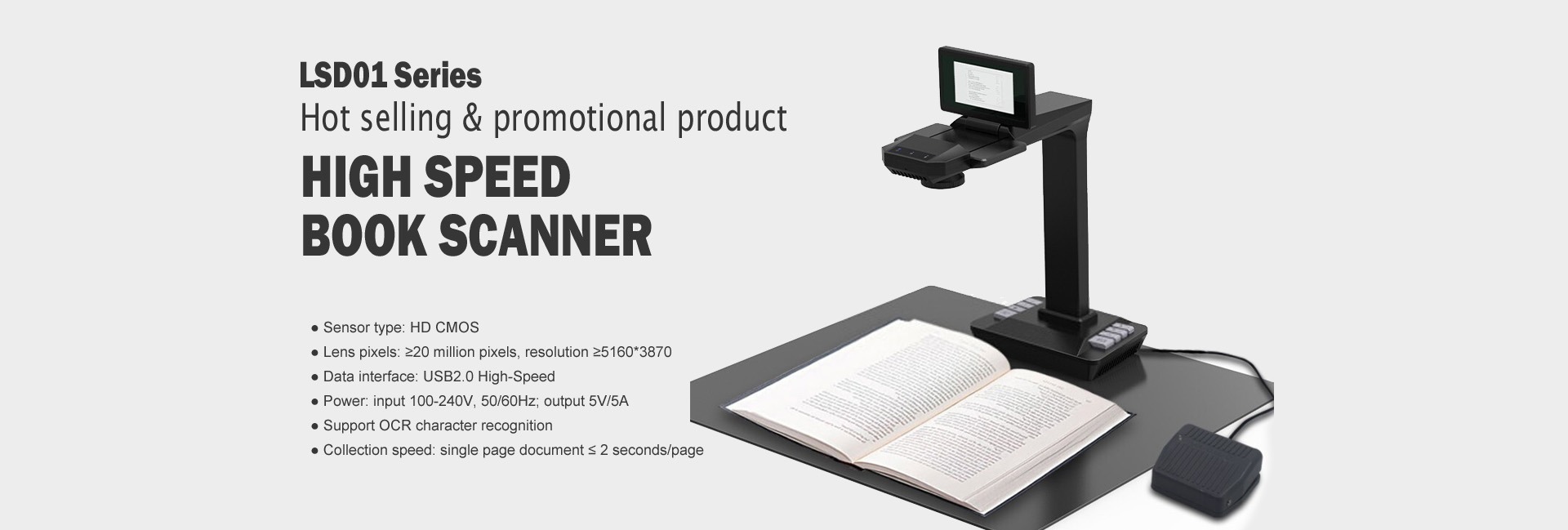
A production-ready system is more than a camera head
Wholesale buyers should evaluate the complete capture chain: sensor, lens, lighting, chassis, embedded software, PC software, OCR engine, export formats and SDK. A book scanner that captures a beautiful still image but lacks reliable page sequencing will slow a digitization project.
Ask for sample scans of curved pages, glossy paper, newspapers, ID cards and mixed batches. Confirm how the software handles auto page detection, finger removal, despeckle, deskew, OCR confidence and searchable PDF output. These details decide whether a scanner is merely attractive on a spec sheet or genuinely efficient in daily production.
Recommended Systems by Workflow, Not by Spec Sheet Alone
Use the eight models above as a shortlist. The right choice depends on document size, binding type, daily volume, output format and software integration.
Library & Archive
The A2 Large Format Book Scanner with dual 48MP CMOS sensors is designed for newspapers, maps, bound books and archival masters. Pair it with OCR workflows and high-resolution export for preservation programs.
Classroom & Training
The A3 4K Visual Presenter, Multi-functional Document Camera and Foldable Ultra HD Desktop Document Camera support live teaching, object display and hybrid meetings with HDMI/VGA or USB output.
Government & Banking
The Wall-Mounted A4 10MP OCR Scanner with SDK is suited to counters, self-service terminals and document capture points. The 5MP 2-in-1 USB model is a cost-effective option for branch offices.
Distributor & OEM
The 22x Optical Zoom A4 Document Camera, foldable desktop visualizer and wall-mounted scanner create flexible private-label options for resellers serving education, finance and public-sector tenders.
What Wholesale Buyers Will Require by 2030
Procurement criteria are shifting from “can it scan?” to “can it support a compliant, searchable, low-risk digitization program?” The following trends are already visible in tenders and distributor inquiries.
Preservation-first capture
Libraries and archives increasingly prohibit glass flattening for fragile bindings. Overhead CMOS capture with auto-flatten, finger removal and page-curve correction will be a baseline requirement, not a premium feature.
AI-assisted OCR
Buyers will expect OCR inside the capture workflow, with language packs, confidence scoring, metadata export and searchable PDF output. AI dewarping and text-to-speech are becoming evaluation criteria in education and accessibility projects.
4K and 48MP tiers
Tenders are moving from 1080p to 4K visual presenters and from 18–24MP to 48MP A2 scanners. Procurement teams should specify optical resolution and sensor count to avoid interpolation claims.
SDK and software integration
System integrators need SDK access, driver stability, Windows/macOS support and API documentation. OEM branding of software, packaging and accessories is increasingly part of the purchase decision.
Verified supplier records
Buyers will check onsite assessment, credit profile, trade history and buyer reviews before releasing purchase orders. Supplier transparency is becoming a risk-control requirement, especially for public-sector programs.
Total cost and service
Spare parts, remote diagnostics, warranty terms and lead-time reliability will outweigh the lowest quote. A one-year warranty with responsive remote support is a baseline for repeat wholesale orders.
Product Development Trends Shaping the Next Generation of Book Scanners
Hardware is converging around three ideas: higher optical resolution, better ergonomics and software that reduces post-processing. Form factors are diversifying around specific workflows rather than trying to be one universal device.
Dual-sensor and 4K capture
Dual CMOS A2 scanners and 4K visual presenters improve detail, color and live presentation quality. Sensor fusion also helps balance resolution, frame rate and file size.
Embedded AI preprocessing
Auto page detection, real-time dewarping, finger removal, barcode recognition and multi-language OCR reduce manual correction and speed up digitization.
Connectivity and SDK
USB 3.2, Wi-Fi, HDMI/VGA and SDK access allow scanners to fit library management, student information systems, document management and self-service kiosks.
Ergonomics and modular mounting
Foldable cameras, wall-mounted units, foot pedals, aluminum chassis and LED lighting show how hardware is being adapted to room size, counter space and user skill level.
Inside the Supplier: Quibow's Factory-to-Buyer Advantages
Guangzhou Quibow Electronic Co., Ltd. is a technology-driven supplier focused on image data acquisition and conversion. Founded in 2020 and located in Guangzhou, Guangdong, China, the company develops and supplies high-speed document cameras, book scanners, flatbed scanners and ID card recognition cameras across CIS, CMOS and CCD imaging platforms.



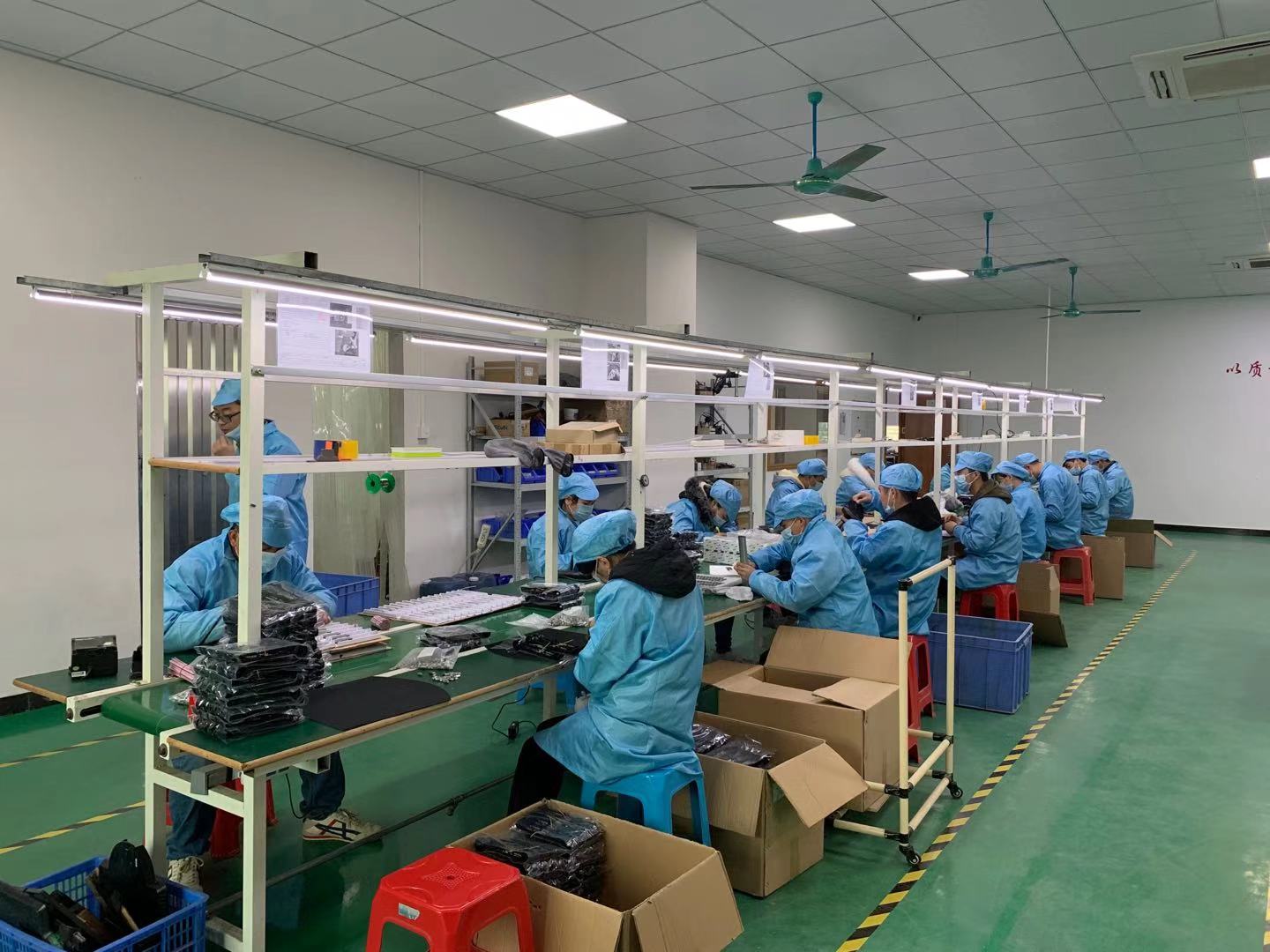
Application-led engineering, OEM/ODM flexibility and export support
Quibow's team supports product design, development coordination, export sales and after-sales service. The supplier works across CIS, CMOS and CCD imaging platforms and welcomes OEM/ODM projects including logo printing, packaging, housing color, capture software branding and SDK integration on selected models.
Verified supplier records
Buyers can review onsite assessment, credit overview, ratings and reviews, trade capacity, transaction level, trade history and transaction history before approving the supplier.
Export-ready payment and delivery
Payment methods include T/T, L/C, PayPal and Western Union in USD, EUR, HKD or CNY. Delivery terms include FOB, EXW and DDU.
Warranty and remote support
Listed models such as A3 flatbed scanners, A2 overhead scanners and the S2060W ADF scanner carry a one-year warranty, backed by remote technical support.
From Requirement to Delivery in Five Controlled Steps
A transparent process helps procurement teams plan internal approvals, sample testing, packaging review and shipment scheduling.
Requirement Review
Document size, volume, operating system and output formats are confirmed, usually within one hour.
Model Matching
We recommend the sensor platform and resolution, with sample scans available on request.
Customization
Logo, packaging, housing color, software branding, OCR languages and SDK integration are defined.
Quality Inspection
Each unit is checked for focus, lighting uniformity, driver installation and capture speed.
Shipping & Support
Export packing and remote setup support, with a one-year warranty on listed models.
Payment Methods
T/T, L/C, PayPal, Western Union
Payment Currency
USD, EUR, HKD, CNY
Delivery Terms
FOB, EXW, DDU
Questions Wholesale Buyers Ask Most
Use these answers to prepare an internal sourcing brief, compare quotations and reduce technical risk before ordering.
What is the minimum order quantity for Quibow scanners and document cameras?
Most stock book scanners, A2 large-format scanners and flatbed scanners start from one piece or one set. Several document camera models start from two pieces. OEM/ODM quantities are confirmed per project, depending on branding, packaging and software customization.
Do you support OEM and ODM orders?
Yes. Quibow supports OEM/ODM projects including logo printing, packaging design, housing color, capture software branding, OCR language configuration and SDK integration on selected models. Buyers should share target markets, certification needs and expected annual volume during the first review.
Are the scanners compatible with Windows and macOS?
Many models, including the A2 large-format scanners and the 1200 DPI A3 flatbed scanner, support Windows and macOS, and some are verified on Apple M1 Macs. Compatibility should be confirmed for each model and software version before shipment.
Which resolution do I need to scan A3 or A2 documents at 300 dpi?
An A3 page at 300 dpi needs about 3508 × 4961 pixels, or around 17.4 MP. An A2 sheet at 300 dpi needs about 4961 × 7016 pixels, or around 34.8 MP. Therefore, an 18MP to 24MP scanner suits A3, while a 48MP A2 scanner is recommended for archival masters.
What payment and delivery terms do you accept?
Payment methods include T/T, L/C, PayPal and Western Union. Quotations can be issued in USD, EUR, HKD or CNY. Delivery terms include FOB, EXW and DDU, depending on the destination and buyer preference.
What warranty do your products carry?
Listed models such as the A3 flatbed scanners, A2 overhead scanners and the S2060W ADF scanner carry a one-year warranty. Support is provided remotely, with troubleshooting, driver guidance and spare-part coordination where applicable.
How can I verify the supplier before placing an order?
Review the supplier assessment, credit overview, ratings and reviews, trade capacity, transaction level, trade history and transaction history. For larger projects, request sample scans, a live demonstration and a clear quotation covering MOQ, lead time, packaging and warranty terms.
Can you provide sample scans or SDK documentation?
Yes, sample scans can be prepared for specific document types such as curved books, newspapers, ID cards or glossy brochures. SDK documentation is available for selected models and is usually reviewed together with the integration scope, operating system and target output format.
What is the typical lead time?
Lead time depends on stock status, order quantity, customization and destination. Stock models can usually be confirmed quickly, while OEM/ODM projects require additional time for branding, packaging, software configuration and quality inspection. Confirm the schedule in the quotation.
Build a Repeatable Wholesale Program for Book Scanners and Document Cameras
Tell us the document size, daily scan volume, target dpi, OCR language, operating system, interface and branding requirements. We will recommend a shortlist from the eight models above or a custom OEM/ODM configuration, then confirm MOQ, lead time, payment terms and warranty.