China Top Professional Book Scanner Factories & Exporters
An evidence-led white paper for distributors, libraries, integrators and procurement teams sourcing overhead book scanners, A3/A2 document cameras, bookedge flatbeds and visual presenters from China.
Eight Export-Ready Book Scanners, Document Cameras & Visualizers
These eight products represent the practical range global buyers ask for first: 4K visualizers, education document cameras, portable A3 library scanners, optical-zoom visual presenters and CCD bookedge flatbeds. Each product URL is retained so your team can verify the exact specification, stock status and quotation path.
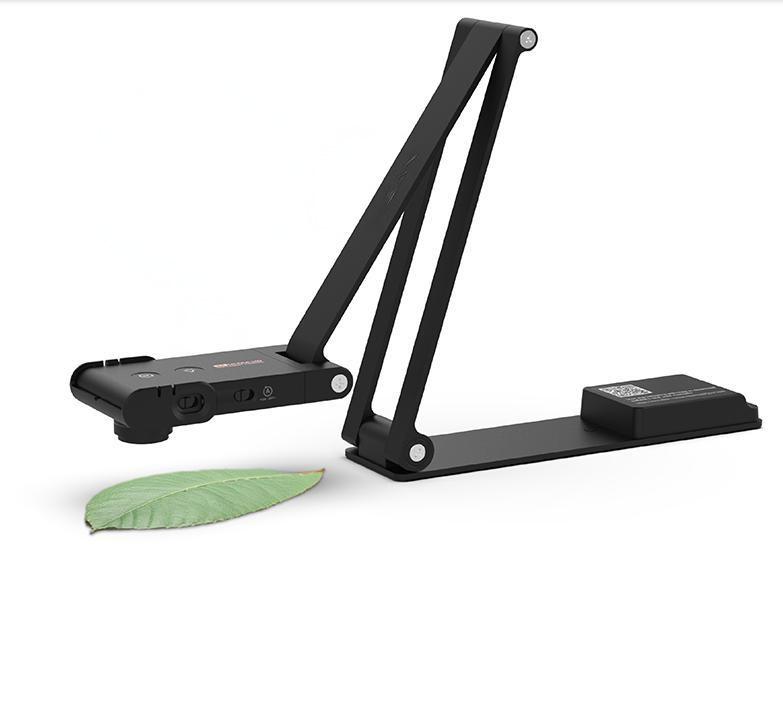
4K 2-in-1 USB 13MP Document Camera Visualizer AI Noise Cancellation 20X Macro Lens Foldable Design Microphone A3 Max 1-Year
Best for: hybrid classrooms, online training and counter service where live presentation, microphone input and high-resolution still capture are required.
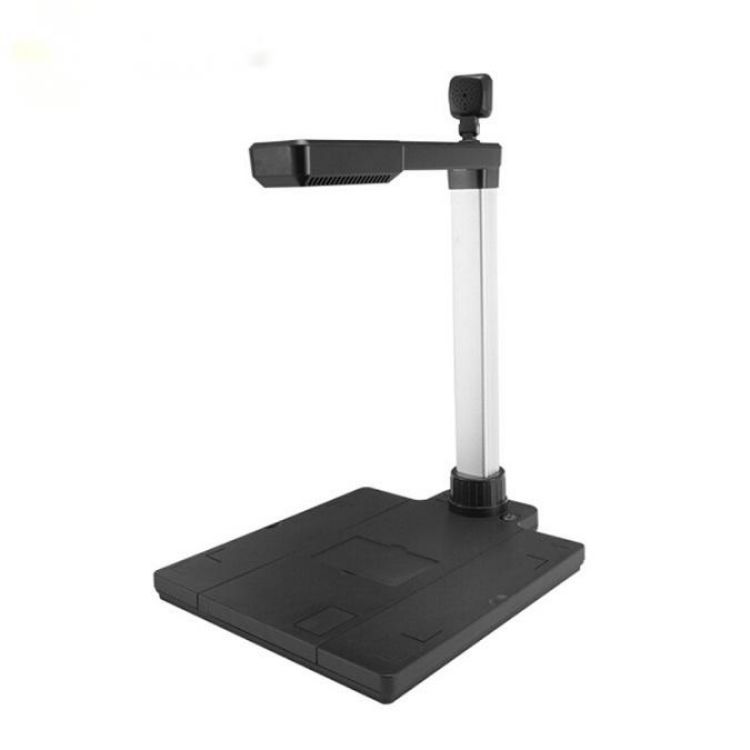
10MP Education Visualizer Scanner Document Management Book Camera USB in Stock
Best for: schools and training departments that need USB plug-and-play document capture with stock availability for rollout programs.
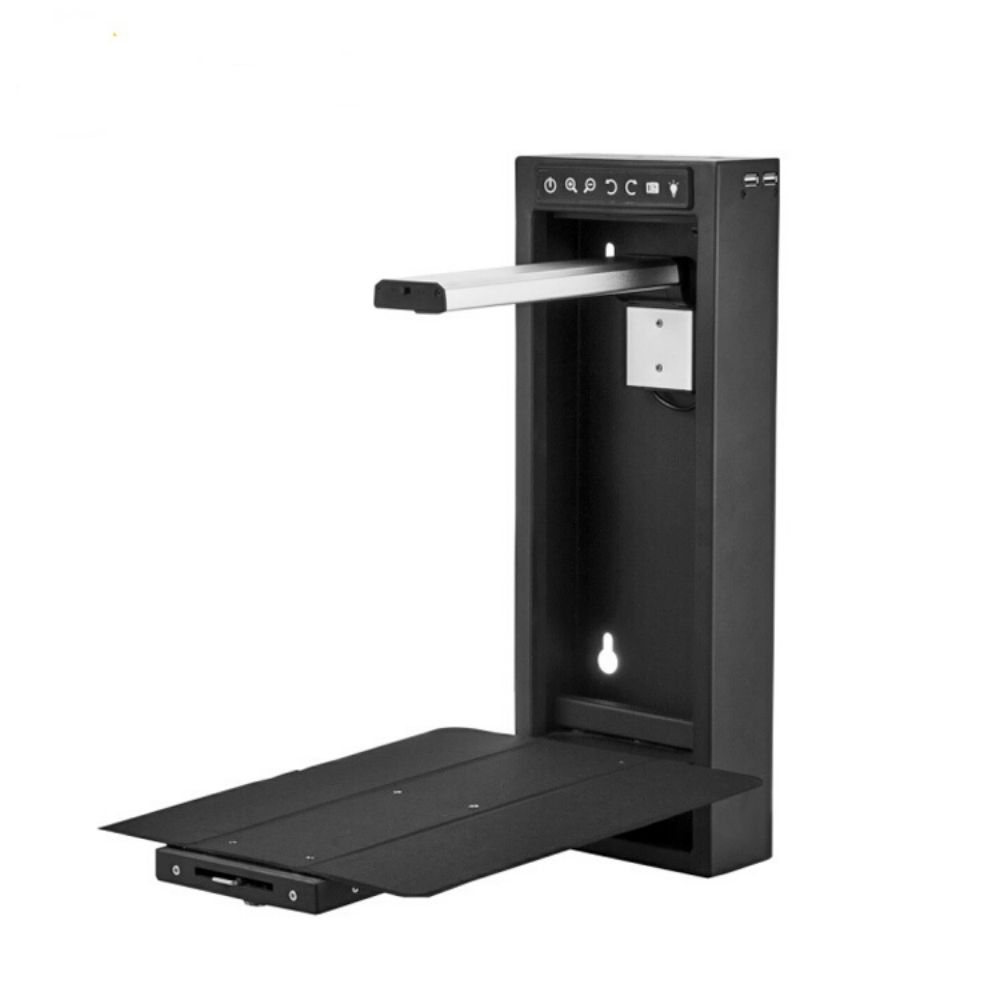
Online Training Portable 10MP A4 Document Scanner USB Interface Visualizer-in-Stock for Wall Version Black+Silver 1-Year
Best for: online training rooms and wall-mounted visualizer deployments where space is limited and A4 capture is sufficient.
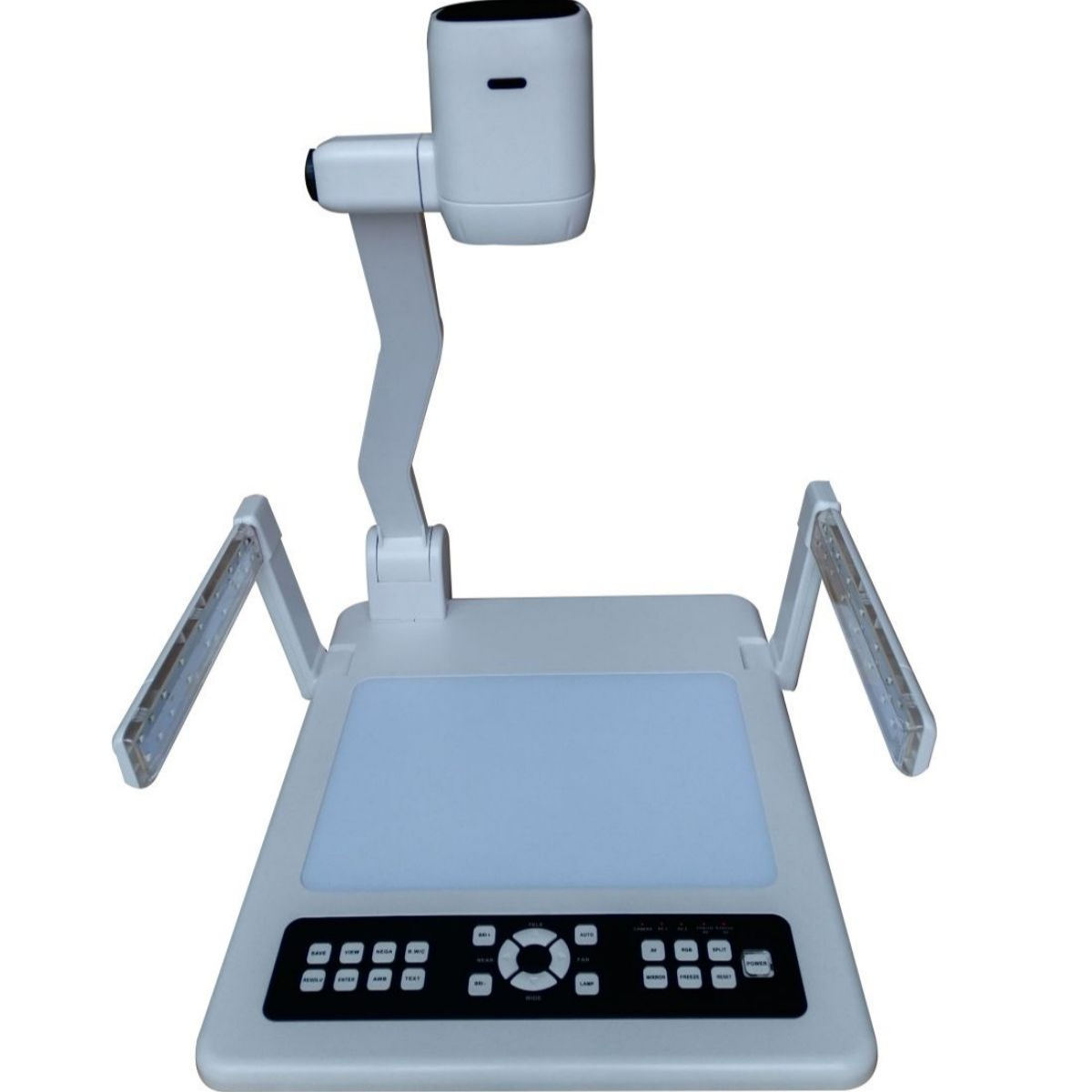
HD Optical Zoom Visual Presenter 1/3" CMOS Sensor 1-Year Warranty OEM Brand GUA Origin Professional Document Camera VGA RS232
Best for: AV integrators and OEM brand programs requiring optical zoom, VGA/RS232 control and professional presentation stability.
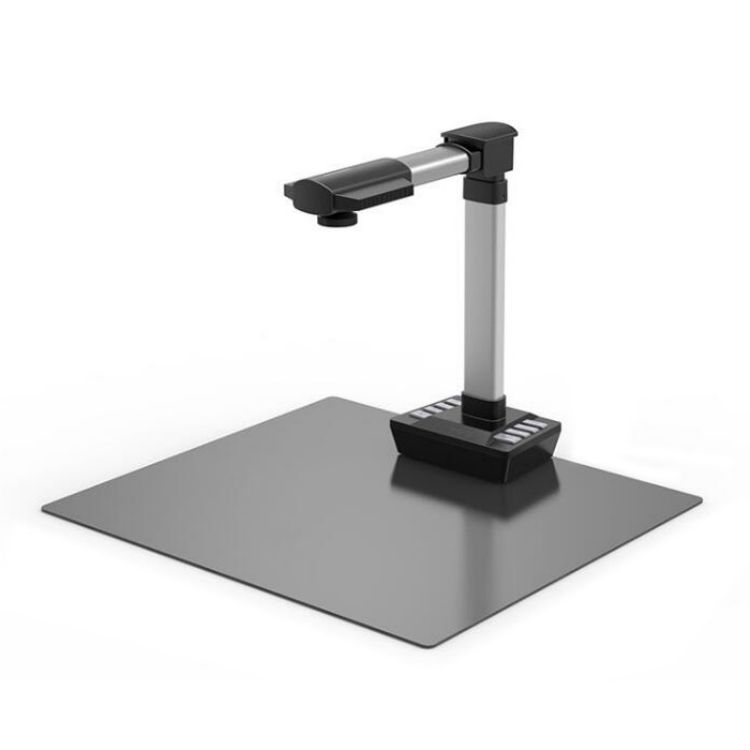
High Resolution Portable A3 Library Book Scanner with Foot Controller USB Interface Automatic Document Scanner Stock Product
Best for: libraries, reading rooms and archive projects needing hands-free page capture and repeatable throughput with a foot controller.
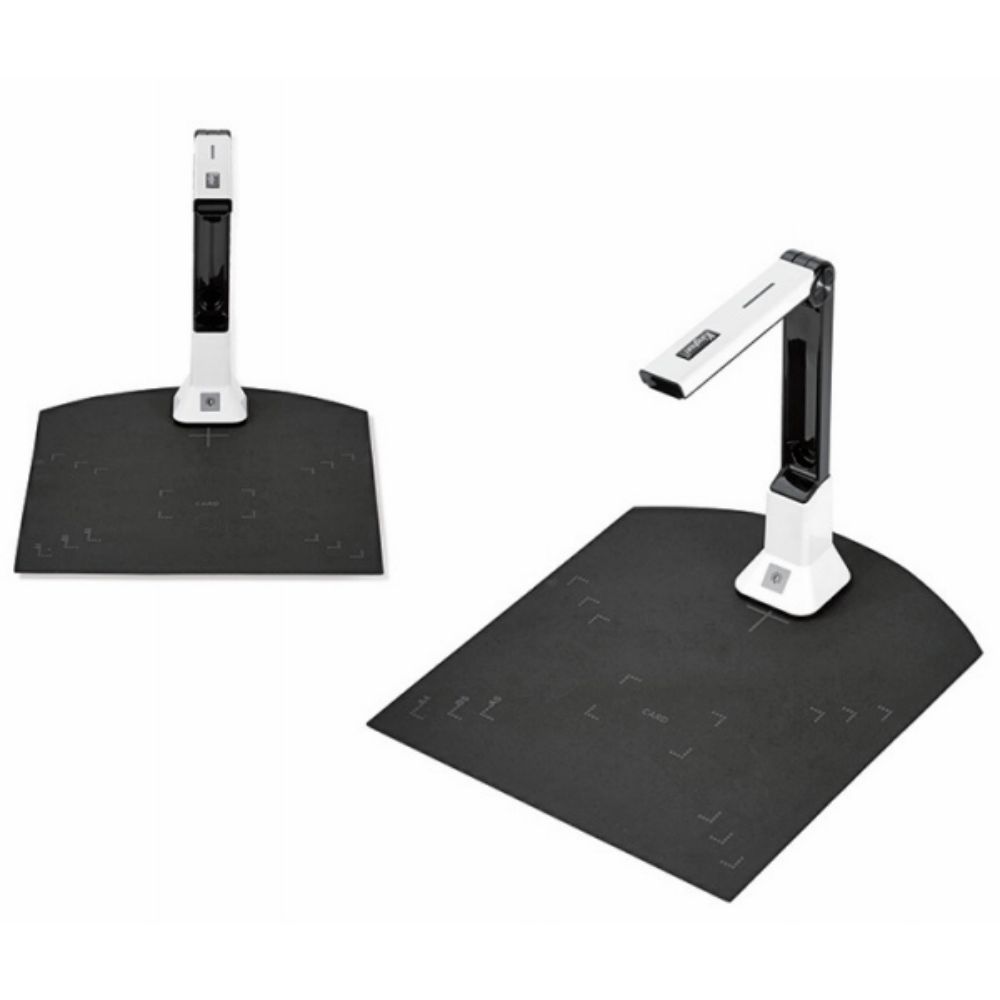
Wholesale 5MP USB Light CMOS A4 Document Scanner Portable Smart Handheld High Resolution 1-Second Scan CE Certified Stock Black
Best for: entry-level A4 portable scanning, counter capture and stock programs where fast one-second scanning and CE certification matter.
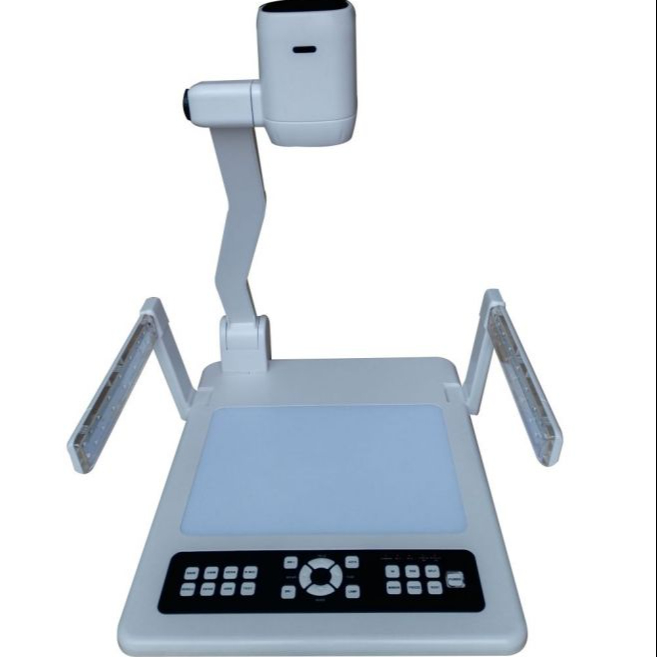
Factory Desktop Document Camera Visualizer 22X Optical Zoom with Interface HDMI RS232 Audio Mic Video
Best for: meeting rooms, training labs and factory demonstrators requiring 22X optical zoom, HDMI output and audio/video integration.
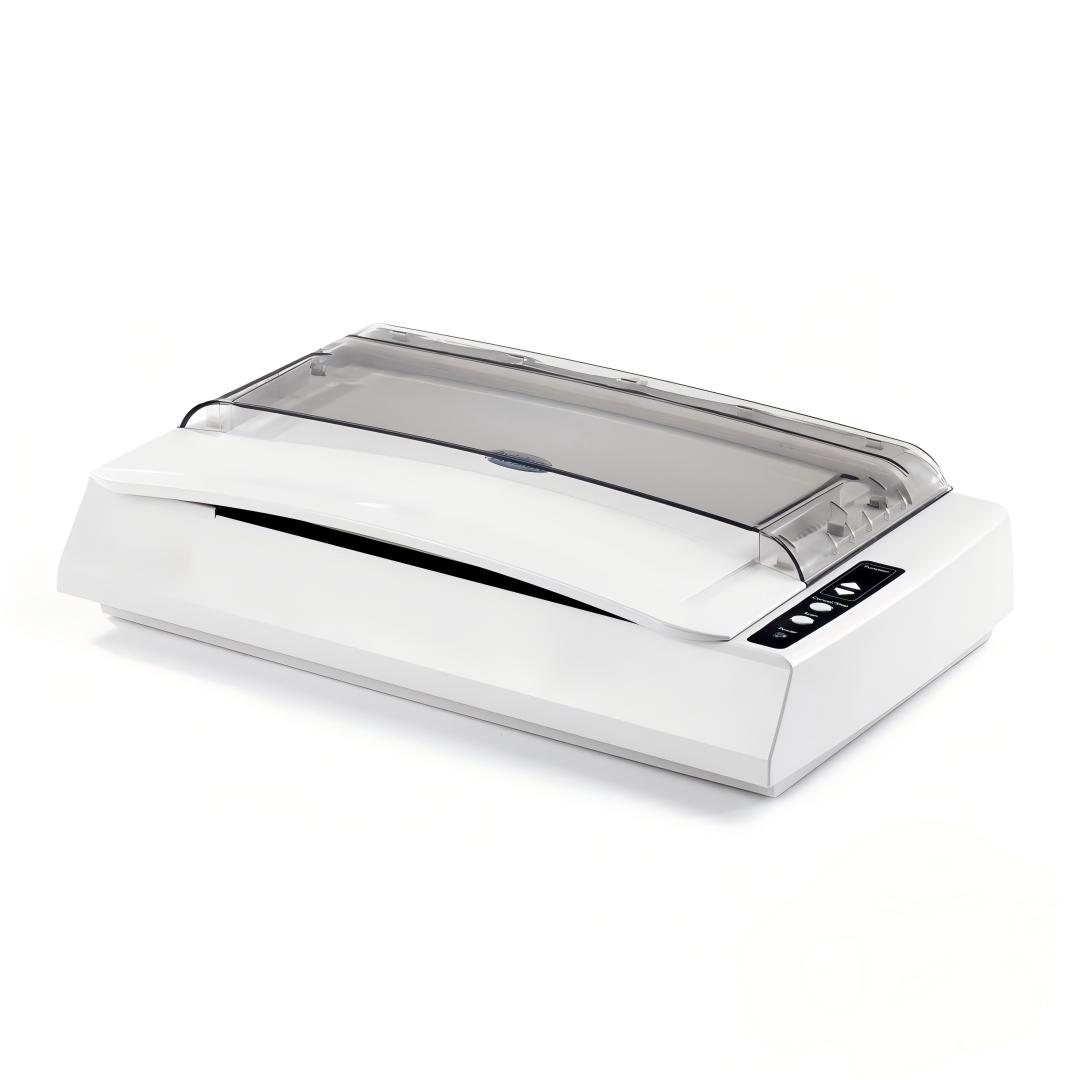
CCD Zero Margin Bookedge Flatbed Scanner A4 600dpi USB Bound Book Scanning No Spine Shadow Library Archive Digitization
Best for: bound books and spine-sensitive archives where a zero-margin bookedge design must minimize shadow at 600 dpi.
What Separates China’s Top Book Scanner Exporters from Catalogue Sellers?
The phrase “China top professional book scanner factories & exporters” is a buying signal, not a product specification. Procurement teams need to separate manufacturing capability, software ownership, export coordination and after-sales support before comparing quotations.
China remains the dominant source for overhead book scanners, A2 large-format archive scanners, A3 document cameras, flatbed bookedge scanners and classroom visualizers because the supply chain spans optics, CMOS/CIS/CCD sensors, PCB assembly, firmware, housing fabrication and export packing in a compact geographic area. That density creates choice, but it also creates noise: many listings use similar product images, overlapping specifications and vague “factory direct” language.
The first useful distinction is role. A company may be a component integrator, a software developer, an assembly partner, an export trading company or a regional after-sales coordinator. A serious exporter does not need to own every process, but it must be able to document who controls design, firmware, calibration, quality inspection, warranty replacement and spare-parts availability. Buyers should treat “factory” and “exporter” as different functions and verify which function they are actually paying for.
Information gain in this category comes from engineering specificity. Ask for a scan made from your document size, your binding type and your target output, not a brochure image. At 300 dpi, an A3 page requires about 3508 × 4961 pixels—roughly 17.4 MP—while an A2 sheet requires about 4961 × 7016 pixels, or roughly 34.8 MP. A 21 MP overhead camera covering a full A2 area may deliver only about 225–240 dpi. That may be acceptable for OCR and on-screen reading, but it may fail a library or government tender that specifies 300 dpi at A2. This arithmetic should be part of every RFQ.
Due diligence should be layered. First verify legal identity, onsite status, trade history, buyer ratings and credit records. Then ask for firmware version, SDK terms, Windows and macOS compatibility, OCR language packs, default output formats, lighting uniformity at the page edges, spare-parts list, warranty process and export-carton drop-test standard. Finally, confirm whether the quoted model is stock or made-to-order, and whether the certification applies to the exact model and power adapter shipped to your market.
Guangzhou Quibow Electronic Co., Ltd. is a useful case study in focused coordination rather than mass-market branding. Founded in 2020 and based in Guangzhou, Guangdong, Quibow develops and supplies image acquisition and conversion equipment across CIS, CMOS and CCD platforms. Its range includes high-speed document cameras, overhead book scanners, A3/A2 large-format scanners, flatbed scanners, visual presenters and ID card recognition cameras, with OEM/ODM support for logo, packaging, housing color, software branding and SDK integration on selected models.
Because Quibow operates as an onsite-checked trading company, buyers should evaluate it as an export integrator: can it select stable production partners, control pre-shipment inspection, answer technical questions quickly and support the buyer after arrival? The company’s roughly one-hour average response time, 100% message response rate and 27% buyer reorder rate are practical signals, but they do not replace sample testing. Use them as a filter, then validate the exact unit against your own capture requirements.
RFQ Checklist for Book Scanner Procurement
Send these items in the first inquiry to avoid a slow, generic quotation cycle:
- Document size: A4, A3, A2 or newspaper broadsheet.
- Material type: loose sheets, bound books, maps, photos or ID cards.
- Target resolution: 200–250 dpi for OCR, 300 dpi or higher for archival masters.
- Daily volume and required scan cycle time.
- Output format: JPG, PDF, searchable PDF, OCR text, TIFF or video.
- Operating system: Windows, macOS, Apple M1/M2/M3, Linux or embedded kiosk.
- Integration needs: SDK, RS232, HDMI, VGA, USB, foot pedal or wall mount.
- Commercial terms: MOQ, OEM branding, warranty, spare parts and delivery term.
Match the Scanner to the Material, Not the Brochure
Book scanners, document cameras and flatbeds are not interchangeable. The right shortlist depends on binding condition, page size, daily throughput, lighting tolerance, software workflow and whether the device must also serve live presentation.
For bound books and fragile records, choose a non-contact overhead CMOS scanner in A3 format with 18–24 MP and software that performs curve flattening, deskew and finger removal. A contact flatbed may press the spine and damage fragile material; an overhead design keeps the book open naturally. For newspapers, maps and engineering drawings, move to an A2 overhead scanner with 48 MP if the tender requires 300 dpi archival masters. For spine-sensitive bound volumes that still need flatbed stability, a CCD bookedge flatbed with zero-margin glass is more suitable because it reduces spine shadow without forcing the page flat.
For classrooms and training rooms, prioritize live output quality rather than megapixels alone. A 4K 8 MP visualizer with optical zoom, HDMI/VGA output, remote control and low-latency display often produces a better teaching experience than a higher-resolution capture device with weak video processing. For counters and service desks, a 2-in-1 document camera with AI noise cancellation, macro lens and microphone can serve both ID/document capture and live customer communication. For field sales, home offices and portable archive work, an A3 or A4 USB scanner with foot pedal or one-second capture reduces fatigue and improves repeatable throughput.
One common purchasing error is over-specifying resolution while under-specifying the workflow. A 48 MP A2 scanner can create large files that slow OCR and archive systems if the software is not configured properly. A 13 MP visualizer may be perfect for classroom display but inadequate for an A2 newspaper master. The specification should follow the output requirement: screen display, OCR text, searchable PDF, print reproduction or permanent preservation.
Fast Recommendation Path
- Bound books: A3 overhead CMOS, 18–24 MP, auto-flatten and deskew.
- Newspapers and A2 archives: 48 MP A2 overhead scanner for near-300 dpi masters.
- Bookedge archive without spine shadow: A4 CCD zero-margin flatbed, 600 dpi.
- Classroom or training: 4K visualizer with optical zoom and HDMI/VGA.
- Portable library workflow: A3 USB book scanner with foot controller.
- Counter capture: 13 MP 2-in-1 document camera with microphone and macro lens.
| Document Size | Pixels Needed at 300 dpi | Recommended Capture Class | Procurement Note |
|---|---|---|---|
| A4 210 × 297 mm |
2480 × 3508 ≈ 8.7 MP |
10 MP or higher document camera / portable scanner | Suitable for counter capture, online training and general office digitization. |
| A3 297 × 420 mm |
3508 × 4961 ≈ 17.4 MP |
18–24 MP overhead book scanner | A 24 MP model can provide useful headroom for cropping and deskew. |
| A2 420 × 594 mm |
4961 × 7016 ≈ 34.8 MP |
48 MP A2 overhead scanner | Specify 48 MP if the tender requires 300 dpi at full A2; confirm effective dpi in writing. |
| Photos and artwork | 600–2400 dpi optical | CCD flatbed with 48-bit color | Optical resolution and color depth matter more than interpolated figures. |
How Book Scanner Purchasing Will Change Through 2030
Buyers are moving away from single-unit price comparison toward total cost of ownership, tender-ready documentation, mixed-fleet deployment and software integration. These shifts favor exporters that can answer technical questions, supply sample scans and support repeat orders.
Total Cost of Ownership
Lowest unit price is losing to lifetime cost: scan cycle time, OCR rework, lamp or sensor maintenance, spare-parts availability and warranty response. A slightly higher-priced scanner that reduces operator fatigue often pays back faster in library and archive projects.
Tender-Ready Evidence
Public-sector buyers increasingly request sample scans, effective dpi calculations, driver compatibility, OCR language lists and written confirmation of warranty terms. Exporters that respond within hours with precise technical answers will win more shortlists.
Mixed-Fleet Deployment
One device rarely fits every task. Libraries combine A2 overhead scanners, A3 book scanners and zero-margin flatbeds; schools combine visualizers with portable document cameras. Mixed-fleet suppliers reduce procurement complexity.
OEM, SDK and Local Branding
Distributors want logo, packaging, software branding and SDK access, not just generic hardware. Integration with RS232, HDMI, USB and local capture software is becoming a selection criterion for system integrators.
Engineering Directions Buyers Should Build Into Specifications
The next generation of book scanners and document cameras will be judged less by raw sensor numbers and more by image processing, workflow integration, operator comfort and data control.
Higher-Resolution A2 Capture
Dual-sensor and 48 MP designs are becoming standard for newspapers, maps and large archives where 300 dpi at full A2 cannot be compromised.
AI-Assisted Flattening and Cleanup
Curve flattening, finger removal, background cleanup, page splitting and automatic deskew reduce operator involvement and improve OCR accuracy.
OCR and Searchable PDF Workflows
OCR is shifting from an optional add-on to a baseline requirement. Buyers should specify language packs, output formats and batch-processing behavior.
4K Visualizers for Live Teaching
Classrooms increasingly expect 4K output, low-latency video, HDMI/VGA and remote control. Optical zoom quality is more important than digital zoom claims.
Privacy and Local Processing
Government, banking and education buyers prefer capture software that can run locally, control data retention and avoid unnecessary cloud dependency.
Modular Interfaces and SDKs
USB, HDMI, VGA, RS232, foot pedals and SDK access allow the scanner to fit kiosks, library stations, counter systems and custom archive software.
Why Quibow Is a Verifiable China Book Scanner Partner
Quibow’s advantage is not a mass-market showroom story. It is a compact, export-focused operation built around image acquisition hardware, OEM/ODM coordination and responsive technical communication.

Guangzhou Quibow Electronic Co., Ltd. develops and supplies photoelectric information equipment and image conversion solutions. Its portfolio covers high-speed document cameras, overhead book scanners, A3/A2 large-format document scanners, flatbed scanners, visual presenters and ID card recognition cameras across CIS, CMOS and CCD imaging platforms.
The company supports OEM/ODM projects that include logo printing, packaging, housing color, capture software branding and SDK integration on selected models. For distributors and integrators, that means the buying conversation can move beyond a stock item toward a branded, market-specific solution.
For procurement teams, the practical advantage is a supplier that can connect product selection, export documentation and after-sales support. Quibow publishes multiple third-party records—supplier assessment, credit profile, ratings, trade capacity and transaction history—so buyers can verify the company before sending a deposit or placing a repeat order.
Review Company ProfileIndependent Records You Can Check
Trust should be verifiable. These third-party records are maintained by the platform and should be reviewed alongside sample scans, quotations and warranty terms.
Supplier Assessment
Onsite check confirming business premises and legal status.
View recordCredit Overview
Platform credit profile and trading reliability indicators.
View recordRatings & Reviews
Feedback left by verified buyers after completed orders.
View recordTrade Capacity
Export markets, trade terms and logistics capability.
View recordTransaction Level
Platform-measured order volume and performance level.
View recordTrade History
Record of past trade activity on the platform.
View recordTransaction History
Completed transactions over recent months.
View recordVideo Introduction
See products and workspace through a company video.
View recordFrom Requirement Review to Repeat Order
A transparent procurement path helps distributors, tender teams and system integrators understand exactly what happens after the first inquiry.
Requirement Review
Document size, daily volume, operating system, output formats, target dpi and tender clauses are confirmed, usually within one hour.
Model Matching
CIS, CMOS or CCD platform, lens type, lighting, interface and resolution are matched to the real material to be scanned.
Customization
Logo, packaging, housing color, software branding, OCR languages and SDK integration are defined for OEM/ODM projects.
Quality Inspection
Focus, lighting uniformity, driver installation, capture speed and export packing are checked before shipment.
Shipping & Support
FOB, EXW or DDU delivery, remote setup support and a 1-year warranty on listed models support the first order and repeat orders.
Payment Methods
T/T, L/C, PayPal and Western Union
Payment Currency
USD, EUR, HKD and CNY
Delivery Terms
FOB, EXW and DDU
Questions Buyers Ask Most
These answers reflect the commercial and technical information global buyers most often request before shortlisting a China book scanner exporter.
What is the minimum order quantity for Quibow book scanners and document cameras?
Most stock book scanners, A2 large-format scanners and flatbed scanners start from 1 piece or 1 set. Several document camera models start from 2 pieces. OEM/ODM quantities are confirmed per project because branding, packaging and software customization change production planning.
Do you support OEM and ODM orders?
Yes. OEM/ODM projects can include logo printing, packaging, housing color, capture software branding and SDK integration on selected models. Buyers should provide target market, expected volume, branding assets and any interface or software requirements before quotation.
Are the scanners compatible with Windows and macOS?
Many models, including A2 large-format scanners and the 1200 DPI A3 flatbed scanner, support Windows and macOS, and some are verified on Apple M1 Macs. Compatibility must be confirmed for the exact model, firmware version and software package before shipment, especially for tender or enterprise deployment.
Which resolution do I need to scan A3 or A2 documents at 300 dpi?
An A3 page at 300 dpi needs about 3508 × 4961 pixels, or roughly 17.4 MP, so an 18 MP or 24 MP scanner is suitable. An A2 sheet at 300 dpi needs about 4961 × 7016 pixels, or roughly 34.8 MP, so a 48 MP A2 scanner is recommended for archival masters. For OCR and on-screen reading, 200–250 dpi may be sufficient.
What payment and delivery terms do you accept?
Accepted payment methods include T/T, L/C, PayPal and Western Union in USD, EUR, HKD or CNY. Delivery terms include FOB, EXW and DDU. Final terms depend on order value, destination, model mix and whether the project is stock or OEM/ODM.
What warranty do your products carry?
Listed models such as A3 flatbed scanners, A2 overhead scanners and the S2060W ADF scanner come with a 1-year warranty, backed by remote technical support. Buyers should confirm warranty coverage, spare-parts terms and return procedure for the specific model and destination market.
Can I request sample scans before placing an order?
Yes. The most efficient request includes your document size, binding type, target dpi, output format, OCR language and daily volume. Sample scans help verify effective resolution, lighting uniformity, flattening performance and software workflow before a purchase order is issued.
Request a Model Shortlist, Sample Scans and Export Quotation
Share your document sizes, daily volume, target resolution and software requirements. The inquiry can be matched to overhead book scanners, A2 archive scanners, bookedge flatbeds, document cameras or classroom visualizers—without adding unnecessary resolution or cost.
Email: info@quibowtech.com · Location: Room 504, No. 5 Zitan Second Street, Guangzhou, Guangdong, China