China Top Portable Paper Scanner Supplier & Exporter
Guangzhou Quibow Electronic Co., Ltd. supplies compact A4, A3 and A2 paper scanners, overhead book scanners and document cameras for distributors, archives, schools and system integrators—with fast sampling, practical SDK support and onsite-checked trade credibility.
Inquire Now8 Portable Paper Scanners and Document Cameras for Global Procurement
The eight models below mirror live catalogue items requested by distributors, library suppliers, education buyers and system integrators. They cover A4 and A3 overhead capture, A2 large-format scanning, bookedge flatbed digitization and visual presenter use—so buyers can match the device to the document, workflow and budget instead of starting from a generic specification sheet.
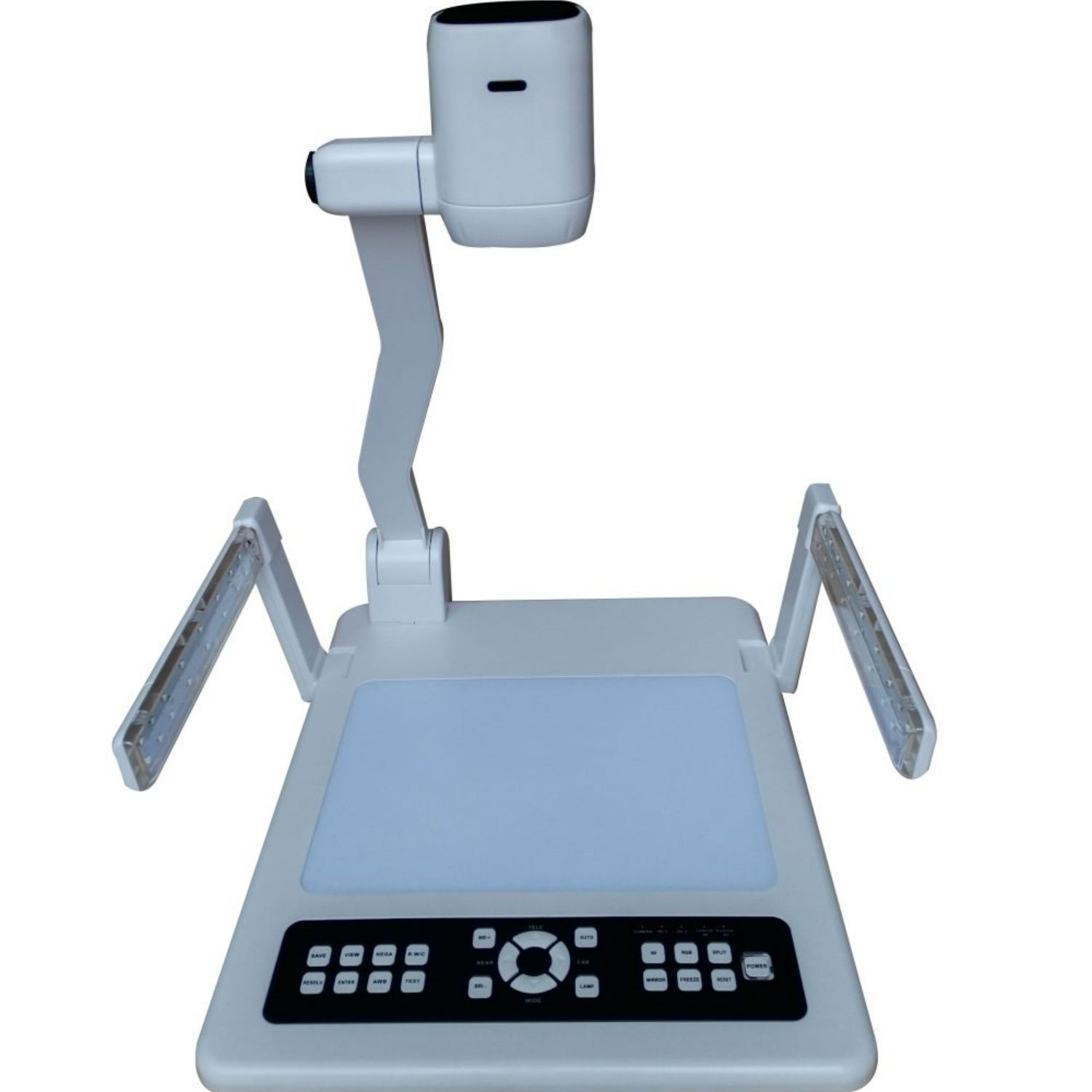
22x Optical Zoom 10x Digital Zoom A4 Document Camera
Foldable digital presenter with 2MP CMOS, VGA/USB output and a compact footprint for classrooms, meeting rooms and counter-side document sharing.
- 2MP CMOS resolution
- 22x optical + 10x digital zoom
- A4 capture area, foldable arm
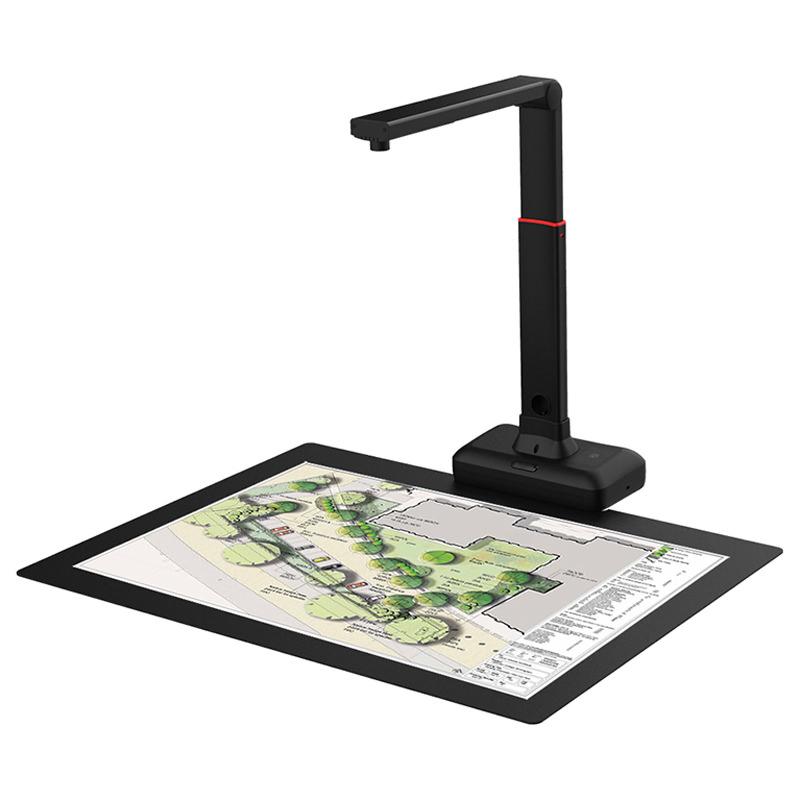
A2 Large Format Overhead Document Scanner 21MP
Aluminum-body overhead scanner with USB output, text-to-speech and a 1-year warranty for newspapers, maps and archive workloads.
- 21MP overhead capture
- A2 large-format area
- Text-to-speech function
- 1-year warranty
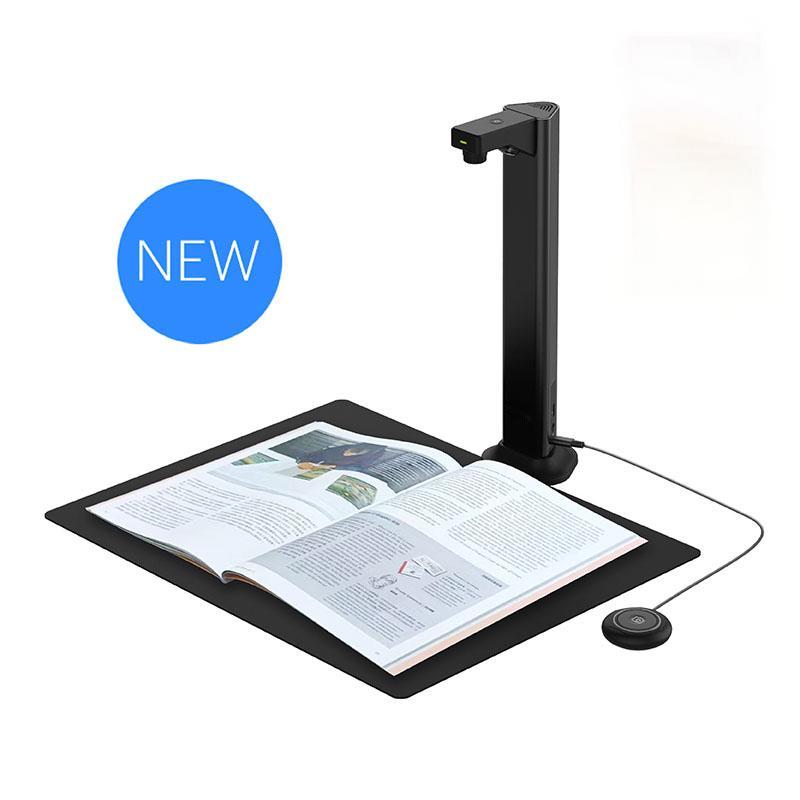
A3 18MP USB Aluminum Document Scanner with OCR
UVC camera, fast capture and OCR/text-to-speech features support office digitization, library service points and paper-to-PDF workflows.
- 18MP A3 resolution
- UVC camera, USB interface
- OCR + text to speech
- Aluminum body
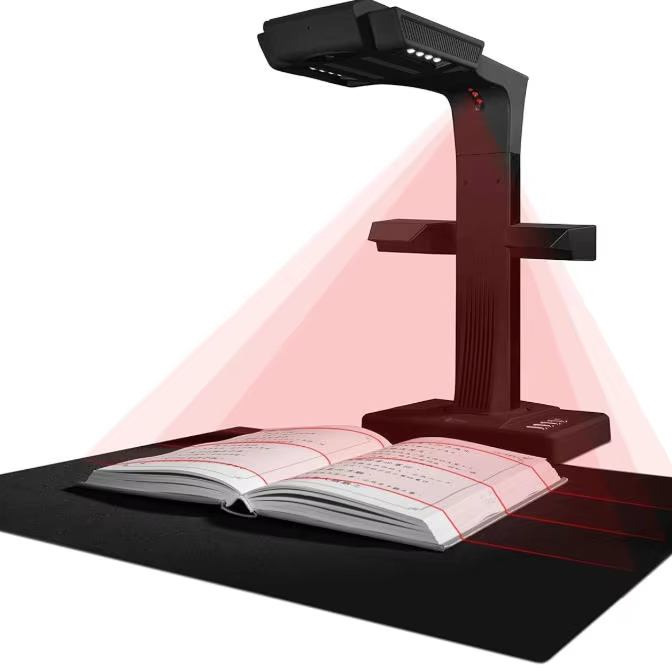
18MP A3 Book Scanner Overhead Document Camera
Auto curve flattening and OCR help preserve bound materials; HDMI visual presenter mode adds classroom and meeting-room value.
- 18MP A3 overhead capture
- Auto curve flattening
- OCR searchable output
- HDMI visual presenter

USB Document Camera Scanner 10MP CMOS Visualizer
A straightforward USB visualizer for office education, remote demonstrations and quick document sharing without a flatbed.
- 10MP CMOS sensor
- A4 document camera
- USB plug-and-play
- Office & education use
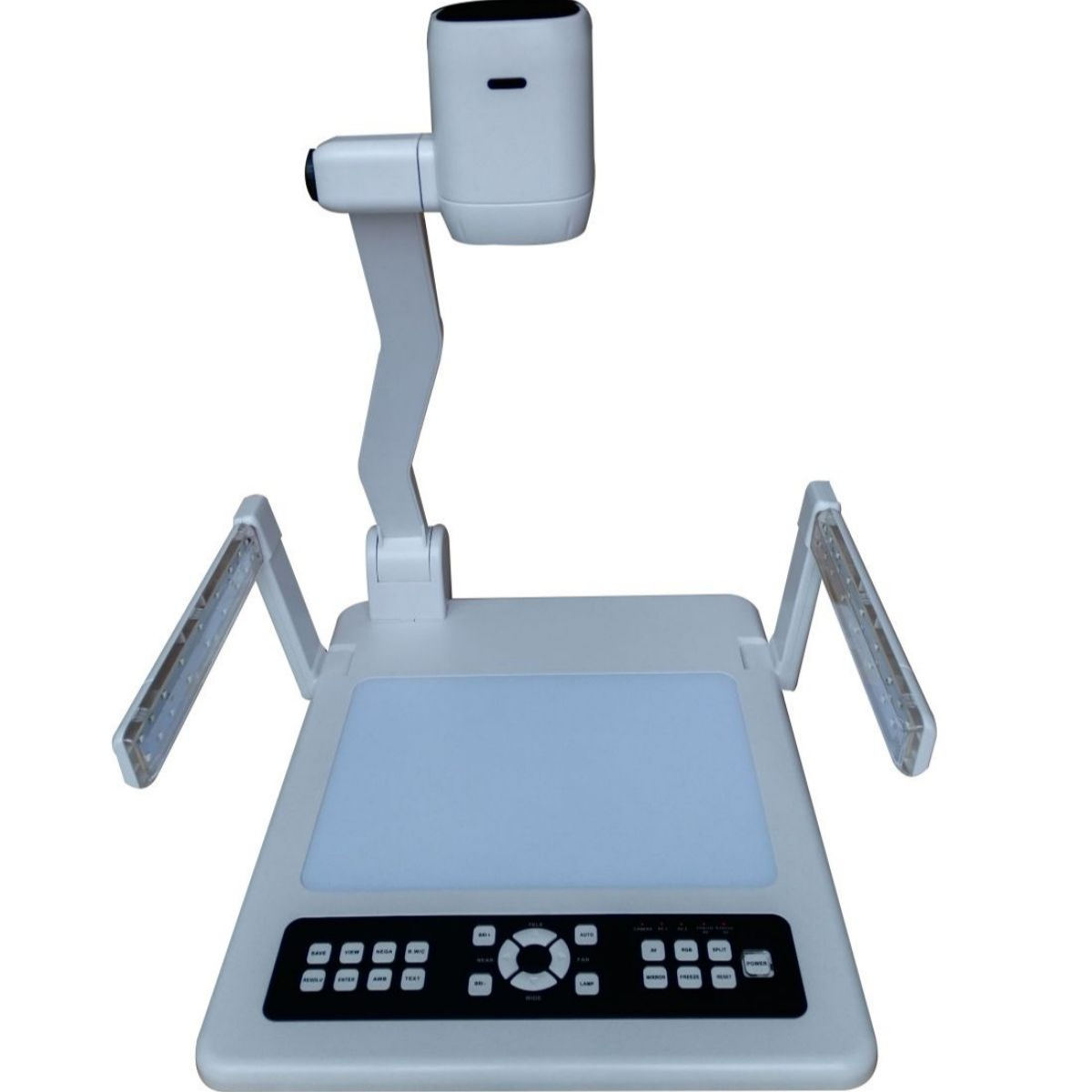
Professional HD Optical Zoom Visual Presenter
1/3-inch CMOS sensor, VGA/RS232 connectivity and OEM branding options make this model suitable for integrators and education tenders.
- 1/3-inch CMOS sensor
- HD optical zoom
- VGA / RS232 output
- OEM brand support
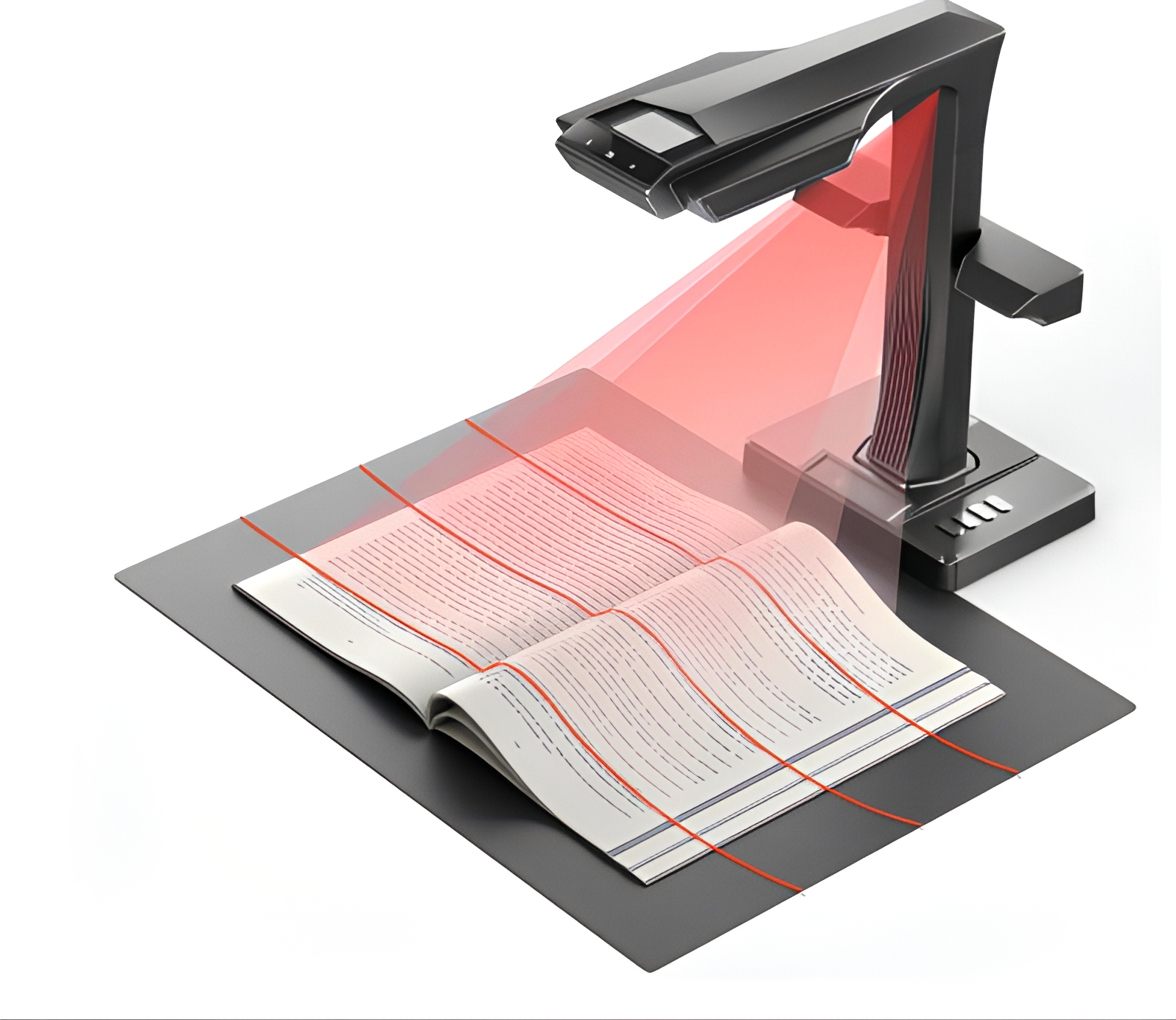
Book Scanner 38MP A3 Document Camera Auto Curve Flattening
High-resolution overhead scanning with auto curve flattening for libraries, offices and high-detail bound-volume projects.
- 38MP A3 resolution
- Auto curve flattening
- High-speed overhead capture
- Library & office use
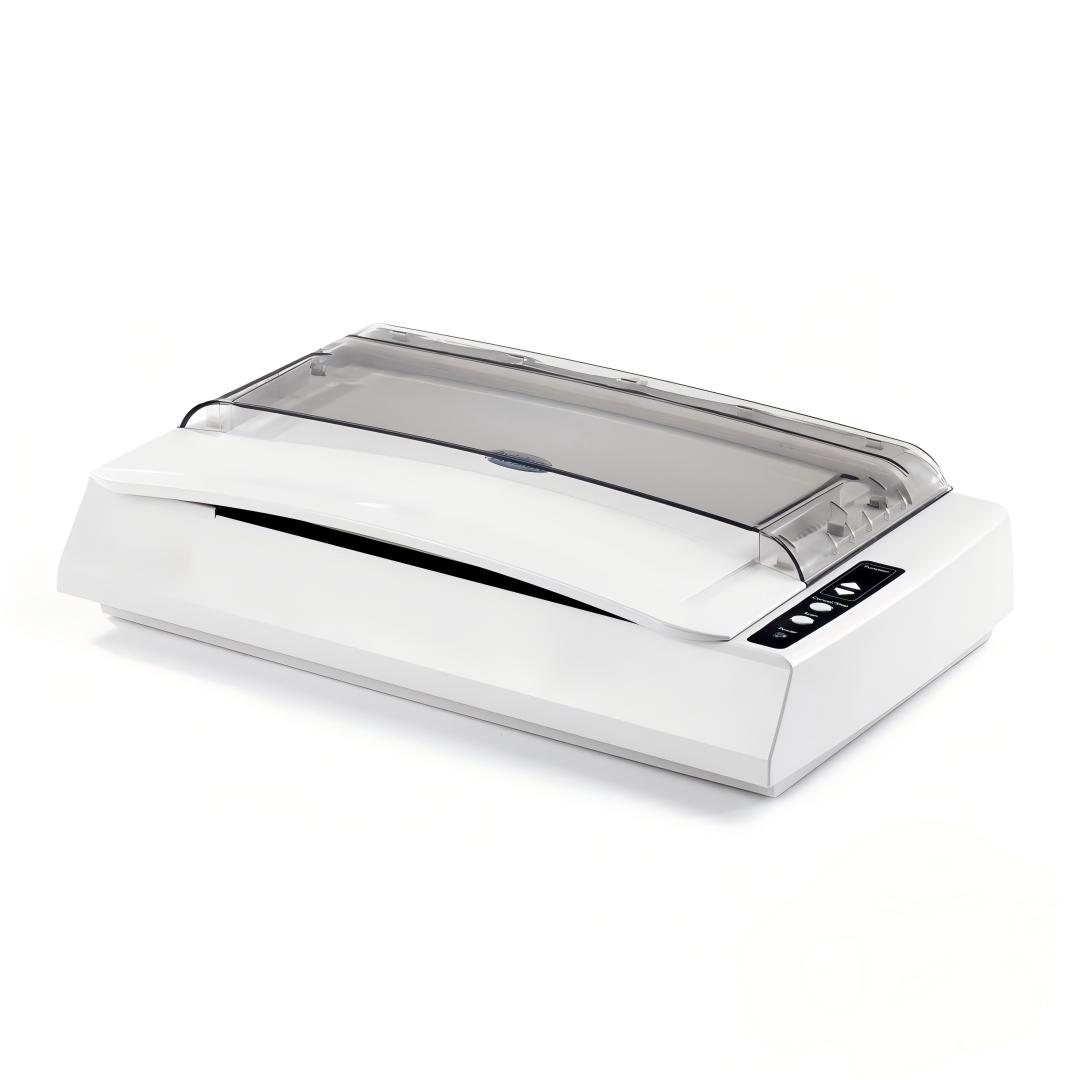
CCD Zero Margin Bookedge Flatbed Scanner A4 600dpi
Zero-margin bookedge design and CCD imaging reduce spine shadow during bound-book scanning, supporting archive and library digitization.
- CCD linear sensor
- 600 dpi A4 flatbed
- Zero-margin bookedge
- USB bound-book scanning
What Defines a Competitive Portable Paper Scanner Supplier in 2025–2030?
The category is moving from a peripheral purchase to a workflow decision. Buyers no longer ask only for megapixels; they ask how fast a page becomes a searchable PDF, how the device behaves in a hybrid classroom, whether capture can stay on-device, and how the supplier supports integration across Windows, macOS and custom software.
Three demand engines are visible in Quibow’s export inquiries. First, libraries and archives are prioritizing non-contact overhead scanners for bound books, newspapers and fragile records, because pressing a spine flat is increasingly unacceptable in conservation-led projects. Second, education buyers and distributors want document cameras that double as capture devices, with HDMI, VGA and USB outputs for classrooms, training rooms and remote sessions. Third, system integrators are requesting SDK access, OCR language coverage and consistent hardware batches so they can attach scanners to queue-management, registration and digitization platforms.
Information gain matters in this market because specifications alone do not answer the buyer’s real question: which model creates the lowest total cost of ownership? A 21MP A2 scanner may be ideal for fast reading and OCR at moderate resolution, while a 48MP A2 device is easier to justify when archive masters must meet 300 dpi. Similarly, an A3 18MP model can be sufficient for office paperwork, but a 24MP or 38MP unit gives more headroom for cropping, deskewing and detail retention. The right sourcing decision connects paper size, target dpi, daily volume, operator skill and downstream OCR use—not just the headline sensor number.
The procurement conversation is also becoming more evidence-based. B2B buyers now check onsite assessment status, message response rate, reorder rate and trade history before requesting samples. They compare sample scans under real lighting, look for visible curve-correction artifacts, and test OCR on mixed-language documents. Suppliers that publish practical guidance—not just product photos—earn trust earlier in the buying journey. That is why a portable scanner exporter needs to behave more like an application partner: recommending the correct format, demonstrating scan output, and documenting commercial terms, warranty and integration limits clearly.
For 2025–2030 planning, we expect procurement teams to separate “access scanners” from “master scanners.” Access scanners support fast reading, OCR and service counters, where speed and portability matter most. Master scanners serve preservation, publishing and compliance archives, where resolution, color fidelity and audit-ready files matter more. A supplier with both CMOS overhead capture and CCD flatbed options can support either role without forcing the buyer into a single technology.
Executive Takeaways
- Portable does not mean low-resolution: compact 18MP–38MP overhead scanners can replace fixed rigs for many projects.
- Software is part of the product: OCR, auto-flattening, SDK access and text-to-speech reduce training and rework.
- Verification lowers risk: onsite-checked status, 1-year warranty and clear trade terms shorten the sales cycle.
- OEM/ODM wins repeat orders: logo, packaging, software branding and SDK integration matter to distributors.
Resolution, Sensor and Format: A Sourcing Matrix for 300 dpi Targets
A common source of rework is confusing sensor megapixels with optical resolution. Match the paper size to the required ppi, then verify that the scanner captures the full page without cropping, distortion or insufficient lighting.
| Document size | Pixels at 300 dpi | Recommended sensor class | Typical Quibow match |
|---|---|---|---|
| A4 210 × 297 mm |
2480 × 3508 ≈ 8.7 MP |
10 MP or higher | 10MP USB visualizer; A4 CCD bookedge scanner |
| A3 297 × 420 mm |
3508 × 4961 ≈ 17.4 MP |
18–24 MP; 38 MP for extra crop headroom | 18MP OCR scanner; 18MP auto-flatten book scanner; 38MP overhead scanner |
| A2 420 × 594 mm |
4961 × 7016 ≈ 34.8 MP |
48 MP for ≈300 dpi masters | 21MP A2 overhead scanner for access copies; 48MP A2 models in the full catalogue for master files |
| Photos, art & records | 600–2400 dpi optical | Flatbed with controlled lighting | CCD bookedge flatbed for bound records; A3 flatbed models in the full catalogue |
CIS, CMOS or CCD: Select the Imaging Platform Before the Price
The sensor platform determines how the scanner behaves in real use—not just the image quality on a specification sheet. Quibow works across all three platforms, so a buyer can align sensor choice with document condition, throughput and integration requirements.
CIS: Contact Image Sensor
A slim linear sensor that reads the page at close range. It is compact, low-power and efficient on sheet-fed paths, making it suitable for high-volume office batches, invoices and contracts. Best when documents are loose, standard-sized and processed in quantity.
CMOS: Area Sensor
Captures the whole page in one shot from above, so books never need to be pressed flat. Software can flatten curves, remove fingers and correct perspective. Best for bound books, newspapers, live teaching, counter services and portable overhead scanning.
CCD: Linear Sensor
A moving optical carriage with greater depth of field and stable color, tolerant of slightly raised originals such as book gutters. Best for photos, artwork and bookedge scanning where spine shadow and fine tonal detail matter.
Future Procurement Trends: What B2B Buyers Will Specify in 2025–2030
Price will remain important, but it will be evaluated inside a wider operating model. Procurement teams are writing requirements around total cost, data handling, integration and supplier reliability.
Total Cost of Ownership
Buyers will model scan time per 1,000 pages, OCR rework, operator training and spare-part availability. Non-contact overhead capture and ADF handling reduce document stress and manual steps.
Privacy-First Capture
Schools, banks and government users increasingly prefer on-device capture and controlled export. Suppliers that support local software workflows and clear data boundaries will win trust.
Interoperability & SDK
Procurement checklists will include operating-system support, USB/UVC behaviour, HDMI/VGA output, OCR language coverage and SDK access for registration, queue and archive platforms.
Verifiable Supplier Reliability
Onsite assessment, response rate, reorder rate, warranty and trade records will be reviewed earlier. Verifiable evidence shortens the distance between first inquiry and sample order.
Product Development Trends Reshaping Portable Paper Scanners
Hardware alone is no longer enough. The next generation of portable scanners will be judged by how well capture, correction, presentation and integration work together.
Higher Resolution in Smaller Bodies
18MP to 38MP overhead scanners now fit desktop and portable workflows. A2 buyers can step up to 48MP models when master files require approximately 300 dpi across the full sheet.
AI-Assisted Image Cleanup
Auto-flattening, deskew, finger removal and OCR correction reduce manual retouching. The value is measurable: fewer re-scans, faster PDF creation and more consistent output across operators.
Hybrid Presentation & Capture
Document cameras are becoming dual-purpose devices: live visual presenters in classrooms and meeting rooms, and still-image scanners for documentation, forms and evidence capture.
Modular OEM / ODM
Distributors want branding, packaging, housing color, software identity and SDK integration without rebuilding the hardware platform. Modular customization supports regional tenders and channel differentiation.
Applications Driving Repeat Orders for Quibow Scanners
The same imaging platform can serve very different buyers. Clear application matching helps distributors quote faster and helps end users avoid over- or under-specifying.
Libraries & Archives
Overhead and bookedge scanners digitize rare books, periodicals and records without stressing the binding. CCD bookedge models help control spine shadow.
Education & Training
Visual presenters with optical zoom show textbooks, experiments and 3D objects live on projectors and displays, while still supporting document capture.
Government & Banking
Dual-lens and high-speed cameras can support ID, form and counter capture, with OCR and SDK integration for registration and service workflows.
Enterprise Offices
ADF and flatbed scanners convert contracts, invoices and personnel files into searchable documents for paperless workflows and audit preparation.
Newspapers & Publishers
A2 large-format scanners capture full broadsheets and maps in one shot for digital back-issue archives, research libraries and publishing projects.
Distributors & Integrators
OEM/ODM branding and SDK access let resellers build region-specific digitization solutions on proven imaging hardware and shorter delivery cycles.
Why Quibow Is a Reliable China Portable Paper Scanner Supplier & Exporter
Guangzhou Quibow Electronic Co., Ltd. is a technology-driven supplier focused on image data acquisition and conversion. The company develops and supplies photoelectric information equipment, including high-speed document cameras, book scanners, flatbed scanners and ID card recognition cameras.



Working across CIS, CMOS and CCD imaging platforms, Quibow covers the full cycle from product design and development to production coordination, export sales and after-sales support. For international buyers, the advantage is not simply a low unit price. It is the ability to match document size, target resolution, software environment and delivery terms before an order is placed.
The company is an onsite-checked supplier located in Guangzhou, Guangdong, China, with export experience in Eastern Europe, North America and South America. Its compact specialist team, listed at 5–10 people, is supported by fast response times—typically within one hour—a 100% message response rate and a 27% buyer reorder rate. Annual revenue is listed at US$1M–US$2.5M, and OEM/ODM projects are welcome.
- Business type
- Trading company, onsite checked
- Location
- Guangzhou, Guangdong, China
- Year established
- 2020
- Main markets
- Eastern Europe, North & South America
- Annual revenue
- US$1M – US$2.5M
- Team
- 5–10 dedicated specialists
Engineering-Led Product Matching
Share document size, daily volume, operating system, target dpi and output format. The team will recommend an A4, A3 or A2 model and provide sample scans for evaluation before a purchase order is issued.
OEM / ODM Without Unnecessary Complexity
Logo printing, packaging, housing color, capture software branding and SDK integration are available on selected models. This supports distributors, tender suppliers and integrators that need a differentiated product without rebuilding hardware.
Export-Ready Commercial Terms
Payment methods include T/T, L/C, PayPal and Western Union in USD, EUR, HKD or CNY. Delivery terms include FOB, EXW and DDU. Listed models such as A3 flatbeds, A2 overhead scanners and ADF models carry a 1-year warranty with remote technical support.
Supplier Records Procurement Teams Can Check Independently
Trust should be checkable. The following records are maintained on the supplier profile, so procurement teams can review them before requesting samples, confirming OEM terms or issuing a purchase order.
Supplier Assessment
Onsite check confirming business premises and legal status in Guangzhou.
View report →Credit Overview
Platform credit profile and trading reliability indicators for B2B buyers.
View credit →Ratings & Reviews
Feedback left by verified buyers after completed orders and deliveries.
Read reviews →Trade Capacity
Export markets, trade terms and logistics capability for international orders.
View capacity →Portable Paper Scanner Procurement FAQ
These are the questions most often raised by distributors, archive suppliers, education buyers and system integrators before an order.
What is the minimum order quantity for Quibow scanners and document cameras?
Most stock book scanners, A2 large-format scanners and flatbed scanners start from 1 piece or 1 set. Several document camera models start from 2 pieces. OEM/ODM quantities are confirmed per project, because branding, packaging and software requirements can change the production plan.
Do you support OEM and ODM orders?
Yes. Quibow supports OEM/ODM projects including logo printing, packaging, housing color, capture software branding and SDK integration on selected models. For tender or channel projects, share the target market, required branding and software expectations so the team can confirm feasibility before quoting.
Which resolution do I need to scan A3 or A2 documents at 300 dpi?
An A3 page at 300 dpi needs about 3508 × 4961 pixels, or roughly 17.4 MP, so an 18MP or 24MP scanner is suitable. An A2 sheet at 300 dpi needs about 4961 × 7016 pixels, or roughly 34.8 MP, so a 48MP A2 model is recommended for archival masters. A 21MP A2 scanner is better suited to access copies and OCR at moderate resolution.
Are the scanners compatible with Windows and macOS?
Many models, including A2 large-format scanners and the 1200 dpi A3 flatbed scanner, support Windows and macOS, and some are verified on Apple M1 Macs. Compatibility should be confirmed for each model before shipment, especially when custom software, OCR engines or SDK integration are involved.
What payment and delivery terms do you accept?
Quibow accepts T/T, L/C, PayPal and Western Union in USD, EUR, HKD or CNY, with FOB, EXW and DDU delivery terms. The final option depends on order volume, destination and the trade profile of the buyer.
What warranty and after-sales support are available?
Listed models such as A3 flatbed scanners, A2 overhead scanners and the S2060W ADF scanner come with a 1-year warranty, backed by remote technical support. For distributors and integrators, discuss spare-part planning, driver versions and troubleshooting procedures during the quotation stage.
How can I request sample scans or a test unit?
Send a representative document or page type, the target resolution, whether OCR is required and the intended output format. The team can recommend a model, provide sample scans where available and discuss test-unit or sample-order arrangements for serious projects.
What information should I include in an RFQ for the fastest quotation?
For the fastest and most accurate quotation, include document dimensions, whether pages are bound or loose, daily page volume, required dpi or OCR output, interface needs such as USB, HDMI or VGA, operating system, software integration requirements, target market, estimated order quantity and any OEM/ODM branding needs.
Planning a Portable Scanner Rollout or OEM Programme?
Send your document sizes, target resolution, daily volume, operating system and software requirements. Quibow’s team will recommend the right A4, A3 or A2 model and provide sample scans for evaluation. For distributors and integrators, include branding, packaging and SDK expectations so the quotation reflects the full project scope.