8 large-format scanner and visualizer models to benchmark first
These eight catalogue models cover the most common B2B requests: A2 archival capture, A3 book scanning, OCR document cameras, wall-mounted visualizers and optical-zoom presentation systems. Product links and image paths are preserved from the supplier catalogue.
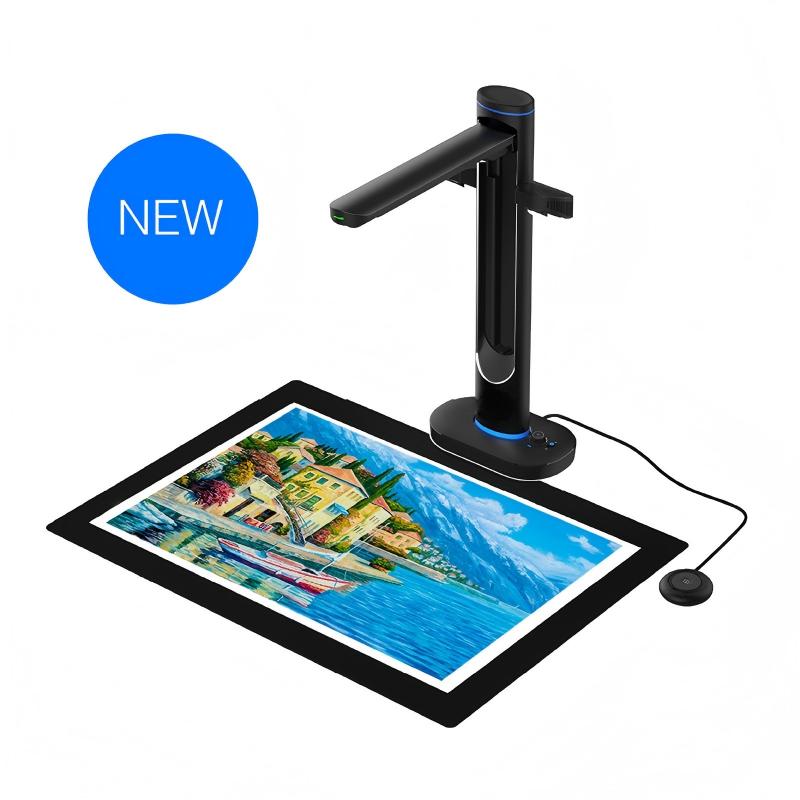
A2 Large Format Book Scanner Dual 48MP CMOS Sensors High-Speed Desktop Overhead Scanner for Windows & MacOS
- Dual 48MP overhead capture
- For bound books, newspapers and archives
- Windows and macOS workflow
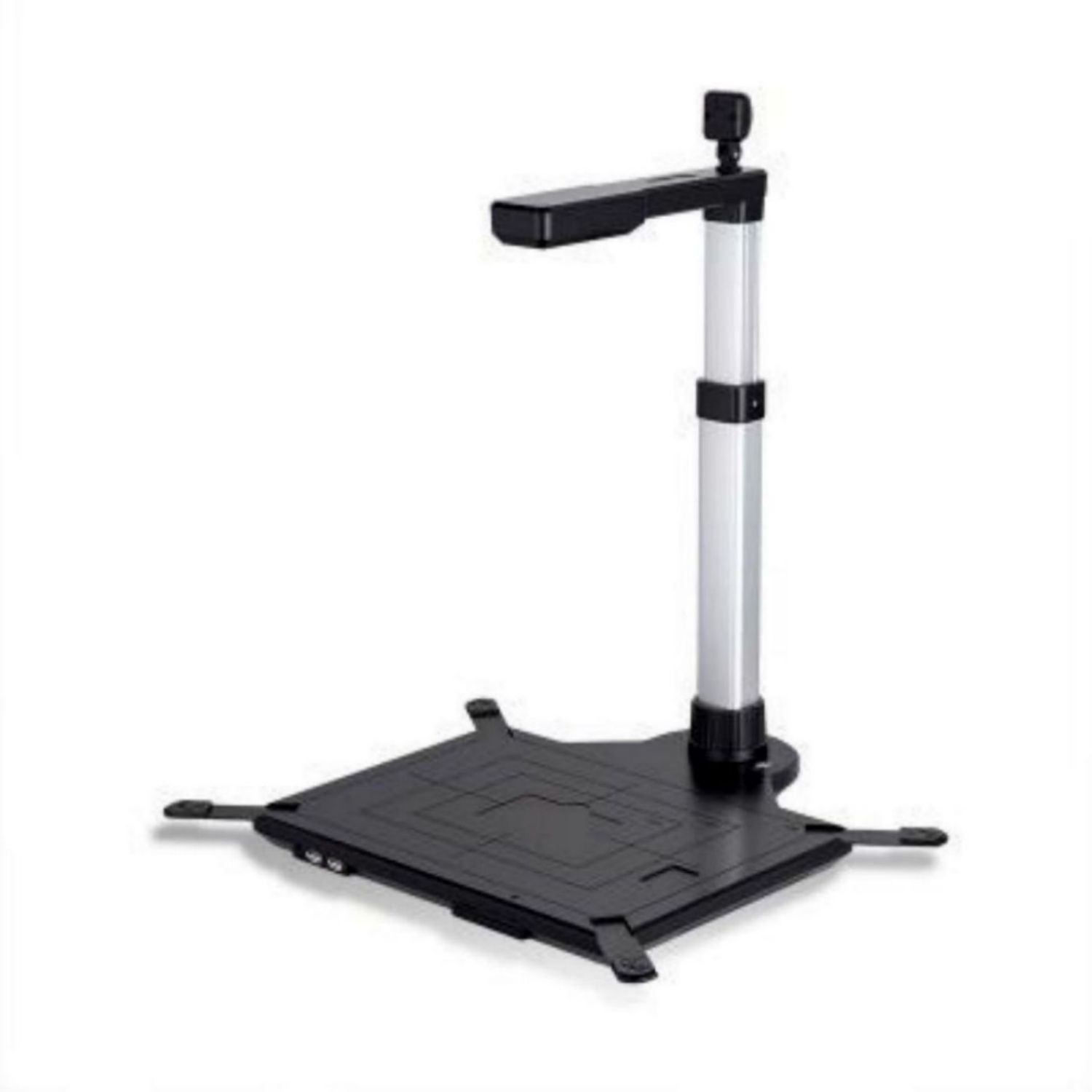
Professional USB Dual Camera Scanner for A3 Documents Supports OCR PDF Multi-Languages High-Speed 1-Second Scan 360-Degree
- 1-second scan and 360-degree capture
- Multi-language OCR PDF
- USB professional scanner
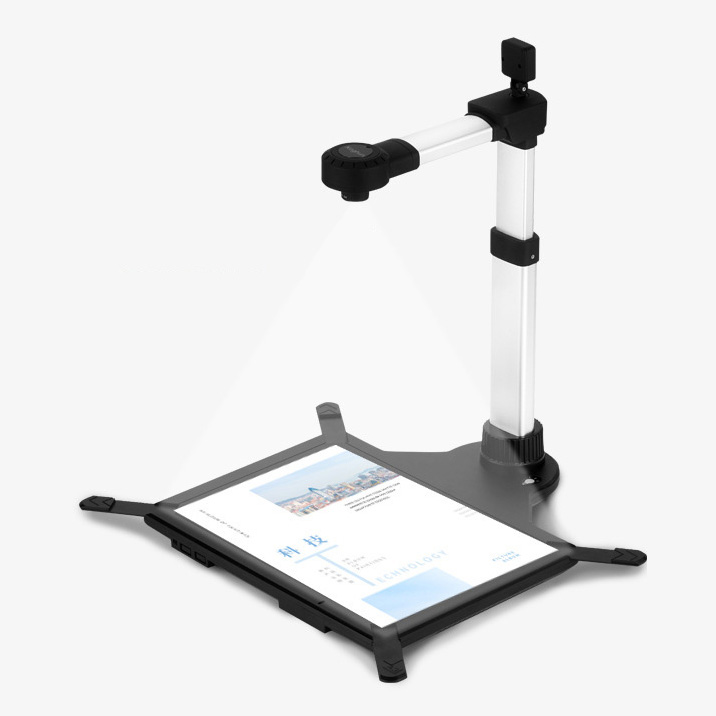
HD Dual Camera 16MP + 2MP Pixels Multifunction Stretchable Smart USB 60 Pages/Min A3/A4 Document Scanner 360 Rotation 180
- 16MP + 2MP dual-camera system
- 60 pages/min and stretchable arm
- 360° rotation for flexible capture
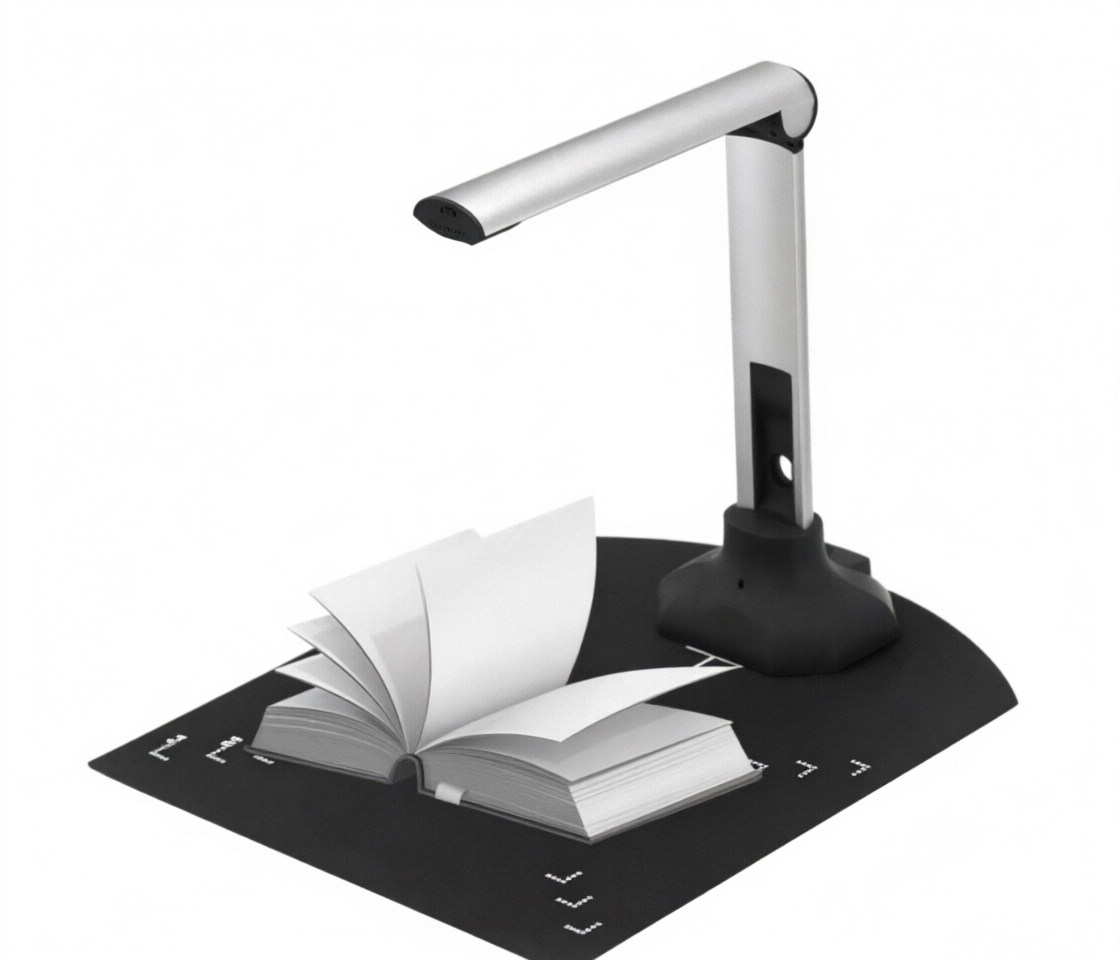
USB Document Camera Scanner 10MP CMOS Visualizer A4 Scanner for Office Education
- 10MP CMOS A4 capture
- Office and education visualizer
- USB plug-in workflow
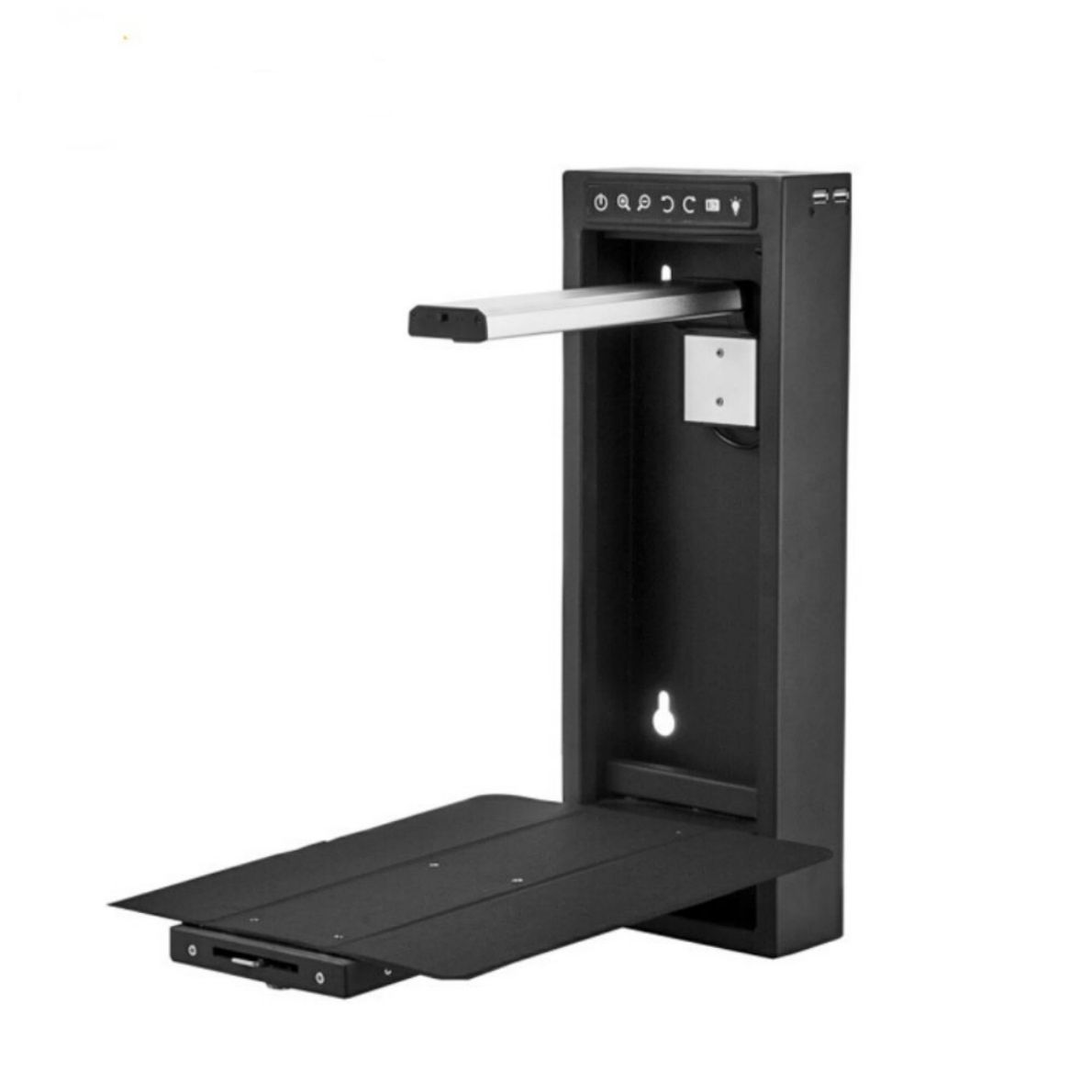
Document Camera A4 Visualizer Wall Version USB CMOS Sensor 10MP 1-Second Scan Document Scanner Stock for Classroom Smart
- Wall-version A4 document camera
- Saves bench space in classrooms
- 1-second scan for live lessons
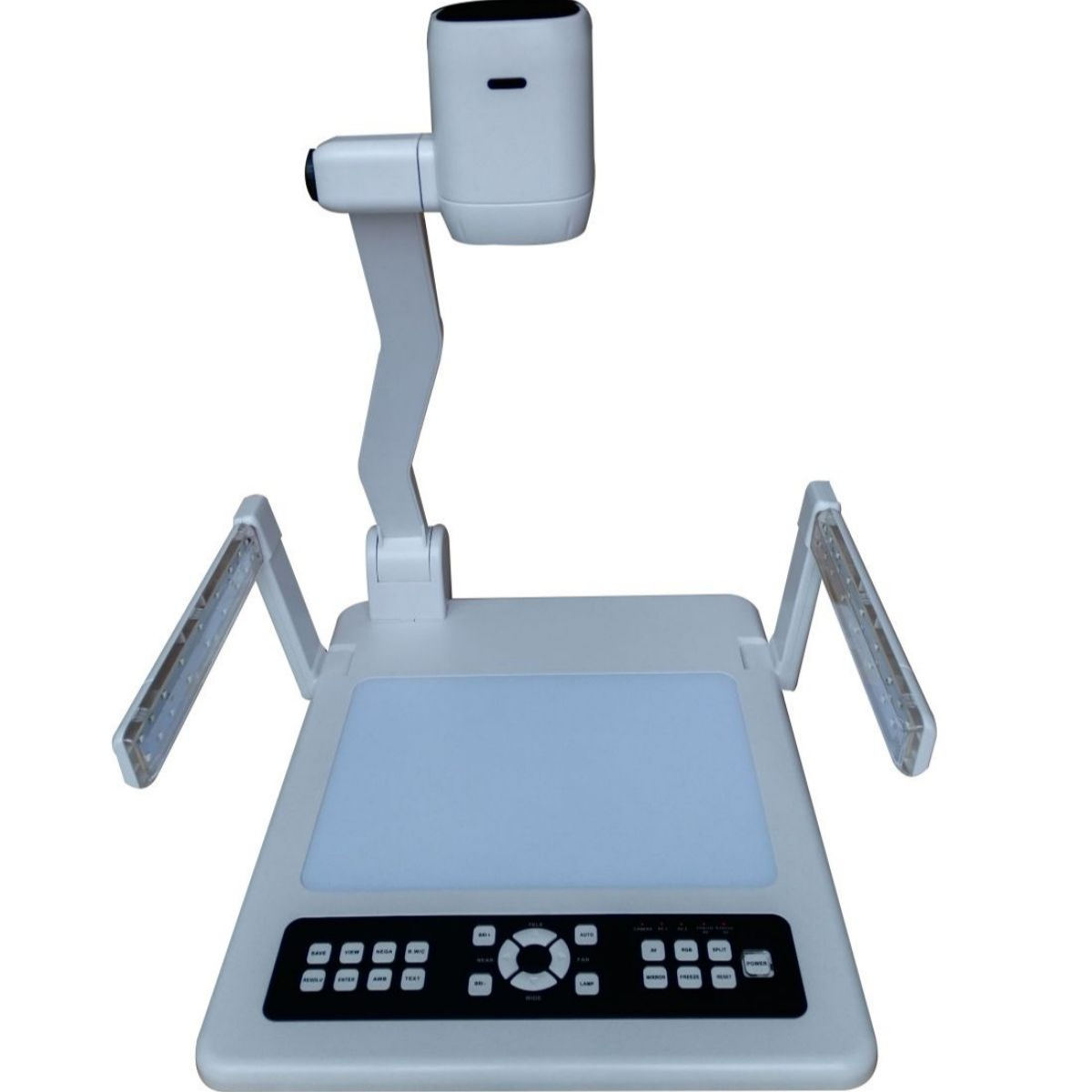
HD Optical Zoom Visual Presenter 1/3" CMOS Sensor 1-Year Warranty OEM Brand GUA Origin Professional Document Camera VGA RS232
- Professional HD visual presenter
- VGA and RS232 control options
- OEM brand support and 1-year warranty
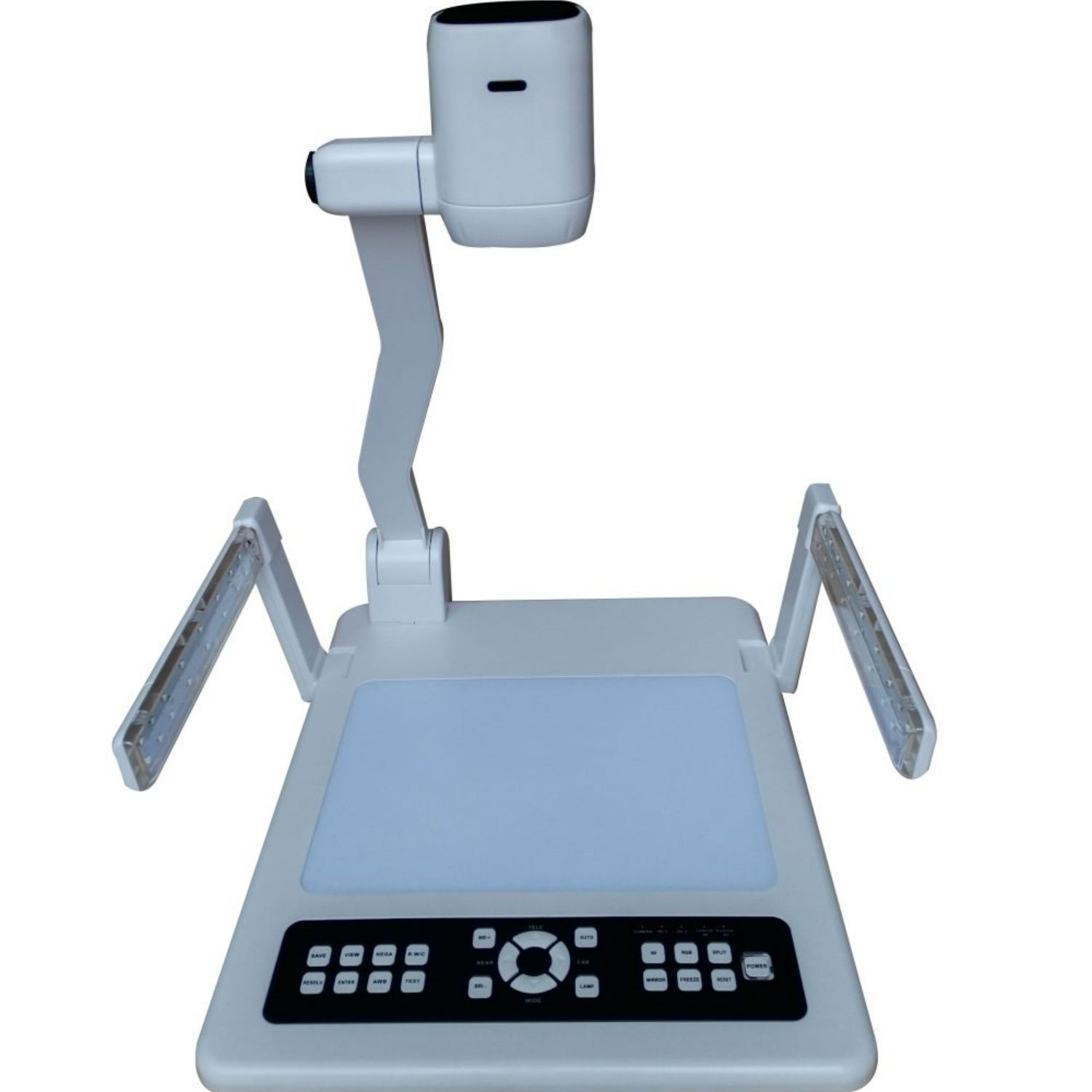
22x Optical Zoom 10x Digital Zoom VGA/USB Interface 2MP CMOS Sensor Resolution A4 Document Camera Foldable Digital Presenter
- 2MP CMOS A4 document camera
- Foldable digital presenter design
- VGA/USB interface for classrooms
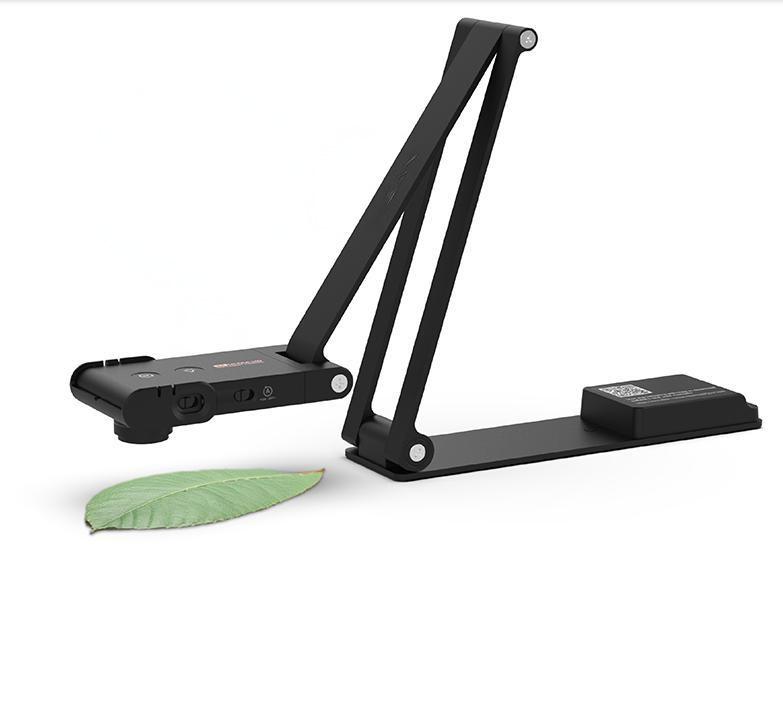
4K 2-in-1 USB 13MP Document Camera Visualizer AI Noise Cancellation 20X Macro Lens Foldable Design Microphone A3 Max 1-Year
- 4K visualizer with 13MP capture
- AI noise cancellation and microphone
- 20X macro lens and foldable design
Platform-recorded supplier metrics are helpful screening signals, not a substitute for sample scans, contract terms and model-specific verification.
Why China remains the reference market for large-format scanner factories and wholesalers
China’s advantage is structural, not just commercial: dense imaging supply chains, fast engineering iteration and deep experience in export documentation for B2B projects.
Guangzhou and the wider Pearl River Delta host a deep cluster of image-sensor distributors, lens and camera-module suppliers, precision plastics and sheet-metal fabricators, PCB assemblers and imaging-software teams. For A2/A3 overhead book scanners, flatbed scanners and 4K document cameras, that density shortens the path from requirement to working prototype. A buyer can compare CIS, CMOS and CCD platforms, adjust housing design, add OCR or SDK integration, and move from sample approval to repeat order without rebuilding the entire supply chain.
The same density creates a wide quality range. Some suppliers are focused product coordinators with strong application knowledge and after-sales support; others simply resell generic hardware. The practical question is not “Which Chinese supplier is cheapest?” but “Which supplier can document imaging performance, software compatibility, quality inspection, warranty, trade terms and spare-parts support before I place a repeat order?” That is why a evidence-led supplier scorecard matters more than a headline megapixel count.
Guangzhou Quibow Electronic Co., Ltd. is a useful reference point because its published profile is specific. It describes a Guangzhou-based company founded in 2020, with 5–10 specialists, annual revenue of US$1M–US$2.5M and main markets in Eastern Europe, North America and South America. Its range includes high-speed document cameras, book scanners, flatbed scanners and ID-card recognition cameras built on CIS, CMOS and CCD imaging platforms. It also states OEM/ODM support, low stock MOQs, multiple payment and delivery terms, and a 1-year warranty on listed models. Those are verifiable claims that buyers can test against a sample quotation and a live product demonstration.
Buyer’s 100-point supplier scorecard
2025–2028 procurement trends: buyers are rewriting the scorecard
Large-format scanner projects are moving from “buy a camera” to “buy a repeatable digitization workflow.” The most competitive wholesalers will be the ones that can prove outcomes.
Total cost of ownership replaces unit price
Procurement teams now compare OCR software, warranty, spare parts, remote setup, freight and staff training. A lower unit price can lose to a supplier that shortens installation time and reduces rework.
Evidence-based sampling becomes normal
Buyers increasingly send their own books, newspapers, forms and ID cards for sample scans. Gutter shadow, curve correction, OCR accuracy and lighting uniformity are tested under real document conditions.
Software integration shapes the decision
SDK access, searchable PDF output, multi-language OCR and Windows/macOS compatibility now matter as much as sensor resolution for integrators and tender teams.
Smaller and mixed orders gain ground
Distributors want stock flexibility. Most scanners can start from one piece or one set, while selected document cameras start from two pieces; OEM/ODM quantities are confirmed per project.
Supplier verification becomes routine
Onsite assessment records, credit overviews, trade history, ratings and reorder rates are now standard checks. They do not replace testing, but they shorten the risk-assessment cycle.
Data-handling questions enter the brief
Libraries, banks and government buyers ask where scans are processed, how OCR files are stored and whether workflows can remain on-premise or integrate with existing document systems.
Product development trends: what the next generation of scanners must prove
Resolution alone is no longer a differentiator. The strongest large-format scanner designs combine sensor strategy, mechanical flexibility, image-processing software and serviceability.
48MP A2 capture for archival masters
An A2 sheet at 300 dpi needs about 34.8MP. A dual 48MP CMOS design gives headroom for cropping, straightening and full-page archival output, while 21MP A2 systems suit OCR and review workflows at lower dpi.
AI-assisted cleanup and automation
Noise cancellation, page detection, auto-flatten, deskew and finger removal reduce manual correction. The buyer’s question should be how consistently these features work across languages, paper textures and bound-book curvature.
4K visualizers with macro and audio
Document cameras are evolving into live collaboration devices. 4K capture, 20X macro lenses, microphones and AI noise cancellation are becoming relevant in hybrid classrooms, training rooms and remote inspections.
Hybrid sensor strategies
CIS is efficient for ADF batch workflows, CMOS area sensors suit overhead book capture and live presentation, and CCD remains valuable for flatbed depth of field and book-edge scanning. A serious supplier should explain the trade-offs rather than push one platform for every job.
Modular mechanics for real rooms
Foldable arms, wall-mounted versions, stretchable stands and foot pedals solve space and ergonomics problems. Procurement should score installation constraints alongside image quality.
OCR and output quality become the proof point
Multi-language OCR, searchable PDF, consistent file naming and stable export settings determine whether a scanning project saves labor. Buyers should test OCR accuracy on their own paper stock, fonts and languages.
Product recommendations by workflow
Use document size, daily volume, OCR need, operating system and installation environment to narrow the shortlist before requesting a quotation.
| Workflow | Recommended model family | Why it fits | Procurement check |
|---|---|---|---|
| A2 newspapers and bound archives | A2 Large Format Book Scanner Dual 48MP CMOS; 48MP A2 archive scanners | An A2 page at 300 dpi requires about 34.8MP; dual 48MP capture gives room for cropping and archival masters. | Request sample scans of curved gutters, halftone photos and small print. |
| A3 book digitization | Professional USB Dual Camera A3 Scanner; A3 24MP auto-flatten scanners; 18MP A3 OCR scanners | A3 at 300 dpi needs about 17.4MP, so 18MP–24MP models are appropriate for searchable PDF and library workflows. | Confirm auto-flatten, deskew, OCR language packs and capture speed. |
| Classroom and lecture capture | 4K 13MP document camera; HD optical zoom visual presenter; 22x optical zoom A4 document camera | Live demonstration benefits from optical zoom, HDMI/VGA output, macro views and clear audio. | Check projector/display compatibility, cable length, remote control and microphone. |
| Government and bank counters | 16MP + 2MP dual-camera A3/A4 scanner; 10MP CMOS visualizer | Counter workflows need fast capture, ID/document flexibility and OCR or SDK integration for forms. | Test ID-card glare, OCR accuracy and software integration before rollout. |
| Wall-mounted teaching rooms | A4 wall-version document camera | Fixed installation saves desk space and keeps the capture area consistent across rooms. | Review mounting, cable routing, lighting and remote support requirements. |
| Distributor and wholesale range | Mixed A2/A3 scanners, visual presenters and flatbed scanners | A broader range lets resellers serve libraries, schools, offices and integrators from one supply relationship. | Confirm MOQ by model, OEM branding, spare-parts plan and delivery terms. |
Factory and wholesaler advantages: Quibow’s verifiable company profile
For B2B buyers, supplier strength is a combination of product scope, customization capability, commercial flexibility and service response. The public Quibow profile provides concrete points to verify.



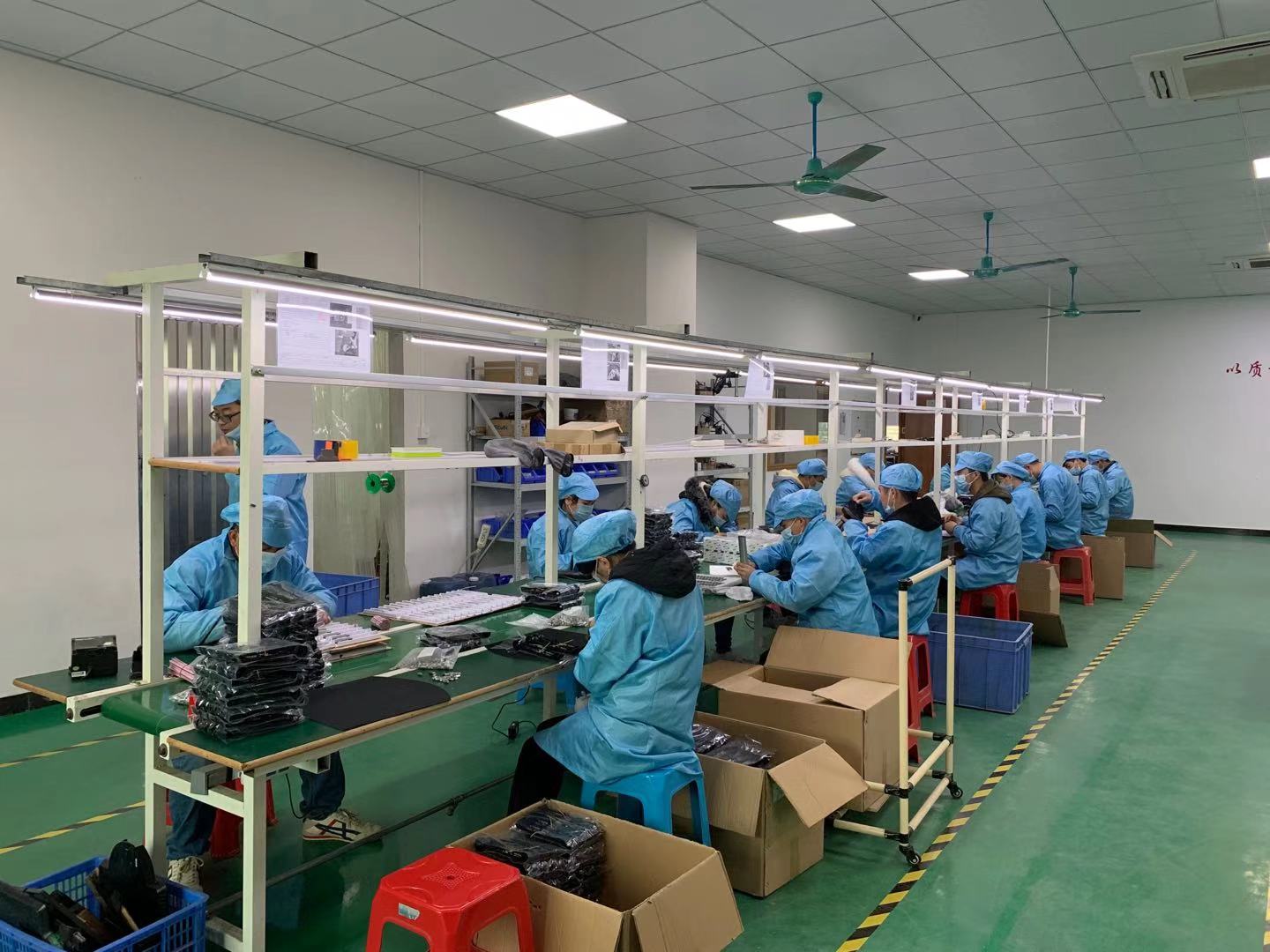
Guangzhou Quibow Electronic Co., Ltd. develops and supplies image acquisition and conversion equipment. Its published scope covers overhead book scanners, A3/A2 large-format document scanners, flatbed scanners, document cameras, visual presenters and ID-card recognition cameras. The company works across CIS, CMOS and CCD imaging platforms, which is relevant for buyers who need different capture methods inside one product portfolio.
The profile states a full-cycle role from product design and development to production coordination, export sales and after-sales support. That matters for tender projects: a supplier that can coordinate mechanical customization, software branding, packaging and export documentation is easier to manage than a pure box mover.
Review the public company profile and compare the stated capabilities with your project requirements.
How to qualify a supplier and de-risk the first order
A structured audit protects budget, timeline and after-sales performance. Use the same test documents across every shortlisted supplier so comparisons are fair.
- Scan your own bound book with a 10–15 mm gutter and check spine shadow, focus consistency and page curvature correction.
- Scan a full A2 newspaper with small print, halftone photos and mixed layouts to test real archival resolution.
- Run OCR on 20 pages in every required language and compare character accuracy, layout retention and searchable PDF output.
- Confirm Windows and macOS compatibility, including Apple M1/M2 verification if your deployment requires it.
- Ask for a model-specific specification sheet, driver version, SDK availability and export-format list before purchase.
- Review onsite assessment, credit overview, trade history, ratings and warranty process; then confirm spare-parts and remote-support terms in writing.
Questions buyers ask about large-format scanner factories and wholesalers
What is the minimum order quantity for Quibow scanners and document cameras?
Most stock book scanners, A2 large-format scanners and flatbed scanners start from 1 piece or 1 set. Several document camera models start from 2 pieces. OEM/ODM quantities are confirmed per project because customization affects tooling, packaging and inspection planning.
Do you support OEM and ODM orders?
Yes. OEM/ODM projects can include logo printing, packaging, housing color, capture-software branding and SDK integration on selected models. Buyers should define branding scope, software ownership, sample approval and QC criteria before the pilot order.
Are the scanners compatible with Windows and macOS?
Many models, including the A2 large-format scanners and the 1200 DPI A3 flatbed scanner, support Windows and macOS, and some are verified on Apple M1 Macs. Compatibility should be confirmed for each model and software version before shipment, especially for tender deployments.
Which resolution do I need to scan A3 or A2 documents at 300 dpi?
An A3 page at 300 dpi needs about 3508 × 4961 pixels, or roughly 17.4MP, so an 18MP or 24MP scanner is suitable. An A2 sheet at 300 dpi needs about 4961 × 7016 pixels, or roughly 34.8MP, so a 48MP A2 scanner is recommended for archival masters. A 21MP A2 camera produces lower effective dpi across the full sheet and may suit OCR or review workflows rather than preservation-grade masters.
What payment and delivery terms are available?
The published Quibow profile lists T/T, L/C, PayPal and Western Union in USD, EUR, HKD or CNY, with FOB, EXW and DDU delivery terms. Final terms should be confirmed in the quotation and sales contract.
What warranty do the products carry?
Listed models such as the A3 flatbed scanners, A2 overhead scanners and the S2060W ADF scanner come with a 1-year warranty, backed by remote technical support. The warranty process, spare-parts availability and response expectations should be documented before a repeat order.
How can I verify a China-based supplier before ordering?
Start with onsite assessment records, credit overviews, trade history, ratings and reorder indicators. Then move to direct evidence: sample scans with your own documents, a live software demonstration, model-specific specifications, export-format tests and written warranty terms. Supplier records are screening tools; sample performance is the deciding proof.
Can the supplier support a library or classroom rollout?
Share document sizes, daily volume, target dpi, operating system, OCR languages, installation height and integration needs. A supplier with multi-platform experience can recommend A2/A3 overhead scanners, flatbeds, ADF scanners or visual presenters, then provide sample scans and a model comparison before the tender deadline.
Request a model recommendation and sample scan
Send your page sizes, daily volume, target dpi, OCR languages, operating system and installation constraints. A focused brief helps the supplier recommend the right A2/A3 scanner, document camera or visualizer and reduces quotation cycles.