China Best High Speed Book Scanner Supplier & Exporters
An evidence-led buying guide to overhead book scanners, A3/A4 document cameras, visual presenters, OEM/ODM customization and export-ready support from Guangzhou Quibow Electronic Co., Ltd. “Best” is a buyer-search phrase; the real benchmark is verified scan quality, measurable throughput, software fit and service transparency.
8 High-Speed Book Scanners and Document Cameras for Library, Office, Education and Archive Projects
These eight products are drawn from the current Quibow catalogue. Product URLs are preserved so buyers can open the original specification pages. For an accurate shortlist, compare the scanning mission—bound book, loose sheet, wall-mounted counter capture, classroom presentation or portable fieldwork—rather than a single “one-second scan” claim.
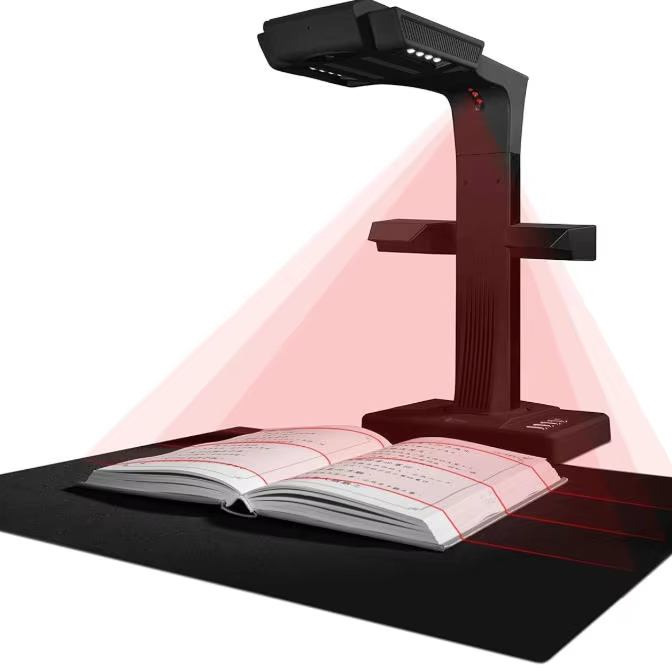
18MP A3 Book Scanner Overhead Document Camera Auto Curve Flattening OCR 180+ HDMI Visual Presenter for Office Library
- Auto curve flattening for bound books
- OCR 180+ and HDMI visual presenter use
- Library, office and archive workflows
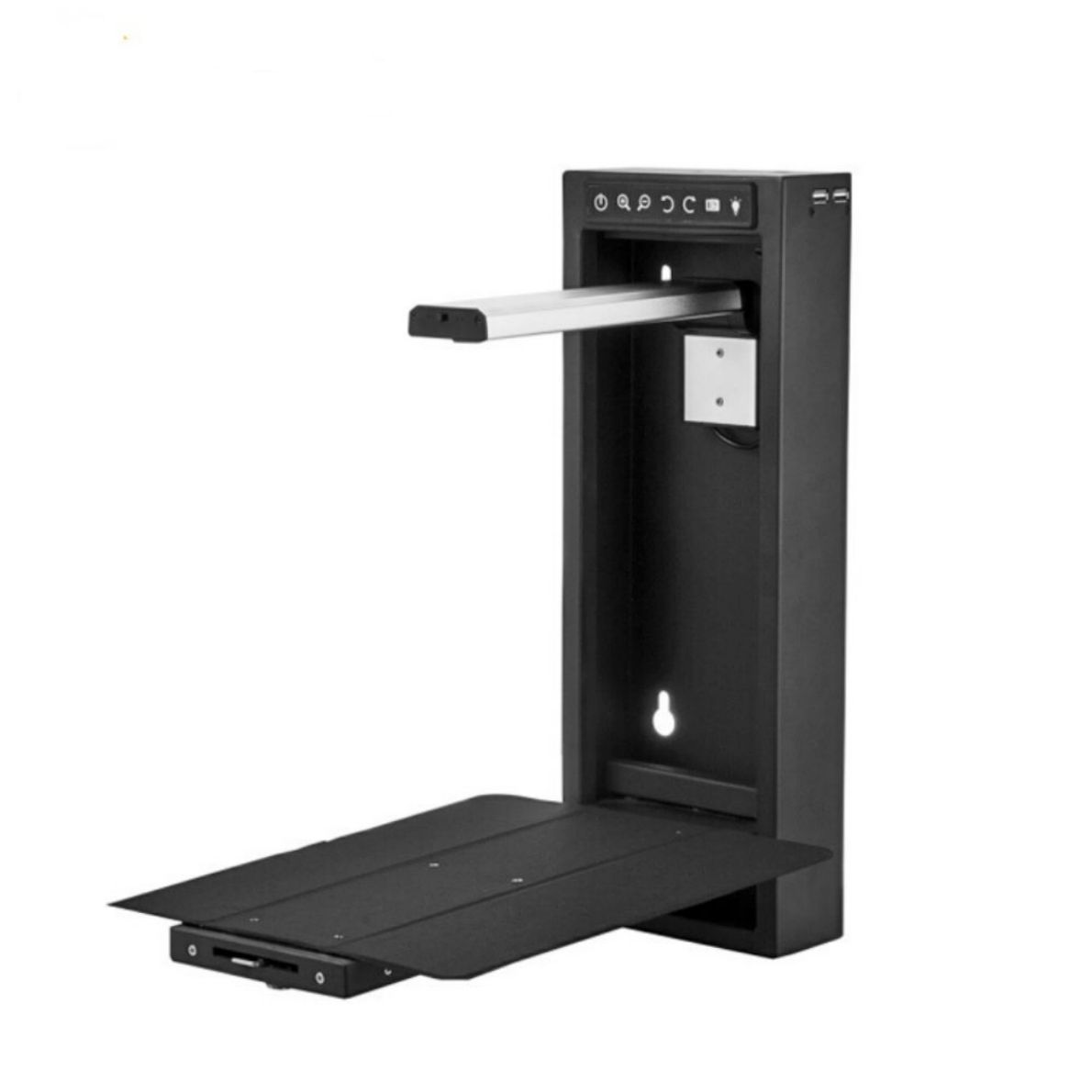
Factory New High Definition Wall Mount Document Scanner USB Interface Visualizer CE Certified 1-Year Warranty High-Speed A4 SDK
- Wall-mounted A4 capture for counters
- USB visualizer, SDK and CE listing claim
- 1-year warranty on listed configuration
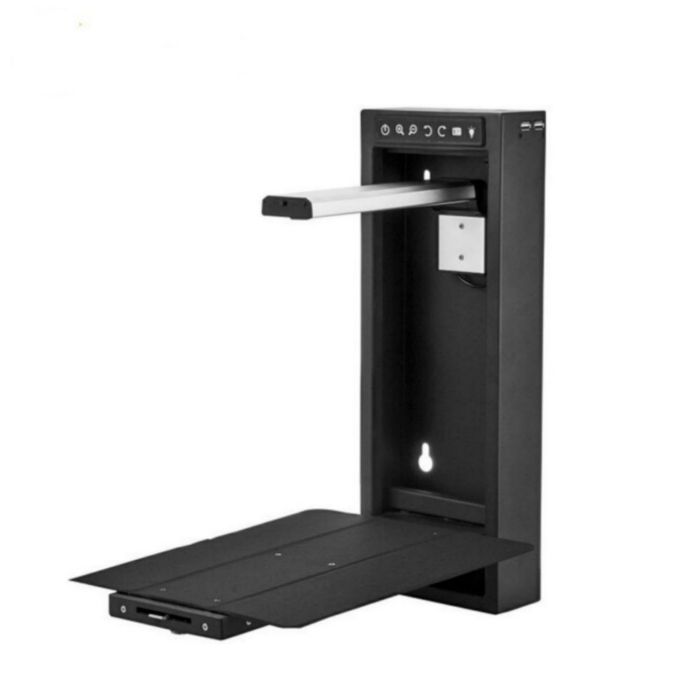
A4 Black USB 5V High-Speed 10MP High-Resolution Document Scanner Wall-Mountable OEM 24 Bit SDK 1-Year Warranty Education Stock
- 10MP A4 capture with USB 5V interface
- Wall-mountable, OEM and SDK ready
- Education and office stock configuration
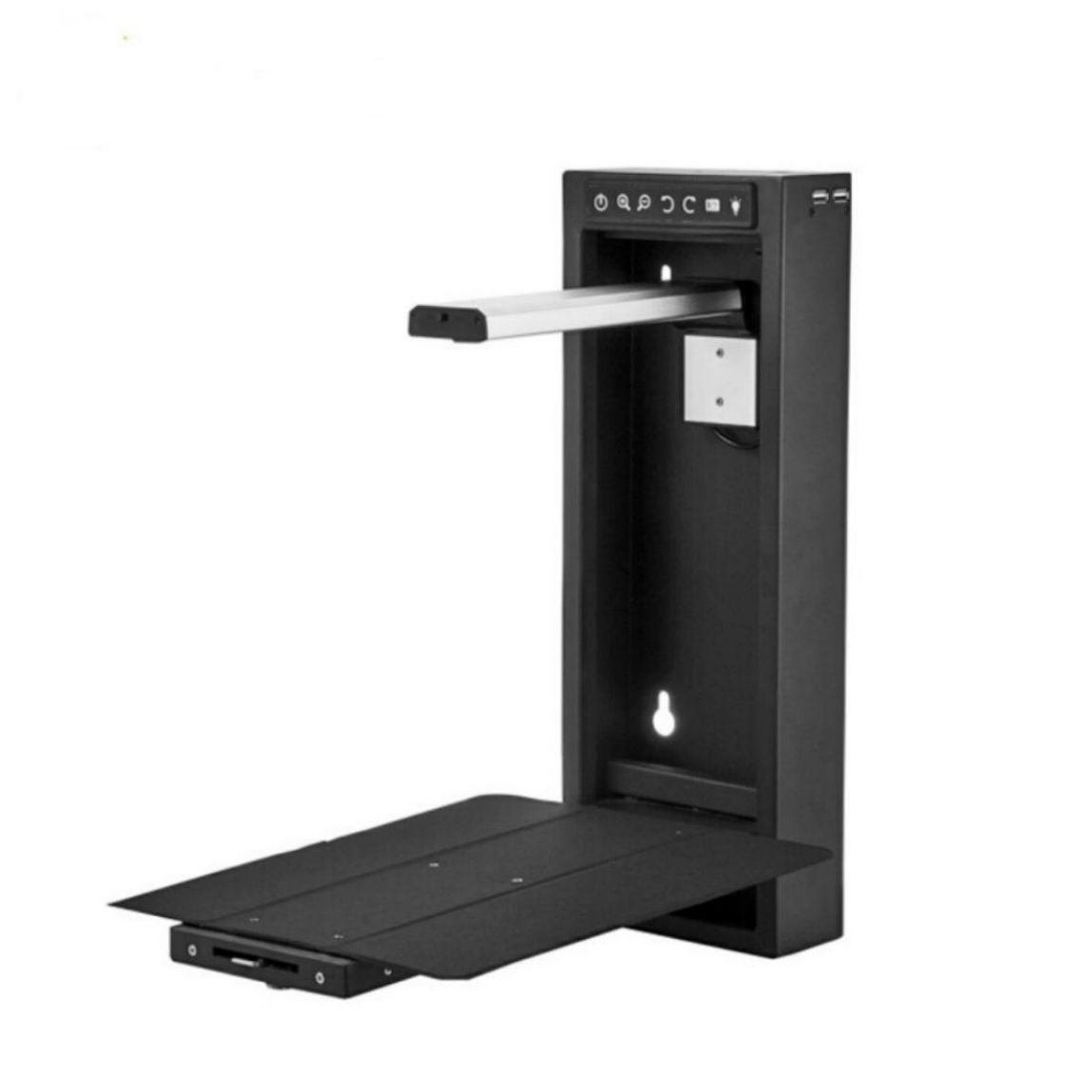
USB Interface Wall-Mounted A4 Visualizer OCR Document Scanner CMOS Sensor 10MP Resolution SDK Included Black 1-Year Stock
- CMOS sensor with 10MP resolution
- OCR, SDK and wall-mounted installation
- Black stock configuration for B2B projects
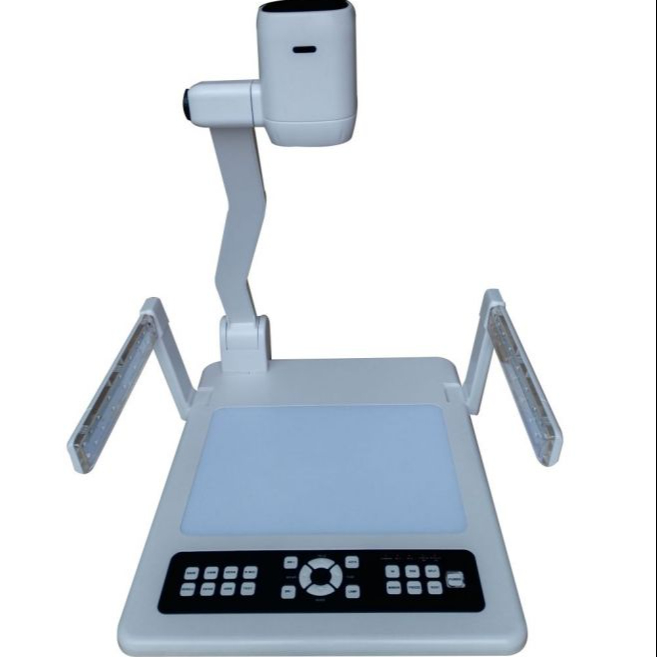
Factory Desktop Document Camera Visualizer 22X Optical Zoom with Interface HD MI RS232 Audio Mic Video
- 22x optical zoom for classroom detail
- HDMI, RS232, audio and video interfaces
- Desktop visual presenter for training rooms
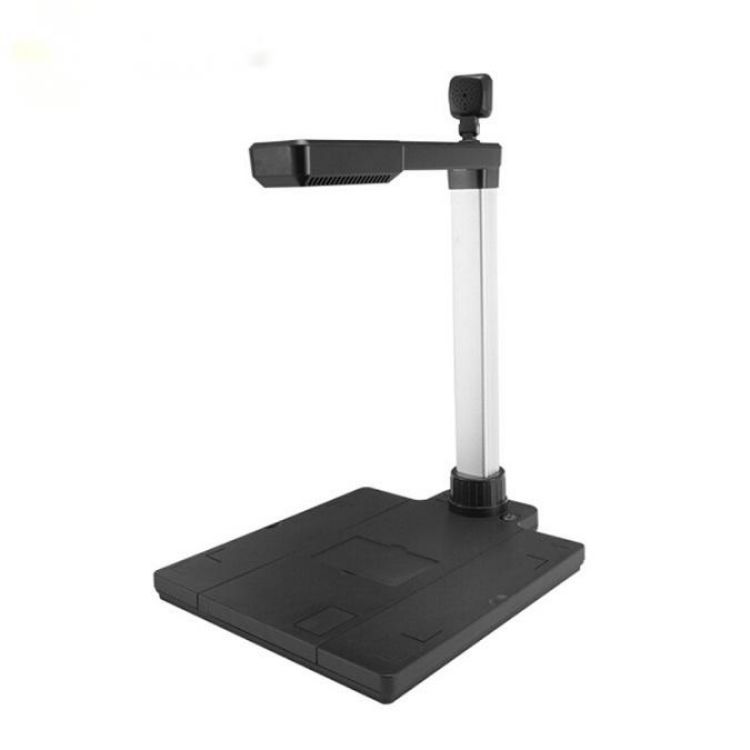
10MP Education Visualizer Scanner Document Management Book Camera USB in Stock
- USB document camera for teaching
- Document management and book capture
- Education-focused visualizer package
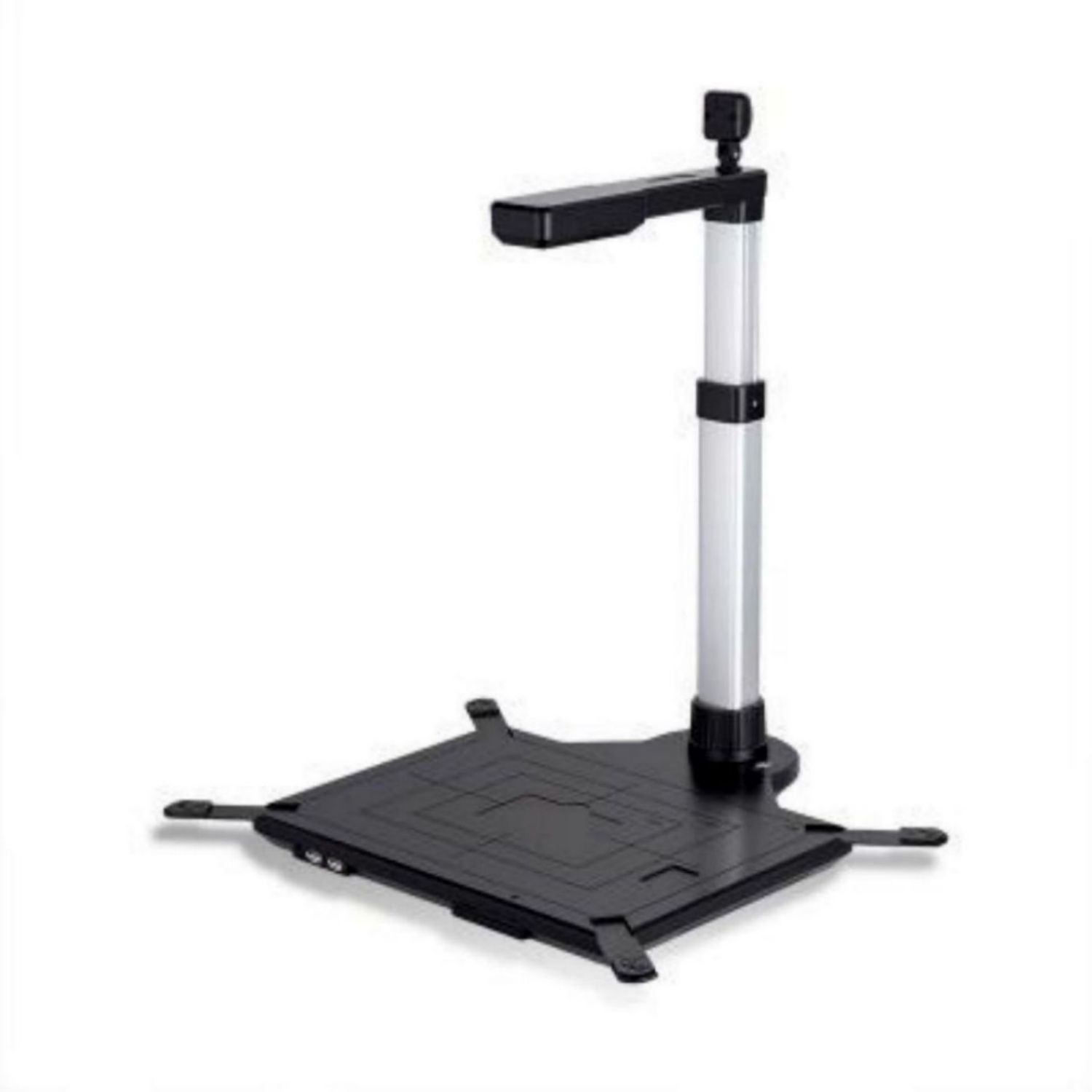
Professional USB Dual Camera Scanner for A3 Documents Supports OCR PDF Multi-Languages High-Speed 1-Second Scan 360-Degree
- Dual-camera A3 capture architecture
- OCR to PDF with multi-language support
- High-speed 1-second scan claim and 360-degree positioning
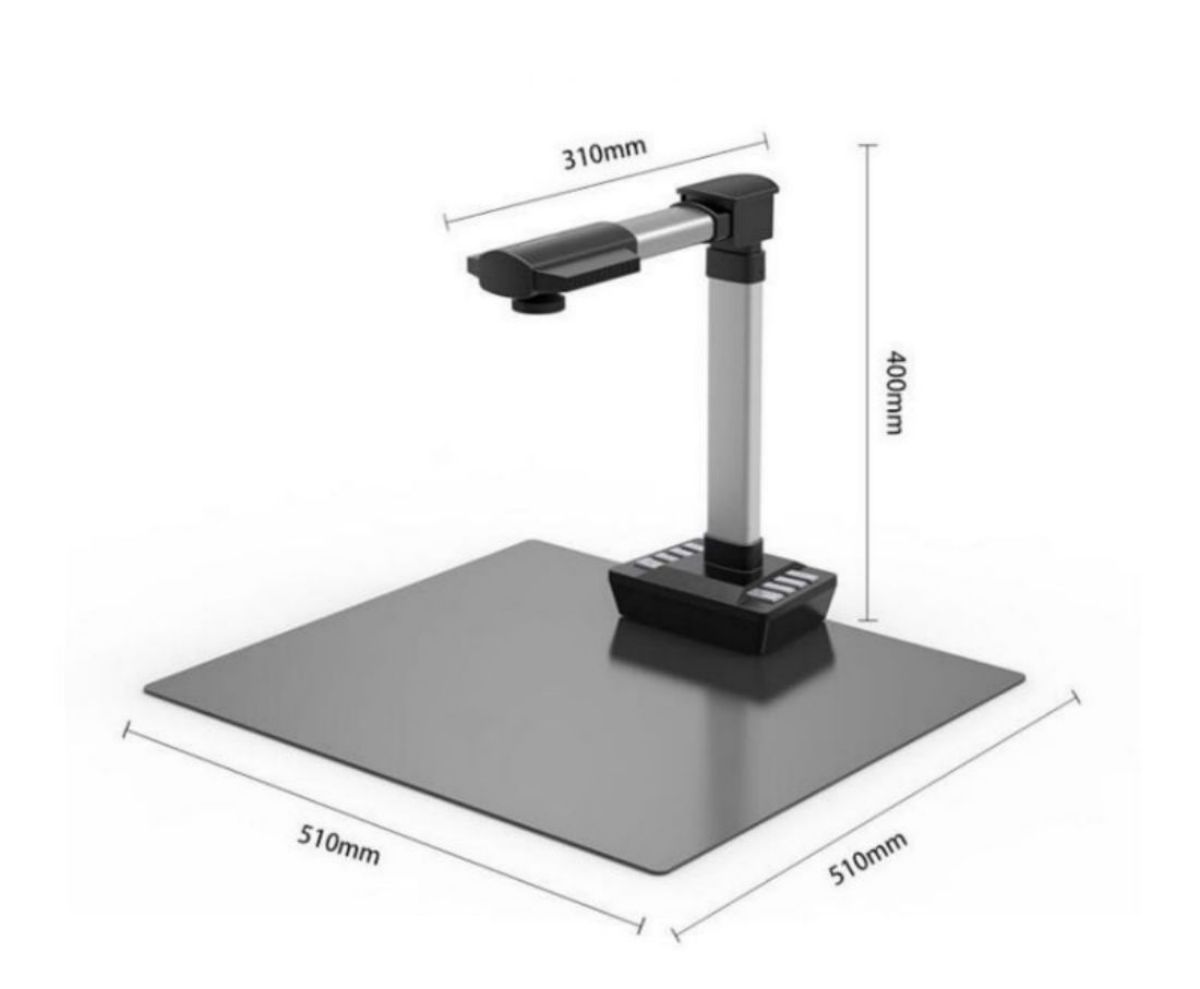
Portable 20MP High-Speed Wireless A3 Document Scanner Professional Book Scanner Foot Pedal USB Interface 24-Bit Color Stock
- Portable 20MP A3 wireless capture
- Foot pedal and USB interface for hands-free work
- 24-bit color book and document scanning
Planning a tender, distributor launch or archive digitization rollout? Send your target dpi, daily volume, OCR language pair, operating system and SDK requirement. Our team can return a shortlist, sample-scan plan and configured export quotation.
What “China Best High Speed Book Scanner Supplier & Exporters” Should Mean to a Professional Buyer
Every procurement begins with a search phrase. For a library digitization manager, “China best high speed book scanner supplier” may mean a non-contact overhead scanner that protects rare bindings while producing OCR-ready files. For an education distributor, it may mean a visual presenter with HDMI output, SDK access and low-MOQ branding. For an archive integrator, it may mean a supplier that can document resolution, output formats, warranty and export terms before a purchase order is issued.
The phrase is not a certified ranking. It is a compressed expression of buyer intent: find a Chinese exporter that can supply high-speed capture, stable image quality, OEM/ODM flexibility and dependable after-sales support. The strongest shortlist comes from separating marketing language from measurable capability. At Guangzhou Quibow Electronic Co., Ltd., the practical position is straightforward: buyers should not accept “best” as a slogan. They should evaluate the scanner against their own documents, operators, software stack and delivery schedule. Quibow supplies image acquisition and conversion equipment built on CIS, CMOS and CCD platforms, with models spanning overhead book scanners, wall-mounted document cameras, portable A3 scanners and desktop visual presenters. That product breadth matters because a bound book, a loose A4 contract and a classroom demonstration rarely reward the same hardware architecture.
Four evidence filters should sit at the center of every supplier comparison:
- Sample scans at your target dpi
- End-to-end throughput per operator hour
- OCR, SDK and operating-system fit
- Commercial, warranty and export transparency
Match the Scanner to the Workflow, Not Just the Specification Sheet
Book scanner speed, image quality and operator comfort are linked. Use the matrix below to shortlist the right model family before requesting a quotation.
| Scanning mission | Recommended model from this page | Why it fits | Test before ordering |
|---|---|---|---|
| Bound books, fragile pages and A3 OCR | 18MP A3 Auto-Flattening Overhead Book Scanner | Non-contact overhead capture, auto curve flattening, OCR and HDMI visual-presenter use support library and office digitization. | Ask for a 300 dpi A3 spread, a curved-page sample and an OCR output file in your language. |
| Wall-mounted counter capture | Factory New HD Wall Mount Document Scanner or A4 Black 10MP Scanner | Wall-mountable A4 capture, USB interface, SDK and OEM options suit service counters, reception desks and compact offices. | Check glare, mounting height, user hand position, trigger method and SDK command set. |
| Visualizer plus OCR for A4 forms | USB Wall-Mounted A4 Visualizer OCR Scanner | 10MP CMOS capture with OCR and SDK in a wall-mounted format for repetitive document intake. | Test OCR on real forms, ID cards, stamps and mixed-language text—not only clean printed pages. |
| Classroom, training and live presentation | 22X Optical Zoom Desktop Document Camera or 10MP Education Visualizer | Optical zoom, HDMI and audio/video interfaces help teachers show textbooks, experiments and small objects clearly. | Check projector latency, zoom sharpness, lighting uniformity and microphone/video needs. |
| Professional A3 multi-language OCR | Professional USB Dual Camera A3 Scanner | Dual-camera capture, 1-second scan claim, 360-degree positioning and OCR PDF support target high-volume document work. | Measure actual seconds per page with software processing and confirm multi-language OCR output. |
| Portable field scanning and hands-free capture | Portable 20MP Wireless A3 Book Scanner | Wireless A3 capture, foot pedal and USB interface support mobile projects and compact archive rooms. | Test Wi-Fi stability, foot-pedal responsiveness, cable fallback and 24-bit color reproduction. |
For A2 newspapers, maps and large archival masters, ask for the broader Quibow A2 overhead scanner range. A2 work requires roughly 34.8MP for a 300 dpi master, so an A3-focused model should not be assumed sufficient. Request a configured quote and sample scan before tender submission.
High-Speed Scanning Is a System Metric: Capture Time, Page Handling, OCR and Export
A “one-second scan” is useful product information, but it is not the same as one-second book digitization. For loose sheets, an ADF scanner may deliver a published pages-per-minute figure. For bound books, newspapers and fragile records, the operator must position the original, turn or hold the page, trigger capture, confirm framing and export a usable file. Those steps determine real throughput.
A practical formula is pages per hour = 3600 ÷ (capture time + page handling + processing + quality check). Suppose an overhead scanner captures an image in 1 second, the operator needs 6 seconds to turn and position a page, and OCR/export/quality checking takes 2 seconds. The working cycle is 9 seconds, or about 400 pages per hour. If another model captures more slowly at 2 seconds but the workflow is better organized—4 seconds handling and 1 second processing—the cycle is 7 seconds, or about 514 pages per hour. This is why a supplier discussion should move quickly from sensor megapixels to the complete operator-and-software routine.
For book scanners, image quality under real lighting matters as much as raw capture speed. Curved pages, glossy paper, gutter shadows, fingers, sticky notes and uneven illumination can all increase reprocessing time. Auto flattening, deskew, crop and finger removal features can improve turnaround when they are implemented well, but buyers should test them on difficult originals. If OCR output requires manual correction, the apparent speed advantage disappears. Ask for searchable PDF output where specified, and verify the exact OCR language packs, layout retention and export settings for your project.
Hardware reliability also affects throughput. A wall-mounted A4 visualizer may be ideal for repetitive counter capture because it keeps the camera position stable. A portable 20MP A3 scanner with foot pedal may be better for field projects where desk space is limited. A desktop visual presenter with 22x optical zoom may be the right choice for teaching, but not for archival bound volumes. The correct high-speed book scanner supplier helps you quantify the complete workflow instead of selling the same architecture to every buyer.
Resolution, Megapixels and File Quality: A Practical Specification Model
Resolution is easy to calculate and hard to evaluate in isolation. The pixel count of a sensor must cover the physical document area. A scanner that captures a full A3 page at 18MP can deliver close to the pixels needed for 300 dpi, but crop margins, lens sharpness, distortion correction and software processing all affect the final file. Use the table below as a starting point, then validate with a real sample.
| Document size | Pixels at 300 dpi | Practical sensor target | Buying note |
|---|---|---|---|
| A4 210 × 297 mm | 2480 × 3508 ≈ 8.7MP | 10MP or higher | A 10MP A4 scanner can meet clean-document needs; confirm crop margin and OCR quality. |
| A3 297 × 420 mm | 3508 × 4961 ≈ 17.4MP | 18MP–20MP, with 24MP for margin | 18MP is close to the 300 dpi threshold; 20MP portable and dual-camera models offer useful breathing room. |
| A2 420 × 594 mm | 4961 × 7016 ≈ 34.8MP | 48MP for archive masters | Ask for a dedicated A2 overhead model; A3 scanners are not a substitute for newspaper or map masters. |
| Photos and artwork | 600–2400 dpi optical scan | Flatbed/CCD platform | Optical resolution, color depth and lens quality are more relevant than area-sensor megapixels alone. |
For OCR, 200–300 dpi is often enough for clean Latin-script documents, but small footnotes, historic type, stamps and complex scripts can require higher resolution and better lighting. The “OCR 180+” capability listed for the 18MP A3 overhead scanner is a strong feature for multilingual offices and libraries, yet buyers should still test the exact language and page layout they will process. A 24-bit color workflow is useful, but color depth does not replace lens quality, focus consistency or light uniformity.
Procurement Trends Reshaping High-Speed Book Scanner RFQs (2025–2028)
Buyers are moving from catalogue selection toward proof-of-scan, integration readiness and total cost of ownership. These six trends should be written into future purchasing requirements.
Proof-of-scan before purchase
RFQs increasingly require sample images at the target dpi, OCR language settings and output format. Buyers are treating sample scans as pre-award evidence, not a post-order formality.
SDK and integration readiness
Integrators now ask about SDK access, capture commands, output formats and operating-system support earlier. The wall-mounted A4 visualizer and education models are commonly evaluated for such customization.
Low-MOQ OEM/ODM
Distributors want branded packaging, logo printing and housing or software customization without excessive inventory risk. Stock scanners often start from one piece or one set, while camera models may start from two pieces.
Total cost of ownership
Procurement teams compare hardware, optional SDK work, training, warranty, spare parts and OCR correction labour. A lower unit price can be poor value if operator time or failure risk is high.
Security and offline workflows
Government, bank and archive projects increasingly review where images are processed and stored. Buyers ask whether scanning can remain local and whether driver or SDK deployment meets internal IT policy.
Room-friendly and sustainable design
Compact wall mounts, LED lighting, low-noise operation and reduced packaging waste are becoming scoring criteria in education and office tenders, especially where many units are deployed across branches.
What the Next Generation of Book Scanners and Visualizers Will Do Better
The next procurement cycle will reward suppliers that improve not only sensors, but also image processing, software integration and operator experience.
Dual-camera and multi-sensor capture
Dual-camera A3 scanners and multi-sensor overhead designs can improve page coverage, positioning flexibility and capture speed. The buying question is whether the software combines the images cleanly and keeps OCR accurate.
AI curve flattening and cleanup
Auto curve flattening, deskew, finger removal and page-boundary detection are becoming standard expectations. The strongest implementations reduce manual correction while preserving small text and archival detail.
OCR at the edge of the workflow
Searchable PDF and multi-language OCR are shifting from optional software to expected output. Buyers should validate language packs, layout retention and the ability to export to downstream document-management systems.
Wireless and portable scanning
Portable 20MP wireless A3 scanners with foot pedals show how book capture is moving beyond fixed desks. Field archivists and mobile trainers can scan in temporary rooms without sacrificing A3 coverage.
Modular lighting and optics
Better LED illumination, optional diffusers and optical zoom modules help scanners handle glossy paper, uneven ambient light and small objects. Modularity can extend deployment life and simplify service.
Visual presenter + scanner convergence
Education visual presenters and document scanners now share sensors, HDMI paths and capture software. Converged products can serve classrooms, meeting rooms and document intake without maintaining separate equipment pools.
Supplier Due Diligence: The Quibow Advantage in an Export Project
Guangzhou Quibow Electronic Co., Ltd. is a technology-driven company focused on image data acquisition and conversion. The company develops and supplies photoelectric information equipment, including high-speed document cameras, overhead book scanners, flatbed scanners and ID-card recognition cameras. Its engineering and sourcing experience spans CIS, CMOS and CCD imaging platforms, which allows a project discussion to start from the document and the workflow rather than from a single fixed model.
Public supplier information lists Quibow as established in 2020 and located in Guangzhou, Guangdong, China. The company profile identifies it as an onsite-checked supplier serving Eastern Europe, North America and South America, with a team of 5–10 specialists and annual revenue in the US$1M–US$2.5M range. The catalogue supports OEM/ODM projects, including logo printing, packaging, housing color, software branding and SDK integration on selected models. The supplier profile also states an average response time of ≤1 hour, a 100% message response rate and a 27% buyer reorder rate. These are useful starting indicators, but tender buyers should verify current records and request a sample scan before award.
For export projects, the commercial terms are equally important. Quibow lists payment methods including T/T, L/C, PayPal and Western Union, with currencies USD, EUR, HKD and CNY, and delivery terms FOB, EXW and DDU. Listed models can carry a 1-year warranty with remote technical support. Stock book scanners, A2 large-format scanners and flatbed scanners commonly start from one piece or one set, while several document camera models start from two pieces; OEM/ODM quantities are confirmed per project. Buyers should confirm the final warranty, certification file, packaging standard and shipping term for each SKU in the quotation.


Imaging-platform depth
CIS, CMOS and CCD experience lets the supplier discuss OCR, flatbed color, overhead book capture and wall-mounted counter design in one technical conversation.
OEM/ODM and SDK support
Logo, packaging, housing color, capture-software branding and SDK integration are available on selected models, making Quibow suitable for distributors and system integrators.
Export documentation and trust signals
Supplier-assessment, credit, ratings, trade-capacity and transaction records are linked from the public profile so buyers can verify platform history before requesting a proforma invoice.
A 4-Step Path from Inquiry to Purchase Order
A disciplined validation process protects both the buyer and the supplier from a mismatch between sample performance and production expectations.
Freeze the document set
Define sizes, binding type, paper weight, color needs, daily volume, OCR languages and output formats. Include the most difficult page—not only the cleanest sample.
Run a sample-scan benchmark
Request the same page at your target dpi from two or three models. Compare readability, curve correction, glare, edge crop and processing time.
Validate OCR and SDK workflow
Confirm operating systems, driver or SDK availability, OCR language results, file export, foot-pedal or trigger behavior and integration requirements with your IT team.
Lock commercial and service terms
Approve MOQ, OEM details, packaging, warranty, spare-part plan, payment currency, delivery term and support escalation before issuing the purchase order.
Questions Buyers Ask Most About High-Speed Book Scanners and Exporters
Use these answers as a starting point for an RFQ. Final performance and terms should be confirmed on the exact model, configuration and quotation.
What does “high speed” mean for a book scanner?
For bound books, high speed should describe the complete operator cycle: capture, page handling, image cleanup, OCR and export. A product may claim a one-second scan, but the usable throughput depends on how quickly an operator can position the next page and how much correction the software requires. Ask suppliers for both capture latency and a realistic pages-per-hour estimate for your document set.
How many megapixels do I need for A3 or A4 scanning at 300 dpi?
A4 at 300 dpi requires about 8.7MP, so a 10MP scanner is a practical starting point. A3 at 300 dpi requires about 17.4MP, so an 18MP or 20MP model is suitable, with 24MP giving more crop margin. A2 at 300 dpi requires about 34.8MP, making a 48MP A2 overhead scanner more appropriate for newspapers and maps.
Can these scanners OCR bound books and multi-language documents?
Several models in the Quibow range list OCR and searchable PDF functions, including the 18MP A3 overhead book scanner with OCR 180+ and the professional dual-camera A3 scanner with multi-language OCR PDF support. OCR accuracy still depends on original print quality, page curvature, lighting and language pack. Always test with a real page from your archive.
Do you support OEM, ODM and SDK customization?
Yes. Quibow supports OEM/ODM projects such as logo printing, packaging, housing color, capture-software branding and SDK integration on selected models. For integrators, provide your operating system, interface, capture-trigger and output-format requirements early so the supplier can confirm the technical scope before quotation.
What is the minimum order quantity for scanners and document cameras?
The public catalogue indicates that most stock book scanners, A4/A3 document scanners, large-format scanners and flatbed scanners start from one piece or one set. Several document camera models start from two pieces. OEM/ODM quantities are confirmed per project because branding, packaging and software work can change the production threshold.
What payment, shipping and warranty terms are available?
Quibow lists T/T, L/C, PayPal and Western Union as payment methods, in USD, EUR, HKD or CNY. Delivery terms include FOB, EXW and DDU. Listed models such as the A3 flatbed scanners, A2 overhead scanners and S2060W ADF scanner can carry a 1-year warranty with remote technical support. Confirm the final terms for the exact SKU and destination.
How can I verify image quality before placing an order?
Send a difficult original page and request a sample scan at your target dpi and OCR language setting. Review small text, gutter shadows, page curvature, glare, color fidelity and export format. If possible, ask for a short remote demonstration or a test of the SDK/trigger workflow so your team can check the complete process rather than only the image.
Which model should I choose for wall-mounted counter capture instead of book scanning?
For A4 forms, ID documents and counter service, review the Factory New High Definition Wall Mount Document Scanner, the A4 Black 10MP Scanner or the USB Wall-Mounted A4 Visualizer OCR Scanner. Compare mounting height, lighting, capture trigger, OCR needs and SDK requirements. A wall-mounted camera is generally more appropriate than an overhead book scanner when the workflow is repetitive A4 capture.
How do I get an accurate export quotation?
Include document size, daily volume, target dpi, OCR languages, operating system, preferred interface, SDK needs, branding or packaging requirements, destination country, delivery term and warranty expectation. If you have a sample page, attach it. These details allow the supplier to recommend a realistic model and avoid quoting a scanner that cannot meet the workflow.
Request a Sample Scan and Configured Quotation
Share your document sizes, target resolution, daily volume, OCR language pair and integration requirements. The Quibow team can help compare the 18MP A3 overhead book scanner, wall-mounted A4 visualizers, portable 20MP A3 scanner and 22x optical zoom document camera against your project—then confirm MOQ, OEM/ODM scope, warranty and export terms.