What “Best Exporter” Should Mean to a Professional Buyer
There is no single “best” document scanning equipment exporter for every project. The right source depends on document size, sensor platform, daily capture volume, software integration, warranty terms, stock availability and the supplier’s ability to prove what it claims. The title “China Best Document Scanning Equipment Exporter & Exporters” is therefore best treated as a buying question: which partner can reduce technical uncertainty, total cost of ownership and delivery risk?
Specification clarity
Professional buyers need page-size coverage, optical resolution, sensor type, output format, interface, SDK status and warranty expressed in the same way across models. Quibow’s catalogue is organised around A3 and A4 capture, wall-mounted and desktop visualizers, OCR and text-to-speech features, OEM/ODM support and ready-stock options.
Verifiable operations
Guangzhou Quibow Electronic Co., Ltd. is an onsite-checked supplier in Guangzhou, founded in 2020. Its public supplier profile reports a ≤1h average response time, 100% message response rate and a 27% buyer reorder rate. These are operational signals, not decorative trust badges; they help procurement teams judge communication speed and repeat-order confidence.
Export-ready support
The company supports CIS, CMOS and CCD imaging projects, covers product design, production coordination, export sales and after-sales support, and accepts T/T, L/C, PayPal and Western Union in USD, EUR, HKD or CNY, with FOB, EXW and DDU delivery terms. For distributors and system integrators, that combination reduces the gap between a sample enquiry and a repeatable programme.
A3 & A4 Document Scanners and Visualizers Recommended for Export Buyers
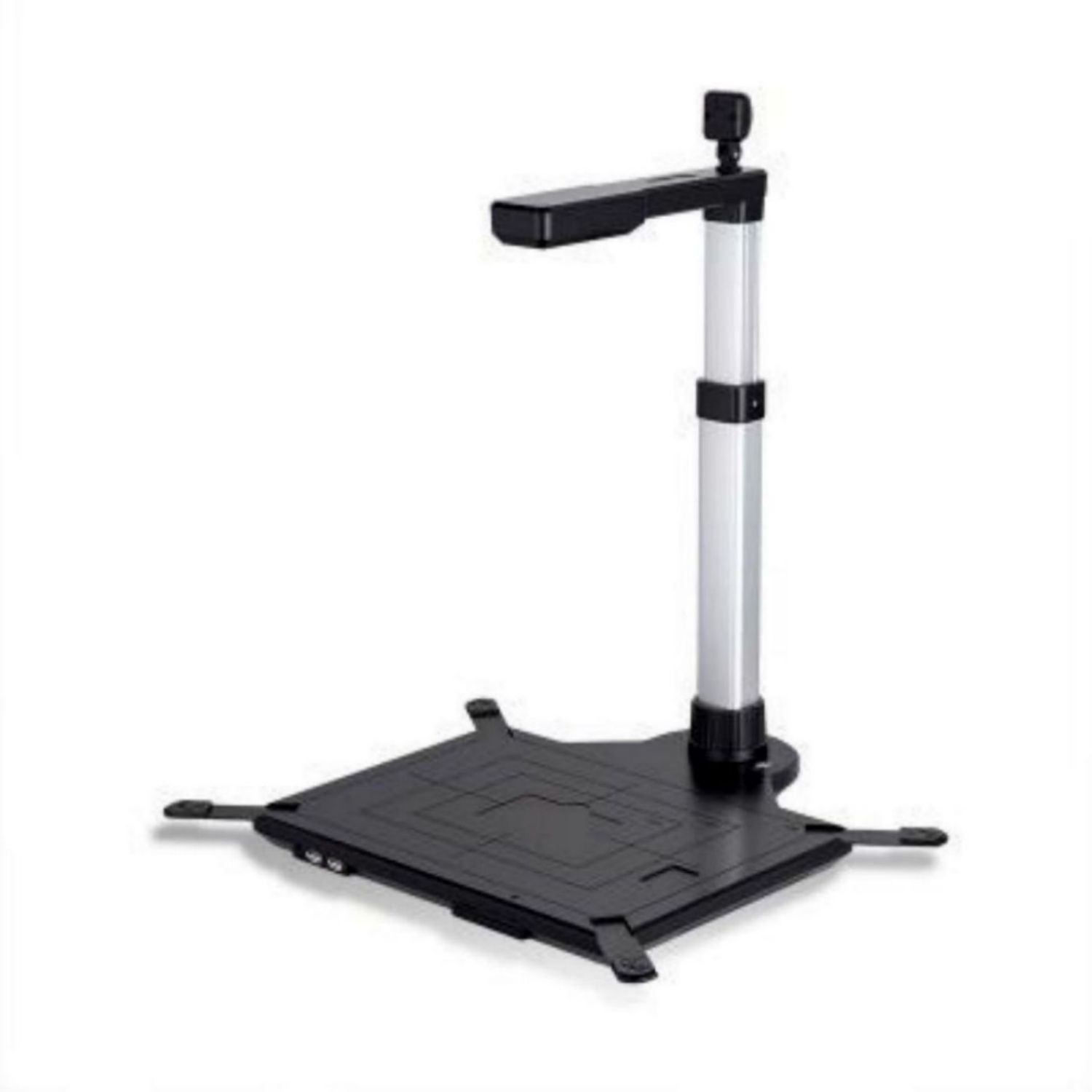
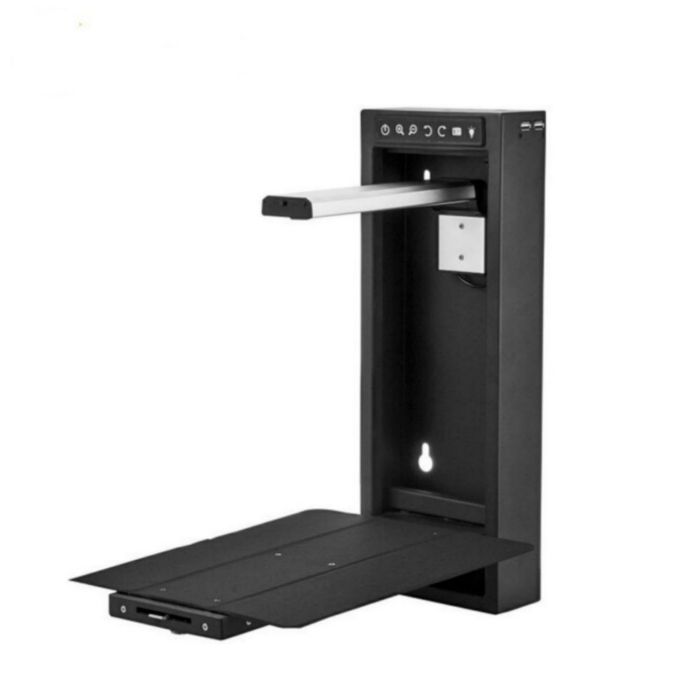
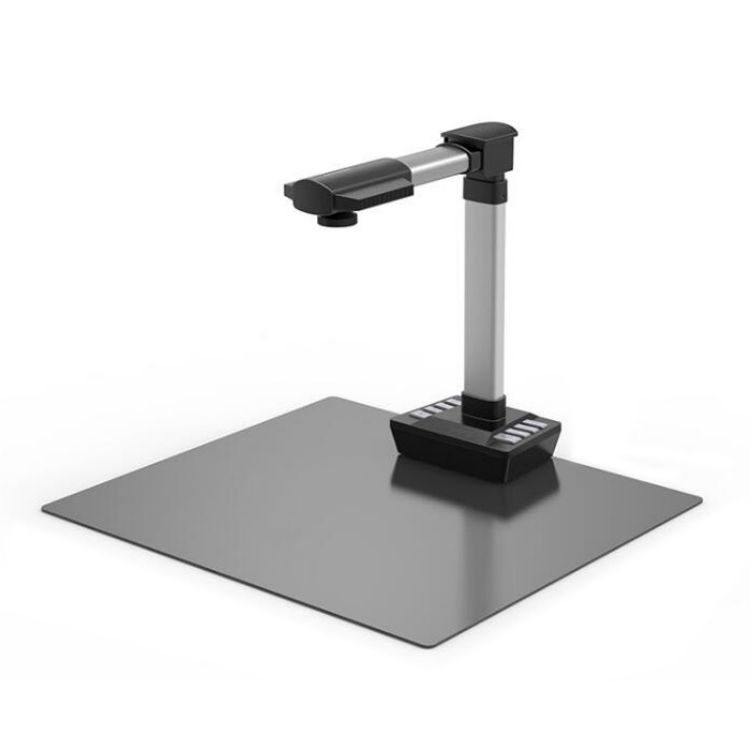
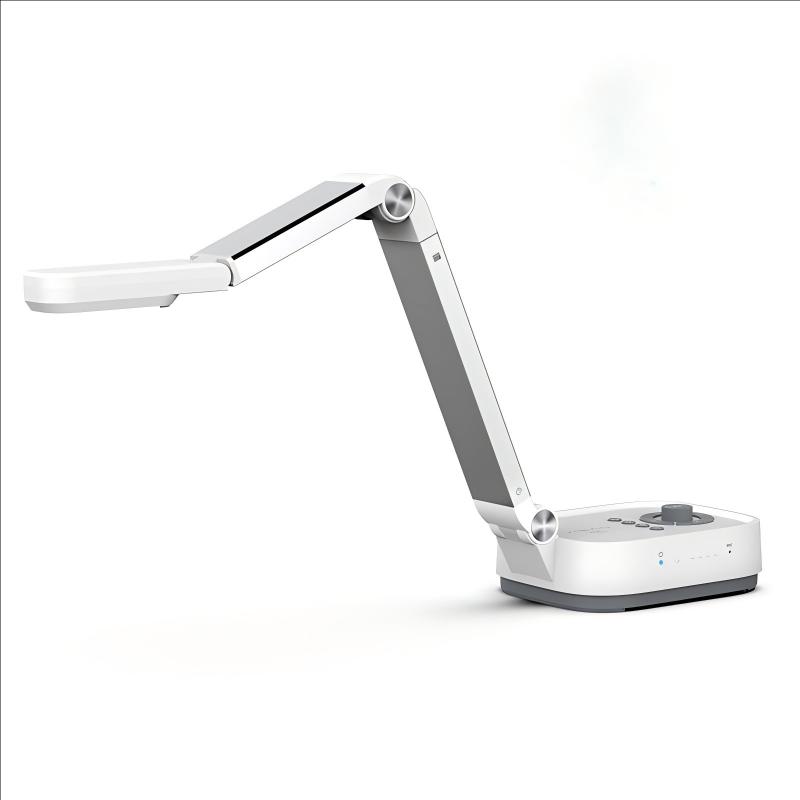
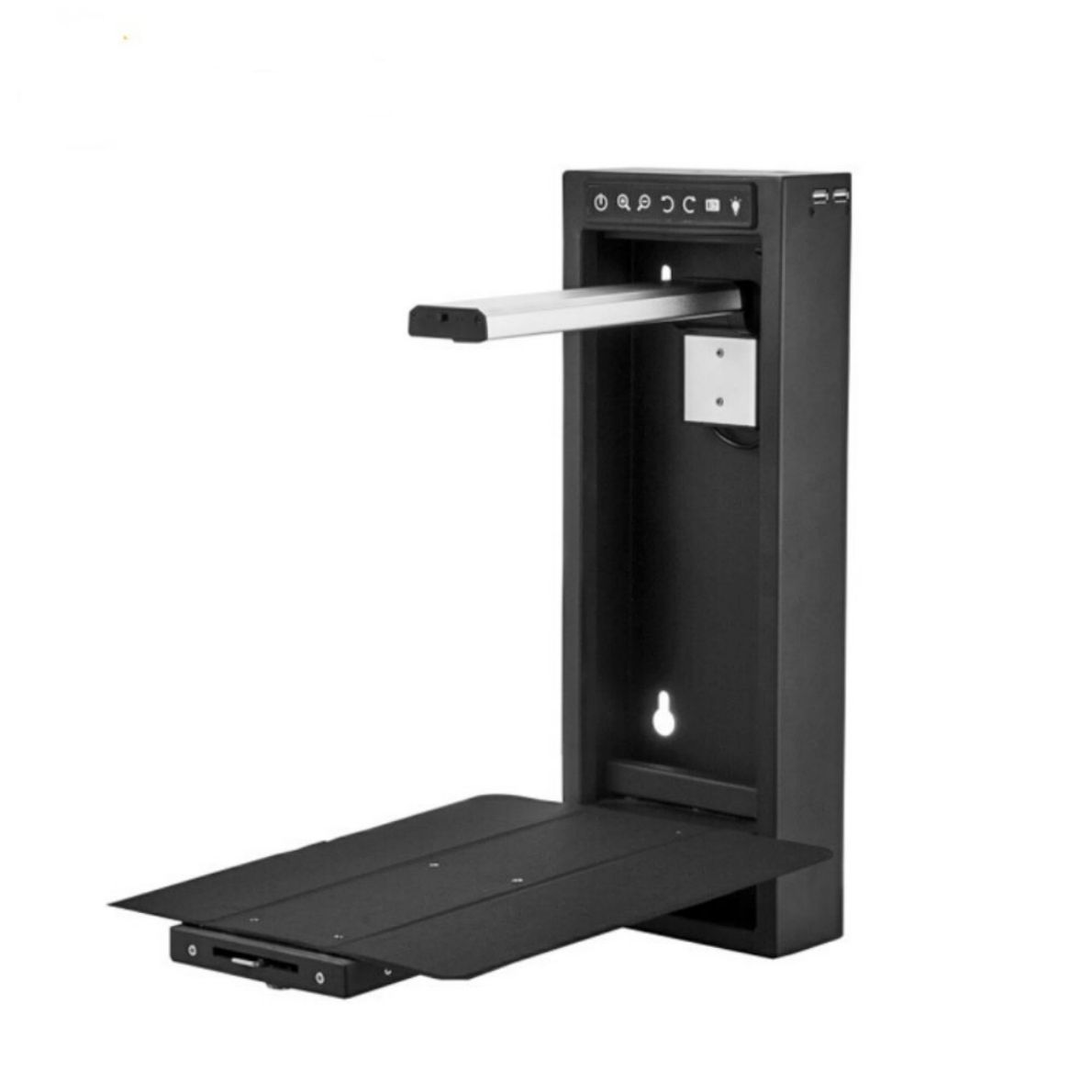
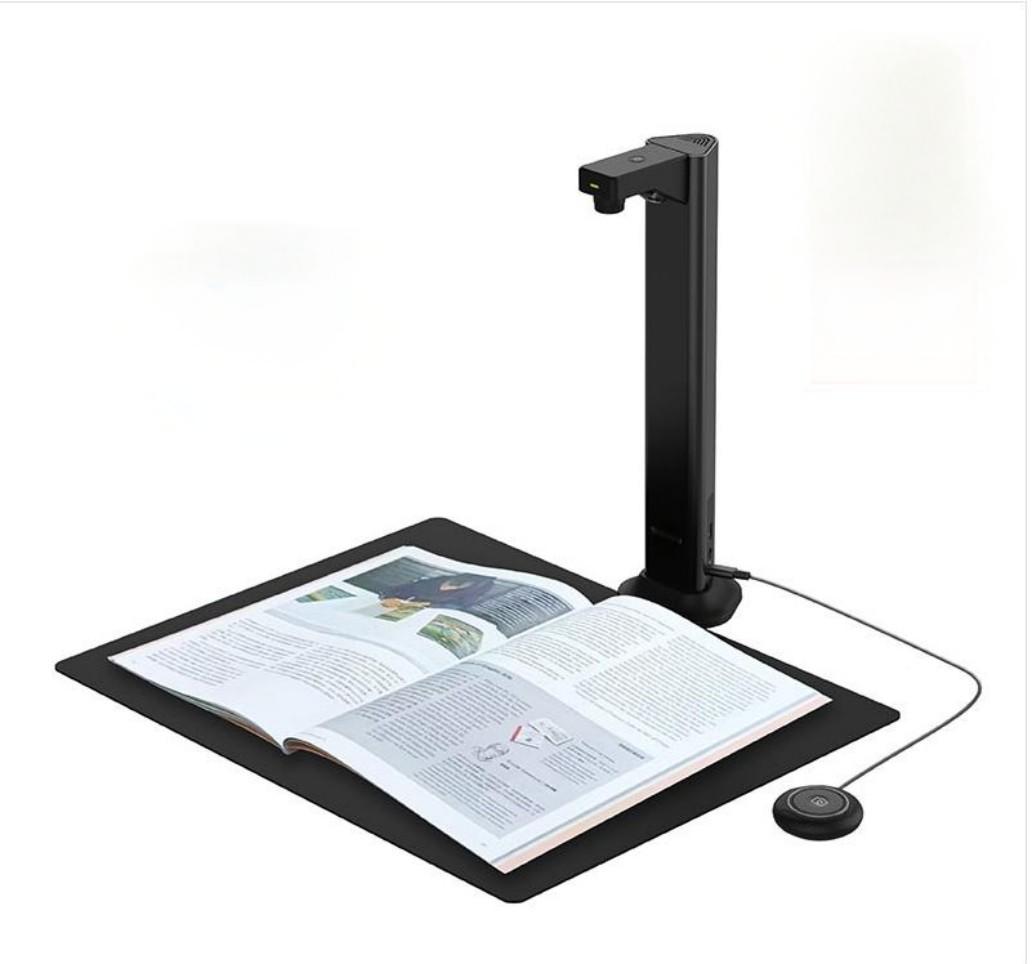
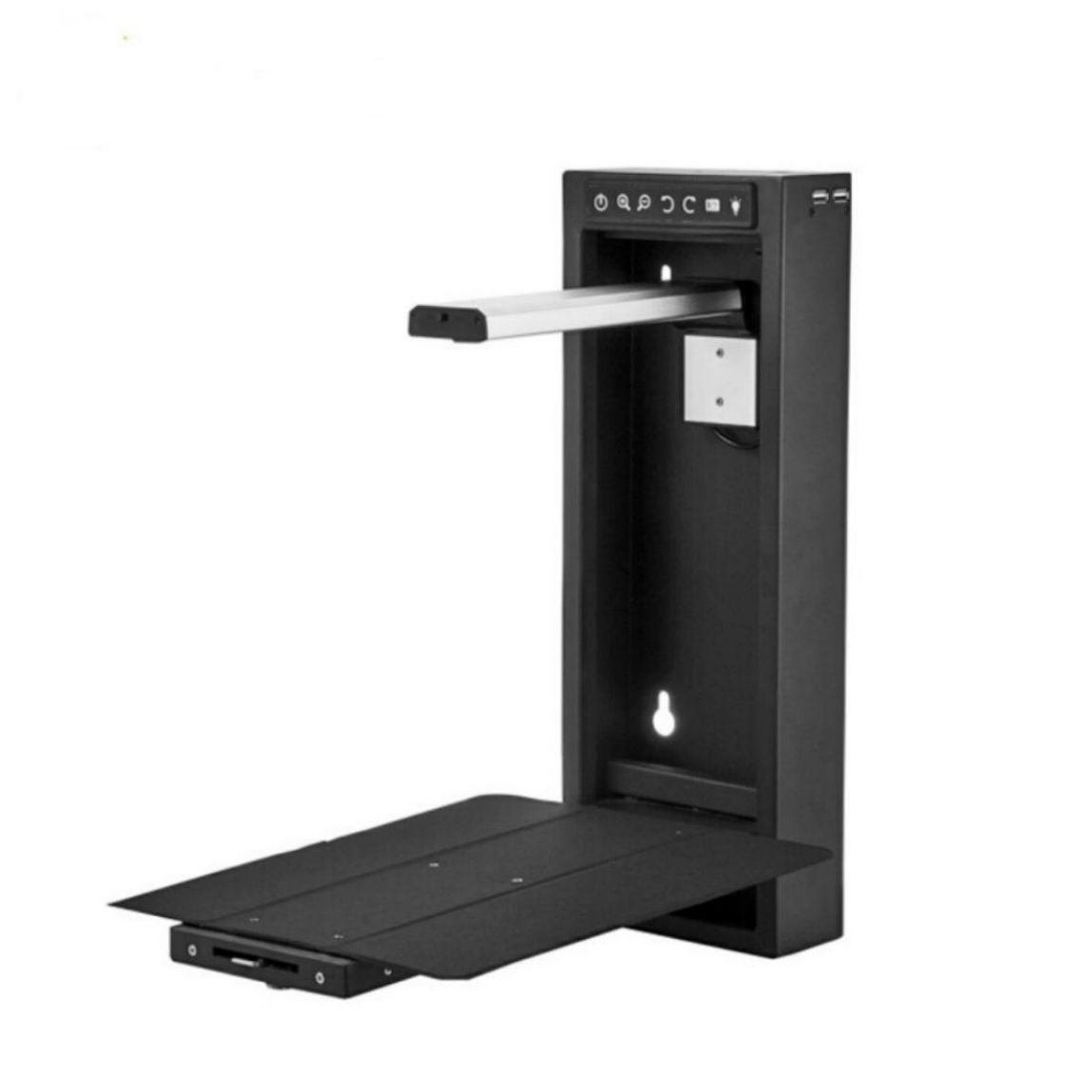
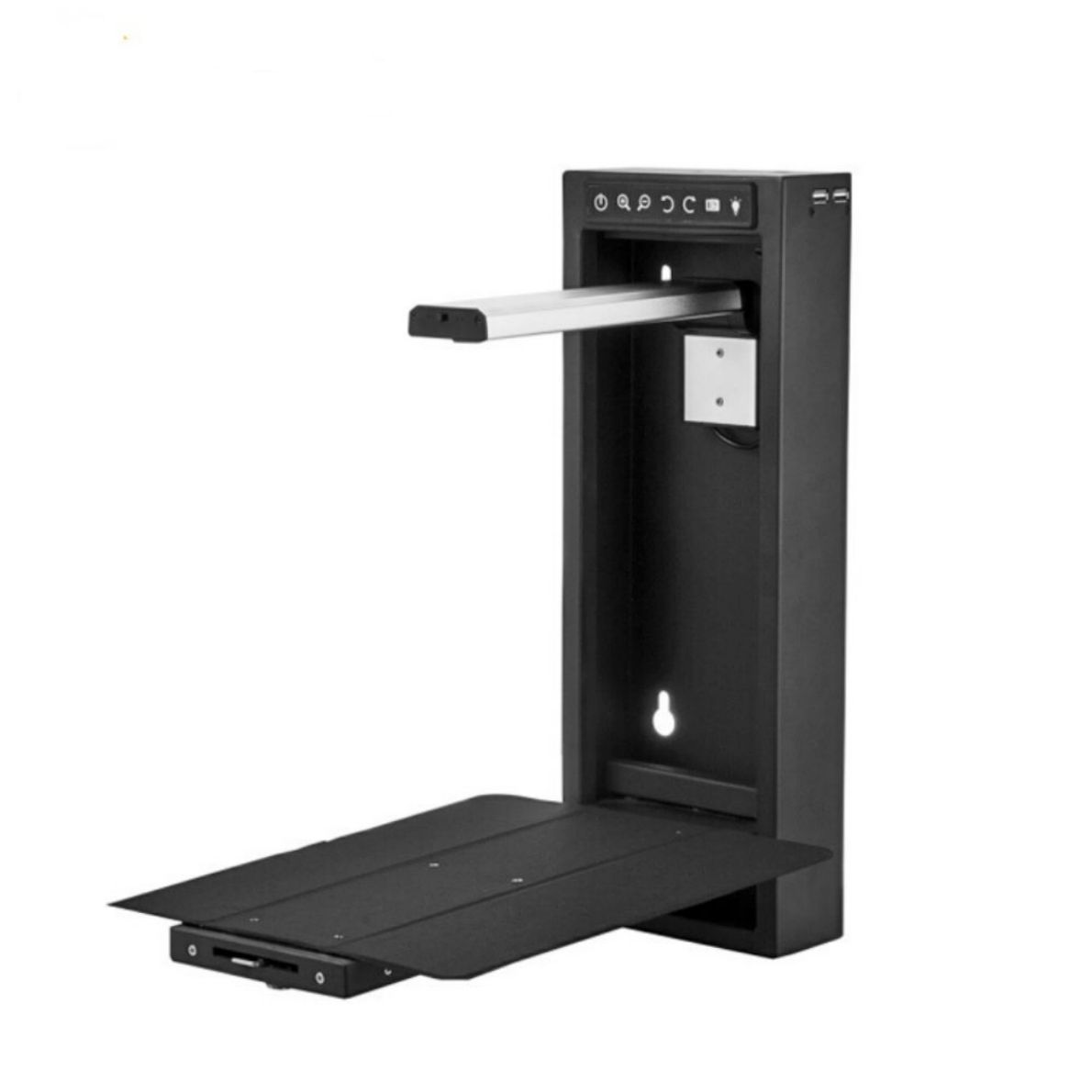
The products below are current examples across dual-camera A3 scanning, wall-mounted A4 capture, classroom visualizers, OCR, text-to-speech and high-resolution document cameras. Each image is displayed in a contain-fit frame so the product is shown completely without ratio distortion.
CIS, CMOS and CCD: Match the Imaging Platform to the Workflow
Sensor choice is an engineering decision, not a ranking. For exporters and distributors, explaining the trade-off clearly is part of providing genuine information gain to buyers.
CIS — contact image sensor
CIS is compact and efficient for sheet-fed and close-range paths. It suits high-volume office capture, invoices, contracts and ADF-style workflows where slim hardware and consistent paper movement matter more than three-dimensional subject capture.
CMOS — area capture
CMOS area sensors capture the full page in one shot from above, which is why they dominate book scanners, document cameras and visualizers. Software can flatten curves, remove fingers and present objects live without pressing a book flat.
CCD — linear depth and colour
CCD linear imaging can deliver stable colour and depth-of-field advantages for flatbed scanning, artwork, photographs and some bookedge workflows. It is often selected when controlled lighting and fine detail matter more than instantaneous overhead capture.
Megapixel Math That Prevents A3 and A4 Procurement Mistakes
Resolution should be calculated from page size and required dpi. The formula is straightforward: page width in inches × target dpi, and page height in inches × target dpi. The result gives the pixel dimensions your scanner or visualizer must deliver before cropping and deskewing.
| Document size | Pixels required at 300 dpi | Practical sensor guidance | Buying implication |
|---|---|---|---|
| A4 210 × 297 mm | Approx. 2480 × 3508 ≈ 8.7MP | 10MP or higher | A 10MP A4 wall scanner can be appropriate for forms, service counters and education stock, provided lighting and software meet the workflow requirement. |
| A3 297 × 420 mm | Approx. 3508 × 4961 ≈ 17.4MP | 18MP to 24MP | For OCR and searchable PDF, 20MP to 24MP gives useful headroom. A 24MP A3 scanner is a stronger choice when fine print or archival output is expected. |
| Photos and artwork | 600 to 2400 dpi optical | Flatbed with 48-bit colour | Do not use a document camera megapixel figure as a substitute for optical flatbed resolution when reproducing photographs or fine art. |
| 3D objects and teaching materials | Resolution plus zoom and lighting | Visualizer with optical/digital zoom | For classroom demonstrations, zoom, LED lighting, microphone, VGA/HDMI output and foldable mechanics can matter more than a simple pixel count. |
What Document Scanning Equipment Buyers Will Prioritise Next
Procurement is moving from “buy a camera” to “buy a reliable capture outcome.” That shift rewards exporters who can document specifications, provide SDK support and maintain consistent supply.
Outcome-based tenders
Buyers increasingly specify searchable PDF, OCR accuracy, multi-language text extraction, text-to-speech accessibility and software integration. A hardware-only quotation is less persuasive than a documented workflow with sample scans and acceptance criteria.
Driverless USB and UVC
UVC and standard USB interfaces reduce installation friction across classrooms, branch offices and public-service counters. Procurement teams prefer devices that can be deployed by local IT teams without complex driver packages.
Smaller MOQ and ready stock
Distributors want to test demand before committing capital. Ready-stock models, low minimum order quantities and mixed-model trials help resellers validate A3 scanners, A4 wall visualizers and classroom document cameras with lower inventory risk.
Traceable service and compliance
CE certification, a 1-year warranty, remote technical support, clear payment terms and verifiable supplier records are becoming standard evaluation criteria. The supplier’s response time and reorder rate are practical indicators of after-sales discipline.
Where Document Cameras and Book Scanners Are Heading
Hardware convergence is accelerating. A modern visualizer is no longer only a presentation camera; it is a capture device, OCR front end, collaboration endpoint and SDK platform.
Higher resolution with practical headroom
20MP to 24MP A3 capture is becoming more common for OCR, while higher-resolution sensors support detailed archival work. The purchasing question is not simply “more megapixels,” but whether the resolution remains usable after framing, deskewing and compression.
Dual-camera and multi-purpose capture
Dual-camera designs can combine document capture with portrait, ID or presentation views. For counters and classrooms, one device that handles documents, objects and people reduces the number of separate systems to install and support.
AI-assisted post-processing
Automatic page detection, curve flattening, deskew, background cleanup and finger removal are becoming expected software features. Buyers should test these functions on their own documents rather than relying on generic demonstrations.
Accessibility and integration
Text-to-speech, multi-language OCR, SDK access, UVC output and open integration are turning scanners into workflow components. This is especially relevant for education, public services and distributors building custom digitisation solutions.
Where These Export-Ready Scanning Products Fit
Quibow’s main markets include Eastern Europe, North America and South America, serving distributors, system integrators and end users across education, archives, offices and public services.
Libraries and archives
Non-contact overhead capture and OCR-friendly output help digitise books, newspapers, records and fragile documents without forcing bindings flat.
Education and training
Foldable visualizers, 3D document cameras, LED lighting, microphones and optical zoom support live teaching, remote lessons and object demonstrations.
Government and banking counters
A4 wall-mounted scanners and high-speed document cameras capture forms and ID documents at service points, with OEM, SDK and space-saving installation options.
Distributors and integrators
Low-friction USB devices, SDK availability and OEM/ODM options allow resellers to build branded education, office and digitisation packages around proven hardware.
Why Quibow Is a Practical China Exporter for B2B Buyers
Guangzhou Quibow Electronic Co., Ltd. focuses on image data acquisition and conversion equipment. Its team develops and supplies photoelectric information equipment including high-speed document cameras, book scanners, flatbed scanners and ID-card recognition cameras. Working across CIS, CMOS and CCD imaging platforms, the company covers product design and development, production coordination, export sales and after-sales support.
The business is based at Room 504, No. 5 Zitan Second Street, Guangzhou, Guangdong, China, and was established in 2020. Public supplier information lists annual revenue in the US$1M–US$2.5M range and a dedicated team of 5–10 specialists. That scale can suit buyers who want direct technical communication, OEM/ODM flexibility and a focused product range rather than a broad catalogue with little specialist support.
| Supplier fact | Guangzhou Quibow Electronic Co., Ltd.; onsite-checked supplier in Guangzhou; founded 2020 |
|---|---|
| Imaging platforms | CIS, CMOS and CCD imaging for scanners, document cameras and visualizers |
| Export services | OEM/ODM, SDK projects, logo, packaging, housing colour and software branding support on selected models |
| Commercial terms | T/T, L/C, PayPal and Western Union; USD, EUR, HKD or CNY; FOB, EXW and DDU |
| Service signals | ≤1h average response time, 100% message response rate, 27% buyer reorder rate |
| Warranty | 1-year warranty on listed models, with remote technical support |



From Enquiry to Delivery: A Transparent Five-Step Process
This workflow is designed to reduce ambiguity for procurement teams, school districts, distributors and system integrators.
Requirement review
Document size, daily volume, OCR language, operating system, installation method and output format are confirmed, with fast initial response.
Model matching
The supplier recommends a sensor platform and resolution based on page size and workflow, and can provide sample scans on request.
Customisation
For OEM/ODM projects, logo, packaging, housing colour, software branding, OCR language packs and SDK integration are scoped.
Quality inspection
Focus, lighting uniformity, driver installation, capture speed and output checks help ensure the unit matches the agreed specification.
Shipping and support
Export packing, delivery terms and remote setup support are arranged, with a 1-year warranty on listed models and after-sales guidance.
Document Scanning Equipment Sourcing Questions Buyers Ask Most
These answers reflect common B2B enquiries for China-based document scanner and visualizer supply. Confirm final details for the exact model and order before purchase.
What is the minimum order quantity for Quibow scanners and document cameras?
Most stock book scanners, large-format scanners and flatbed scanners can start from 1 piece or 1 set, while several document camera models start from 2 pieces. OEM/ODM quantities are confirmed per project, depending on branding, packaging, software and SDK requirements.
Do you support OEM and ODM orders?
Yes. OEM/ODM support can include logo printing, packaging, housing colour, capture software branding and SDK integration on selected models. The most efficient approach is to share target market, expected volume, required interface and any certification or software constraints before quotation.
Are the scanners compatible with Windows and macOS?
Many models support Windows and macOS, and some are verified on Apple M1-powered Macs. Because compatibility varies by model and software version, confirm the exact operating system, driverless UVC requirement and SDK environment before ordering.
Which resolution do I need to scan A3 or A4 documents at 300 dpi?
An A4 page at 300 dpi needs about 2480 × 3508 pixels, or roughly 8.7MP, so a 10MP model can be suitable. An A3 page at 300 dpi needs about 3508 × 4961 pixels, or roughly 17.4MP, so 18MP to 24MP is a more comfortable range for OCR and searchable PDF work.
What payment methods, currencies and delivery terms are accepted?
The supplier lists T/T, L/C, PayPal and Western Union, with USD, EUR, HKD or CNY currencies and FOB, EXW and DDU delivery terms. Final terms should be confirmed in the quotation and order confirmation.
What warranty do the products carry?
Listed models can carry a 1-year warranty, backed by remote technical support. Ask for the warranty statement for your specific model, including what is covered, how to submit a claim and the expected response process.
Can I request sample scans before placing a bulk order?
Sample scans are the most practical way to compare OCR quality, image sharpness and post-processing. Provide a representative page, your target dpi, OCR language, output format and any lighting or placement constraints so the supplier can recommend the correct model.
How can I verify an exporter before buying document scanning equipment?
Check the supplier assessment, business address, trade records, feedback, warranty terms and product documentation. For Quibow, the supplier’s onsite-checked location in Guangzhou, response metrics, reorder rate and third-party platform records provide useful starting evidence. Technical verification should still include sample scans, model specifications and a clear order contract.
Compare Document Scanners, Visualizers and OEM Options With a Technical Contact
Share your document size, daily volume, target resolution, OCR language, operating system and integration requirements. The supplier can recommend a suitable model, confirm stock, prepare sample scans and discuss OEM/ODM or SDK scope.