Eight Desktop Paper Scanner and Document Camera Models for Serious Buyers
The strongest shortlist starts with the document, not the title. These eight models cover bound books, loose paper, A2 archive sheets, classroom objects, ID-style originals, live presentation and OCR workflows. Every product image below is shown in full proportion, and every model links to its original product page.
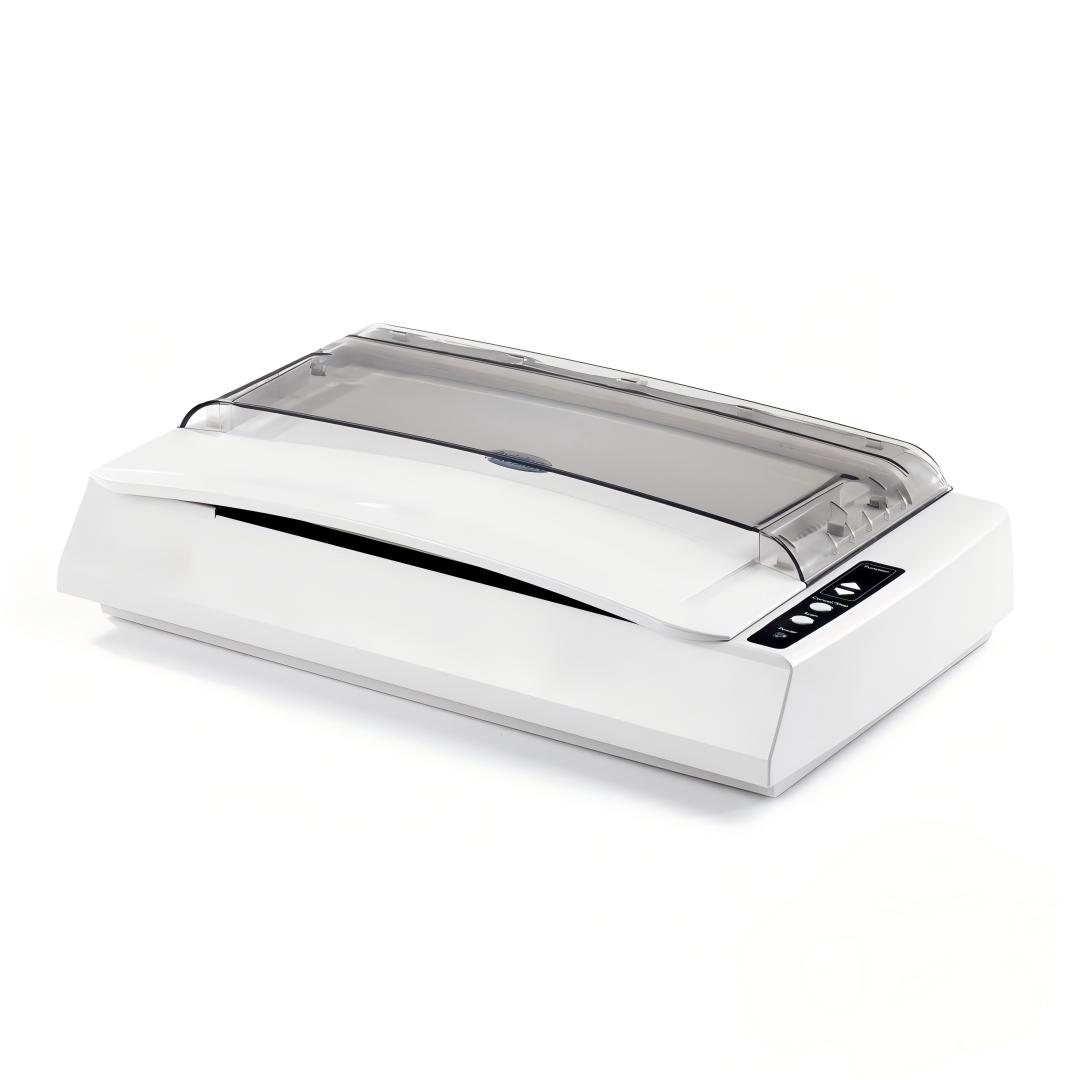
CCD Zero Margin Bookedge Flatbed Scanner A4 600dpi
- Bound-book edge capture with reduced spine shadow
- USB digitization for library and archive projects
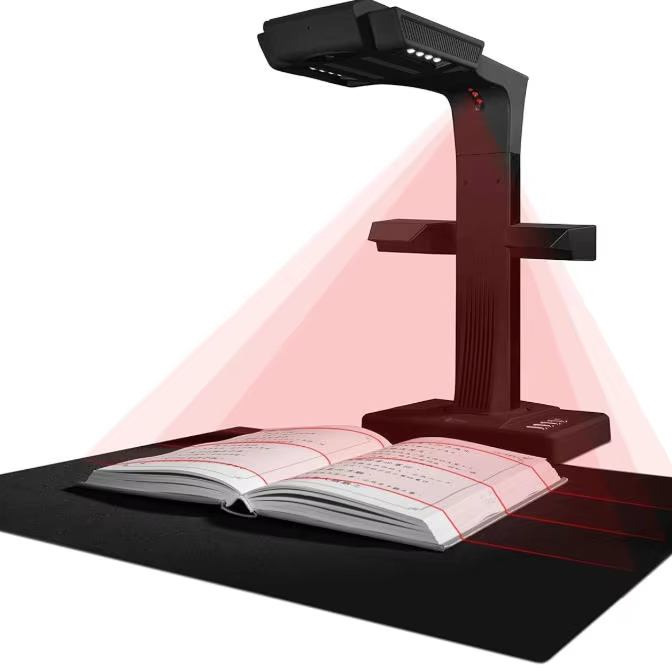
18MP A3 Book Scanner Overhead Document Camera
- Auto curve flattening and OCR to searchable PDF
- HDMI visual presenter for office and library use
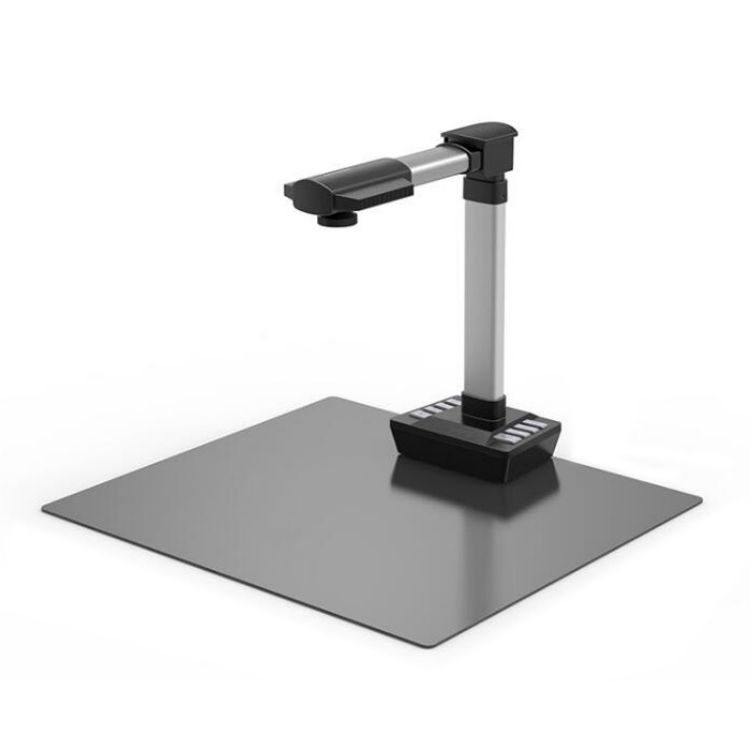
20MP OCR Aluminum Digital Visualizer Camera
- Aluminum body with USB interface and SDK support
- Classroom, office training and visual presentation
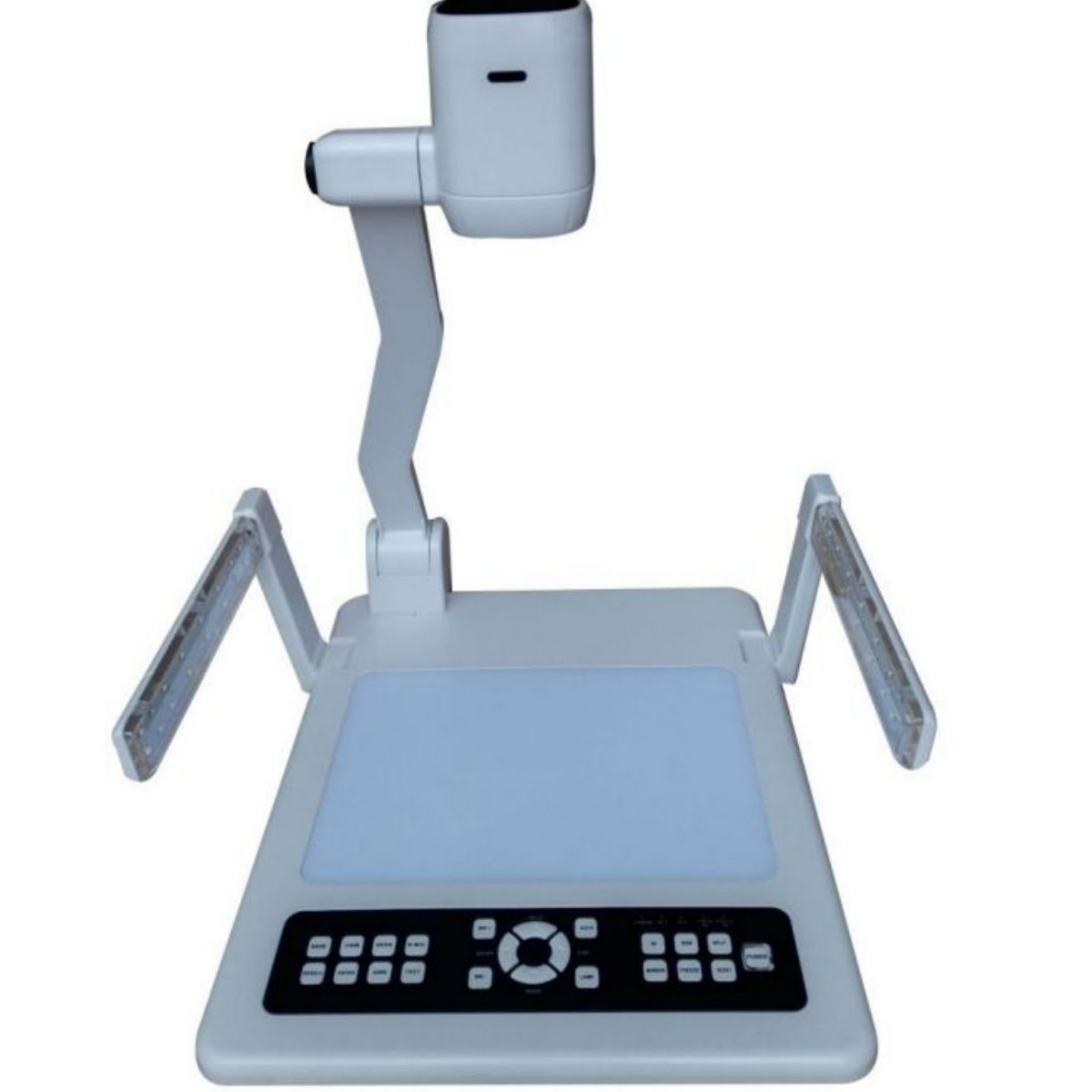
Multi-functional Document Camera Professional Visual Presenter
- Document camera and visualizer in one teaching tool
- Ideal for education equipment and object demonstration
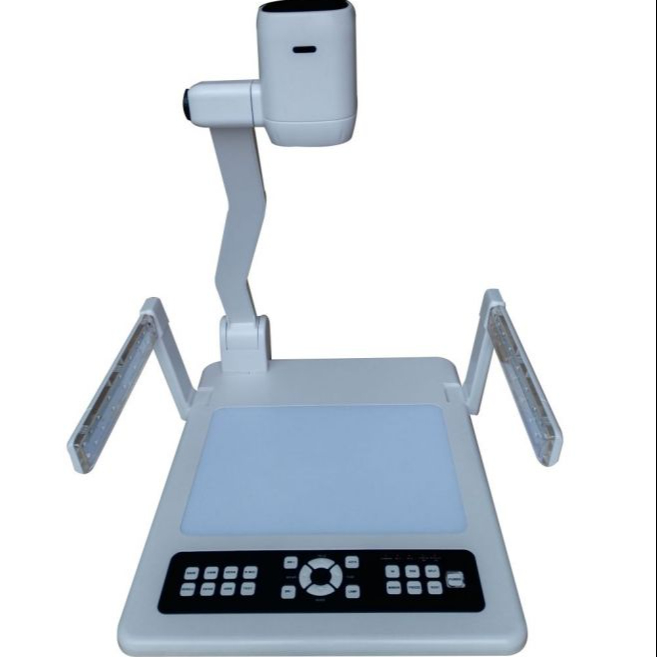
Factory Desktop Document Camera Visualizer 22X Optical
- 22X optical zoom with HDMI, RS232 and audio/mic video
- Meeting room, lecture capture and detailed inspection
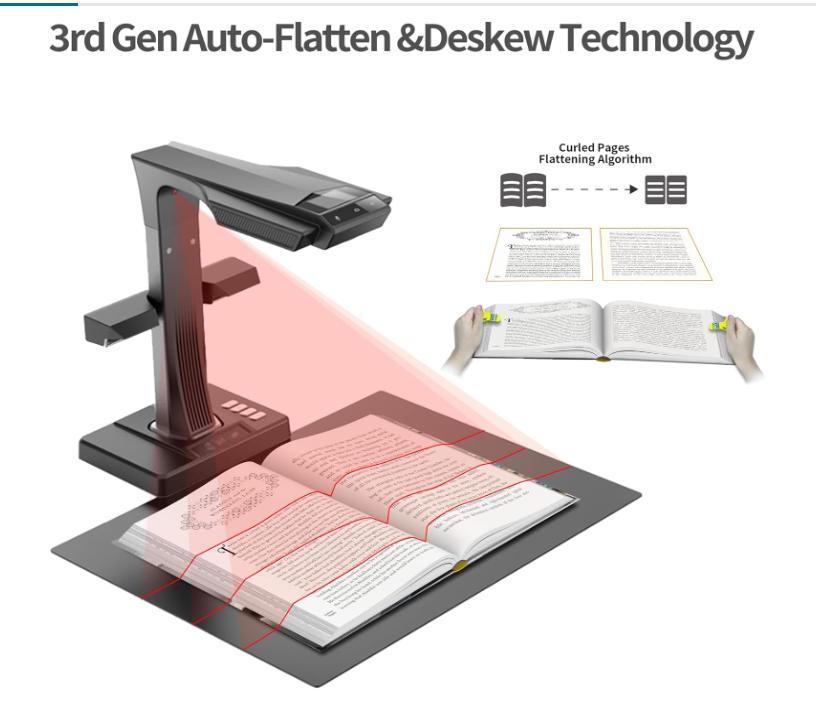
A3 24MP Book Scanner Auto Flatten Deskew
- 4000 × 6000 CMOS capture with auto flatten and deskew
- OCR searchable PDF output for document digitizers
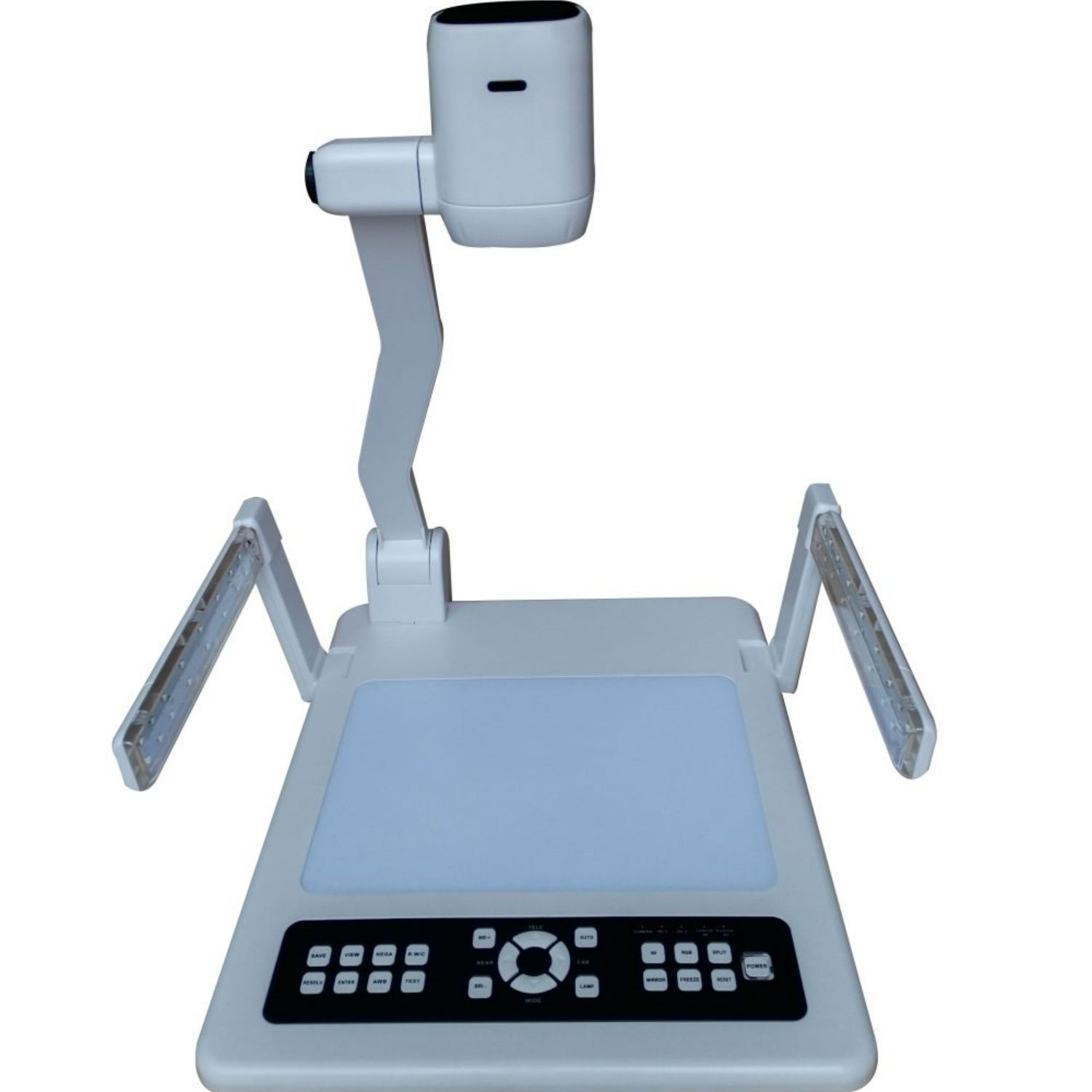
22x Optical 10x Digital Zoom A4 Document Camera
- 2MP CMOS sensor with VGA/USB interface
- Foldable digital presenter for desktop teaching
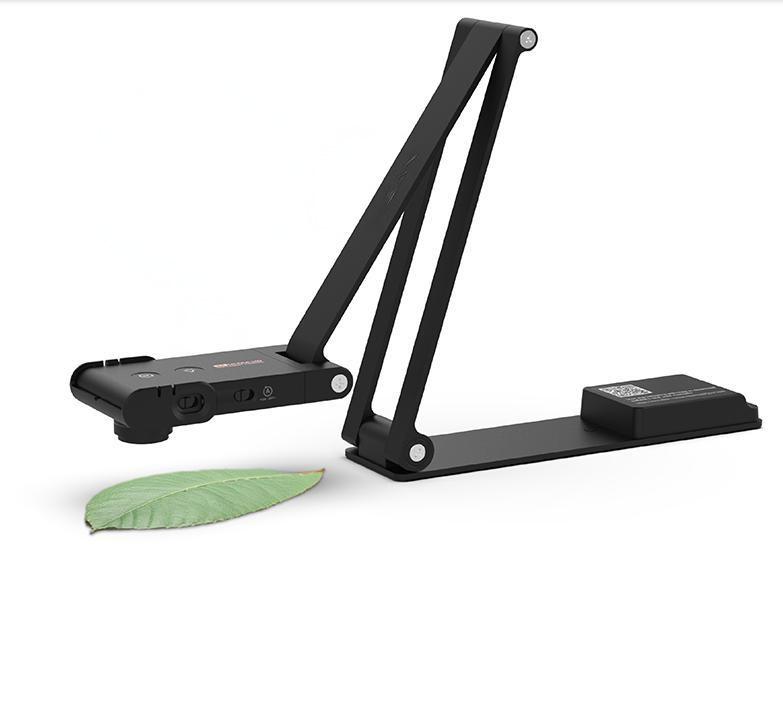
4K 2-in-1 USB 13MP Document Camera
- AI noise cancellation, 20X macro lens and microphone
- Foldable design for hybrid classrooms and meetings
Supplier Signals That Matter More Than a “Best Manufacturer” Claim
For commercial-investigation searches, trust is not created by repeating superlatives. It is created by verifiable operating signals: response speed, order behaviour, onsite checks and transparent commercial terms.
Information gain for buyers: ask for the document mix, the required dpi at the full platen, the OCR output format and the software integration path before comparing prices. These four data points separate a viable desktop paper scanner project from a costly sample that never reaches production. Guangzhou Quibow Electronic Co., Ltd. uses this same review logic in its OEM/ODM projects, with third-party records maintained on Alibaba.com for supplier assessment, credit, ratings, trade capacity and transaction history.
What Does “China Best Desktop Paper Scanner Manufacturer” Actually Mean?
The query sounds like a single buying decision. In practice, it is a cluster of intents: flatbed scanner sourcing, overhead book scanner selection, document camera procurement, OCR software integration, OEM/ODM branding, and after-sales risk assessment.
A desktop paper scanner can mean a zero-margin bookedge flatbed for delicate bound volumes, an overhead CMOS book scanner for A3 or A2 pages, a sheet-fed ADF device for office batches, or a document camera used as a live visual presenter. These devices solve different problems. A flatbed scanner controls illumination and geometry; an overhead scanner protects the binding by remaining non-contact; a document camera adds live presentation, zoom and object capture. The “best” choice is therefore the model that matches the original, the output and the operating environment.
That is why a credible China desktop paper scanner exporter should behave more like an application engineer than a catalogue. The first questions should be: What is the largest document? Is it bound or loose? How many pages per day? Does the output need to be a searchable PDF? Which OCR languages are required? Is the scanner used on Windows, macOS, a classroom display, or a custom SDK workflow? Only after those answers should resolution, sensor and price be fixed.
Guangzhou Quibow Electronic Co., Ltd. works across CIS, CMOS and CCD imaging platforms, which allows the recommendation to follow the application rather than forcing every buyer into one sensor technology. The company supplies high-speed document cameras, book scanners, flatbed scanners and ID card recognition high-speed cameras, covering product design and development, production coordination, export sales and after-sales support.
Three RFQ errors that increase total cost
Most avoidable losses appear before the purchase order, not after it.
- Choosing megapixels without calculating dpi at the full document size.
- Treating a visual presenter as a substitute for an auto-flattening book scanner.
- Leaving SDK, OCR language, packaging and warranty support outside the quotation.
Practical rule: bound books with fragile paper point to an overhead CMOS scanner; flat originals with strict colour and geometry point to a CCD flatbed; high-volume loose sheets point to a CIS ADF. A dual-purpose classroom or meeting-room rollout may need both a visual presenter and a dedicated scanner.
CIS, CMOS or CCD: Choose by the Original, Not by the Datasheet
All three sensor families can produce excellent files, but they fail in different ways when the document is wrong for the platform. The following decision framework reflects the product portfolio and OEM/ODM experience of Quibow.
CIS for High-Volume Loose Paper
A contact image sensor is compact, low-power and efficient on sheet-fed paths. It is the right platform for invoices, contracts and office batches where the original can move through an ADF. In the Quibow range, the S2060W ADF scanner illustrates the CIS use case: 600 dpi, 60 ppm / 120 ipm duplex, USB 3.2 and Wi-Fi for paper-heavy offices.
CMOS for Bound Books and Live Capture
A CMOS area sensor captures the whole page in one shot from above, so a book never needs to be pressed flat. Software can flatten curves, deskew pages, remove fingers and OCR the result. This platform powers 18MP–48MP book scanners and 4K visualizers, making it ideal for libraries, newspapers, classrooms, service counters and object demonstrations.
CCD for Geometry, Colour and Book Edges
A CCD linear sensor uses a moving optical carriage with greater depth of field and stable colour. It is valuable for photos, artwork and bookedge scanning where the page gutter must be brought close to the platen without spine shadow. The zero-margin bookedge flatbed scanner in this shortlist is the clearest example of CCD applied to preservation-led digitization.
The Resolution Calculation That Protects Image Quality and Budget
Resolution should be specified at the full document size, not by the sensor alone. The following calculations show why a 24MP A3 scanner can be a stronger archival choice than a higher-megapixel device compressed into the wrong field of view.
2480 × 3508 pixels. A 10MP-class scanner or document camera is usually sufficient for readable OCR and screen review. For archive masters, confirm light uniformity and focus across the full page.
3508 × 4961 pixels. An 18MP or 24MP book scanner is a sound fit. The 24MP A3 auto-flatten deskew model reaches approximately 340 dpi at A3, giving extra headroom for OCR and print-ready archival copies.
4961 × 7016 pixels. A 48MP A2 scanner is recommended when a tender or archive standard requires 300 dpi across a full broadsheet. A 21MP A2 model is better suited to OCR, preview and access copies at roughly 225–240 dpi.
Engineering note: a 21MP camera covering a full A2 sheet delivers roughly 225–240 dpi. If the specification explicitly requires 300 dpi at A2, step up to a 48MP model. A written clarification at the RFQ stage is far cheaper than a rejected delivery. For OCR, 200–250 dpi is often enough, but handwritten notes, small legal type, maps and historical newspaper columns benefit from more generous sampling.
What B2B Buyers Are Writing Into 2025–2030 Scanner RFQs
Procurement language is shifting from “model number and price” to “output quality, integration and lifecycle risk.” These changes reward buyers who define acceptance criteria before shipment.
Output-Based Specifications
Instead of asking only for 20MP or 24MP, buyers now specify searchable PDF/A output, OCR accuracy on a sample page, dpi at the full platen, capture cycle time and page handling limits. This reduces rework and makes supplier comparisons defensible.
Small-Batch OEM/ODM
Private-label library programs and education distributors increasingly ask for logo printing, packaging, housing colour, software branding and SDK integration without committing to a full container. Stock scanners can start from 1 piece or 1 set, while several document camera models start from 2 pieces; OEM/ODM quantities are confirmed per project.
Total Cost of Ownership
Purchase price is now evaluated with warranty, remote support, spare parts, firmware updates, adapter compatibility, packaging robustness and training effort. A low unit price with unclear support can cost more than a transparent quotation with a 1-year warranty and remote technical support.
SDK and Workflow Integration
Scanners are increasingly embedded in DMS, LMS, EHR, archive and counter-service applications. Buyers ask whether an SDK is available, which operating systems are supported, and whether capture can be triggered by their own software. This is a software procurement question as much as a hardware question.
Data Privacy and Offline Work
Libraries, hospitals and government offices prefer local capture and offline OCR when records are sensitive. Procurement teams now ask where images are processed, whether internet access is required, and how scan files are stored during a session.
Hybrid Capture and Resilience
Education and enterprise buyers want one supplier for document cameras, book scanners and flatbeds, but not one compromised device for every job. A resilient programme combines a visual presenter for live teaching, an overhead scanner for books and an ADF or flatbed for paper batches.
Where Desktop Scanning Hardware Is Going Next
Hardware differentiation is moving from raw sensor count to workflow intelligence. The most valuable development work happens where optics, firmware, software and service meet.
AI-Assisted Page Restoration
Curve flattening, page-boundary detection, finger removal, shadow cleanup and deskew are becoming expected features in overhead book scanners. The goal is not cosmetic enhancement; it is fewer manual corrections before OCR and archive ingestion.
4K, HDMI and USB-C Convergence
Document cameras and visual presenters are converging with classroom displays, video conferencing and interactive whiteboards. 4K capture, HDMI output, USB plug-and-play, microphone input and remote control are becoming part of the procurement baseline.
Edge OCR and Searchable Output
Buyers increasingly want searchable PDFs at the point of capture rather than a separate post-processing stage. Edge OCR reduces dependency on a PC and improves privacy, but it also raises questions about language packs, accuracy testing and firmware update policy.
Modular Hardware and Firmware
Long-lived B2B products need replaceable light modules, stable drivers and firmware roadmaps. Modularity supports regional service partners and protects distributors from premature model obsolescence.
Preservation-Led Contactless Design
Archives increasingly prohibit flattening fragile paper. Non-contact overhead capture, zero-margin bookedge platens, adjustable lighting and gentle page handling are becoming selection criteria alongside resolution.
Cloud-Adjacent, On-Prem Ready
Cloud archives are growing, but local control remains essential for compliance. The practical future is hybrid: capture locally, index with on-device OCR where required, then upload only approved files to the archive or document management system.
Why Guangzhou Quibow Electronic Co., Ltd. Is Built for Export Programmes
The strongest supplier relationship is not only about a product photo. It is about engineering fit, communication rhythm, quality inspection and a clear route from sample to repeat order.



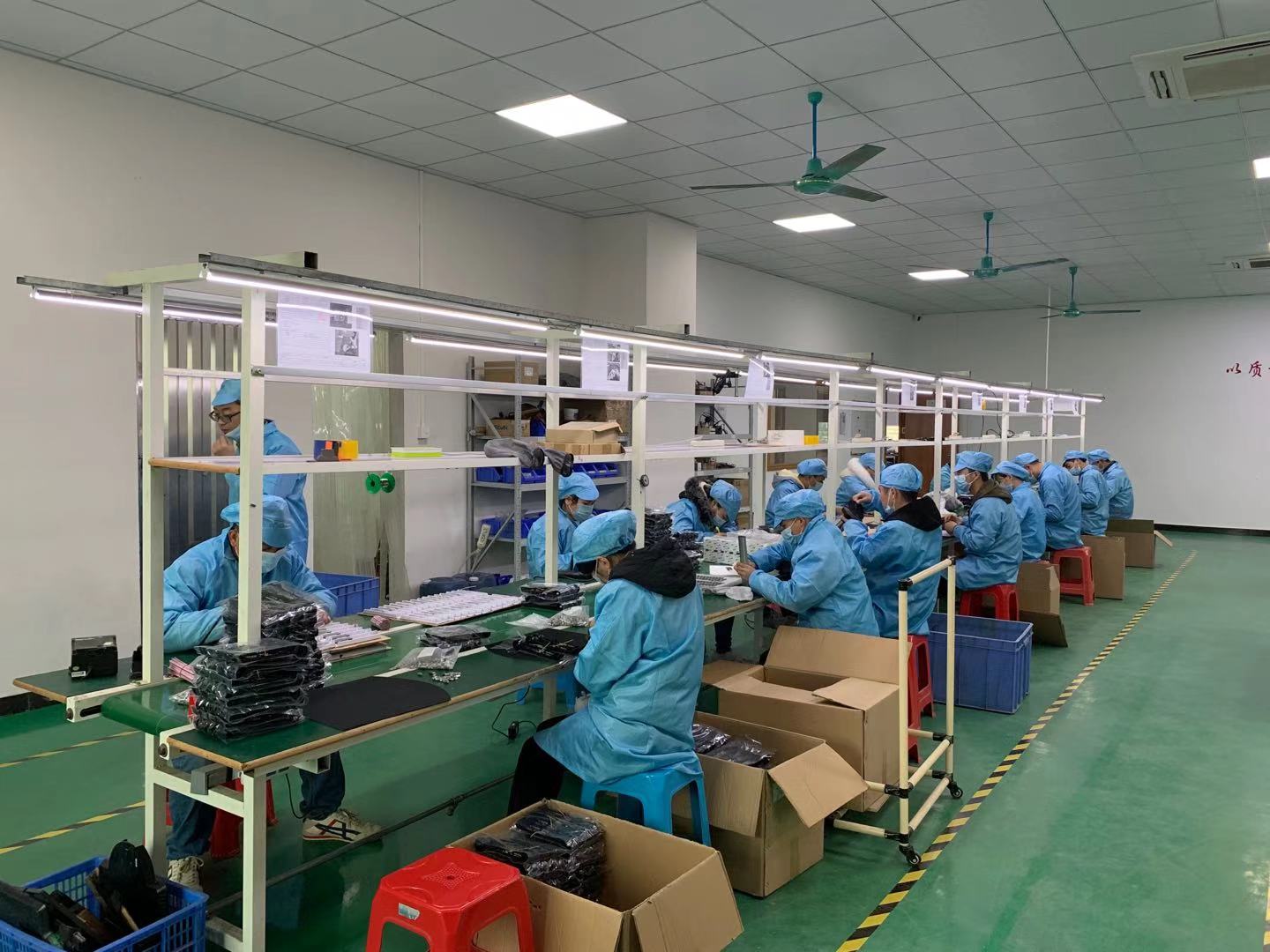
Guangzhou Quibow Electronic Co., Ltd.
Quibow is a technology-driven company focused on image data acquisition and conversion. Its team develops and supplies photoelectric information equipment, including high-speed document cameras, book scanners, flatbed scanners and ID card recognition high-speed cameras.
Working across CIS, CMOS and CCD imaging platforms, Quibow covers the full cycle from product design and development to production coordination, export sales and after-sales support. The company welcomes OEM/ODM projects and serves main markets in Eastern Europe, North America and South America.
Export-ready commercial terms: T/T, L/C, PayPal and Western Union are accepted in USD, EUR, HKD or CNY, with FOB, EXW and DDU delivery terms. Listed models such as the A3 flatbed scanners, A2 overhead scanners and S2060W ADF scanner carry a 1-year warranty backed by remote technical support.
Independent Records You Can Check Before You Request a Quote
For an exporter, credibility should be visible outside the supplier’s own brochure. These records are maintained on the Alibaba.com platform and support a more objective supplier review.
Supplier Assessment
Onsite check confirming premises and legal status.
View report →Credit Overview
Platform credit profile and trading reliability indicators.
View credit →Ratings & Reviews
Feedback left by verified buyers after completed orders.
Read reviews →Trade Capacity
Export markets, trade terms and logistics capability.
View capacity →From Requirement to Delivery in Five Controlled Steps
A clear process protects both sides: the buyer knows what evidence to expect, and the supplier can quote accurately instead of guessing.
Requirement Review
Document size, binding, daily volume, operating system and output formats are confirmed, usually within one hour.
Model Matching
Sensor platform, resolution and software path are matched to the job, with sample scans available on request.
Customization
Logo, packaging, housing colour, capture-software branding, OCR languages and SDK integration on selected models.
Quality Inspection
Focus, light uniformity, driver installation and capture speed are checked before export packing.
Shipping & Support
Export packing and remote setup support, with a 1-year warranty on listed models.
Payment Methods
T/T, L/C, PayPal, Western Union
Payment Currency
USD, EUR, HKD, CNY
Delivery Terms
FOB, EXW, DDU
Desktop Paper Scanner Questions Buyers Ask Most
These answers are written for procurement teams, distributors and project engineers who need a defensible specification rather than a generic product description.
What should be included in a desktop paper scanner RFQ?
Include the largest and smallest document sizes, whether pages are bound or loose, typical daily and monthly volume, required dpi at the full platen, output format, OCR languages, operating system, interface requirements, SDK or software integration needs, packaging and branding requirements, warranty expectations, target delivery term and destination country. A model name alone rarely answers the real procurement question.
Which is better for bound books: an overhead CMOS scanner or a bookedge flatbed CCD scanner?
For fragile, thick or curved books, an overhead CMOS book scanner is usually safer because it captures without pressing the binding; look for auto-flatten, deskew and OCR. For flat originals where stable colour and geometry matter, or for books that can be placed at the edge of a platen, a CCD zero-margin bookedge flatbed can be the better tool. For high-volume loose sheets, use a CIS ADF instead.
How many megapixels do I need for A4, A3 and A2 at 300 dpi?
At 300 dpi, A4 needs about 8.7MP, A3 about 17.4MP and A2 about 34.8MP. For practical matching, choose 10MP-class capture for A4, 18–24MP for A3, and 48MP for A2 archival masters at 300 dpi. If the A2 requirement is for OCR or viewing only, a 21MP fixed-lens overhead scanner may be sufficient at roughly 225–240 dpi.
Do you support OEM, ODM and small initial orders?
Yes. Quibow supports OEM/ODM projects that can include logo printing, packaging, housing colour, capture-software branding and SDK integration on selected models. Most stock book scanners, A2 large-format scanners and flatbed scanners start from 1 piece or 1 set; several document camera models start from 2 pieces. OEM/ODM quantities are confirmed per project.
Are the scanners compatible with Windows and macOS?
Many models support Windows and macOS, and some are verified on Apple M1-powered Macs. Compatibility is confirmed for each model before shipment because driver, SDK and OCR availability can vary by configuration. If your workflow depends on a specific OS version or a third-party application, state it in the RFQ so compatibility can be tested before the order is released.
Can you provide sample scans before I place an order?
Yes. Send representative pages or high-quality photographs showing text density, small legal type, handwritten notes, images, thin paper and binding condition. Include the required output format, OCR language and target dpi. A sample scan review is the fastest way to compare an overhead book scanner, a bookedge flatbed and a document camera for the same document.
What payment, delivery and warranty terms are available?
Payment methods include T/T, L/C, PayPal and Western Union in USD, EUR, HKD or CNY. Delivery terms include FOB, EXW and DDU. Listed models such as the A3 flatbed scanners, A2 overhead scanners and the S2060W ADF scanner carry a 1-year warranty, backed by remote technical support. Packaging, destination port and document requirements should be confirmed in the quotation.
How do I avoid hidden costs in a China desktop scanner project?
Separate hardware cost, sample cost, tooling or packaging cost, software licensing, spare-parts allowance, freight, insurance, duties and payment fees. Confirm the Incoterm, voltage and plug standard, language of the user manual, warranty start date and return procedure. A transparent quotation should identify what is included and what is excluded before the deposit is paid.
Turn Your Document Mix Into a Defensible Scanner Choice
Send your document sizes, daily volume, required dpi, OCR languages, operating system, output formats and OEM/ODM requirements. The team will return a model shortlist, sample-scan plan, MOQ, lead time and delivery terms so you can compare suppliers on evidence rather than adjectives.
Get a Quote OEM/ODM enquiries · Sample scan requests · A3/A2 book scanner specifications · Document camera projects