8 Automatic Paper Scanners and Visualizers for Wholesale Programs
Each card preserves the original product URL and supplied product image. The range covers portable 5MP scanners, 10MP USB visualizers, 20MP A3 OCR cameras, 22× optical zoom presenters, 38MP overhead book scanners and 24MP auto-flatten digitizers. For wholesale comparison, confirm capture area, daily duty cycle, interface, software language, SDK requirement, warranty and landed cost before selecting a SKU.
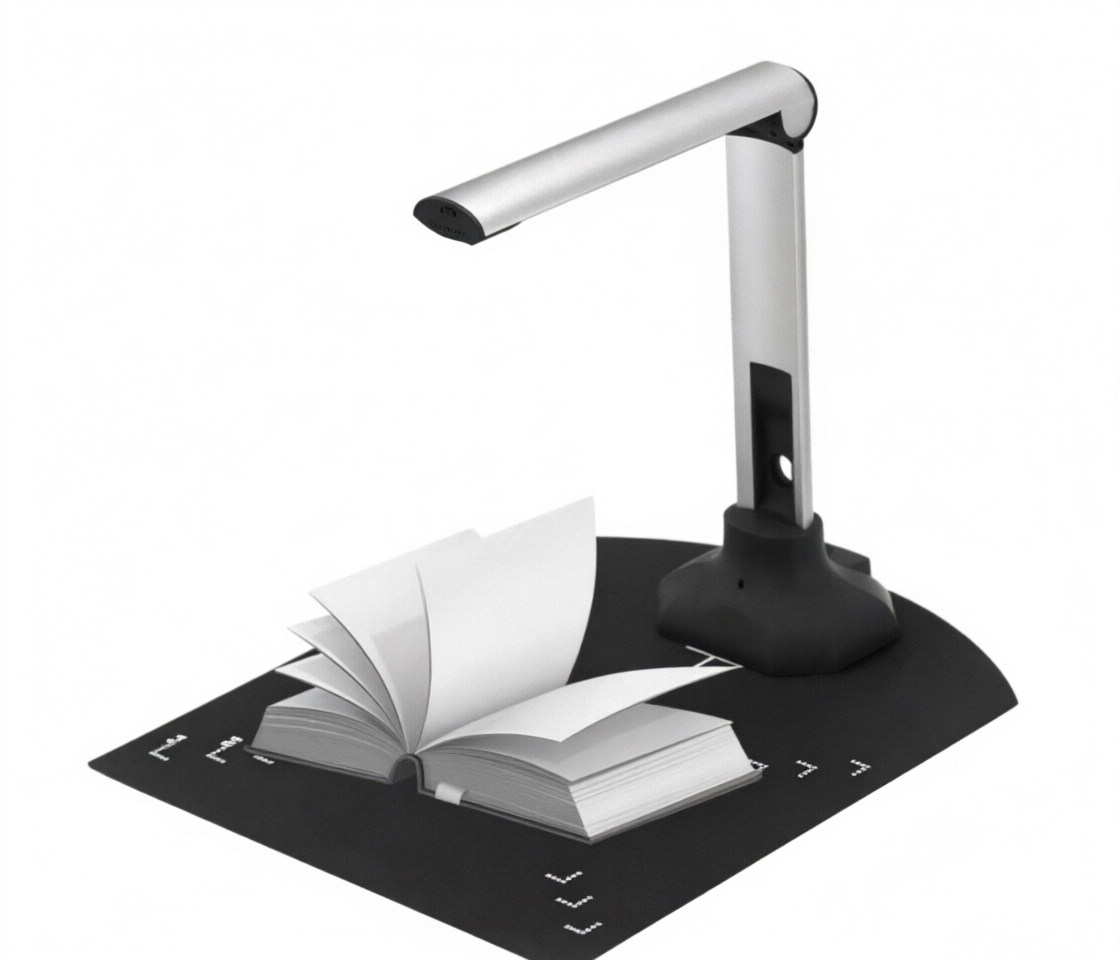
USB Document Camera Scanner 10MP CMOS Visualizer A4 Scanner for Office Education
A compact 10MP CMOS visualizer for office education, counter capture and live document sharing. USB plug-and-play shortens deployment, while A4 coverage suits forms, passports, notes and classroom materials.
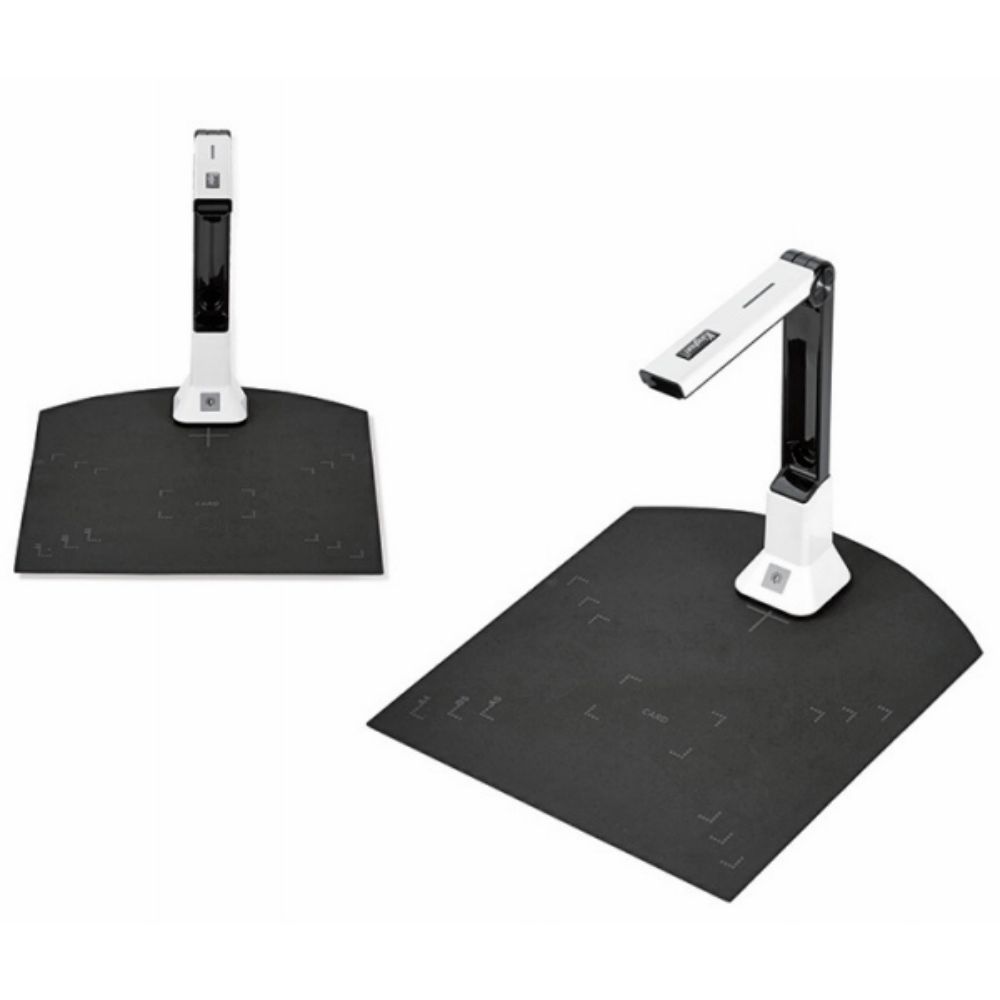
Wholesale 5MP USB Light CMOS A4 Document Scanner Portable Smart Handheld High Resolution 1-Second Scan CE Certified Stock Black
A CE-certified portable 5MP A4 USB scanner for quick single-sheet capture. Its one-second scan positioning fits mobile service desks, field sales, registration points and low-volume distribution.
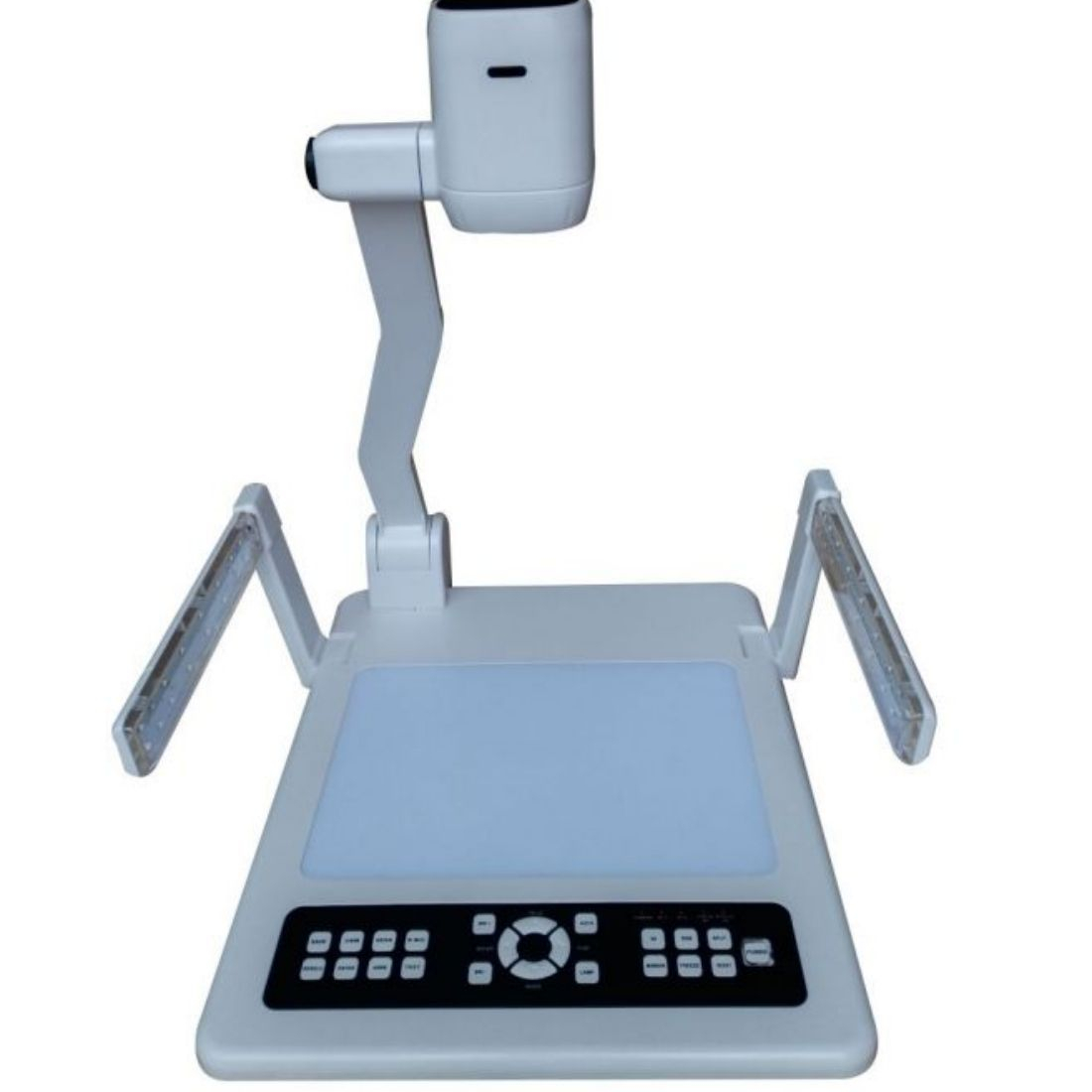
Factory 22X Optical Zoom Desktop VGA HD MI Audio Interface High Resolution Document Camera Visualizer
A desktop visualizer with 22× optical zoom, VGA and HD output for lecture theatres, training rooms and inspection workflows. Optical zoom preserves detail when presenters magnify text, parts or specimens.
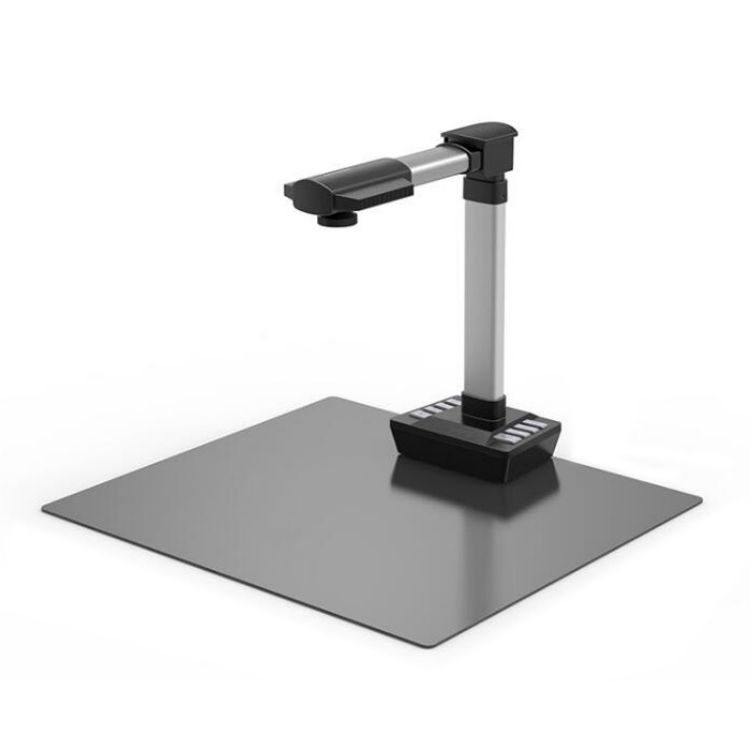
20MP OCR Aluminum Digital Visualizer Camera Classroom Office Training A3 Document Scanner USB Interface SDK Stock Black 1-Year
A 20MP A3 OCR visualizer with aluminium housing and USB interface for classrooms, office training and SDK-based capture workflows. A3 coverage reduces repositioning for drawings, forms and open books.
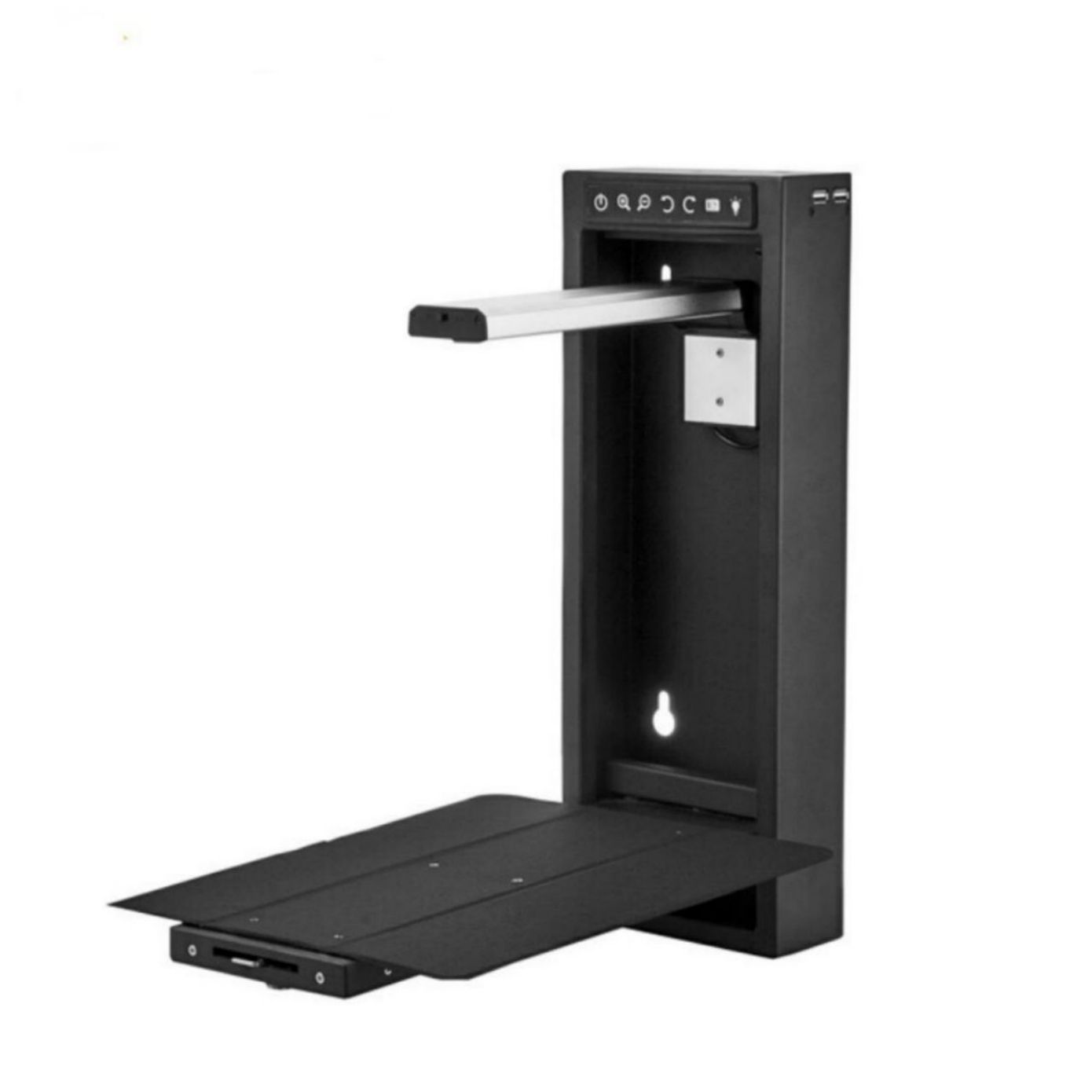
10MP USB CMOS Document Camera Wall Mount Scanner with 1-Second Scan Speed 1-Year Warranty in Stock Classroom Education A4 SDK
A wall-mounted 10MP USB CMOS scanner for fixed capture points. It suits classroom pods, service counters and compact offices where a tripod or desktop arm would obstruct staff.
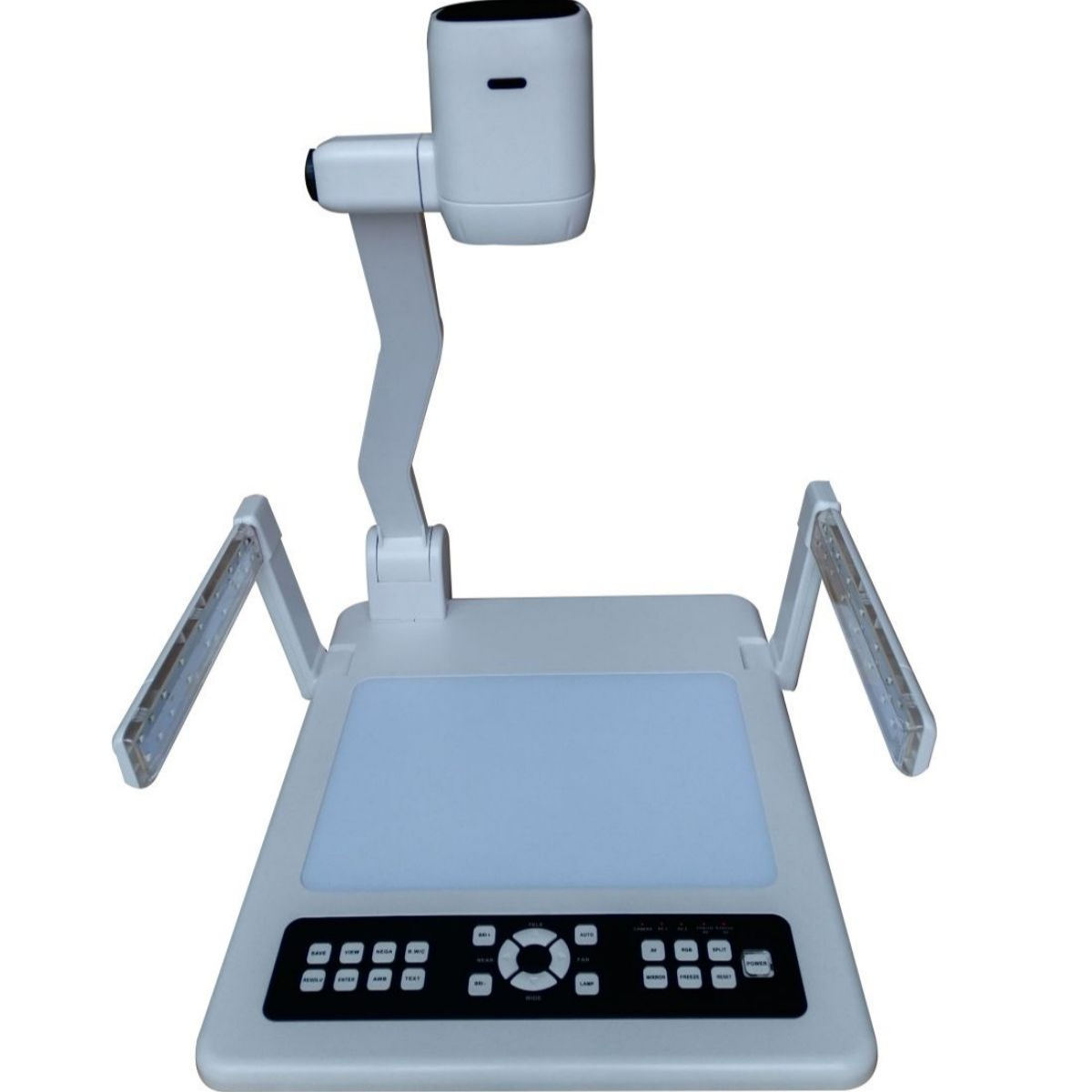
HD Optical Zoom Visual Presenter 1/3" CMOS Sensor 1-Year Warranty OEM Brand GUA Origin Professional Document Camera VGA RS232
A professional HD optical zoom visual presenter with VGA, RS232 and OEM branding options. Designed for integrators that need institutional control interfaces, stable live presentation and branded delivery.
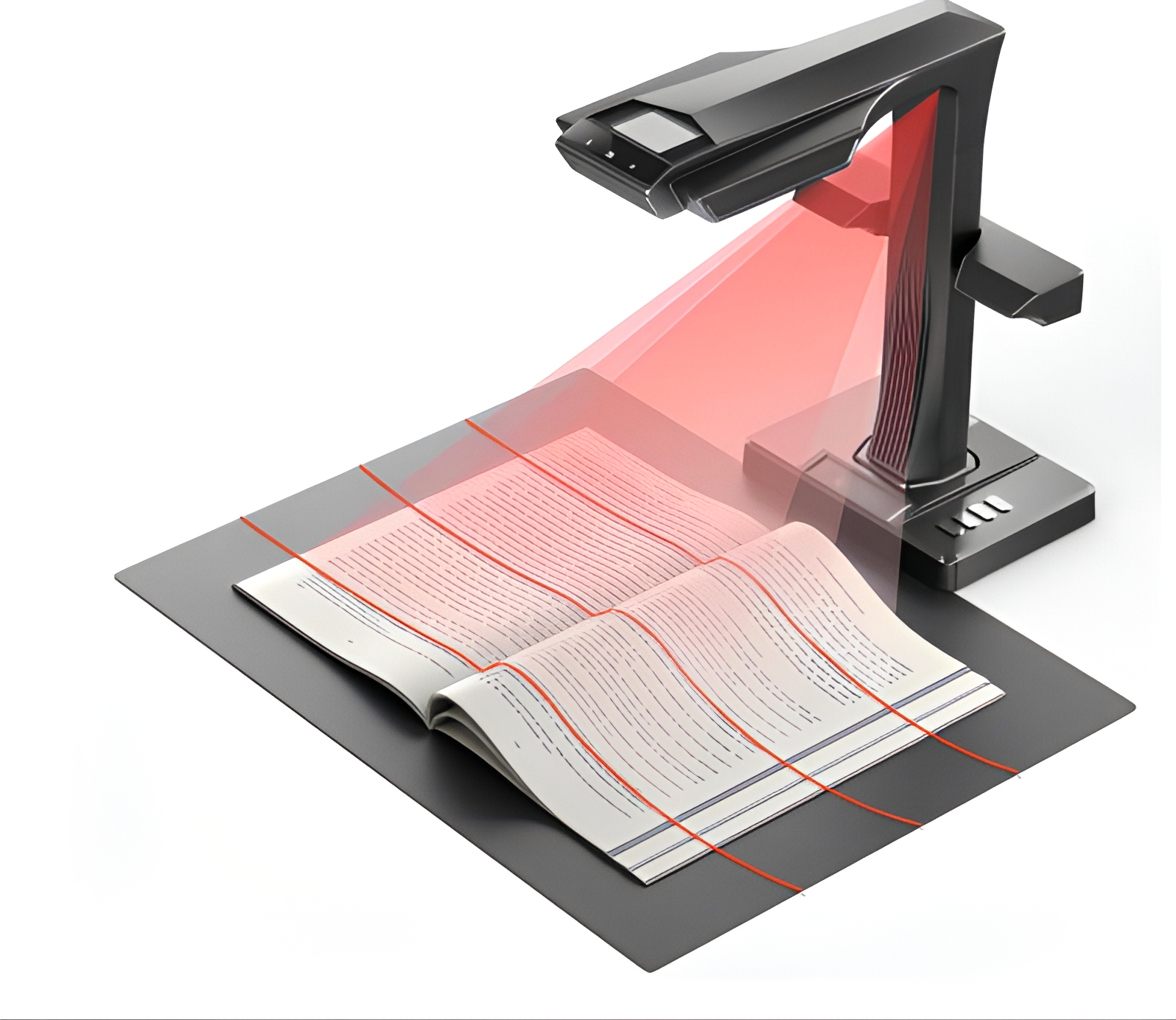
Book Scanner 38MP A3 Document Camera Auto Curve Flattening High Speed Overhead Scanner for Library Office
A 38MP A3 overhead book scanner for library and archive projects. It captures bound volumes and fragile pages without flattening the spine, supporting high-resolution preservation masters and OCR.
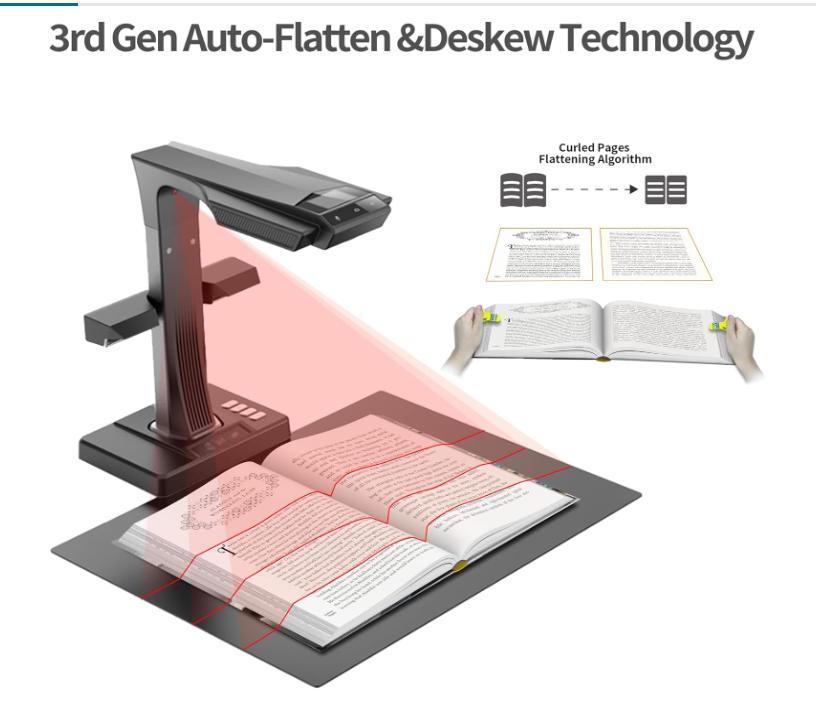
A3 24MP Book Scanner Auto Flatten Deskew CMOS Document Digitizer 4000x6000 USB Visualizer OCR Searchable PDF
A 24MP A3 book scanner with auto flatten, deskew, OCR and searchable PDF output. Its 4000×6000-pixel capture is a strong match for A3 books, ledgers and office digitization at roughly 340 dpi.
Metrics are presented as supplier-profile signals, not a substitute for commercial due diligence. Buyers should re-check live platform records and request current test scans before placing a wholesale order.
What Buyers Really Mean by “China Best Automatic Paper Scanner Manufacturer & Wholesalers”
The phrase signals a high-intent B2B search: the buyer is not simply looking for a single low-cost scanner. They are trying to identify a manufacturer-capable wholesale source that can match sensor technology, document format, software, minimum order quantity and after-sales terms.
Libraries and Archives
Overhead and bookedge scanners protect bindings while capturing rare books, newspapers and records. Key checks include A2/A3 coverage, 300 dpi suitability, curve flattening, OCR accuracy and non-contact lighting.
Education and Training
Document cameras and visual presenters show textbooks, experiments and 3D objects live. Buyers compare optical zoom, HDMI/VGA output, microphone support, remote control and compatibility with classroom displays.
Government and Banking
Counter capture needs speed, consistency and privacy. Dual-lens cameras, SDK access, OCR localisation and fixed wall-mounted capture are increasingly requested for forms, ID cards and service records.
Distributors and Integrators
Wholesale buyers need stable supply, OEM branding, packaging customisation, SDK support and clear warranty processes. Mixed-fleet orders often combine visualizers, A3 scanners and overhead archive units.
From Search Phrase to Procurement Spec
A genuine automatic paper scanner project usually starts with four questions: what is the largest original, how many pages or images per day, what output format is required, and who will maintain the software? These answers matter more than the word “best” in the query.
For a library, a 38MP A3 overhead book scanner may be more valuable than a general-purpose ADF scanner because it avoids spine damage and supports archival resolution. For a school, a 22× optical zoom visual presenter may deliver better teaching return than a high-megapixel flatbed. For a wholesale distributor, the best model is the one with predictable documentation, spare-part visibility and an efficient MOQ.
Information Gain Checklist
An A3 page at 300 dpi needs about 17.4MP; an A2 page needs about 34.8MP. Avoid buying pixels that the workflow cannot use.
CMOS is strong for overhead book capture; CIS suits high-volume ADF paths; CCD supports depth of field and bookedge scanning.
Ask for sample searchable PDF output, OCR language support and confirmation of Windows or macOS compatibility.
Confirm MOQ, lead time, payment currency, FOB/EXW/DDU terms, warranty path and packaging requirements.
Automatic Paper Scanner Procurement Trends Shaping 2025–2030
Wholesale buyers are shifting from isolated hardware purchases to repeatable digitization programs. The strongest suppliers will support both product selection and long-term software, service and compliance needs.
Total Cost of Ownership
Procurement teams increasingly compare total cost of ownership rather than unit price alone. They examine capture speed, OCR accuracy, failure rates, spare-part access, operator training and warranty response. A slightly higher-priced model with better scan consistency can be cheaper over a three-year library or campus rollout.
Searchable Output and OCR
Paper records are being converted into searchable PDF, structured metadata and editable text. Buyers now ask whether OCR runs locally, which languages are supported and whether export integrates with document management systems. Searchable output turns a scanner purchase into a records-access project.
Smaller MOQ and Mixed Fleets
Distributors want to test demand before committing to large inventory. One-piece or low-set MOQ for selected stock models makes it easier to combine A3 visualizers, portable USB scanners and A2 overhead units in a single order, then scale after field validation.
Privacy and Offline Workflows
Government, banking and archive buyers are more careful about where captured images are processed. Offline software, local OCR options and clear data-handling policies can become procurement requirements, especially where ID cards, contracts or private records are involved.
For wholesale sourcing, request a model comparison matrix that lists sensor type, resolution, document format, interface, software compatibility, MOQ, warranty and packaging dimensions. This reduces hidden landed-cost surprises and gives internal stakeholders a common basis for approval.
How Automatic Paper Scanners and Visualizers Are Evolving
Hardware is converging with software intelligence. The next generation of scanners will be judged less by megapixels alone and more by how efficiently they convert physical documents into usable digital records.
Non-Contact Book Capture
Overhead CMOS scanners with auto curve flattening, finger removal and deskew are becoming standard for bound documents. They reduce pressure on fragile bindings and make A3 book digitization practical for libraries, schools and offices.
Optical Zoom and 4K Visualizers
Classroom and training buyers increasingly expect 4K or high-resolution visualizers with optical zoom, HDMI/VGA output, remote control and low-latency live preview. Optical magnification remains valuable when text clarity cannot be compromised.
Edge Processing and AI Cleanup
Auto exposure, page-boundary detection, shadow reduction and OCR are moving closer to the device. Edge processing can reduce operator steps, preserve privacy and make high-volume scanning less dependent on a powerful external workstation.
SDK and Modular Integration
System integrators need more than a camera. They request SDK access, command protocols, TWAIN-style workflows and custom branding so scanner hardware can be embedded in registration, banking, archive or learning platforms.
Interface Flexibility
USB remains essential for plug-and-play deployment, while HDMI, VGA, RS232 and network-friendly setups serve classrooms, control rooms and presentation spaces. A single supplier range that covers multiple interfaces simplifies procurement.
Sustainable and Serviceable Design
Long-life components, reduced packaging waste and easily replaced accessories are becoming part of tender evaluation. A clear warranty and remote technical support path helps extend product life and reduce downtime.
Megapixel Math, Paper Size and Sensor Selection
Megapixels only matter in relation to the original size. The same sensor can look excellent on A4 and marginal on A2. Use the table below to translate paper format into pixel targets and recommended scanner classes.
CIS: Compact Sheet-Feed Efficiency
CIS uses a slim linear sensor close to the page. It is compact, low power and efficient in ADF paths for invoices, contracts and high-volume office batches. It is less suitable for thick books or originals with significant depth variation.
CMOS: Overhead Book and Live Capture
CMOS area sensors capture a whole page in one shot, making them ideal for overhead book scanners, document cameras and visualizers. Software handles auto-flatten, deskew, finger removal and OCR, so fragile bindings are not pressed flat.
CCD: Depth of Field and Bookedge Work
CCD scanners use a moving optical carriage and can tolerate slightly raised originals. They are useful for bookedge flatbeds, photos and artwork where stable colour and depth of field matter. The trade-off is usually size and power consumption.

Guangzhou Quibow Electronic Co., Ltd.
Quibow is a technology-driven supplier focused on image data acquisition and conversion. The company develops and supplies photoelectric information equipment, including high-speed document cameras, book scanners, A2/A3 large-format scanners, flatbed scanners and ID card recognition high-speed cameras.
Its product work spans CIS, CMOS and CCD imaging platforms, covering product design, development, production coordination, export sales and after-sales support. For wholesale buyers, this breadth makes it possible to source office visualizers, library-grade overhead scanners, A3 OCR cameras and OEM-branded document cameras from one supply partner.
OEM/ODM Customisation
Logo printing, packaging, housing colour, capture software branding and SDK integration are available on selected models. This supports distributors and integrators that need market-specific branding rather than off-the-shelf hardware.
Imaging Platform Coverage
Working across CIS, CMOS and CCD allows the product recommendation to follow the application: ADF batch scanning, non-contact book capture, visual presentation or bookedge flatbed work.
Fast Requirement Review
Quibow’s supplier profile shows an average response time of one hour or less. For procurement teams, fast clarification on document size, sample scans and compatibility can shorten approval cycles.
Quality Inspection and Support
Listed models such as A3 flatbed scanners, A2 overhead scanners and selected document cameras carry a 1-year warranty, supported by remote technical assistance and model-specific compatibility confirmation.
SDK and Software Guidance
For system integration projects, the supplier can discuss OCR, capture software, compatibility with Windows and macOS, and SDK requirements on selected models. Request a test procedure before committing to a fleet rollout.
Export and Payment Terms
Accepted payment methods include T/T, L/C, PayPal and Western Union in USD, EUR, HKD or CNY. Delivery terms include FOB, EXW and DDU. Buyers should confirm the final terms for the selected model and destination.
How to Verify an Automatic Paper Scanner Supplier Before You Buy
A strong SEO title should never replace due diligence. Use third-party records, sample scans and written specifications to validate whether a China-based manufacturer or wholesaler can support your project beyond the first order.
Supplier Assessment
Check the onsite assessment for business premises, legal status and supplier identity. This is especially important when the purchase involves public-sector or archive projects.
View assessment →Credit Overview
Review platform credit information and trading reliability indicators. Combine this with bank, payment and contract terms appropriate to your order size.
View credit profile →Ratings and Reviews
Verified buyer feedback can reveal communication quality, packaging care and post-sale responsiveness. Read the pattern of comments rather than a single rating.
Read buyer feedback →Trade Capacity
Confirm export markets, trade terms and logistics capability against your delivery schedule. Ask for packing dimensions and gross weight before comparing freight.
View trade capacity →Transaction Level
Platform-measured transaction activity helps contextualise order history. It should be read together with product fit, warranty and sample performance.
View transaction level →Company Video and Profile
Review the company video, workspace and product displays. For E-E-A-T, combine visual evidence with sample images, specifications and written responses from the technical team.
Watch introduction →Frequently Asked Questions About Wholesale Scanner Buying
These answers reflect the supplier information and product range associated with Quibow. Confirm current terms, model availability and compatibility before placing an order.
What is the minimum order quantity for Quibow scanners and document cameras?
Most stock book scanners, A2 large-format scanners and flatbed scanners start from 1 piece or 1 set. Several document camera models start from 2 pieces. OEM/ODM quantities are confirmed per project because logo, packaging, software branding and SDK requirements can affect production planning. For mixed wholesale orders, request a line-by-line MOQ table.
Do you support OEM and ODM orders?
Yes. OEM/ODM support includes logo printing, packaging, housing colour, capture software branding and SDK integration on selected models. Buyers should provide target branding assets, language requirements, expected order volume and software integration notes so the supplier can confirm feasibility and lead time.
Are the automatic paper scanners compatible with Windows and macOS?
Many models, including A2 large-format scanners and the 1200 DPI A3 flatbed scanner, support Windows and macOS, and some have been verified on Apple M1 Macs. Compatibility varies by model. Request a written compatibility statement for the exact SKU, operating system version and OCR or capture software you plan to use.
Which resolution do I need to scan A3 or A2 documents at 300 dpi?
An A3 page at 300 dpi needs about 3508 × 4961 pixels, or roughly 17.4MP, so an 18MP or 24MP scanner is suitable. An A2 sheet at 300 dpi needs about 4961 × 7016 pixels, or roughly 34.8MP, so a 48MP A2 scanner is recommended for archival masters. A 24MP 4000×6000 capture is a strong A3 match at roughly 340 dpi.
What payment and delivery terms are available?
Payment methods include T/T, L/C, PayPal and Western Union in USD, EUR, HKD or CNY. Delivery terms include FOB, EXW and DDU. Confirm the final payment schedule, shipping port, insurance decision, destination duties and inspection requirements before issuing a purchase order.
What warranty do the products carry?
Listed models such as A3 flatbed scanners, A2 overhead scanners, wall-mounted document cameras and selected visualizers generally carry a 1-year warranty, backed by remote technical support. Ask for the warranty statement for each model, including what is covered, how failures are diagnosed and whether spare parts are available separately.
How should I choose between an overhead book scanner, a flatbed scanner and a document camera?
Choose an overhead book scanner when you need non-contact capture of bound books, newspapers or fragile records. Choose a flatbed scanner for photos, artwork and loose originals where controlled lighting and high optical resolution matter. Choose a document camera or visualizer for live teaching, training, counter service and presentation, especially when optical zoom and HDMI/VGA output are required.
Can I request sample scans, SDK information and test procedures before ordering?
Yes. A serious supplier should provide sample scans for your actual document sizes and target output, confirm OCR language performance, list supported operating systems and explain SDK availability. For wholesale or OEM projects, request a pre-production checklist covering packaging, branding, test criteria, firmware version and after-sales escalation steps.
Need a Wholesale Quote for an Automatic Paper Scanner Program?
Send your document sizes, daily volume, target resolution, operating system and preferred model. The Quibow team can match the product range, explain OEM/ODM options, confirm MOQ and provide sample-scan guidance for libraries, schools, government offices or distributor channels.