8 Book Scanners and Document Cameras for V-Shape Capture Projects
These eight models are drawn from Quibow’s current catalogue, with the specifications buyers ask for first: capture format, sensor, output, minimum order quantity and stock status. Product URLs and model links are preserved exactly so procurement teams can request current data, compare configurations and ask for sample scans. Where a project requires a true V-shaped cradle, wall mount, foot pedal or dual-camera setup, use this shortlist as the starting point—then confirm the mechanical accessory set before quoting.
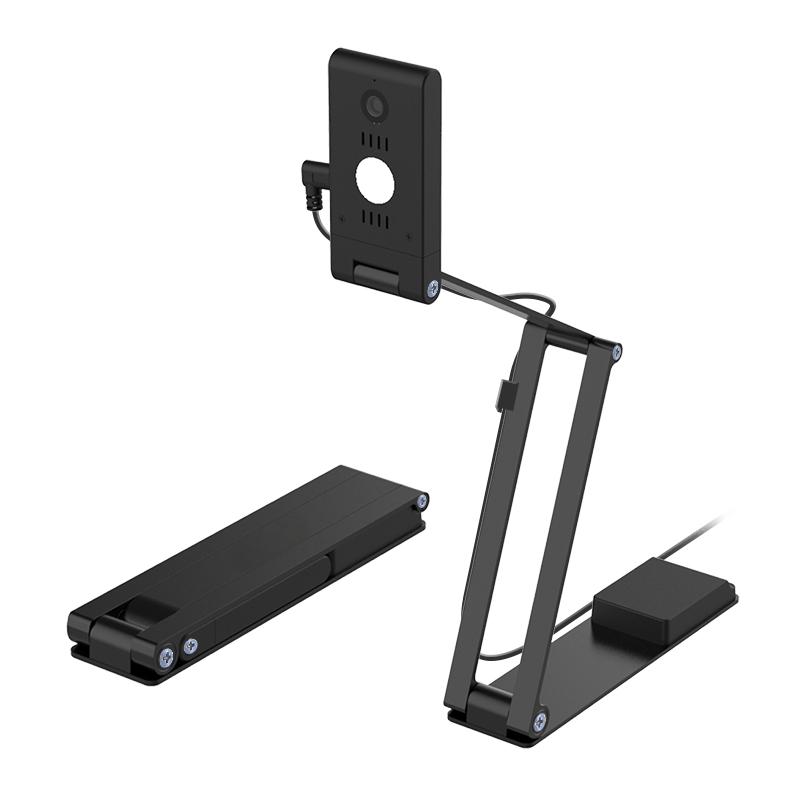
Value Priced 2-in-1 USB Digital Document Camera Visualizer A3, 5MP
A low-risk entry point for front-desk, classroom and small-office capture. The 1/4-inch CMOS sensor, 10x zoom and USB connection cover everyday A3 documents, textbook pages and training materials without a dedicated scanning station.
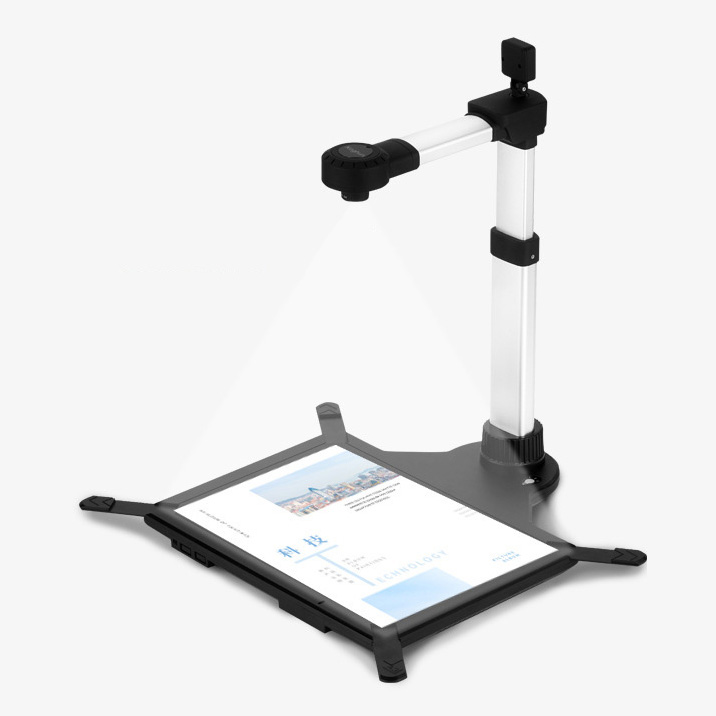
HD Dual Camera 16MP + 2MP Multifunction A3/A4 Document Scanner
A dual-camera workhorse for mixed paper workflows: 16MP main capture, 2MP secondary view, 60 pages/min, 360° rotation and 180° stretch. It suits service counters that need both full-page documents and close-up ID or portrait capture.
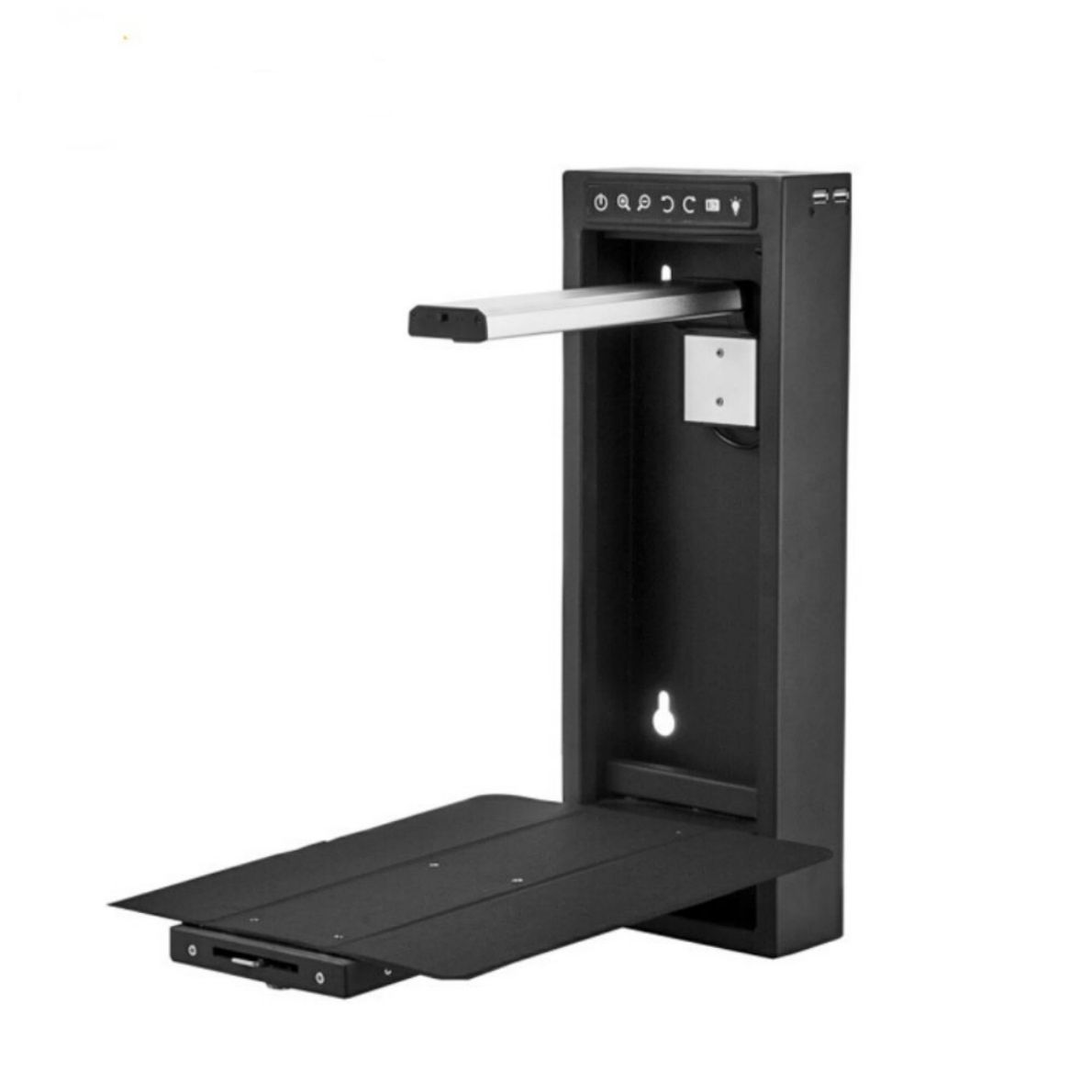
Document Camera A4 Visualizer Wall Version, 10MP USB CMOS
Wall-mounted A4 visualizer with 1-second scanning, designed for classrooms, meeting rooms and space-constrained counters. The fixed overhead position standardizes capture height and reduces operator error.
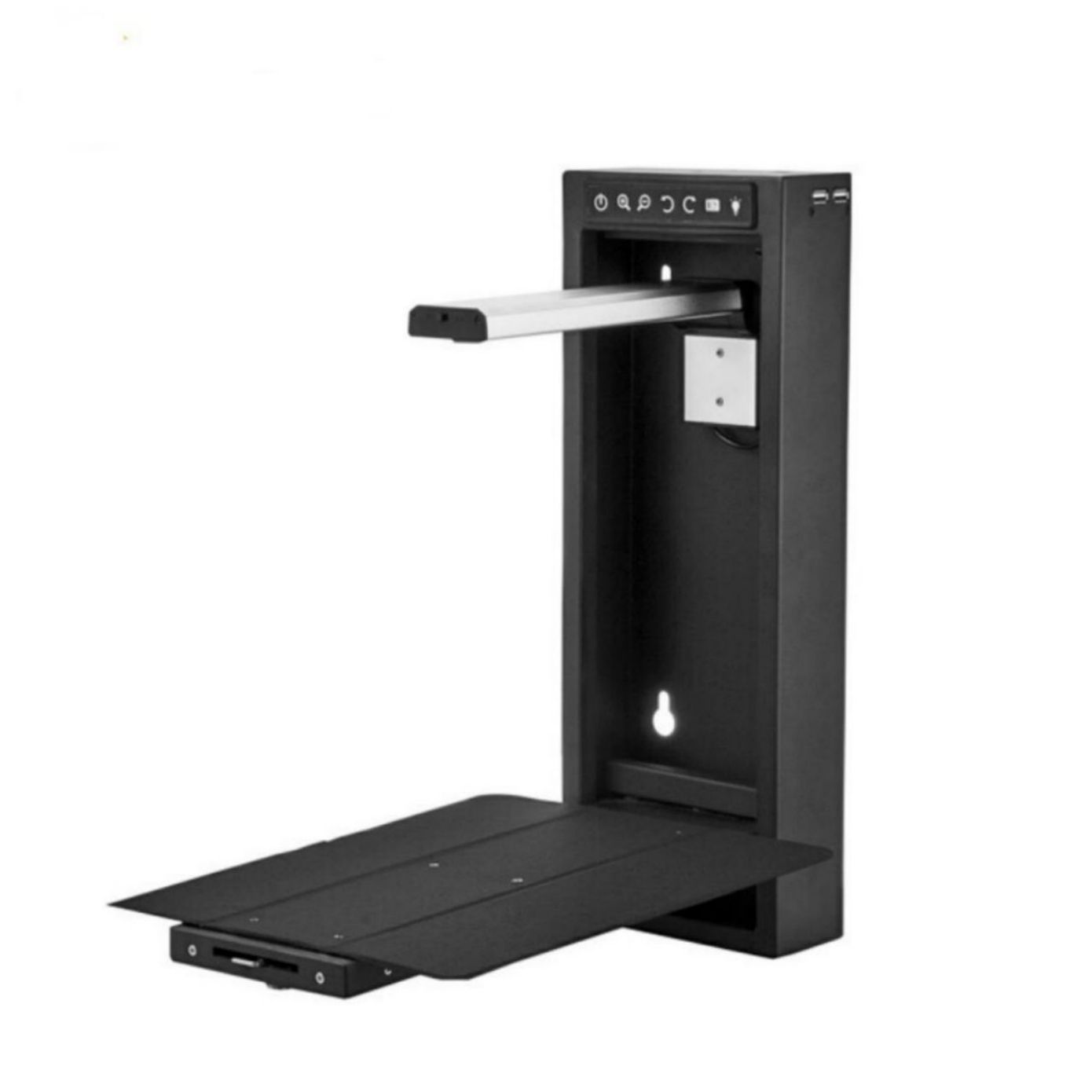
10MP USB CMOS Document Camera Wall Mount Scanner
A stock-ready A4 wall scanner for education and office deployment. The CMOS sensor, 1-second capture speed and SDK option help integrators build repeatable capture stations with consistent lighting and framing.
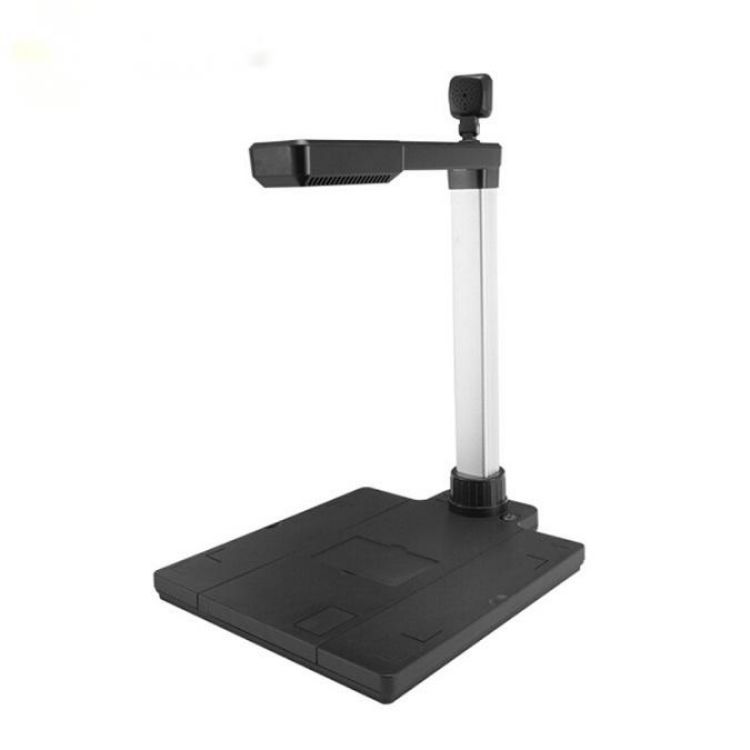
10MP Education Visualizer Scanner for Document Management
An education-focused visualizer and book camera for document management, reading rooms, lesson capture and remote presentation. Use it where a live camera view and still capture are both required.
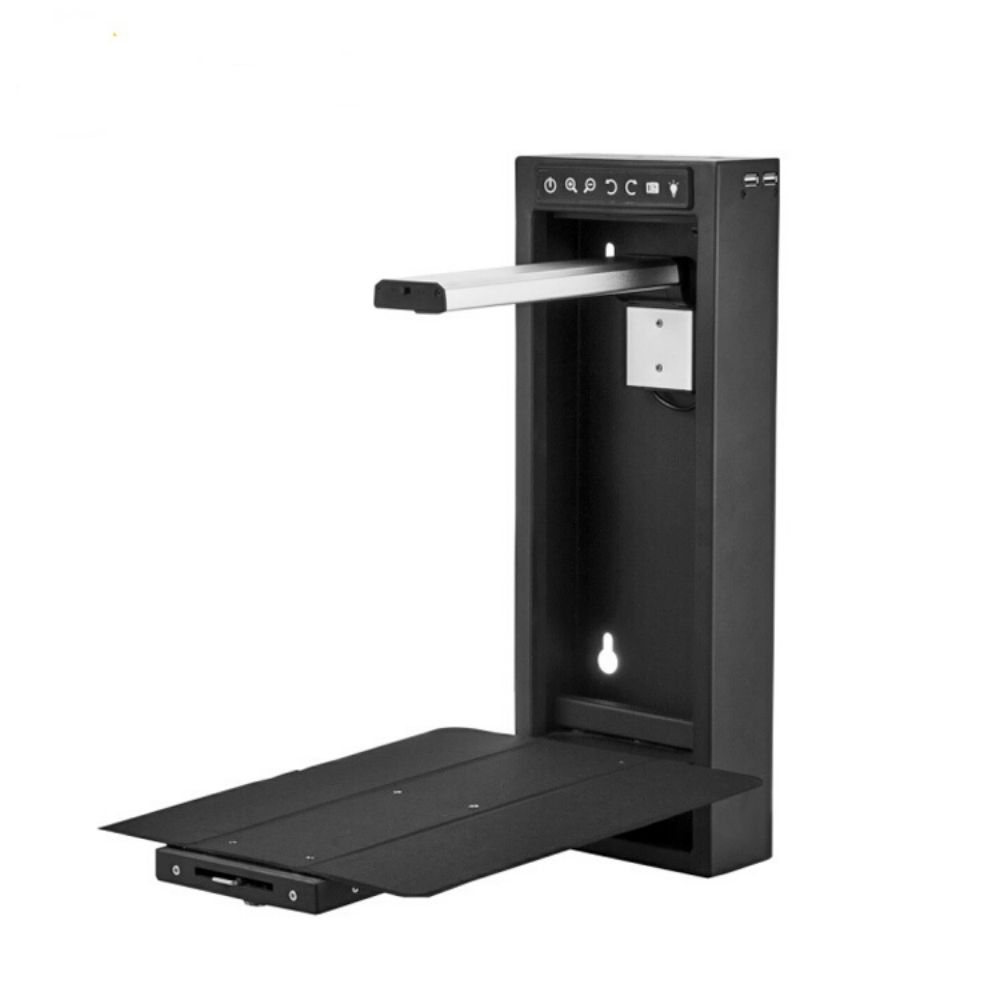
Online Training Portable 10MP A4 Document Scanner Visualizer
A portable A4 visualizer for online training, tutoring and field sales. The wall-version flexibility and USB interface make it easy to deploy across multiple rooms without complex installation.
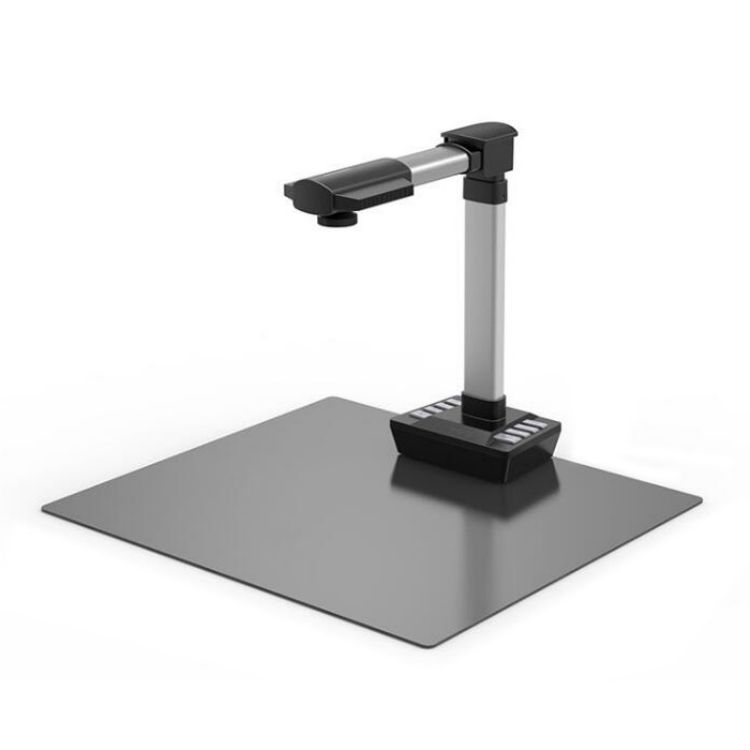
High Resolution Portable A3 Library Book Scanner with Foot Controller
A hands-free A3 library book scanner with foot controller for archives, reading rooms and field digitization. The portable format helps teams capture fragile or bound materials without transporting them to a fixed studio.
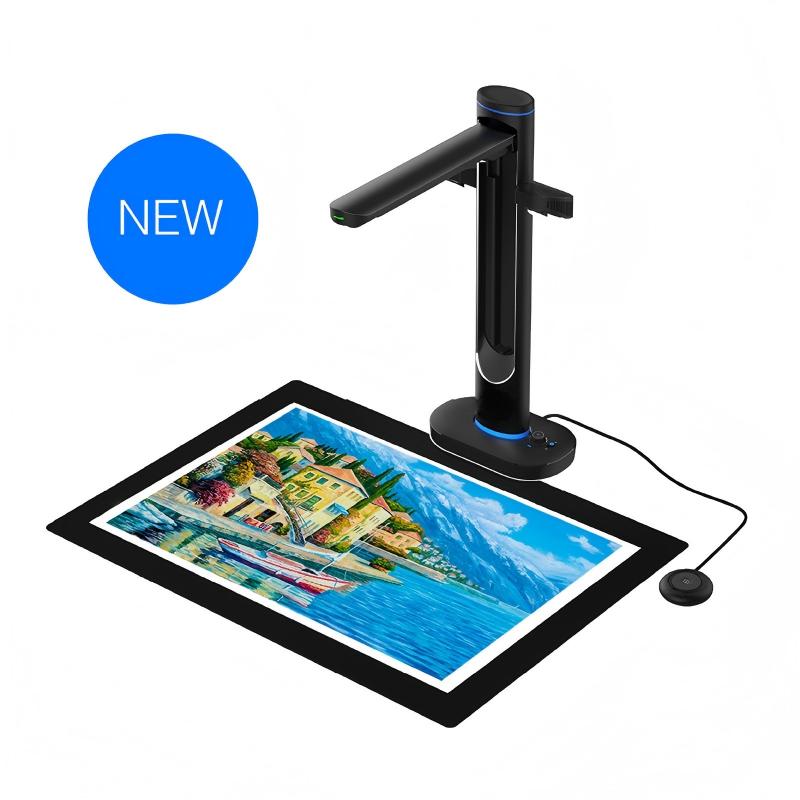
A2 Large Format Book Scanner, Dual 48MP CMOS, High-Speed Desktop Overhead
An A2 overhead book scanner built for newspapers, maps, ledgers and oversized archives. Dual 48MP CMOS sensors, Windows and macOS support, and desktop overhead capture make it the flagship choice for 300 dpi A2 master files.
What Buyers Actually Mean by “CE Certified V Shape Book Scanner Exporter & Exporters”
The query is commercial and technical at the same time. A buyer searching for a CE Certified V Shape Book Scanner Exporter & Exporters is not simply looking for a product photo; they are building an audit trail. The intent usually falls into three buckets: price and MOQ validation, compliance and technical verification, and customization or integration risk. A useful exporter response should answer all three in one place.
Price, MOQ and Landed Cost
Most stock book scanners, A2 large-format scanners and flatbed scanners start from 1 piece or 1 set, while several document camera models start from 2 pieces. Serious buyers compare unit price, export packing, payment terms, warranty and remote support together—not FOB alone.
Compliance Evidence at SKU Level
CE marking is model- and configuration-specific. For a CE-marked SKU, request the EU Declaration of Conformity, test report reference, adapter and voltage details, label artwork and authorized-representative information where applicable. Model-level evidence beats category-level claims.
Integration and Customization Risk
Distributors and system integrators ask about SDK access, OCR languages, searchable PDF output, Windows and macOS compatibility, Apple M1 verification, packaging, logo printing, housing color and software branding. These details determine whether a pilot can scale.
Verified Supplier Facts and Export Support for Book Scanner Projects
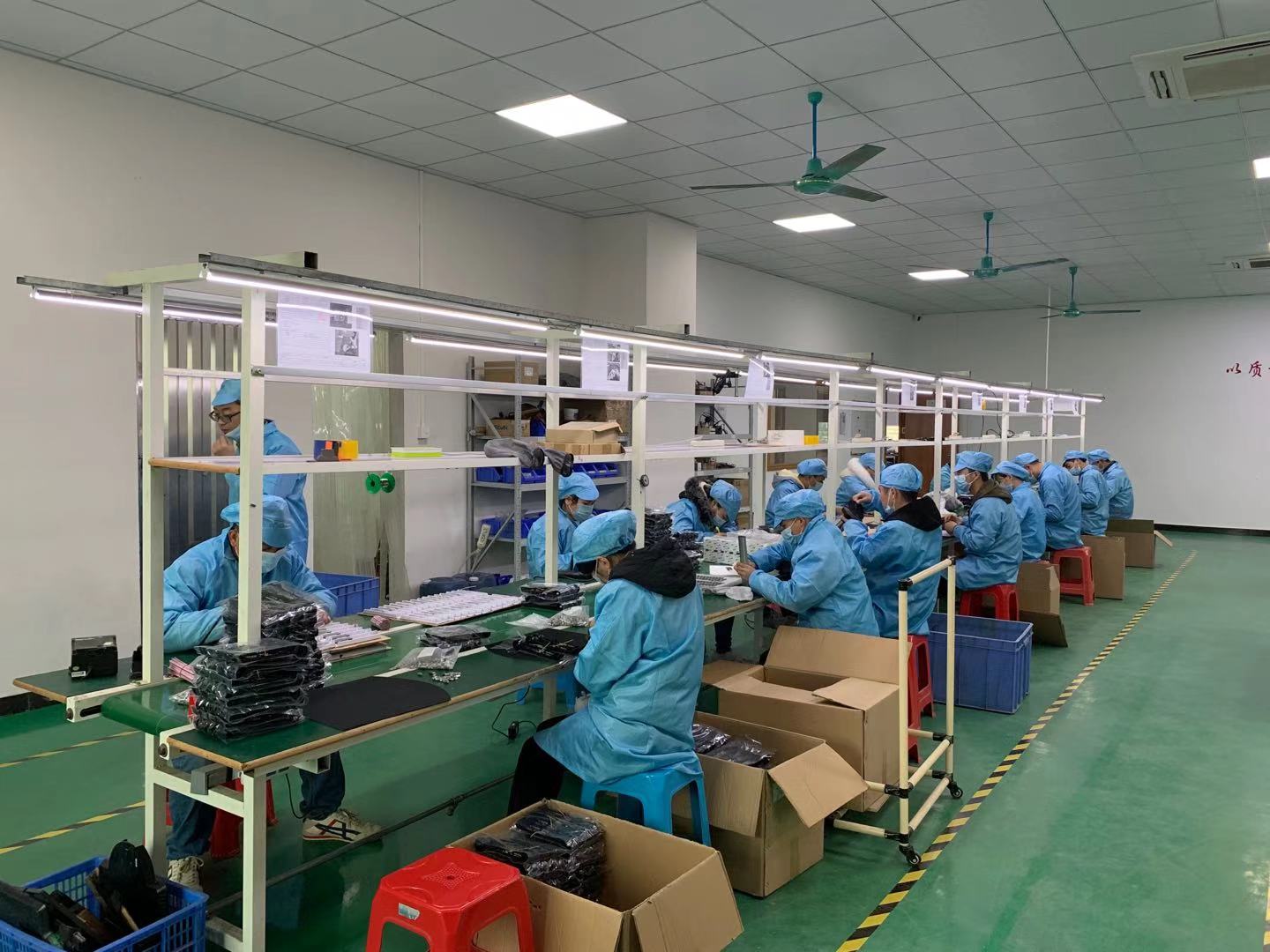
Quibow is a Guangzhou-based, onsite-checked trading company established in 2020. The team of 5–10 specialists works across CIS, CMOS and CCD imaging platforms, covering product design and development, production coordination, export sales and after-sales support. The business focuses on image data acquisition and conversion equipment: high-speed document cameras, book scanners, flatbed scanners and ID card recognition cameras.
Sensor Platform Selection
Quibow can match CIS, CMOS or CCD platforms to the job: CIS for high-volume ADF batches, CMOS for non-contact overhead book and document capture, and CCD for controlled flatbed or bookedge scanning.
OEM/ODM and Software Branding
Support includes logo printing, packaging, housing color, capture software branding and SDK integration on selected models. That helps distributors and integrators build a local offer without starting hardware development from zero.
Export Terms Built for B2B
Payment methods include T/T, L/C, PayPal and Western Union in USD, EUR, HKD or CNY, with FOB, EXW and DDU delivery terms. This flexibility helps buyers align a quotation with their own procurement and freight process.
Warranty and Remote Support
Listed models such as A3 flatbed scanners, A2 overhead scanners and the S2060W ADF scanner come with a 1-year warranty, backed by remote technical support. Fast answers matter when a scanner is part of a public service desk or archive workflow.
Repeat-Buyer Signals
The published profile reports a 27% buyer reorder rate and 100% message response rate. These indicators do not replace due diligence, but they help procurement teams judge whether a supplier can handle repeat orders and after-sales follow-up.
Export Market Focus
The main markets are Eastern Europe, North America and South America, serving distributors, system integrators and end users. For international buyers, that experience can shorten the path from a basic RFQ to a workable configuration.



Check Third-Party Records Before You Commit
Trust should be verifiable. These records are maintained by the platform, not by Quibow, and should be read alongside the current quotation, model datasheet and compliance file.
Supplier Assessment
Onsite check confirming business premises and legal status.
View report →Credit Overview
Platform credit profile and trading reliability indicators.
View credit →Ratings & Reviews
Feedback left by verified buyers after completed orders.
Read reviews →Trade Capacity
Export markets, trade terms and logistics capability.
View capacity →Which Model Fits Which Digitization Workflow?
A V-shape book scanner project is not defined by one specification alone. The right shortlist depends on document size, binding condition, daily page volume, output format, operator skill and whether the scanner will be fixed, portable or integrated into a larger system.
National Libraries and Newspaper Archives
Start with the A2 dual 48MP CMOS overhead book scanner when oversized volumes, newspaper bound volumes or maps must be captured with high-resolution masters. Confirm 300 dpi at A2 and test the page-curvature software before tender award.
A2 Dual 48MP Book Scanner →University Libraries and Local Archives
The portable A3 library book scanner with foot controller is practical where staff must move between reading rooms or capture materials on request. Hands-free operation reduces contact with fragile pages and supports consistent page-by-page capture.
A3 Library Book Scanner →Classrooms, Training and Hybrid Teaching
For live demonstration and still capture, a 10MP A4 visualizer or portable A4 document scanner keeps deployment simple. Wall-mounted models standardize capture position in classrooms, while portable units support online training and field use.
Portable A4 Visualizer →Banks, Government and Service Desks
The dual-camera A3/A4 scanner with 16MP + 2MP capture and 60 pages/min throughput is suited to counters that need full-page forms plus close-up ID or portrait views. Confirm SDK needs before rolling out to multiple branches.
Dual-Camera Document Scanner →Book Scanner Procurement Trends Buyers Will Require Through 2030
Public tenders and institutional buying cycles are becoming more specific. Instead of asking only for “a high-resolution book scanner,” buyers now define resolution at the target document size, software output, compliance evidence, remote support and total cost of ownership. Exporters who can answer those requirements with model-level data will have a clear advantage.
01 · DPI at Format Replaces Megapixels
An A3 page at 300 dpi needs about 17.4 MP; an A2 sheet at 300 dpi needs about 34.8 MP. Buyers will increasingly reject vague “high resolution” claims and ask for dpi at the exact document size, plus confirmation that the figure is optical rather than interpolated.
02 · CE Evidence Moves into the RFQ
Procurement teams will ask for the Declaration of Conformity, test report reference, label drawing and adapter specification before a sample is shipped. A CE logo alone is weak evidence; the model name on the document must match the ordered SKU.
03 · OCR and Searchable Output Become Default
Image capture is no longer the end of the workflow. Buyers expect OCR to editable text, searchable PDF output, multi-language recognition and predictable file naming. For archives, OCR quality at the specified resolution matters more than raw camera megapixels.
04 · Total Cost of Ownership and Uptime
Institutional buyers compare warranty, spare parts, remote diagnostics, installation time, operator training and power-adapter compatibility. A slightly higher unit price can be preferable if it reduces downtime at a public service desk or archive reading room.
05 · Dual-Camera and Multi-View Capture
Counters and service desks need more than a single flat page view. Dual-camera models that combine a full-document view with a close-up ID or portrait view will continue replacing separate devices where space and workflow efficiency matter.
06 · Open SDK and OS Compatibility
System integrators want Windows, macOS and in some cases Apple M1 verification, plus SDK access for custom capture screens. Locked-down software becomes a procurement risk; documented interfaces become a competitive advantage.
Example Tender Weighting Model for a Book Scanner Project
Illustrative weighting only—adjust to your institution’s procurement rules and project risk profile.
Where V-Shape and Overhead Book Scanning Technology Is Heading
Hardware improvements are only part of the story. The next generation of book scanners will be judged by how well hardware, software, lighting, mechanical support and service documentation work together. For exporters, that means fewer vague product claims and more evidence that a configuration will perform in a real reading room, classroom or archive.
Dual High-Resolution Sensors
Dual 48MP CMOS configurations show how large-format capture is moving toward higher pixel density without forcing operators to flatten a book against glass. Buyers will compare sensor count, pixel size, lens quality and real capture area—not just the number on the brochure.
AI-Assisted Dewarping and Page Detection
Curve correction, finger removal, page-edge detection and automatic cropping are becoming expected features. The practical question is whether the algorithm works on the buyer’s actual material: tight bindings, thin paper, handwriting, maps or low-contrast newsprint.
Faster Interfaces and Live Output
USB, HDMI and VGA output remain relevant because many classrooms and service counters still rely on fixed displays. Product development will continue to balance high-speed capture with simple installation, low power draw and stable drivers.
Software-Defined Scanner Workflows
Capture profiles, batch naming, OCR language packs and export rules increasingly live in software. An exporter that can support software branding or SDK integration is more valuable to distributors who need to adapt the scanner to local workflows.
Modular V-Shape Mechanical Support
A true V-shape cradle may include adjustable angles, glass or non-glass platens, LED lighting, page-turn assistance and foot-pedal capture. Buyers should confirm whether the cradle is included, optional or proprietary before comparing prices across suppliers.
Non-Contact Preservation
Libraries and archives are prioritizing non-destructive capture. Overhead scanners that avoid pressing a spine flat, combined with controlled lighting and software flattening, reduce handling risk for rare books, newspapers and bound records.
Resolution and Throughput: A Practical Sizing Model for Tenders
Megapixels only matter in relation to document size. An A4 page at 300 dpi needs about 8.7 MP, an A3 page needs about 17.4 MP and an A2 sheet needs about 34.8 MP. If a tender requires 300 dpi at A2, a 48MP model is the safer specification; a 21MP A2 scanner may be adequate for OCR and screen reading but should not be presented as a 300 dpi A2 master-file solution without testing.
Recommended sensor: 10 MP or higher. Common matches include the 10MP A4 wall-mounted document cameras and portable A4 visualizers.
Recommended sensor: 18–24 MP. A 24MP A3 scanner provides useful headroom for cropping, OCR and archive masters. Confirm optical resolution and lens quality.
Recommended sensor: 48 MP for approximately 340 dpi. The A2 dual 48MP CMOS book scanner is positioned for newspapers, maps and oversized archives.
Throughput should be tested with the same document mix the buyer will use. A dual-camera A3/A4 scanner rated at 60 pages/min is designed for mixed document counters, while A2 overhead scanners prioritize resolution, book safety and large-format capture. One-second scan speed is useful only when focus, lighting and software processing keep pace.
CE and Procurement Checklist for Export Orders
This checklist is written for buyers who need a repeatable evaluation path. Use it during RFQ review, sample approval and final shipment inspection so that the product received matches the product quoted.
Confirm CE Scope and Model Identity
Match the Declaration of Conformity, test report reference, label artwork, adapter and model number to the exact SKU being purchased. File the document with the purchase order and inspect the label on the delivered unit.
Calculate dpi at the Real Document Size
Do not rely on megapixels alone. Calculate required pixels from page width and height, then confirm optical resolution, capture area and whether the software uses interpolation or native sensor output.
Test OCR and Output Formats
Ask for sample scans on your own document types: typed text, handwriting, newsprint, tables, maps or low-contrast archives. Confirm searchable PDF, editable text, image formats, file naming and folder structure.
Verify the Mechanical Configuration
Clarify whether a V-shape cradle, glass platen, LED lighting, foot pedal, wall mount or page-turn support is included. Ask for installation dimensions and confirm that the capture angle suits the binding condition.
Compare Total Cost of Ownership
Include spare parts, adapters, shipping configuration, warranty, remote support, training material and software updates. A low unit price can become expensive if a replacement camera or power adapter is hard to source.
Approve a Pilot Before Full Rollout
Run a pilot with the intended operators and document mix. Record capture time per page, OCR accuracy, image quality, software stability and support response before releasing a multi-unit or OEM order.
Common Questions About CE Certified V Shape Book Scanner Exporters
These answers are written for international B2B buyers who need to compare suppliers, request documentation and avoid specification mistakes before placing an order.
Are all Quibow V-shape book scanners CE certified?
CE marking is model- and configuration-specific. For any CE-marked SKU, request the EU Declaration of Conformity that identifies the model, applicable directives, standards, test report reference and manufacturer or authorized representative details. Confirm that the adapter, voltage, accessory set and label match the ordered configuration. A marketplace badge or a generic CE logo is not a substitute for model-level evidence. Buyers with a compliance team should review the documentation before purchase.
What is the minimum order quantity for Quibow scanners and document cameras?
Most stock book scanners, A2 large-format scanners and flatbed scanners start from 1 piece or 1 set. Several document camera models start from 2 pieces. OEM/ODM quantities are confirmed per project because logo printing, packaging, software branding and SDK integration can change the production plan.
Do you support OEM and ODM orders?
Yes. Support includes logo printing, packaging, housing color, capture software branding and SDK integration on selected models. Buyers should provide target market requirements, expected volume, branding files, software language needs and any compliance documentation requirements before the project is quoted.
Are the scanners compatible with Windows and macOS?
Many models, including the A2 large-format scanners and the 1200 DPI A3 flatbed scanner, support Windows and macOS, and some are verified on Apple M1 Macs. Compatibility should be confirmed for each model before shipment. For system integrators, ask whether an SDK, driver package or custom capture interface is available for the operating system used in the project.
Which resolution do I need for A3 or A2 documents at 300 dpi?
An A3 page at 300 dpi needs about 3508 × 4961 pixels, or approximately 17.4 MP, so an 18MP or 24MP scanner is suitable. An A2 sheet at 300 dpi needs about 4961 × 7016 pixels, or approximately 34.8 MP, so a 48MP A2 scanner is recommended for archival master files. If the bid requires additional cropping or headroom, specify a higher-resolution model and test a sample document.
What payment and delivery terms do you accept?
Payment methods include T/T, L/C, PayPal and Western Union in USD, EUR, HKD or CNY. Delivery terms include FOB, EXW and DDU. Confirm the final combination with the quotation, because product type, order volume and destination can affect the preferred terms.
What warranty do your products carry?
Listed models such as the A3 flatbed scanners, A2 overhead scanners and the S2060W ADF scanner come with a 1-year warranty, backed by remote technical support. Buyers should confirm the warranty start date, what is covered, how spare parts are supplied and what remote support is included in the quotation.
How should I compare a V-shape scanner with an overhead book scanner?
A V-shape scanner usually refers to a mechanical cradle or support that holds both pages at an angle, often combined with overhead cameras and dewarping software. An overhead book scanner may use a flat table instead of a V cradle. Ask whether the V-shape cradle is included, optional or proprietary; confirm the capture angle, glass or non-glass platen, lighting, page-turn support and foot-pedal control. The lowest price may not include the mechanical support needed for fragile books.
Can I request sample scans before placing an order?
Yes. Serious projects should request sample scans using the buyer’s own document types and target resolution. Share page size, binding condition, daily volume, required output format and OCR languages so the sample can be produced on the most relevant model. Review the scan at 100% zoom, check edge sharpness, lighting uniformity, color consistency and OCR results before approving the configuration.
Request CE Documentation, Sample Scans and a Model Recommendation
Share your document sizes, daily volume, target dpi, OCR needs, operating system and V-shape cradle requirements. Our engineers will recommend the right scanner configuration, confirm stock and prepare the export quotation. We usually respond within one hour and confirm compatibility before shipment.
Email: info@quibowtech.com
Location: Room 504, No. 5 Zitan Second Street, Guangzhou, Guangdong, China
Export support: OEM/ODM · SDK · 1-year warranty on listed models · FOB / EXW / DDU