8 Document Scanner and Visualizer Models for CE-Minded Buyers
The shortlist below follows the original product catalogue order. Each image, title and product URL is retained so procurement teams can verify the exact model, request a sample scan and compare CE documentation against the quoted SKU rather than a generic supplier claim.
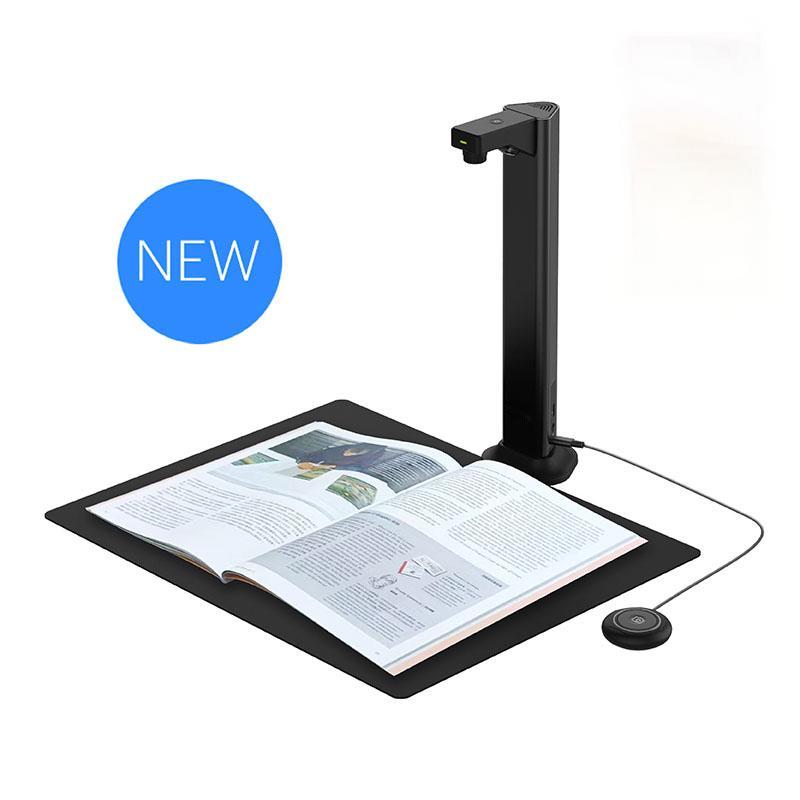
A3 18MP USB Aluminum Document Scanner with UVC Camera, 1s Scan Speed, OCR & Text to Speech Features — in Stock
- Aluminum body with UVC camera architecture
- One-second capture and OCR workflow
- Text-to-speech accessibility feature
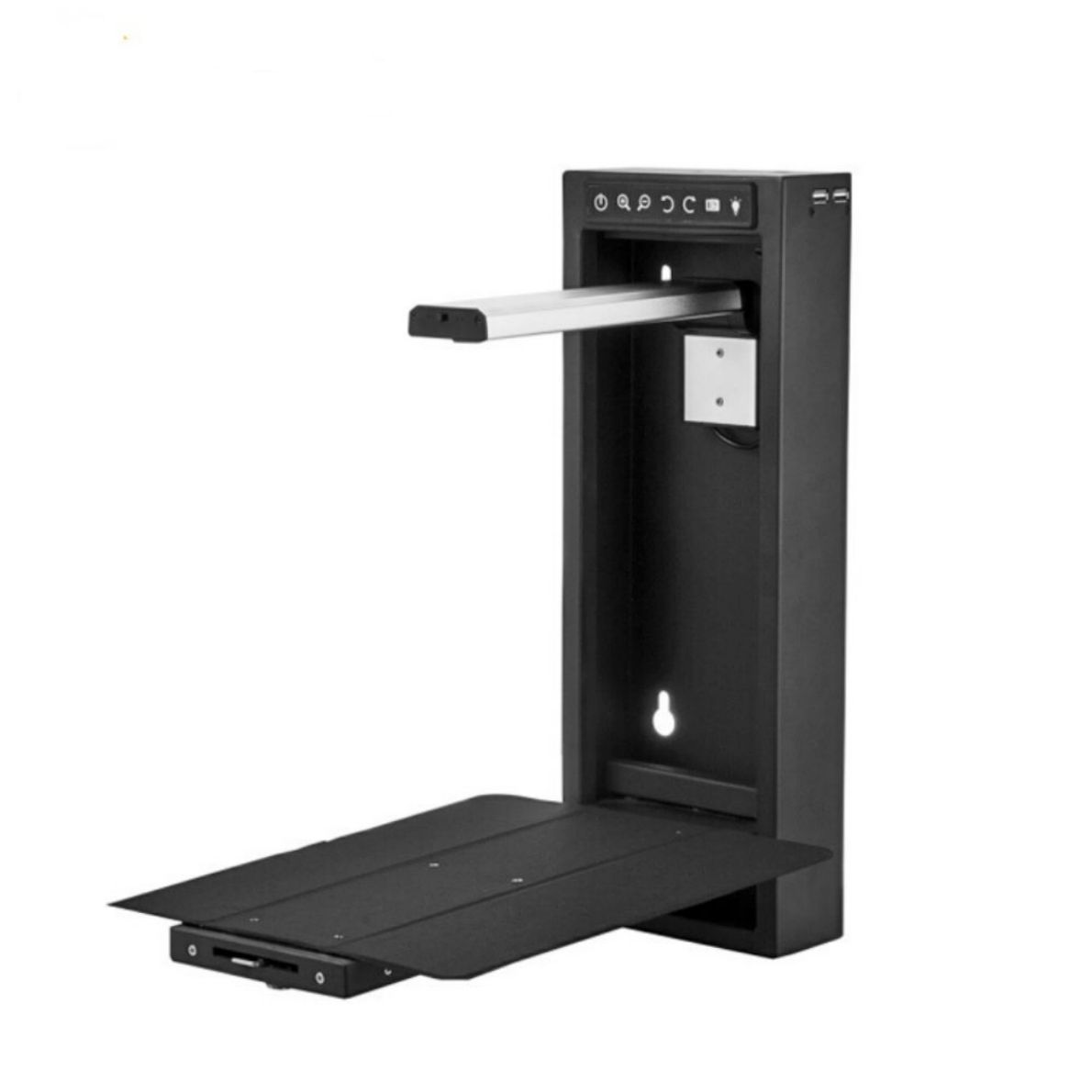
Factory New High Definition Wall Mount Document Scanner USB Interface Visualizer, CE Certified, 1-Year Warranty, High-Speed A4 SDK
- Wall-mount format for counters and training rooms
- CE Certified model listing with 1-year warranty
- USB interface and SDK option for integration
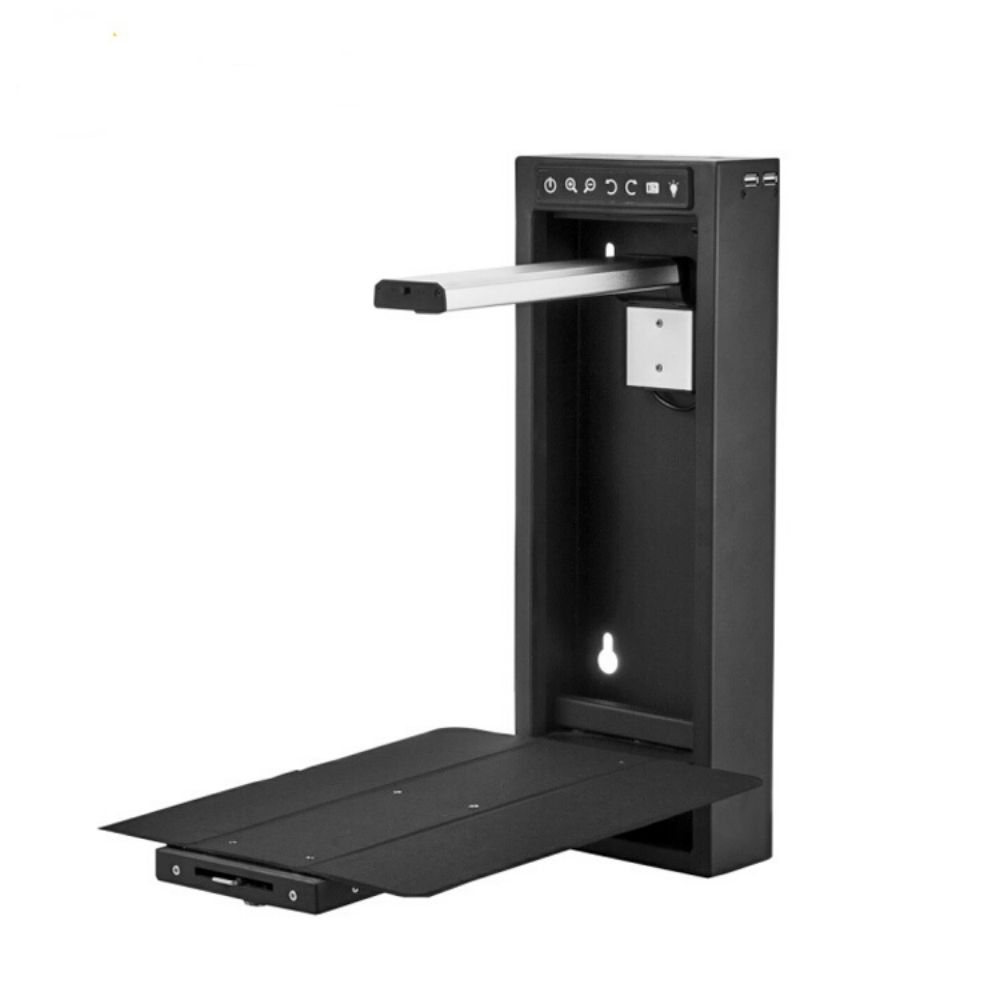
Online Training Portable 10MP A4 Document Scanner USB Interface Visualizer — in Stock, Wall Version, Black + Silver, 1-Year
- Portable A4 visualizer for remote training
- USB plug-and-play capture workflow
- Black and silver wall version availability
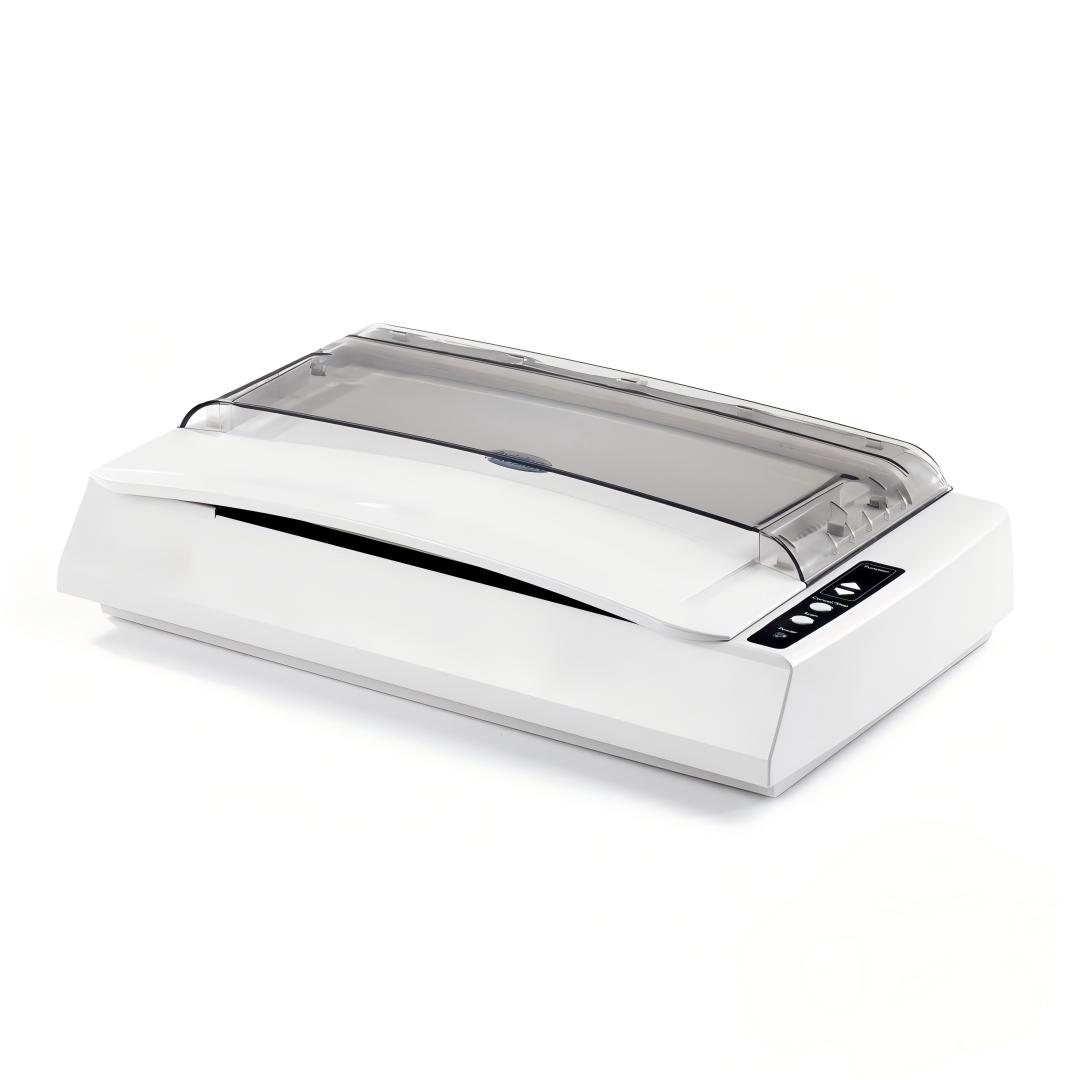
CCD Zero Margin Bookedge Flatbed Scanner A4 600dpi USB Bound Book Scanning, No Spine Shadow, Library Archive Digitization
- CCD imaging with zero-margin bookedge design
- 600 dpi capture for bound book pages
- Library and archive digitization use case
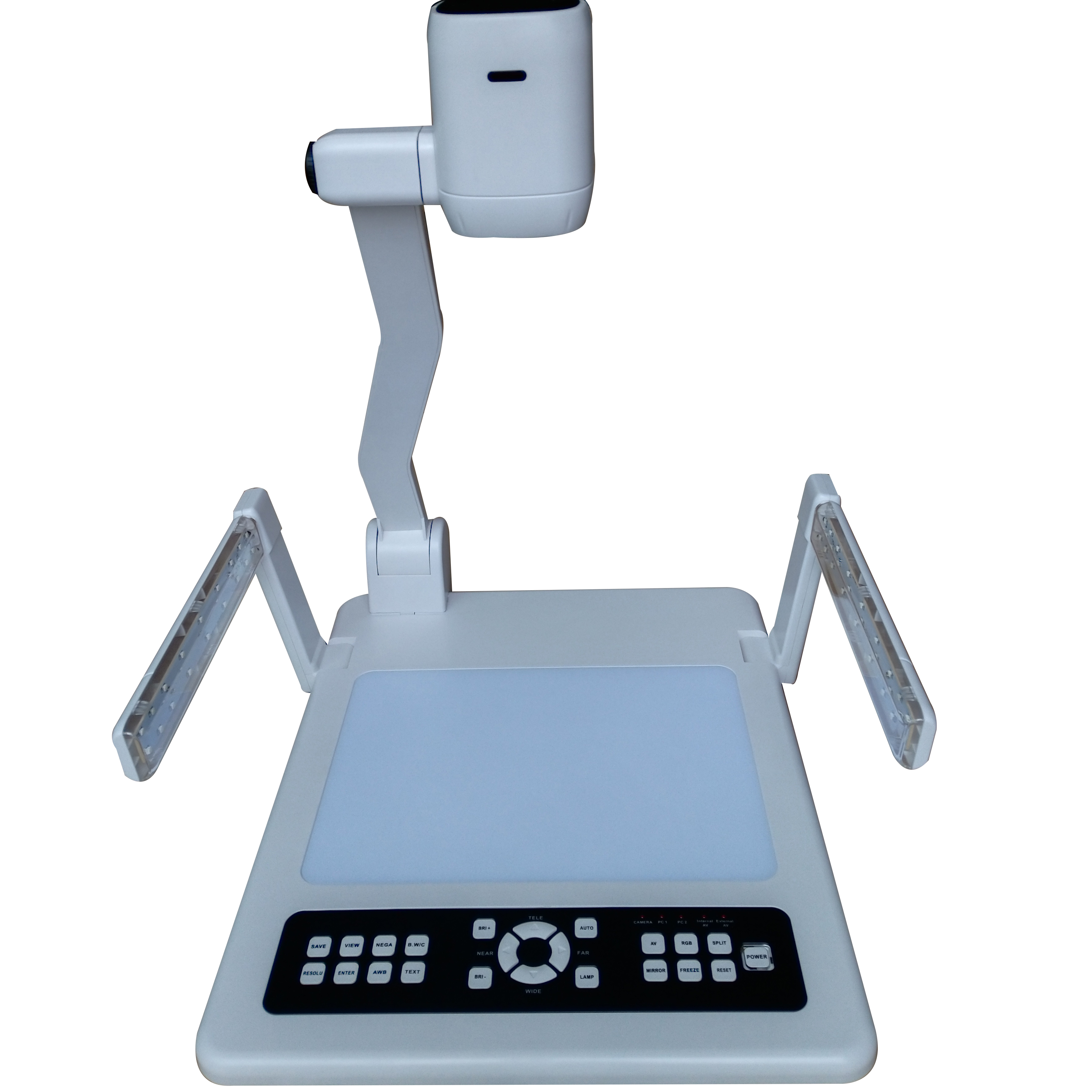
Modern Foldable Flexible Ultra HD Desktop Document Camera for School Video Output HDMI VGA Visualizer
- Foldable arm for classroom and desk use
- HDMI and VGA visualizer outputs
- Ultra HD desktop document camera format
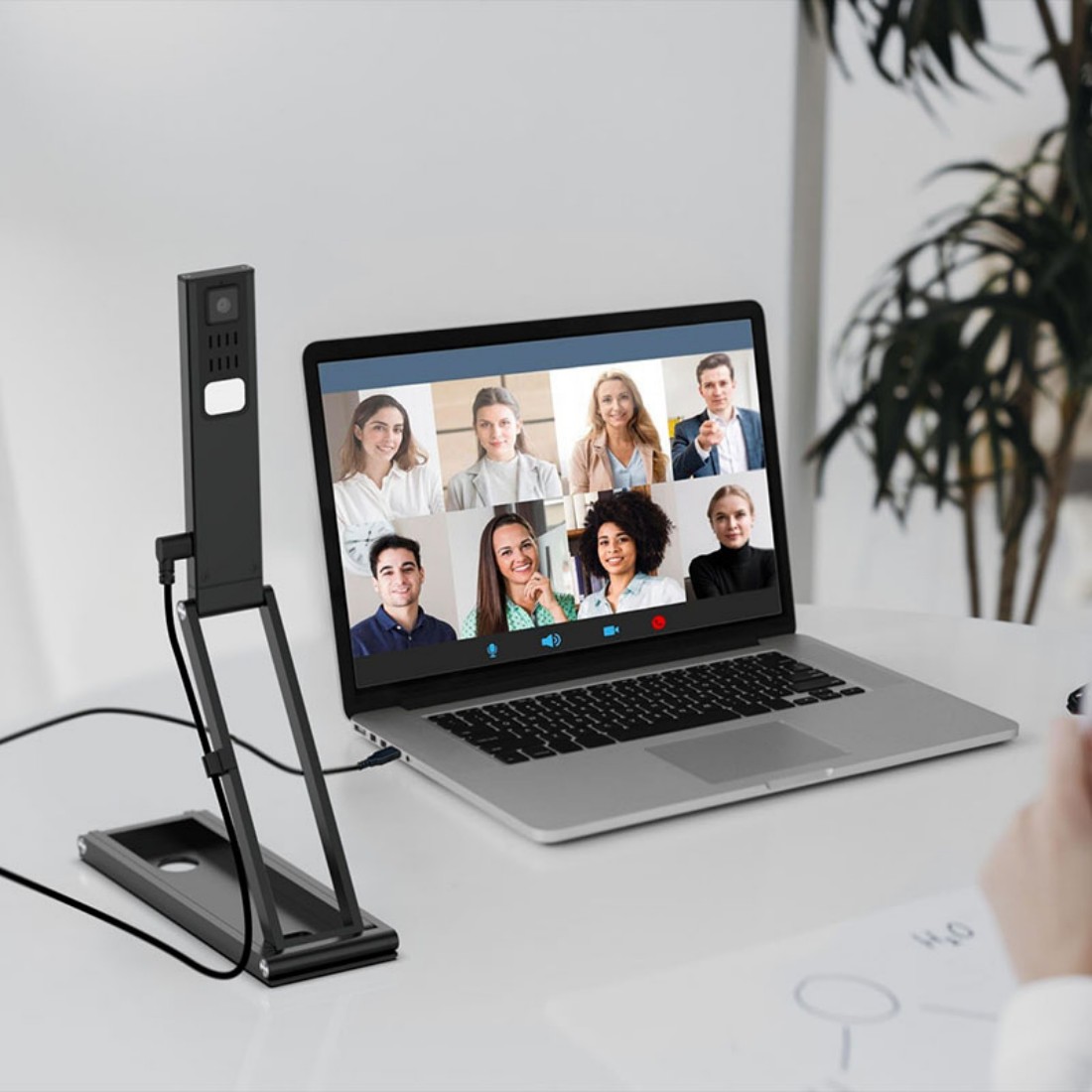
A3 4K Visual Presenter Document Camera with USB Interface for School Training, Teaching Meetings, Featuring Webcam Function
- 4K A3 visual presenter for teaching
- USB interface with webcam-style operation
- School training and meeting room deployment
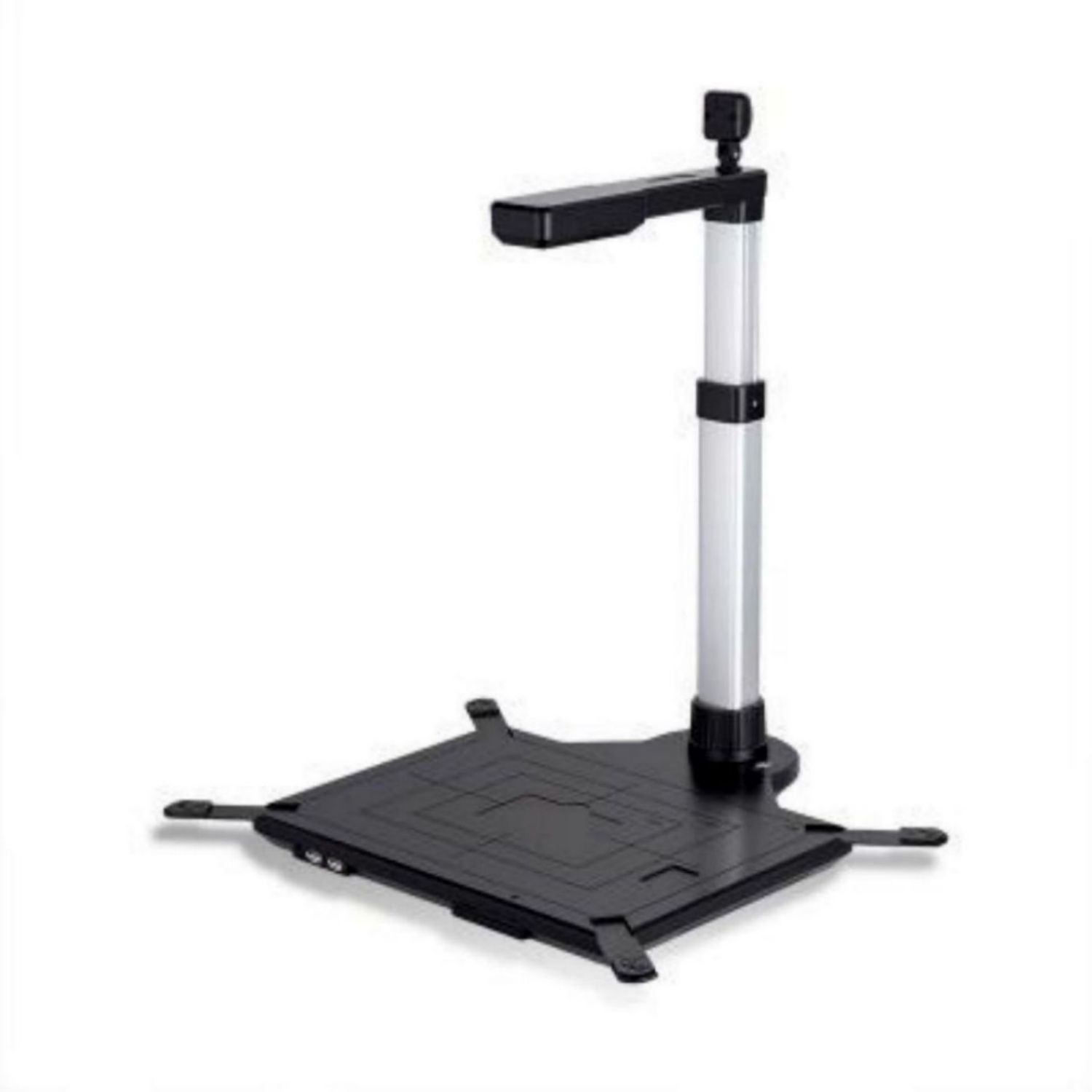
Professional USB Dual Camera Scanner for A3 Documents, Supports OCR PDF Multi-Languages, High-Speed 1-Second Scan, 360-Degree
- Dual-camera A3 capture for documents and ID use
- Multi-language OCR to searchable PDF
- High-speed one-second scan cycle

USB Document Camera Scanner 10MP CMOS Visualizer A4 Scanner for Office Education
- 10MP CMOS sensor for office and education
- USB document camera and A4 visualizer
- Simple capture for everyday presentations
What a CE Certified Document Scanner Factory Claim Should Prove
Search results for “CE Certified Professional Document Scanner Factory & Suppliers” often repeat the word certified without showing the model, the declaration of conformity, the test report or the factory process behind it. That is a procurement risk, not a search-result detail.
CE marking is model-specific
A CE mark on one wall-mount visualizer does not automatically cover an A2 overhead scanner, a CCD flatbed or a 4K document camera. Buyers should ask for the declaration of conformity that names the exact model, rated voltage, EMC standards, safety standards and manufacturer or authorised representative.
Factory and supplier roles differ
Some suppliers are trading companies, some are assembly partners, and some control the full production line. A credible response explains which legal entity manufactures the unit, which entity signs the declaration and which entity provides warranty support. That clarity is stronger evidence than a generic “factory direct” badge.
Evidence should survive due diligence
Request the model datasheet, declaration of conformity, test summary, software version, SDK notes, packaging label and warranty terms as one document pack. Then compare that pack with the supplier's platform records: supplier assessment, credit overview, transaction history, trade capacity and buyer feedback.
Resolution math beats marketing copy
An A3 page scanned at 300 dpi needs about 3508 × 4961 pixels, or roughly 17.4 MP. An A2 page at the same target needs about 4961 × 7016 pixels, or about 34.8 MP. That is why an 18MP A3 scanner may be suitable for office OCR while a 48MP A2 model is more defensible for archival masters.
Software support is part of compliance
Document scanners depend on capture software, drivers and OCR output. If the software is unsupported, a compliant device can still fail an audit trail or a paperless workflow. Confirm Windows and macOS compatibility, SDK availability, OCR languages, export formats and remote support terms before the purchase order.
Total cost includes rework risk
The lowest unit price is not the lowest procurement cost when a scanner fails a tender specification, loses OCR accuracy, requires a new driver or cannot be repaired. Model-specific evidence, sample scans and warranty response should be scored alongside price, MOQ and delivery terms.
| Imaging platform | Capture method | Procurement strengths | What to verify | Typical fit |
|---|---|---|---|---|
| CIS | Contact image sensor on a sheet-fed path | Compact, low power, efficient for batches and dense office scanning | ADF roller life, duplex accuracy, driver stability and daily duty cycle | Invoices, contracts, office paperless workflows |
| CMOS | Area sensor capturing the page from above | Non-contact capture for bound books, newspapers, ID cards and live visualizers | Curve flattening, finger removal, OCR accuracy, lens quality and lighting uniformity | Libraries, archives, education, counters, 4K visualizers |
| CCD | Linear optical carriage with depth of field | Stable colour and bookedge access for raised originals and bound pages | Spine-shadow control, optical dpi, warm-up time, glass cleanliness and service access | Artwork, bookedge flatbed scanning, archives |
Product Recommendations by Workflow
Buyers usually do not need one universal scanner. They need a repeatable workflow that balances page size, daily volume, image quality, operator comfort and integration. The product families above map cleanly to four common procurement scenarios.
Libraries and archives
Prioritise non-contact A2/A3 overhead models, CCD bookedge flatbeds and OCR-ready capture software. Ask for sample scans from tightly bound books and confirm curve correction, page-edge detection and searchable PDF output.
Education and training
Choose 4K visual presenters, foldable desktop document cameras and HDMI/VGA models. Confirm live frame rate, optical zoom, lighting behaviour, remote control and whether the device can also function as a webcam for hybrid lessons.
Government, banking and counters
Use wall-mount scanners, USB document cameras and dual-camera A3 models for IDs, forms and service counters. The key checks are 1-second capture, ID framing, OCR language coverage, SDK events and secure local data handling.
OEM, ODM and integrators
Start with SDK-ready visualizers and dual-camera scanners. Confirm logo, packaging, housing colour, software branding, OCR language packs and firmware update control. A clear customisation brief reduces sample cycles and protects the launch date.
Where Document Scanners and Visualizers Are Heading
The next buying cycle will reward suppliers who can show measurable workflow gains, not only higher megapixel labels. These six product trends are especially relevant to A2/A3 book scanners, flatbeds, document cameras and OEM programs.
AI-assisted capture becomes expected
Auto-flatten, deskew, finger removal, background cleanup and page-boundary detection are moving from premium features to baseline expectations. Buyers should test these functions on their own documents rather than relying on demo samples.
OCR quality is judged by output, not claims
Multi-language OCR, searchable PDF, text-to-speech and structured export are increasingly part of the buying decision. A practical evaluation uses messy invoices, old newspaper columns, handwritten notes and mixed-language pages to reveal real accuracy.
4K and 60fps move into mainstream visualizers
Classroom and training buyers increasingly expect 4K resolution, smooth live motion, HDMI/VGA output and webcam-style USB operation. Optical zoom quality and low-light performance matter more than digital zoom multipliers.
SDK-first integration gains priority
System integrators want stable capture APIs, device events, image controls and deployment documentation. A scanner that is easy to integrate can win against a higher-specification device that requires custom engineering for every rollout.
Compliance-by-design documentation
CE documentation, labelling, packaging language and software version control are becoming part of product design rather than an after-sales file. Suppliers that can produce a clean document pack quickly will reduce tender delays and customs questions.
Modular, repairable hardware
Long-life education and archive projects need replacement lamps, cables, camera modules and documented service procedures. Modular design supports local repair and reduces the risk of a full device replacement during a multi-year rollout.
Future Procurement Priorities for Scanner Buyers
Procurement teams are shifting from catalogue comparison to evidence-based sourcing. The change is visible in tender questions, sample requirements and supplier scorecards across education, government, library and enterprise projects.
Verified records over unverifiable badges
Buyers will continue to check supplier assessment, credit overview, trade capacity, transaction history and buyer reviews before shortlisting. Those records do not replace product testing, but they reduce counterparty risk and make follow-up questions more productive.
Sample-first selection
Sample scans are becoming more persuasive than specification sheets. Ask for the same page captured on two models, then compare OCR output, edge distortion, colour consistency, file size and operator time. This creates a defensible selection record.
Total cost of ownership scoring
Price should be evaluated with warranty response, spare-part availability, software updates, training needs and expected replacement cycles. A low-cost device with unclear support can become expensive once a rollout reaches hundreds of units.
Localised compliance packs
Different markets require different declarations, labels, languages and import documentation. A supplier that can prepare a model-specific pack for the destination market reduces delays and avoids last-minute substitutions before shipment.
OEM differentiation with lower risk
Distributors want their own brand, packaging and software experience without building hardware from scratch. The practical route is a proven imaging platform with controlled customisation, documented firmware and a clear responsibility matrix.
Data privacy and integration review
Scanners increasingly connect to PCs, networks and third-party software. Buyers should confirm local versus cloud processing, account requirements, update policy and SDK data handling before approving a device for government, finance or healthcare environments.

Why Quibow Is a Practical Partner for CE-Focused Scanner Sourcing
Guangzhou Quibow Electronic Co., Ltd. is presented in its company profile as a technology-driven supplier focused on image data acquisition and conversion. The product portfolio covers high-speed document cameras, book scanners, flatbed scanners and ID card recognition cameras across CIS, CMOS and CCD imaging platforms.
For international buyers, the advantage is not a single specification claim. It is the ability to match a document size, sensor platform, OCR output, software interface and commercial term to a real project. Quibow supports OEM/ODM work including logo printing, packaging, housing colour, capture software branding and SDK integration on selected models.
- Business type
- Trading company, onsite checked
- Location
- Guangzhou, Guangdong, China
- Year established
- 2020
- Main markets
- Eastern Europe, North America, South America
- Annual revenue
- US$1M – US$2.5M
- Team
- 5–10 dedicated specialists
Documented service signals include an average response time of one hour or less, a 100% message response rate, a 27% buyer reorder rate and onsite-checked supplier status. Listed models such as A3 flatbed scanners, A2 overhead scanners and the S2060W ADF scanner carry a 1-year warranty with remote technical support. Payment terms include T/T, L/C, PayPal and Western Union in USD, EUR, HKD or CNY, with FOB, EXW and DDU delivery terms.
Send an InquirySix Checks Before You Approve a Document Scanner Supplier
A structured check protects the project and gives internal stakeholders a clear rationale for the chosen model. It also separates a CE-certified product from a supplier that merely uses certification language in marketing.
1. Freeze the exact model
Record the model name, product URL, image, sensor type, resolution, interface and software version. Any later change should be documented and re-approved.
2. Request the declaration
Ask for the declaration of conformity, test report summary and label artwork that match the quoted SKU. Confirm the legal entity responsible for the declaration.
3. Test real documents
Use bound pages, crumpled invoices, old newspapers, ID cards and mixed-language text. Compare OCR accuracy, capture speed, image clarity and operator effort.
4. Verify software and SDK
Install the driver, test Windows and macOS compatibility and review SDK documentation. Confirm export formats, OCR languages and update policy before rollout.
5. Confirm commercial terms
Clarify MOQ, payment method, currency, delivery term, inspection process, packaging and warranty response. Put the approved documents into the purchase record.
6. Review third-party records
Compare supplier assessment, credit overview, ratings, trade capacity, transaction level and trade history. Use those records to prepare follow-up questions, not as a substitute for testing.
Common Questions About CE Certified Document Scanner Suppliers
These answers are written for B2B buyers comparing A2/A3 book scanners, flatbed scanners, document cameras and visualizers. Confirm every point against the exact quotation and model document pack.
Are all Quibow document scanners CE certified?
CE status should be confirmed model by model. The source catalogue identifies one wall-mount document scanner as CE Certified, and other models require their own declaration of conformity and test documentation. For a tender or customs review, request the document pack for the exact SKU you intend to buy rather than a general supplier statement.
What is the minimum order quantity for these scanners and visualizers?
Most stock book scanners, A2/A3 overhead scanners and flatbed scanners can start from one piece or one set. Several document camera and visualizer models start from two pieces. OEM/ODM quantities depend on logo, packaging, housing colour and software branding requirements, so they are confirmed per project.
Do you support OEM and ODM orders?
Yes. The company profile lists OEM/ODM support including logo printing, packaging, housing colour, capture software branding and SDK integration on selected models. A useful brief should state the target market, annual volume, branding scope, software requirements and required compliance documents.
Are the scanners compatible with Windows and macOS?
Many models, including A2 large-format scanners and the 1200 dpi A3 flatbed scanner family, support Windows and macOS according to the source information. Some models are verified on Apple M1 Macs. Compatibility, driver version and SDK behaviour should still be confirmed for the exact model before shipment.
What resolution do I need for A3 or A2 documents at 300 dpi?
An A3 page at 300 dpi needs about 3508 × 4961 pixels, or roughly 17.4 MP, so an 18MP or 24MP model is suitable. An A2 sheet at 300 dpi needs about 4961 × 7016 pixels, or roughly 34.8 MP, so a 48MP A2 scanner is the stronger choice for archival masters.
What payment methods and delivery terms are accepted?
The supplier profile lists T/T, L/C, PayPal and Western Union, with currencies including USD, EUR, HKD and CNY. Delivery terms include FOB, EXW and DDU. Final terms should be stated in the proforma invoice and checked against the destination country requirements.
What warranty is offered on listed models?
Listed models such as A3 flatbed scanners, A2 overhead scanners and the S2060W ADF scanner carry a 1-year warranty with remote technical support. The warranty scope, consumable exclusions, return process and response time should be written into the purchase agreement.
How can I request a sample scan or technical recommendation?
Send the document size, typical page condition, daily volume, target dpi, OCR languages, operating system, integration requirements and destination market. A clear brief allows the supplier to recommend the right model, prepare sample scans and quote the correct accessories, software and delivery term.
Request a Model-Specific Quotation and Sample Scan
Share your document sizes, daily volume, target resolution, OCR languages and destination market. The team can match a CE-focused scanner or visualizer to your workflow, confirm OEM/ODM options and provide the documents needed for procurement review.