Eight High-Resolution Scanner and Visualizer Models for Immediate Review
Each product link below is preserved exactly as listed in the source catalogue. Buyers can compare capture format, sensor platform, optical zoom, OCR workflow and integration potential before requesting samples.
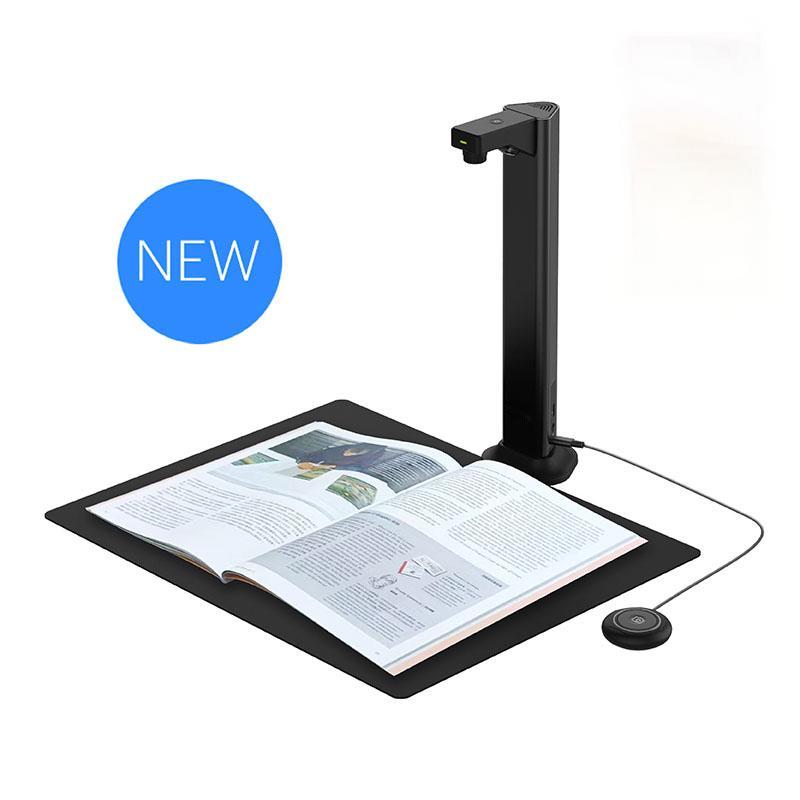
A3 18MP USB Aluminum Document Scanner with UVC Camera, 1s Scan Speed, OCR & Text to Speech
Aluminium-arm A3 capture with UVC camera, rapid scan rhythm, OCR and text-to-speech for accessible archives and office digitization.
View product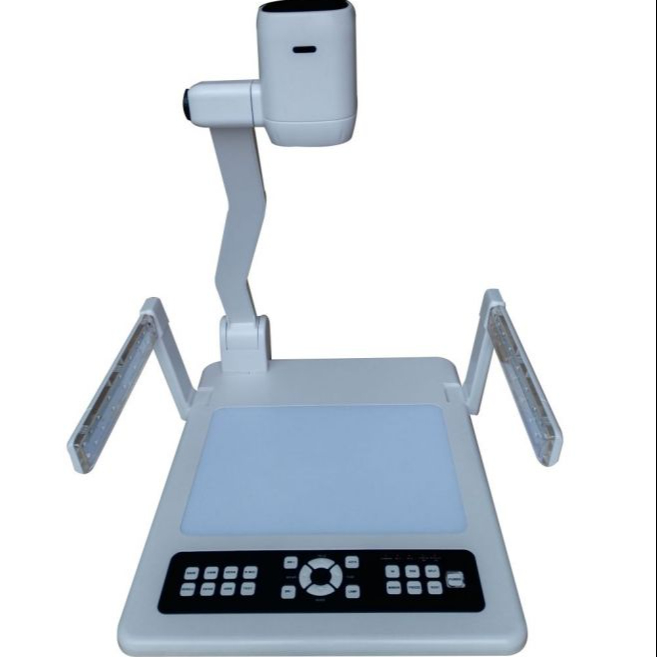
Factory Desktop Document Camera Visualizer 22X Optical Zoom with HDMI, RS232, Audio, Mic and Video
A classroom and training-room visualizer with 22x optical zoom and multiple AV interfaces for live presentation and recording.
View product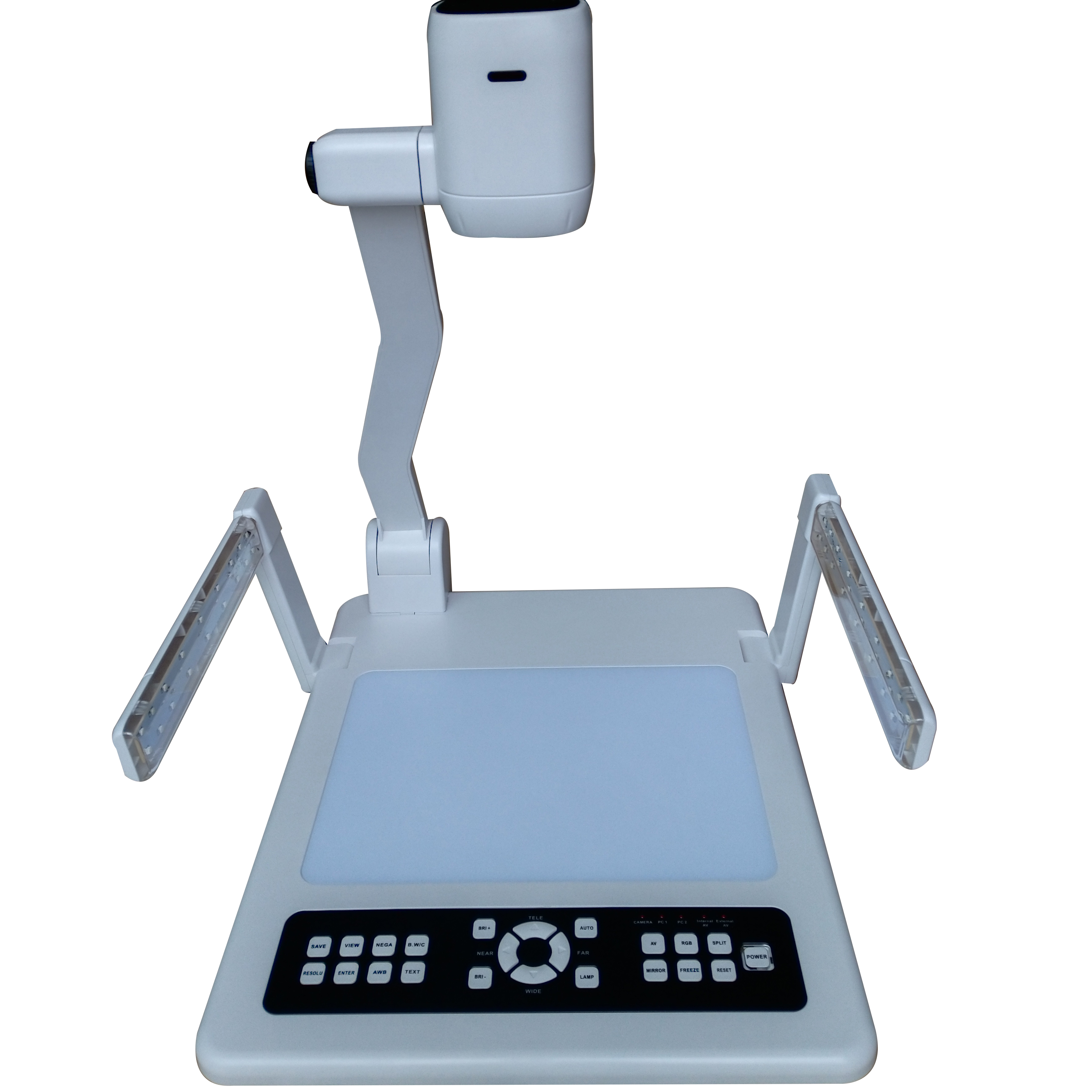
Modern Foldable Flexible Ultra HD Desktop Document Camera for School Video Output, HDMI and VGA Visualizer
Foldable ultra-HD desktop camera with HDMI/VGA output for school demonstrations, hybrid lessons and document sharing.
View product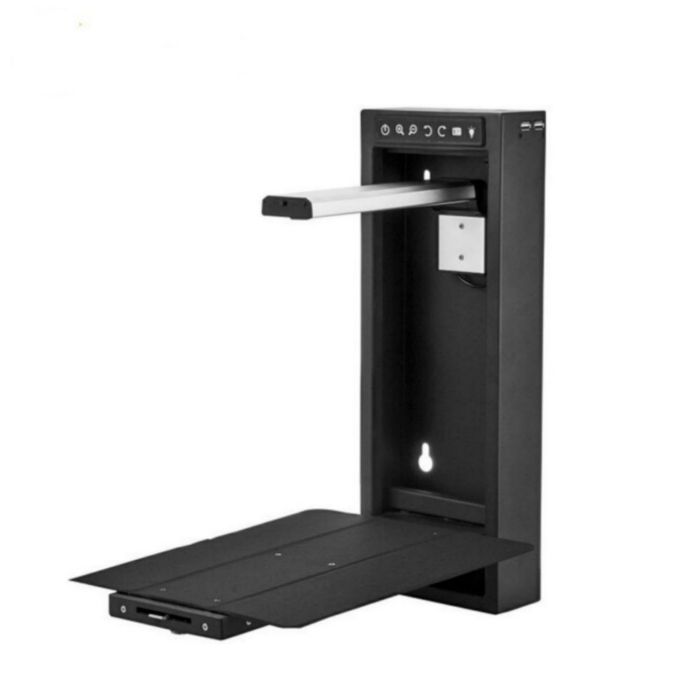
A4 Black USB 5V High-Speed 10MP High-Resolution Document Scanner, Wall-Mountable, OEM, 24 Bit, SDK
10MP A4 scanner with wall-mount option, 24-bit colour, SDK access and education stock availability for service counters.
View product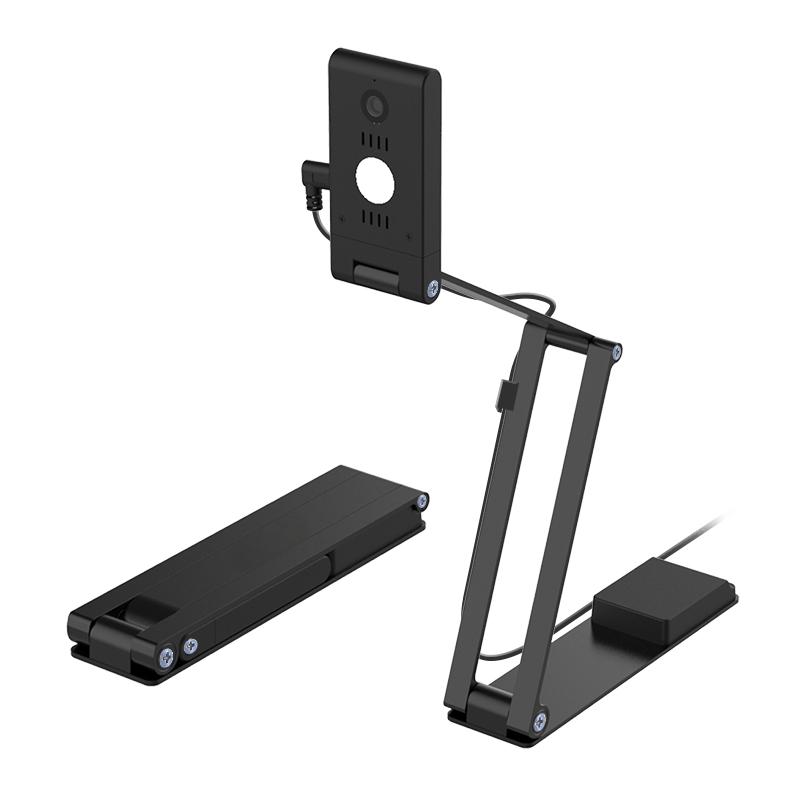
Value Priced 2-in-1 USB Digital Document Camera Visualizer A3 with 5MP 1/4" CMOS Sensor and 10x Zoom
A3 document camera and visualizer combination with 5MP CMOS, 10x zoom and a value-focused bill of materials for volume projects.
View product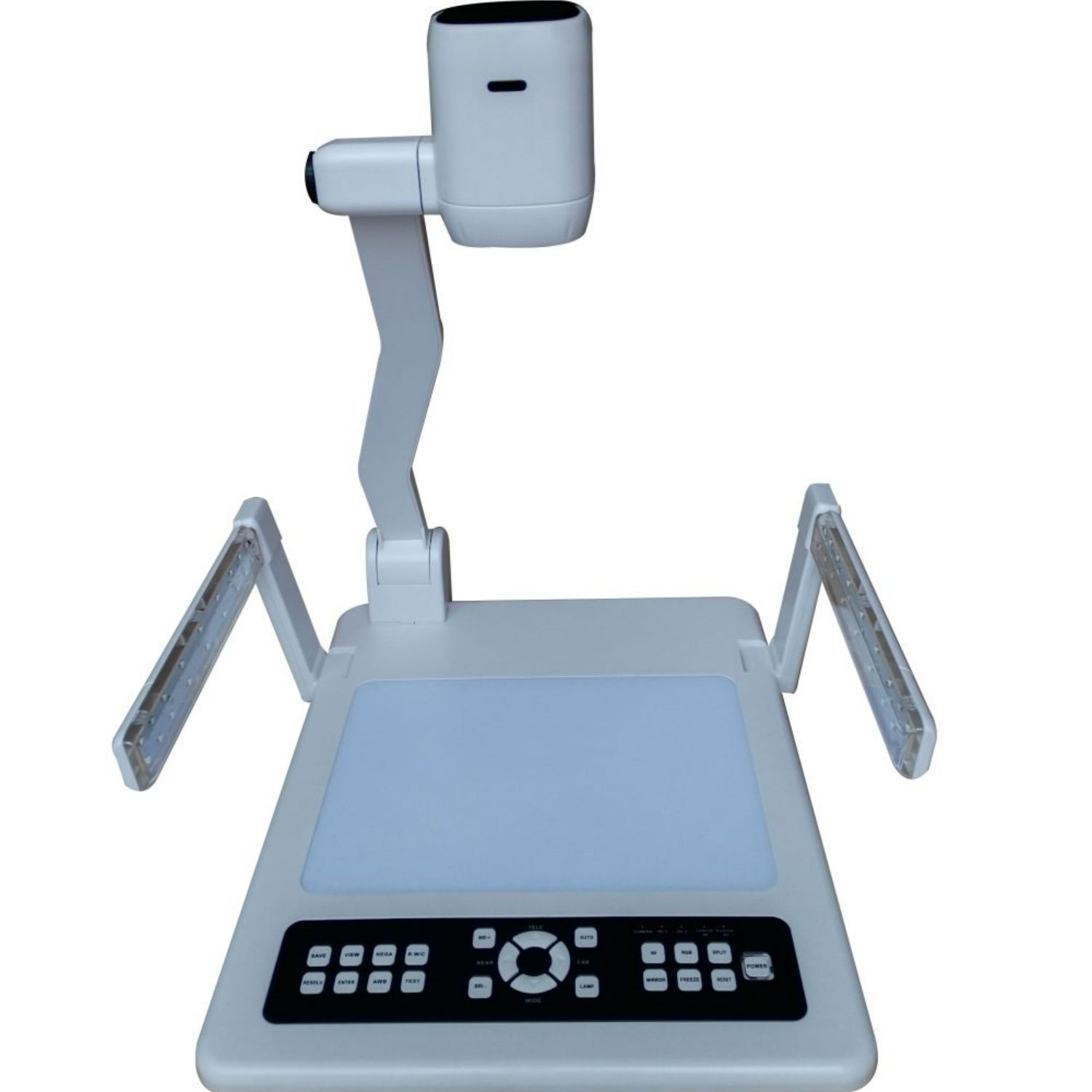
22x Optical Zoom, 10x Digital Zoom, VGA/USB Interface, 2MP CMOS A4 Document Camera and Foldable Digital Presenter
Optical plus digital zoom in a foldable A4 presenter format for desk-side demonstrations, classroom capture and live review.
View product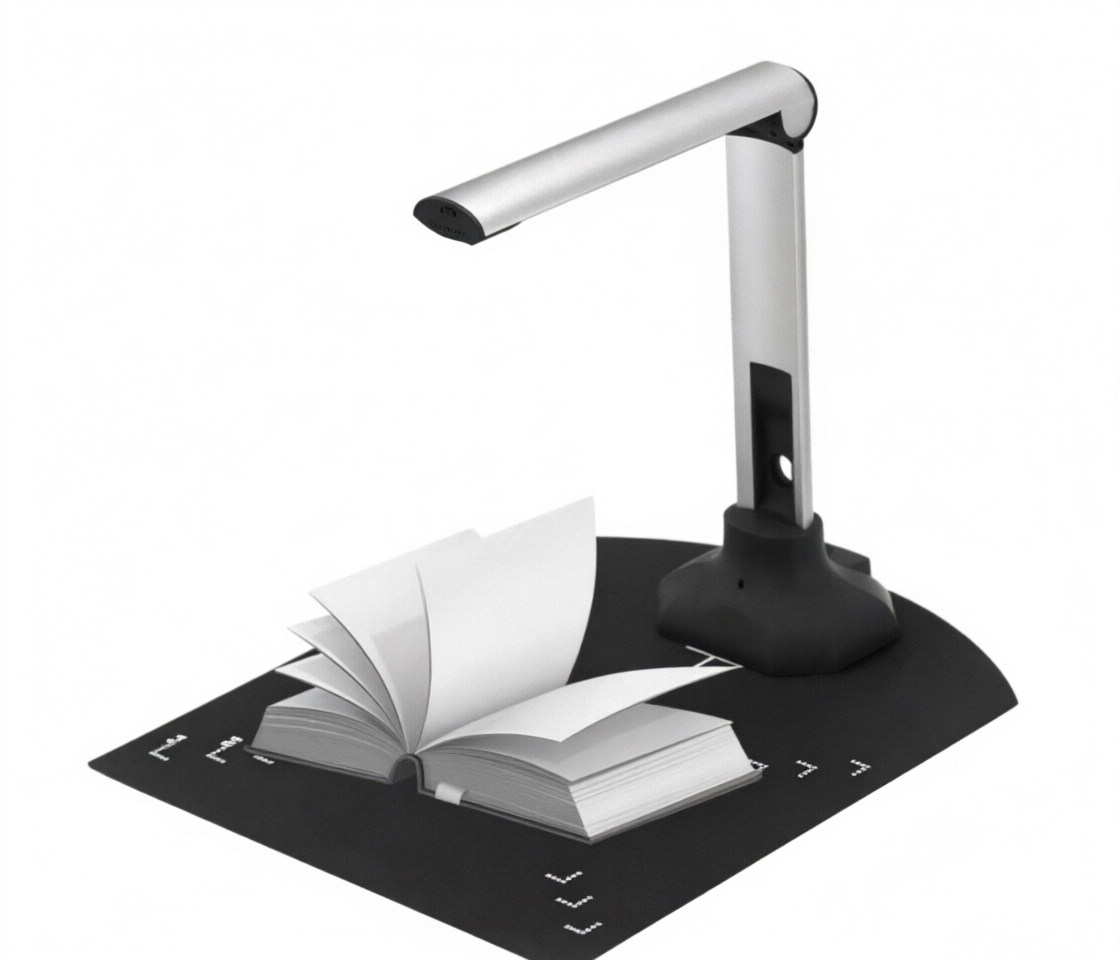
USB Document Camera Scanner, 10MP CMOS Visualizer, A4 Scanner for Office and Education
10MP CMOS A4 visualizer/scanner for office counters, remote reviews, classroom objects and document sharing.
View product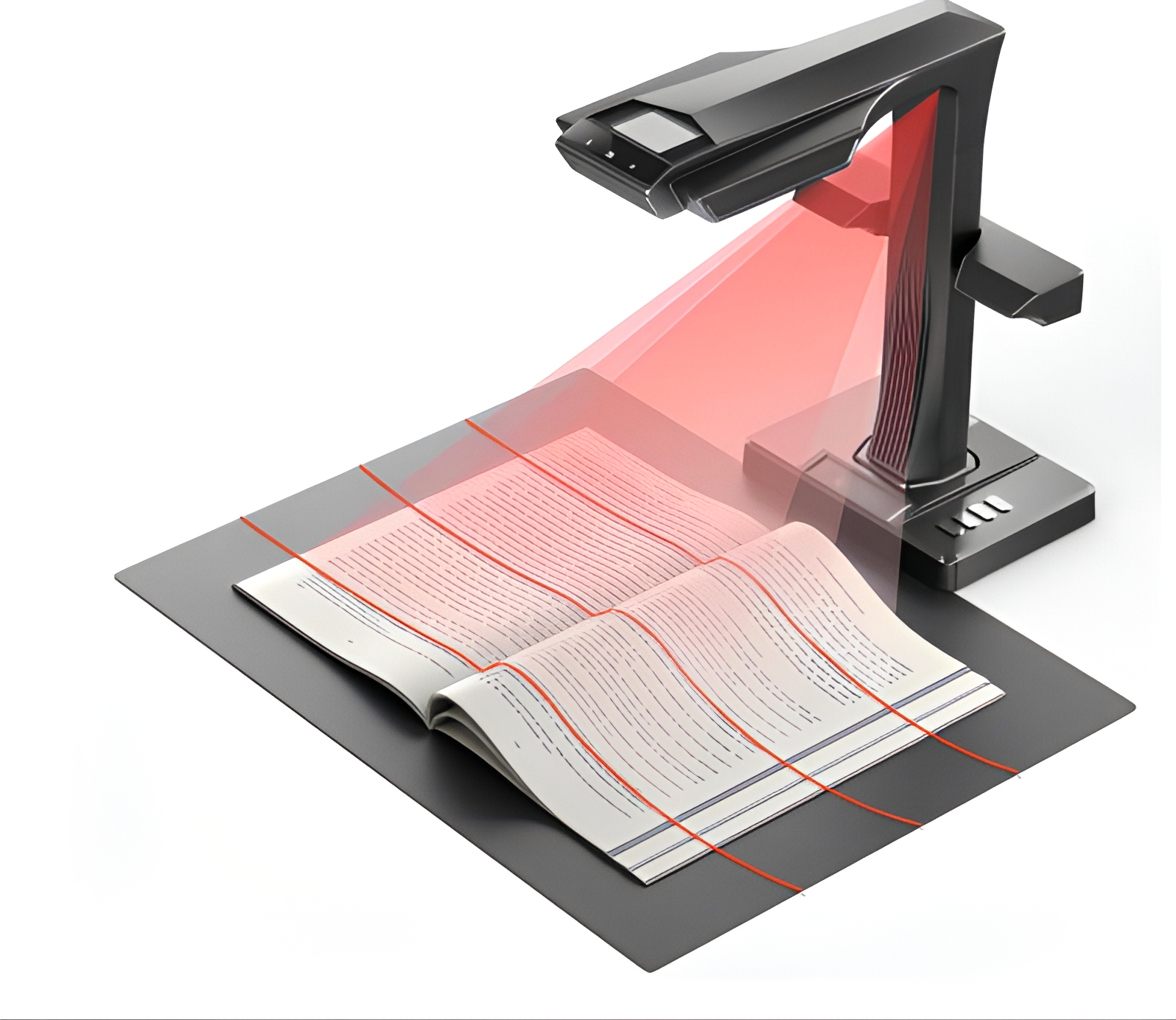
Book Scanner 38MP A3 Document Camera, Auto Curve Flattening, High-Speed Overhead Scanner for Library and Office
38MP A3 overhead book scanner with auto curve flattening for library, archive and office digitization programmes.
View productWhy Buyers Shortlist a CE-Ready Imaging Partner
High-resolution scanners are usually purchased for a workflow, not as a standalone gadget. The supplier must combine sensor knowledge, documentation discipline and responsive technical support.
The New Due Diligence for High-Resolution Document Scanner Procurement
Search demand for CE certified high resolution document scanner manufacturers and exporters is rarely a simple price enquiry. The searcher is usually trying to de-risk a tender, a library digitization programme, a school deployment or an OEM product line. They need to know whether the camera head, lighting, firmware, OCR engine, documentation package and after-sales process can survive real operational use.
Resolution is the starting point, not the conclusion. A true 300 dpi scan requires the sensor, lens, lighting and image-processing pipeline to work together. At 300 dpi, an A4 page needs about 8.7MP, an A3 page about 17.4MP, and an A2 page about 34.8MP. That is why a 10MP A4 scanner, an 18MP or 24MP A3 scanner, and a 38MP or 48MP A2-capable overhead scanner occupy different procurement positions. A product that meets 300 dpi on A4 may not meet the same standard across an A2 broadsheet.
CE compliance adds another layer. Serious buyers request the declaration of conformity, applicable directive coverage, test reports, label artwork, model designation, firmware version and traceability between the serial number and the technical file. A modern RFQ therefore asks for model-specific CE documentation, sample scans, acceptance-test criteria and a clear software support path—not just a photo of a certificate.
What the Best Tender-Ready Package Should Contain
- Model-specific CE declaration of conformity and applicable test reports.
- Resolution calculation tied to your actual document format.
- Sample scans under your lighting and workflow conditions.
- SDK, driver and OCR integration notes before purchase.
- Spare-part, warranty and remote-support responsibilities defined.
- Packaging, label and firmware control for OEM/ODM shipments.
Match the Sensor and Workflow to the Job
The strongest procurement decision is the one that maps capture format, optical performance, software and support to the real use case. These four buying paths cover most B2B enquiries.
Library & Archive Digitization
Choose the 38MP A3 overhead book scanner when bindings must stay flat and OCR is central. For newspapers, maps and A2 masters, specify a 48MP-class A2 overhead architecture and confirm the delivered dpi on the full sheet.
Education & Training Rooms
Prioritise 22x optical zoom, HDMI/VGA output, low-latency live video and a stable microphone path. The foldable ultra-HD desktop camera and 22X optical visualizer suit classrooms, hybrid lessons and trainer-led demonstrations.
Office, Counter & ID Capture
Use a 10MP A4 USB scanner with wall-mount and SDK options for service counters, or a 5MP 2-in-1 A3 camera for value-sensitive deployments. Confirm driver support, export formats and integration APIs before rollout.
OEM/ODM & Distributors
For private-label programmes, evaluate logo, housing colour, packaging, capture-software branding and SDK integration. An 18MP OCR scanner or 10MP A4 USB model can become a differentiated SKU when documentation and firmware control are handled correctly.
| Document Format | Pixels at 300 dpi | Practical Sensor Guide | Procurement Note |
|---|---|---|---|
| A4 210 × 297 mm | ≈ 8.7MP | 10MP or higher | A 10MP A4 scanner is suitable for office, counter and education capture when lighting and focus are controlled. |
| A3 297 × 420 mm | ≈ 17.4MP | 18MP–24MP | 18MP meets the baseline; 24MP provides headroom for cropping, deskew and OCR pre-processing. |
| A2 420 × 594 mm | ≈ 34.8MP | 38MP–48MP | Specify 48MP when the tender requires archival masters near or above 300 dpi on the full A2 sheet. |
| Book gutter | Variable | 38MP overhead + curve flattening | Non-contact capture protects bindings; auto flattening and finger removal reduce post-processing labour. |
What B2B Buyers Should Verify Before Approving a Scanner Supplier
CE marking is a conformity claim, not a decorative logo. For scanners and document cameras, the exact configuration determines which directives, test reports and label requirements apply.
Directive Coverage
Confirm EMC, LVD where applicable, RoHS and any radio-related requirement if Wi-Fi or wireless modules are included. The declaration should match the exact model, voltage and radio option.
Technical File & DoC
Ask for the declaration of conformity, test reports and label artwork before the purchase order. Traceability should connect the product label and serial number to the controlled technical file.
Firmware & Software Control
Record the firmware version used for the compliance sample and the delivery batch. If OCR, SDK or capture software changes, request a change-control note before accepting the shipment.
Acceptance Testing
Test OCR accuracy, curved-page correction, colour drift, focus at the page edges, capture time and driver installation. Keep the signed test record with the CE documentation package.
Procurement Trends 2025–2030: What Smart Buyers Are Changing
Buying behaviour is moving from “lowest price per unit” toward “lowest risk per workflow.” The most competitive scanner exporters will be those that can document, integrate and support the full capture process.
Total Cost of Ownership
Buyers now count operator time, OCR cleanup, spare parts, warranty labour and software renewal alongside the unit price.
SDK Before Sample
System integrators want API documentation, driver stability and OS compatibility confirmed before they approve a pilot.
Compliance-First Tenders
CE documentation, label control and firmware traceability are increasingly requested at the tender stage rather than after selection.
Hybrid Capture Devices
Education and office buyers prefer devices that combine live visualizer output with still-image document capture.
AI-Assisted Cleanup
Auto-flattening, finger removal, background cleaning and deskew are becoming purchase criteria, not optional extras.
Responsible Supply
Repairability, packaging reduction, energy use and long firmware support are entering supplier scorecards for larger rollouts.
Where High-Resolution Imaging Hardware Is Heading
The next generation of document scanners will compete less on raw megapixels and more on optical quality, on-device processing, workflow software and documented reliability.
Dual-Sensor Resolution Stacking
38MP and 48MP-class imaging, dual-camera layouts and multi-lens capture will continue to move from specialist archives into mainstream A3/A2 workflows.
Auto-Flattening Becomes Standard
Curve correction, finger removal, page-boundary detection and automatic dewarping will be expected in book-scanner software rather than treated as premium features.
Edge AI and OCR
On-device preprocessing and more accurate OCR will reduce post-scan labour, especially for multilingual archives, forms, invoices and ID documents.
Modular, Portable, Plug-and-Play
UVC cameras, USB power, foldable arms, wall-mount options and SDK integration will make deployment faster for education, field offices and temporary service counters.

Guangzhou Quibow Electronic Co., Ltd. — imaging acquisition and conversion equipment supplier.
Guangzhou Quibow Electronic Co., Ltd.
Quibow develops and supplies image acquisition and conversion equipment, including overhead book scanners, A3/A2 document scanners, flatbed scanners, document cameras, visual presenters and ID-card recognition high-speed cameras. The company works across CIS, CMOS and CCD imaging platforms, covering product design and development, production coordination, export sales and after-sales support.
The business is based in Guangzhou, Guangdong, China, with an onsite-checked supplier profile and a focused team of 5–10 specialists. Main markets include Eastern Europe, North America and South America. Quibow supports OEM/ODM programmes such as logo printing, packaging, housing colour, capture-software branding and SDK integration on selected models.
For buyers comparing CE-certified high-resolution document scanner manufacturers and exporters, Quibow offers a practical route from requirement review to model matching, sample scans, customisation, quality inspection and shipping support. Most stock book scanners, A2 large-format scanners and flatbed scanners start from 1 piece or 1 set; several document camera models start from 2 pieces.
Send an InquiryQuestions Buyers Ask Most Before Sampling
These answers reflect the practical due-diligence topics raised by distributors, archives, schools, government buyers and system integrators.
Are the scanners supplied with CE certification documents?
CE-certified configurations can be supported for applicable scanner and document camera models. Because CE compliance is model and configuration-specific, the exact SKU, voltage, radio option, firmware and packaging should be fixed before the declaration of conformity, test reports and label artwork are issued.
What is the minimum order quantity for Quibow scanners and document cameras?
Most stock book scanners, A2 large-format scanners and flatbed scanners start from 1 piece or 1 set. Several document camera models start from 2 pieces. OEM/ODM quantities are confirmed per project after the customisation scope is reviewed.
Do you support OEM and ODM orders?
Yes. OEM/ODM support includes logo printing, packaging, housing colour, capture-software branding and SDK integration on selected models. For larger programmes, firmware control and label traceability can be discussed during the project review.
Are the scanners compatible with Windows and macOS?
Many models, including A2 large-format scanners and the 1200 DPI A3 flatbed scanner family, support Windows and macOS, and some configurations are verified on Apple M1 Macs. Compatibility must be confirmed for each model and software version before shipment.
Which resolution do I need to scan A3 or A2 documents at 300 dpi?
An A3 page at 300 dpi needs about 3508 × 4961 pixels, or around 17.4MP. An A2 sheet at 300 dpi needs about 4961 × 7016 pixels, or around 34.8MP. For archival A2 masters, a 48MP-class scanner is the safer specification when the tender requires full-sheet 300 dpi plus cropping headroom.
Can you provide sample scans before we place an order?
Yes. Share the document size, daily volume, target dpi, OCR language, output format and operating system. Sample scans can be arranged so the buyer can compare text clarity, curve flattening, colour accuracy and capture speed before approval.
What payment and delivery terms are accepted?
Payment methods include T/T, L/C, PayPal and Western Union in USD, EUR, HKD or CNY. Delivery terms include FOB, EXW and DDU. Final terms depend on the model, order volume, destination and shipping method.
What warranty and technical support are provided?
Listed models such as the A3 flatbed scanners, A2 overhead scanners and the S2060W ADF scanner carry a 1-year warranty, backed by remote technical support. Buyers should confirm the exact warranty scope, spare-part plan and support responsibilities in the final order documents.
Planning a CE-Ready Scanner Rollout or OEM Programme?
Send your document sizes, daily volume, target dpi, OCR needs, operating system and estimated order quantity. The team will recommend the most suitable model, clarify CE documentation scope and arrange sample scans where required.