CE Certified Book Digitization Equipment Exporters & Wholesaler
Quibow supplies overhead book scanners, A2/A3 document cameras, flatbed scanners and visual presenters for libraries, archives, schools, government counters and B2B distributors — with model-level compliance documentation, sample scans and export-ready support.
Book Digitization, Visualizer and Document Camera Range
Eight catalogue models selected for archive capture, classroom presentation, wall-mounted document scanning and portable field use. Product links below are preserved from the original catalogue.
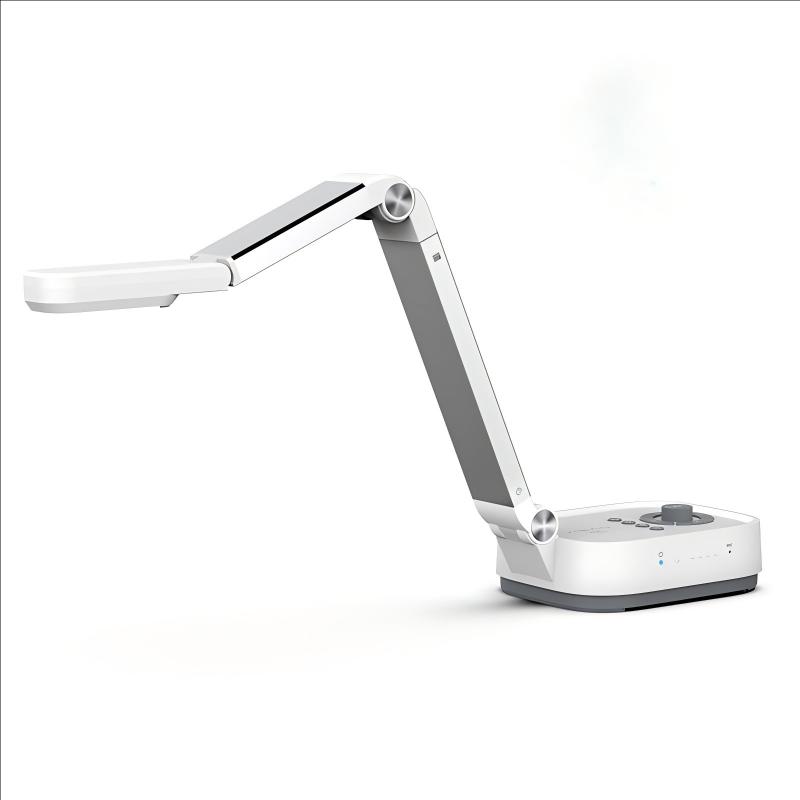
16MP 3D Desktop Visualizer Document Camera with Microphone 120X Zoom /VGA A3 Scan Size LED Light & Foldable for Education
Flexible A3 teaching capture with LED light, microphone and foldable arm.
View product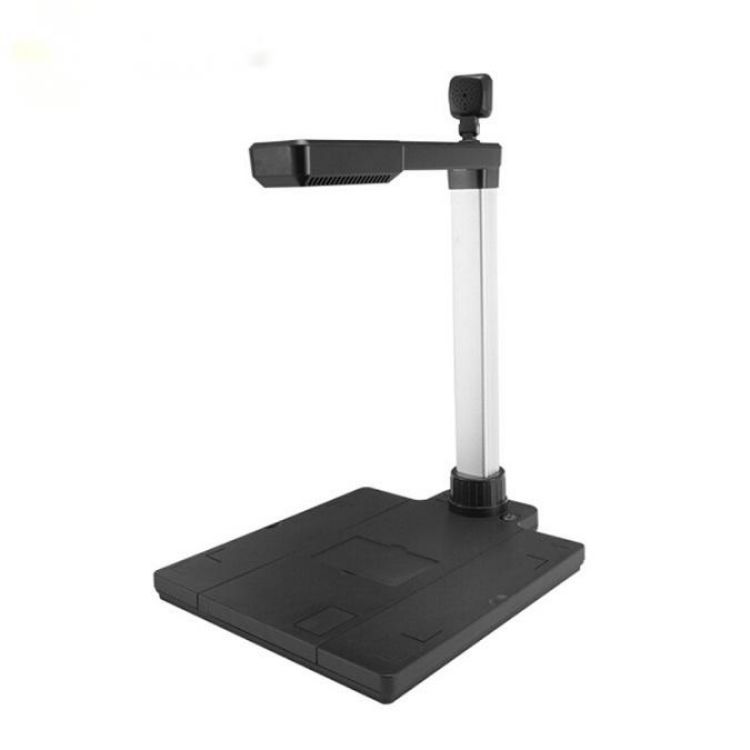
10MP Education Visualizer Scanner Document Management Book Camera USB in Stock
Book-camera style scanning for education, document management and front-office capture.
View product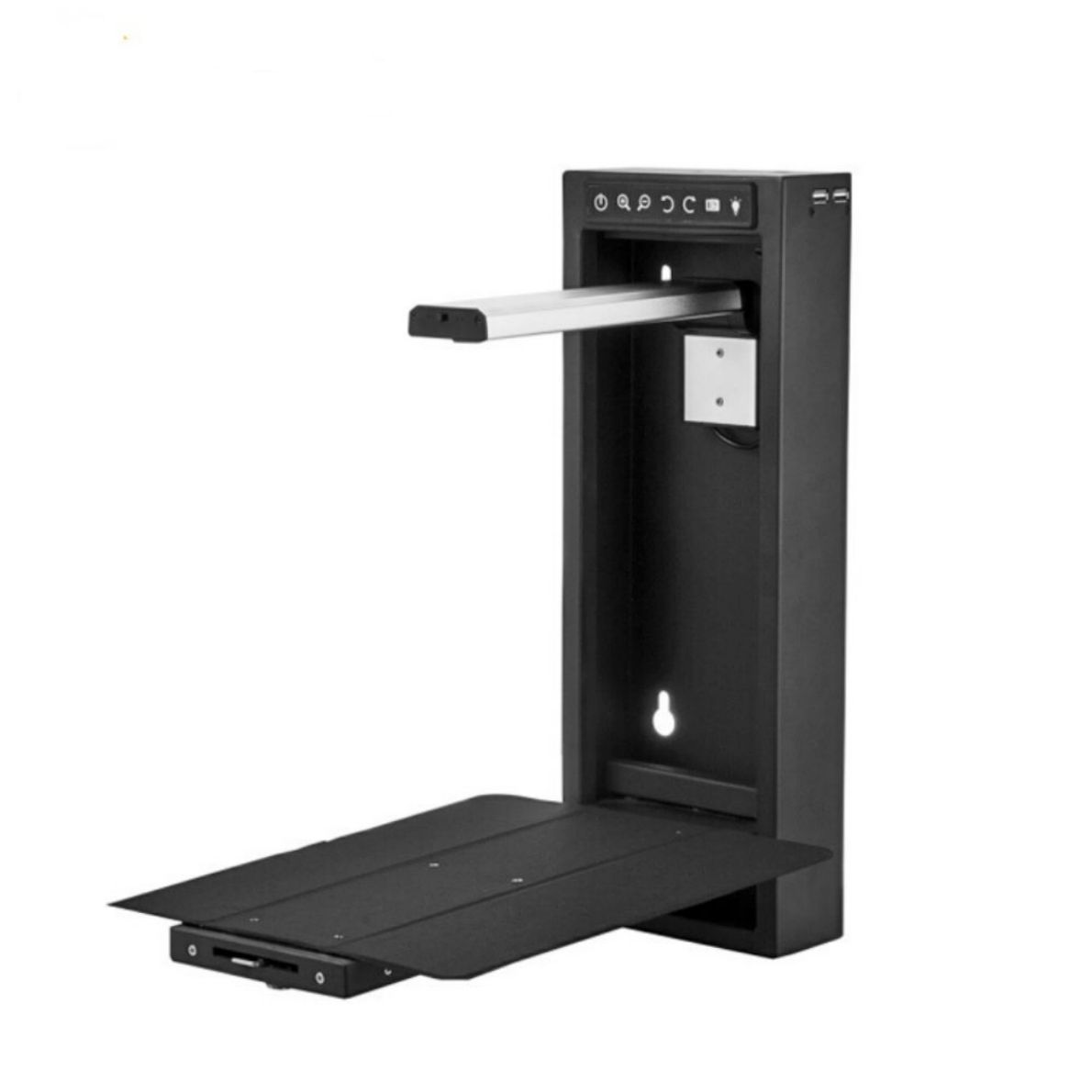
Factory New High Definition Wall Mount Document Scanner USB Interface Visualizer CE Certified 1-Year Warranty High-Speed A4 SDK
Space-saving A4 scanning with USB interface, SDK options and CE documentation request.
View product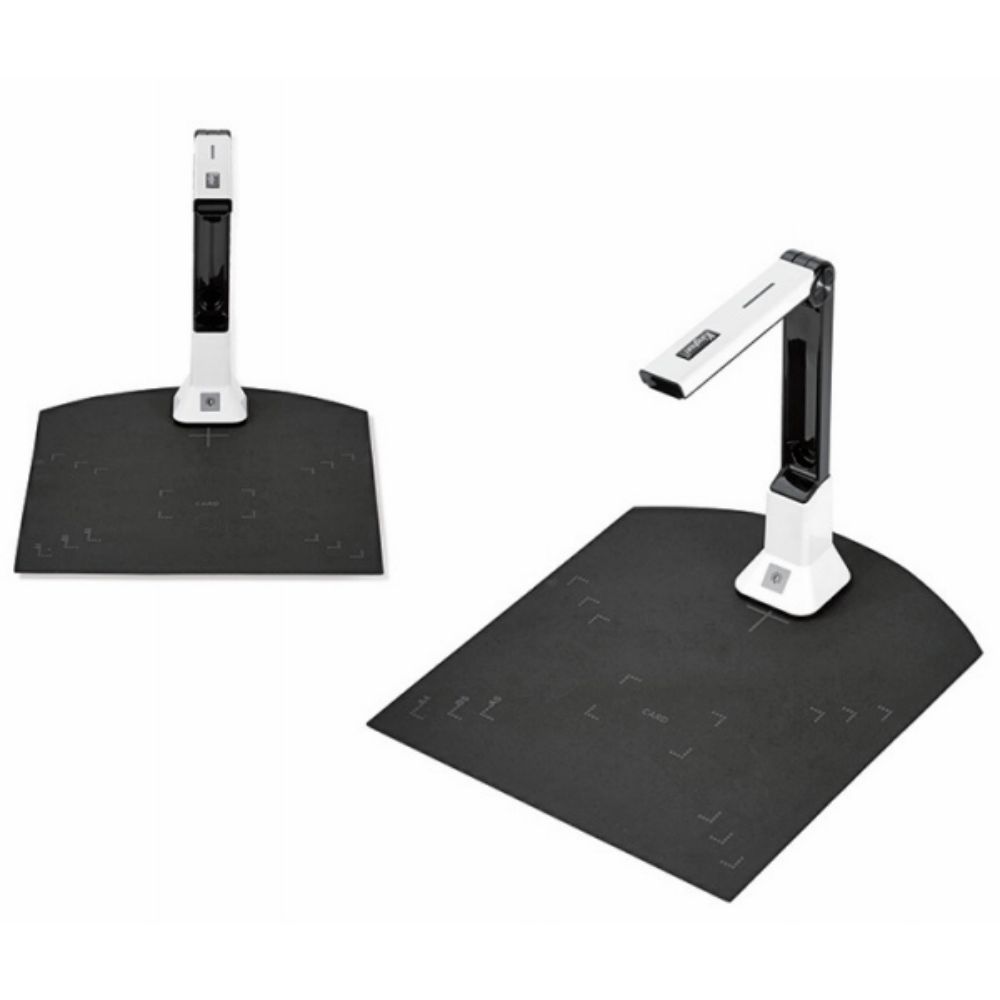
Wholesale 5MP USB Light CMOS A4 Document Scanner Portable Smart Handheld High Resolution 1-Second Scan CE Certified Stock Black
Portable 1-second scanning for counters, field teams and compact workstations.
View product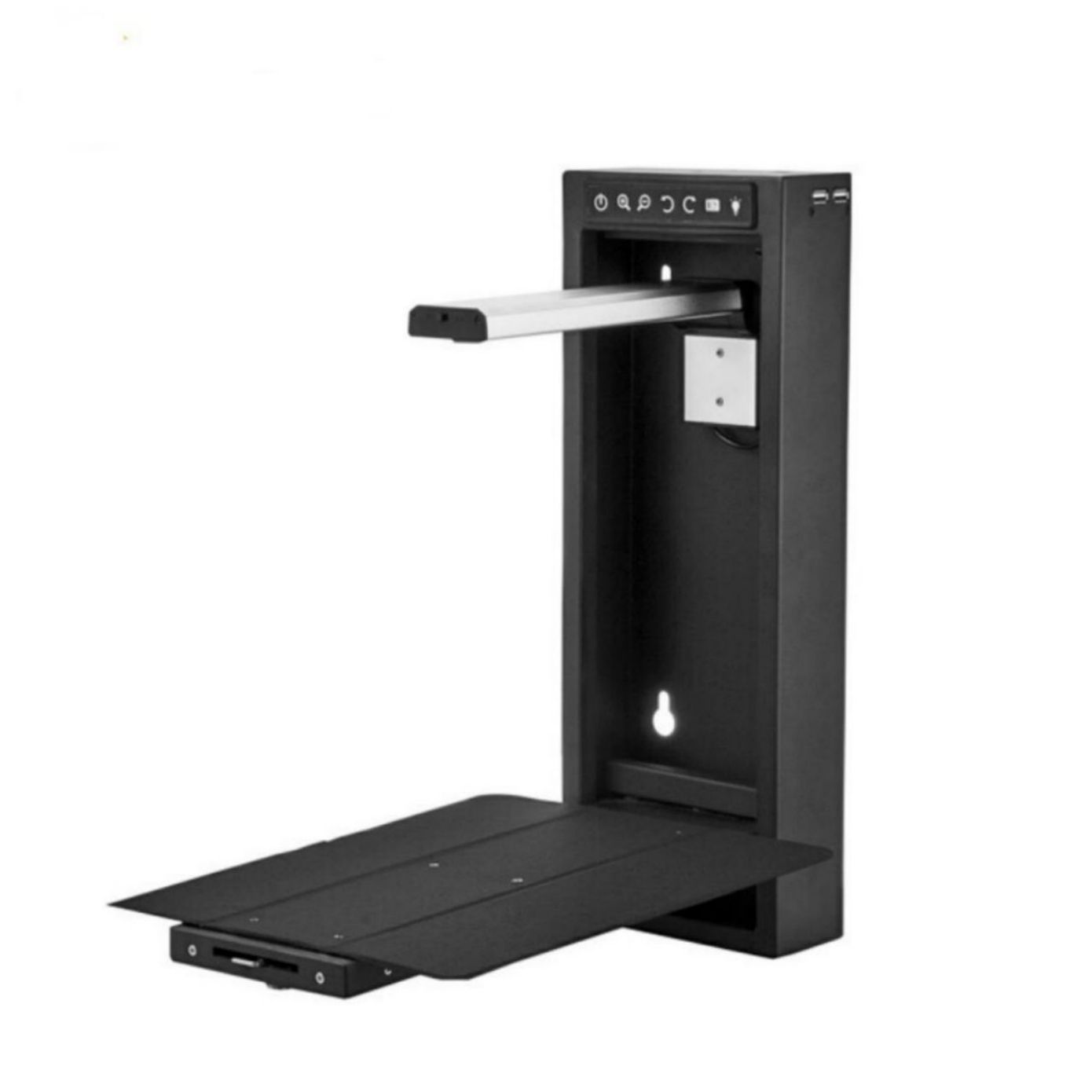
10MP USB CMOS Document Camera Wall Mount Scanner with 1-Second Scan Speed 1-Year Warranty in Stock Classroom Education A4 SDK
Classroom-friendly A4 wall scanner with 1-second capture and SDK integration potential.
View product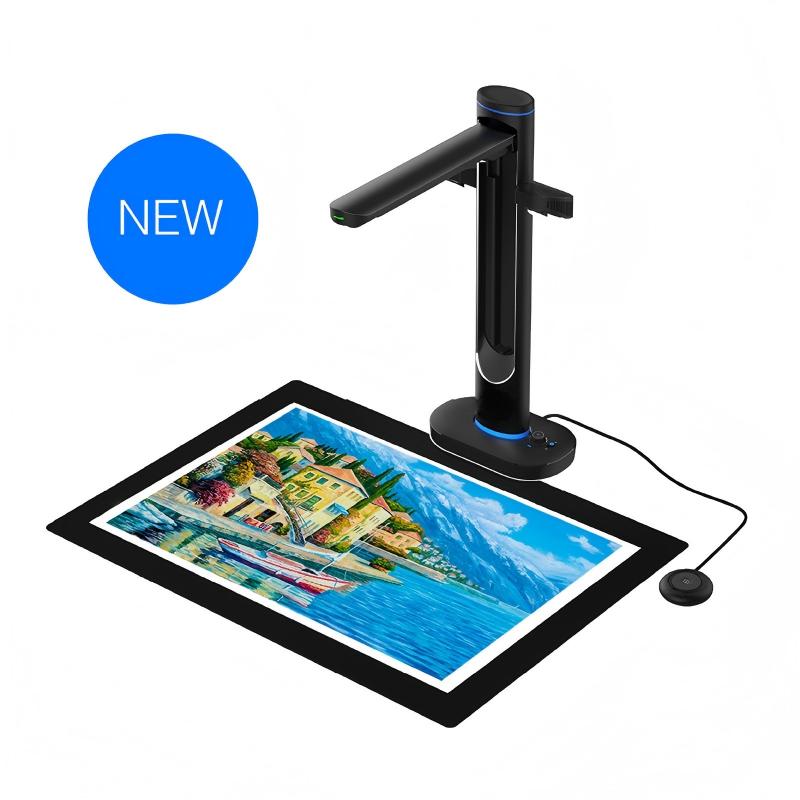
A2 Large Format Book Scanner Dual 48MP CMOS Sensors High-Speed Desktop Overhead Scanner for Windows & MacOS
High-resolution A2 archival capture for books, newspapers, maps and fragile records.
View product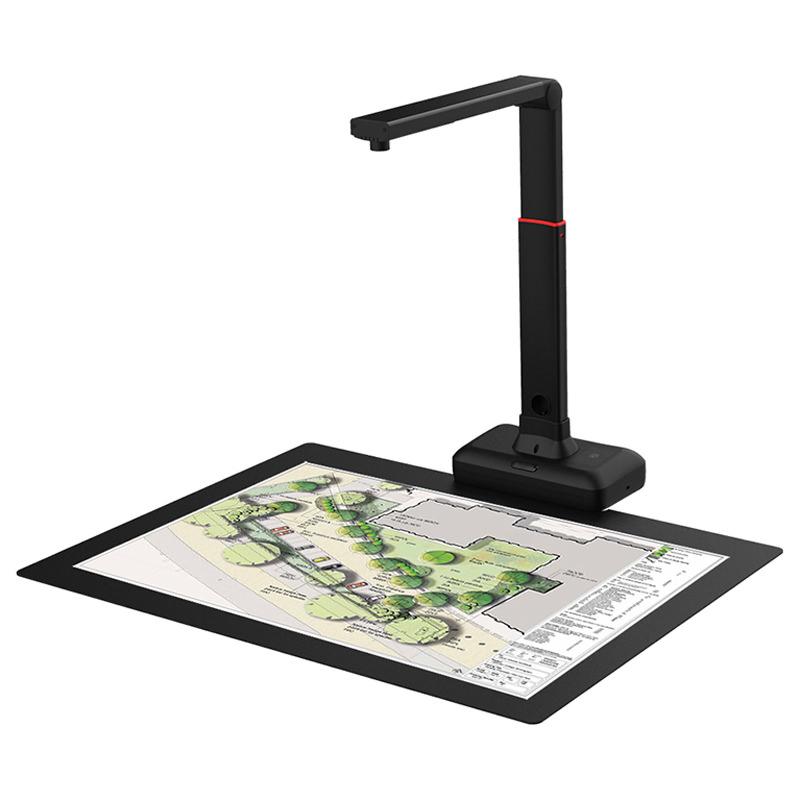
A2 Large Format Overhead Document Scanner 21MP USB Aluminum Text-to-Speech 1-Year Warranty in Stock
A2 overhead scanning with aluminum body and text-to-speech support.
View product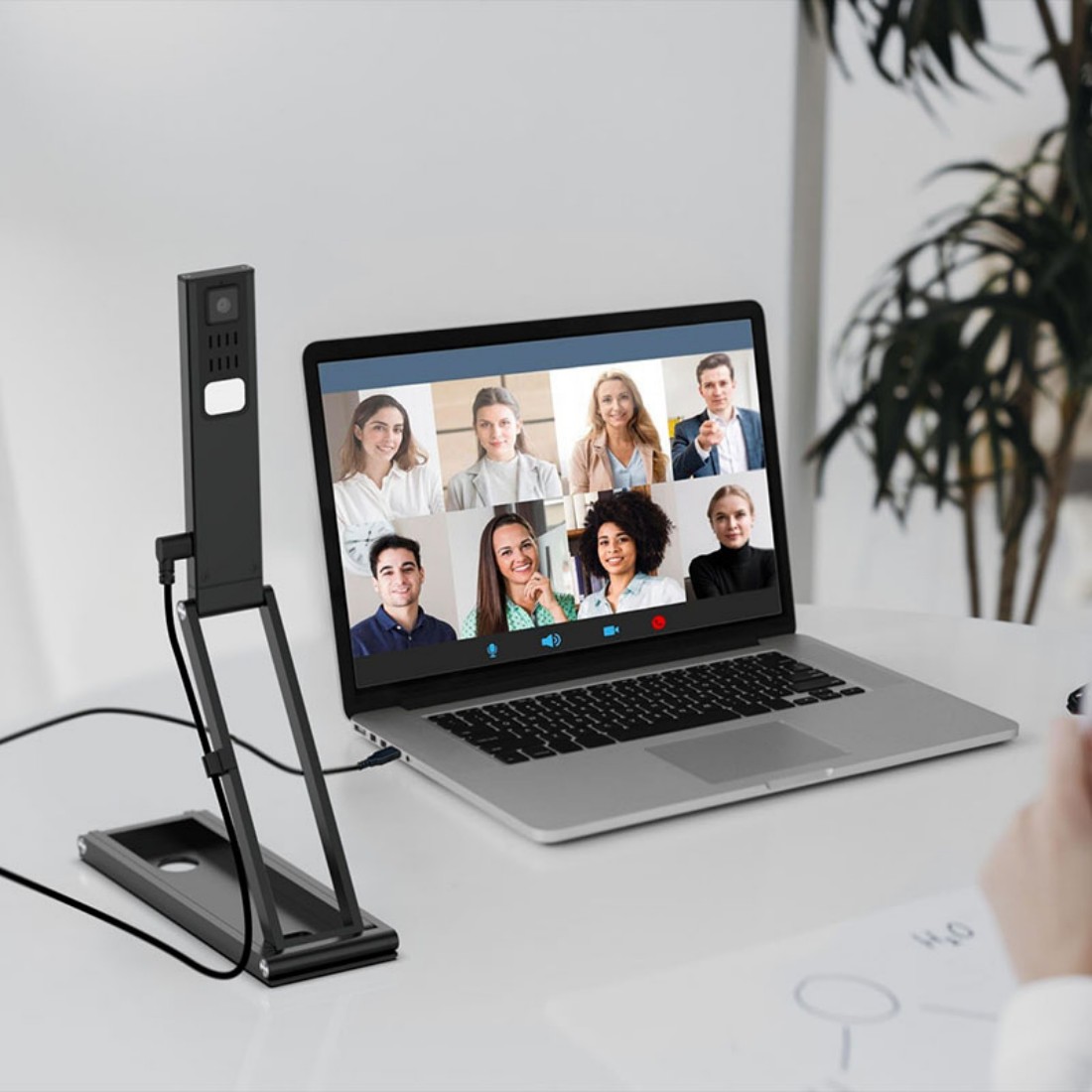
A3 4K Visual Presenter Document Camera with USB Interface for School Training Teaching Meetings Featuring Webcam Function
Live 4K presentation plus webcam function for classrooms, training rooms and meetings.
View productWhy this query is a due-diligence search, not a price-only search
Buyers searching for “CE Certified Book Digitization Equipment Exporters & Wholesaler” are usually comparing compliance risk, image quality, software fit and after-sales support before they request a quotation.
The title phrase combines three purchase signals: CE documentation, book digitization equipment, and an exporter/wholesaler channel model. That combination points to distributors, library consortia, archive integrators, school suppliers and government procurement teams. They are not only asking for a camera specification; they are asking whether the supplier can support a tender file, a repeat order, a local importer and a multi-year service plan.
A CE mark is not a universal “certificate” issued to every product by a notified body. For most information technology and electronic equipment, CE marking is a manufacturer’s declaration that applicable directives have been met, supported by a technical file, risk assessment, test reports, label artwork and an EU Declaration of Conformity. The model number on the quotation, the label and the Declaration of Conformity should match before a deposit is wired.
Guangzhou Quibow Electronic Co., Ltd. works across CIS, CMOS and CCD imaging platforms, which matters because book scanners, flatbed scanners, ADF units and visual presenters solve different capture problems. Quibow supports OEM/ODM projects, software branding, SDK integration on selected models, export terms and remote technical support. For a wholesale buyer, this breadth reduces the number of suppliers that must be audited for one digitization programme.
Information gain starts with resolution math. A2 at 300 dpi requires about 4,961 × 7,016 pixels, or roughly 34.8 MP. A 21MP A2 scanner can be adequate for reading-room access and OCR, but a 48MP A2 scanner is the safer specification for archival masters. A3 at 300 dpi requires about 17.4 MP, so an 18MP or 24MP model avoids unnecessary cost, while an 8MP 4K visualizer is best treated as a presentation device, not an archival A3 book scanner.
Procurement risk map
- ✓Resolution at the real document size, not only the marketing megapixel count
- ✓Model-level CE Declaration of Conformity, test reports and label match
- ✓Windows, macOS and SDK compatibility confirmed before purchase order
- ✓Sample scan supplied at the exact dpi, page size and output format required
- ✓Warranty, spare parts, remote support and packaging confirmed in writing
Recommended configurations by digitization workflow
Use the model category first, then verify the pixel budget, software environment and compliance file. This avoids over-specifying a camera for live teaching or under-specifying a scanner for archival replacement.
Heritage and large-format archives
Start with the A2 dual 48MP overhead scanner when the tender specifies 300 dpi at A2, full broadsheet capture or high-resolution book masters. The 21MP A2 overhead scanner is a better fit for reading-room access, OCR and budget-controlled projects where roughly 225–240 dpi across A2 is acceptable. For A3 bound books, 18MP–24MP models balance detail, capture speed and cost.
- Best-fit archive model: A2 dual 48MP book scanner
- Access/OCR alternative: A2 21MP overhead scanner
- Ask for a 300 dpi sample of a curved page and a flat map
Hybrid classrooms and training rooms
For live teaching, choose a visual presenter with HDMI/VGA output, optical zoom, LED lighting and stable focus. The A3 4K visual presenter is suited to projection and meeting-room sharing; the 16MP 3D desktop visualizer adds A3 capture, microphone and foldable flexibility; the 10MP education visualizer is a practical stock model for document management and routine classroom capture.
- 4K classroom presentation: A3 4K visual presenter
- Flexible A3 teaching: 16MP 3D desktop visualizer
- Value document camera: 10MP education visualizer
Counters, wall-mounted capture and field use
Wall-mounted models save desk space at service counters, clinics, banks and school offices. The HD A4 wall-mount scanner, the 10MP USB CMOS wall-mount scanner and the 5MP portable handheld scanner cover different installation constraints. Confirm mounting height, lighting, USB cable length and whether the software can save directly to the required document management system.
- Compact wall mount: HD A4 USB visualizer
- Classroom/counter wall mount: 10MP USB CMOS scanner
- Mobile field capture: 5MP portable A4 scanner
The pixel budget that should be written into your RFQ
Megapixels alone can mislead. Required resolution should be calculated from the physical document size, the target dpi and the accepted output format.
The basic formula is simple: required width in inches × dpi and required height in inches × dpi. Multiply the two results to obtain the pixel count. This is the figure that should be compared with the sensor’s effective still-image pixels, not merely the video output label on the brochure.
For tender documents, add a 10–20% crop and deskew allowance. Bound books may require extra margin for page curvature, fingerprint removal and automatic framing. If OCR accuracy is a key performance indicator, test the OCR engine on the actual language, font, paper tone and binding style — not only on a clean laser-printed page.
Information gain for buyers: 4K describes display resolution, while an 8MP sensor has about 8 million still-image pixels. A 4K visualizer can be excellent for live teaching, but it should not be assumed to replace a 48MP A2 archival scanner when the tender requires 300 dpi at A2.
| Document size | Pixels at 300 dpi | Recommended class | Practical buying note |
|---|---|---|---|
| A4 210 × 297 mm |
2480 × 3508 ≈ 8.7 MP |
10MP or higher | A 10MP wall-mount or education visualizer is suitable for forms, counter documents and classroom sheets. |
| A3 297 × 420 mm |
3508 × 4961 ≈ 17.4 MP |
18–24MP | Use an 18MP or 24MP book scanner for A3 OCR and archival masters; 16MP is useful but leaves less crop headroom. |
| A2 420 × 594 mm |
4961 × 7016 ≈ 34.8 MP |
48MP for 300 dpi class | A 21MP A2 overhead scanner is generally an access/OCR device; a dual 48MP A2 scanner is the safer archival specification. |
| Photos and art | 600–2400 dpi optical | Flatbed CCD/CIS | Do not substitute an overhead book camera for fine-art or photographic originals when optical flatbed resolution is required. |
What wholesale buyers are likely to require next
Demand is moving from “a scanner that captures a page” toward “a validated capture system with documentation, software integration and lifecycle support”.
A2 48MP becomes the archival baseline
As library and newspaper digitization tenders specify 300 dpi at A2, 21MP overhead units will increasingly be positioned for access copies and OCR, while dual 48MP models become the master-image workhorse.
4K visualizers as classroom infrastructure
Schools and training centres are buying for hybrid delivery, not only classroom projection. HDMI, USB webcam function, optical zoom, LED lighting and simple remote control become tender requirements.
SDK and OS validation before award
Integrators increasingly request TWAIN/WIA compatibility, Windows and macOS validation, SDK documentation and confirmation that the device will work with existing capture or document-management software.
Compliance evidence evaluated before samples
Procurement teams are asking for model-level Declarations of Conformity, RoHS documentation, WEEE registration evidence where applicable, importer details and label artwork together with the quotation.
Repairability and spare-part strategy enter TCO
Wholesale buyers need predictable after-sales cost. Remote diagnostics, replaceable lighting modules, cable and power-adapter specifications and a 1-year warranty baseline will be compared alongside unit price.
Local capture quality for cloud workflows
Cloud document management does not remove the need for good local image acquisition. Capture quality, OCR accuracy and reliable export naming conventions determine whether a digitization workflow succeeds.
From camera hardware to capture intelligence
The next competitive gap is not only sensor resolution. It is the ability to reduce operator time, improve OCR inputs and integrate with existing document systems.
AI-assisted page reconstruction
Auto-flattening, page-boundary detection, finger removal, shadow reduction, deskew and background cleanup are becoming standard expectations in book scanning software. For archivists, the key question is whether these functions preserve evidence or alter it; buyers should request both raw and processed outputs.
Non-contact capture plus flatbed hybrid
Overhead CMOS cameras protect bindings, while CCD or CIS flatbeds remain important for photos, artwork and loose sheets. A mixed fleet is often more cost-effective than forcing one device type to handle every original.
Integration-ready I/O and software
USB, HDMI, VGA and network connectivity, TWAIN/WIA support, SDK access and stable firmware update paths matter to system integrators. For education, 4K output and webcam function matter; for archives, batch naming, OCR language packs and metadata export matter more.
What importers and tender teams should verify before ordering
CE-related evidence should be specific to the exact model and configuration being imported. Customization can change the technical file, label and conformity scope.
Model-level Declaration of Conformity
Check that the DoC identifies the exact model number, manufacturer, applicable directives and standards. The model on the quotation, shipping label, nameplate and DoC should be consistent.
Safety, EMC and RoHS evidence
For applicable IT equipment, ask for the test reports and technical documentation supporting EMC, safety and RoHS compliance. Where an external power adapter is used, verify the adapter’s own compliance documents and plug type.
Importer, label and responsible person
EU importers need to confirm labeling, language requirements, traceability and responsible-person arrangements under applicable rules, including product safety and WEEE obligations where they apply.
Software, SDK and data flow
Technical due diligence should include installation permissions, SDK licensing, firmware update methods, OCR language support and whether capture software sends data outside the local network. These details affect security approvals.
Guangzhou Quibow Electronic Co., Ltd. at a glance
A Guangzhou-based supplier of image acquisition and conversion equipment, with export support, OEM/ODM capability and documented supplier performance indicators.
Quibow develops and supplies photoelectric information equipment across book scanners, document cameras, flatbed scanners, visual presenters and ID-card recognition cameras. The company works with CIS, CMOS and CCD imaging platforms and supports projects from product selection through export sales and after-sales coordination.
For distributors and integrators, the advantage is not a single product shelf. It is the ability to match a capture format, resolution class, software path and export documentation to a specific tender or repeat-order programme. OEM/ODM projects can include logo printing, packaging, housing colour, capture software branding and SDK integration on selected models.

Sensor-platform coverage
CIS, CMOS and CCD options support different priorities: compact ADF throughput, non-contact book capture, or controlled flatbed imaging for photos and book edges.
OEM/ODM and SDK support
Logo printing, packaging, housing colour, software branding and SDK integration on selected models help resellers build a localised product line.
Service tempo
Average response time is listed at ≤1 hour, with a 100% message response rate and a 27% buyer reorder rate — useful signals for wholesale buyers evaluating communication reliability.
Export terms and warranty
Payment methods include T/T, L/C, PayPal and Western Union in USD, EUR, HKD or CNY. Delivery may be quoted as FOB, EXW or DDU. Listed models carry a 1-year warranty with remote technical support.
Where the equipment is used every day
From fragile books and broadsheet newspapers to classroom demonstrations and service-counter forms, the right capture method depends on the original, the output and the operator workflow.
Libraries and archives
Overhead and book-edge systems digitize rare books, periodicals and records without forcing the binding flat.
Education and training
Visual presenters with optical zoom show textbooks, experiments and 3D objects live on projectors and displays.
Government and banking
Wall-mounted and desktop cameras capture forms and ID cards at counters, with SDK integration on selected models.
Newspapers and publishers
A2 scanners capture full broadsheets and maps in one shot for digital back-issue archives and research access.
Enterprise offices
ADF, flatbed and overhead systems convert contracts, invoices and technical files into searchable digital records.
Distributors and integrators
OEM/ODM branding and SDK access let resellers build localised digitization solutions on proven hardware.
From requirement to shipment in six practical steps
A clear workflow helps procurement teams know what information is needed, what will be documented and where customization risk sits.
Requirement review
Share document sizes, daily volume, target dpi, operating system, output formats and destination country.
Model matching
Quibow recommends a sensor platform, resolution class and software path based on the actual capture task.
Sample scan and CE pack
Request sample images at the required dpi plus model-level compliance documents for the proposed configuration.
Customization
OEM/ODM options may include logo, packaging, housing colour, software branding and SDK integration on selected models.
Quality inspection
Check focus, illumination uniformity, driver installation, capture speed and packaging before shipment.
Shipping and support
Confirm Incoterms, payment terms, warranty coverage and remote technical support arrangements in writing.
Questions wholesale buyers ask most
Use these answers as a starting point for a formal RFQ; model-level confirmation is still required before ordering.
What is the minimum order quantity for Quibow scanners and document cameras?
Most stock book scanners, A2 large-format scanners and flatbed scanners start from 1 piece or 1 set. Several document camera models start from 2 pieces. OEM/ODM quantities are confirmed per project because customization affects tooling, packaging and inspection planning.
Do you support OEM and ODM orders?
Yes. OEM/ODM projects can include logo printing, packaging, housing colour, capture software branding and SDK integration on selected models. Buyers should confirm the exact customization scope, approval process and compliance implications in the quotation.
Are the scanners compatible with Windows and macOS?
Many models, including A2 large-format scanners and the 1200 DPI A3 flatbed scanner, support Windows and macOS, and some are verified on Apple M1 Macs. Compatibility should be confirmed for each model, software version and output requirement before shipment.
Which resolution do I need to scan A3 or A2 documents at 300 dpi?
An A3 page at 300 dpi requires about 3508 × 4961 pixels, or around 17.4MP, so an 18MP or 24MP scanner is suitable. An A2 sheet at 300 dpi requires about 4961 × 7016 pixels, or around 34.8MP, so a 48MP A2 scanner is recommended for archival masters. A 21MP A2 scanner is generally better suited to access copies and OCR.
How do I verify CE documentation for the exact model?
Request the model-level Declaration of Conformity, applicable test reports, label artwork and power-adapter documentation where relevant. Check that the model number on the quotation, nameplate, packaging and DoC all match. For customized configurations, recheck the compliance scope before shipment.
What payment and delivery terms are accepted?
Quibow accepts T/T, L/C, PayPal and Western Union in USD, EUR, HKD or CNY, with FOB, EXW and DDU delivery terms. Final terms should be stated in the proforma invoice or sales contract.
What warranty is available?
Listed models such as the A3 flatbed scanners, A2 overhead scanners and the S2060W ADF scanner carry a 1-year warranty, backed by remote technical support. Consumables, accessories and customization items may have separate terms, which should be confirmed in writing.
Is a 4K document camera a replacement for a 48MP A2 book scanner?
Not usually. 4K refers to video output, while an 8MP visualizer has about 8 million still-image pixels. It can be excellent for classroom demonstration and meeting-room sharing, but it does not replace a dual 48MP A2 scanner when the required deliverable is a 300 dpi archival master of a large book, newspaper or map.
What information should I send for an accurate quotation?
Send the maximum document dimensions, target dpi, daily or monthly volume, binding type, operating system, output format, OCR language requirements, destination country, target Incoterm and any tender compliance clauses. Requesting a sample scan at the actual document size is the fastest way to confirm whether a configuration is technically suitable.
Request a model-level CE pack and sample scan
Share your document sizes, required dpi, daily volume, operating system and destination country. Quibow can recommend a book scanner, document camera or visual presenter and provide the corresponding commercial and technical information for review.
Inquire Now